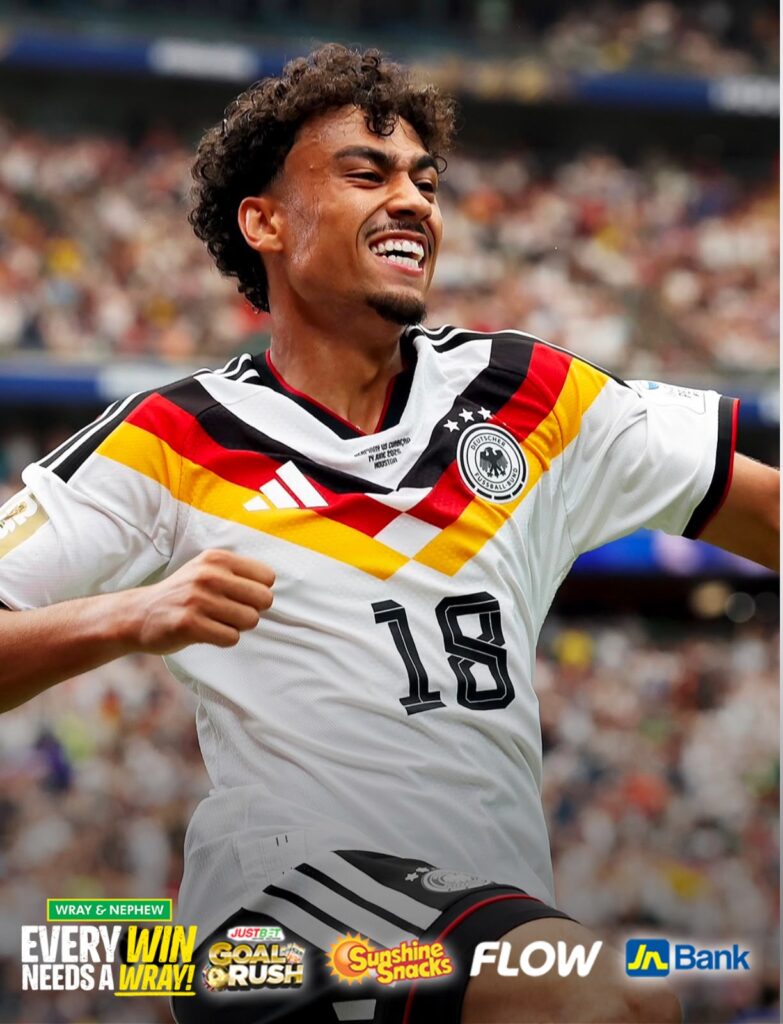
FRANKFURT, Germany – A surprising supply chain hiccup hit sportswear brand Adidas this week, when massive fan demand for personalized World Cup jerseys of top German players left the company temporarily short of the single letter ‘V’, leaving popular custom shirts out of stock for a short window. The global sportswear giant, which currently serves as the official kit manufacturer for the German men’s national football team, confirmed Wednesday that the rush for printed shirts featuring star players Kai Havertz, Deniz Undav and Aleksandar Pavlovic entirely drained its inventory of the 22nd letter of the alphabet. “There were short-term shortages in the availability of the letter V,” a company spokesperson confirmed to AFP Wednesday. The good news for eager German football fans, however, is that the issue was addressed far faster than many expected. The spokesperson added that the temporary stock gaps “were quickly resolved” and that personalized tops featuring the letter ‘V’ would soon be back available for online orders. Earlier the same day, independent checks showed that attempts to purchase a personalized Havertz shirt through Adidas’ official e-commerce store returned an error message reading, “Sorry, we’re currently out of stock of the following characters: V.” By the end of the day, the customized jerseys were back up for purchase, priced at 170 euros, equal to approximately $198 USD. The unexpected letter shortage comes amid a major global tournament, where Adidas sees massive revenue from official merchandise sales. The company currently provides match kits for 14 of the 48 national teams competing in this year’s World Cup, and the tournament’s related merchandise typically delivers a significant boost to the brand’s annual bottom line. But this current partnership with the German national team is set to come to an end in a few years. Starting in 2027, Germany will switch kit suppliers from Adidas to American sportswear giant Nike, bringing a close to a working relationship that has stretched more than 70 years and covered four of Germany’s World Cup championship wins.