博客

  • New 14-Member Cabinet Sworn In as Government Begins Fresh Term

    New 14-Member Cabinet Sworn In as Government Begins Fresh Term

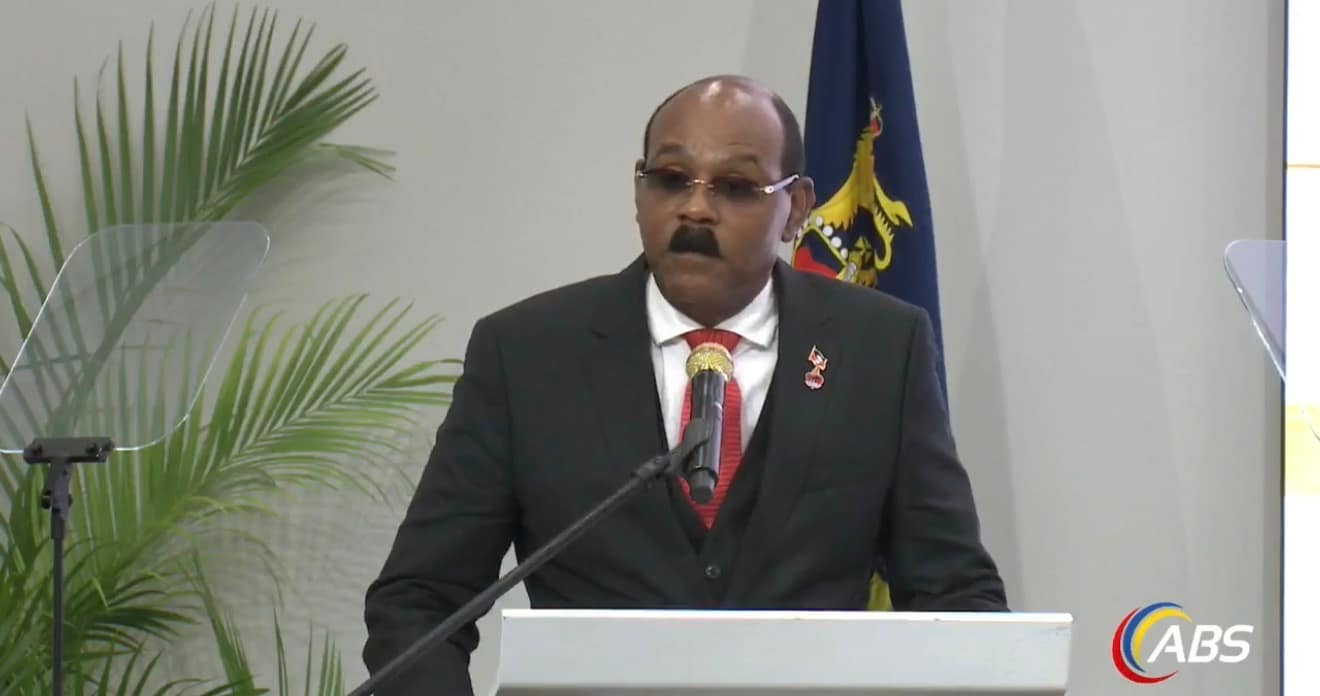
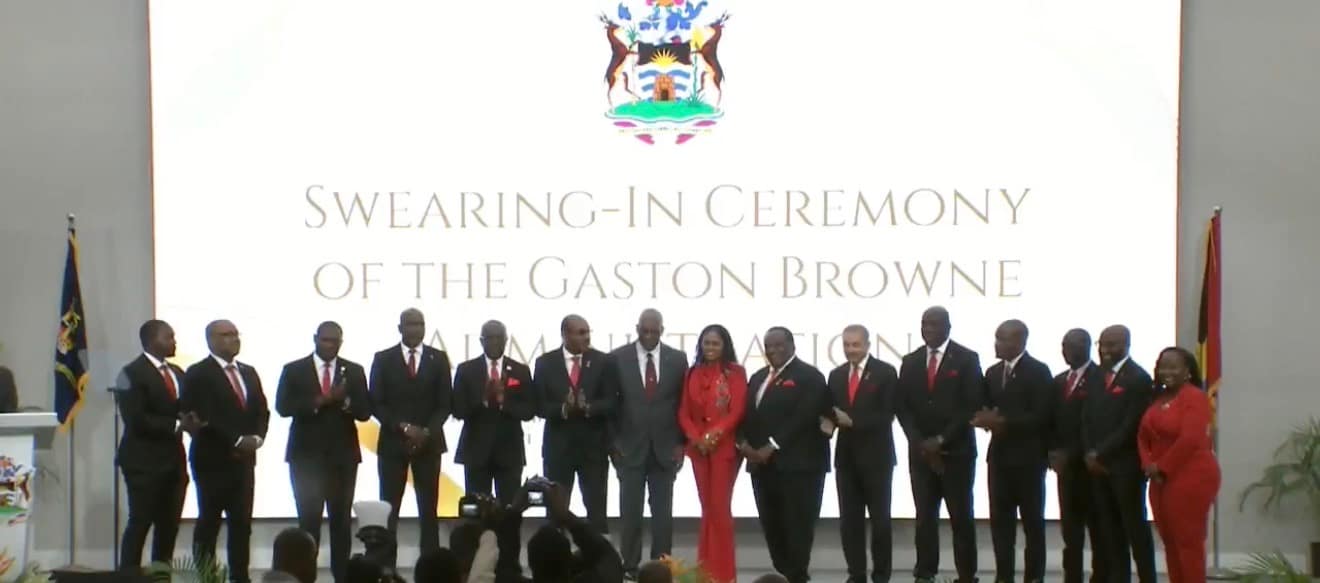
    Following a decisive landslide win in the April 30 general election that gave the ruling party 15 out of 17 parliamentary seats, Antigua and Barbuda has formally completed the formation of its new government, with 14 cabinet ministers — including Prime Minister Gaston Browne and Attorney General Sir Steadroy “Cutie” Benjamin — receiving their official instruments of office during a ceremony held Tuesday.

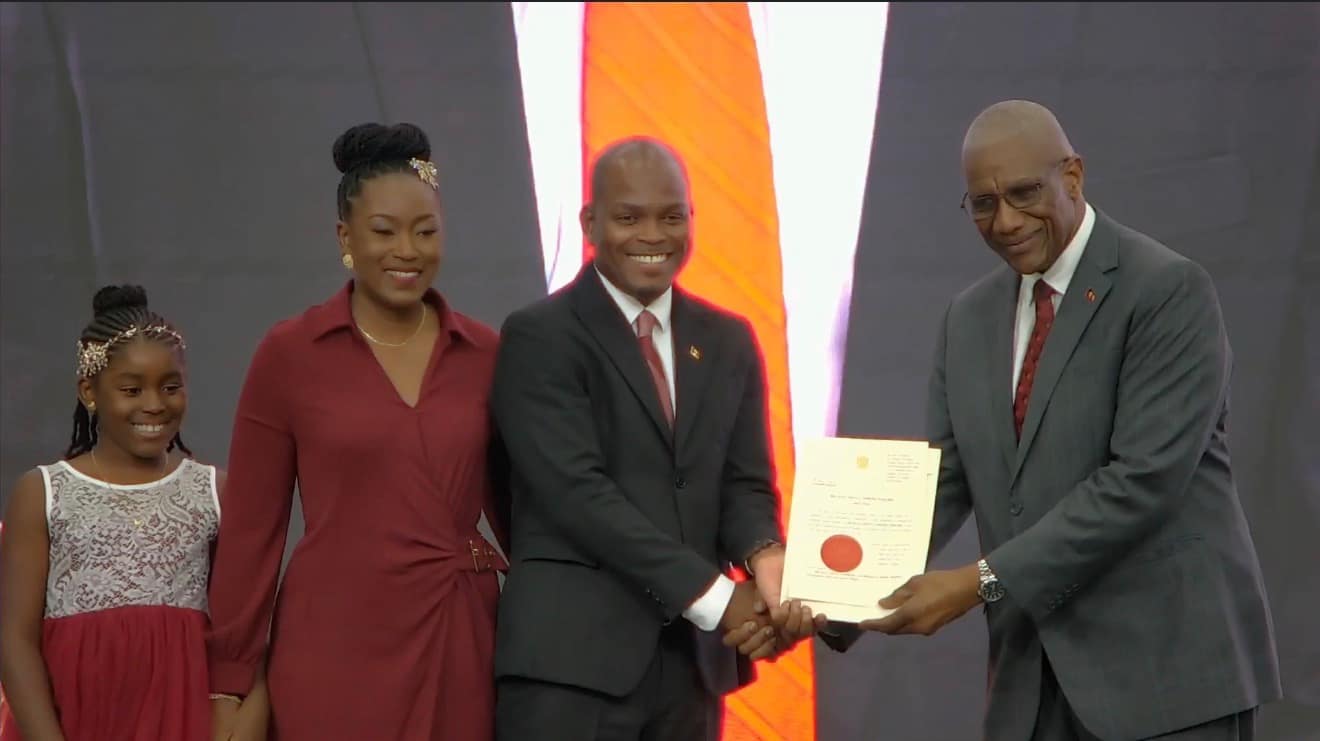
    Prime Minister Browne and Attorney General Benjamin, who completed their initial swearing-in over the weekend, formally accepted their portfolio assignments at the event hosted at the American University of Antigua. The remaining 12 ministerial appointees took the required oaths of allegiance, office, and secrecy directly before Governor General Sir Rodney Williams, bringing the full constitutional formation process to a successful close. This ceremony also marked the first official use of newly updated oaths that were approved by legislative bodies earlier this year, aligning the process with modernized governance guidelines.

    Under the country’s constitutional framework, the Prime Minister holds full authority to allocate ministerial portfolios and oversee the distribution of government responsibilities. Each newly appointed ministry has been assigned broad, clearly defined oversight of critical national institutions and priority development programs. For example, the Information, Communication Technologies, Utilities and Energy portfolio will supervise the Antigua Public Utilities Authority and lead the country’s ongoing digital transformation agenda. The Ministry of Housing and Works takes charge of national infrastructure development, public housing initiatives, and road maintenance projects, while the Education, Science and Technology ministry oversees the nationwide education system, including the regional University of the West Indies Five Islands Campus.

    The Ministry of Health, Wellness, Environment and Civil Service Affairs, one of the public-facing portfolios highlighted during the formation process, will govern the Sir Lester Bird Medical Centre, all national public health services, national environmental management, and civil service administrative operations. The newly structured Ministry of Sports and the Creative Industries holds responsibility for national sports infrastructure, cultural programming, the annual Antigua Carnival, and growth support for the broader creative economy, a fast-growing sector for the island nation.

    Two key appointments that will shape core public services and national growth drew particular focus: Michael Joseph takes the helm of the health, environment, and civil service portfolio, while Dwayne George assumes leadership of the sports and creative industries ministry. Other full cabinet appointments include E.P. Chet Greene as Minister for Foreign Affairs, Trade and Immigration; Charles “Max” Fernandez leading Tourism, Civil Aviation, Transportation and Investment; Melford Nicholas heading Information, Communication Technologies, Utilities and Energy; Maria Vanessa Browne taking responsibility for Housing and Works; Daryll Matthew leading Education, Science and Technology; Anthony Smith Jr. overseeing Agriculture, Lands and the Blue Economy; and Rawdon Turner heading Social and Urban Transformation.

    To bolster operational capacity across high-priority departments, three additional Ministers of State were appointed to assist senior cabinet ministers: Randy St. Clair Baltimore will support the agriculture portfolio, Michael Freeland will back the tourism team, and Kiz Johnson will assist with social and urban transformation initiatives.

    As the country finalizes its full parliamentary structure, one key position remains unfilled: a Deputy Speaker for the new parliament has not yet been appointed, though Dr. Philmore Benjamin, the newly elected Member of Parliament for St. Mary’s North, is widely expected to be nominated for the role. Upcoming parliamentary proceedings will also see all appointed Senators officially sworn in at 10 a.m. Friday at Government House, marking the final step in establishing the new legislative term.

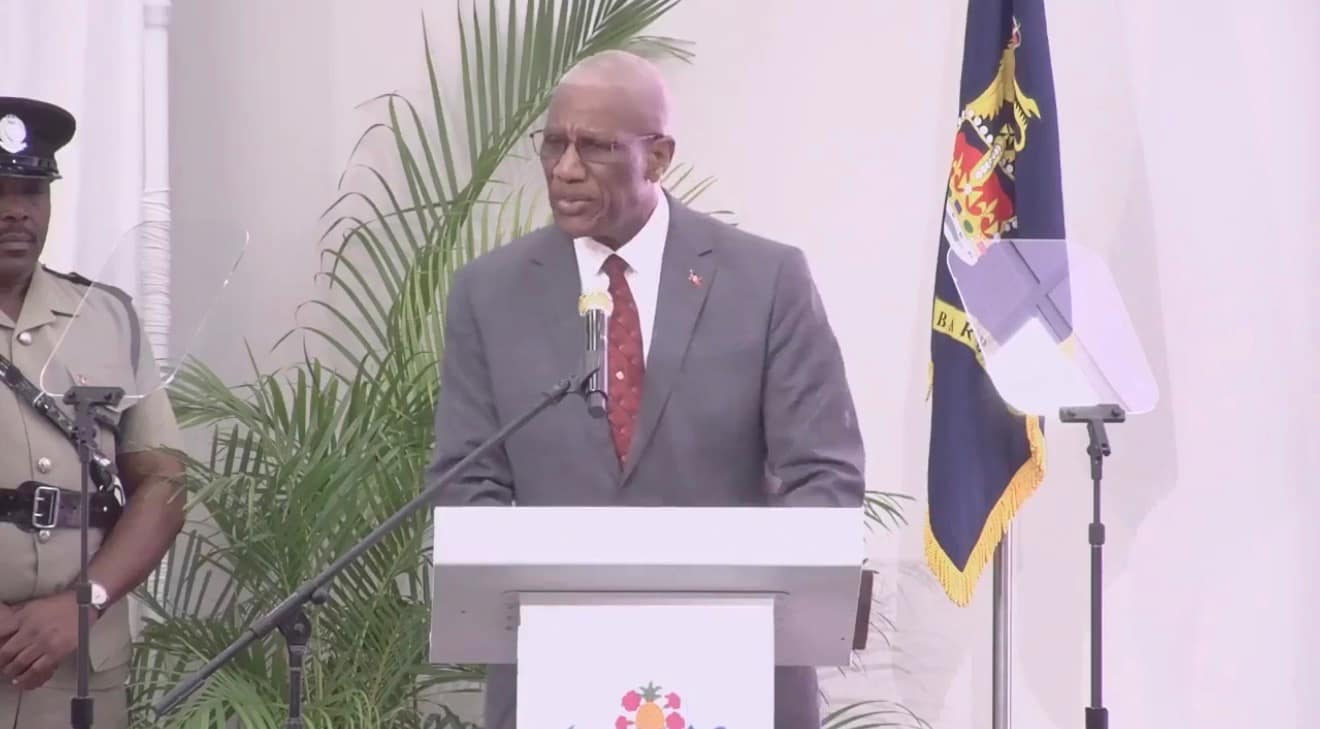
    In closing remarks at Tuesday’s cabinet ceremony, Governor General Sir Rodney Williams delivered a charge to the newly appointed ministers, urging them to carry out their public duties with unwavering integrity and collective unity. He reminded appointees that holding public office is not a privilege, but a core duty that must be discharged exclusively for the benefit of all citizens of Antigua and Barbuda.
  • Health Ministry Welcomes Michael Joseph as New Minister

    Health Ministry Welcomes Michael Joseph as New Minister

    A new chapter of leadership is set to begin at one of the Caribbean’s most crucial government departments, as the Ministry of Health, Wellness, Environment and Civil Service Affairs has formally announced its warm welcome to incoming Minister Michael Joseph. Joseph’s appointment is scheduled to take official effect on May 5, 2026, marking a fresh term of leadership for the sprawling public agency that oversees three core pillars of national development.

    In an official public statement released by the ministry, leadership and staff extended formal congratulations to the Honorable Michael Joseph, who will step into the top role guiding the institution’s work. The statement emphasized the outsize importance of the ministerial portfolio Joseph is set to lead, noting that it touches nearly every aspect of daily life for citizens across the country.

    Beyond overseeing the delivery of clinical and public health services that keep communities healthy, the ministry is tasked with driving national wellness initiatives, advancing urgent environmental sustainability action, and continually strengthening the country’s entire civil service system. These interconnected responsibilities make the role a central one in the national cabinet, touching everything from public health infrastructure to climate protection to the efficiency of government services for all residents.

    The full ministry team, from frontline public servants to senior leadership, expressed collective eagerness to collaborate with Joseph as he takes on his new responsibilities. “We look forward to working under his guidance and vision to continue delivering high-quality healthcare, promoting national wellness, protecting our environment, and enhancing service delivery across the civil service,” the statement read.

    To close out the official announcement, the entire ministry extended sincere well wishes for Joseph’s tenure, saying: “We wish you every success in this new chapter of service to our country.”

  • Governor General Says Nation Must Move Forward Together After Election

    Governor General Says Nation Must Move Forward Together After Election

    Fresh off the conclusion of Antigua and Barbuda’s April 30 general election, the nation’s top constitutional figure has delivered a stark and unifying message to both newly elected leaders and the public: political divisions must not tear the country apart, and all sectors must work together to advance the shared national interest.

    Governor General Sir Rodney Williams made his call for national healing and collective action during Tuesday’s formal swearing-in ceremony for the incoming cabinet, an event that followed a lopsided election result where the incumbent governing party claimed 15 of the 17 available parliamentary seats.

    In his address to the new ministers and assembled guests, Sir Rodney emphasized that democratic competition, by its nature, produces divergent preferences among voters, but those differences should never fracture the bonds that hold the national community together. “At moments such as this, we are reminded that while elections may divide us in choice, they must never divide us as a people,” he stated. “Once the ballots are counted, we are called to come together—not as supporters of different parties, but as one nation, united in purpose and shared destiny.”

    Beyond his appeal to national unity, Sir Rodney used the occasion to remind incoming cabinet members that public office is a solemn responsibility rather than a trophy for political victory. “Public office is not a prize to be claimed, but a duty to be discharged with humility, discipline, and unwavering integrity,” he argued.

    He stressed that the new government owes representation to every resident of Antigua and Barbuda, not just those who cast ballots for the governing party. “You are now called upon to serve not only those who supported you, but every citizen and resident of this nation,” Sir Rodney said. “In this regard, you are ministers not of a party alone, but of Antigua and Barbuda as a whole.”

    The Governor General also pushed back against the idea that ministerial oaths are empty procedural formalities, noting that the promises carry profound legal and moral weight. “The oaths which you are about to take are not mere formalities. They represent a binding commitment to the Constitution of Antigua and Barbuda, to the rule of law, and to the faithful execution of your duties,” he explained.

    Effective governance, Sir Rodney added, depends on collaborative work rather than individual achievement, urging the new cabinet to prioritize collective purpose. “These are times that demand not only competence, but courage—not only vision, but collaboration,” he said. “The strength of your administration will depend not solely on individual effort, but on collective purpose and shared responsibility.”

    His closing remarks turned to the wider public, reaching out both to supporters of the winning party and to voters who left the election disappointed by the outcome. Sir Rodney encouraged all residents to maintain active, constructive engagement with public life to support the nation’s long-term progress. “I therefore encourage all citizens—those who celebrate today and those who may feel disappointed—to remain engaged, to remain constructive and committed to the advancement of our nation,” he added.

  • PM Browne Warns Cabinet: ‘No Room for Mediocrity’

    PM Browne Warns Cabinet: ‘No Room for Mediocrity’

    Fresh off a decisive landslide win in the April 30 general election, Antigua and Barbuda Prime Minister Gaston Browne has laid out strict expectations for his newly inaugurated Cabinet, drawing a clear line in the sand against underperformance and complacency as the administration kicks off its fourth term.

    Speaking at Tuesday’s official swearing-in ceremony for the new Council of Ministers, Browne tied his administration’s overwhelming electoral mandate—securing 15 out of 17 available parliamentary seats—to a dramatically elevated standard of accountability to the voting public. The Prime Minister stressed that the unprecedented trust voters placed in his party cannot be treated as a given, and all appointed ministers must hold themselves to the highest possible standards of service.

    “You have been entrusted with a tremendous responsibility by the people of this nation,” Browne told the assembled ministers. He went on to urge every Cabinet member to honor the electorate’s confidence and avoid betraying the support that carried the party to a resounding victory at the polls.

    In firm, uncompromising language, Browne made clear that underperformance and mediocre work will not be tolerated in his new administration. He emphasized that his government must be defined by consistent excellence and tangible, on-the-ground delivery for citizens, repeating: “There must be no mediocrity.” All ministers, he insisted, are required to carry out their official duties at the peak of their capabilities.

    Browne also pushed back against the common framing of public office as a privilege, reframing it as a solemn duty to the Antiguan and Barbudan public. He called on all Cabinet members to approach their roles with unwavering discipline, unassailable integrity, and an unrelenting focus on delivering measurable results. “You are here to serve the people of this country,” he said, warning that any failure to uphold this core mission would erode the trust voters have extended to the new administration.

    Beyond individual accountability, the Prime Minister also emphasized the critical need for cross-ministerial unity. Collective collaborative effort, he noted, is the only foundation for hitting the country’s ambitious long-term development targets. “We must work together in unity,” Browne said, encouraging ongoing coordination and partnership between government departments to move forward with the administration’s top development priorities.

    Framing this new fourth term as a period of transformative national progress, Browne highlighted a pipeline of current and upcoming initiatives focused on three core goals: upgrading the country’s core infrastructure, raising overall living standards for all citizens, and positioning Antigua and Barbuda for long-term, sustainable economic growth.

    He also doubled down on the importance of widespread national productivity, noting that meaningful national progress will rely not just on government action, but on buy-in and effort across all sectors of Antiguan and Barbudan society. Repeating his core message—“You cannot accept mediocrity”—Browne reinforced his commitment to delivering tangible, visible outcomes that match the overwhelming mandate the party received from voters.

    Browne’s opening remarks to the new Cabinet have set a clear, results-first tone for the administration’s incoming term, signaling an uncompromising zero-tolerance approach to complacency as the newly sworn-in ministers prepare to begin their official work.

  • Pawiroredjo en Gajadien uiten scherpe kritiek op ingreep president bij Self Reliance

    Pawiroredjo en Gajadien uiten scherpe kritiek op ingreep president bij Self Reliance

    On Tuesday, two leading parliamentary faction leaders from Suriname — Jerrel Pawiroredjo of the National Party of Suriname (NPS) and Asis Gajadien of the Progressive People’s Party (VHP) — delivered pointed, urgent questions to the national government during a sitting of the National Assembly. The inquiry centers on claims of inappropriate political meddling in the operations of state-linked enterprises and the broader domestic financial sector, triggered by recent actions taken by the Surinamese president targeting the Board of Commissioners of the national insurance firm Self Reliance.

    Lawmakers have characterized the president’s move as a deeply troubling development that threatens long-standing principles of good governance and transparent corporate oversight. “Shareholding carries responsibility, not unchecked absolute control,” the parliamentarians emphasized in their questioning. According to unconfirmed reporting from local outlet Starnieuws, the controversial intervention is expected to be reversed in the near term, with all formal correspondence related to the plan also withdrawn.

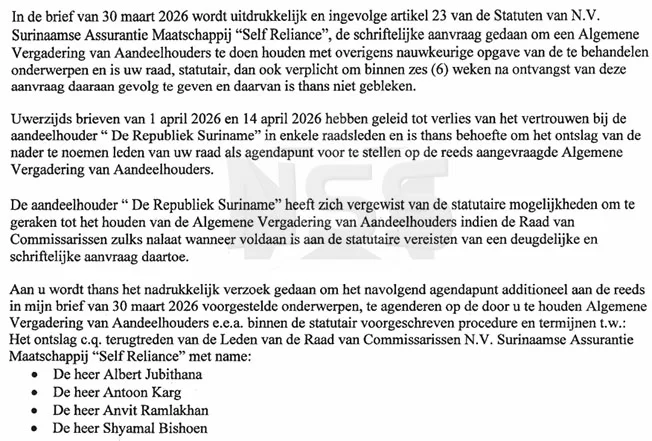
    A leaked letter from the president to Albert Jubitana, president-commissioner of Self Reliance, reveals that acting on behalf of the Surinamese state, which holds shares in the company, the head of state pushed for an emergency general meeting of shareholders to be convened. A key item added to the proposed meeting agenda is the dismissal of multiple sitting members of the Board of Commissioners. The request specifically calls for a full review of the performance of board members, with an eye toward potentially removing several from their posts.

    In the correspondence, the president cites Article 23 of Self Reliance’s corporate bylaws, which formally grants shareholders the right to request an extraordinary general meeting. The letter also demands the board turn over internal records on ongoing deliberations and disclose the legal basis for recent decisions the board has made.

    Critics of the president’s action have raised serious questions about the appropriate boundaries of shareholder influence, particularly in this case: the Surinamese state does not hold a controlling majority stake in the insurer, instead owning only approximately 40 percent of outstanding shares.

    Beyond the insurer itself, concerns have also been raised about potential political pressure on the Central Bank of Suriname. Observers warn that unchecked political influence could erode the central bank’s regulatory independence, creating significant unneeded risks to the overall stability of Suriname’s financial sector. In their inquiry, the parliamentary leaders have demanded the national government provide full transparency around the intervention, as well as a clear, legally sound justification for the president’s actions.

  • Leisure : Did you know ? #21

    Leisure : Did you know ? #21

    In the 21st installment of HaitiLibre’s popular “Did You Know?” leisure series, published on May 6, 2026, readers are introduced to a little-known ecological treasure of Haiti: Miragoâne Pond. Spanning roughly 25 square kilometers, this unique freshwater body sits adjacent to the eponymous town in Haiti’s Nippes Department, standing out sharply from the country’s better-known Étang Saumâtre, which holds only brackish water. Unlike many of Haiti’s surface water systems that rely on direct rainfall runoff, Miragoâne Pond is nourished by a network of underground natural springs and seasonal mountain runoff, earning it the distinction of being the nation’s largest natural freshwater reserve.

    This ecologically critical site boasts extraordinary biodiversity, serving as a habitat for multiple fish species found nowhere else on Earth and a key resting and breeding refuge for hundreds of types of aquatic migratory and resident birds. Beyond its ecological value, Miragoâne Pond plays an indispensable functional role for the surrounding region: it regulates local hydrological cycles to stabilize adjacent ecosystems, and it supports the livelihoods of thousands of local residents who rely on its waters for small-scale commercial and subsistence fishing. Despite its importance, the pond faces growing environmental threats. Accelerated deforestation on the hills surrounding the water body has led to increased soil erosion and silt buildup in the pond, making long-term protection of the site a pressing priority for Haitian environmental advocates and local authorities. This work to raise public awareness of Miragoâne Pond underscores the rich, under-documented diversity of Haiti’s aquatic landscapes.

    The information featured in this “Did You Know?” entry is pulled from official answer resources for the quiz platform QuizHaitiLibre, HaitiLibre’s free, user-focused general knowledge project that launched earlier this year. The platform was designed to engage audiences of all ages and backgrounds, offering exclusive quiz games that do not require user registration or payment to access. Every quiz on the platform offers three tiered difficulty levels—normal, intermediate, and advanced—to match different user skill levels, and all content is fully available in both French and English to serve a broad global audience of users interested in Haiti and global general knowledge.

    As of the platform’s most recent monthly update completed on May 4, 2026, 30 brand new quiz games have been added to the platform, bringing the total number of available games across all categories to 119. New games are added to the platform on a monthly basis to keep content fresh and engaging for returning users. The platform covers topics ranging from Haitian geography, history, and culture to global current events and general knowledge, with a dedicated expert section for users seeking more challenging questions. Users can access the full suite of quiz games at any time via the official QuizHaitiLibre website.

  • Pesticidenschandaal: DNA hekelt falend toezicht en risico voor volksgezondheid

    Pesticidenschandaal: DNA hekelt falend toezicht en risico voor volksgezondheid

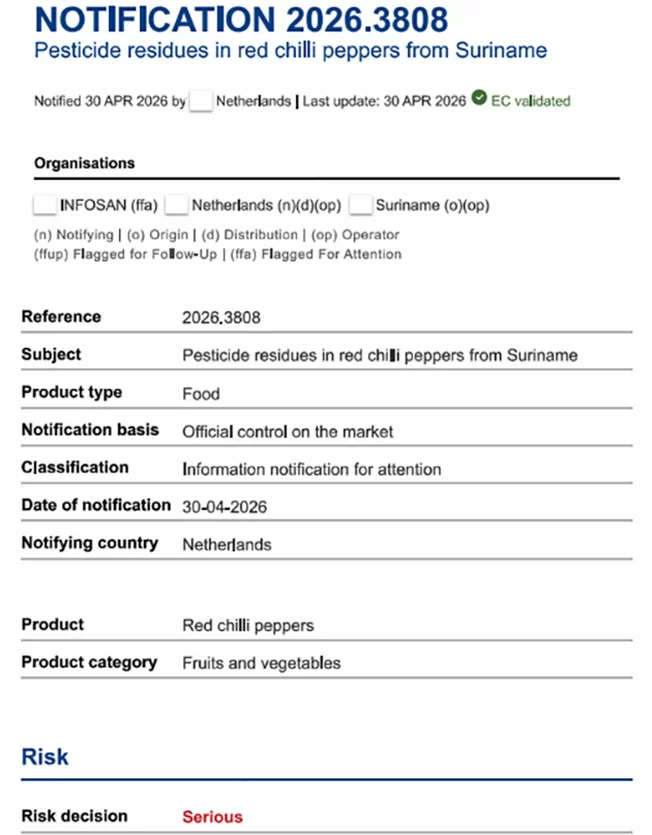
    A major political controversy has erupted in Suriname after the European Union rejected two of the country’s key agricultural export shipments in just four days, triggering fierce criticism of the government’s failed food safety regulation from lawmakers in the National Assembly (DNA).

    The rejected products, red pepper and yardlong bean, failed EU entry checks due to containing pesticide residues that exceeded the bloc’s strict safety limits. Lawmakers from across the political spectrum have warned that this failure is not just an international trade issue, but an immediate threat to domestic public health, with one senior parliamentarian saying the current broken system is actively poisoning the Surinamese population.

    During Wednesday’s public parliamentary session, legislators drew a direct line between the EU rejections and deep, structural flaws in Suriname’s domestic food safety monitoring regime. NDP parliamentarian Jennifer Vreedzaam led the criticism, leveling sharp blame at Agriculture, Livestock and Fisheries (LVV) Minister Mike Noersalim for the government’s inaction on this long-recognized problem.

    VHP lawmaker Cherryl Dijksteel emphasized that the incident confirms a fundamental breakdown in the country’s food control infrastructure. “If we cannot stop banned substances from entering the supply chain, detect residue limit breaches, or inspect products before they reach markets, we have to ask: does our current system work at all?” Dijksteel said. She pressed the government to answer a series of urgent, detailed questions about the incident, including whether the responsible exporters have been identified, whether products from the same farms are being retested for domestic sale, and how the country can improve product traceability. “You cannot run effective control if you do not know where a product comes from,” she stressed.

    A core unresolved question at the heart of the debate is whether agricultural products are actually tested before they are distributed domestically or exported. If pre-market testing does occur, lawmakers say, the failure to catch the excessive pesticide residues points to major gaps in inspection quality and process. If testing does not occur at all, that indicates a complete failure to deliver the most basic level of consumer protection.

    Vreedzaam and VHP colleague Dew Sharman argued that Minister Noersalim and the broader government cannot be allowed to avoid accountability for this failure. Vreedzaam called for immediate corrective action, noting that no recalls have been issued for potentially contaminated products sold domestically. “Nothing has been done. We haven’t seen any products pulled from store shelves, which means contaminated goods are still sitting there for consumers to buy. That can only mean one thing: we are poisoning our own people,” Vreedzaam said.

    Dijksteel added that the crisis is entirely avoidable: the problem of unsafe pesticide residues has been recognized as a top priority for years in the strategic plan of the National Institute for Food Safety Suriname (NIVS), and global development programs including the STDF project have already mapped out clear solutions. “We know what the problems are, we already have the solutions worked out, but nothing is being implemented,” she said.

    The consequences of this inaction stretch far beyond the two rejected shipments, lawmakers warned. Beyond the immediate damage to Suriname’s reputation as a reliable agricultural exporter, unregulated pesticide residues pose a long-term threat to the health of the domestic population. Dijksteel called the fact that EU inspectors, not local regulators, detected the breaches particularly alarming. “This means our system is failing at its most basic core function: protecting the consumer,” she explained.

    Criticism has centered almost entirely on the LVV ministry, which holds formal responsibility for food safety oversight and enforcement. The demand for immediate government intervention has grown louder, with Dijksteel noting the issue has long outgrown the stage of being a simple technical problem. “This is a governance failure. The question is no longer whether there is a problem, it is why nothing has been done to fix it,” she said.

    Suriname’s government is now facing widespread pressure to deliver concrete, immediate policy changes: strengthening pesticide use monitoring, closing gaps in food safety inspection, protecting public health, and rebuilding trust with both domestic consumers and international trade partners.

  • Important working session on the stabilization and economic recovery of Haiti

    Important working session on the stabilization and economic recovery of Haiti

    On June 5, 2026, senior Haitian government officials and leaders of the United Nations System in Haiti convened a critical working session focused on advancing the country’s urgent economic stabilization and recovery agenda, laying out clear collaborative next steps to address the Caribbean nation’s ongoing humanitarian and development challenges.

    Leading the Haitian government delegation was Sandra Paulemon, Haiti’s Minister of Planning and External Cooperation, who was joined by Guy Roméo Latry, the Ministry’s Director General, and Paul Ruddy Mentor, Paulemon’s Chief of Staff. On the United Nations side, the meeting was hosted by Nicole Kouassi, UN Resident Coordinator in Haiti, alongside her specialized technical team.

    The two sides centered discussions on five core priorities, starting with the governance of the UN-Haiti Global Cooperation Framework and the Peacebuilding Fund (PBF) steering committee. Additional agenda items included progress updates on Haiti’s Strategic Development Plan (PSDH), the finalization of the mid-term report for the Doha Development Agenda, and the rollout of Haiti’s national economic stabilization and recovery program.

    This flagship recovery program is explicitly aligned with the Haitian government’s top national priorities, which center on enabling the safe return of displaced citizens to their home neighborhoods and the resumption of schooling for children across the country. It also prioritizes expanded access to safe drinking water and the rollout of a suite of essential social initiatives designed to rebuild Haiti’s damaged economic and community fabric.

    In her opening remarks to the session, Minister Paulemon clarified the institutional leadership structure for the program: strategic direction is set by the Office of the Prime Minister, while the Ministry of Economy and Finance serves as technical coordinator and carries responsibility for all budgetary oversight.

    Intervention zones for the recovery program have been selected through a multi-criteria assessment that weighs a region’s level of vulnerability, existing security pressures, and untapped economic potential. The program’s primary focus areas are fragile urban communities, strategic border transit corridors, and key agricultural basins that play a critical role in advancing national food security and creating much-needed local jobs.

    Paulemon underlined the urgent need to mobilize international funding that is coordinated, predictable, and rapidly deployable to deliver tangible, on-the-ground improvements that directly improve the lives of the Haitian people. “The Haitian population cannot afford to wait for relief and recovery,” she emphasized, noting that the program’s goals extend beyond enabling displaced people to return home to rebuilding the lost household capital of vulnerable communities.

    During negotiations, the Minister called for a revamped comprehensive cooperation framework between Haiti and the UN that is centered on measurable results and fully aligned with the government’s three core priorities: expanding national security, driving inclusive economic and social recovery, and laying the groundwork for upcoming national elections.

    For his part, Guy Roméo Latry stressed that the Ministry of Planning and the United Nations system must reach consensus on clear, concrete deliverables embedded within the overall cooperation framework. He reiterated that the framework must deliver results that are tangible, visible, and measurable to the Haitian public, calling for an impact-first working approach that turns formal commitments into immediate, direct action that benefits local communities.

    Paulemon and Kouassi also dedicated discussion to aligning Haiti’s Strategic Development Plan with the government’s current urgent priorities. The Minister called for expanded regular technical exchanges between planning department teams and the UN Resident Coordinator’s Office to align strategic references and eliminate any ambiguity around the strategic foundation for external development support to Haiti.

    The working session also yielded tangible progress on two key administrative priorities: negotiators moved closer to finalizing the mid-term report of the Doha Development Agenda, and agreed on preliminary terms for the organizational structure and membership of the Peacebuilding Fund steering committee.

    By the close of the meeting, both sides confirmed that the session had successfully consolidated strategic alignment between Haiti’s Ministry of Planning and the United Nations system. Participants recorded meaningful progress on strengthening governance mechanisms for both the Global Cooperation Framework and the Peacebuilding Fund, and established a clear timeline and roadmap for the next phases of implementing the national economic stabilization plan.

  • Young track stars shine as Team Nevis claims victory  at the Inter-Island Primary Athletics Championships

    Young track stars shine as Team Nevis claims victory at the Inter-Island Primary Athletics Championships

    After a six-year break from competitive inter-island youth sports, the St. Kitts and Nevis Inter-Island Primary Athletics Championship made its triumphant return on May 3, hosted at the state-of-the-art Mondo Track at Nevis Athletic Stadium. Co-organized by SKN Athletics and the Nevis Island Administration (NIA), the long-awaited event drew crowds of enthusiastic track fans and set the stage for the federation’s most promising young primary school athletes to test their skill, speed and grit against their peers from across the two islands.

    The competition spanned four age divisions, from Under-9 through Under-13, giving rising male and female athletes the chance to compete for individual and team glory across a full slate of track events. When the final race crossed the finish line, Team Nevis claimed the overall championship title, turning in a dominant performance that earned the squad 19 gold medals, 14 silver medals, and 10 bronze medals. Team St. Kitts turned in a strong showing of their own, racking up 15 golds, 20 silvers, and 16 bronzes to cement the tight, competitive nature of the meet.

    Two young standouts earned the highest individual honors of the championship. Roné Isles, a rising star from Team Nevis, secured the title of Victrix Ludorum for her extraordinary multi-event performance. Isles claimed three individual gold medals in the Girls Under-13 400m, Girls Under-13 800m, and Girls Open 1200m, before adding two more gold medals as a key member of the winning Girls Under-13 4x100m and Girls Open 4x400m relay squads. Calvert Gift of Team St. Kitts took home the Victor Ludorum title for his own exceptional performances across the meet.

    Hon. Senator Troy Liburd, Nevis Island Administration’s Minister of Education and Youth, joined a wave of public praise for all competing athletes after the event. “On Sunday we celebrated not just a victory, but the power of teamwork, perseverance, and national pride,” Liburd said in his address following the championship. He extended formal congratulations to Team Nevis on their overall win, noting that the result stood as a testament to the relentless dedication of the young athletes, their coaches, and supportive families who nurture growth both on and off the track. “Your collective effort has made the entire Federation proud. Well done, Team Nevis- your success inspires us all,” he added.

    Liburd also made a point to celebrate Team St. Kitts’ strong competitive showing, emphasizing that the sportsmanship, mutual respect, and athletic excellence on display throughout the championship perfectly embodied the unifying spirit of healthy competition that the event was built to foster. The championship’s return has already reignited widespread excitement for youth track and field across the federation, with fans and organizers looking ahead to the next installment of the inter-island competition.

  • Highway Attack Leaves Hubert Baptist and Eric Fraser Hospitalized

    Highway Attack Leaves Hubert Baptist and Eric Fraser Hospitalized

    On the afternoon of May 5, 2026, a targeted, broad-daylight shooting on Belize’s Northern Highway left the local community stunned, after attackers ambushed a moving vehicle carrying two men, Hubert Baptist and Eric Fraser, sending their car crashing into a roadside drain. Both victims have been transported to the country’s main public medical facility, Karl Heusner Memorial Hospital, for urgent care, while law enforcement officials have launched a full investigation to unpack the motives and details of the brazen attack.

    The incident unfolded just after 3 p.m. in the immediate vicinity of the Haulover Bridge, where first responders pulled Baptist from the overturned wreckage. Investigators processing the crime scene found more than a dozen spent bullet casings scattered across the asphalt of the highway, mere feet from where the vehicle came to rest in the drain. Visible damage to the red SUV targeted in the attack includes multiple bullet holes piercing the front windshield and the driver-side door, confirming the intensity of the gunfire.

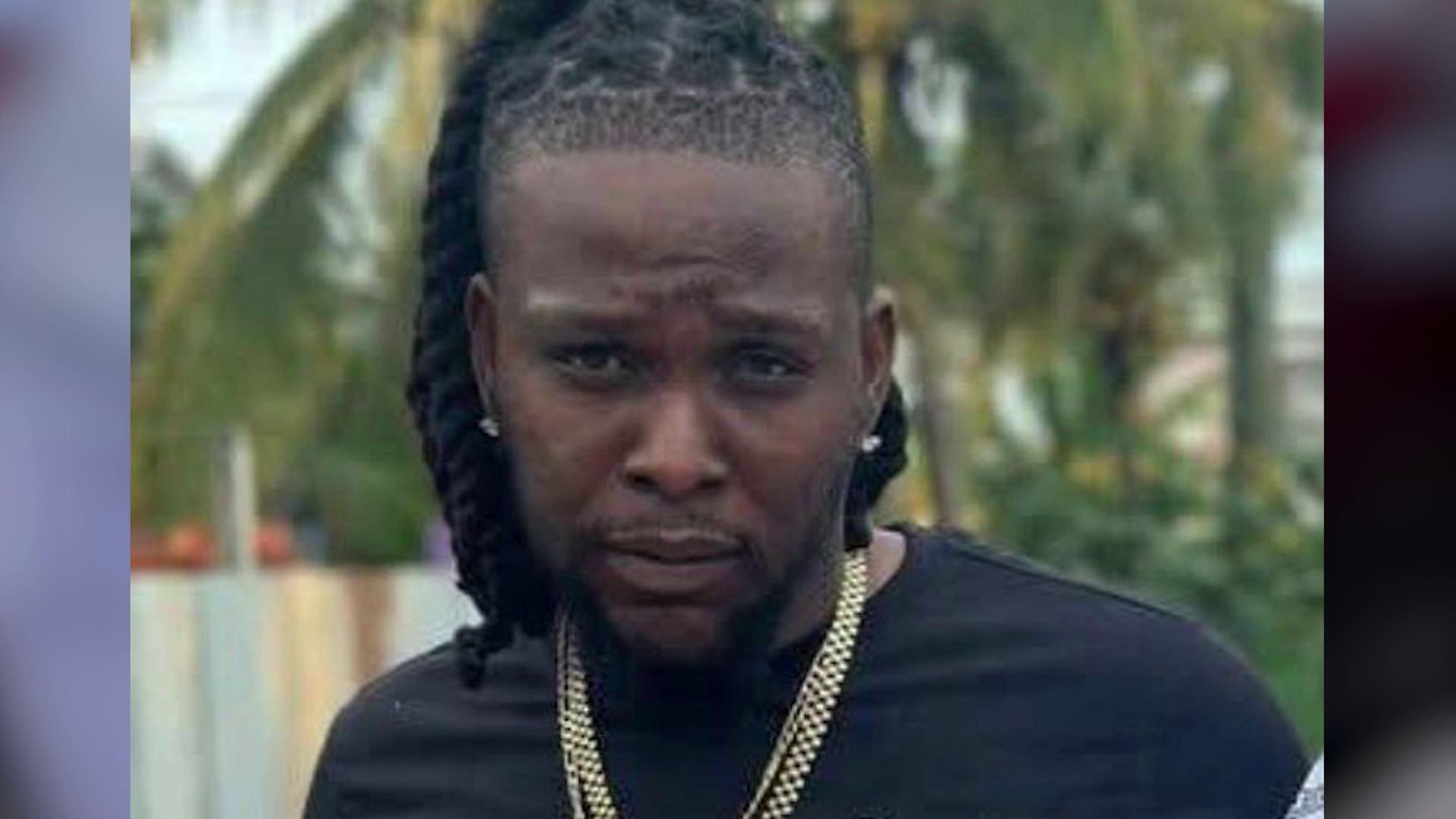
    Both Baptist and Fraser are well-known documented gang members who have been featured in local news coverage on multiple occasions over the past several years. Baptist’s history of run-ins with violence and the justice system stretches back years: in 2022, a police raid on the Baptist family home left both Hubert and his brother Earl wounded by non-lethal gunfire, requiring immediate medical treatment for their injuries. More recently, in 2025, Baptist spoke publicly with News Five about his experience of wrongful detention during the 2020 national state of emergency. He was one of 16 men who were ultimately awarded financial compensation for the wrongful detention, and at the time, he openly shared his deep frustration with what he described as a broken legal system that had failed him and other marginalized community members.

    Witness accounts of the attack outline a clear, premeditated ambush: another SUV pulled alongside the victims’ moving vehicle on the busy highway, and an unidentified gunman leaned out of the vehicle to open fire directly at Baptist and Fraser. Law enforcement agencies have not yet released any updates on potential suspects or motives for the shooting, confirming only that the investigation remains active and ongoing. This report comes from News Five correspondent Zenida Lanza.