分类: world

  • Oekraïne sluit veiligheidsdeals in het Midden-Oosten tegen Iraanse drones

    Oekraïne sluit veiligheidsdeals in het Midden-Oosten tegen Iraanse drones

    Ukraine has nearly finalized a series of groundbreaking security agreements with Middle Eastern nations, including a recently announced pact with Saudi Arabia, to bolster defenses against Iranian drone attacks. Ukrainian Foreign Minister Andrii Sybiha disclosed these developments during an interview on the sidelines of the G7 foreign ministers’ meeting in France.

    President Volodymyr Zelenskiy confirmed the Saudi agreement through social media, characterizing it as a ‘significant arrangement’ that establishes foundations for future contracts, technological cooperation, and investments. This defense partnership emerges amid escalating Iranian attacks on Gulf states, which have intercepted hundreds of drones and dozens of missiles since February.

    The United Arab Emirates and Qatar, both severely impacted by these attacks, are engaged in advanced negotiations with Ukraine regarding unmanned technology cooperation. Sybiha indicated these discussions represent the most progressed talks among current diplomatic efforts.

    Gulf nations have deployed over 800 Patriot missiles for defense since conflict initiation and now seek to leverage Ukraine’s expertise in countering Russian drones and missiles. Ukraine has evolved into a leading producer of cost-effective yet highly efficient interception drones. Reports indicate Russia launched more than 19,000 drones against Ukraine during winter alone, positioning the country as a global leader in counter-drone technology.

    Beyond technical knowledge sharing, Ukraine aims to secure financial support and investments in exchange for its drone warfare expertise. The prolonged conflict continues straining Ukraine’s economy, which faces enormous reconstruction costs, military expenditures, and humanitarian needs. Investments from the Gulf region could significantly enhance both economic stability and defense capabilities.

    With the war entering its fifth year, Ukraine remains dependent on international support to sustain its defense efforts. The volatile Middle East situation, particularly the US-Israel-Iran conflict triangle, creates uncertainty regarding continuity of Western military supplies.

    As peace negotiations stall, Kyiv is exploring China’s potential role as mediator. China maintains close ties with Russia and hasn’t joined sanctions against Moscow. Although not directly involved in peace talks, China remains Ukraine’s primary trading partner. Sybiha confirmed receiving an invitation for discussions in China, potentially occurring within two months.

    Drone warfare represents one of Ukraine’s most pressing military challenges. During one particularly intense aerial assault, Russia launched 948 drones within 24 hours, resulting in two casualties. Ukraine has consequently deployed specialized anti-drone experts to assist Gulf states in defending against Iranian attacks, accounting for unique regional conditions including sandstorm interference.

  • Expert team leads Antigua and Barbuda’s participation at High Seas treaty meeting at the United Nations

    Expert team leads Antigua and Barbuda’s participation at High Seas treaty meeting at the United Nations

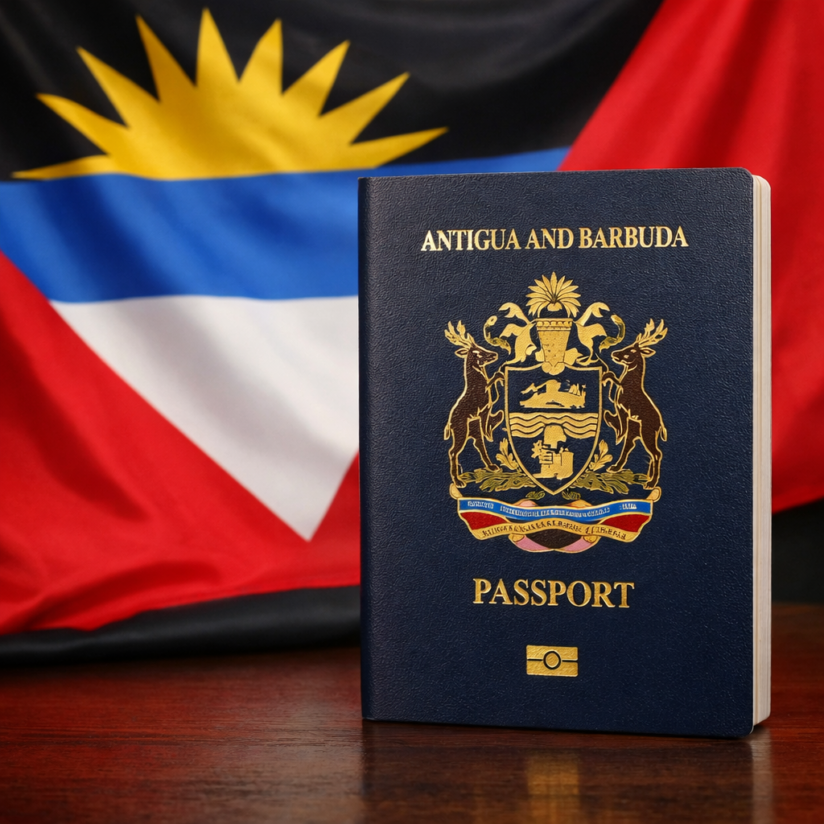
    Antigua and Barbuda has assumed a leadership position in critical United Nations negotiations concerning the implementation of the landmark Biodiversity Beyond National Jurisdiction (BBNJ) Treaty, widely recognized as the High Seas Treaty. A specialized delegation from the nation is actively participating in the third session of the Preparatory Commission (Prep Com III), held from March 23 to April 2, 2026, which aims to finalize the operational framework for this groundbreaking international agreement.

    The treaty’s full activation is poised to establish comprehensive protection for vast oceanic territories that lie beyond any single nation’s jurisdiction. This global governance mechanism is particularly vital for Small Island Developing States (SIDS), including Antigua and Barbuda, whose economic sustenance and ecological survival are intrinsically linked to marine health.

    Leading the nation’s delegation is Asha Challenger, First Secretary at the Antigua and Barbuda Permanent Mission to the UN, who also serves as a Vice President of the Preparatory Commission. She is spearheading coordination efforts with CARICOM and the Alliance of Small Island States on pivotal issues including financial mechanisms, institutional architecture, and strategic partnerships with relevant international bodies.

    Challenger is supported by a team of legal and maritime experts: Darius Joseph, Legal Officer at the Antigua and Barbuda Department of Marine Services and Marine Shipping (ADOMS), and Zachary Phillips, Crown Counsel II at the Office of the Attorney General. Their collective expertise underscores the nation’s profound commitment to ensuring SIDS have a decisive voice in decisions affecting their maritime future.

    This preparatory meeting represents the final convening before signatory nations gather for the inaugural Conference of the Parties, scheduled for January next year at UN Headquarters in New York. This subsequent conference will mark the treaty’s full operationalization, initiating the practical implementation of obligations for sustainable ocean use and conservation.

  • Barbados’ poet laureate takes centre stage at the United Nations

    Barbados’ poet laureate takes centre stage at the United Nations

    In a powerful address to the United Nations General Assembly, Barbados’ inaugural Poet Laureate Esther Phillips issued a compelling challenge to the international community, urging concrete action on reparations for the historical atrocities of the transatlantic slave trade. The special session, convened on Wednesday to mark the International Day of Remembrance of the Victims of Slavery and the Transatlantic Slave Trade, featured Phillips’ poignant recitation of two original poems before representatives from all 193 member states.

    Appointed in March 2018 to celebrate and advance Barbados’ literary heritage, Phillips—an accomplished poet, educator, and editor—delivered her address at the personal invitation of Assembly President Annalena Baerbock. Her appearance underscored the growing momentum behind reparations movements within international diplomatic circles.

    The session culminated in a significant diplomatic achievement as the General Assembly adopted a landmark resolution spearheaded by Ghana and co-sponsored by Barbados alongside more than sixty nations. This historic document formally classifies the trafficking of enslaved Africans and the systematic racialized enslavement of African people as crimes against humanity.

    Through this resolution, the Assembly explicitly acknowledged the critical necessity of addressing historical injustices perpetrated against Africans and their descendants worldwide. It further emphasized that reparations claims constitute essential, tangible measures for rectifying these profound historical wrongs, signaling a potential turning point in global discussions about historical accountability and restorative justice.

  • British man jailed in St Vincent on drug-related charges

    British man jailed in St Vincent on drug-related charges

    KINGSTOWN, St. Vincent — A 19-year-old British national has been remanded into custody in St. Vincent and the Grenadines after pleading guilty to multiple cocaine-related charges at the Serious Offences Court on Thursday. Warren Lee Davies, a farmer from South Wales, England, was arrested at Argyle International Airport on March 18 after aviation security discovered 2.5 kilograms of cocaine concealed within his luggage.

    The court heard that police had been alerted to Davies’ arrival and placed him under surveillance. During a security screening, he initially refused to open his red-and-black carry-on suitcase. Authorities subsequently used a bolt-cutter to access the bag, revealing three taped packages containing a white powdery substance later confirmed as cocaine, alongside four jerseys.

    Davies was formally charged with possession with intent to supply, attempting to export cocaine, and possession for the purpose of trafficking. The narcotics division weighed the substance in his presence, confirming it totaled 2,500 grams with an estimated street value between EC$62,500 and EC$75,000 (approximately US$23,000–US$28,000).

    In mitigation, defense attorney Grant Connell emphasized his client’s immediate guilty plea, lack of prior convictions, and status as a young father. Connell argued for a suspended sentence and fine, citing the high cost of incarceration. He provocatively questioned the burden on the state, noting, “He is England’s problem, not ours.”

    However, Chief Magistrate Colin John rejected the suspended sentence as impractical for a non-national. Prosecutor Renrick Cato supported a custodial sentence. The court ultimately imposed financial penalties: a fine of EC$20,000 (or one year imprisonment) for attempting to export cocaine, with identical fines and alternative prison terms for the other charges. Davies, unable to pay the total EC$60,000 fine, was remanded to prison with the possibility of release upon payment.

  • Mexico searches for missing Cuba aid boats

    Mexico searches for missing Cuba aid boats

    MEXICO CITY—A multinational search operation is underway in the Gulf of Mexico and Caribbean waters as the Mexican Navy coordinates efforts to locate two humanitarian sailboats that vanished during a mission to deliver critical aid to Cuba. The vessels, carrying nine international crew members, departed from Isla Mujeres on March 20 but lost communication shortly after beginning their voyage.

    The missing sailboats belong to the Our America Convoy initiative, which has been transporting approximately 50 tonnes of essential supplies including medical equipment, food provisions, and solar energy panels to address Cuba’s escalating economic and energy crises. The humanitarian effort comes as Cuba faces severe fuel shortages exacerbated by U.S. sanctions implemented under the Trump administration in January, which effectively created an oil blockade against the island nation.

    Mexican naval authorities confirmed they have activated search protocols and deployed aerial surveillance assets along the planned route to Havana. The navy is maintaining real-time coordination with international rescue agencies from Poland, France, Cuba, and the United States, while also consulting with diplomatic representatives from the crew members’ countries of origin.

    A third vessel in the convoy—a converted fishing boat that departed Mexico simultaneously—successfully reached Cuban shores on Tuesday despite encountering adverse weather conditions and technical challenges. However, the two sailboats failed to arrive within their expected Tuesday-Wednesday window, prompting concerns among Cuban officials and humanitarian organizers.

    President Miguel Díaz-Canel expressed official concern regarding the missing vessels, affirming that Cuban authorities are “doing everything possible” to support search operations. Convoy representatives noted that both sailboats were equipped with appropriate safety systems and were crewed by experienced sailors, maintaining confidence in their ability to reach Havana safely despite the concerning delay.

    The incident highlights both the humanitarian challenges facing Cuba and the complexities of international aid delivery amid geopolitical tensions. The island has experienced seven nationwide blackouts since the beginning of 2024, including two major outages occurring just last week, intensifying the need for alternative energy solutions like the solar panels being transported by the convoy.

  • Missing aid boats ‘safely’ crossed to Cuba—US Coast Guard

    Missing aid boats ‘safely’ crossed to Cuba—US Coast Guard

    HAVANA, Cuba—Two humanitarian vessels previously reported missing en route to Cuba have successfully completed their journey, according to a Friday announcement from the US Coast Guard. The sailboats, which departed from Isla Mujeres in southeastern Mexico on March 20th carrying nine crew members, had prompted search operations after communication was lost during their transit.

    The Mexican Navy initiated extensive search and rescue efforts Thursday upon losing contact with the vessels. While not directly participating in the mission, the US Coast Guard confirmed receiving notification at 10:36 AM local time (1436 GMT) that both boats had “safely transited to Cuba.”

    These vessels form part of the international ‘Our America Convoy to Cuba’ initiative, which has delivered approximately 50 tonnes of critical supplies including medical equipment, food provisions, and solar panels. This humanitarian effort comes as Cuba faces severe energy shortages and economic challenges exacerbated by US sanctions.

    Earlier this week, a converted fishing boat carrying additional aid arrived in Havana after encountering navigational delays caused by adverse weather conditions and technical issues. This vessel received partial escort assistance from the Mexican Navy during its journey.

    Cuban President Miguel Díaz-Canel had expressed concern about the missing boats, assuring that authorities were “doing everything possible” to support search operations. Organizers from the aid convoy had maintained confidence in the experienced crew’s capabilities, noting both vessels were equipped with appropriate safety and signaling systems.

    The Mexican Navy had coordinated with rescue agencies from Poland, France, Cuba, and the United States during the search operation, which included aerial surveillance along the Isla Mujeres-Havana route.

    In related developments, a Mexican Navy ship delivered 111 tonnes of food and donations to Havana on Friday, marking Mexico’s fourth aid shipment totaling over 3,000 tonnes. Notably, Mexico has not resumed oil deliveries to Cuba since the Trump administration imposed a de facto oil blockade in January following the capture of Venezuelan leader Nicolás Maduro, whose government had been Cuba’s primary fuel source. The current US administration has further threatened tariffs on countries shipping oil to Cuba.

    Cuba’s energy infrastructure has struggled significantly, experiencing seven nationwide blackouts since the beginning of 2024, including two major incidents last week alone.

  • Caricom welcomes Adoption of UN Resolution

    Caricom welcomes Adoption of UN Resolution

    In a historic move with profound implications for global justice, the United Nations General Assembly has formally recognized the transatlantic trafficking of enslaved Africans and racialized chattel enslavement as humanity’s gravest crime. The landmark resolution, adopted on March 25, 2026, received unanimous support from all member states of the Caribbean Community (Caricom).

    The Ghana-led resolution establishes several critical frameworks for addressing historical injustices. It characterizes the transatlantic slave system as unprecedented in its scale, duration, brutality, and enduring consequences. The declaration mandates the creation of comprehensive reparations mechanisms while emphasizing the importance of remembrance initiatives, academic research, and educational programs about this dark chapter in human history.

    The timing of the adoption carries deep symbolic significance, coinciding with the International Day of Remembrance of the Victims of Slavery and the Transatlantic Slave Trade. This alignment reinforces the resolution’s call for global acknowledgment and reconciliation.

    Caricom nations have consistently championed international efforts to address the harmful legacies of African chattel enslavement. The regional body has pledged to continue collaborative work with international partners to ensure full implementation of the resolution’s provisions, which include promoting healing, justice, and substantive reparatory frameworks.

    This unprecedented UN action represents a watershed moment in the global movement for historical justice, potentially establishing new precedents for addressing historical crimes against humanity through international institutions.

  • Dominica can supply water to St. Lucia and wider Caribbean, PM Skerrit says

    Dominica can supply water to St. Lucia and wider Caribbean, PM Skerrit says

    In a significant move to address regional water scarcity, Dominica’s Prime Minister Roosevelt Skerrit declared on Wednesday the nation’s readiness to commence water exports to neighboring Caribbean islands, with St. Lucia being the first prospective partner. This initiative leverages Dominica’s substantial freshwater reserves and established port infrastructure to create a new framework for regional water security.

    Prime Minister Skerrit revealed that the formal request originated from the Government of St. Lucia, which sought to evaluate Dominica’s capacity as a potential water supplier. “We have confirmed our capability to fulfill such requests, given our strategically equipped port facilities designed for this exact purpose,” Skerrit stated during a press briefing. While acknowledging the pervasive challenges posed by climate change on water systems throughout the Caribbean—including Dominica’s own—the Prime Minister affirmed the country’s unique position to extend humanitarian and resource support to its neighbors.

    Characterizing the water export concept as a long-debated regional strategy, Skerrit noted, “This topic has been a recurring subject of discussion at both national and CARICOM levels for many years. Today, Dominica is finally in a position to realistically supply water across the Caribbean.”

    Emphasizing the critical importance of water security, Skerrit urged member states of the Caribbean Community (CARICOM) and the Organisation of Eastern Caribbean States (OECS) to prioritize collaborative resource sharing. He recalled previously advocating for this issue in regional forums and stressed the need to develop mechanisms that ensure equitable water access for all nations. “We must address how water-rich nations can reliably support those facing shortages,” he emphasized.

    To advance the dialogue with St. Lucia, the matter has been formally delegated to the Dominica Water and Sewerage Company (DOWASCO). Ambassador Ian Douglas Bardouille has been appointed to lead inter-agency coordination, underscoring the government’s commitment to efficient and structured implementation. Skerrit reiterated Dominica’s dedication to supporting St. Lucia, describing the two nations as longstanding allies with a shared interest in sustainable development.

  • UN votes to recognise enslavement of Africans as ‘gravest crime against humanity’

    UN votes to recognise enslavement of Africans as ‘gravest crime against humanity’

    In a historic move, the United Nations General Assembly has formally designated the enslavement of Africans during the transatlantic slave trade as ‘the gravest crime against humanity.’ The resolution, championed by Ghana and supported by the African Union and Caribbean Community, received overwhelming approval with 123 nations voting in favor. Only three countries—the United States, Israel, and Argentina—opposed the measure, while 52 nations, including the United Kingdom and several European Union member states, abstained.

    The resolution not only establishes this historical classification but also urges member states to consider issuing formal apologies and contributing to a global reparations fund. While no specific monetary amount is stipulated, advocates emphasize that reparatory justice should support educational endowments, skills training programs, and heritage preservation initiatives rather than direct payments to governments.

    Ghanaian President John Mahama addressed the assembly prior to the vote, stating, ‘Let it be recorded that when history beckoned, we did what was right for the memory of the millions who suffered the indignity of the slave trade and those who continue to suffer racial discrimination.’ He emphasized that the resolution serves as ‘a safeguard against forgetting’ and confronts the enduring scars of slavery that continue to manifest as racial inequalities and underdevelopment affecting people of African descent worldwide.

    The vote revealed significant geopolitical divisions regarding historical accountability. The United Kingdom acknowledged the ‘untold harm and misery’ caused by the slave trade but expressed reservations about the resolution’s wording and legal implications. U.S. Ambassador Dan Negrea articulated stronger objections, stating that the United States ‘does not recognize a legal right to reparations for historical wrongs that were not illegal under international law at the time they occurred.’ He criticized what he characterized as the ‘cynical usage of historical wrongs as a leverage point to reallocate modern resources.’

    The resolution additionally calls for the repatriation of cultural artifacts looted during the colonial era, with Ghanaian officials emphasizing the spiritual and cultural significance of these items. The debate also touched upon contemporary American politics, with Ghana’s president criticizing the Trump administration’s cultural policies, while the U.S. delegation defended the president’s record with African American communities.

    Historical context provided in the resolution notes that between 1500 and 1800, approximately 12-15 million Africans were forcibly transported to the Americas, with an estimated two million perishing during the treacherous journey. The resolution asserts that the consequences of this centuries-long system continue to reverberate through persistent racial discrimination and economic disparities.

  • Dominican Republic participates in KIZUNA seminar on disaster risk reduction

    Dominican Republic participates in KIZUNA seminar on disaster risk reduction

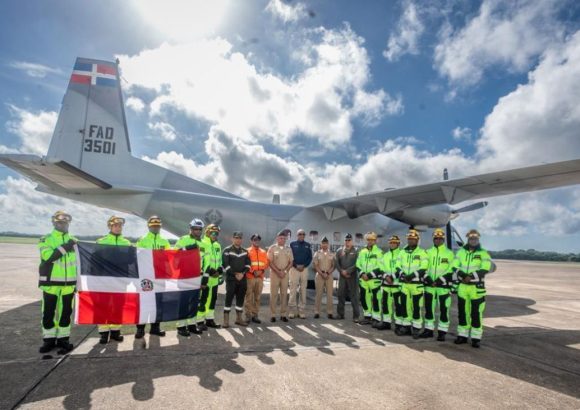
    Santiago, Chile – A landmark international initiative dedicated to enhancing disaster preparedness throughout Latin America and the Caribbean has successfully concluded after a ten-year run. The KIZUNA Project (2015–2026), a collaborative effort spearheaded by the governments of Chile and Japan, held its final seminar to review its substantial achievements in regional capacity building.

    The closing event, co-organized by the Chilean Agency for International Cooperation for Development (AGCID) and the Japan International Cooperation Agency (JICA), served as a platform for regional reflection. Key institutions, including the National Office of Seismic Evaluation and Vulnerability of Infrastructure and Buildings (ONESVIE) of the Dominican Republic and representatives from the Inter-American Development Bank, gathered to assess the project’s legacy.

    Leonardo Reyes, Director of ONESVIE, presented a comprehensive overview of the Dominican Republic’s advancements under the KIZUNA framework. His presentation detailed significant national progress in critical areas such as seismic vulnerability assessment, institutional fortification, and integrated risk management strategies. Reyes underscored the indispensable value of multinational partnerships, stating that such cooperation is fundamental to constructing communities that are both safer and more resilient to natural disasters.

    The consensus among participants highlighted the project’s profound impact. Over its decade-long implementation, KIZUNA was instrumental in providing advanced training for thousands of disaster management professionals across the region. Its core success lies in its effective strengthening of institutional capabilities and the vigorous promotion of a collaborative network among nations, significantly improving the region’s collective response mechanisms for climate-related events and seismic threats.