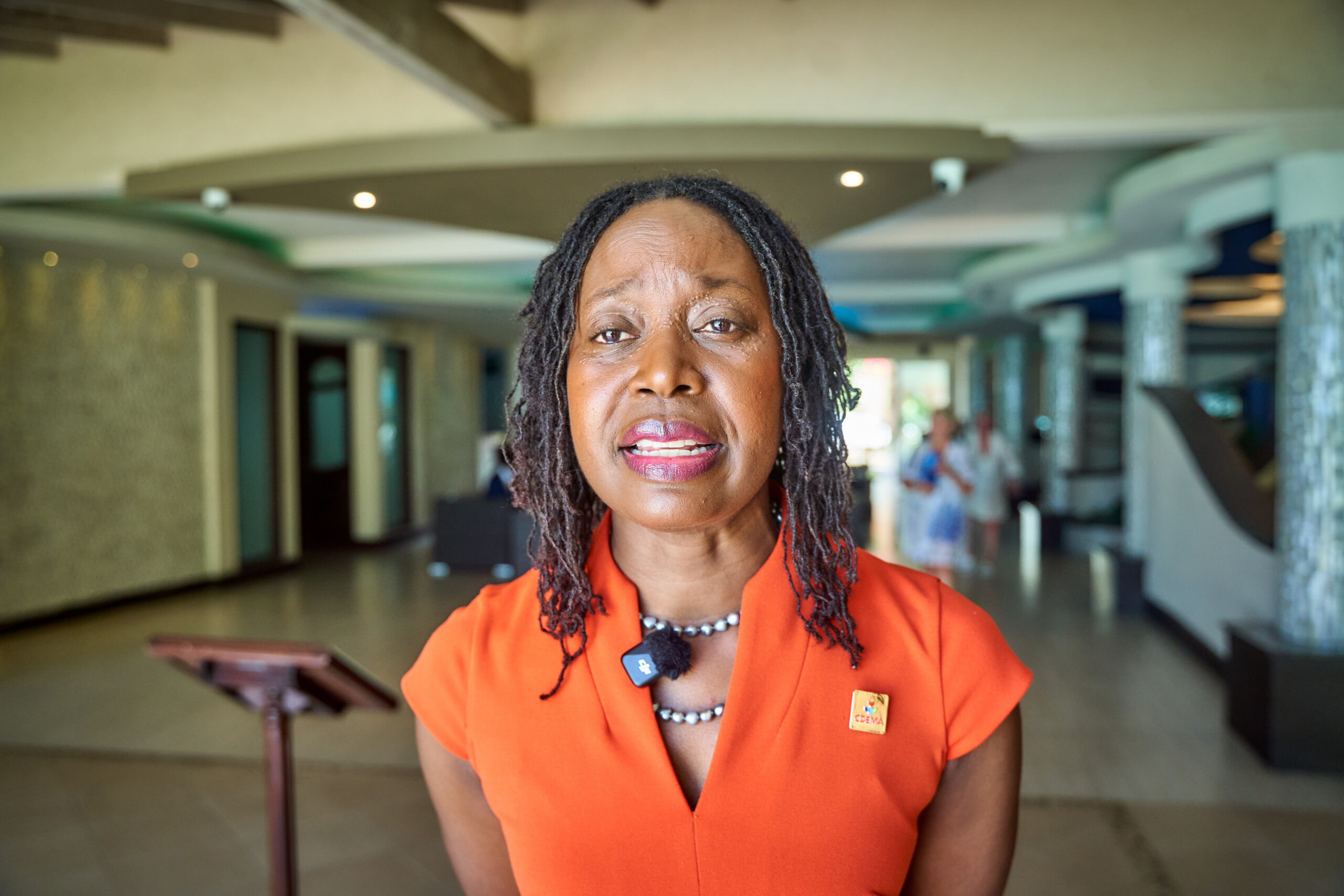
As the 2026 Atlantic hurricane season approaches, set to officially begin on June 1, the Caribbean’s top disaster management body has outlined sweeping upgrades to regional response frameworks, shaped directly by hard-won lessons from last year’s Hurricane Melissa. The Caribbean Disaster Emergency Management Agency (CDEMA) used its annual pre-season regional press conference to emphasize that closing critical coordination gaps and reinforcing fragile communication systems will be the cornerstone of this year’s disaster preparedness push, with officials confirming the first 14 days after a storm strike remain the highest-risk window for life-threatening response failures.
CDEMA Executive Director Elizabeth Riley explained that a full post-event review of the 2025 Hurricane Melissa response, completed in March 2026, identified a series of operational weak points spanning cross-border coordination, logistics management, emergency communications, rapid damage assessment, relief distribution, and the handover process from immediate emergency response to long-term recovery. While Riley emphasized that the region’s core coordination mechanisms held up well during the critical early activation phase of the Regional Response Mechanism during Melissa, she noted that consistent operational bottlenecks emerged during the transition between response and recovery, concentrated in the first two weeks after a disaster makes landfall.
“Our after-action review confirmed that the most significant operational constraints consistently arise within that initial 14-day window, particularly as we shift from urgent life-saving response to early recovery planning,” Riley said. The storm also underscored the critical value of pre-positioning emergency supplies at strategic regional hubs, including the shared CDEMA-World Food Program logistics facility in Barbados, while highlighting the urgent need to strengthen cross-border transportation arrangements and streamline regional supply chain coordination, she added.
Riley also highlighted the underrecognized but indispensable role that private sector entities play during large-scale emergency responses, particularly in providing last-mile transport and warehousing capacity that government and regional bodies often lack. One of the most pressing priorities to emerge from the post-Melissa review, she said, is the need for more reliable, regionally harmonized emergency communication systems and resilient information management infrastructure. While digital and telecommunications systems performed as designed during Melissa’s response, siloed information sharing between different agencies and sectors created unnecessary coordination delays and confusion.
“Our shared goal is to build a more integrated regional data system and standardized cross-sector information sharing protocols that will enable faster, more accurate decision-making when disasters strike, and we are working closely with our partner organizations to deliver that,” Riley added.
In a major update ahead of the season, Riley confirmed that multiple specialized regional response teams are already fully trained and on standby, following months of large-scale training exercises across Caribbean island nations. As of the press conference, 168 personnel have been pre-vetted and are ready for rapid deployment through the CARICOM Disaster Relief Unit, while 60 trained specialists are available to support urban search and rescue operations in storm-damaged urban areas. A further 38 experts are prepared to join rapid needs assessment teams immediately after a strike, 12 personnel are trained to backstop the CARICOM Operational Support Team, more than 100 medical professionals are ready to deploy to field medical facilities, and more than 75 power grid technicians from regional energy association CARILEC are available to support critical power restoration efforts. The roster also includes trained emergency telecommunications staff and dedicated mental health and psychosocial support teams to assist affected communities in the aftermath of a storm.
Riley noted that these numbers are expected to grow in the coming weeks as additional training and orientation sessions wrap up, adding that expanding the regional roster of trained technical specialists was a key lesson from 2024 regional response efforts, when demand for skilled personnel outstripped available supply.
“At CDEMA, everything we do centers on people: protecting the safety of our families, the security of our communities, the stability of livelihoods, and the long-term resilience of our member states,” Riley said. “Every plan we develop, every preparedness exercise we run, and every partnership we build is oriented toward one core mission: saving lives and reducing economic and human loss when hazards strike.”