分类: world

  • U.S Issues Security Alert For Citizens Worldwide including Antigua and Barbuda

    U.S Issues Security Alert For Citizens Worldwide including Antigua and Barbuda

    The U.S. Department of State has issued a comprehensive worldwide security alert, calling for American citizens across the globe to exercise heightened vigilance. This advisory places particular emphasis on elevated risks throughout the Middle East region, though it explicitly notes that threats extend beyond this geographical area.

    According to official communications, U.S. diplomatic installations worldwide have been targeted, prompting concerns about potential attacks on American interests abroad. The advisory specifically identifies groups sympathetic to Iran as potential actors who may target facilities and locations associated with the United States or American citizens internationally.

    Travel disruptions are anticipated due to periodic airspace closures that may occur with little notice. The State Department strongly recommends that all U.S. citizens abroad adhere to security guidance provided by their nearest U.S. embassy or consulate.

    The Department has implemented multiple channels for disseminating critical security information. Citizens are encouraged to enroll in the Smart Traveler Enrollment Program (STEP) at step.state.gov to receive real-time security alerts. Additional communication channels include the ‘U.S. Department of State – Security Updates for U.S. Citizens’ channel on WhatsApp and detailed destination-specific information available at travel.state.gov/destination.

    This advisory represents one of the most extensive global security warnings issued in recent years, reflecting heightened tensions and potential retaliation against U.S. interests worldwide. The State Department emphasizes that all Americans traveling or residing internationally should carefully review travel advisories and remain aware of their surroundings regardless of their location.

  • Two Sailboats Carrying Aid to Cuba Have Gone Missing

    Two Sailboats Carrying Aid to Cuba Have Gone Missing

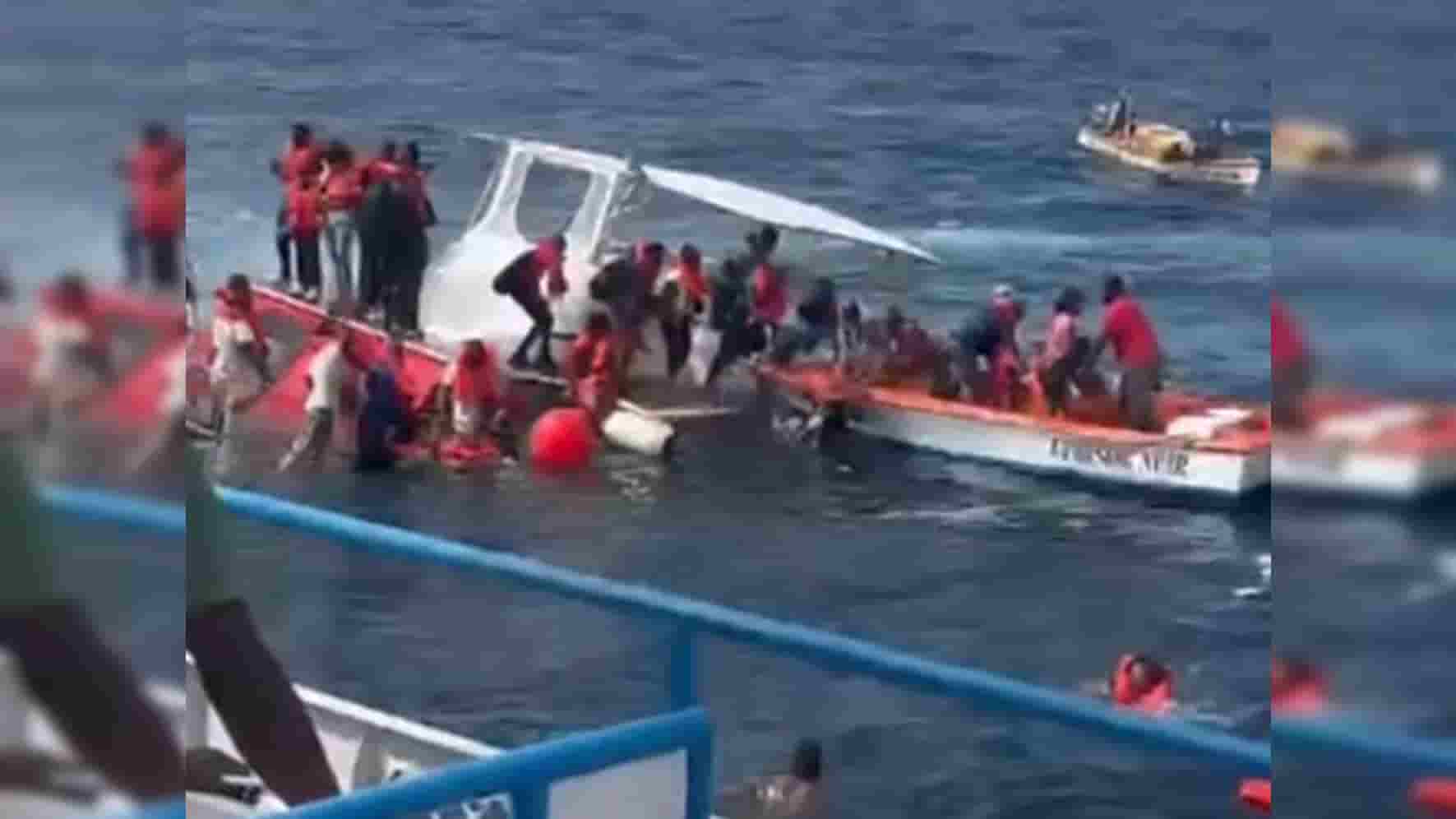
    A multinational search and rescue mission is currently sweeping the Caribbean waters after two civilian aid vessels vanished during a humanitarian voyage from Mexico to Cuba. The sailboats Friendship and Tigger Moth, carrying at least nine crew members of Polish, French, Cuban, and American nationalities, embarked from Isla Mujeres on March 20th and were scheduled to dock in Havana earlier this week. All communication with both vessels has been lost since their departure.

    The Mexican Navy has mobilized significant resources, deploying naval search teams and military aircraft to locate the missing ships. Authorities have established coordination with international maritime rescue centers and diplomatic officials from all four nations involved. This disappearance occurs against the backdrop of intensified civilian aid efforts to Cuba following recent economic constraints.

    These civilian maritime missions have gained urgency since January’s implementation of an oil embargo against Cuba, which has triggered severe energy shortages and infrastructure failures. The United Nations reports the cancellation of over 50,000 surgical procedures due to fuel shortages and nationwide blackouts caused by aging energy systems.

    In a related development, another assistance vessel successfully delivered 14 tonnes of critical supplies to Cuba earlier this week, including solar energy equipment, medical provisions, nutritional supplements for infants, bicycles, and food staples. This successful mission highlights both the ongoing humanitarian crisis and the determined efforts by civilian organizations to provide relief despite challenging circumstances.

  • Billions for Climate, But CARICOM Says Getting the Money Is Another Story

    Billions for Climate, But CARICOM Says Getting the Money Is Another Story

    Georgetown, Guyana – Caribbean environment ministers concluded a pivotal climate summit this week with a unified message: global climate financing promises remain largely inaccessible to the nations most vulnerable to environmental threats. The 124th Special Meeting of CARICOM’s Council for Trade and Economic Development (COTED), held from March 26-27, 2026, highlighted the critical implementation gap between international commitments and on-the-ground realities.

    Belize’s Minister of Sustainable Development and Climate Change, Orlando Habet, who chaired the proceedings, emphasized the region’s role as “the bridge between global commitments and local implementation” during opening remarks. The central theme emerging from the two-day conference was the profound difficulty Caribbean nations face in securing previously pledged billions in climate adaptation funding from wealthy nations and international financial institutions.

    Ministers identified complex application procedures and insufficient technical support as primary barriers preventing timely access to crucial financial resources. These bureaucratic obstacles frequently delay or completely obstruct funding streams desperately needed for climate resilience projects across island nations.

    The regional body issued a collective call for simplified access mechanisms and financing instruments specifically tailored to the unique circumstances of smaller developing states. With COP31 scheduled for November 2026, CARICOM has positioned itself to demand concrete action, declaring that the upcoming UN climate summit must transform into an ‘implementation COP’ focused on delivering tangible outcomes for vulnerable nations rather than further declarations of intent.

  • Japan ondersteunt vrouwenproject Suriname bij 50 jaar diplomatieke banden

    Japan ondersteunt vrouwenproject Suriname bij 50 jaar diplomatieke banden

    Suriname and Japan have celebrated half a century of diplomatic relations with a significant donation to an agricultural initiative focused on enhancing female entrepreneurship and sustainable production capabilities. The contribution, delivered through Japan’s grassroots grant assistance program, will directly support the Wi Uma Fu Sranan agricultural cooperative in expanding its cassava processing operations with new industrial machinery.

    The ceremonial handover highlighted the enduring partnership between the two nations, with Director of International Cooperation Elizabeth Bradley emphasizing that international collaboration must yield tangible societal benefits. Bradley noted the extensive history of Japanese-Surinamese cooperation across multiple sectors including food security, climate initiatives, and healthcare infrastructure.

    Surinamese President Jennifer Simons voiced strong governmental support for the initiative, encouraging participating women entrepreneurs to expand their operational capacities. Japanese Ambassador Akira Umezawa reinforced the project’s alignment with sustainable development goals and women’s economic empowerment objectives. The donation represents both a practical investment in Suriname’s agricultural sector and a symbolic gesture strengthening bilateral relations between the Pacific nation and South American country.

  • France foils Paris bomb attack outside US bank

    France foils Paris bomb attack outside US bank

    PARIS — French law enforcement authorities successfully intercepted a potential terrorist attack targeting a U.S. financial institution in central Paris during the early hours of Saturday. According to judicial sources familiar with the investigation, police apprehended an individual moments before he could detonate an improvised explosive device outside a Bank of America branch located in the prestigious 8th arrondissement.

    The critical intervention occurred at approximately 3:30 a.m. local time (0130 GMT) in close proximity to the iconic Champs-Élysées avenue, an area known for its high concentration of luxury boutiques and diplomatic representations. Security personnel monitoring the district observed suspicious activity and moved swiftly to neutralize the threat.

    Investigative sources revealed the suspect had positioned a rudimentary but potentially destructive apparatus consisting of approximately five liters of combustible liquid—preliminary analysis suggests a petroleum-based fuel—coupled with an active ignition mechanism. The device’s construction indicates planned detonation through direct activation rather than a timed explosion.

    Counterterrorism specialists have launched a comprehensive investigation to determine the perpetrator’s motivations, potential affiliations with extremist organizations, and whether additional accomplices might be involved. The targeted banking facility, representing American financial interests, raises questions about the possible symbolic nature of the attempted attack.

    French Interior Ministry officials have heightened security alerts around diplomatic compounds and multinational corporations following the incident. The successful prevention of this attack demonstrates enhanced vigilance by Parisian security forces since the implementation of reinforced counterterrorism protocols after previous terrorist incidents in the French capital.

  • Missing Cuba-bound aid boats located, crew reported safe

    Missing Cuba-bound aid boats located, crew reported safe

    In a successful search operation, the Mexican Navy has located two humanitarian sailboats that had lost communication during their voyage from Mexico to Cuba. The vessels, identified as Tiger Moth and Friend Ship, were spotted approximately 80 nautical miles northwest of Havana by a naval aircraft on Saturday.

    The sailboats, carrying nine crew members total, are part of the international ‘Our America Convoy’ initiative delivering critical humanitarian supplies to Cuba. This effort comes amid a severe energy and economic crisis on the island nation, exacerbated by U.S. fuel sanctions. The convoy has already transported 50 tonnes of medical equipment, food provisions, and solar panels through various channels.

    Mexican naval authorities confirmed establishing radio communication with both vessels and dispatched a ship to provide necessary support. While the exact cause of the communication breakdown remains unspecified, organizers expressed relief at the successful location of the crews and their continued journey toward Havana.

    The incident had drawn concern from Cuban President Miguel Diaz-Canel, who had pledged full cooperation in search efforts. The development occurs against a backdrop of heightened geopolitical tensions, with former U.S. President Donald Trump recently reiterating threats toward Cuba during a public forum in Miami, suggesting potential military action.

    This humanitarian mission represents one of several recent aid deliveries to Cuba, including earlier shipments by air from Europe and the United States, alongside another converted fishing vessel that arrived earlier in the week after navigating challenging weather conditions and technical issues.

  • More than 40 gang members killed this year — Haitian police

    More than 40 gang members killed this year — Haitian police

    PORT-AU-PRINCE, Haiti – The Haitian National Police (PNH) has released operational results revealing substantial progress in its campaign against armed gangs during the first quarter of the year. According to official statistics, security forces eliminated 43 gang members across 32 separate operations conducted in three key departments of the crisis-stricken nation.

    The comprehensive police operations yielded significant weapons confiscations, including 46 rifles, 19 pistols, six surveillance drones, and over 10,659 rounds of ammunition. Law enforcement authorities also reported seizing five communication radios, multiple Molotov cocktails, and two armored vehicles previously used by criminal elements.

    This disclosure comes amid heightened international scrutiny of Haiti’s security situation. The United Nations Human Rights Council recently convened to address the escalating crisis, with gangs systematically employing starvation tactics and extortion against the civilian population. According to data from the Office of the UN High Commissioner for Human Rights (OHCHR), gang-related violence has resulted in at least 5,500 fatalities and 2,600 injuries between March 2025 and January 2026.

    Disturbingly, UN reports indicate that 65% of these casualties occurred during security operations targeting gang members, with more than 20% of victims—including children—being struck by stray bullets in their homes or public spaces. Criminal organizations now control substantial portions of the capital city and are expanding their influence into suburban areas and northern regions including the Artibonite and Centre departments.

    In a separate operation codenamed ‘Goudougoudou,’ the Central Directorate of the Judicial Police (DCPJ) achieved additional breakthroughs. The operation resulted in 50 prosecutions—including 11 women—and the seizure of 76 kilograms of cocaine and marijuana alongside significant cash reserves and 10 vehicles. Authorities successfully freed one hostage unharmed and fatally wounded seven armed criminals during the mission, which dismantled the criminal network led by Rodolphe ‘Chalè’ Louissaint.

    In related developments, immigration authorities faced internal corruption allegations with the arrest of 10 officials from the General Directorate of Immigration and Emigration. These suspects were transferred to the Port-au-Prince Prosecutor’s Office for interrogation regarding their alleged participation in a counterfeit passport distribution network.

  • Sailboats carrying aid reach Cuba after going missing

    Sailboats carrying aid reach Cuba after going missing

    HAVANA, Cuba—Two humanitarian sailboats successfully docked in Havana on Saturday following a tense international search operation after the vessels went missing for two days in the Caribbean Sea. The sailboats, carrying nine crew members, were part of the Our America Convoy initiative delivering critical aid to Cuba amid the nation’s severe energy and economic crisis.

    The Mexican Navy initiated a search-and-rescue mission Thursday after losing communication with the Friend Ship and Tiger Moth, which had departed from Mexico’s Yucatan Peninsula on March 20. The situation grew more complex Friday when the U.S. Coast Guard initially reported the vessels had safely reached Cuba, only to retract the statement hours later and clarify they were not involved in the operation.

    The breakthrough came early Saturday when a Mexican naval aircraft located the sailboats approximately 80 nautical miles northwest of Havana. A naval ship was subsequently deployed to escort the vessels to safety. While the identities and nationalities of the crew remain undisclosed, the Mexican Navy had coordinated with rescue agencies from Poland, France, Cuba, and the United States during the search.

    Cuban President Miguel Diaz-Canel had expressed concern about the disappearance Friday, pledging his government’s full cooperation in locating the missing vessels. The successful arrival marks the final delivery of the Our America Convoy, which has transported over 50 tonnes of medical supplies, food, water, and solar panels to Cuban hospitals and communities.

    The humanitarian mission arrives as Cuba faces intensified economic pressure from the United States. The Trump administration implemented a de facto oil blockade in January following the seizure of Venezuelan leader Nicolas Maduro, who had been Cuba’s primary fuel supplier. President Trump recently reiterated his aggressive stance toward Cuba, stating at a Miami investment forum, ‘Cuba is next, by the way,’ though adding, ‘But pretend I didn’t say that.’

    The convoy has drawn criticism from Cuban exiles in Miami who argue the aid primarily benefits the communist government rather than ordinary citizens. This delivery follows earlier shipments that arrived by air from Europe and the United States, as well as a converted fishing boat that reached Cuba on Tuesday after encountering weather and mechanical difficulties.

  • US offering millions plus possible relocation as reward for information on Haitian gangs

    US offering millions plus possible relocation as reward for information on Haitian gangs

    The United States Department of State has announced a substantial financial incentive program targeting the economic foundations of two Haitian criminal organizations designated as Foreign Terrorist Organizations. Through its Rewards for Justice (RFJ) program, Washington is offering up to US$3 million for intelligence that leads to the disruption of financial mechanisms supporting Viv Ansanm and Gran Grif gangs, including potential relocation for informants.

    Viv Ansanm, established in September 2023 through the merger of Haiti’s two dominant gang factions (G-9 and G-Pép), has been identified as responsible for systematic violence against governmental institutions, including coordinated attacks on prisons, police stations, hospitals, and Port-au-Prince’s international airport. This campaign of organized terror directly contributed to the resignation of then-Prime Minister Ariel Henry in April 2024. The alliance stands accused of mass murder, collective rape of Haitian civilians, and violence against American citizens, financing operations through arms trafficking, forced recruitment of minors, and systematic extortion networks.

    Simultaneously, Gran Grif, characterized as the largest criminal enterprise in Haiti’s Artibonite department, operates under the leadership of former Haitian legislator Prophane Victor. Since its formation in 2016, the organization has evolved from a politically-motivated armed group into a sophisticated criminal network. Their activities include direct assaults on Haitian National Police and United Nations-authorized security forces, notably a February 2025 attack that resulted in the death of a Kenyan MSS mission officer. The gang engages in widespread human rights violations including child recruitment, mass abductions, sexual violence against women and children, and agricultural theft.

    The reward initiative specifically seeks information regarding the gangs’ revenue streams, including business operations, bank accounts, investment portfolios, and financial facilitators. Washington is additionally soliciting intelligence on donor contributions, significant financial transactions benefiting these groups, front companies operating on their behalf, and details concerning arms, ammunition, and drone transfers. This comprehensive approach targets the entire financial ecosystem sustaining terrorist activities in Haiti.

  • Oekraïne sluit veiligheidsdeals in het Midden-Oosten tegen Iraanse drones

    Oekraïne sluit veiligheidsdeals in het Midden-Oosten tegen Iraanse drones

    Ukraine has nearly finalized a series of groundbreaking security agreements with Middle Eastern nations, including a recently announced pact with Saudi Arabia, to bolster defenses against Iranian drone attacks. Ukrainian Foreign Minister Andrii Sybiha disclosed these developments during an interview on the sidelines of the G7 foreign ministers’ meeting in France.

    President Volodymyr Zelenskiy confirmed the Saudi agreement through social media, characterizing it as a ‘significant arrangement’ that establishes foundations for future contracts, technological cooperation, and investments. This defense partnership emerges amid escalating Iranian attacks on Gulf states, which have intercepted hundreds of drones and dozens of missiles since February.

    The United Arab Emirates and Qatar, both severely impacted by these attacks, are engaged in advanced negotiations with Ukraine regarding unmanned technology cooperation. Sybiha indicated these discussions represent the most progressed talks among current diplomatic efforts.

    Gulf nations have deployed over 800 Patriot missiles for defense since conflict initiation and now seek to leverage Ukraine’s expertise in countering Russian drones and missiles. Ukraine has evolved into a leading producer of cost-effective yet highly efficient interception drones. Reports indicate Russia launched more than 19,000 drones against Ukraine during winter alone, positioning the country as a global leader in counter-drone technology.

    Beyond technical knowledge sharing, Ukraine aims to secure financial support and investments in exchange for its drone warfare expertise. The prolonged conflict continues straining Ukraine’s economy, which faces enormous reconstruction costs, military expenditures, and humanitarian needs. Investments from the Gulf region could significantly enhance both economic stability and defense capabilities.

    With the war entering its fifth year, Ukraine remains dependent on international support to sustain its defense efforts. The volatile Middle East situation, particularly the US-Israel-Iran conflict triangle, creates uncertainty regarding continuity of Western military supplies.

    As peace negotiations stall, Kyiv is exploring China’s potential role as mediator. China maintains close ties with Russia and hasn’t joined sanctions against Moscow. Although not directly involved in peace talks, China remains Ukraine’s primary trading partner. Sybiha confirmed receiving an invitation for discussions in China, potentially occurring within two months.

    Drone warfare represents one of Ukraine’s most pressing military challenges. During one particularly intense aerial assault, Russia launched 948 drones within 24 hours, resulting in two casualties. Ukraine has consequently deployed specialized anti-drone experts to assist Gulf states in defending against Iranian attacks, accounting for unique regional conditions including sandstorm interference.