分类: world

  • Attorney General highlights need for global cooperation on drug crime

    Attorney General highlights need for global cooperation on drug crime

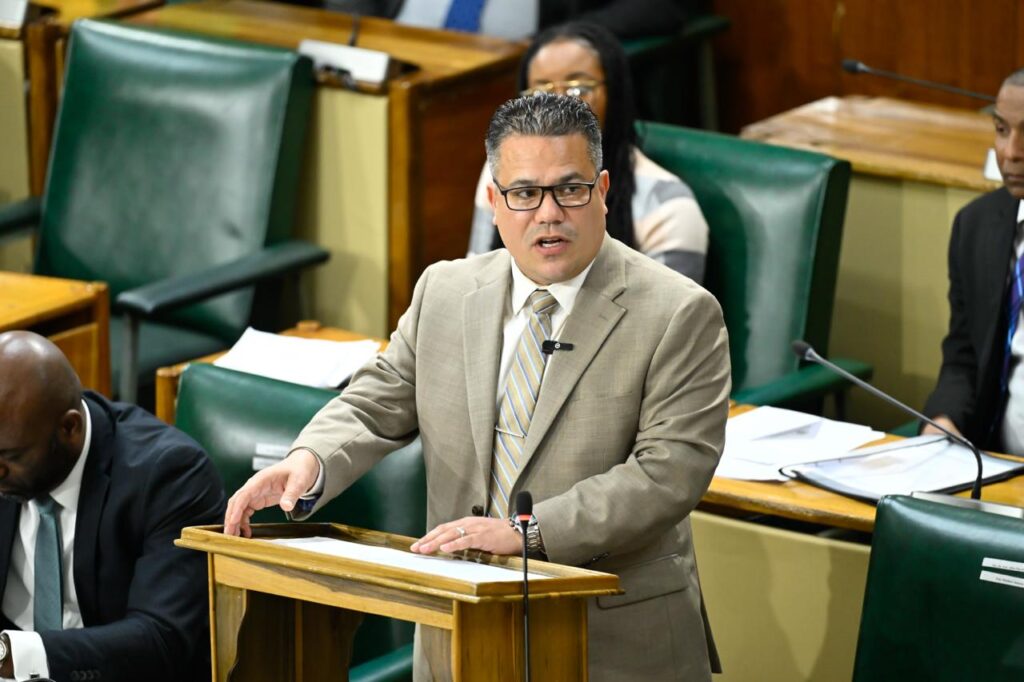
    SANTO DOMINGO – Dominican Attorney General Yeni Berenice Reynoso has issued a powerful call for enhanced international judicial collaboration to dismantle sophisticated drug trafficking operations. Her address was delivered at a high-level forum orchestrated by the United Nations Office on Drugs and Crime (UNODC), which convened legal authorities from the Dominican Republic and multiple European nations.

    Held in the National District on March 12-13, the event served as a platform to address the escalating challenge of transnational crime. Reynoso articulated that no nation can single-handedly defeat criminal syndicates that exploit international borders. She detailed the pervasive ripple effects of the drug trade, identifying it as a primary catalyst for widespread violence, systemic corruption, illicit arms trafficking, and heinous ancillary crimes including human trafficking and domestic abuse. The Attorney General underscored a critical vulnerability: these large-scale operations are entirely dependent on corrupt institutional networks and consistent access to weaponry.

    The forum, part of the UNODC’s Legal Fast initiative, specifically aimed to fortify prosecutorial alliances between Europe and the Caribbean. Central to the discussions were practical measures to accelerate cross-border justice. Key proposals included the formation of multinational Joint Investigation Teams (JITs), the streamlining of mutual legal assistance treaties (MLATs) to reduce bureaucratic delays, and the establishment of secure, real-time intelligence-sharing protocols.

    Reynoso concluded with a stark warning about the asymmetry between criminals and governments. She emphasized that global criminal networks leverage technology and modern communication to coordinate with terrifying efficiency, while many states remain hampered by antiquated and slow-moving legal cooperation frameworks. Her closing argument was a compelling appeal for nations to urgently modernize their collaborative legal tools to keep pace with and ultimately overcome the adaptive strategies of organized crime.

  • Elderly Canadian Found Dead on Drifting Catamaran

    Elderly Canadian Found Dead on Drifting Catamaran

    Authorities are actively investigating the perplexing death of a Canadian national whose body was discovered aboard a drifting catamaran approximately sixty miles off the Belizean coast. The vessel, identified as Melinda, had last been observed departing from Livingston, Guatemala, approximately one week prior to the incident.

    The case took a complex turn when MSC Divina, a commercial cruise ship operating in the vicinity, reported intercepting a distress signal and subsequently rescuing a female individual who claimed her spouse had suffered fatal cardiac arrest during their maritime journey. However, when Belize’s specialized Rescue Team boarded the apparently abandoned catamaran on the morning of March 11, 2026, they encountered a scene that contradicted this initial account—locating the deceased male alongside undisclosed evidence indicating blood presence aboard the vessel.

    Assistant Superintendent of Police Stacy Smith, serving as Staff Officer, provided official commentary regarding the ongoing investigation. According to ASP Smith, forensic technicians processed the nautical crime scene upon the catamaran’s arrival at port. The deceased was formally identified as Thomas David Horman, a 72-year-old resident of British Columbia, Canada.

    Investigation records indicate the catamaran initially departed Honduran territorial waters around March 9, 2026. During that same day, Honduran maritime authorities received a distress transmission from the vessel, triggering multinational search efforts involving both Honduran and Canadian emergency response teams. Through coordinated communication channels, Honduran authorities relayed positional data to Belize’s Rescue Team, enabling successful location and recovery of the drifting catamaran.

    Regarding the female survivor, ASP Smith confirmed investigators have established her identity and verified her rescue by the aforementioned cruise ship. Police records indicate she subsequently communicated with biological relatives of the deceased Mr. Horman regarding the traumatic incident. When pressed regarding potential criminal involvement, ASP Smith maintained the investigation remains actively developing, with authorities awaiting crucial post-mortem examination results before determining whether foul play occurred.

    Maritime investigators continue reconstructing the sequence of events that transpired during the couple’s voyage, examining forensic evidence recovered from the vessel while coordinating with international law enforcement agencies across North and Central America.

  • Dominican Republic installs first “Blue Shield” to protect cultural heritage

    Dominican Republic installs first “Blue Shield” to protect cultural heritage

    In a landmark initiative for cultural preservation, the Dominican Republic has officially installed its first Blue Shield emblem at the Fray Antón de Montesinos Monument in Santo Domingo’s Colonial City. This significant undertaking represents a collaborative effort between the nation’s Ministry of Foreign Affairs, Ministry of Defense, and both the International Committee of the Red Cross and Dominican Red Cross.

    The Blue Shield designation constitutes an internationally recognized protective symbol established under the 1954 Hague Convention for the Protection of Cultural Property in the Event of Armed Conflict. Championed by UNESCO, this emblem serves to identify cultural heritage sites requiring special protection during periods of armed conflict, natural disasters, or human-made crises. The Montesinos monument, situated within the Colonial City—designated a World Heritage Site in 1990—now joins a global network of protected cultural properties.

    Government officials have confirmed this installation initiates the first phase of an extensive protection strategy. Subsequent phases will see the Blue Shield emblem deployed across additional historically significant landmarks, including the Cathedral of Santa María la Menor, the Pantheon of the Fatherland, Altar de la Patria, Puerta de la Misericordia, Fortaleza Ozama, Alcázar de Colón, Palacio Consistorial, and Puerta del Conde.

    The ceremonial installation was presided over by Vice Minister Rubén Silié, representing Foreign Minister Roberto Álvarez, alongside representatives from participating institutions and distinguished authorities. This initiative underscores the Dominican Republic’s strengthened commitment to both safeguarding its cultural heritage and reinforcing respect for international humanitarian law, ensuring these historic treasures endure for future generations.

  • Landmark international study on cocaine trafficking, organized crime in southern Caribbean published

    Landmark international study on cocaine trafficking, organized crime in southern Caribbean published

    A groundbreaking multinational investigation has revealed the Caribbean’s escalating transformation into a primary nexus for sophisticated transnational criminal operations, marking an unprecedented level of global law enforcement collaboration. The comprehensive report, developed through the joint efforts of EL PACCTO 2.0 (an EU-funded initiative) and InSight Crime with strategic input from CARICOM IMPACS, EMPACT, FRONTEX, and France’s General Prosecutor’s Office in Martinique, represents the first coordinated international effort to map the intricate architecture of Caribbean-based illicit networks.

    The study, titled “Criminal Networks and Routes from the Caribbean to Europe: A Deep-Dive into Cocaine Trafficking and Other Illicit Activities,” provides an exhaustive analysis of the region’s emerging function as a crucial conduit in the global illegal supply chain. It identifies the so-called “Southern Corridor”—encompassing Guyana, Suriname, and French Guiana—as particularly strategic zones within the international illicit trade ecosystem.

    According to the findings, criminal organizations orchestrating cocaine shipments to European ports simultaneously engage in environmental crimes, weapons trafficking, and advanced money laundering schemes. The investigation further highlights critical vulnerabilities in both maritime and digital infrastructures, tracing a sophisticated pipeline that originates at remote Caribbean marinas and terminates at major European container terminals.

    Law enforcement agencies confront substantial challenges due to fragmented legal frameworks and insufficient resources to monitor a maritime territory exceeding half the size of the European Union. During the report’s launch at CARICOM IMPACS headquarters in Trinidad and Tobago on March 2, 2026, Executive Director Lt. Col. Michael Jones emphasized the paradigm shift from reactive defense to proactive, intelligence-driven disruption strategies.

    Marc Reina Tortosa of EL PACCTO 2.0 described the evolving criminal landscape, noting that fluid, transactional networks have replaced traditional cartels, with European and Western Balkan brokers functioning as invisible architects of the trade. These networks demonstrate remarkable adaptability, shifting between maritime, aerial, and riverine routes—particularly those connecting the Amazon to the Atlantic—when confronted with enforcement pressure.

    The study further reveals an undeniable polycriminal dimension where drug trafficking intersects with environmental crimes like illegal gold mining in the Guianas. French judicial official Patrice Camberou highlighted the complexities of prosecuting transnational crime in EU territories located within the Americas, advocating for harmonized prosecutorial strategies with CARICOM and South American partners.

    Evelina Melbarzde of the EU Delegation to Trinidad and Tobago underscored the report’s significance as a foundational document for the new EMPACT 2026–2029 cycle, which aims to integrate Caribbean security concerns into Europe’s core law enforcement priorities. Participants unanimously characterized the report as a dynamic tool requiring sustained funding, enhanced maritime patrol capabilities, modernized port security infrastructure, and seamless information sharing mechanisms to effectively combat criminal networks whose agility continues to outpace traditional law enforcement approaches.

  • UN Declares October 1 as International Coffee Day

    UN Declares October 1 as International Coffee Day

    In a landmark decision on March 12, 2026, the United Nations General Assembly formally designated October 1 as International Coffee Day, creating an annual global observance celebrating coffee’s profound socioeconomic significance. This resolution recognizes coffee’s multifaceted role in sustaining communities, driving economic development, and enhancing food security worldwide.

    The declaration underscores coffee’s critical function in supporting approximately 25 million agricultural producers globally while generating over $200 billion in annual revenue. The resolution specifically highlights coffee’s contribution to achieving key UN development objectives, including poverty reduction, hunger eradication, gender equality through women’s empowerment, and the promotion of sustainable employment opportunities.

    FAO Director-General QU Dongyu emphasized the commodity’s connective power, stating: “Coffee serves as a vital bridge linking rural farming communities with international markets. This formal recognition will elevate global awareness of its socioeconomic value and accelerate poverty alleviation efforts.”

    The economic impact is particularly significant for producing nations. Brazil and Viet Nam lead global production, while the European Union and United States represent the primary import markets. For several developing economies including Ethiopia, Uganda, and Burundi, coffee exports constitute a substantial portion of national income and foreign exchange reserves, making the crop fundamental to their economic stability.

    Beyond economics, the resolution acknowledges coffee’s enduring cultural significance as a tradition spanning generations and continents. The establishment of International Coffee Day aims to foster greater appreciation for the entire coffee value chain, from cultivation to consumption, while promoting sustainable practices throughout the industry.

  • Small footprints, high stakes

    Small footprints, high stakes

    A striking disparity in carbon dioxide emissions across Caribbean Community (CARICOM) nations has been revealed by the latest data from the Emissions Database for Global Atmospheric Research (EDGAR), compiled by the World Bank. The 2024 statistics demonstrate that thirteen of the fourteen member states maintain per capita emissions significantly below the global average of 4.69 tonnes.

    Trinidad and Tobago stands as the sole regional outlier, registering a substantial 19.58 tonnes of CO₂ per person—more than quadruple the worldwide average. This elevated figure is directly attributable to its petrochemical-dependent economy. Notably, however, the country has achieved a 28% reduction in its per capita emissions since 2015, coinciding with a downturn in its energy sector’s output.

    In stark contrast, several CARICOM members exhibit minimal carbon footprints. Haiti records the region’s lowest output at a mere 0.30 tonnes per capita, followed by Belize at 0.93 tonnes. The Eastern Caribbean nations of Dominica, Grenada, St. Vincent and the Grenadines, and St. Lucia all maintain emissions below 2 tonnes per person, representing less than half the global average.

    Guyana emerges as the region’s most significant upward trend, with a 67% surge in per capita emissions since 2015—climbing from 2.73 to 4.56 tonnes. This dramatic increase parallels the rapid development of its offshore oil industry.

    This data underscores a profound climate injustice: those Caribbean nations contributing the least to global carbon emissions simultaneously face the most severe threats from its consequences, including rising sea levels and intensifying weather events.

  • Iran’s New Supreme Leader Vows to Keep Strait of Hormuz Closed

    Iran’s New Supreme Leader Vows to Keep Strait of Hormuz Closed

    In a definitive declaration that has intensified global energy concerns, Iran’s newly installed Supreme Leader Mojtaba Khamenei has affirmed the continued closure of the strategically vital Strait of Hormuz. The announcement, delivered through state television on Thursday, marks Khamenei’s first official communication since assuming the nation’s highest authority.

    Characterizing the waterway as a ‘tool of pressure,’ Khamenei’s statement reinforces Iran’s position amid escalating regional hostilities that have created unprecedented disruptions in worldwide energy supplies. The Strait typically facilitates the transit of approximately 20% of global oil and liquefied natural gas shipments, representing nearly 20 million barrels daily.

    The geopolitical ramifications extend beyond energy markets. Khamenei issued explicit warnings to neighboring nations hosting United States military installations, accusing Washington of utilizing regional bases for operations against Iranian interests.

    Market analysts confirm the closure has triggered the most significant oil supply disruption in recorded history, with over 15 million barrels per day effectively removed from global circulation. Although alternative pipelines exist—including Saudi Arabia’s East-West pipeline and the UAE’s Habshan-Fujairah route—their combined capacity falls substantially short of compensating for the blocked maritime channel. Both infrastructure projects face operational challenges, with the Emirati pipeline reportedly sustaining damage from recent attacks.

    In Washington, the administration presented conflicting responses. While President Trump emphasized potential benefits for domestic energy producers from elevated prices, his Energy Secretary conceded the U.S. Navy currently lacks capability to ensure safe commercial passage through the contested strait. Simultaneously, senior military officials indicated robust responses targeting nations assisting Iranian operations against American forces, with specific allegations of Russian intelligence sharing and drone tactic development.

  • Canadian woman Charged with Drug Trafficking After Cannabis Seizure at Airport

    Canadian woman Charged with Drug Trafficking After Cannabis Seizure at Airport

    In a significant narcotics interdiction operation, Antiguan authorities have apprehended and formally charged a Canadian national following the discovery of a substantial cannabis shipment at V.C. Bird International Airport. Roselynee Crisostomo, 48, faces multiple serious charges including drug trafficking, cannabis possession with intent to supply, and importation of controlled substances after law enforcement intercepted approximately 67 pounds of cannabis with an estimated street value of EC $536,000 (approximately USD $198,000).

    The operation unfolded on Tuesday, March 10, 2026, when a coordinated task force comprising specialists from the Narcotics Department, Special Services Unit, K-9 Division, and Customs Enforcement Unit conducted targeted surveillance of incoming flights. At approximately 4:30 p.m., authorities identified and detained Crisostomo upon her arrival aboard Air Canada flight AC1832 from Toronto. A subsequent search of her belongings revealed the substantial cannabis shipment.

    This interception represents one of the largest recent drug seizures at Antigua’s primary international gateway, highlighting intensified border security measures throughout the Eastern Caribbean region. The successful operation demonstrates enhanced inter-agency cooperation among Antigua and Barbuda’s various law enforcement divisions, particularly in combating transnational drug trafficking networks that exploit commercial air transport routes.

    Crisostomo remains in custody awaiting judicial proceedings, which will determine the legal consequences she faces under Antigua and Barbuda’s strict drug trafficking legislation. The Royal Police Force of Antigua and Barbuda has emphasized its continued commitment to disrupting narcotics smuggling operations through advanced intelligence gathering and coordinated interdiction efforts at all entry points to the nation.

  • Goodman to change plea on drug charges

    Goodman to change plea on drug charges

    In a significant reversal of legal strategy, Malcolm Goodman, a Bahamian boat captain apprehended last month with an estimated $4 million worth of cocaine, has formally notified a U.S. court of his intention to plead guilty. This decision follows his initial not guilty plea entered just last week.

  • War in the Middle East: latest developments

    War in the Middle East: latest developments

    The Middle East conflict witnessed a significant escalation on Friday with a series of destabilizing events spanning military, economic, and diplomatic spheres.

    A deadly security breach occurred in Tehran as explosions struck near a high-profile pro-government rally attended by President Masoud Pezeshkian, Foreign Minister Abbas Araghchi, and security chief Ali Larijani. The blasts resulted in at least one fatality. In response, Iran’s Foreign Ministry vowed to deliver an “unforgettable lesson” to the United States and Israel, while the Revolutionary Guards issued a stern warning of a severe crackdown on any domestic protests.

    The economic ramifications of the conflict intensified as Brent Crude oil dipped below $100 per barrel in London trading, yet prices remained substantially elevated above pre-war levels, reflecting persistent market anxieties over continued supply disruptions.

    US Secretary of Defence Pete Hegseth made the provocative claim that Iran’s new Supreme Leader, Mojtaba Khamenei, is believed to be wounded and “likely disfigured.” Hegseth further disclosed that combined US and Israeli operations have struck over 15,000 targets since the war’s inception on February 28, with Israel reporting more than 200 targets hit in western and central Iran in the past day alone. Former President Donald Trump amplified the rhetoric, characterizing Iranian leadership as “deranged scumbags” and promising to hit them “very hard” in the coming week.

    UN Secretary-General Antonio Guterres arrived in Beirut on a solidarity mission as Lebanon’s death toll climbed to at least 687. The visit followed an Israeli strike that killed eight people near Sidon. Israeli Defence Minister Israel Katz declared that Lebanon would face increasing damage to its national infrastructure due to Hezbollah’s activities.

    Regional security was further compromised as NATO defenses intercepted a third ballistic missile in Turkish airspace, triggering alarms at the strategic Incirlik airbase. Meanwhile, two fatalities were reported in Oman after security forces downed a drone, and debris from an intercepted attack struck Dubai’s financial district.

    The human cost of the conflict grew with the US military confirming the deaths of all six crew members in a KC-135 aerial refueling plane crash in western Iraq, though hostile fire was ruled out. In a separate incident, an Iranian drone was identified as responsible for the death of a French soldier in Iraq’s Kurdistan region, marking France’s first casualty in the conflict.