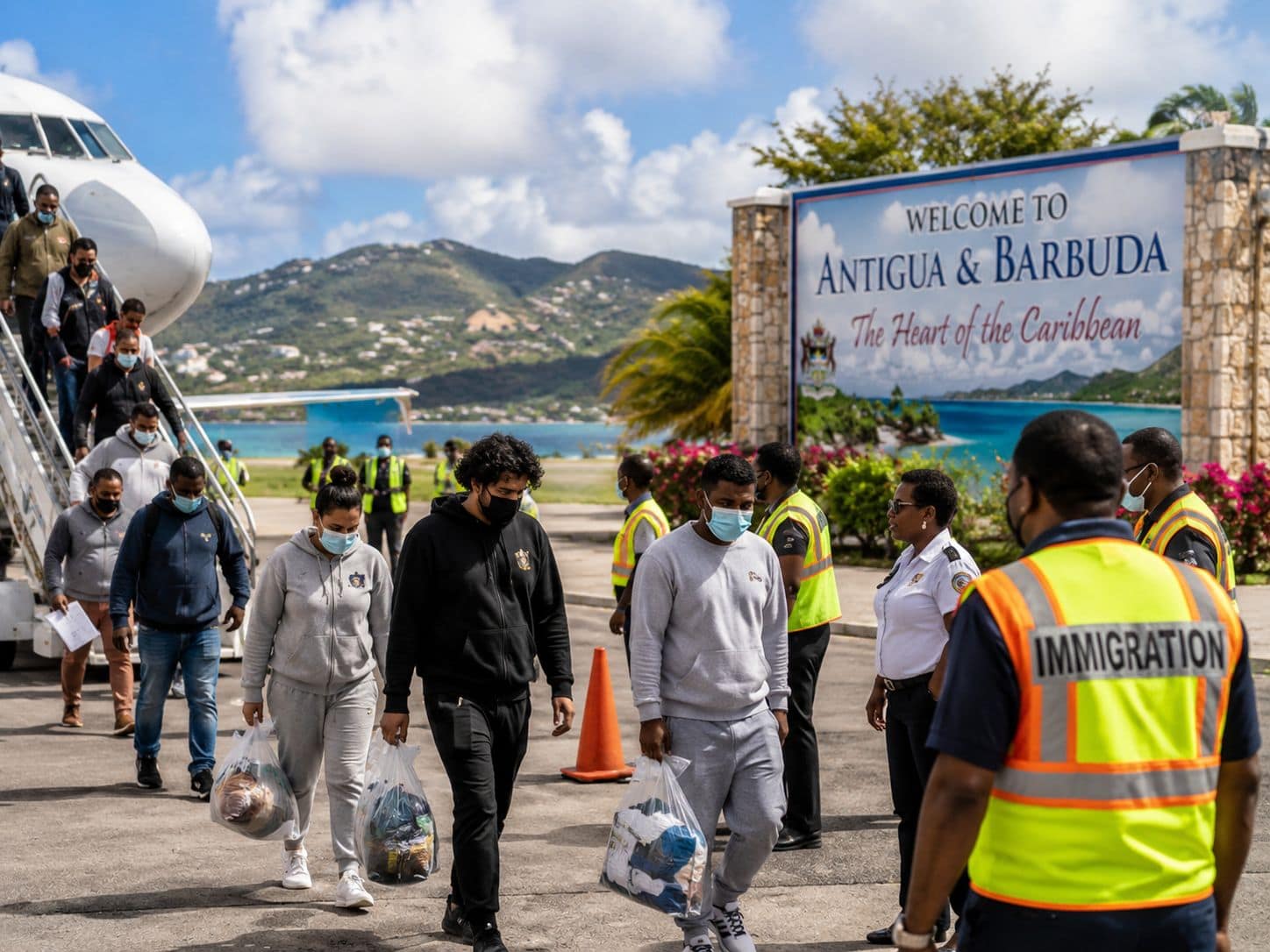
As diplomatic talks between Washington and the small Caribbean twin-island nation of Antigua and Barbuda continue, the country’s top envoy to the United States has issued a clear, firm statement: Antigua and Barbuda cannot yield to growing pressure from the U.S. to accept a higher number of third-country migrants than its initial, limited offer.
Sir Ronald Sanders, Antigua and Barbuda’s Ambassador to the U.S., explained that the nation’s original commitment to take in a capped number of migrants was always intended as a goodwill gesture to support its ally. The country has every intention of honoring that promise to help ease the migration burden currently facing the United States, but it will not go beyond the agreed-upon limit, he stressed.
The core barrier to expanding the acceptance quota lies in the nation’s inherent social and economic constraints. Sir Ronald outlined that most of the third-country nationals in question have no pre-existing established ties to Antigua and Barbuda, creating a host of unresolvable challenges for the small island state. Key concerns include widespread language barriers: many of the prospective migrants do not speak English, the primary working language of Antigua and Barbuda, which would complicate integration. Additionally, most do not hold professional qualifications or skills that are recognized by local industries and labor markets, leaving few pathways for them to contribute to the national economy or achieve self-sufficiency.
Beyond employment and integration hurdles, Sir Ronald raised urgent questions about basic social infrastructure. A small island nation with limited public services and housing stock, Antigua and Barbuda simply does not have the capacity to house, care for, and support a sudden influx of large numbers of new arrivals. Taking more migrants than the country can handle would also put unsustainable strain on already limited public resources, from healthcare and education to public transportation and water access, eroding the quality of services that Antigua and Barbuda’s own citizens rely on.
The envoy also warned that a large, sudden influx of migrants would reshape the nation’s demographic makeup in a way that would likely face broad opposition from the country’s local population. “The Prime Minister’s offered a certain number that he would be prepared to absorb,” Sanders said, emphasizing that the Antiguan and Barbudan government cannot make policy choices that threaten the welfare of its own people. “We can not make decisions that would put strain on our resources to the point where our own people would say, ‘No, no, no, we’re not doing that.’” While negotiations between the two countries remain ongoing, the nation’s position on staying within its capacity remains unchanged.