Across multiple Caribbean island states, surging violent crime has emerged as a pressing cross-border systemic threat, and a joint United Nations and regional bloc initiative is now moving forward to address the crisis, a senior United Nations Development Programme (UNDP) official has confirmed.
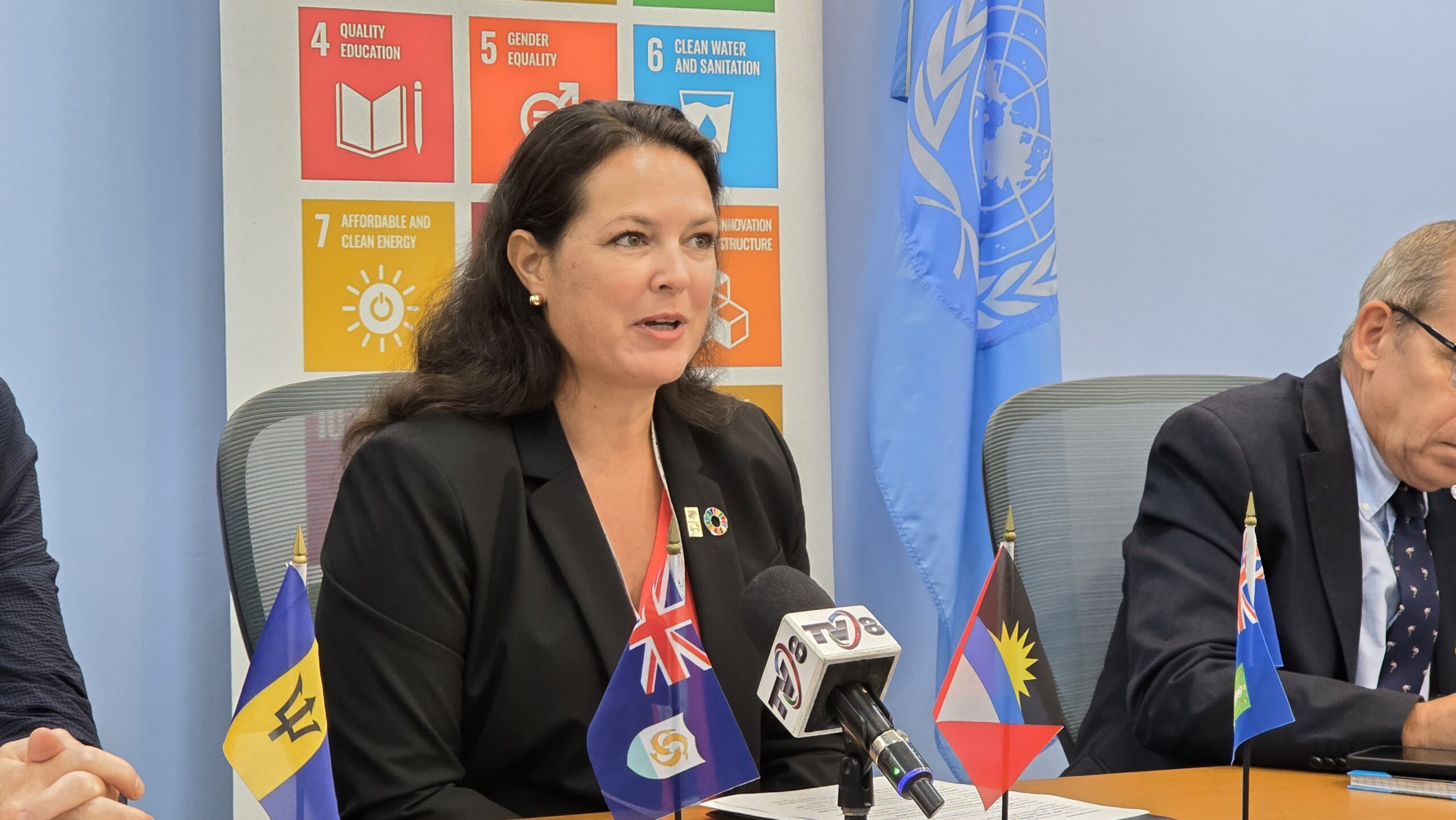
Speaking at this week’s official launch of the UN Eastern Caribbean 2025 Annual Results Report in Bridgetown, Barbados, Stephanie Ziebell, Deputy Resident Representative for UNDP Barbados and the Eastern Caribbean, outlined that regional heads of government will gather later this month in St. Kitts, hosted by Prime Minister Dr. Terrance Drew, for a high-level UN-CARICOM dialogue to finalize next steps and set core priorities for the new anti-crime framework.
This collaborative effort builds on high-level strategic talks held earlier in 2025, and marks the first evidence-based, region-wide assessment of transnational crime and violence in the Caribbean, framing the issue as a shared systemic challenge rather than an isolated national problem. Currently, two core products are in development: a joint diagnostic report that maps the scope of the crisis, and a formal CARICOM-UN Action Plan to guide coordinated response.
Ziebell explained that the diagnostic phase is focused on unpacking the deep-rooted drivers of crime, identifying structural weaknesses in regional and national security and justice systems, and pinpointing the most urgent reforms needed to reverse upward violence trends. The subsequent action plan will translate these findings into a unified regional framework, outlining clear practical priorities, shared accountability standards, and defined roles for CARICOM institutions, individual member states, and UN implementing partners.
The broader UN strategy for advancing peace, public safety and access to justice across the Eastern Caribbean centers on two foundational pillars: strengthening institutional capacity and building more resilient, safer communities. Ziebell emphasized that all work is rooted in data-driven analysis, cross-stakeholder partnership, and a deliberate commitment to conflict-sensitive and gender-responsive policy design. “Justice and safety must be accessible for everyone, especially women and girls, persons with disabilities, and people at the margins, so that no one is left behind,” she said.
Beyond addressing violent crime broadly, the UN has already been active in supporting regional efforts to counter gender-based violence, shore up human rights protections, and improve cross-border law enforcement coordination. Ziebell outlined that the UN has helped national governments strengthen prevention and response frameworks for gender-based violence, reinforce national human rights institutions, advance regional agreements targeting domestic abuse and transnational organized crime, upgrade border management protocols, build forensic science capacity, and deepen cooperative work between national law enforcement agencies.
She also highlighted the Canada-funded PACE Justice Programme, a multi-country initiative currently being rolled out across eight Caribbean nations including Barbados, Antigua and Barbuda, Dominica, St. Lucia, and St. Kitts and Nevis. The program is focused on modernizing outdated criminal justice systems and cutting crippling case backlogs that erode public confidence. To date, support provided through PACE Justice has included new court equipment, technical assistance for digital case management systems, specialized training for crime scene investigators, capacity-building workshops for justice sector personnel, tools to expand restorative justice practices, coordination support for national attorneys general, work to harmonize standard operating procedures across jurisdictions, planning for AI integration in justice systems, and facilitated dialogues focused on reducing case backlogs.
These targeted reforms are designed to improve the quality of criminal investigations, uphold consistent due process standards, and rebuild public trust in national justice systems. Ziebell added that robust, functional institutions are a critical buffer for Caribbean societies, which face overlapping threats from climate disasters, economic volatility, and growing insecurity. “These systems help societies withstand shocks, whether those shocks come from disasters, economic stress, or rising forms of violence and insecurity,” she noted.
Closing her remarks at the report launch, Ziebell reaffirmed the UNDP and United Nations’ long-term commitment to partnering with Caribbean national governments, civil society organizations, and global development partners to expand evidence-based crime prevention and expand equitable access to justice for all people across the region.