分类: world

  • Bahamian teacher stuck in Kuwait ‘not afraid’ as she leans on her faith

    Bahamian teacher stuck in Kuwait ‘not afraid’ as she leans on her faith

    Amid escalating Middle Eastern tensions and closed airspace, Bahamian educator Keva Williams demonstrates remarkable resilience while stranded in Kuwait. The nation’s aviation shutdown, now entering its third week, has left foreign nationals like Williams facing complex evacuation challenges, with alternative ground transport costing approximately $6,000.

    Williams received official communication from the Bahamian embassy in the United Arab Emirates indicating no confirmed evacuation plans, a development she acknowledges with measured understanding despite initial disappointment. The 44-year-old drama teacher at the American International School of Kuwait has chosen to remain in the country, citing financial constraints and logistical complications associated with departure.

    Living alone with her dog in Kuwait City since 2016, Williams maintains her composure through deep religious faith and limited media consumption. ‘I remain rooted strongly in my faith,’ she stated. ‘If it’s my time, then the Lord knew that was my time.’

    The current crisis began on February 28th when Iran launched missile and drone strikes against Gulf Cooperation Council nations hosting US military assets. Williams recalls the moment vividly: ‘We heard the sirens going off and didn’t quite know what was happening. They attacked Bahrain first, then Kuwait, Abu Dhabi, Qatar and Dubai.’

    Kuwaiti defense systems have actively intercepted numerous aerial threats, including several drones targeting Kuwait International Airport recently. While one residential building strike injured two people, Williams notes the attack occurred in an older airport section, with modernized areas remaining operational-ready for when airspace reopens.

    The educator describes Kuwaiti citizens as remarkably calm despite the hostilities, drawing on their experience during the 1990 Gulf War. Daily life continues with minimal disruption during Ramadan’s final weeks, with schools conducting wellness checks and maintaining communication networks.

    Williams’ contingency planning involves potential road travel through the currently open Saudi Arabian border, though this presents substantial complications including visa processing challenges, pet documentation requirements, and unpredictable flight availability. Saudi authorities are reportedly expediting transit visas within 10-15 minutes, valid for three days of passage through their territory.

    The teacher’s threshold for evacuation would be triggered by actual US ground troop deployment in Iran. Until then, she maintains faith in both divine protection and the support systems established by her international school community.

  • Caribbean Customs operations intercept increasing quantities of illegal firearms, disrupting organized criminal networks

    Caribbean Customs operations intercept increasing quantities of illegal firearms, disrupting organized criminal networks

    A coordinated international customs operation across the Caribbean region has yielded substantial results in combating transnational organized crime, with authorities intercepting over 500 illicit firearms and drug shipments during a three-week security initiative. Operation CALYPSO 2, spearheaded by the World Customs Organization (WCO) in collaboration with CARICOM’s Implementation Agency for Crime and Security (IMPACS), demonstrated enhanced regional cooperation capabilities against escalating security threats.

    The intensive campaign, conducted from November 24 to December 12, 2025, represented the most successful iteration of the WCO’s Project Bolt initiative to date. Participating nations reported 402 incidents involving prohibited items, including 119 small arms and light weapons alongside 332 firearm components. Particularly alarming was the seizure of 21 military-style assault rifles—a significant increase from just six captured during the previous year’s operation.

    Enhanced intelligence sharing and coordinated enforcement actions among 22 participating countries, including 18 WCO member states and the Caribbean Joint Intelligence Office, proved instrumental in disrupting criminal networks. The operation benefited from strategic partnerships with INTERPOL, the Regional Security System, SEACOP, and the United Nations Office on Drugs and Crime, with financial backing from the U.S. Department of State’s Bureau of International Narcotics and Law Enforcement Affairs.

    Notable operational successes included the British Virgin Islands’ interception of a vessel smuggling 772 kilograms of cocaine, resulting in six arrests and significant disruption of transnational trafficking routes. Saint Lucian authorities uncovered auto-sear components concealed within baby products—devices capable of converting semi-automatic pistols into fully automatic weapons favored by criminal organizations.

    The operation employed advanced technological tools including the WCO’s CENcomm platform for real-time intelligence sharing and data visualization techniques to identify emerging threats, including rising opioid trafficking. Customs officials utilized specialized training in X-ray inspection, vehicle searches, and database management to enhance detection capabilities for weapons parts and illicit goods.

    WCO Secretary General Ian Saunders emphasized the operation’s significance: ‘Operation CALYPSO demonstrates the concrete impact Customs delivers daily to protect society. Through coordinated regional and international action, officers intercepted illicit firearms and drugs before they could reach Caribbean communities, disrupting organized crime at its source.’

    The operation’s success underscores the critical importance of international cooperation in border security, with future efforts focused on analyzing seizure data to refine risk assessments and develop regional capacity against evolving criminal methodologies.

  • Taiwan ICDF and the Government of Saint Kitts and Nevis signed the Green Energy Transition Demonstration Project

    Taiwan ICDF and the Government of Saint Kitts and Nevis signed the Green Energy Transition Demonstration Project

    In a significant move to advance sustainable energy infrastructure, the International Cooperation and Development Fund (TaiwanICDF) has formalized a partnership with the Government of Saint Kitts and Nevis through the signing of the Green Energy Transition Demonstration Project. The agreement, executed on March 9th, 2026, marks a strategic collaboration between the two island nations to address shared energy challenges.

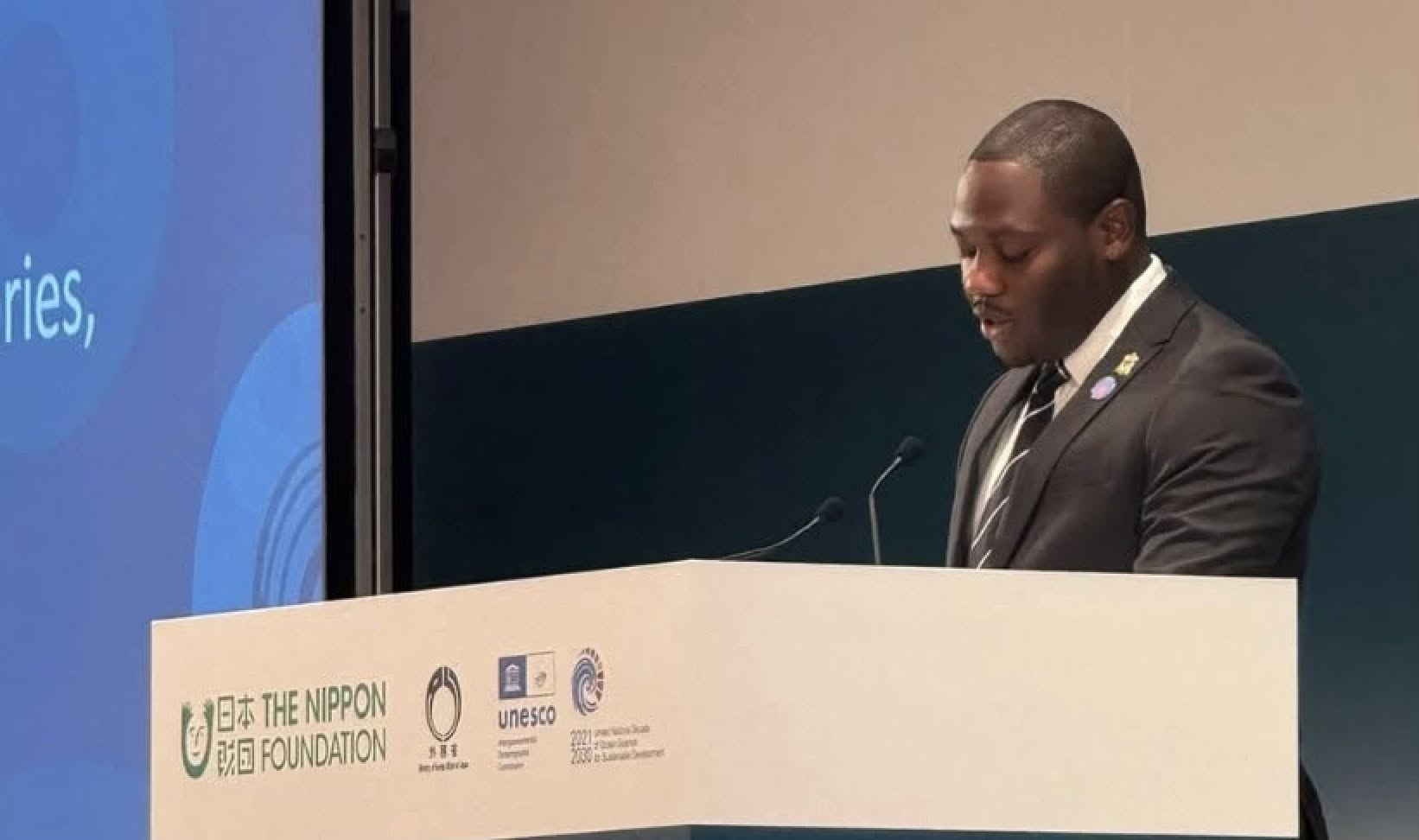
    The signing ceremony featured high-level representation from both parties, with Hon. Minister Konris Maynard signing on behalf of Saint Kitts and Nevis and Deputy Secretary General Alex L. J. Shyy representing TaiwanICDF. This initiative builds upon existing developmental work conducted by TaiwanICDF in the Caribbean nation.

    The comprehensive project encompasses multiple critical components designed to strengthen national energy resilience. Technical assistance will include detailed power grid capacity analysis, specialized advisory services for energy policy development, and the establishment of a sophisticated smart microgrid demonstration system. These measures aim to significantly enhance renewable energy integration capabilities while fortifying the overall stability of the energy infrastructure.

    Both Taiwan and Saint Kitts and Nevis, as island nations, confront similar vulnerabilities regarding energy security and climate change impacts. This partnership facilitates the transfer of Taiwan’s advanced expertise in information and communication technologies (ICT) and renewable energy systems to support sustainable development objectives. The collaboration represents a practical model for South-South cooperation in green technology transfer and climate adaptation strategies, potentially serving as a blueprint for other small island developing states seeking energy transformation.

  • Iran waarschuwt voor olieprijs van $200 per vat terwijl het handelsvaartuigen aanvalt

    Iran waarschuwt voor olieprijs van $200 per vat terwijl het handelsvaartuigen aanvalt

    The Middle East faces a severe energy crisis as Iran threatens to drive oil prices to $200 per barrel amid escalating military conflicts. This warning comes as the International Energy Agency (IEA) recommends the largest-ever release of strategic oil reserves—400 million barrels—to mitigate one of the most significant oil shocks since the 1970s.

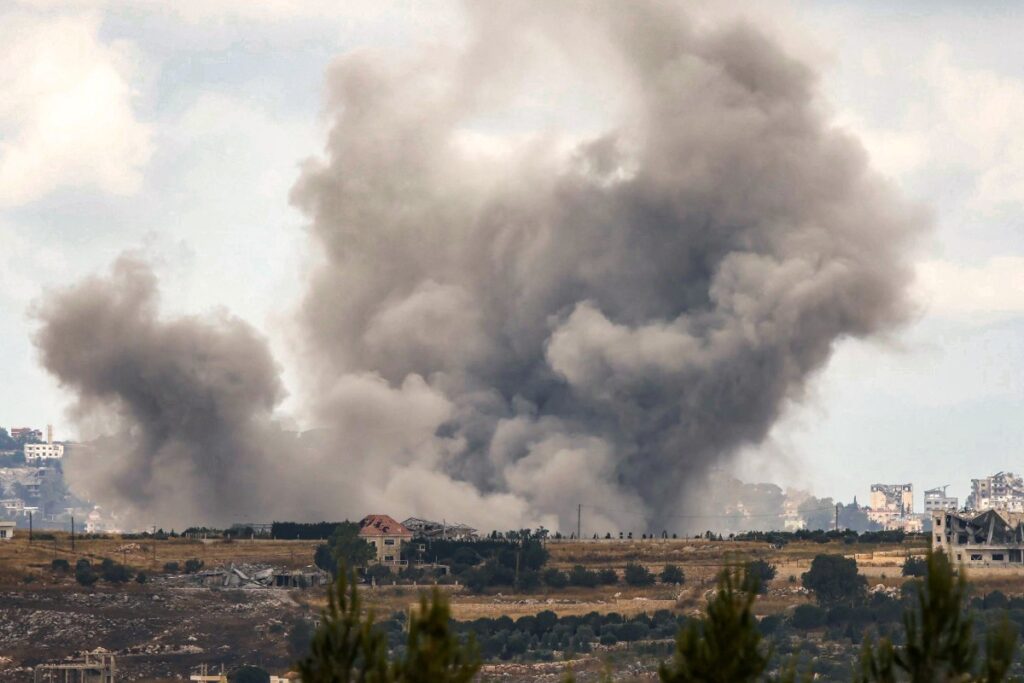
    The conflict, which began nearly two weeks ago with joint U.S.-Israeli airstrikes, has resulted in approximately 2,000 fatalities, primarily Iranians and Lebanese. The war has expanded into Lebanon and caused substantial disruption to global energy markets and maritime transport. Iranian Revolutionary Guard forces have targeted commercial vessels in the Gulf, with three ships struck recently after ignoring Iranian commands. A Thai-flagged bulk carrier was set ablaze, leading to crew evacuations and three missing persons.

    Despite intense aerial bombardments described by the Pentagon as the most severe since the war began, Iran demonstrated its capacity to retaliate with attacks on Israeli and Middle Eastern targets. Israel’s Defense Minister stated that military operations would continue “without time limits until all objectives are met,” while former President Trump suggested the campaign might be nearing its conclusion.

    The Strait of Hormuz, a critical oil export route, remains unsafe for shipping due to Iranian mine placements, strengthening the blockade. Iran warned that economic and trade centers in the region could become legitimate targets if attacks persist.

    Oil prices, which nearly reached $120 per barrel earlier in the week, fell to around $90 before surging nearly 5% on Wednesday due to renewed tensions. Wall Street’s major indices declined as investors grappled with the prospect of prolonged conflict.

    The U.S. State Department issued warnings about potential Iranian attacks on American oil and energy infrastructure in Iraq. Meanwhile, the FBI alerted the public to possible Iranian drone attacks on the U.S. West Coast, though Trump expressed confidence in U.S. defenses.

    Despite calls from Turkey and European nations for a ceasefire, both U.S. and Israeli objectives remain focused on crippling Iran’s regional power projection capabilities and nuclear program. Iranian military spokesperson Ebrahim Zolfaqari emphasized the country’s intent to inflict prolonged economic shock through oil market disruption.

    Internal dynamics in Iran show resilience despite external pressure. Mass funeral processions were held for fallen commanders, including Supreme Leader Ayatollah Ali Khamenei. Tehran residents have adapted to nightly bombardments and environmental hazards, while Iranian authorities warned against domestic protests.

    Kurdish opposition leader Abdullah Mohtadi claimed tens of thousands of young Iranians are prepared to revolt if supported by the U.S., though Israeli officials privately acknowledge the regime’s likely survival.

  • Belize Investigates Elderly American Found on Drifting Catamaran

    Belize Investigates Elderly American Found on Drifting Catamaran

    Belizean authorities have launched a comprehensive investigation into the mysterious death of an elderly American man discovered aboard a drifting catamaran approximately sixty miles offshore. The case unfolded when the MSC Divina cruise ship crew relayed a distress call concerning a vessel in waters east of Belize City on Monday.

    According to official statements from Francis Usher, CEO of Belize’s Ministry of National Defense and Border Security, the cruise ship rescued a distressed woman from the catamaran who reported her husband had suffered sudden cardiac arrest. However, when Belize’s Rescue Team reached the abandoned vessel on Wednesday morning, they encountered a more complex scenario—the man’s body showed signs of blood and advanced decomposition, prompting immediate suspicion.

    The coast guard towed the catamaran to Caye Caulker for preliminary examination before transferring both the vessel and the deceased to Belize City for further analysis. Usher confirmed that the victim’s son is currently in Belize coordinating repatriation arrangements and provided crucial information that the couple had departed from Livingston, Guatemala, approximately one week earlier.

    Notably, authorities acknowledged significant response challenges due to the vessel’s remote location when the distress call was received. The distance proved too great for immediate coast guard intervention, forcing officials to consult regional partners while monitoring the craft’s movement via ocean currents.

    The Belize Police Department has taken custody of the catamaran at a secure coast guard base for detailed forensic examination. While officials refrain from openly speculating about foul play, the presence of unexplained wounds on the body has elevated the investigation’s priority status. The case continues to develop as forensic experts and maritime investigators work to reconstruct the couple’s final voyage.

  • ICJ Nears Key Ruling on Guatemala’s Bid in Sapodilla Cayes Dispute

    ICJ Nears Key Ruling on Guatemala’s Bid in Sapodilla Cayes Dispute

    The International Court of Justice (ICJ) approaches a pivotal ruling on March 19, 2026, regarding Guatemala’s petition to intervene in Belize’s maritime case against Honduras concerning the disputed Sapodilla Cayes. This development marks a critical juncture in a decades-long territorial conflict that now involves three Central American nations.

    Belize initiated proceedings against Honduras in 2022 after diplomatic negotiations collapsed regarding Honduras’ constitutional claim to the islands. Guatemala subsequently sought formal involvement, asserting that the court’s eventual decision could directly impact its own ongoing territorial and maritime case against Belize. While Belize maintained neutrality toward Guatemala’s intervention request, Honduras vehemently opposed it, accusing its neighbor of procedural abuse.

    The fourteen islands comprising the Sapodilla Cayes—spanning over 38,000 acres at the southern extremity of the Belize Barrier Reef—represent significant ecological and strategic value. This biodiverse marine sanctuary hosts manatees, sea turtles, and vibrant coral gardens, making its sovereignty crucial for environmental protection and maritime boundary definition.

    Legal representatives for Belize presented arguments characterizing Guatemala’s intervention as potentially premature, given the existing separate case between the two nations. Former Foreign Minister Eamon Courtenay previously expressed concerns that Honduras’ constitutional claim might compel that nation to intervene in the Belize-Guatemala case, potentially complicating resolution efforts.

    Ambassador Assad Shoman, Special Envoy for the Belizean Prime Minister, advocated for coordinated case management at The Hague last November, suggesting sequential hearings to maximize judicial efficiency. The impending decision may establish significant precedent for how international courts manage overlapping territorial disputes globally, with potential implications for regional geopolitics and marine resource management in the western Caribbean.

  • US Military Strike on Iranian School Killed 168 Children, Probe Finds

    US Military Strike on Iranian School Killed 168 Children, Probe Finds

    A preliminary US military investigation has identified outdated intelligence as the probable cause behind a devastating airstrike that struck an elementary school in southern Iran, resulting in significant civilian casualties. According to sources familiar with the ongoing inquiry, US Central Command utilized obsolete coordinates provided by the Defense Intelligence Agency when executing a February 28th operation targeting an adjacent Islamic Revolutionary Guard Corps (IRGC) naval facility in Minab.

    The strike on the Shajareh Tayyiba school, which Iranian state media reports killed at least 168 children and 14 teachers, appears to stem from a tragic misidentification. Satellite imagery analysis reveals a critical evolution in the area’s infrastructure: while the school and military base were part of a single compound in 2013, imagery from 2016 clearly shows a physical separation with a newly erected fence and a dedicated school entrance. December 2025 imagery further contradicts target assumptions by showing children actively playing in the school courtyard.

    Weapons experts and CNN analysis of video evidence from the incident indicate the munition used was consistent with a US-made Tomahawk Land Attack Missile (TLAM), a precision-guided weapon system exclusively operated by the United States and a limited group of authorized allies. Iran is not among the nations possessing this advanced missile technology.

    The incident has triggered complex diplomatic repercussions and internal accountability questions. President Donald Trump stated he was unaware of preliminary findings reported by The New York Times and declined to accept responsibility, suggesting instead that Iran might be responsible—a claim directly contradicted by munitions experts and his own administration’s ongoing investigation. Defense Secretary Pete Hegseth pledged a thorough investigation while simultaneously accusing Iran of indiscriminate attacks on civilians.

    Both the Defense Intelligence Agency and US Central Command have declined to comment on the preliminary findings, citing the active status of the investigation. The White House emphasized that the investigation remains ongoing and cautioned against drawing definitive conclusions until its completion.

  • ICJ to Decide if Guatemala Can Join the Fight Over Sapodilla Cayes

    ICJ to Decide if Guatemala Can Join the Fight Over Sapodilla Cayes

    The International Court of Justice (ICJ) has scheduled a landmark ruling for March 19, 2026, that will determine whether Guatemala can formally intervene in the ongoing sovereignty dispute between Belize and Honduras concerning the Sapodilla Cayes. This maritime territory has been the subject of prolonged regional contention, with the current legal proceedings representing a critical juncture in the complex territorial landscape of Central America.

    Belize initiated litigation against Honduras in 2022 following unsuccessful bilateral negotiations to resolve Honduras’ claim, which derives legal basis from its 1982 constitutional provisions. Historical records indicate Belize had maintained administrative control over these islands for several decades preceding the emergence of the dispute.

    Guatemala formally sought intervention in late 2023, asserting that the ICJ’s eventual determination could potentially affect its own pending territorial and maritime claims against Belize, which are already under separate adjudication before the court. Guatemalan representatives emphasized their application constitutes not a novel territorial claim but rather a strategic maneuver to safeguard existing legal interests within the judicial framework.

    Notably, Belize has expressed no opposition to Guatemala’s participation, indicating that consolidated proceedings could facilitate comprehensive resolution of all interrelated territorial claims. Conversely, Honduras has vigorously contested Guatemala’s intervention, alleging procedural impropriety and urging the court to deny the application entirely. The upcoming ICJ decision is anticipated to establish significant precedents for multilateral territorial dispute resolution in international law.

  • First ever CERT Exhibition and the annual Caribe Wave Tsunami Exercise

    First ever CERT Exhibition and the annual Caribe Wave Tsunami Exercise

    The Caribbean region marked a significant milestone in disaster management by simultaneously hosting two major emergency preparedness initiatives: the inaugural Community Emergency Response Team (CERT) Exhibition and the annual Caribe Wave tsunami exercise. This coordinated effort represents a comprehensive approach to regional resilience, combining public education with practical disaster response training.

    The groundbreaking CERT Exhibition showcased innovative emergency response technologies, community preparedness strategies, and cutting-edge rescue equipment from across the Caribbean basin. This first-of-its-kind event provided a platform for emergency management professionals, volunteers, and policymakers to exchange best practices and demonstrate advancements in disaster response capabilities.

    Running concurrently, the Caribe Wave exercise simulated tsunami scenarios across multiple Caribbean territories, testing emergency warning systems, evacuation procedures, and inter-agency coordination. This year’s drill incorporated lessons from previous natural disasters and integrated new protocols developed through regional cooperation agreements. Participants ranged from government agencies and military units to school children and coastal communities, ensuring widespread preparedness across all societal sectors.

    Meteorological organizations, disaster management agencies, and regional security partners collaborated extensively in both initiatives, emphasizing the Caribbean’s commitment to developing multi-hazard preparedness frameworks. The events particularly focused on vulnerable coastal communities and tourism-dependent economies that face disproportionate risks from tsunami threats and other climate-related disasters.

    The dual initiatives reflect the Caribbean’s proactive stance in addressing increasing climate volatility and seismic risks, serving as a model for other disaster-prone regions worldwide. This comprehensive approach to disaster readiness demonstrates how exhibitions of emergency technology can effectively complement practical training exercises to create more resilient communities.

  • Belizean Family Confronted in Chetumal Over Car Ownership

    Belizean Family Confronted in Chetumal Over Car Ownership

    A routine cross-border trip to Mexico took an alarming turn for a Belizean family during the recent long weekend, prompting diplomatic intervention and raising concerns about vehicle documentation protocols. According to Belize’s Ambassador to Mexico Oscar Arnold, approximately 2,600 Belizeans entered Mexico during this period, primarily for tourism and medical purposes.

    The incident occurred when a Belizean woman and her daughters were confronted by several plainclothes individuals identifying themselves as police authorities after leaving a store in Chetumal. The officers alleged irregularities with the family’s vehicle and requested their accompaniment to the public prosecutor’s office. Despite presenting official identification, the authenticity of their credentials was questioned by the concerned Belizean national.

    Demonstrating presence of mind, the woman immediately contacted the Belizean Honorary Consul in Chetumal, who promptly arrived at the scene and accompanied the family to official authorities. Subsequent investigation by Mexican officials revealed an anomaly with the vehicle’s VIN number, triggering involvement from the specialized vehicle theft unit.

    After thorough examination, authorities determined the vehicle—originally imported from Mexico years ago and subsequently sold within Belize—was properly documented and legally possessed. No charges were filed against the family, and the consul ultimately concluded the incident did not constitute an attempted theft or extortion scheme.

    Ambassador Arnold utilized the occasion to issue a travel advisory, cautioning Belizean citizens purchasing Mexican-sourced vehicles about potential documentation complications and emphasizing the importance of immediately contacting embassy or consular officials when encountering suspicious circumstances abroad.