分类: world

  • Recent report by IICA and collaborators examines necessary public policies to reshape agrifood systems and foster economic and social progress

    Recent report by IICA and collaborators examines necessary public policies to reshape agrifood systems and foster economic and social progress

    A groundbreaking report co-authored by the Inter-American Institute for Agriculture (IICA) and multiple international organizations calls for a revolutionary overhaul of agricultural policy-making across Latin America and the Caribbean. The comprehensive analysis identifies increasingly complex agrifood systems, set against a backdrop of geopolitical realignments and technological transformation, as requiring innovative governance approaches.

    The 60-page study, titled ‘Transition to a New Generation of Public Policies for Agrifood Systems,’ emerged from collaboration between IICA’s Public Policy Observatory for Agrifood Systems (OPSAa) and prestigious institutions including the World Bank, Inter-American Development Bank, and International Food Policy Research Institute. It presents a compelling case for policies that simultaneously address sustainability, social inclusion, and institutional robustness.

    Joaquín Arias, leading IICA’s policy observatory, emphasized that overcoming structural challenges—stagnant economic growth, pervasive inequality, and governance deficiencies—demands integrated solutions. The digital OPSAa platform serves as a knowledge hub facilitating dialogue among policymakers, researchers, and stakeholders across the Americas to support evidence-based decision-making.

    The publication traces the historical development of agricultural policies in the region while highlighting how modern agrifood systems now encompass vast networks from production to consumption. This complexity introduces unprecedented challenges requiring policies with long-term vision, consensus-building mechanisms, and adaptability to emerging threats including climate disruptions, sanitary crises, and cross-border pests.

    Critical findings reveal that interconnected production chains spanning diverse territories expand policy objectives while complicating implementation. Both biophysical elements (water, soil, biodiversity) and socioeconomic factors (income distribution, nutritional health) face growing vulnerability to transnational threats necessitating coordinated responses.

    The report acknowledges technological innovations potentially boosting rural productivity but cautions that global fragmentation could impede technology transfer, underscoring the importance of regional cooperation and national investments in research and development.

    Amid geopolitical tensions, market volatility, evolving consumer preferences, and environmental pressures, agriculture’s role has transformed with elevated societal expectations. While productivity gains have reduced global hunger, they’ve simultaneously created new nutritional challenges including rising obesity rates, shifting focus toward healthier diets and food safety.

    The study showcases successful national policies promoting sustainability and resilience, demonstrating that evidence-based, inclusive policies built on broad consensus are essential for food security. Effective implementation requires strengthened governance institutions with coordination extending beyond agricultural ministries to multiple sectors and stakeholders.

    A fundamental transition challenge involves moving from traditional subsidy schemes toward results-oriented incentives that deliver tangible public goods and measurable impacts on agrifood system development.

  • War in the Middle East: latest developments

    War in the Middle East: latest developments

    The Middle East conflict entered a dangerous new phase on Thursday with multi-front military engagements and significant geopolitical ramifications. Israeli forces conducted targeted strikes against Basij paramilitary checkpoints in Tehran, explicitly aiming to disrupt the Iranian Revolutionary Guards’ operational control. Concurrently, Israel expanded its offensive in Lebanon, advancing beyond the Zahrani River while issuing evacuation orders to civilians. Beirut sustained continued bombardment, with AFPTV footage documenting dark smoke rising over the Bashoura district.

    Iran’s leadership demonstrated unwavering resolve, with Security Chief Ali Larijani vowing on social media platform X that combat operations would continue until the United States expressed remorse for its military actions. New Supreme Leader Mojtaba Khamenei reinforced this stance by ordering the continued closure of the strategically vital Strait of Hormuz while urging regional powers to shutter American military installations.

    The economic consequences reached critical levels as the International Energy Agency declared the conflict has created “the largest supply disruption in the history of the global oil market.” Current production deficits exceed 8 million barrels of crude oil daily, with an additional 2 million barrels of petroleum products offline, primarily due to Iran’s stranglehold on regional supply routes.

    Humanitarian concerns mounted as the UN refugee agency reported approximately 3.2 million internally displaced persons within Iran since hostilities began nearly two weeks ago. Lebanese authorities reported rising casualties, with at least 687 fatalities recorded since March 2 following a seafront strike in Beirut that killed eight civilians.

    The International Maritime Organization announced emergency talks to address shipping security threats, particularly in the Hormuz Strait, where the US military acknowledged insufficient resources to escort tankers through the critical waterway. Despite the escalating crisis, President Trump prioritized nuclear non-proliferation over oil market stability in his public statements.

  • CDB climate finance investment doubled to US$226.7 million in 2025

    CDB climate finance investment doubled to US$226.7 million in 2025

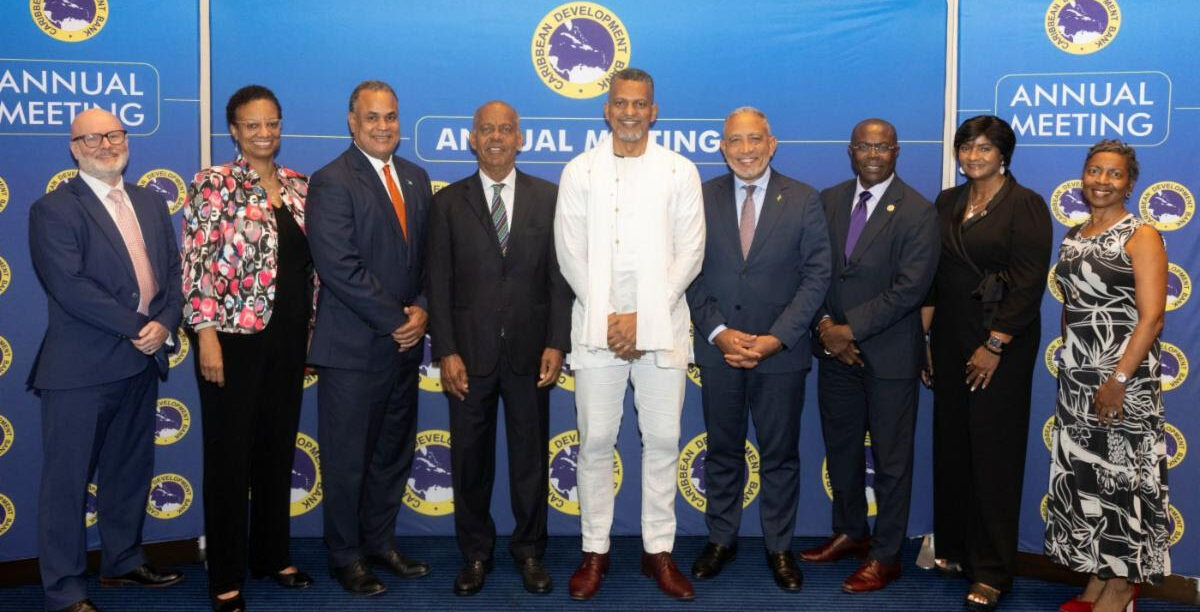
    In an unprecedented move against climate vulnerability, the Caribbean Development Bank (CDB) has announced a landmark allocation of US$226.7 million for climate action initiatives throughout 2025. This commitment establishes a new benchmark in the institution’s history, representing a staggering 100% increase from the US$101.5 million dedicated in 2024 and constituting nearly half of the bank’s total project approvals for the upcoming year.

    The substantial funding surge is primarily attributed to a major US$125 million environmental policy-based loan (PBL) extended to Guyana, supplemented by parallel financing packages of US$30 million each for Dominica and St Vincent and the Grenadines. These strategic PBLs are designed to underpin comprehensive reforms across critical sectors including biodiversity conservation, climate mitigation strategies, and sustainable water resource management. Beyond policy implementation, the financing will significantly enhance the technical and financial capabilities of member nations to withstand and rapidly recover from climate-induced disruptions.

    Valerie Isaac, Division Chief of Environmental Sustainability at CDB, emphasized the critical nature of this investment during the bank’s annual news conference in Bridgetown, Barbados on March 3. “The climate crisis transcends mere challenge—it represents an existential threat to our development and wellbeing, disproportionately impacting the most vulnerable populations,” Isaac stated. “Building resilience is no longer optional or luxurious; it has become an absolute prerequisite for regional growth and stability.”

    Complementing its internal allocations, CDB successfully secured an additional US$27 million in blended grant and loan financing from the Green Climate Fund (GCF) for the Integrated Utility Services Programme. With a total investment volume exceeding US$68 million, this initiative will accelerate the deployment of energy efficiency measures and distributed renewable energy solutions, including rooftop solar installations, across Barbados, Belize, and Jamaica.

    Concurrently, a further US$27 million in GCF grant resources will finance the Caribbean Hydrometeorological and Multi-Hazard Early Warning Services Project. This program aims to modernize vital forecasting infrastructure in Belize and Trinidad and Tobago, thereby safeguarding the lives and livelihoods of approximately 1.8 million residents.

    The operational launch of CDB’s Climate Change Project Preparation Fund marked another significant achievement in 2025, specifically engineered to eliminate pipeline bottlenecks that hinder climate capital flow. This dedicated fund will catalyze increased financing for climate action projects throughout CDB’s borrowing member countries.

    Looking ahead, Isaac confirmed that CDB intends to intensify its climate momentum throughout 2026. Strategic priorities include finalizing a US$200 million regional blue economy program focused on ocean resource protection while simultaneously generating employment opportunities within the marine sector. The bank will also introduce a flagship regional platform to develop actionable investment portfolios aligned with national energy and transport priorities, alongside initiatives bolstering water sector resilience and promoting locally led climate adaptation measures.

    “The decisions and actions we implement today will fundamentally shape the Caribbean’s development trajectory for the next half-century,” Isaac concluded. “Our path forward involves continuous innovation and transformation, enhancing institutional capacity both within CDB and across our member states, accelerating the development of investment-ready projects, mobilizing climate and disaster finance at scale, deepening strategic partnerships, and advancing coordinated regional climate action.”

  • Attacks on oil tankers off Iraq kills one

    Attacks on oil tankers off Iraq kills one

    BAGHDAD, Iraq—A lethal assault on commercial oil tankers in waters near Iraq has intensified regional hostilities, resulting in the death of an Indian crew member and escalating fears of a broader conflict disrupting global energy supplies. The incident represents a significant escalation in Iran’s campaign against Western interests following recent U.S. and Israeli military actions.

    Iran’s Revolutionary Guards publicly claimed responsibility for targeting the Marshall Islands-flagged vessel Safesea Vishnu, alleging the ship ignored warnings and was U.S.-owned. They remained silent regarding a simultaneous attack on the Maltese-flagged tanker Zefyros approximately 50 kilometers from Iraq’s coastline.

    The attacks triggered immediate humanitarian and diplomatic consequences. While Iraqi port authorities initially reported all 51 crew members from both vessels had been rescued unharmed, India’s embassy in Baghdad confirmed one Indian national had died in the assault and 15 other Indian crew members required evacuation.

    This maritime aggression occurred alongside aerial bombardments targeting Iran-backed militias in Iraq. Security officials reported at least nine fighters from Harakat Ansar Allah al-Awfiya, a U.S.-blacklisted group, were killed in airstrikes near the Iraqi-Syrian border. Although no party claimed responsibility, the militia blamed the United States and Israel.

    The strategic Strait of Hormuz, conduit for approximately 20% of globally traded oil, has seen severely restricted tanker traffic since Iran vowed to halt all Gulf oil exports while hostilities continue. Iraq’s crude production and exports have subsequently plummeted, threatening the economic stability of a nation where oil revenues constitute 90% of the national budget.

    Iraq’s oil ministry issued a statement emphasizing that ‘the safety of navigation in international maritime corridors and energy supply routes must remain free from regional conflicts,’ reflecting growing concern over the country’s vulnerability as a proxy battleground between Washington and Tehran.

  • Strike on Beirut seafront kills 8 as Israel threatens to ‘take territory’

    Strike on Beirut seafront kills 8 as Israel threatens to ‘take territory’

    BEIRUT — A targeted Israeli airstrike on Beirut’s Ramlet al-Bayda seafront district resulted in eight fatalities and 31 injuries on Thursday, according to Lebanon’s health ministry, marking a significant escalation in cross-border hostilities. The attack represents the third direct hit on central Beirut since the broader Middle East conflict began.

    Israeli Defense Minister Israel Katz issued a stark warning prior to the strike, declaring he had ordered military preparations for expanded operations in Lebanon. He specifically cautioned Lebanese President that if the government cannot restrain Hezbollah from attacking northern Israel, Israeli forces would “take the territory and do it ourselves.”

    The strike occurred amid heightened tensions following Hezbollah’s announcement of a major operation against Israel on Wednesday night. The militant group launched approximately 200 rockets and 20 drones toward Israel—its largest barrage since the conflict’s inception. Hezbollah claimed these attacks targeted military intelligence facilities near Tel Aviv and bases south of Haifa.

    At the scene in Ramlet al-Bayda, an AFP correspondent documented significant damage including a destroyed motorcycle and two damaged vehicles. Security forces cordoned off the typically bustling area where blood stains marked the pavement and a small impact crater was visible.

    The strike particularly affected displaced populations sheltering in the area. Aseel Habbaj, who had fled bombings elsewhere in Lebanon, described waking to the explosion that subsequently injured her husband. Neighbor Dalal al-Sayed, who had pitched tents at the seaside believing it safer than southern Lebanon, declared “We won’t leave, we will stay here even if we die” despite the attack.

    Concurrently, Israeli forces struck Hezbollah strongholds in Beirut’s southern suburbs and the residential area of Aramoun, killing three additional people and wounding a child. Lebanon’s National News Agency reported multiple Israeli strikes across southern regions where Hezbollah maintains significant influence.

    The conflict has produced devastating humanitarian consequences, with Lebanese authorities reporting over 687 fatalities and approximately 800,000 registered displaced persons since hostilities intensified following the killing of Iranian Supreme Leader Ayatollah Ali Khamenei in US-Israeli strikes last week.

  • Turkey talking to US, Iran in bid to end war

    Turkey talking to US, Iran in bid to end war

    ANKARA — Turkish Foreign Minister Hakan Fidan announced on Thursday that Ankara is engaged in high-stakes diplomatic communications with both Washington and Tehran in a concerted effort to de-escalate the intensifying Middle Eastern conflict, now entering its thirteenth day of hostilities.

    Speaking at a joint press conference with German counterpart Johann Wadephul, Fidan characterized the current phase as representing “the most intense moments of the war” while emphasizing Turkey’s commitment to facilitating negotiations. “The fundamental question remains: what possibilities exist for meaningful negotiation, and to what extent can diplomacy prevail?” Fidan posed during the briefing.

    The Foreign Minister explicitly condemned the initial strike against Iran as “both unjust and unlawful,” while simultaneously criticizing Iran’s subsequent retaliatory actions against Gulf nations. The conflict originated on February 28 following coordinated U.S.-Israeli operations against Iranian targets, which triggered widespread Iranian retaliation across the region.

    Fidan reported that Turkey has maintained “intensive” diplomatic engagement since the conflict’s inception aimed at conflict resolution. Echoing this urgency, Minister Wadephul emphasized the immediate priority must be “preventing further escalation” before addressing long-term regional security architecture.

    Additionally, Fidan issued strong condemnation of Israel’s military campaign in Lebanon, noting the displacement of approximately one million civilians and warning of potential state collapse. “Israel’s offensive operations must cease before the complete disintegration of Lebanese governance structures,” Fidan stated, highlighting the catastrophic regional implications of such collapse.

    The Lebanon theater emerged following Hezbollah’s retaliation against Israel for the killing of Iranian Supreme Leader Ayatollah Ali Khamenei in initial strikes. Lebanese authorities report Israeli counteroperations have resulted in over 687 fatalities and the registration of more than 800,000 displaced persons.

    Addressing humanitarian concerns, Minister Wadephul acknowledged Turkey’s prudent preparation for potential refugee flows from Iran while noting no significant movements have yet materialized. “We share a common interest in preventing such population displacements,” Wadephul affirmed, referencing Turkey’s previous experience during the Syrian civil war.

  • Mexico seizes 14 millions fentanyl doses

    Mexico seizes 14 millions fentanyl doses

    MEXICO CITY — In a significant counter-narcotics operation, Mexican authorities announced the confiscation of approximately 14 million doses of fentanyl on Thursday. The seizure represents the latest development in the ongoing battle against synthetic opioid trafficking toward the United States.

    The Mexican Public Security Ministry reported that the illicit substances were discovered during coordinated raids on a covert drug laboratory and a storage facility located in Villa de Alvarez, a municipality within the violence-plagued western state of Colima. Law enforcement officials uncovered roughly 270 kilograms of a substance matching the properties of fentanyl, presented in both powdered and pill formulations.

    Six individuals were apprehended in connection with the operation, though specific details regarding the timing of the raids and the estimated market value of the confiscated drugs were not disclosed. While substantial, officials clarified that this seizure does not set a national record, referencing a larger operation earlier in 2024 that yielded an additional metric ton of the substance.

    This enforcement action occurs against a backdrop of heightened diplomatic friction. Former U.S. President Donald Trump has intensified his rhetoric criticizing Mexico’s efforts to combat drug cartels, recently asserting that criminal organizations are ‘running Mexico’ and announcing the formation of a 17-nation Americas Counter Cartel Coalition to eradicate them. In a notable escalation last December, Trump formally classified fentanyl as a ‘weapon of mass destruction,’ placing it in the same category as nuclear and chemical weapons due to its role in tens of thousands of annual American overdose deaths.

    In response, Mexican President Claudia Sheinbaum has countered that the flow of firearms from the United States into Mexico significantly empowers cartel operations. She has called upon Washington to strengthen measures preventing weapons from crossing the southern border, highlighting the complex, bilateral nature of the security challenge.

  • FAO to facilitate International Coffee Day on Oct 1,  highlighting crop’s  global contribution

    FAO to facilitate International Coffee Day on Oct 1, highlighting crop’s global contribution

    In a historic move, the United Nations General Assembly has formally recognized coffee’s profound global significance through a groundbreaking resolution that establishes International Coffee Day. The Food and Agriculture Organization (FAO) will lead observances celebrating coffee’s extraordinary journey from ancient crop to modern cultural phenomenon.

    The resolution transcends coffee’s identity as merely a beverage, acknowledging its deep historical roots, social importance, and cultural symbolism across civilizations. It positions coffee as both a vital agricultural commodity and a universal social ritual that has shaped human interaction for centuries.

    Crucially, the UN resolution documents coffee’s substantial contributions to achieving multiple Sustainable Development Goals. These include combating hunger, reducing extreme poverty, promoting gender equality, and fostering sustainable economic growth through decent work opportunities. FAO analysis demonstrates how coffee production and trade systems support both local communities and global development initiatives.

    FAO Director-General QU Dongyu emphasized: “Coffee represents more than a drink—it’s a comprehensive global commodity chain that sustains millions of farming families and connects rural communities to international markets. This formal recognition will amplify awareness of coffee’s socio-economic importance and enhance its poverty eradication potential.”

    The resolution gained momentum after endorsement during FAO’s 44th Conference in 2025. The organization will now collaborate with the International Coffee Organization and other partners to develop meaningful observances that highlight coffee’s economic impact and promote sustainable industry practices.

    Current statistics underscore coffee’s massive economic footprint: global production exceeded 11 million tonnes in 2024, with approximately 8 million tonnes traded internationally. The industry generates nearly $25 billion in value, with bean trade reaching $34 billion. For numerous developing nations including Ethiopia, Uganda, and Burundi, coffee exports constitute vital foreign exchange earnings, sometimes exceeding food import costs.

    FAO’s extensive support programs for coffee-producing countries include climate adaptation strategies, pest management, agroforestry practices, and development of climate-resilient varieties. Initiatives such as Farmer Field Schools in Panama and cooperative models in Cuba demonstrate practical approaches to environmental challenges. Additional programs in Honduras, Guatemala, and Uganda focus on traceability systems and sustainability standards alignment.

    Through its Hand-in-Hand Initiative and World Bank partnerships, FAO mobilizes investments to enhance smallholder efficiency and income. The formal establishment of International Coffee Day provides a dynamic platform for strengthened collaboration, knowledge exchange, and concerted action toward building a more resilient, inclusive, and environmentally sustainable coffee sector worldwide.

  • Chili: Nieuw president moet economische storm trotseren te midden van wereldwijde onrust

    Chili: Nieuw president moet economische storm trotseren te midden van wereldwijde onrust

    Chilean President José Antonio Kast assumes office Wednesday amidst mounting global economic challenges that threaten to undermine his ambitious reform agenda. Elected in December on promises of robust economic growth and deregulation, Kast now confronts a dramatically altered international landscape shaped by the Iran conflict’s disruptive impact on worldwide markets.

    Political analyst Kenneth Bunker of San Sebastian University warns that current volatility in exchange rates, inflation, and economic growth may significantly complicate implementation of Kast’s plans. “If the anticipated growth rate fails to materialize, numerous policy measures could face substantial delays,” Bunker cautioned.

    As the world’s largest copper producer and second-largest lithium supplier, Chile remains particularly vulnerable to international commodity price fluctuations. Copper prices surged from below $10,000 per ton in June 2025 to a peak of $13,618 by January’s end, generating hundreds of millions in additional treasury revenue. Pre-conflict estimates suggested Chile could gain up to $4 billion from elevated copper prices, though recent weeks have seen prices drop 8% from their peak before showing slight recovery.

    The nation’s economic challenges are compounded by its status as one of Latin America’s largest oil importers. With crude prices approaching $120 per barrel since the conflict’s onset, Chile faces intensified inflationary pressures. An Oxford Economics report identifies Chile among the hardest-hit regions globally—alongside Central and Eastern Europe and India—with inflation potentially increasing by 0.4 to 1.7 percentage points in the second quarter.

    University of Santiago economist Marcela Vera emphasizes Chile’s structural vulnerability: “Our economy possesses limited financial protection mechanisms and remains heavily dependent on free trade agreements and primary exports.” Despite initial market optimism that propelled the Chilean stock market (IPSA) to a 65% year-on-year peak in January, subsequent declines exceeding 10% have occurred, with the peso losing approximately 5% of its value since February.

    Chile’s fuel price stabilization fund (MEPCO) operates to cushion price hikes through three-week adjustment cycles, though JPMorgan analysis indicates the mechanism cannot fully neutralize rising oil price effects. December inflation expectations have been revised upward to 3.6%, with risks tilted toward further increases.

    Vera warns that prolonged conflict could transform temporary economic disruptions into chronic conditions: “The impact extends beyond higher oil prices to include elevated logistics costs and a stronger dollar.” President Kast now faces the formidable challenge of delivering on economic growth promises within an increasingly volatile global economic environment.

  • Dominican Republic chosen to host 41st ECLAC Session in 2026

    Dominican Republic chosen to host 41st ECLAC Session in 2026

    In a significant diplomatic development, the Dominican Republic has been formally designated as the host nation for the 41st Session of the United Nations Economic Commission for Latin America and the Caribbean (ECLAC). The high-level gathering is scheduled to take place from October 7-9, 2026, in the historic city of Santiago de los Caballeros.

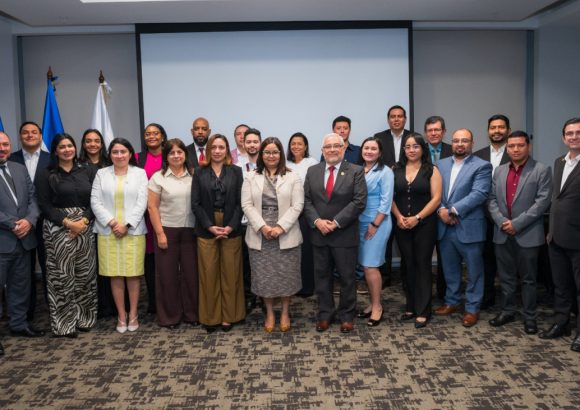
    The hosting agreement was ceremonially signed in Santiago, Chile, by Dominican Foreign Minister Roberto Álvarez and ECLAC Secretary Luis Fidel Yáñez. The signing ceremony was witnessed by Dominican Ambassador to Chile Juan Cohen, marking a milestone in regional cooperation.

    This premier convening will assemble foreign ministers, senior government officials, and distinguished experts from across Latin America and the Caribbean. The agenda will focus on addressing the most pressing economic, social, and environmental challenges confronting the region. ECLAC authorities emphasized that the session will provide a crucial platform for fostering multilateral dialogue and strengthening collaborative initiatives among member states.

    Foreign Minister Álvarez characterized the host selection as a testament to ECLAC’s confidence in the Dominican Republic’s leadership and institutional capabilities. He further emphasized that this decision highlights the government’s steadfast dedication to multilateral engagement and sustainable regional development. The choice of Santiago de los Caballeros—a major economic, cultural, and academic hub outside the capital—reflects the administration’s strategic priority to promote decentralized growth and stimulate investment opportunities throughout the country’s diverse regions.