分类: politics

  • Minister Fonseca “Looking Quite Relaxed” After Major Heart Surgery

    Minister Fonseca “Looking Quite Relaxed” After Major Heart Surgery

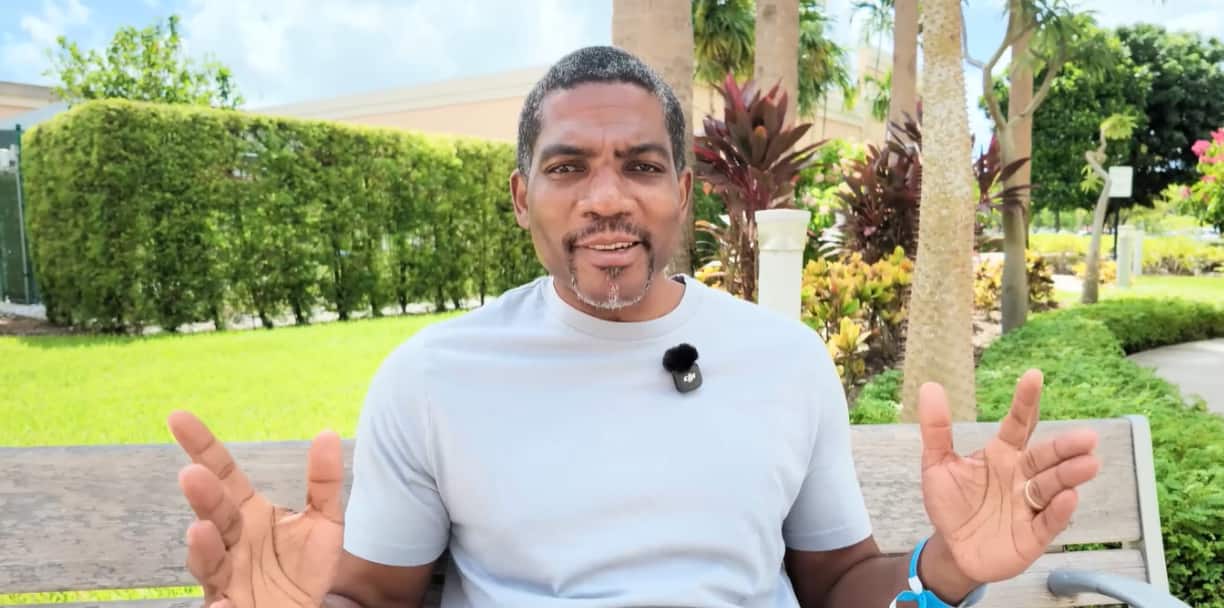
    Nearly three weeks after Belize’s top diplomat underwent urgent major heart surgery, the country’s prime minister has shared an encouraging update on Foreign Affairs Minister Francis Fonseca’s ongoing recovery. On May 20, 2026, Prime Minister John Briceño confirmed that Fonseca is progressing smoothly following the triple bypass procedure he underwent earlier this month.

    Briceño, who visited the recovering minister just days after the operation, said he was relieved to see Fonseca in good spirits. “I went to see him on a Friday after the surgery, and he looked quite, quite relaxed,” the prime minister shared in his remarks. A subsequent check-in via message confirmed that the minister’s condition continues to improve, he added.

    As the foreign ministry remains without its permanent leader while Fonseca recovers, Briceño has emphasized that the minister’s full recovery takes priority over a quick return to official duties. “What I’m telling him is his health comes first. Once he feels that he is in a position to come back to work, he’s welcome back. We certainly need his help,” Briceño said. To date, no firm timeline has been established for Fonseca’s resumption of his ministerial responsibilities.

    Since Fonseca entered medical leave to undergo the procedure, Briceño has stepped in to temporarily oversee the foreign affairs portfolio. Earlier this month, Economic Transformation Minister Dr. Osmond Martinez addressed growing speculation about a potential interim appointment, confirming that the prime minister was the appropriate official to hold the role during Fonseca’s absence, and dismissing questions about any other interim replacement.

  • ‘A Fish Rotting From the Head’ or Theft?

    ‘A Fish Rotting From the Head’ or Theft?

    A developing public accountability scandal in Belize’s Immigration Department has sparked sharp political division, after approximately $160,000 in public funds went missing and investigations into the disappearance are currently ongoing. The incident, which rose to the agenda of the country’s cabinet for discussion, has drawn public commentary from both Prime Minister John Briceño and opposition leader Tracy Panton, who hold starkly different views on the root of the problem.

    Briceño, speaking directly to reporters on the ongoing probe, has publicly characterized the missing funds as an isolated case of individual theft rather than systemic corruption within the government agency. According to preliminary findings shared by the prime minister, investigators believe a single Immigration Department employee manipulated internal administrative protocols to siphon off the cash. The alleged scheme involved the employee issuing official payment receipts, canceling those receipts after the fact, and keeping the funds that had been paid for the services.

    The prime minister emphasized that the formal investigation remains active and ongoing, and he declined to share additional sensitive details that could compromise the investigative process. When pressed on the opposition’s sharp criticism, Briceño opted to avoid direct confrontation, stating he would not dignify the opposition’s claims with a public response.

    However, Panton has rejected the government’s framing of the incident as an isolated rogue employee act. The opposition leader has leveled a blistering critique that the corruption extends far beyond a single staff member, using the well-known idiom “a fish is rotting from the head” to argue that wrongdoing originates at the highest levels of the current administration. Her comments have escalated the political standoff over the missing public funds, turning a procedural administrative probe into a high-stakes political debate about institutional accountability in Belize.

  • Land Minister urges patience, says lawsuit could ‘open can of worms’

    Land Minister urges patience, says lawsuit could ‘open can of worms’

    A political standoff over controversial pre-election land allocations in St. Vincent and the Grenadines has escalated, with 215 land recipients threatening legal action against the newly installed New Democratic Party (NDP) government, while the nation’s housing and land chief is urging patience as a review of the deals nears completion.

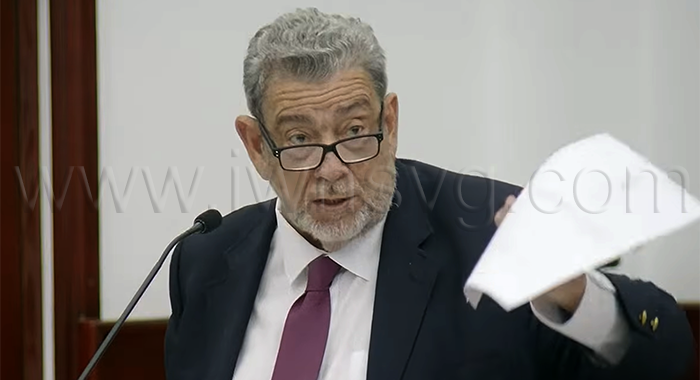
    Housing and Land Management Minister Andrew John, speaking publicly during an interview with NBC Radio this Tuesday, addressed the growing tensions surrounding land parcels distributed by the previous Unity Labour Party (ULP) administration ahead of the last general election. The minister clarified that the current government has not moved to overturn all of the previous government’s land distribution decisions, but a full review of the process is required to ensure transparency and fairness.

    The threatened lawsuit comes after the NDP government halted further payments from the 215 recipients toward their land purchases. Representing the affected claimants, lawyer Adrian Odle confirmed that his legal team has interviewed all 215 Vincentians, who have alleged discriminatory treatment and breach of contract by the current government. Odle also noted that recipients across the country holding formal land contracts have been informed that no additional down payments or installments will be accepted by the state.

    John pushed back on the claims, questioning the circumstances of the last-minute land distribution that raised immediate red flags for his administration. He called the impending lawsuit “amusing”, arguing that the sheer volume of parcels allocated right before the election cycle, concentrated heavily in a single constituency, makes the original distribution politically questionable at face value. As a responsible governing body, the NDP has a binding obligation to audit the entire allocation process, the minister emphasized.

    Data shared by John shows that out of all the pre-election land distributions, more than 150 parcels were allocated in North Windward constituency alone: 67 in Tourama and 91 in Langley Park. The minister noted that not all recipients are residents of North Windward, a fact that deepens concerns about the original distribution’s motives. He openly questioned whether the previous ULP administration deliberately pushed through the last-minute allocations to sway the election outcome in key competitive districts.

    John pointed to a broader national context of land scarcity in St. Vincent and the Grenadines, with only North Windward and North Leeward holding surplus available land for distribution – parcels many citizens have historically avoided due to their proximity to the active La Soufrière volcano. Even so, all citizens deserve equal access to the limited available land, the minister said, which is why a full review is necessary.

    Since taking office and assuming his full portfolio, which also covers urban development and informal settlement upgrading, John revealed that his department inherited no centralized list of people who had formally applied for land allocations. Thousands of Vincentians have been waiting years for land allocation responses, he said, yet many of the pre-election parcels went to applicants who had never gone through the standard formal application process.

    John framed the threatened legal action as a move that will “open a can of worms” for recipients. Under the original land contract terms, purchasers have a 12-month window to complete required payments, a rule that has been widely ignored over the past 20 years, with thousands of people building homes on allocated land without fulfilling their payment obligations. If the lawsuit proceeds, the government will be forced to retroactively review all past breaches of contract, which could ultimately result in land being reclaimed from recipients who failed to meet their obligations – a route the current government has no desire to take, John said.

    The minister stressed that the NDP administration has not notified any recipient that they will lose their land, even though the original allocations were approved via Cabinet memo, a document that can be reversed by a new Cabinet. He rejected claims that the government is targeting or victimizing land recipients, noting that the review is rooted in a commitment to equitable distribution for all Vincentians, including the many long-time applicants who have yet to receive any response from the government despite years of waiting.

    “All we are asking is for some time to review, and the process is almost finished,” John reiterated, calling on affected recipients to wait for the outcome of the audit before moving forward with legal action.

  • San Pedro Hospital Costs Spiral Over Budget

    San Pedro Hospital Costs Spiral Over Budget

    A major infrastructure project in Belize is facing unexpected financial headwinds, as the newly constructed San Pedro Hospital has recorded substantial cost overruns that far outstrip its original budget. The facility, which draws the vast majority of its original funding from a grant provided by Taiwan, has left officials grappling with an unplanned budget shortfall that remains unconfirmed by the country’s top leadership.

    Belizean Prime Minister John Briceño has publicly acknowledged the cost overrun issue, but has so far declined to share an official figure for the growing budget gap. Independent local reports have pegged the overrun at approximately 15 million U.S. dollars, a significant increase from the project’s original agreed-upon budget.

    Briceño attributed the ballooning costs to broad-based price inflation across the global construction sector, pointing to dramatic spikes in key building material prices as a core driver. To illustrate the scale of the increases, he noted that the price of construction sand alone has doubled in just a few months, jumping from $850 per unit to $1,700. “Everything has been going up. I mean, you don’t need to be a genius to know that,” Briceño told reporters.

    The central unresolved question now facing the Belizean government is which party will cover the unplanned extra costs. The entire original budget for the hospital was covered by the grant from Taiwan, Belize’s diplomatic ally in the region. With costs now exceeding the original agreement, Belizean officials are preparing to enter negotiations with Taiwan to negotiate how the additional expenditure will be split between the two parties.

    Briceño made clear that the Belizean government will cover any remaining portion of the shortfall after talks with Taiwan conclude. “It’s something that we will sit down with the Taiwanese and see what they’re prepared to help and whatever the shortfall, obviously the government will have to pay,” the prime minister said.

  • PM Briceño Defends NHI Bill After Opposition Calls It a “National Hustle”

    PM Briceño Defends NHI Bill After Opposition Calls It a “National Hustle”

    A heated political debate has erupted in Belize centered on the proposed National Health Insurance Authority (NHI) Bill, pitting Prime Minister John Briceño against the country’s opposition leader over the future of the nation’s healthcare financing framework.

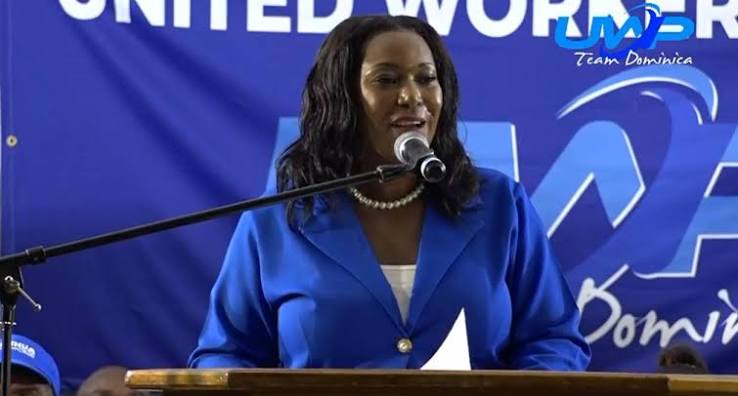
    The controversy ignited earlier this week when United Democratic Party (UDP) Leader Tracy Panton lambasted the legislation, dismissing it as a so-called “national hustle.” Panton argued the bill lacks clear transparency mechanisms for oversight and contains ambiguous language around long-term funding structures. She claimed the legislation would ultimately force Belizean residents to pay two separate mandatory contributions: existing Social Security Board (SSB) payments and a new additional tax earmarked for the NHI program. In her remarks, Panton stressed that the government has been dishonest about the bill’s true implications for household finances, rejecting its framing as a progressive expansion of national healthcare.

    Speaking publicly on the proposed legislation on May 20, 2026, Briceño pushed back forcefully against Panton’s accusations, clarifying that mandatory additional contributions are not part of the current iteration of the bill. The prime minister emphasized that the core goal of the legislation in its current form is to expand access to primary healthcare services that are already offered to Belizeans at nearly no cost out of pocket, and no new tax is being imposed on these services under the current plan.

    Briceño explained that the contested provision referenced by the opposition is a forward-looking policy placeholder designed to enable future expansion of the NHI program. Currently, the Belizean government allocates roughly $20 million in annual taxpayer funding to support the NHI program, which is limited to primary care services. The placeholder language would allow the government to eventually extend coverage to include secondary and tertiary medical services, a structure modeled after the successful universal healthcare systems implemented in neighboring Costa Rica. Once the primary care framework is fully established and operating smoothly, Briceño noted, policymakers will revisit the question of expanding services and adjusting funding structures to support that growth.

    The clash over the NHI Bill underscores deep divides between the ruling People’s United Party and the opposition UDP over how to expand accessible, affordable healthcare to all Belizeans while balancing fiscal responsibility. As the legislation moves through the legislative process, the debate over its funding provisions and long-term implications is expected to remain a central political issue in the country in the coming weeks.

  • PM Encourages Sugar Farmers to Explore Cattle Farming

    PM Encourages Sugar Farmers to Explore Cattle Farming

    Amid ongoing uncertainty and persistent challenges across Belize’s sugar industry, Prime Minister John Briceño has issued a renewed call for small-scale sugar producers to explore economic diversification, with cattle farming identified as a high-potential alternative for growth.

    Briceño’s remarks build on guidance recently shared by former Agriculture Minister Jose Abelardo Mai, who previously advised low-income sugar farmers to reduce their overreliance on sugar cane cultivation by expanding into adjacent agricultural sectors. Speaking to journalists on Thursday, Briceño emphasized that for decades, national leaders have repeated the warning to agricultural stakeholders against concentrating all their livelihoods in a single commodity – a core principle that remains just as critical for sugar producers today.

    According to the Prime Minister, cattle farming stands out as one of the most promising untapped opportunities for sugar farmers in 2026, driven by fast-growing cross-border export demand in neighboring Mexico and Guatemala. Briceño recommended that farmers holding underutilized or low-yield sugar cane land should evaluate converting a portion of that property into grazing pasture for cattle production, noting that domestic producers are well-positioned to satisfy rising regional demand for beef. “We can meet the demand,” Briceño confirmed to reporters.

    Beyond agricultural policy, the Prime Minister also addressed public questions surrounding the health of former Agriculture Minister Jose Abelardo Mai, who recently underwent knee surgery. Briceño clarified that medical teams made the decision to prioritize knee surgery before addressing an ongoing chronic back condition, explaining that the minister’s impaired gait – caused by severe knee pain – meant that any intervention on his back would not deliver meaningful improvement until the knee issue was resolved. “The doctor said the first thing they need to do is the knee because he was walking sideways. So if you do anything with your back and you’re still walking sideways, you’re not doing anything,” Briceño said.

    When pressed about a potential return for Mai to the national cabinet, Briceño declined to set a timeline, saying that any decision on the former minister’s political future will be made at a later date once his recovery progresses further.

  • Janice Hodge Awarded Nearly EC$500,000 in Unfair Dismissal Case Against State Insurance

    Janice Hodge Awarded Nearly EC$500,000 in Unfair Dismissal Case Against State Insurance

    A former senior leader at a state-owned Caribbean insurance provider has secured a landmark legal victory after an industrial tribunal ruled her 2023 termination was unlawful, ordering the company to payout nearly half a million Eastern Caribbean dollars in combined compensation and damages. Janice Hodge, who previously served as the insurer’s executive manager, launched the unfair dismissal claim following her ouster, which came after the company was forced to issue a $9.8 million restatement of its official financial statements. Company leadership had pinned the financial discrepancy on errors that occurred under Hodge’s supervision, but the Industrial Court’s ruling thoroughly rejected that narrative.

    In its full judgment, the court found that Hodge’s dismissal directly violated core natural justice principles. A key failing highlighted by the court was that State Insurance never clearly articulated the specific misconduct that Hodge was accused of committing, leaving the former executive without a fair opportunity to defend herself against the allegations. Beyond that, the tribunal concluded that the massive financial restatement was overwhelmingly driven by long-standing problems with outdated internal software and legacy operational systems, not any personal wrongdoing on Hodge’s part.

    The court also issued sharp criticism of the company’s inconsistent application of disciplinary rules, noting that disciplinary standards were applied unevenly across staff, a practice that undermines the fairness of workplace accountability processes. In an important warning for public and state-owned entities across the region, the tribunal cautioned against making public statements that name individual employees in connection with unproven misconduct allegations before full due process has been completed. Such practices, the court emphasized, cause irreversible damage to personal reputations before an individual has the chance to clear their name.

    Hodge was awarded damages across multiple categories, including pay in lieu of notice, compensation for verified financial losses stemming from her unlawful termination, exemplary damages to address the unreasonable conduct of the employer, and coverage of her full legal costs. The court granted State Insurance permission to pay the total sum in scheduled instalments, with the full payment required to be completed by June 2026.

  • After 24 Years, Belize Central Prison Gets a New CEO

    After 24 Years, Belize Central Prison Gets a New CEO

    A historic leadership transition has concluded at one of Belize’s most important correctional facilities, bringing a close to nearly a quarter-century of steady governance. After 24 years at the helm, Virgilio Murillo has stepped down as chief executive of the Kolbe Foundation, the non-governmental entity that manages Belize Central Prison through a long-standing public-private partnership with the national government. On May 19, 2026, George Gomez officially assumed the role of CEO, marking a new chapter for the country’s largest correctional institution.

    The handover between the two leaders did not happen abruptly. It was the final outcome of a carefully planned four-month transition process designed to ensure continuity of operations and a smooth transfer of responsibilities. Both the Ministry of Home Affairs and Enterprise and the Kolbe Foundation’s Board of Directors have publicly lauded Murillo’s transformative impact on the prison system over his 24-year tenure. Under his leadership, the facility saw widespread reforms that improved both institutional management and inmate conditions, reshaping what was once considered a struggling correctional system into one aligned with modern correctional practices.

    Moving forward, Gomez has made clear that his core priorities as the new CEO will center on expanding evidence-based rehabilitation programs and strengthening reintegration support for incarcerated individuals preparing to rejoin society after completing their sentences. To preserve institutional memory and ensure ongoing access to Murillo’s decades of expertise, the foundation has named him CEO Emeritus. He will remain actively involved with the organization in the new role of Special Advisor to the Board of Directors, providing guidance and insight as the new leadership pursues its reform agenda. This transition reflects the foundation’s commitment to balancing institutional continuity with forward-looking progress in correctional services.

  • Fuel Tax Cuts Drain $80M from Belize Revenues

    Fuel Tax Cuts Drain $80M from Belize Revenues

    BELIZE CITY – May 20, 2026 – Sustained fuel tax cuts implemented by Belize’s ruling administration to buffer households from skyrocketing global fuel prices have already stripped $80 million from the national treasury, Prime Minister John Briceño has confirmed. Speaking to media this Wednesday morning, Briceño made clear that the government has no plans to reverse the policy, arguing that passing the full weight of global price volatility onto ordinary citizens is economically and politically untenable.

    “We simply cannot transfer the entire cost burden to Belizean families. That is why this government made a deliberate choice to cut the fuel taxes we collect,” Briceño stated. The most recent round of cuts shaved approximately one dollar off the per-gallon cost of fuel, taking effect at midnight this Wednesday. Even with these reductions, official price adjustments released overnight show that overall fuel market trends remain upward: regular gasoline has jumped by more than one dollar per gallon, though the adjustment brought unexpected drops for premium gasoline and diesel, leaving premium fuel actually cheaper than regular at retail pumps. Kerosene prices also declined in the latest adjustment.

    Current tax and government levies still account for roughly 25 percent of the average price motorists pay per gallon of fuel, even after the multiple rounds of cuts implemented by Briceño’s government. As the government continues absorbing massive revenue losses to keep fuel costs manageable, the parliamentary opposition has ramped up pressure on the administration over the growing cost of living crisis.

    United Democratic Party (UDP) Leader Tracy Panton framed the current crisis of soaring fuel and living costs as “COVID 2.0” during an appearance on the popular *Open Your Eyes* morning talk show Wednesday. Panton echoed the prime minister’s own framing of imported inflation, noting that just like the COVID-19 pandemic originated outside Belize’s borders, the current fuel price surge is driven by the volatile ongoing conflict in the Middle East that pushes up global crude acquisition costs.

    But Panton emphasized that regardless of the external root of the crisis, the Belizean government bears a clear responsibility to protect working people and vulnerable communities from the fallout. “Inflation may be imported, but we have a responsibility as a government to mitigate the impact on Belizeans, the working class, the vulnerable,” Panton said.

    Briceño pushed back against criticism Wednesday, defending his administration’s actions by noting the government is already doing everything possible to cap fuel costs for consumers. To offset the $80 million in lost revenue and balance the national budget, Briceño confirmed the government is targeting cuts to non-essential spending on goods and services, but drew a line at slashing critical social support programs, which will remain fully protected from budget trimming.

    “Even as fuel prices continue to climb, we are keeping taxes cut because we are committed to finding a sustainable balance between the global market cost of fuel and the tax burden our people face,” Briceño added. Full coverage of the ongoing fuel price crisis and government response will air this evening on News 5 Live at 6 p.m.

  • COFCOR-voorzitter Bouva wil sterkere positie CARICOM op wereldtoneel

    COFCOR-voorzitter Bouva wil sterkere positie CARICOM op wereldtoneel

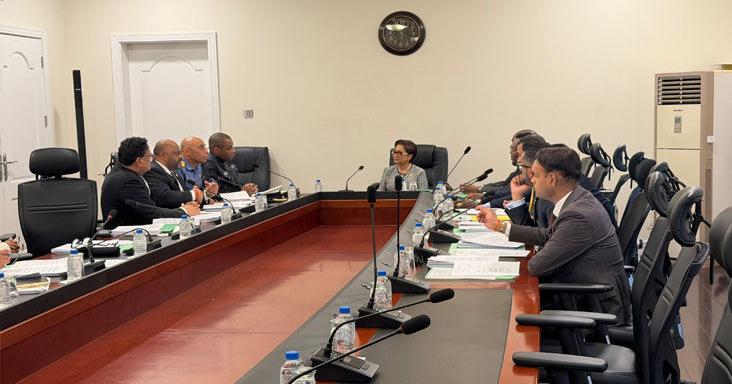
    On May 20, Suriname officially took over the rotating chairmanship of the Council for Foreign and Community Relations (COFCOR), the key ministerial coordination body for foreign affairs of the Caribbean Community (CARICOM), at the opening of the body’s 29th plenary session held in Paramaribo. The gathering, hosted at Paramaribo’s Yogh Hospitality, brought together top foreign affairs officials from across the Caribbean bloc to align shared positions on pressing cross-regional and global challenges.

    In his keynote opening address, incoming chairman Melvin Bouva, Suriname’s Minister of Foreign Affairs, outlined a clear priority agenda for his tenure, emphasizing that the Caribbean bloc must amplify its collective profile on the global stage. Bouva argued that CARICOM, as a region rich in natural resources, holds unique strategic importance for the entire world. He called on member states to not only deepen existing partnerships with major international actors, but also conduct rigorous reviews of current cooperation frameworks to ensure they deliver tangible, equitable benefits to all Caribbean nations.

    Bouva also noted that Suriname’s leadership of COFCOR lays critical groundwork for the country’s upcoming assumption of the overall CARICOM presidency, which President Jennifer Simons will take over in July this year. During Suriname’s COFCOR chairmanship, top policy priorities will include advancing coordinated action on climate change adaptation, strengthening regional energy and food security, and expanding cross-regional connectivity infrastructure. Expanding strategic cooperation with partner nations across Africa, Asia, Europe and the Middle East also sits high on the agenda. Beyond these new priorities, the ongoing humanitarian and political crisis in Haiti remains a core ongoing focus for the bloc, while discussions will also cover shifting global geopolitical dynamics and the potential expansion of CARICOM’s membership.

    Outgoing chairman Denzil Douglas, who led COFCOR through the 2025-2026 term, opened the session with a retrospective of his tenure, marked by rising global tensions and growing instability in the international rules-based order. Douglas pointed to ongoing armed conflicts in Eastern Europe and the Middle East as key sources of spillover risk for small island and coastal Caribbean states, noting that small nations increasingly face challenges navigating a global order where narrow national interests often override agreed international norms.

    Douglas stressed that sustained unity among CARICOM member states remains non-negotiable to protect regional stability, pointing to ongoing crises in Haiti, Cuba and Venezuela, alongside recurring global public health threats including hantavirus and Ebola, as clear examples of challenges that demand a coordinated collective response. He concluded his address by formally congratulating Bouva and the Suriname delegation on assuming the COFCOR chairmanship, expressing his confidence that the incoming leadership will successfully strengthen CARICOM’s collective voice in global affairs.