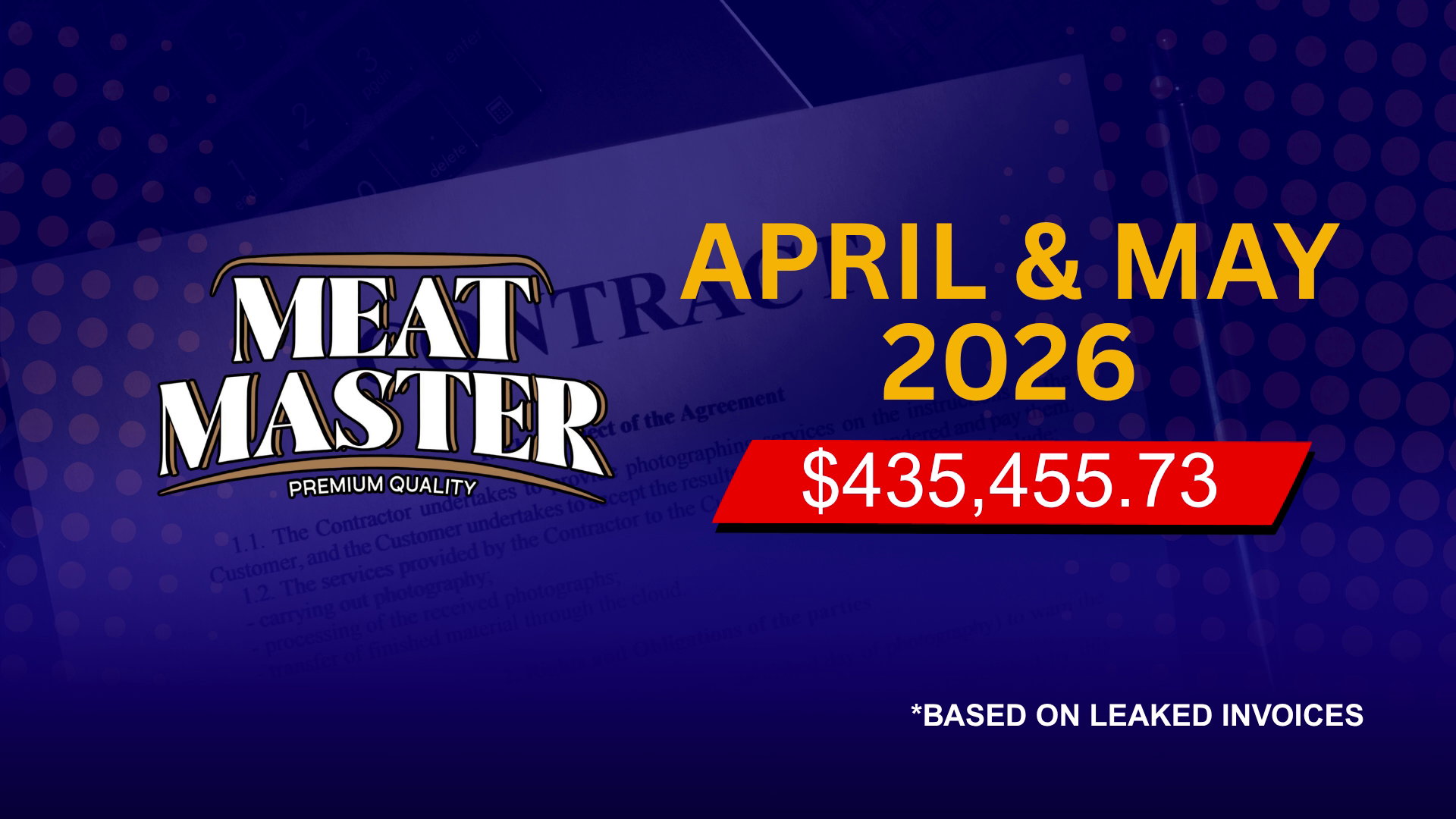
In a developing story that has put government procurement rules under the microscope, an investigation by local outlet News Five has uncovered a striking pattern: dozens of government invoices have consistently been processed just under the $10,000 threshold that mandates heightened financial oversight. The discovery has ignited debate over whether the practice is a deliberate end-run around accountability checks, or merely a bureaucratic shortcut to speed up routine government operations.
Cabinet Minister Kareem Musa, who previously led the Ministry of Home Affairs, confirmed this pattern is not isolated to a single government department. In comments to reporters, Musa acknowledged that the pattern of sub-$10,000 invoicing appears across nearly all ministries, though he pushed back on claims of widespread abuse during his tenure at Home Affairs.
Under existing government procurement rules, any payment exceeding $10,000 requires additional review, and contracts surpassing $50,000 must be forwarded to the Office of the Contractor General for formal audit. When asked whether the cluster of sub-threshold invoices stems from a push for administrative efficiency or intentional avoidance of oversight, Musa admitted both explanations are plausible. “It could be both,” he told reporters. “As you know, anything over fifty thousand has to go to the contractor general. And so you have to question. You have that right to question… that is what the Auditor General’s report will determine for all of us.”
Pressed for details about his time leading the Ministry of Home Affairs, Musa confirmed that sub-$10,000 invoicing did occur during his tenure, but claimed it was limited to isolated individual cases rather than large-scale routine use. He added that questions about current practices should be directed to the sitting Home Affairs minister.
The investigation also comes amid broader public scrutiny of government supplier selection processes. Reporters pressed Musa on whether his former department maintained a list of preferred suppliers, and specifically on his relationship with Tropicana, a local business that supplied boots to the ministry during his tenure. Musa confirmed Tropicana was one of three approved suppliers for the department, noting that the company provided the Garmon brand of boots that police officers specifically requested. He added that the ministry had previously tested locally made boots from another firm, Umbra Land, but returned to imported brands to meet officer preferences.
Musa flatly denied allegations that he ever directed suppliers to split large contracts into multiple sub-$10,000 invoices to bypass formal oversight and speed up payment processing. He also emphasized that he did not involve himself in the day-to-day procurement process, leaving those decisions to ministry leadership, the chief executive officer, and the department’s internal procurement unit. “No, absolutely not, no,” he said, when asked if he had ever pressured suppliers to adjust invoice values to fall below the threshold.
The findings come as the Auditor General prepares to release a full report on government procurement practices that will examine the pattern of sub-threshold invoicing and address questions about potential lack of accountability across government departments. This report is expected to resolve lingering questions over whether the pattern is accidental, a benign efficiency measure, or a deliberate violation of procurement rules intended to avoid public scrutiny.
This report is based on a transcribed transcript of a televised evening news broadcast.