分类: politics

  • AFC, PNCR-APNU support Cuban Medical Brigade

    AFC, PNCR-APNU support Cuban Medical Brigade

    In a significant political development, Guyana’s main opposition parties have voiced strong support for continuing the Cuban Medical Brigade program, despite mounting pressure from the United States to terminate the initiative. The Alliance For Change (AFC) and the People’s National Congress Reform-led A Partnership for National Unity (APNU) have issued separate statements advocating for the preservation of this decades-long healthcare partnership.

    The AFC characterized the Cuban medical presence as “a critical pillar of Guyana’s healthcare system,” emphasizing its role in addressing specialized personnel shortages, strengthening rural and hinterland medical services, and providing otherwise unavailable care to thousands of Guyanese citizens. The party described the bilateral relationship as being built on “solidarity, mutual respect, and a shared commitment to improving the well-being of their peoples.”

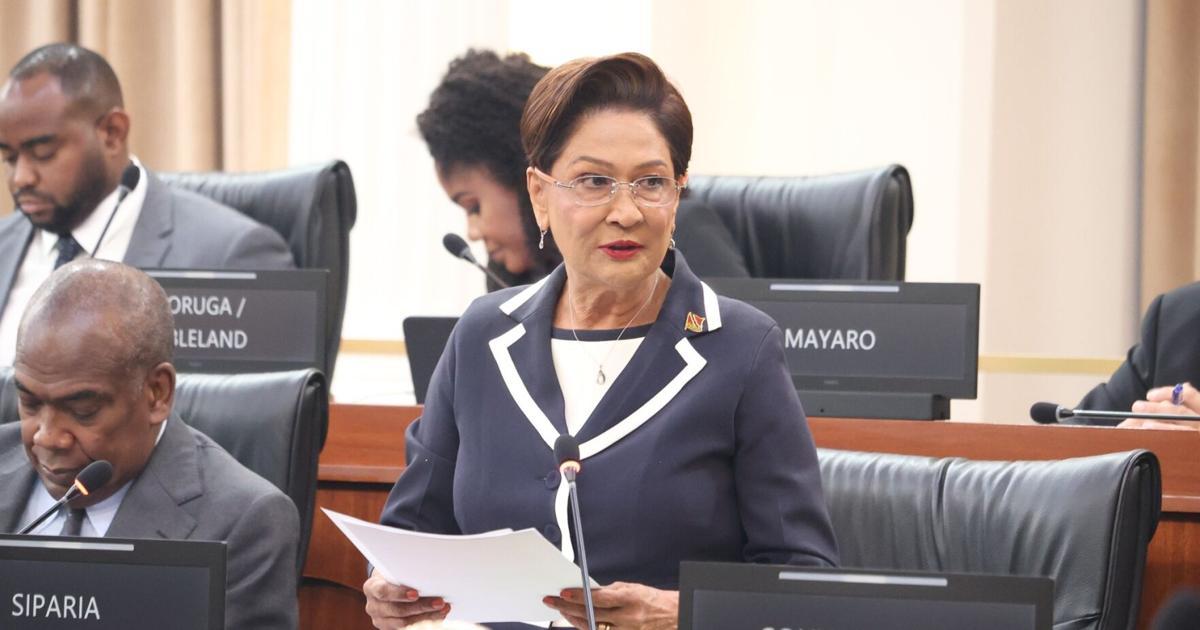
    APNU Chairman Aubrey Norton, a Cuban-trained political scientist, expressed profound disappointment with the government’s apparent capitulation to US demands. “I have grave difficulty with us abandoning people who helped us sincerely,” Norton stated, referencing historical periods when Caribbean nations faced severe doctor shortages. He questioned the ethical implications of discontinuing assistance from those who provided crucial support during times of need.

    This political stance emerges alongside diplomatic developments at the United Nations, where Secretary-General Antonio Guterres welcomed renewed talks between the US and Cuba. UN spokesperson Stéphane Dujarric acknowledged the potential for dialogue to “peacefully resolve bilateral disputes” while expressing concern about Cuba’s ongoing fuel crisis and its negative impact on health systems and basic necessities.

    The Cuban government, through President Miguel Diaz-Canel Bermudez, has confirmed discussions with US officials covering bilateral issues and potential cooperation areas. The Cuban leadership emphasized conducting these “sensitive” negotiations based on principles of equality, respect for sovereignty, and adherence to international law, while acknowledging the complexity of moving away from decades of confrontation.

  • Risk Assessment Report on Money Laundering and Terrorism Financing

    Risk Assessment Report on Money Laundering and Terrorism Financing

    In a landmark development for Haiti’s financial governance, the government has formally presented its National Risk Assessment Report on Money Laundering and Terrorist Financing after an extensive 18-month collaborative effort. The comprehensive evaluation was unveiled this week at the Montana Hotel through a joint initiative led by the Ministry of Economy and Finance (MEF), the Bank of the Republic of Haiti (BRH), and the Ministry of Justice and Public Security (MJSP).

    The assessment process employed a participatory methodology that engaged over 35 multidisciplinary professionals spanning both public and private sectors, with technical guidance provided by the World Bank. This inclusive approach ensured a thorough examination of Haiti’s financial vulnerabilities and institutional capabilities.

    Serge Gabriel Collin, Haiti’s newly appointed Minister of Economy and Finance, emphasized that this assessment represents a critical milestone in fortifying the nation’s financial system integrity. The report identifies multiple systemic threats including organized criminal networks, arms trafficking operations, ransom kidnappings, corruption schemes, smuggling activities, and narcotics trafficking. These criminal enterprises exert continuous pressure on Haitian institutions and present substantial barriers to achieving socio-political stability, national security, and sustainable economic development.

    Minister Collin outlined that effective implementation of the report’s recommendations requires comprehensive adoption by both public and private entities. Organizations must integrate these guidelines into their operational frameworks and enhance internal compliance mechanisms to properly align resources, controls, and procedures with identified risk exposures.

    The ultimate objective of this initiative is twofold: to facilitate Haiti’s removal from the Financial Action Task Force’s (FATF) increased monitoring list (grey list) and to prevent potential designation as a non-cooperative jurisdiction (blacklist). Success in these efforts would significantly contribute to stabilizing the country’s financial sector, creating conditions favorable for economic revitalization, and accelerating social welfare and protection programs essential for national recovery.

  • Na felle discussies nieuw amendement over organisatie OM

    Na felle discussies nieuw amendement over organisatie OM

    In a significant legislative development, four members of Suriname’s National Assembly (DNA) have submitted a substantive amendment to the Judicial Status Act, proposing two major reforms to the country’s judicial system. The proposal, filed on Friday afternoon by assembly members Steven Reyme (A20), Xiaobao Zheng (PL), Ronny Asabina (BEP), and Rabin Parmessar (NDP), seeks to recalibrate both retirement protocols and administrative structures within the Public Prosecutor’s Office (OM).

    The central amendment aims to reverse the current retirement age for members of the Public Prosecutor’s Office, including the Attorney General, from 70 back to 65 years. According to explanatory notes accompanying the proposal, this adjustment seeks to reharmonize pension regulations across the magistracy, addressing inconsistencies that have emerged within judicial retirement policies.

    Concurrently, the amendment proposes transforming the prosecutorial leadership model from a single Attorney General system to a collective Board of Prosecutors General. This new governance structure would consist of one Attorney General as chairperson complemented by two to four Advocates General. Proponents argue that this collegiate approach would enhance institutional balance, strengthen internal controls, and ensure greater continuity in prosecution policies.

    The proposed reforms emerge against the backdrop of intensive debates within legal and political circles regarding the organizational framework and leadership dynamics of the Public Prosecutor’s Office. The amendment also introduces fixed-term appointments for the Attorney General position, proposing a five-year term renewable once, replacing the previous lifetime appointment system.

    The National Progressive Party (NPS), while supporting the amendment, was unable to formally endorse the proposal due to time constraints affecting representative Jerrel Pawiroredjo. Meanwhile, the opposition Progressive Reform Party (VHP) has expressed reservations about the current amendment and is expected to present alternative proposals during Monday’s parliamentary session, where the amendments will undergo thorough public deliberation.

    These proposed changes represent part of broader institutional reforms aimed at strengthening Suriname’s judicial apparatus by reducing dependence on individual officials and creating more robust systems of checks and balances within the nation’s law enforcement infrastructure.

  • Development of the Amending Public Investment Program

    Development of the Amending Public Investment Program

    PORT-AU-PRINCE, Haiti – In a significant move to enhance governmental efficiency, Minister of Planning and External Cooperation Sandra Paulemon convened a strategic workshop on March 13, 2026, with ministerial Study and Programming Units (UEPs). This gathering focused on developing a revised Public Investment Program (PIP) for the 2025-2026 period, marking a pivotal step in Prime Minister Fils-Aimé’s administration. The initiative underscores the government’s dedication to optimizing state resources and international cooperation funds by channeling them into high-impact, structural projects that deliver tangible public benefits. Minister Paulemon emphasized that the PIP serves as the fundamental mechanism for translating national development policies into actionable, financed initiatives. She directed the UEPs to formulate realistic, meticulously prepared project proposals that are in strict alignment with the administration’s core priorities: enhancing national security, stimulating economic recovery, and establishing the necessary framework for conducting upcoming elections. This electoral preparation is a direct commitment under the National Pact for Stability and the Organization of Elections, a landmark agreement signed on February 21, 2026. Concluding the session, Paulemon issued a call to action for all involved parties, urging heightened commitment and professional rigor to ensure the planning process effectively reinforces public governance and ultimately improves citizen welfare.

  • A historic first at the Ministry of Religious Affairs of Haiti

    A historic first at the Ministry of Religious Affairs of Haiti

    In an unprecedented move signaling a new era of collaboration, Haiti’s Ministry of Religious Affairs hosted its first-ever gathering of national religious leaders on March 13, 2026. Minister Raina Forbin, overseeing both Foreign Affairs and Religious Affairs, convened representatives from diverse religious denominations at the ministerial headquarters, marking a transformative approach to governance.

    The landmark meeting, characterized by officials as a ‘historic first,’ establishes a formal framework for institutional dialogue between the Haitian government and the nation’s moral and spiritual leadership. Director General of Religious Affairs Joël Turenne emphasized the unprecedented nature of this initiative, highlighting its significance in recognizing religious communities as essential partners in national development.

    Minister Forbin articulated the government’s vision of integrating religious communities as vital contributors to addressing Haiti’s pressing security and social challenges. She identified religious leaders as crucial moral guides whose influence extends beyond spiritual matters into the realms of social cohesion and civic values education.

    Central to the minister’s address was the assertion that lasting stability requires not only institutional action but also moral commitment from all societal sectors. She positioned religious communities as indispensable partners in consolidating national values of unity, solidarity, and hope during this critical period in Haiti’s development.

    The ministry announced plans to convene a National Conference of Religious Leaders, creating a structured platform for ongoing state-religious dialogue. This initiative aims to systematically promote peace culture, strengthen social cohesion, and mobilize consensus around fundamental national values including responsibility and national solidarity.

    Religious representatives responded enthusiastically to the announcement, welcoming this new chapter of cooperation as a significant advancement in state-community relations that recognizes their essential role in Haiti’s social fabric.

  • Nieuwe lichting ambassadeurs moet internationale positie Suriname versterken

    Nieuwe lichting ambassadeurs moet internationale positie Suriname versterken

    In a significant diplomatic ceremony held at the Presidential Palace on Friday, President Jennifer Simons officially sworn in nine new ambassadors who will represent Suriname across multiple nations and international organizations. The event marks the commencement of a fresh phase in Suriname’s foreign diplomatic appointments aimed at strengthening bilateral cooperation and advancing national interests globally.

    Among the newly appointed ambassadors are Vanessa Tsin-Jie Li (Beijing, China), Pearl Aprasong-Paulus (Paris, France), Genia Lank-Corinde (Havana, Cuba), Marciano Armaketo (Brussels, Belgium), Ike Antonius (Brasília, Brazil), Hanisha Jairam (New Delhi, India), and Georgette Elias (Caracas, Venezuela). Additionally, Marlon Mohamed-Hoesein assumes the role of Ambassador to Washington D.C. and will serve as Permanent Representative to the Organization of American States (OAS), while Michel Kerpens is designated as Suriname’s representative to the United Nations in New York.

    President Simons emphasized the critical importance of professional and results-oriented diplomacy during her address. She urged the ambassadors to actively promote Suriname’s interests in international cooperation, trade, investment, and development. The head of state outlined clear expectations for the new envoys to deepen diplomatic and political relations with host countries while simultaneously contributing to investment attraction and economic diversification efforts.

    The president further highlighted the ambassadors’ role in cultural and societal representation, stating, “You are expected to keep Suriname’s potential and the ideals of our nation in mind throughout your duties.” She called for an assertive, outcome-driven approach underpinned by open communication and close collaboration with both Surinamese and foreign partners.

    Ambassador Ike Antonius, speaking on behalf of the newly appointed diplomats, expressed gratitude and acknowledged the weight of their responsibilities. “We accept this appointment not merely as a position, but as a mission to represent our country with dignity and professionalism,” he stated.

    The ceremony was attended by Vice President Gregory Rusland and Minister of Foreign Affairs, International Trade, and Cooperation Melvin Bouva, reflecting the government’s unified support for these strategic diplomatic assignments.

  • JPAC Hearing Exposes Troubling Audit Pattern

    JPAC Hearing Exposes Troubling Audit Pattern

    A startling pattern of institutional obstruction against governmental oversight has been unveiled during the Joint Public Accounts Committee hearing, focusing on the Auditor General’s 2016/2017 report. Auditor General Maria Rodriguez testified that her office continues to encounter significant roadblocks when attempting to verify government expenditures, including missing documentation, uncooperative officials, and outright refusal to provide access to financial records.

    The hearing revealed that multiple government ministries failed to account for expenditures, with several CEOs failing to appear when summoned by auditors. Most alarmingly, Rodriguez confirmed these issues are not historical artifacts but persist today, creating a decade-long pattern of accountability failure.

    A specific case involved the Belize Defense Force’s Non-Public Funds, where auditors discovered a questionable 2016 transaction. The German military paid $152,000 to the BDF for training that was already funded by the Belize government. Despite triggering police and Financial Intelligence Unit investigations, no charges were ever filed.

    Even more concerning, Rodriguez revealed that her staff faced physical obstruction when attempting to audit taxpayer-funded agencies. Both the Belize Agricultural Health Authority and Border Management Authority denied auditors access to their financial accounts, prompting intervention from Financial Secretary Joseph Waight.

    Waight emphasized that all government officers bear responsibility for records on their desks, regardless of when transactions occurred. The committee chair expressed sharp criticism regarding the blocked audit attempts, while legal confirmation established that all parastatal organizations fall within the Auditor General’s jurisdiction.

    The hearing underscores a critical breakdown in Belize’s financial oversight mechanisms, with the Auditor General urging Cabinet intervention to ensure senior officials comply with accountability requirements.

  • Court Orders Removal of Terror Group from Belize’s Sanctions List

    Court Orders Removal of Terror Group from Belize’s Sanctions List

    In a significant legal development, the Belize High Court has mandated the removal of the Al-Nusrah Front for the People of Levant from the nation’s Consolidated Sanctions List. The March 10, 2026 judicial order directs the Financial Intelligence Unit (FIU) to eliminate the organization from its registry maintained under the Money Laundering and Terrorism Prevention Act.

    The Al-Nusrah Front, alternatively identified as Jabhat al-Nusra, emerged as a militant faction during the Syrian civil conflict in 2012. With established connections to al-Qaeda, the organization executed numerous insurgent operations and bombings targeting Syrian governmental institutions and security apparatus. Their operational objectives centered on overthrowing the Assad administration while expanding their ideological influence throughout the region.

    International counterterrorism authorities, including the U.S. State Department, designated the group as a foreign terrorist organization in December 2012. However, in a notable policy shift announced in July 2025, the United States revealed intentions to revoke this designation, citing the group’s organizational transformation and evolving geopolitical circumstances in Syria.

    Belize’s sanctions mechanism functions as a protective barrier preventing entities associated with terrorism or financial crimes from accessing domestic financial networks. The court-ordered delisting consequently enables the release of previously frozen assets belonging to the organization within Belizean jurisdiction. The FIU maintains dynamic oversight of the sanctions list, regularly updating entries to align with international security developments and diplomatic considerations.

  • Mohameds Extradition Case: Foreign Ministry’s Permanent Secretary unable to locate notebook about statement to US prosecutor

    Mohameds Extradition Case: Foreign Ministry’s Permanent Secretary unable to locate notebook about statement to US prosecutor

    In a significant development within the Mohamed extradition proceedings, Permanent Secretary of the Ministry of Foreign Affairs Sharon Roopchand-Edwards testified Friday that she could not locate a notebook containing critical notes related to statements prepared for U.S. prosecutors. The revelation emerged during cross-examination at the committal hearing for Azruddin and Nazar Mohamed, who face extradition to the United States on charges of wire fraud, mail fraud, and money laundering connected to their gold trading operations.

    Under rigorous questioning from Defense Attorney Roysdale Forde, who represents Nazar “Shell” Mohamed, Roopchand-Edwards acknowledged that she had searched extensively during the lunch recess but failed to find the notebook containing her handwritten annotations. She characterized the missing document as containing “my scribbles” rather than substantively relevant material, asserting it was “not an important document.”

    The notebook reportedly contained notes based on a template received via WhatsApp that was used to draft an initial statement. This draft underwent subsequent modifications following consultations with Ministry of Foreign Affairs legal advisors before final submission to U.S. Prosecutor Herbert McKenzie. Roopchand-Edwards testified that the template had been “updated, noted on and discarded,” suggesting the notebook might be “somewhere in the office amongst many notebooks.”

    Earlier testimony revealed that the Permanent Secretary had utilized the template to prepare the statement that was ultimately refined by ministry lawyers. The proceedings took another notable turn when the Principal Magistrate declined to permit inquiries regarding the identification of documents received from the U.S. Embassy, stating her role was limited to synchronizing documents with their corresponding lists.

    Defense counsel Forde further highlighted that the Permanent Secretary had not retained copies of the documents nor initialed or marked any of them, potentially raising questions about document handling procedures within the ministry. Prosecutor McKenzie registered no objections throughout these exchanges.

    The case continues to unfold as the United States seeks to try the Mohamed brothers in a Federal court in Florida for alleged financial crimes spanning international borders.

  • Belize Talks Money in Taiwan

    Belize Talks Money in Taiwan

    In a significant diplomatic and economic development, Belize has dispatched a high-level delegation to Taiwan to enhance financial cooperation between the two nations. The weeklong Belize-Taiwan Financial Services Technical Mission, concluded this week, brought together over 35 key stakeholders including government officials, financial regulators, and private sector investors.

    The delegation, led by Finance Belize Chairman Reynaldo Magaña, presented comprehensive overviews of Belize’s financial services sector to potential Taiwanese partners. Ambassador Katherine Meighan inaugurated the proceedings, emphasizing the strategic importance of the bilateral relationship. The technical meetings provided platform for detailed examination of Belize’s priority financial products and services represented by Finance Belize, the Belize Central Credit Register (BCCAR), the International Merchant Marine Registry (IMMARBE), and the Belize High Seas Fueling Unit (BHSFU).

    Central to the discussions was knowledge exchange regarding Taiwan’s advanced regulatory frameworks and fintech innovations. Both parties engaged in substantive dialogue about modernizing existing bilateral agreements, particularly focusing on potential revisions to the Bilateral Investment Treaty and Double Taxation Agreement. These updates aim to create more favorable conditions for cross-border business operations and investment flows.

    This financial mission builds upon 35 years of sustained diplomatic relations between the countries and follows the landmark 2022 Economic Cooperation Agreement that has progressively deepened trade and investment connections. The initiative reflects both nations’ commitment to developing practical economic partnerships despite Taiwan’s complex international status.