分类: politics

  • PM Urges Businesses Not to Exploit Price Spike

    PM Urges Businesses Not to Exploit Price Spike

    Prime Minister John Briceño has publicly justified his administration’s controversial decision to sustain current fuel taxation levels despite escalating gasoline prices, emphasizing that these revenues constitute an indispensable funding source for vital social programs. In a recent interview with News 5, the Belizean leader articulated that eliminating fuel taxes would critically undermine national initiatives including universal secondary education, daily nutritional support for 15,000 students, and the National Health Insurance framework.

    Briceño contextualized the government’s fiscal challenges, highlighting an impending 4% salary augmentation for public sector employees effective April 1st—a $34 million expenditure following last October’s 4.5% adjustment. While acknowledging the economic strain on households and enterprises, the Prime Minister issued a compelling plea to commercial entities against disproportionate price inflation.

    “Certain businesses exploit these situations by implementing hikes exceeding actual cost increases,” Briceño observed, citing instances where 5-cent justifications prompted 15-cent price surges. He urged restrained adjustments to minimal necessary levels, emphasizing collective national responsibility.

    The government is concurrently conducting comprehensive expenditure reviews to identify potential cost-cutting measures should global oil prices continue their upward trajectory. Briceño concluded with a maritime metaphor emphasizing national unity: “We all share the Belize vessel—we either navigate these challenges collectively or face submergence together.”

  • ILO Commends Belize for Meeting Labour Standards Obligation

    ILO Commends Belize for Meeting Labour Standards Obligation

    The International Labour Organization has formally recognized Belize for exemplary compliance with its constitutional mandate regarding international labor standards. This commendation stems from Belize’s systematic submission of numerous international labor instruments to its National Assembly, addressing a significant backlog in the process.

    According to official communications released on March 13, 2026, the ILO Committee of Experts on the Application of Conventions and Recommendations confirmed that Belize has successfully met its obligations under Article 19 of the ILO Constitution. The breakthrough occurred in September 2025 when the Belizean government, through its Labour Department, presented 43 international labor instruments to both parliamentary chambers—the House of Representatives and the Senate.

    These submissions encompassed Conventions, Recommendations, and Protocols ratified between 1990 and 2019, representing a substantial effort to harmonize national legislation with global labor standards. The ILO Committee specifically acknowledged with satisfaction the submissions made on September 12 and 15, 2025.

    In a subsequent development this week, Belize demonstrated continued commitment by submitting three additional instruments adopted during the 111th Session of the International Labour Conference. These included the Safe and Healthy Working Environment Convention (No. 191), corresponding Recommendation (No. 207), and the Quality Apprenticeships Recommendation (No. 208). Minister of Immigration, Governance and Labour Kareem Musa formally presented these instruments to the National Assembly on March 10, 2026.

    Minister Musa welcomed the international recognition, stating: “Belize takes seriously its responsibilities as a member of the International Labour Organization. By ensuring the submission of these international labor standards to the National Assembly, we are reinforcing our commitment to transparency, good governance, and the protection of workers’ rights.”

    The ILO Committee’s observation concluded that Belize has “fully met its constitutional obligation of submission,” marking a significant achievement in the country’s labor governance framework.

  • Macron urges Israel to hold ‘direct talks’ with Lebanon

    Macron urges Israel to hold ‘direct talks’ with Lebanon

    PARIS—French President Emmanuel Macron has announced Lebanon’s readiness to enter direct diplomatic negotiations with Israel, offering Paris as a neutral venue for these critical talks. The declaration came through Macron’s official social media channel on Saturday, where he revealed extensive consultations with Lebanese leadership.

    Macron confirmed receiving explicit signals from the Lebanese government indicating their willingness to engage in face-to-face discussions with Israeli representatives. The French leader emphasized the necessity of inclusive representation, stating that “all sections of society must be represented in these talks” to ensure comprehensive dialogue.

    The French presidency’s involvement carries historical significance given France’s former protectorate status over Lebanon. Macron positioned France as an impartial facilitator, stating “France is ready to facilitate these talks by hosting them in Paris” while underscoring the urgent need to prevent Lebanon from “descending into chaos.”

    Macron issued dual demands to conflicting parties: Hezbollah must “immediately halt its reckless course” while Israel should “abandon plans for a large-scale offensive and cease its massive air strikes.” This balanced approach reflects France’s mediating position in the escalating conflict.

    The current tensions emerged when Lebanon became embroiled in regional hostilities following Hezbollah’s retaliatory attacks against Israel. These actions came in response to the elimination of Iranian Supreme Leader Ayatollah Ali Khamenei through coordinated US-Israeli operations. Hezbollah’s deputy leader Naim Qassem recently declared the group’s preparedness for prolonged confrontation, highlighting the volatile landscape these proposed negotiations aim to address.

  • Democratic senators introduce war powers resolution to restrain Trump on Cuba

    Democratic senators introduce war powers resolution to restrain Trump on Cuba

    A bipartisan coalition of U.S. senators has launched a constitutional challenge against President Donald Trump’s military posture toward Cuba. Senators Tim Kaine (D-VA), Adam Schiff (D-CA), and Ruben Gallego (D-AZ) introduced a War Powers Resolution on Friday, asserting congressional authority over military engagements.

    The resolution specifically demands the withdrawal of U.S. armed forces from hostilities against Cuba that lack congressional authorization. This legislative move comes in direct response to President Trump’s implementation of a naval blockade around Cuba and his recent statements suggesting potential military intervention. The president had previously remarked that the U.S. would ‘take care of Cuba’ and suggested the nation would ‘fall soon.’

    Senator Kaine, who serves on both Armed Services and Foreign Relations Committees, emphasized the constitutional dimension of the confrontation: ‘Only Congress has the power to declare war under the Constitution, but he operates with the belief that the US military is a palace guard.’ The resolution invokes Article I, Section 8 of the Constitution, which grants Congress exclusive war-declaring powers.

    The legislative action coincides with revelations that diplomatic channels between the two nations remain active. Cuban President Miguel Diaz-Canel confirmed on Friday that his administration has engaged in discussions with Trump administration officials to resolve bilateral differences. This diplomatic activity contrasts with the escalating military rhetoric.

    The resolution gains procedural significance through its privileged status, allowing it to reach the Senate floor for consideration after a mandatory 10-day period. This sets the stage for a potential constitutional showdown between the legislative and executive branches regarding war powers authority.

  • Bahamas PM signals general election ‘soon’ but date still unclear

    Bahamas PM signals general election ‘soon’ but date still unclear

    NASSAU, Bahamas—Prime Minister Philip Davis has officially indicated that The Bahamas will hold its next general election in the near future, though he stopped short of announcing a precise date. In remarks to journalists, Davis affirmed that citizens should prepare for upcoming elections, stating only that the vote would occur “soon” and advising the public to “stay tuned” for further developments.

    The announcement follows unexpected comments from Fred Mitchell, Chairman of the ruling Progressive Liberal Party (PLP), who suggested in a recently circulated voice note that the election could be called within weeks. This has spurred widespread conjecture that Bahamians may be going to the polls as early as this spring.

    As the nation anticipates the electoral timeline, the Davis administration intends to campaign on its four-year governance record and future policy proposals. The Prime Minister cited significant accomplishments during his term but recognized that not all citizens have yet experienced the tangible benefits of these initiatives.

    A key area of electoral focus will be Grand Bahama, where the PLP faces scrutiny over perceived economic stagnation and delayed recovery efforts. Despite government measures aimed at revitalizing the island’s economy, many locals report insufficient progress. Complicating matters is an ongoing legal dispute between the government and the Grand Bahama Port Authority regarding the Hawksbill Creek Agreement. A recent arbitration tribunal dismissed the state’s $357 million claim for administrative costs—a ruling both sides have interpreted favorably.

    Nonetheless, Davis expressed confidence that Grand Bahama voters would support the PLP, citing the party’s assertive stance in the dispute as evidence of its serious approach to governance.

    On the opposition front, Michael Darville, MP for Tall Pines, confirmed his readiness to contest the election whenever it is called, signaling that political campaigns are already in a state of high alert.

  • ‘No French plan’ to stop war in Lebanon

    ‘No French plan’ to stop war in Lebanon

    PARIS—The French foreign ministry issued a formal denial on Saturday refuting claims of a proposed French-led initiative to halt hostilities between Israeli forces and Hezbollah militants in Lebanon. In a statement distributed to Agence France-Presse, the ministry clarified that while France supports diplomatic engagement between Lebanon and Israel, it does not endorse or advance any unilateral framework for negotiations.

    The ministry emphasized, “France has supported the Lebanese authorities’ openness to direct talks with Israel and has offered to facilitate them. However, it is for the parties, and only the parties, to set the agenda for these talks.” This position underscores France’s commitment to a mediation role that respects the autonomy and sovereignty of both conflict parties.

    The clarification came in response to a report published earlier Saturday by U.S. news outlet Axios, which cited three anonymous sources claiming that France had drafted a proposal involving Lebanese recognition of Israel in exchange for a ceasefire. The French statement implicitly distanced itself from such a framework, reinforcing that agenda-setting must remain with the involved governments and armed factions.

    Meanwhile, a Lebanese official confirmed to AFP that Beirut is preparing to form a delegation to engage in negotiations with Israel, signaling a potential diplomatic opening despite the absence of an externally imposed roadmap. The ongoing clashes between Israel and Iran-backed Hezbollah have raised international concerns over regional escalation, drawing attention from multiple global powers seeking de-escalation.

  • Cuban president reveals talks with Trump administration

    Cuban president reveals talks with Trump administration

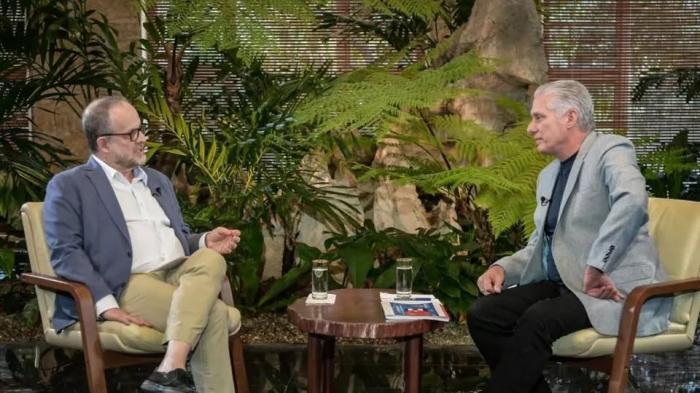
    Cuban President Miguel Díaz-Canel Bermúdez has officially confirmed the occurrence of high-level diplomatic negotiations between Cuba and the United States, marking a significant development in bilateral relations. These discussions, conducted under the guidance of Cuba’s revolutionary leadership and top governmental authorities, aim to address longstanding tensions exacerbated by recent economic sanctions.

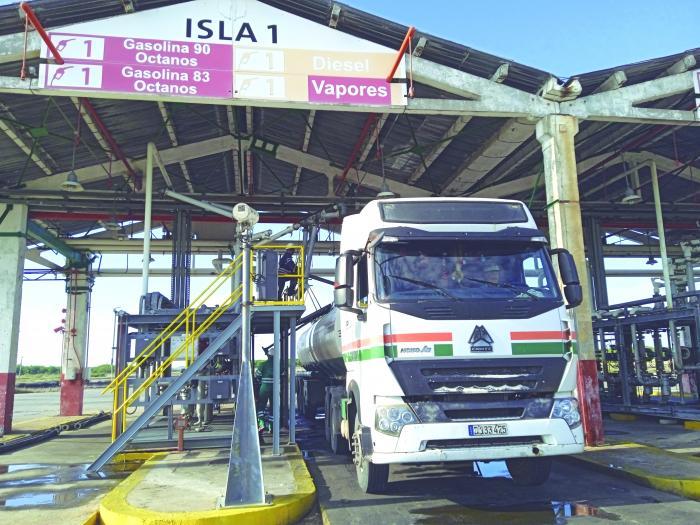
    The dialogue initiative emerges against the backdrop of a severe energy crisis in Cuba, directly attributed to the U.S. energy blockade. President Díaz-Canel revealed that the nation has received no petroleum shipments in three months, resulting in massive blackouts that have crippled essential services including healthcare, education, and transportation networks. The western region experienced particularly devastating outages affecting millions of citizens, forcing the postponement of thousands of surgical procedures.

    Despite producing approximately 40% of its domestic petroleum needs, Cuba’s independent electricity generation has proven insufficient to meet national demand. The president characterized the situation’s impact as ‘tremendous,’ highlighting the urgent need for resolution.

    The negotiations represent Cuba’s continued commitment to its revolutionary principles while seeking practical solutions through diplomatic channels. The Cuban government emphasizes that these exchanges are conducted on the foundation of equality, mutual respect for sovereignty, and adherence to international law. Primary objectives include identifying specific bilateral issues requiring attention, assessing mutual willingness toward cooperation, and exploring collaborative opportunities that address regional security concerns.

    Notably, the Cuban leadership maintains a measured approach toward recent provocative statements from former U.S. President Donald Trump regarding potential ‘takeover’ scenarios. Officials stress that the negotiation process remains highly sensitive and is being handled with utmost responsibility, focusing on substantive dialogue rather than speculative narratives.

    The outcome of these talks could potentially reshape inter-American relations while addressing critical humanitarian concerns affecting both populations. Both nations appear to be testing the possibilities of moving from confrontation toward constructive engagement, though significant challenges remain given the complex historical context and current economic pressures.

  • Cuban president says talks held with the United States amid intense pressure from Trump

    Cuban president says talks held with the United States amid intense pressure from Trump

    In an unprecedented televised address, Cuban President Miguel Díaz-Canel has officially confirmed high-level diplomatic discussions between Cuban officials and United States representatives. The announcement marks Havana’s first acknowledgment of bilateral talks previously referenced by former President Donald Trump.

    The discussions were reportedly led by President Díaz-Canel alongside former leader Raúl Castro and key members of Cuba’s Communist Party. While the Cuban delegation was specified, the American participants remain undisclosed. The talks aimed to identify and address critical bilateral issues requiring resolution, with Díaz-Canel characterizing the process as “highly sensitive” and requiring “responsibility and great sensitivity.”

    This diplomatic engagement occurs against a backdrop of severe economic distress in Cuba, exacerbated by what Cuban officials describe as an “energy blockade” imposed by the United States. The situation has reached critical levels with President Díaz-Canel revealing that no fuel shipments have reached the island for three consecutive months, resulting in widespread blackouts and severe fuel shortages.

    The economic pressure intensified following Trump’s actions against Venezuela, which included cutting off Venezuelan oil shipments to Cuba and threatening tariffs on other nations supplying crude oil to the island. These measures have compounded existing challenges, creating what the Cuban president acknowledged as “tremendous impact” and “anguish among the population.”

    The healthcare sector has suffered particularly severe consequences, with Díaz-Canel stating that tens of thousands of surgical procedures cannot be performed due to electricity shortages. Despite these challenges, the Cuban government maintains it has been preparing for such circumstances in advance.

    The presence of Raúl Guillermo Rodríguez Castro, grandson of Raúl Castro, during the presidential address underscored the significance of these developments within Cuba’s political leadership. This confirmation from Havana provides the first official counterpart to Trump’s previous assertions regarding US-Cuba negotiations.

  • Antigua and Peru Move to Strengthen Diplomatic and Trade Links

    Antigua and Peru Move to Strengthen Diplomatic and Trade Links

    In a significant move to bolster bilateral relations, the Caribbean nation of Antigua and Barbuda and the South American republic of Peru have formally initiated talks to deepen their diplomatic engagement and expand trade cooperation. The development marks a strategic effort to bridge the Caribbean and Pacific regions through enhanced multilateral collaboration.

    High-level discussions between government delegations have centered on establishing a more robust framework for political dialogue and mutual support in international forums. Both nations recognize the value of presenting a united front on global issues, particularly those affecting small island developing states (SIDS) and Andean communities.

    Economically, the partnership seeks to capitalize on complementary market strengths. Antigua’s position as a tourism-dependent economy with emerging digital sectors presents opportunities for Peruvian investment in hospitality infrastructure and technology ventures. Conversely, Peru’s robust agricultural export sector—particularly its world-renowned coffee, quinoa, and specialty food products—stands to gain improved market access to Eastern Caribbean consumers.

    The negotiations also address streamlined customs procedures and reduced trade barriers, potentially establishing preferential terms for key commodities. This aspect of the agreement aims to make Peruvian exports more competitive in Antiguan markets while creating pathways for Antiguan services and expertise to enter the Peruvian economy.

    Beyond trade, the talks encompass cultural exchange programs and educational partnerships. These initiatives are designed to foster greater people-to-people connections and develop institutional knowledge sharing between the two nations, creating lasting bonds beyond governmental agreements.

    The strengthened alliance reflects a growing trend among mid-sized and smaller economies to form strategic partnerships that enhance their collective bargaining power in international trade negotiations and global governance discussions. This bilateral effort demonstrates how geographically distant nations can find common ground through shared economic interests and complementary developmental goals.

  • Government Reassigns Several Permanent Secretaries

    Government Reassigns Several Permanent Secretaries

    In a significant administrative realignment, the government has announced a strategic reassignment of several high-ranking permanent secretaries across multiple ministries. This reshuffle aims to optimize leadership capabilities and ensure the most effective deployment of experienced personnel within the civil service.

    Ambassador Dr. Clarence Pilgrim, previously with the Ministry of Foreign Affairs, has been appointed as the new Permanent Secretary for the Ministry of Education. This move brings his diplomatic expertise to the educational sector during a period of ongoing reform.

    Concurrently, Ina Dalso-Henry, who held the position of Permanent Secretary at the Ministry of Education since her transfer from Health last year, has been reassigned to lead the Ministry of Creative Industries. Her successor in the Foreign Affairs role will be Sharon Stevens, marking a new chapter in the ministry’s diplomatic administration.

    Commenting on these transitions, Maurice Merchant, Director General of Communications in the Prime Minister’s Office, characterized the moves as standard operational procedure. He emphasized that such periodic rotations are conducted to achieve the ‘best fit’ for various governmental divisions, ensuring that seasoned administrators are positioned where their specific skills can be most effectively utilized for national benefit. Merchant further clarified that these adjustments reflect ongoing efforts to maintain a dynamic and responsive public service structure.