分类: politics

  • VS breidt militaire campagne tegen drugscriminaliteit uit naar land in Latijns-Amerika

    VS breidt militaire campagne tegen drugscriminaliteit uit naar land in Latijns-Amerika

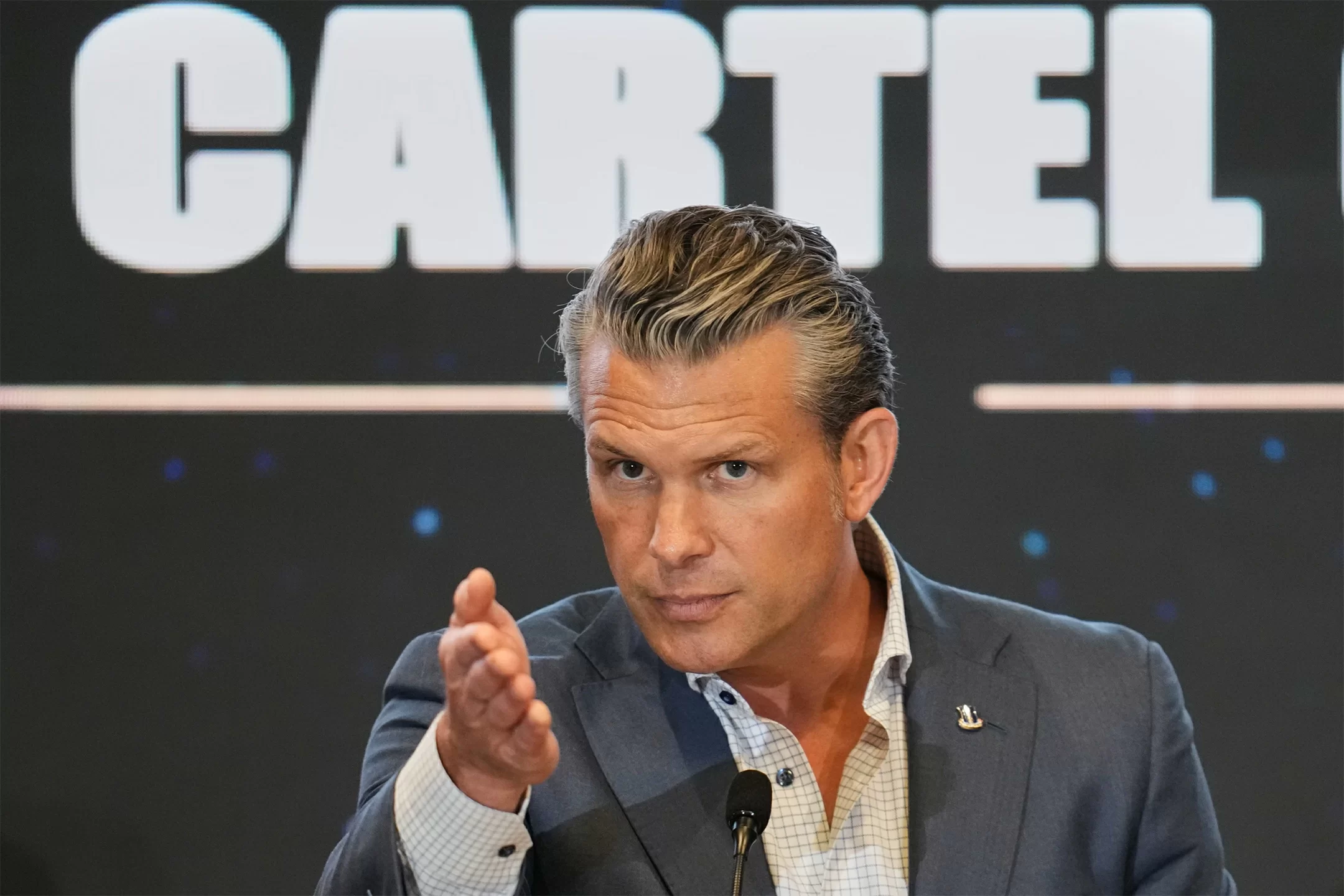
    On August 18, U.S. Defense Secretary Pete Hegseth announced a major escalation of Washington’s counter-drug military campaign in Latin America during an official visit to Panama City, where he spoke at a forum hosted by the Americas Counter Cartel Coalition. The expansion shifts the existing campaign beyond air strikes targeting smuggling vessels to direct joint on-the-ground operations alongside regional security forces, with Colombia, Ecuador, and Honduras already confirmed as participating partners. Guatemala has issued a formal denial that it has signed any agreement to join the initiative, while Mexico — led by President Claudia Sheinbaum — has thus far rejected any U.S. military presence on its national territory.

    Since the current counter-narcotics campaign was launched, more than 200 people have been killed in over 60 air strikes targeting drug-carrying vessels operating along Latin America’s Caribbean and Pacific coastlines. The shift to land-based operations will see U.S. military personnel deepen coordination with local armed forces to target transnational criminal networks, including insurgent groups such as Colombia’s National Liberation Army (ELN).

    This policy shift aligns with the broader Trump administration’s geopolitical goal of strengthening U.S. influence across the Western Hemisphere and aligning regional security partners closer to Washington, a push that has gained traction as right-wing leaders have grown in political popularity across the region. It also comes amid rising great-power geopolitical competition, with the framing of the campaign as critical to protecting core U.S. security interests in its traditional sphere of influence.

    The announcement has already drawn sharp criticism and warning from analysts and sovereignist advocates. Critics point to severe risks including the erosion of national sovereignty for participating states, a heightened likelihood of civilian casualties, and a potential surge in anti-American public sentiment across the region. Many regional governments have approached the expansion with extreme caution, due to deep-seated domestic political sensitivities around foreign military presence on national soil with roots in centuries of U.S. intervention.

    Washington has provided decades of military support and intelligence sharing to Latin American governments to counter drug trafficking and organized crime, a long-running policy that has produced mixed results and persistent controversy. Previous large-scale initiatives such as Plan Colombia and the Mérida Initiative focused on training and equipping local security forces, without deploying large contingents of U.S. ground troops. The Trump administration has drastically tightened this approach, launching more aggressive actions including the air bombing of suspected smuggling vessels that has already left hundreds dead and sparked widespread questions over the legality and effectiveness of the new strategy.

    The new phase of joint land operations marks the most significant increase in direct U.S. military footprint in the region in decades, a shift that threatens to inflame existing tensions over national sovereignty. Analysts warn that this escalation could undermine overall regional stability, particularly in areas where armed criminal and insurgent groups hold deep social and territorial roots. Moving forward, the long-term success and sustainability of the new strategy will depend heavily on domestic public reaction and the political alignment of regional government leaders.
  • Commonwealth Lawyers Association Statement of Concern regarding remarks made by the Prime Minister of Antigua and Barbuda

    Commonwealth Lawyers Association Statement of Concern regarding remarks made by the Prime Minister of Antigua and Barbuda

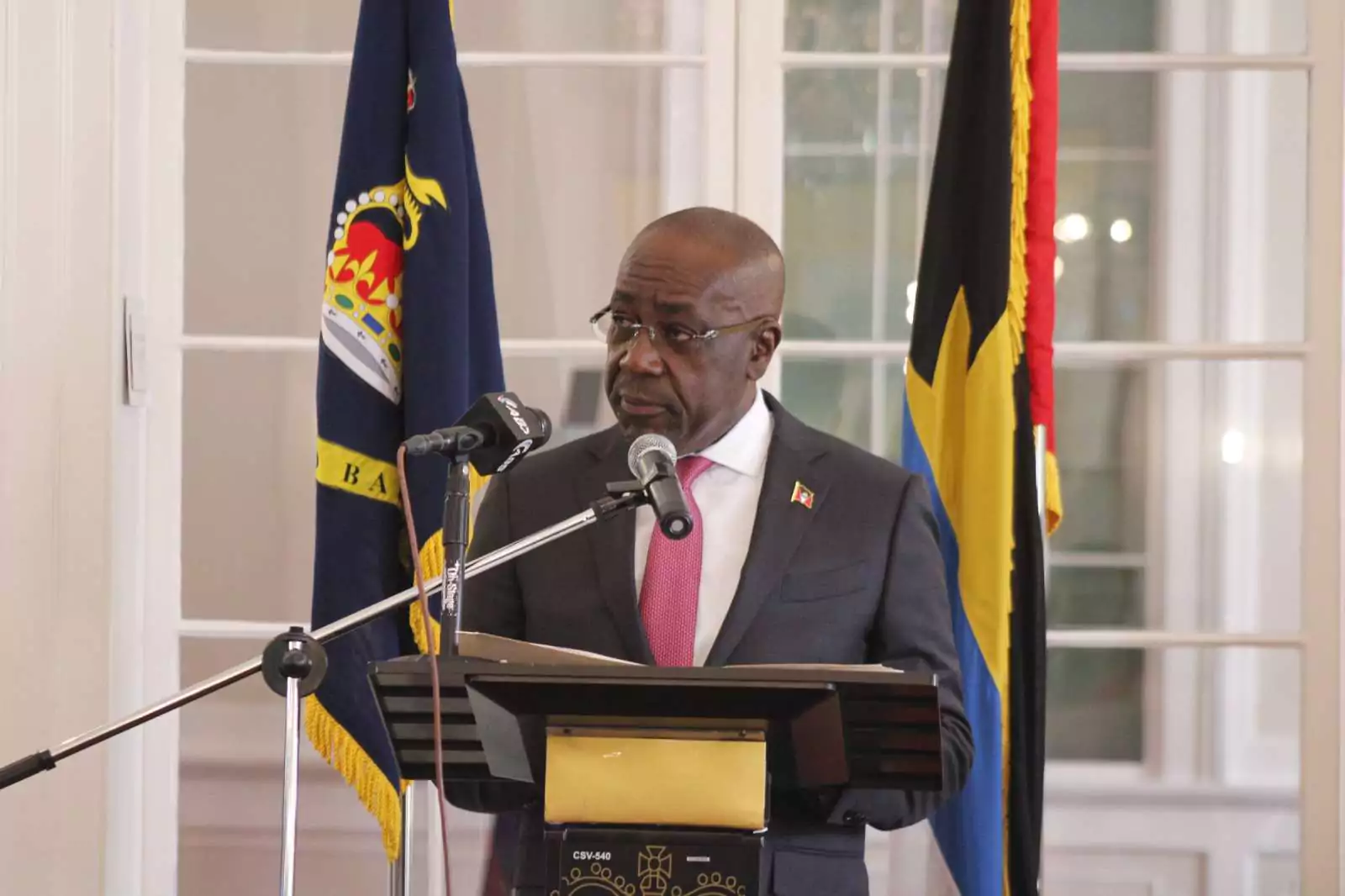
    Tensions over democratic governance and judicial autonomy have escalated in Antigua and Barbuda after Prime Minister Gaston Browne made inflammatory public remarks targeting members of the national judiciary, drawing widespread condemnation from regional and international legal bodies, including the Commonwealth Lawyers Association (CLA).

    In an official statement of concern released August 18, 2026, the CLA — an organization whose core mandate is upholding the rule of law and aligned with the Commonwealth (Latimer House) Principles on inter-branch governance — says it is deeply alarmed by comments Browne delivered during an August 10 National Security Meeting focused on rising gun crime and violent offenses in the country.

    During the meeting, Browne publicly criticized the judiciary for issuing what he framed as excessively lenient short prison sentences, singling out an unnamed judge for what he called a “propensity to give criminals a break.” He went on to issue an extraordinary public threat: if the judge refused to “follow the lead of parliament to give longer sentences,” he ordered the judge to leave the country voluntarily, threatening deportation and formal designation as persona non grata.

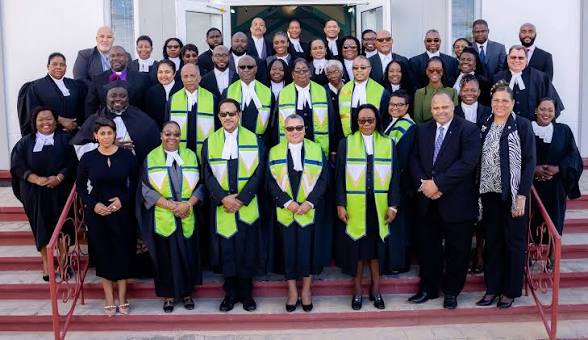
    The Prime Minister’s comments immediately sparked cross-regional condemnation from legal institutions. The Antigua and Barbuda Bar Association (ABBA) issued an immediate rebuke, calling the statement a direct, public threat to an identifiable judge intended to manipulate judicial decision-making. The ABBA emphasized that Browne’s demand for judges to align with parliamentary policy on sentencing is a clear case of executive overreach that violates the constitutional separation of powers designed to protect judicial autonomy. In response to the ABBA’s criticism, Browne dismissed the organization as “defunct” and told the group to “Piss off” — a dismissive retort the CLA says amplifies the original threat and demonstrates blatant disregard for legitimate institutional pushback against executive overreach.

    Other regional legal and judicial bodies have echoed the ABBA’s concerns. The Organisation of Eastern Caribbean States Bar Association warned that Browne’s threats create a hostile working environment that could leave Antigua and Barbuda unable to attract qualified judges willing to serve under the risk of deportation. Caribbean Heads of the Judiciary labeled the comments dangerous, noting they undermine the core doctrine of separation of powers — the foundation of democratic governance — and erode public trust in the justice system. On August 14, the Commonwealth Magistrates and Judges Association (CMJA) added its voice, affirming that courts are the cornerstone of rule-of-law democracy, and judicial officers must be free to rule on cases based on law and evidence without external intimidation.

    The CLA has expressed full support for these statements, acknowledging the critical role independent bar and judicial associations play across the Commonwealth in safeguarding democratic norms. The organization emphasizes that advancing effective criminal justice reform and protecting judicial independence are not competing goals: both are essential to a democratic, rule-of-law state. While governments have a legitimate mandate to pursue public safety and crime reduction policies, judges must retain full autonomy to decide individual cases based on law, evidence, and established sentencing guidelines. The CLA notes that legitimate concerns about public safety do not justify bypassing constitutional frameworks to intimidate judicial officers.

    These principles are deeply embedded in both Commonwealth and international law, the organization points out. The 2003 Commonwealth (Latimer House) Principles enshrine the requirement for mutual respect between the executive, legislative, and judicial branches, and hold that an independent, impartial judiciary is essential to upholding the rule of law and public confidence in justice. The United Nations’ 1985 Basic Principles on the Independence of the Judiciary require all state institutions to guarantee judicial independence, and protect judicial officers from improper interference or intimidation of any kind. The 2023 Commonwealth Bar Leaders’ Goa Declaration, endorsed by 42 bar leaders from across the Commonwealth, similarly reaffirms that governments must uphold and protect judicial impartiality and independence.

    The CLA clarifies that legitimate, reasoned criticism of judicial conduct that does not threaten the rule of law is permissible in open societies. But it stresses that threats of deportation go far beyond acceptable criticism, causing tangible harm to public confidence in the judiciary. The organization says it is disappointed that Browne has not yet retracted his remarks, and calls for all concerns about sentencing, public safety, and criminal justice effectiveness to be addressed through constitutional, institutional, and appellate processes, rather than public intimidation.

    Notably, the CLA acknowledges one positive step from Browne: his proposal for an independent review of firearm sentencing, repeat offending, and broader criminal justice coordination. The organization calls this a constructive, appropriate step, and recognizes the qualifications of the proposed review committee members.

    With Antigua and Barbuda set to host this year’s Commonwealth Heads of Government Meeting (CHOGM), the CLA urges Browne to issue a full retraction of his damaging remarks to reaffirm the country’s commitment to the Commonwealth’s core democratic principles. The organization has outlined eight clear demands for Browne and the Antigua and Barbuda government: uphold and protect judicial independence; publicly confirm that no executive powers including immigration authority will be used to intimidate or punish judges for lawful judicial decisions; respect the constitutional jurisdiction and functions of the judiciary; commit to addressing sentencing and criminal justice reform through constitutional processes that respect separation of powers; formally withdraw the August 10 remarks in writing to the Eastern Caribbean Supreme Court and refrain from future comments that violate judicial independence principles; guarantee the proposed independent review commission can operate autonomously; foster respectful, constructive dialogue on criminal justice reform; and ensure all government actions align with the national constitution, Antigua and Barbuda’s international obligations, and the rule of law.

    The CLA closes by reaffirming its commitment to the Commonwealth’s shared values of democracy, the rule of law, judicial independence, and constitutional governance, and stands ready to support collaborative efforts to strengthen public confidence in criminal justice institutions.

  • Skerrit highlights $2.3 billion in infrastructure investment

    Skerrit highlights $2.3 billion in infrastructure investment

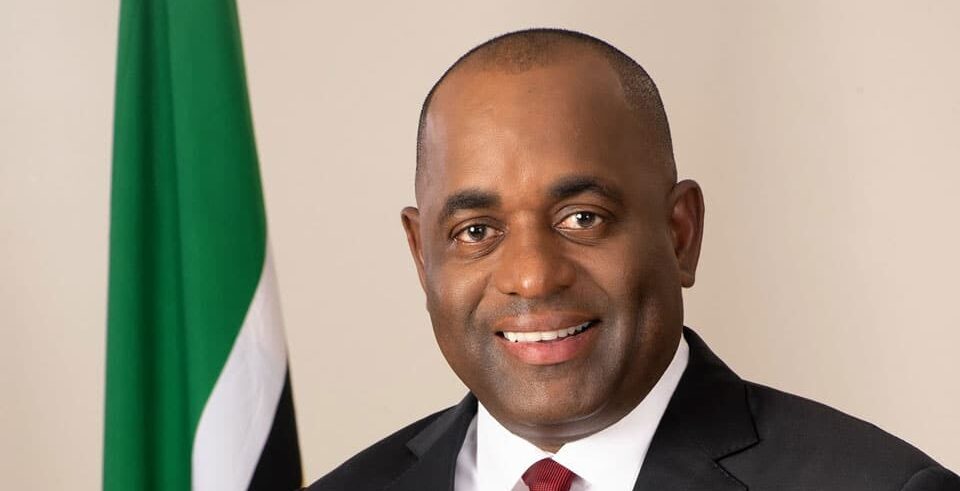
    Dominica’s Prime Minister Roosevelt Skerrit, who also serves as leader of the ruling Dominica Labour Party (DLP), has outlined the scale of infrastructure progress delivered by his administration over the last half-decade, touting nearly $2.3 billion in total investments across the island nation.

    The announcement came during a campaign-focused public meeting with DLP supporters held in the Roseau North Constituency at Tarish Pit, where the prime minister framed the infrastructure spending as a tangible demonstration of his government’s unwavering commitment to upgrading and expanding Dominica’s critical public and commercial infrastructure. Breaking down the cumulative total, Skerrit noted that the five-year investment translates to an average of $400 million in annual infrastructure spending across the term.

    The rally was held to build support for the DLP’s candidate Ashma McDougall ahead of the upcoming Roseau North by-election, a special contest triggered by the June 2024 resignation of the constituency’s former representative, Honorable Miriam Blanchard, who stepped down to address ongoing health concerns. Election officials have set nomination day for August 21, with official polling scheduled to take place across the constituency on September 7, 2026.

    Political observers note that the governing party has leaned heavily on its delivery of infrastructure projects to energize its base ahead of the by-election, a race that will be closely watched as a bellwether for voter sentiment ahead of the next general election in Dominica.

  • Dominica Business Forum calls discussion, urges greater public participation in voter confirmation process

    Dominica Business Forum calls discussion, urges greater public participation in voter confirmation process

    With less than two months remaining until the October 15, 2026 deadline for voter confirmation, the Dominica Business Forum Inc. is stepping up efforts to draw public attention to the underwhelming participation rates that have emerged in the ongoing process. In an official statement released this week, the business advocacy organization outlined preliminary figures collected from the Electoral Office, showing that by August 18, just over 22,000 confirmation applications had been submitted. Of these submissions, more than 20,000 have already been processed and approved for new voter identification cards. Yet these numbers, the Forum emphasizes, only account for roughly 27 percent of the names currently listed on the island nation’s existing electoral register. Drawing on decades of historical voting data, the Forum notes that current participation projections are far lower than expected, even accounting for both confirmation of existing registered voters and new voter registration for first-time eligible participants. A key concern raised by the organization centers on the long-term integrity of Dominica’s electoral process: without a comprehensive, up-to-date voter roll that accurately captures every eligible citizen, upcoming elections cannot fully reflect the will of the Dominican public. Further, the Forum warns that voters who neglect to complete their confirmation by the deadline face an uncertain path to registering later, with no guarantee that late new registration applications will be accepted in time for upcoming electoral contests. To address this growing participation gap, the Dominica Business Forum has organized a high-profile public discussion set for September 15 at 7 p.m., to be held in the auditorium of the Dominica China Friendship Hospital. The event will bring together top electoral officials including the Chairman of the Electoral Commission and the Chief Elections Officer, alongside leaders of all major political parties across the island. According to event organizers, the public session will serve two core purposes: first, to deliver a transparent, up-to-date progress report on the current voter confirmation process for all citizens, and second, to kick off a coordinated national mobilization campaign designed to boost turnout among eligible voters who have not yet completed their confirmation. In its closing appeal, the Forum has called for cross-sector collaboration to expand outreach, urging the national government, all political parties, religious institutions including churches, national trade unions, the private sector, civil society organizations, and individual eligible voters to work in tandem to ensure that as many Dominican citizens as possible complete their confirmation or new registration before the closing deadline.

  • Antigua and Barbuda to Publish Commemorative Magazine for 45th Independence

    Antigua and Barbuda to Publish Commemorative Magazine for 45th Independence

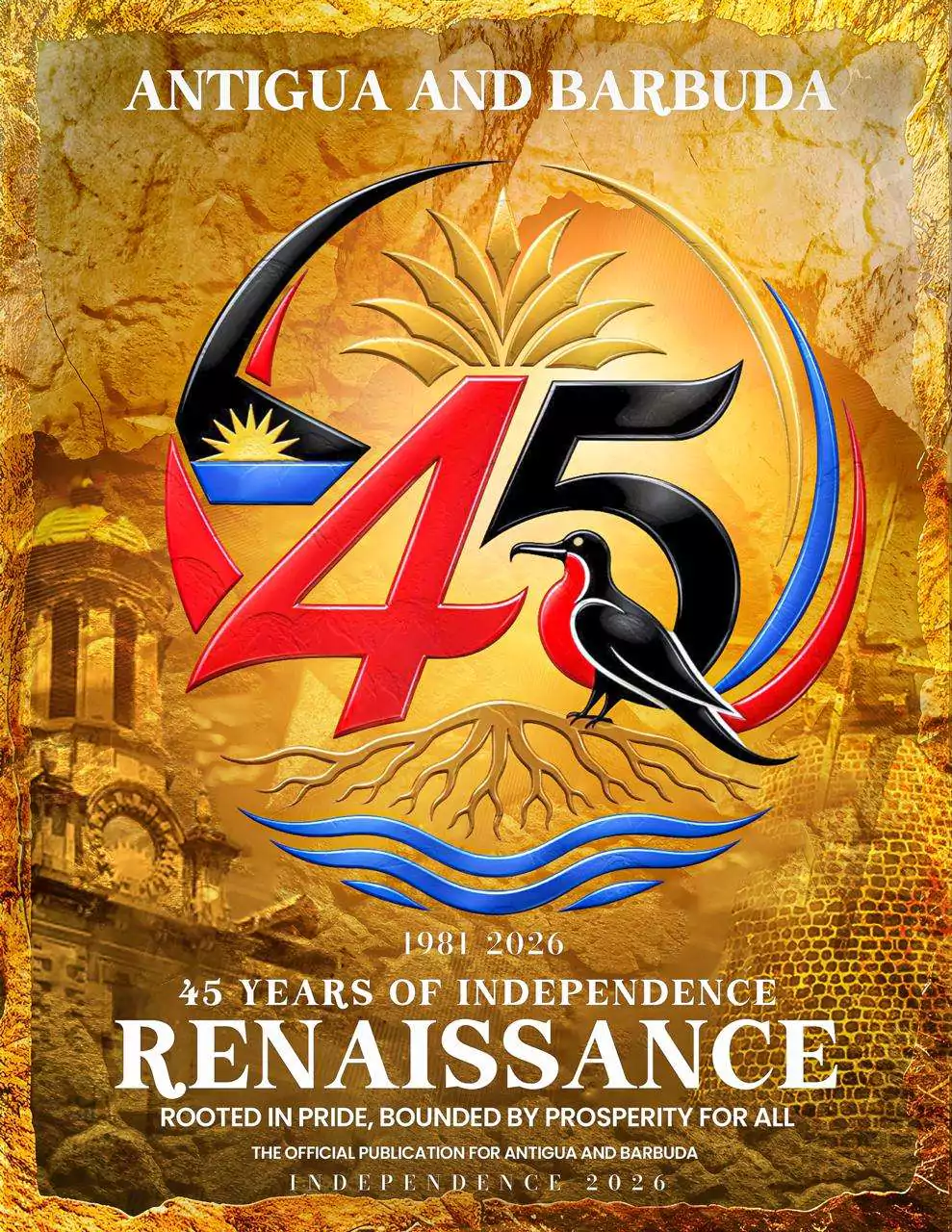
    As Antigua and Barbuda approaches the 45th milestone of its political independence, the nation’s Ministry of Creative Industries has launched a special commemorative magazine project to honor this historic occasion, with a familiar local media firm tapped to lead production.

    Barnes Media Group Ltd, a family-owned company headed by veteran Caribbean journalist Everton Barnes, has been selected to create the commemorative publication. This is not the firm’s first major national commission: it previously produced the official magazine marking the country’s 40th independence anniversary back in 2021, giving it proven experience in crafting high-quality national commemorative content.

    What makes this new project particularly meaningful, according to Petley O’Keiffe, Director of the National Events Department, is its timing alongside Antigua and Barbuda’s upcoming role as host of the Commonwealth Heads of Government Meeting (CHOGM), scheduled for November. The magazine will serve dual purposes: marking a key independence milestone and showcasing the nation to visiting global leaders.

    Production and distribution plans are already finalized. A total run of 10,000 copies is planned, with half of these set to be included in official souvenir bags distributed to the hundreds of delegates expected to attend CHOGM. The remaining 5,000 general copies will be circulated across local communities in Antigua and Barbuda. A special limited run of 300 high-end hardcover editions has also been arranged, reserved as formal gifts for visiting dignitaries, senior national government officials, and official project sponsors.

    Content for the magazine has been structured to offer a comprehensive portrait of modern Antigua and Barbuda. Coverage will span core national sectors including economic development, public education, youth empowerment, women’s representation in leadership, and national environmental initiatives. It will also highlight the archipelago’s rich cultural and natural heritage, featuring profiles of historic landmarks and popular tourist attractions across Antigua, Barbuda, and the smaller dependent territory of Redonda.

    A roster of prominent national figures and experts have signed on as contributors to the publication. The line-up includes academic Professor C. Justin Robinson, Senate President Alincia Williams-Grant, development expert Dr Jonah Greene, communications specialist Joshuanette Francis, former education minister Dr Jacqui Quinn, veteran diplomat Ambassador Anthony Liverpool, and award-winning local journalist Colin James.

    Mali Barnes, spokesperson for Barnes Media Group, explained that the project is designed to deliver two core outcomes. First, it will give attending CHOGM delegates a holistic, nuanced understanding of Antigua and Barbuda’s progress, culture, and priorities as an independent nation. Second, it will stand as a durable, tangible memento for all participants and locals to mark the 45th anniversary celebrations.

    In a closing call for public-private partnership, the Ministry of Creative Industries and Barnes Media Group have issued an open invitation to local and regional businesses to support the commemorative magazine project through sponsorship.

  • Foreign Minister Chet Greene Defends Government’s Position Amid Row Over PM Browne’s Judiciary Comments

    Foreign Minister Chet Greene Defends Government’s Position Amid Row Over PM Browne’s Judiciary Comments

    A regional political debate over judicial independence and public accountability for criminal justice outcomes has prompted the Government of Antigua and Barbuda to push back against criticism from the Commonwealth Magistrates’ and Judges’ Association (CMJA), while doubling down on its longstanding commitment to an independent judiciary and separation of powers.

    The controversy stems from comments Prime Minister Gaston Browne made during an August 10 National Security Council meeting, where he addressed widespread public anxiety over rising firearm-related violence and harsh public pushback against what many Antigua and Barbuda residents view as overly lenient sentencing for serious crimes. In 2024, Browne’s administration already worked through Parliament to stiffen penalties for a range of firearm offenses, including a 15-year maximum prison sentence for anyone convicted of unlawful firearm possession on indictment.

    Following Browne’s remarks, the CMJA released an official critical statement on August 14, and the Caribbean Heads of Judiciary issued a joint statement of their own, warning that the prime minister’s comments posed a tangible threat to judicial independence and the constitutional separation of powers. To address this criticism, Foreign Affairs, Trade and Immigration Minister E.P. Chet Greene sent a formal response letter to CMJA Secretary General Dr. Karen Brewer, outlining the Antigua and Barbuda government’s full position.

    In the correspondence, Greene emphasized that the government recognizes the CMJA’s legitimate mandate to safeguard judicial independence across all Commonwealth nations. He reiterated Antigua and Barbuda’s unwavering commitment to core governing principles including separation of powers, security of tenure for judicial officers, the Commonwealth Charter, and the Latimer House Principles that guide relations between government branches in Commonwealth states.

    Greene argued that the CMJA’s original critical statement failed to account for key subsequent developments that contextualize Browne’s remarks, including the prime minister’s public clarification of his comments, formal correspondence with the Chief Justice of the Eastern Caribbean Supreme Court, and a direct response to the statement from Caribbean Heads of Judiciary.

    The government makes a clear constitutional distinction between legitimate public criticism of sentencing outcomes and unlawful executive interference in ongoing judicial decision-making. Officials stress that Browne’s comments never sought to dictate the outcome of any pending case, reopen closed legal matters, or encourage public or official disregard for court orders. To date, the administration has never defied a binding judicial decision or court order, the letter confirms.

    A key point of clarification from Browne addressed widespread concerns that the executive branch planned to take unilateral action against judicial officers: the prime minister explicitly confirmed that no judge would be removed, reassigned, deported, or disciplined through unauthorized executive action. All matters related to judicial tenure, assignment, and conduct will be handled exclusively through constitutional and legal procedures, and no such unauthorized action has been taken or is currently under consideration, the government reaffirmed.

    Even with this clarification, Browne has stood by his original criticism of current sentencing practices, rejecting claims that criticism of sentencing outcomes on its own constitutes an attack on judicial independence. The government notes that the clarification does not retreat from its concerns about lenient sentencing, but rather sets out clear constitutional boundaries for how those concerns will be addressed.

    Greene has formally requested that the CMJA publish the government’s full response alongside its original August 14 statement, to ensure CMJA members and the broader Commonwealth public have access to what Antigua and Barbuda calls the complete, unbiased record of events.

    In closing, Greene reaffirmed that the government of Antigua and Barbuda remains equally committed to protecting judicial independence, constitutional rule of law, public safety, and constructive cooperation between the executive, legislative, and judicial branches of state. All of these core principles, he emphasized, reinforce one another and all deserve equal protection under the country’s constitutional framework.

  • Citing His Own Brother’s Rape Conviction Browne says he does not Interfere in Court Cases

    Citing His Own Brother’s Rape Conviction Browne says he does not Interfere in Court Cases

    Antigua and Barbuda’s Prime Minister Gaston Browne is pushing back against growing accusations of judicial overreach, pointing to his own brother’s rape conviction and 13-year prison sentence as tangible proof that he never interferes in independent court proceedings.

    The accusations emerged after Browne made public comments on national sentencing practices and the judiciary, with critics claiming these remarks amounted to unacceptable political interference in the country’s legal system. Browne addressed the controversy head-on during an episode of his public program, the Browne and Browne Show, where he laid out his defense.

    “It is common knowledge that my own brother was convicted of rape and sentenced to 13 years in prison,” Browne stated during the program. He went on to clarify that even if his sibling had held any expectation of political intervention to lessen or overturn the conviction, that intervention would never have been forthcoming. “Even if he expected me to step in on his behalf, it would never have happened. For one, interfering in judicial matters goes against my personal principles. My stance has always been simple: if you commit the crime, you serve the sentence.”

    Browne reiterated his long-held position that he has never attempted to sway the outcome of any legal case, whether in Antigua and Barbuda’s domestic jurisdiction or in any other court system around the world. “I have never interfered in any case, inside this country or anywhere else,” he emphasized.

    The prime minister went on to clarify the intent behind his recent comments, explaining that his criticism targets systemic gaps in the national sentencing framework, not any individual judge or specific ongoing case. He has repeatedly called for tougher mandatory penalties for three categories of high-risk offenses: violent crimes involving illegal firearms, sexual assault committed against children, and repeat felony offenders. At the same time, Browne clarified that he still supports preserving limited judicial discretion for cases that involve extraordinary, mitigating circumstances that warrant leniency.

  • Antigua and Barbuda Government Reaffirms Judicial Independence, Calls for Complete Record to be Considered

    Antigua and Barbuda Government Reaffirms Judicial Independence, Calls for Complete Record to be Considered

    A fresh standoff over judicial accountability and institutional independence has emerged in the Eastern Caribbean, with the Government of Antigua and Barbuda pushing back against regional judicial bodies’ criticism of Prime Minister Gaston Browne, while formally reaffirming its longstanding commitment to an independent judiciary and the separation of powers.

    The controversy ignited in early August, when Browne delivered public remarks about sentencing practices during a National Security Council meeting. The comments came against a backdrop of mounting public anxiety across Antigua and Barbuda over persistent firearm-related violence and widespread public frustration that sentencing for serious criminal offenses has been disproportionately lenient. In response to these public concerns, the national parliament had already passed legislation in 2024 strengthening penalties for a range of firearms offenses, including introducing a maximum 15-year prison sentence for anyone convicted of unlawful firearm possession on indictment.

    After Browne’s initial comments, the Commonwealth Magistrates’ and Judges’ Association (CMJA) issued a critical statement on August 14, and the Caribbean Heads of Judiciary followed with a joint statement expressing alarm that the Prime Minister’s remarks threatened core principles of judicial independence and separation of powers. Now, in an official letter addressed to CMJA Secretary General Dr. Karen Brewer, Antigua and Barbuda’s Minister for Foreign Affairs, Trade and Immigration, E.P. Chet Greene, has responded to that criticism, pushing the CMJA to review the full context of the incident rather than relying on partial information.

    Greene emphasized in the correspondence that the Antigua and Barbuda government fully recognizes the CMJA’s legitimate mandate to protect judicial independence across the Commonwealth, and remains unwaveringly committed to the core tenets of separation of powers, security of tenure for judicial officers, the Commonwealth Charter, and the Latimer House Principles that govern relations between branches of government across Commonwealth nations.

    Greene argued that the CMJA’s original August 14 statement failed to account for key subsequent developments that clarify the government’s position. These include Browne’s own public clarification of his remarks, formal correspondence between the Prime Minister and the Chief Justice of the Eastern Caribbean Supreme Court, and a formal response to the statement issued by the Caribbean Heads of Judiciary.

    The government draws a clear legal and institutional distinction between legitimate public criticism of sentencing outcomes and improper executive interference with ongoing judicial decision-making. Officials stress that Browne’s remarks never sought to dictate the outcome of any specific pending case, reopen any matter that the courts have already concluded, or encourage any individual to disregard a formal court order. To date, the government adds, it has never defied a judicial ruling or court order of any kind.

    A key point of clarification from Browne addresses fears of executive overreach against judicial officers: the Prime Minister explicitly confirmed that no judge would be removed, reassigned, deported, or targeted through unauthorized executive action. The government confirmed that all matters related to judicial tenure, assignment, and disciplinary action will be handled exclusively through processes outlined in the national constitution and existing law, and no extra-legal executive actions have been taken or are being planned against any judicial officer.

    Browne has stood by his criticism of lenient sentencing practices, rejecting claims that this public criticism on its own amounts to an attack on judicial independence. The government notes that the Prime Minister’s clarification does not retreat from his concerns about sentencing outcomes, but rather sets clear constitutional boundaries for how those concerns will be pursued, aligning with the rule of law.

    In his letter, Greene has formally requested that the CMJA publish the government’s full correspondence alongside the association’s original August 14 statement. This would allow CMJA members and the broader Commonwealth public access to what Antigua and Barbuda describes as the complete, unredacted record of events surrounding the controversy.

    In closing, Greene reaffirmed that Antigua and Barbuda remains committed to upholding judicial independence, constitutional governance, public safety, and constructive collaboration between the three branches of state. He emphasized that these core principles are mutually reinforcing, and all deserve equal protection under the law.

  • PSA calls off WASA protests after talks

    PSA calls off WASA protests after talks

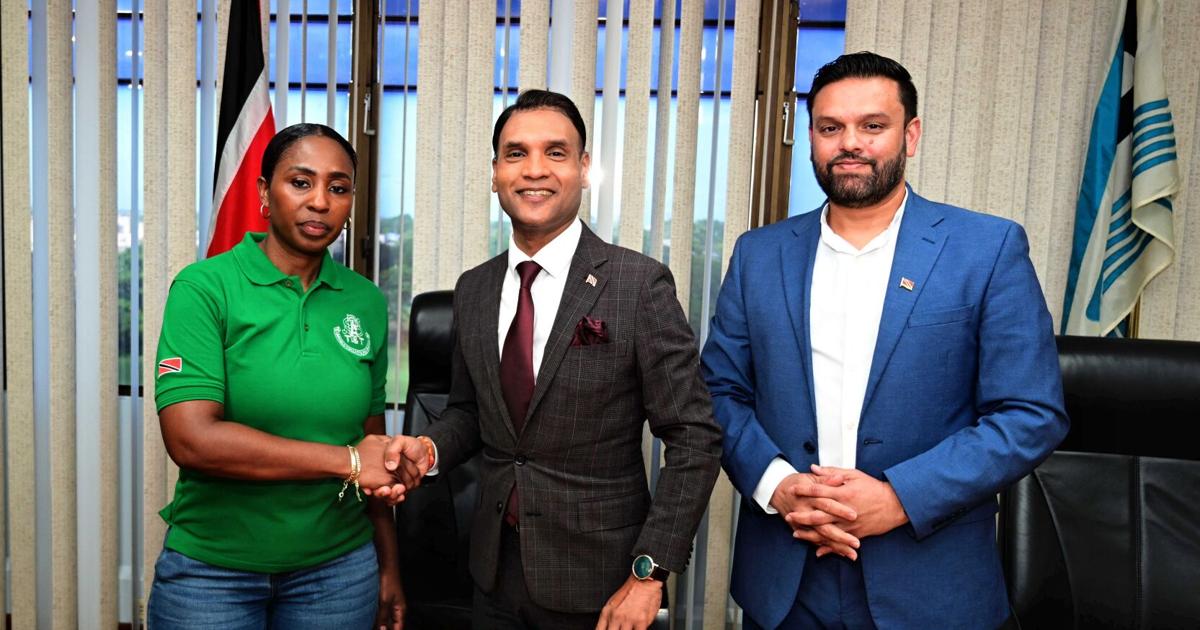
    Workers at Trinidad and Tobago’s Water and Sewerage Authority (WASA) have ended industrial protest action after the country’s Public Utilities Minister Barry Padarath issued a formal guarantee that the current government would uphold all pre-election commitments made to employees represented by the Public Services Association (PSA).

    The breakthrough came following a face-to-face meeting between Padarath, PSA president Felisha Thomas, and union leadership held at WASA’s St Joseph head office on Tuesday. The meeting was organized specifically to address long-stalled wage negotiation rounds covering the 2014–2016 and 2017–2019 periods, alongside long-running grievances over internal HR processes that had delayed progress on the claims.

    Images of the minister walking hand-in-hand with Thomas into the WASA compound signaled a new spirit of cooperation between the government, the union, and the utility provider. Speaking to assembled workers after the meeting concluded, Thomas confirmed that the minister had met all core demands put forward by the union to break the negotiation deadlock. Under the agreement struck, WASA’s HR leadership will review the union’s formal proposals this week, with full documentation of the proposals set to be submitted to the Ministry of Public Utilities by Friday.

    Padarath also committed to convening a follow-up meeting between the PSA, himself, and Finance Minister Davendranath Tancoo to move toward a final settlement. Addressing the gathered workers, Padarath emphasized the current administration has not broken any pre-election agreements made with public sector workers, noting that stalled negotiations stemmed from procedural bottlenecks rather than a lack of commitment.

    “A breakdown in communication is always a recipe for industrial disaster,” Padarath told the crowd, explaining his intervention to speed up the process. To cut through internal red tape, the minister appointed WASA’s acting chief executive Dain Maharaj to serve as a dedicated intermediary between the union and the utility’s HR department, ordering Maharaj to ensure all required paperwork reaches the ministry by the end of the week.

    Padarath acknowledged the validity of Thomas’ concerns over inefficient internal HR management at WASA, and committed to reviewing those systemic issues with the utility’s board chair and executive leadership. He clarified that as a cabinet minister he cannot directly intervene in HR operational matters, but pledged that the ministry would provide regular updates to the PSA executive as the review and negotiation processes move forward.

    In his remarks, Padarath also struck a note of caution, acknowledging that the current government has inherited significant fiscal and operational challenges from the previous administration. He warned that a failure to resolve outstanding issues through dialogue could put WASA jobs at risk if administrative structures are destabilized. To address the fiscal constraints, he noted the government has pursued strategic local and international partnership investments to strengthen public finances and allow the state to meet its commitments to workers.

    Reiterating the administration’s commitment to a collaborative resolution, Padarath called on both the union and WASA management to maintain open lines of communication moving forward to prevent future disruptions to service and industrial relations.

  • Who called for our US visas to be revoked?

    Who called for our US visas to be revoked?

    A sharp political conflict has erupted in Trinidad and Tobago over reported United States visa revocations, pitting former Prime Minister Dr. Keith Rowley against sitting Prime Minister Kamla Persad-Bissessar. Rowley has publicly alleged that the U.S. has revoked visas held by both himself and another former Prime Minister, Stuart Young, and he is pressing the current administration to answer for the actions that led to this outcome.

    In a public Facebook post published over the weekend, Rowley issued a series of direct questions to Persad-Bissessar. He challenged the prime minister to publicly specify which of the officially listed U.S. visa violation grounds apply to himself and Young, noting that political figures aligned with Persad-Bissessar’s United National Congress (UNC) had previously written to the U.S. government formally requesting the visa cancellations.

    Beyond his own case, Rowley raised additional questions about broader visa revocation activity. He called on the prime minister to reveal details about a prior visa cancellation involving a close personal associate of hers, which occurred before Persad-Bissessar’s administration took office. He also demanded transparency around how many additional Trinidad and Tobago citizens the current prime minister and her government have referred to U.S. authorities with recommendations for visa revocation.

    Rowley further accused UNC leadership and their affiliated allies of weaponizing visa policy, claiming they have issued repeated threats to ordinary Trinidadian citizens warning that they could lose their U.S. travel privileges for political reasons. In his post, the former prime minister referenced an August 10, 2026 official statement from the U.S. Department of State, thanking U.S. authorities for publicly disclosing the official grounds for visa revocation to what he described as a traumatized local public.

    That U.S. State Department release outlines that the U.S. government revokes visas for foreign nationals found to have violated visa terms, committed criminal acts, incited violence against U.S. citizens, defrauded U.S. residents, abused the U.S. immigration system, or threatened U.S. national security. It noted that during the Trump administration, the State Department revoked more than 175,000 visas of foreign nationals matching these criteria. Most revocations stemmed from confirmed criminal activity, with offenses including assault, drunk driving, theft, and drug offenses topping the list, followed by reckless driving, sexual assault, child abuse, fraud, embezzlement, and other serious crimes. The release emphasizes that U.S. visa access is a privilege, not an inherent right, and that ongoing continuous vetting is conducted to protect U.S. communities from individuals who may pose a risk.

    When reached for comment by local outlet the Express immediately after Rowley’s post, Prime Minister Persad-Bissessar dismissed his allegations, simply stating that the U.S. State Department’s public release is self-explanatory. As of press time, repeated attempts to contact both Rowley and Young for additional comment have been unsuccessful.

    This controversy builds on earlier disclosures from current Attorney General John Jeremie, who told Parliament in June that the U.S. government had revoked visas held by a number of members of what he described as the “1%” elite group in Trinidad and Tobago. Jeremie explained that he initially ignored a journalist’s question about the revoked visas, but later was approached in his parliamentary office by multiple local figures who confirmed their U.S. travel documents had been canceled. He noted that U.S. authorities maintain advanced intelligence gathering capabilities to support these decisions, and stressed that the Trinidad and Tobago government has no involvement in the U.S. government’s independent visa decisions.