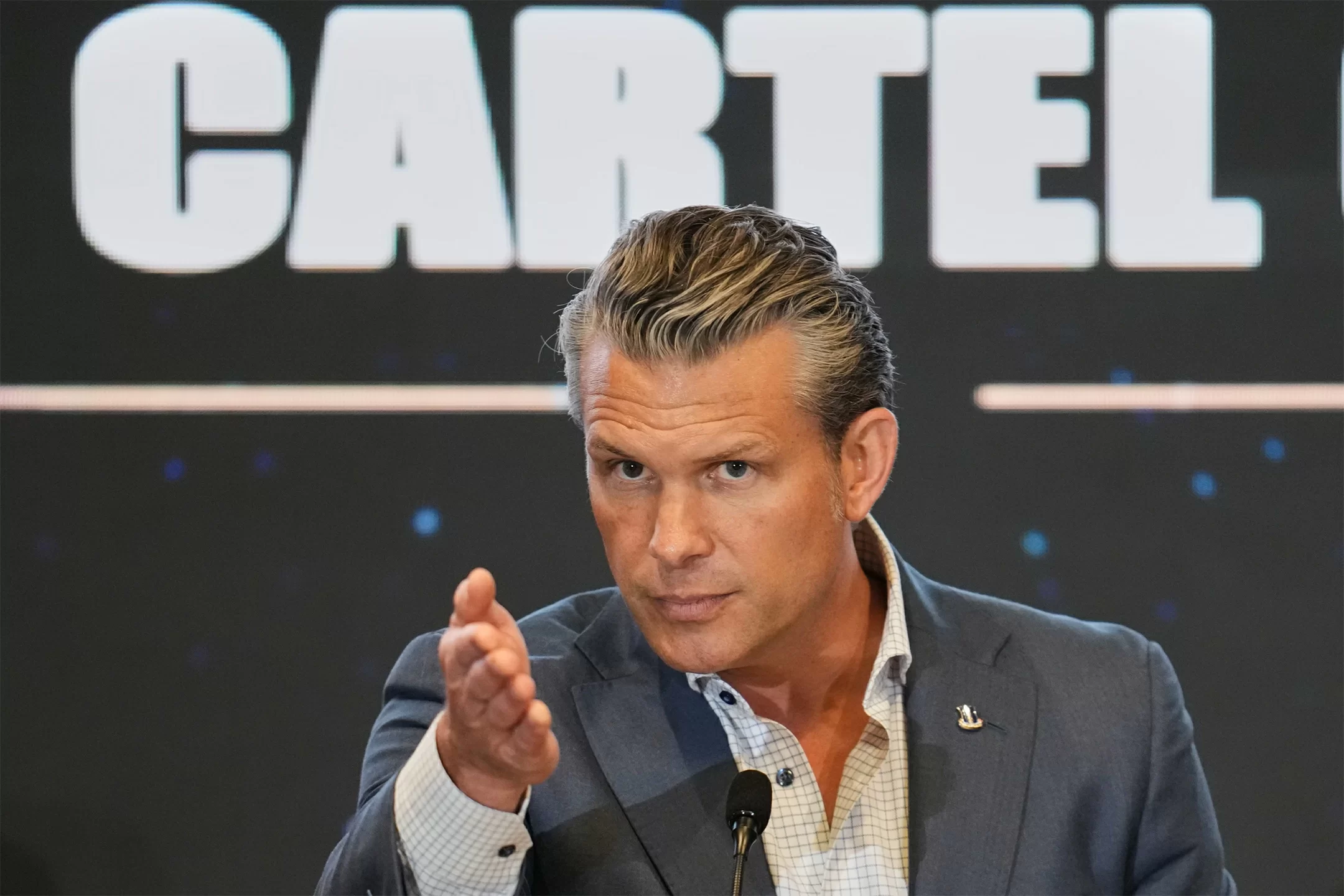
On August 18, U.S. Defense Secretary Pete Hegseth announced a major escalation of Washington’s counter-drug military campaign in Latin America during an official visit to Panama City, where he spoke at a forum hosted by the Americas Counter Cartel Coalition. The expansion shifts the existing campaign beyond air strikes targeting smuggling vessels to direct joint on-the-ground operations alongside regional security forces, with Colombia, Ecuador, and Honduras already confirmed as participating partners. Guatemala has issued a formal denial that it has signed any agreement to join the initiative, while Mexico — led by President Claudia Sheinbaum — has thus far rejected any U.S. military presence on its national territory.
Since the current counter-narcotics campaign was launched, more than 200 people have been killed in over 60 air strikes targeting drug-carrying vessels operating along Latin America’s Caribbean and Pacific coastlines. The shift to land-based operations will see U.S. military personnel deepen coordination with local armed forces to target transnational criminal networks, including insurgent groups such as Colombia’s National Liberation Army (ELN).
This policy shift aligns with the broader Trump administration’s geopolitical goal of strengthening U.S. influence across the Western Hemisphere and aligning regional security partners closer to Washington, a push that has gained traction as right-wing leaders have grown in political popularity across the region. It also comes amid rising great-power geopolitical competition, with the framing of the campaign as critical to protecting core U.S. security interests in its traditional sphere of influence.
The announcement has already drawn sharp criticism and warning from analysts and sovereignist advocates. Critics point to severe risks including the erosion of national sovereignty for participating states, a heightened likelihood of civilian casualties, and a potential surge in anti-American public sentiment across the region. Many regional governments have approached the expansion with extreme caution, due to deep-seated domestic political sensitivities around foreign military presence on national soil with roots in centuries of U.S. intervention.
Washington has provided decades of military support and intelligence sharing to Latin American governments to counter drug trafficking and organized crime, a long-running policy that has produced mixed results and persistent controversy. Previous large-scale initiatives such as Plan Colombia and the Mérida Initiative focused on training and equipping local security forces, without deploying large contingents of U.S. ground troops. The Trump administration has drastically tightened this approach, launching more aggressive actions including the air bombing of suspected smuggling vessels that has already left hundreds dead and sparked widespread questions over the legality and effectiveness of the new strategy.
The new phase of joint land operations marks the most significant increase in direct U.S. military footprint in the region in decades, a shift that threatens to inflame existing tensions over national sovereignty. Analysts warn that this escalation could undermine overall regional stability, particularly in areas where armed criminal and insurgent groups hold deep social and territorial roots. Moving forward, the long-term success and sustainability of the new strategy will depend heavily on domestic public reaction and the political alignment of regional government leaders.