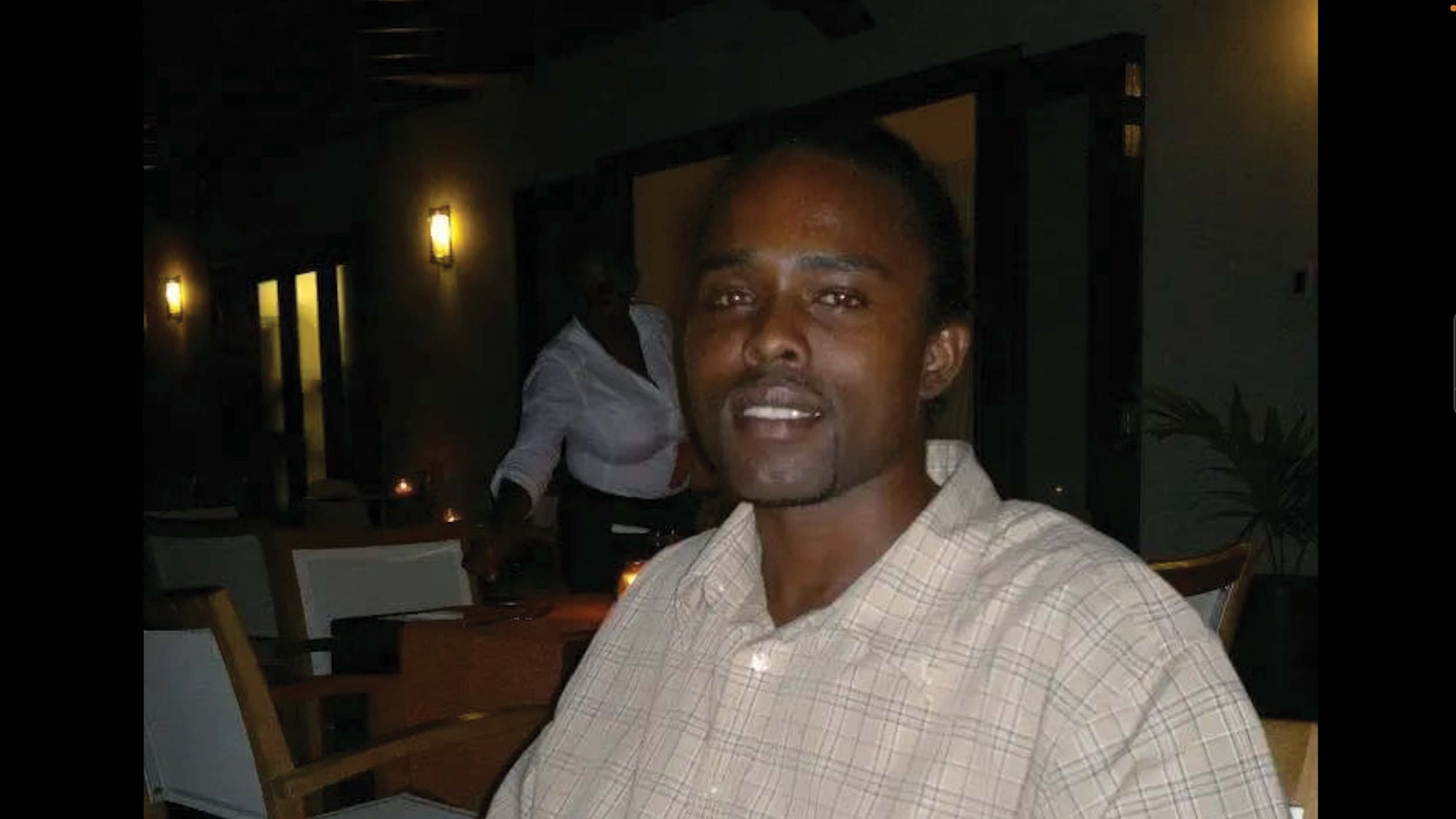
Antigua and Barbuda’s Prime Minister Gaston Browne is pushing back against growing accusations of judicial overreach, pointing to his own brother’s rape conviction and 13-year prison sentence as tangible proof that he never interferes in independent court proceedings.
The accusations emerged after Browne made public comments on national sentencing practices and the judiciary, with critics claiming these remarks amounted to unacceptable political interference in the country’s legal system. Browne addressed the controversy head-on during an episode of his public program, the Browne and Browne Show, where he laid out his defense.
“It is common knowledge that my own brother was convicted of rape and sentenced to 13 years in prison,” Browne stated during the program. He went on to clarify that even if his sibling had held any expectation of political intervention to lessen or overturn the conviction, that intervention would never have been forthcoming. “Even if he expected me to step in on his behalf, it would never have happened. For one, interfering in judicial matters goes against my personal principles. My stance has always been simple: if you commit the crime, you serve the sentence.”
Browne reiterated his long-held position that he has never attempted to sway the outcome of any legal case, whether in Antigua and Barbuda’s domestic jurisdiction or in any other court system around the world. “I have never interfered in any case, inside this country or anywhere else,” he emphasized.
The prime minister went on to clarify the intent behind his recent comments, explaining that his criticism targets systemic gaps in the national sentencing framework, not any individual judge or specific ongoing case. He has repeatedly called for tougher mandatory penalties for three categories of high-risk offenses: violent crimes involving illegal firearms, sexual assault committed against children, and repeat felony offenders. At the same time, Browne clarified that he still supports preserving limited judicial discretion for cases that involve extraordinary, mitigating circumstances that warrant leniency.