分类: health

  • Nippes now has qualified staff and a medical entomology laboratory

    Nippes now has qualified staff and a medical entomology laboratory

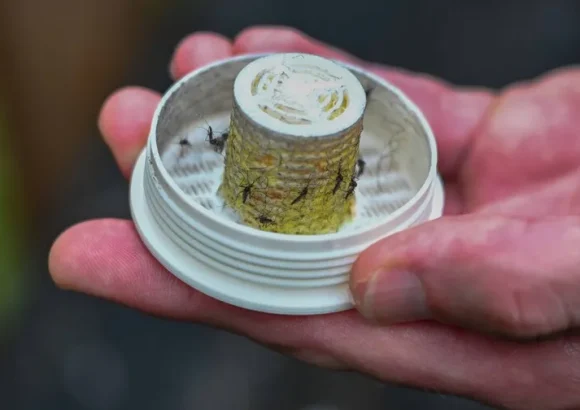
    A landmark advancement in Haitian public health infrastructure has been completed in the Nippes department, where local health authorities now boast both a fully trained team of medical entomology specialists and a purpose-built, functional medical entomology laboratory. The milestone comes as a direct outcome of longstanding bilateral health cooperation between Haiti and Cuba, with medical experts from the Cuban Medical Brigade in Haiti leading hands-on training for a cohort of emerging local healthcare professionals.

    Over the course of several months, roughly 10 participating healthcare workers completed a rigorous program of technical and scientific instruction. The training equipped participants with core competencies across every key domain of medical entomology, from accurate species identification and laboratory analysis to the development and execution of targeted vector control strategies.

    This capacity-building initiative aligns with the core public health vision laid out by Haiti’s Minister of Public Health, Dr. Sinal Bertrand, who has prioritized expanding access to high-quality, locally accessible healthcare services for all Haitian communities. The project was executed under the direct leadership of Dr. Esther Ceus Dumont, Departmental Health Director of Nippes, whose ongoing work has centered on strengthening the resilience and operational capacity of the department’s local health system.

    Public health experts emphasize that the new local capacity addresses a long-unmet critical need in Nippes. Prior to this initiative, the department lacked on-site specialized personnel to proactively manage the threat of vector-borne diseases, which remain a persistent public health risk across much of Haiti. Today, the trained team based at Sainte-Thérèse Hospital is fully prepared to detect, respond to, and contain outbreaks of high-burden vector-borne illnesses including dengue fever, malaria, and chikungunya.

    Beyond the certified professional workforce, the project’s most transformative tangible achievement is the newly established entomology laboratory housed within Sainte-Thérèse Hospital. The modern facility is purpose-built to support routine entomological analysis, ongoing regional disease surveillance, continuing professional education for local health staff, and rapid deployment of field intervention teams when vector-borne disease cases are detected.

    With trained staff in place, lab infrastructure fully operational, and a dedicated new public health service ready to serve community members directly, Nippes has crossed a major threshold in its efforts to build a robust, responsive local health system. The project sets a model for bilateral cooperation to address unmet public health needs across other regions of Haiti.

  • SLBMC Supports Dr. Sharon Cordner After Fire Forces Closure of Medical Practice

    SLBMC Supports Dr. Sharon Cordner After Fire Forces Closure of Medical Practice

    A damaging fire has brought operations at Antigua’s Gambles Medical Centre to a sudden halt, prompting a show of solidarity from the island’s leading public healthcare facility, Sir Lester Bird Medical Centre.

    In an official public statement released this week, the tertiary hospital extended its full support to lead physician Dr. Sharon Cordner and her entire clinical and administrative staff, who are now navigating the chaotic aftermath of the unexpected blaze. The statement emphasized that the Sir Lester Bird Medical Centre leadership recognizes the critical, longstanding role that Cordner’s private community practice has played in expanding access to primary care for local residents, and stands ready to assist the team as they work to recover.

    As crews work to survey the full scope of structural and equipment damage caused by the fire, Cordner’s office will remain temporarily closed to patients. Hospital officials added that stakeholders are still reviewing all damage data to map out next steps for the practice, including potential repairs, relocation, or resumption of services. Sir Lester Bird Medical Centre has committed to sharing new public updates with the community as soon as additional details about the incident and recovery process are confirmed.

  • Filtered Feelings: The cost of comparing our lives

    Filtered Feelings: The cost of comparing our lives

    How has the concept of happiness shifted over generations? This question has grown increasingly pressing to examine as modern life reshapes what we prioritize and how we measure well-being. For generations of Jamaicans who grew up in rural areas between the 1960s and 1990s, happiness was rooted in simplicity. While daily life presented significant economic challenges, it was rich in shared experience: children gathered to play outdoors after dark, walked to school in groups, swam in local rivers, and split whatever small resources they had with neighbors. Whole communities looked out for one another, fostering an unspoken, deep sense of belonging that permeated daily life. Even people with very few material possessions rarely felt poor; their wealth lay in social connection, collective community, and grounded perspective on what matters most.

    Recently, I spoke with dozens of elderly Jamaicans, several of whom have lived more than a century, and found striking consistency in how they describe lasting happiness. Nearly all framed well-being around three core pillars: showing care for others, letting go of grudges easily, and nurturing a gentle, generous heart. Most remain active in local churches and community groups, contributing in quiet but meaningful ways that bind their neighborhoods together. Their lives make one truth clear: happiness has never been a purely material pursuit.

    Today, our collective definitions of happiness have grown broader, but also far more complicated. Many people now tie well-being to visible markers of success: the neighborhood we live in, the car we drive, the prestige of our career. Others frame it around family, personal freedom, or hitting individual career and life goals, with financial stability, access to healthcare, and the ability to travel all shaping how we experience contentment. But one new, powerful force has reshaped modern understandings of happiness: social media.

    The 2026 World Happiness Report highlights a worrying global trend: falling well-being among young people, especially in high-income developed countries. One key contributing factor is the amount of time young people spend online, constantly consuming others’ curated content and comparing their own lives to unrealistic highlights. This shift has pushed us to measure happiness by external metrics—likes, shares, picture-perfect moments—rather than how we actually feel internally. In many communities, deep connectedness has been quietly replaced by constant comparison; the shift is subtle, but its impact on collective mental health is impossible to ignore.

    Even amid this global shift, Jamaica offers a critical lesson on what lasting happiness actually looks like. In the 2026 World Happiness Report, Jamaica ranks 49th overall in global well-being—but ranks first in the world for the frequency with which its people help strangers. That single statistic says volumes about the national character that sustains well-being across generations. Despite widespread economic and social challenges, Jamaican culture is defined by deep resilience: the ethos of “one love,” enduring community ties, and shared faith shape how people experience daily life. While many Jamaicans do not have abundant material resources, they consistently find joy in connection and purpose.

    Perhaps the core of happiness has not changed as much as we think—what has changed is how we pursue it. Too many of us now look outward for validation, when the things that actually sustain contentment have been close to us all along: strong relationships, a clear sense of purpose, good health, and service to the people around us. Every person faces hardship in life; that is an unavoidable part of the human experience. But holding onto resentment, chronic stress, and regret does not serve us—it erodes both our mental peace and our physical health. Letting go of these burdens is never easy, but it is essential to long-term well-being.

    In my role as Jamaica’s Minister of Health and Wellness, I see every day how deeply interconnected our mental and physical health truly are. The ways we think, relate to others, and structure our daily lives all shape our overall well-being. Happiness is not some abstract, distant goal we have to earn—it is something we actively build through the small choices we make every single day.

    The fundamental pillars of happiness have not changed: treat others with kindness, practice compassion for yourself and those around you, give back to your community whenever you can, prioritize your physical and mental health, and strive for balance in all areas of life. Happiness does not require great wealth, and it can never be measured by outward appearances alone. It requires awareness of what matters, intentional choices to prioritize connection over comparison, and a willingness to focus on the things that bring lasting meaning.

    In a world that constantly pulls our attention outward, to other people’s highlight reels and external markers of success, the most important step we can take is to turn inward. Because in the end, happiness is not something we scroll past on a screen—it is something we live, every single day. This article was written by Dr. Chris Tufton, CD, MP, Jamaica’s Minister of Health and Wellness.

  • Alcohol poisoning in children: the NHS reports 52 cases treated in hospitals

    Alcohol poisoning in children: the NHS reports 52 cases treated in hospitals

    Over the recent Christmas and New Year holiday period, 52 minors across the Dominican Republic received emergency hospital care for alcohol poisoning, according to official data released by the country’s National Health Service (SNS). In line with mandatory protocols for protecting minors’ rights, the SNS has formally submitted a full list containing the names and specific details of all treated underage patients to both the Attorney General’s Office and the Ministry of Public Health.

    Dr. Yocasta Lara, director of SNS Hospital Centers, broke down the details of the case in a public statement, confirming that the national count of affected minors stands at 52. Beyond the formal reporting to national authorities, Dr. Lara noted that frontline medical teams at all public health facilities are required to immediately alert local prosecutor’s offices whenever a minor is treated for alcohol poisoning, to enable swift investigations and targeted protective action.

    Lara emphasized that the situation is deeply alarming, given that it exposes children and adolescents to immediate and long-term threats to their physical health and personal well-being. “Alcohol poisoning among minors is 100 percent preventable,” she stated. “As a collective society, we must step up adult oversight and guarantee safe, secure spaces for our young people, particularly during holiday family gatherings where alcohol is often readily available.”

    The SNS has reaffirmed its ongoing commitment to strengthening public health network surveillance systems, accelerating mandatory case reporting, and expanding comprehensive care for affected minors. Lara also issued a public call to all parents, caregivers, and legal guardians to practice responsible alcohol storage and supervision, to block underage access to alcoholic beverages.

    Closing her statement, Lara reiterated that early-age alcohol consumption can cause severe, sometimes permanent health damage. She stressed that collective co-responsibility between families and communities, paired with consistent prevention efforts, are the foundational pillars needed to safeguard the health of all Dominican children and adolescents.

  • NHI Expands to More Health Facilities

    NHI Expands to More Health Facilities

    Belize’s Ministry of Health and Wellness has announced a major expansion of its National Health Insurance (NHI) program, rolling out coverage to five additional government-run health facilities across the country. The newly added sites include Cleopatra White Polyclinic II based in Belize City, Belmopan Polyclinic located at the Western Regional Hospital, San Ignacio Community Hospital, Duck Run Clinic, and San Antonio Health Centre.

    To sign up for the program, eligible residents can complete their registration in two convenient ways: visiting any of the participating facilities in person during operating hours, or scanning the QR code featured on official NHI informational flyers to process their application.

    First launched in 2000, the NHI initiative was born out of a broader series of health sector reforms carried out by the Belizean government. Its core mission from the start has been to expand public access to high-quality, reasonably priced health care for all citizens across the nation. Today, the program receives full funding from the Government of Belize and is managed operationally through the country’s national Social Security system.

    For patients that complete registration through the program, a comprehensive suite of primary health care services is available at subsidized or no out-of-pocket cost. These core services cover general practitioner consultations, professional nursing care, in-network laboratory testing, and a wide selection of approved medications included on the national pharmaceutical formulary.

    Beyond basic primary care, the NHI network also supports critical targeted services that address population-level health needs. These range from maternal and child health care, to ongoing monitoring and treatment management for widespread chronic conditions including diabetes and hypertension, to preventative screening services for HIV and multiple forms of cancer.

    Health authorities emphasized that this incremental expansion of the NHI network is a key part of the government’s ongoing commitment to bringing essential health services closer to Belizean communities, ensuring more residents can access the care they need without excessive financial or logistical barriers. Officials are urging all eligible residents who live near the newly added facilities to complete their registration and start utilizing the full range of covered services available through the program.

  • Child health system assessed six years after $20m boost

    Child health system assessed six years after $20m boost

    On Monday evening, stakeholders from across Barbados and the global health community converged to celebrate and evaluate six years of groundbreaking work at the Shaw Centre for Paediatric Excellence, a landmark initiative that is positioning the small Caribbean nation as a regional trailblazer in child healthcare.

    Founded in 2019, the centre grew out of a transformative $10 million philanthropic donation from the Canada-based LesLois Shaw Foundation, with hands-on implementation support from Toronto’s world-leading SickKids hospital. Local partners including Barbados’ Ministry of Health, the Queen Elizabeth Hospital, and the University of the West Indies joined the collaboration to build a locally rooted paediatric care model from the ground up.

    At the commemorative reception hosted at the Canadian High Commissioner’s Holetown residence, Jennifer Bernard, President and CEO of the SickKids Foundation, outlined the far-reaching progress the partnership has delivered to date. Fifty nurses have completed specialized training in high-demand paediatric care fields, core clinical infrastructure at the Queen Elizabeth Hospital has undergone comprehensive upgrades, and cutting-edge specialized medical equipment has been rolled out to raise the standard of care across the island. A key priority has been shifting care toward proactive intervention, exemplified by a three-year newborn screening pilot program that is laying the groundwork for earlier detection and treatment of childhood health conditions.

    Bernard emphasized that the centre’s success defies assumptions about the capacity of small island states to deliver systemic public health change. “If we know we can do it in the West Indies, we can do it anywhere,” she noted, adding that the centre’s integrated cross-sector model – which unites government, academic institutions, and frontline healthcare providers – serves as a replicable blueprint for low- and middle-income countries working to strengthen their own child health systems.

    Dr. Clyde Cave, programme director of the Shaw Centre, explained that the initiative represents a fundamental paradigm shift from the traditional reactive model of healthcare delivery to a coordinated, prevention-focused framework. The programme adopts a life-course approach to child wellbeing, extending care from the pre-natal period all the way through adolescence, while addressing long-standing gaps in service access for young people. It has also grown local paediatric expertise: the number of home-grown specialized paediatric nurses has expanded significantly, and new clinical specializations including neonatology, adolescent gynaecology, and paediatric psychiatry have been established locally, eliminating the need for many families to seek costly care abroad.

    Research has also been a core pillar of the centre’s work. The Barbados Childhood Nutrition Study, the centre’s flagship research project, has established the first robust national baseline for childhood obesity rates, providing critical data that has shaped national public health policy, particularly the government’s school nutrition programme.

    Virginia Shaw, director of the LesLois Shaw Foundation, shared that the foundation’s involvement has always centered on delivering measurable impact rather than public recognition. She even revealed that she initially pushed back against the decision to name the centre after her family. A self-described “Bajan Canadian”, Shaw has deep personal ties to the island, noting that her parents were once patients at the Queen Elizabeth Hospital. She thanked the full network of partners and frontline staff for their work, stressing that progress has only been possible through collective collaboration and that the initiative’s work to improve child health outcomes remains an ongoing commitment.

    While celebrating six years of achievement, stakeholders also acknowledged the persistent challenges that lie ahead. Key among these is the need to build stronger, more robust systems to measure long-term programme impact and drive systemic cultural change within Barbados’ broader healthcare system, a priority the centre will continue to focus on in coming years.

  • Grenada launches landmark vision restoration programme

    Grenada launches landmark vision restoration programme

    In the coming weeks, 50,000 residents across Grenada’s tri-island territory will gain access to life-changing vision care through a new pioneering national vision restoration programme, a initiative set to deliver clearer sight, restored personal dignity, and expanded opportunity for thousands living with unaddressed vision impairment.

    The official partnership for the programme was formalized on March 27, 2026, during a signing ceremony held in St. George’s. The Memorandum of Understanding (MOU) was signed by Grenada’s Minister of Health, Hon. Philip Telesford, and Keisha McGuire, Chief Global Affairs Officer of the global non-profit organization Restoring Vision. Since details of the programme were made public, it has sparked widespread national attention and enthusiasm, rooted in the personal commitment of Grenada’s Prime Minister, Hon. Dickon Mitchell, who first championed the initiative.

    Prime Minister Mitchell opened up about his own experience struggling with unaddressed vision problems during his secondary school years, framing the programme as a deeply personal priority. “For me, any opportunity to help someone who suffers from vision loss is something I am deeply passionate about,” he said. He further emphasized that the project centers on tangible, people-focused healthcare improvement, noting that uncorrected poor vision creates unnecessary barriers to nearly all routine daily activities for affected people.

    Minister Telesford echoed this sentiment, highlighting the urgent need and strategic importance of the cross-sector collaboration. “This comes at a critical time in our efforts to strengthen primary health care and expand access to essential services. Vision health is often overlooked, yet it is fundamental to productivity, independence, and quality of life,” he explained. For Small Island Developing States like Grenada, unaddressed presbyopia represents a widespread public health gap: data shows 6 out of 10 adults over 40 live with the age-related vision condition, yet the vast majority lack access to even a basic pair of reading glasses to correct it.

    Over the 12-month pilot period, the programme will integrate free vision screenings and near-vision eyeglass distribution directly into Grenada’s existing public health system. The rollout will leverage the country’s established primary care network and trained community health workers to bring services directly to citizens, both at local clinics and in remote, hard-to-reach communities across all three islands.

    McGuire, representing Restoring Vision, framed the partnership as a model for other small island nations facing similar public health challenges. “This programme reflects a shared vision to advance the health and wellbeing of our people. No one in Grenada should be held back by something so easily corrected as poor near-vision,” she said. Restoring Vision, the global non-profit behind the collaboration, has made addressing uncorrected presbyopia its core mission: the age-related near-vision deterioration is the most common cause of vision impairment across the globe, and the organization works to expand affordable access to correction globally.

    The partnership marks a major turning point for essential eye care access in Grenada, with the shared goal of helping all residents access the care they need to see clearly, participate fully in daily life, and build more stable futures. Approximately 50 Grenadians already confirmed to have unaddressed near-vision impairment will be the first to receive free eyeglasses as the programme launches in the coming weeks.

  • Dominican Health Ministry distributes 25,000 first aid kits for Easter 2026

    Dominican Health Ministry distributes 25,000 first aid kits for Easter 2026

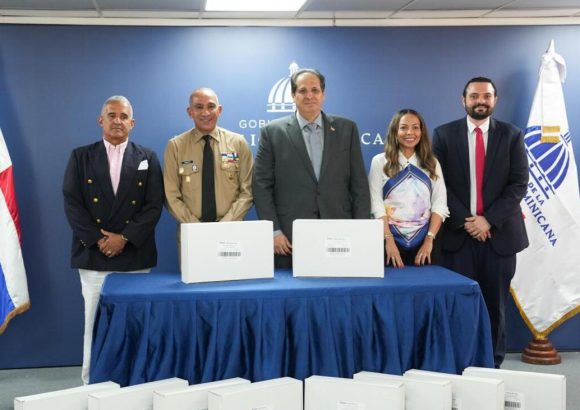
    Residents and travelers across the Dominican Republic are set to benefit from a sweeping nationwide public health initiative aimed at boosting emergency response capabilities during the upcoming 2026 Easter holiday period. Unveiled by the nation’s Ministry of Health as a core component of Operation SS 2026, the program centers on three foundational pillars: proactive incident prevention, rapid on-site medical care, and continuous public health surveillance across high-foot-traffic areas.

    A key centerpiece of the initiative is the distribution of 25,000 fully stocked first aid kits, which will be routed through local Provincial and Area Health Directorates to locations that see the largest volumes of visitor and traveler movement over the holiday. Priority deployment zones include major city exit routes, highway toll plazas, and low-resource vulnerable communities that face gaps in immediate emergency access.

    Public health officials designed the full set of measures to address the most common preventable health and safety risks that spike during the Easter holiday season: traffic collisions, incidents linked to excessive alcohol consumption, and outbreaks of food poisoning. The plan guarantees that rapid, professional medical assistance will be available at pre-identified strategic checkpoints and gathering spots across every region of the country.

    Dominican Health Minister Víctor Atallah emphasized that while the newly distributed first aid kits will serve as a critical lifeline in time-sensitive emergency scenarios, proactive prevention of incidents remains the single most effective strategy to protect public safety and save lives over the holiday. Beyond first aid supplies, authorities have also upgraded the national capacity to respond to poisoning incidents by restocking critical life-saving medications at all major public health facilities across the country.

    The cross-cutting program has secured coordinated support from a network of partner institutions, including Promese/CAL, the Dominican Red Cross, and the national Civil Defense agency. Public health teams have also ramped up epidemiological surveillance protocols, with a particular focus on early detection and response to diarrheal illnesses and other diseases spread through contaminated food, which are common holiday-related public health concerns.

    To support real-time tracking of incidents and inter-agency coordination, national Health Situation Rooms have been activated across all administrative regions of the country. The activation falls under the broader “Awareness for Life Holy Week 2026” operation, which is led by the Dominican Emergency Operations Center (COE). In closing, public health officials have issued a public appeal for holidaygoers and residents to practice responsible behavior, uphold strict personal and food hygiene standards, follow safe food handling protocols, avoid consuming unregulated and unsealed alcohol products, and seek prompt professional medical attention if they experience illness or injury over the holiday period.

  • Larger Family Islands to get second ambulance unit

    Larger Family Islands to get second ambulance unit

    The Bahamas Ministry of Health and Wellness has announced a strategic initiative to enhance emergency medical response capabilities across its larger Family Islands. This development comes in direct response to recent incidents that exposed critical challenges in ambulance service coverage, particularly in regions with significant geographical distances.

    Health and Wellness Minister Dr. Michael Darville revealed plans to deploy at least two ambulances to major islands including Exuma, where current emergency response infrastructure has proven inadequate. The expansion specifically targets the Georgetown area, where vast distances have historically compromised the effectiveness of single-ambulance coverage.

    This policy shift follows the tragic death of 29-year-old Deno Rolle on Exuma, whose family reported he waited nearly an hour for emergency medical transport after a hit-and-run incident. The circumstances surrounding his death have raised serious questions about response time adequacy in remote island communities.

    Minister Darville acknowledged existing ambulance services while emphasizing the logistical challenges posed by large island territories. “We are now working the logistics on how to have at least two ambulances on our larger islands,” he stated, assuring residents that current single-ambulance operations would be expanded to dual-vehicle coverage.

    The deployment coincides with the graduation of a new cohort of Emergency Medical Technicians from the Public Hospitals Authority Academy, with most specialists designated for Family Island assignments. This personnel expansion complements ambulance acquisitions funded through the Inter-American Development Bank.

    Current emergency medical infrastructure already includes operational ambulances on Bimini, Cat Island, and San Salvador, with further deployments contingent on available trained staff. Minister Darville emphasized the importance of practical resource utilization, noting that vehicles must be accompanied by qualified personnel to ensure productive operation rather than remaining idle.

    The ministry maintains that service expansion must balance operational costs with sustainability, considering the significant expenses associated with personnel training and equipment maintenance. Officials are implementing comprehensive maintenance programs and ensuring medical staff familiarity with updated emergency response systems to guarantee effective ground transportation services across the island chain.

  • Upgraded $2m National Reference Lab expected to expand disease surveillance

    Upgraded $2m National Reference Lab expected to expand disease surveillance

    The Bahamas is poised to significantly enhance its public health capabilities with the scheduled relocation of its National Reference Laboratory to a state-of-the-art facility at Oaks Field by the end of May. Health and Wellness Minister Dr. Michael Darville confirmed the move, which transitions operations from a historic structure dating to the 1870s to a modern, purpose-built center funded with support from the Inter-American Development Bank (IDB).

    Constructed at a cost of just under $2 million, the new laboratory represents a critical component of a broader, multi-million dollar health systems strengthening program financed by the IDB. Dr. Indira Martin, the laboratory’s director, emphasized that the upgrade will dramatically improve working conditions for staff and substantially expand the lab’s diagnostic and surveillance capacities.

    A key advancement is the newly acquired genetic sequencing capability, made possible through equipment donations from the U.S. Centers for Disease Control and Prevention (CDC) and the Pan American Health Organisation (PAHO). This technology, absent during the initial stages of the COVID-19 pandemic, is now actively being used to monitor COVID-19 and influenza variants. Dr. Martin announced plans to soon extend sequencing efforts to dengue virus strains, enabling health officials to map the movement of viruses across the Bahamian archipelago. This data will provide invaluable epidemiological intelligence, allowing for more proactive public health interventions and policy decisions.

    Minister Darville highlighted the laboratory’s vital role in supporting the nation’s massive tourism industry, which hosts over 12 million visitors annually and requires robust surveillance for airborne and waterborne diseases. The transition to the new facility will be conducted in a phased manner to ensure the lab remains fully operational and does not disrupt critical public health services throughout the move.

    Shirley Gayle, the IDB’s country representative for The Bahamas, expressed satisfaction with the project’s progress, stating the bank is proud to support the Bahamian people in strengthening their health infrastructure and building a more resilient public health system for the future.