
Antigua and Barbuda’s public health program focused on senior vision health, the Prime Minister’s Vision Initiative, has marked a key milestone: more than half a thousand pairs of free reading glasses have been placed in the hands of eligible residents since the program launched. Targeted at adults aged 40 and above, the initiative delivers more than just free corrective eyewear — it also provides complimentary comprehensive vision screenings to participants, with glasses distributed only to those who are found to need them for daily reading tasks.\n\nWith the program still open to new participants, the nation’s Ministry of Health has issued a public call encouraging all qualifying residents who have not yet accessed these no-cost services to visit the Villa Community Center. The service is available consistently during regular workdays, operating from 9 a.m. to 3 p.m. Monday through Friday to accommodate varying schedules.\n\nAt its core, the public health initiative is rooted in a straightforward but impactful goal: addressing unmet vision needs among older residents to boost both their eyesight and overall quality of life. Many adults over 40 develop age-related vision changes that make reading and close-up work difficult, and lack of access to affordable screenings and glasses can limit daily activities, from reading medication labels to enjoying books. By removing cost barriers to these essential services, the initiative is helping fill gaps in accessible vision care for the country’s senior population.
分类: health
-

Is your heart racing or skipping beats? Learn when it could be an arrhythmia
Heart rhythm irregularities — commonly marked by sensations of a racing, fluttering, or skipping heartbeat — are a common concern that affect people across age groups, and Mayo Clinic experts have outlined key details on their origins, risk factors, and modern treatment options to help patients navigate these symptoms.
Divya Korpu, a MBBS physician with the Department of Cardiovascular Medicine at Mayo Clinic Health System in Eau Claire, Wisconsin, explains that abnormal heart rhythms, clinically referred to as arrhythmias, are broadly grouped into two classifications: rhythms that beat too quickly, and rhythms that beat too slowly. Most of the noticeable symptoms people report, including racing pulses or skipped beats, fall into the faster arrhythmia category, and these uncomfortable sensations, called palpitations, are often more prominent when a person is resting at night or lying down. In some cases, the unusual rhythm can also trigger an unexpected feeling of panic.
For adults between their 20s and 50s, a common presentation is a sudden jump in heart rate from a normal baseline to 180 to 200 beats per minute. This rapid pulse can lead to lightheadedness, dizziness, heightened anxiety, and even fainting in severe cases.
Fast or irregular beats can originate in either the upper (atrial) or lower (ventricular) chambers of the heart. Beats that start in the top chamber are called premature atrial contractions, or PACs, while those that develop in the bottom chambers are called premature ventricular contractions, or PVCs. While the unusual sensations they cause can feel frightening, Korpu emphasizes that both PACs and PVCs are rarely dangerous or life-threatening, and they do not increase a person’s risk of heart attack, stroke, or death.
Several common triggers and underlying causes are linked to these irregular beats. These include congenital abnormal electrical circuits in the heart, thyroid disorders, hormonal shifts brought on by pregnancy or menopause, and excessive intake of caffeine or alcohol.
Management of these irregularities depends on how frequently symptoms occur and how much they interfere with daily life. If episodes are rare and do not disrupt routine activities, many patients are able to adapt and live with minor discomfort without ongoing intervention. For people who find symptoms bothersome, prescription medication can effectively reduce the frequency of extra heartbeats.
For immediate relief during a sudden episode of racing heart, a vagal maneuver can often interrupt the abnormal rhythm. These simple, at-home techniques include bearing down similarly to when having a bowel movement, blowing into a capped straw, equalizing ear pressure like one does when flying, submerging the face in ice-cold water, or taking a cold shower.
These at-home strategies are only temporary fixes, however. If symptoms persist, clinicians will typically refer patients for further testing and definitive treatment. One common long-term solution is an electrophysiology study followed by catheter ablation. During this procedure, thin catheters are threaded through veins in the groin and guided to the heart, where specialized wires pinpoint the source of the abnormal rhythm. Targeted energy is then delivered through the catheter to disable the problematic electrical circuit.
Catheter ablation for common arrhythmias like PACs and PVCs is usually performed under twilight sedation as an outpatient same-day procedure. After the procedure, patients need a companion to accompany them for 24 hours, must avoid driving for a full day, and should refrain from heavy lifting for one week to allow the groin incisions to heal fully. Once the recovery period ends, most patients can return to all their regular activities.
While PACs and PVCs are the most common fast arrhythmias in younger populations, the most prevalent rapid rhythm condition in older adults is atrial fibrillation, or AFib, or a related condition called atrial flutter. Both conditions become far more common as people age, and they present differently than younger-onset arrhythmias. AFib can cause irregular pulses, palpitations, chest discomfort, lightheadedness, dizziness, fatigue, and occasional fainting. Many patients, however, experience no obvious symptoms, and the condition is only detected during routine medical checkups or testing for other health concerns.
Common triggers for AFib mirror many of those for other arrhythmias, including untreated sleep apnea, excessive caffeine intake, binge or chronic overconsumption of alcohol, thyroid disorders, and hormonal shifts. A small share of patients also report that spicy foods trigger their AFib episodes.
There are multiple evidence-based treatment options available for AFib. These include medications to control elevated heart rate, medications to restore and maintain a normal heart rhythm, and catheter ablation. Unlike ablation for PACs and PVCs, AFib ablation is performed under general anesthesia, and it also is a minimally invasive procedure where clinicians access the heart through the groin to target trigger points on the left side of the heart that sustain the abnormal rhythm. For decades, two primary energy types have been used for the procedure: radiofrequency ablation, which uses heat, and cryoablation, which uses cold to disable problematic tissue.
In recent years, a new nonthermal energy option called pulsed field ablation has been introduced for AFib treatment. This innovative approach selectively targets heart muscle cells, which significantly lowers the risk of serious damage to adjacent tissues and structures, including the esophagus and the phrenic nerve that controls the diaphragm and breathing.
Regardless of the energy type used for AFib ablation, recovery guidelines are similar: patients can expect about one week of restricted activity to heal properly. A key risk associated with AFib is that blood can pool in the heart during irregular beats, forming clots that can travel to the brain and cause a stroke. For this reason, clinicians usually prescribe blood thinners to most patients after an AFib diagnosis, even after they have undergone successful ablation, based on individual stroke risk factors. For patients who cannot tolerate blood thinners, a small permanent device can be implanted in the heart to seal off the left atrial appendage — the structure where 90% of AFib-related clots form — to reduce stroke risk.
Experts stress that anyone experiencing persistent racing heart, skipped beats, or other symptoms of an irregular heart rhythm should schedule an appointment with their primary healthcare provider or a cardiologist to get a proper evaluation and determine if further testing or treatment is needed.
Mayo Clinic, the source of this clinical guidance, is a leading nonprofit academic medical organization dedicated to innovation across clinical care, medical education, and research, and it provides expert, compassionate care to patients from around the world.
-
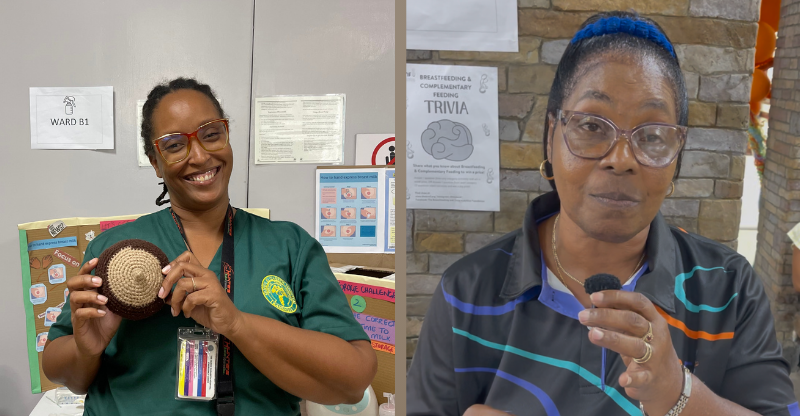
QEH breastfeeding advocate calls for workplace support as mums return to work
As Breastfeeding Awareness Month draws public attention to maternal and child health challenges in Barbados, healthcare professionals are amplifying a urgent call for employers across the island to implement dedicated, private lactation spaces for working breastfeeding mothers. The renewed advocacy comes on the heels of local research that identifies returning to work as the single leading cause of early breastfeeding discontinuation nationwide.
Registered nurse and midwife Shermena Kirton emphasized that sustained improvement in national breastfeeding rates depends entirely on meaningful workplace support for new mothers. Citing recent research on exclusive breastfeeding led by Dr. Ashley Paris, Kirton confirmed that the transition back to professional work is the most consistent barrier to continued breastfeeding, far outpacing other common challenges.
While Barbados offers eligible new mothers three months of maternity leave plus an additional two weeks of home leave, this coverage does not extend to all women, and widespread financial pressure forces many to rejoin the workforce as early as six weeks after giving birth. “Some women simply do not have the luxury of extended time off. They need their paychecks to support their families, so they have to go back long before they are ready to stop breastfeeding,” Kirton explained.
Without access to a private, appropriate space to express and store breast milk, many of these women have no choice but to switch their infants to formula feeding. Kirton also noted that the challenge extends beyond the workplace, noting that a lack of supportive home environments compounds the barriers created by unsupportive work policies.
During a recent pop-up public event held for Breastfeeding Awareness Month, reporters from Barbados TODAY were invited to tour two model lactation rooms already in operation at a local hospital — a demonstration that Kirton says proves high-quality lactation spaces do not require costly, elaborate infrastructure. The rooms feature just a few core amenities: a comfortable seating for mothers, a handwashing sink, a refrigerator for milk storage, and a lockable door for privacy. Kirton pointed out that these simple requirements are well within the reach of nearly all employers, regardless of size or budget.
Beyond maternal and child health benefits, Kirton argued that employers themselves gain tangible advantages from accommodating breastfeeding mothers. She explained that breastfeeding leads to healthier infants, which translates to fewer unplanned absences when parents have to stay home to care for a sick child. “Critics may argue that time spent pumping is time away from work, but in the long term, a mother who can pump three times a day will be far more reliable and productive than one who loses three full workdays to caring for a sick child,” she said.
Fellow registered nurse and midwife Simone Richardson-Small, who works on the island’s labour ward, echoed Kirton’s call, stressing that designated lactation spaces should become a universal workplace standard. These facilities are critical not just for infant development, but for protecting maternal health as well, she explained. Without a dedicated space to express milk, breastfeeding mothers face a higher risk of breast engorgement, a painful condition that can progress to mastitis, a serious infection that requires medical intervention.
For infants, consistent access to expressed breast milk delivers lifelong benefits: it supports steady healthy weight gain, lowers the risk of childhood infections, and boosts long-term brain development. “When we support breastfeeding mothers, we are investing in the overall health and future of our entire country,” Richardson-Small added.
The push for change is not limited to frontline healthcare workers. The Breastfeeding and Child Nutrition Foundation (BCNF), a local advocacy group, is pushing for binding legislative action to codify this requirement. Retired veteran midwife and BCNF representative Betty Reid said the organization has long advocated for dedicated lactation spaces in all workplaces, and is now calling on the Barbadian government to introduce a national policy mandating these facilities for all employers. “Every working mother deserves the space to either express milk or breastfeed her child during working hours, and it should be a guaranteed right, not a discretionary perk,” Reid said.
-

Dominican Republic ranks among top six countries in regional digital health test
Against a backdrop of 20 competing delegations from across the Latin American and Caribbean region, the Dominican Republic has secured a spot among the top six performers at the 5th Regional Digital Health Connectathon, held in Panama City. The high-profile regional event, organized alongside the PH4H 2026 Regional Conference, was designed to test national health systems’ capacity to share clinical data safely and efficiently in line with global interoperability norms.
Unlike conventional conferences that focus only on policy discussion, the Connectathon puts technical teams through hands-on, real-world scenario testing to evaluate cross-border health information exchange. Dominican technical delegations achieved a perfect 100% completion rate for all assigned test cases, a result that cemented its standing as one of the region’s top-performing participants in this exercise.
Testing was centered on five high-priority domains critical to modern cross-border digital health: the International Patient Summary (IPS), cross-border telehealth consultations, electronic yellow fever vaccination certificates, electronic medication prescriptions, and health data cybersecurity frameworks. The Dominican team successfully demonstrated proficiency across every testing area: it proved capable of producing and sharing standardized patient clinical summaries, authenticating digital vaccination certificates, processing cross-border telemedicine requests, retrieving accurate medication data, and deploying core security tools including digital signatures and QR codes to safeguard sensitive patient health information.
According to the Dominican Republic’s Ministry of Public Health, this strong performance marks a meaningful milestone in the rollout of the country’s National Digital Health Strategy. It also paves the way for the planned implementation of the Single Electronic Health Record (known locally as EEUS), a transformative system that will grant authorized medical providers secure access to a patient’s full clinical history, regardless of where the original care and data collection took place. This achievement positions the Dominican Republic as a growing leader in regional digital health integration, bringing it closer to a fully connected, patient-centered national health ecosystem.
-

Senior nurse: Investing in nurse education is investing in healthcare
On Wednesday, leaders of Barbados’ Queen Elizabeth Hospital (QEH) accepted a landmark $100,000 donation from the Olga Worrell Memorial Scholarship Trust, a gift framed as far more than financial support—it is a strategic investment that will secure the future of high-quality critical care for generations of Barbadian patients. Senior Nursing Officer Cherry Jackman-Collymore, who leads the hospital’s Medical Directorate, emphasized that the funding fills a critical gap by expanding specialized education and professional development for critical care nursing staff, a sector facing growing workforce pressures as experienced senior practitioners approach retirement.
-

Saint Lucia launches National Cancer Registry
For nearly two decades, cancer has cast an unrelenting shadow over public health in Saint Lucia, holding the grim title of the nation’s leading cause of death for 16 consecutive years. Currently, the disease accounts for approximately one out of every five deaths recorded across the island, a statistic that has pushed local health authorities to pursue targeted, data-driven action to reverse the trend.
In a landmark step toward more effective cancer control, Saint Lucia’s health authorities have officially launched the National Cancer Registry, a centralized tracking system designed to close critical gaps in cancer surveillance. The new initiative is built on existing public health work led by the country’s Ministry of Health, Wellness and Nutrition, which has for years prioritized accessible cancer care through free community screenings, public education campaigns promoting healthy daily habits, and widespread outreach to emphasize the life-saving value of early detection.
Health officials characterize the registry as the long-missing core component of the nation’s cancer fight. By aggregating consistent, granular data on cancer cases across the island, the system will equip policymakers and care providers with the evidence needed to refine public health programs, adjust strategic priorities, and direct limited resources to the communities and patient groups that need them most urgently.
Speaking at the official launch event, Dr. Michelle Francois, Saint Lucia’s national epidemiologist, emphasized that reliable surveillance is the backbone of any successful cancer control effort. “Every cancer case reported contributes to a clearer understanding of the burden of cancer, strengthens our ability to plan effective prevention and control strategies and provides the evidence needed to improve patient care and health outcomes across our island,” Francois explained.
Dr. Sharon Belmar-George, the nation’s Chief Medical Officer, reinforced the urgent need for the new system, noting that the 16-year reign of cancer as the top cause of death is not a status quo Saint Lucia can accept. “Without accurate, comprehensive and timely data we’re really fighting this battle blindfolded,” she said.
Chatoyer Bobb, a representative from the Caribbean Public Health Agency (CARPHA), one of the initiative’s key regional partners, framed the registry as a commitment to current and future Saint Lucian patients. “Every case will teach you something and every data set will inform a better decision. Every decision will bring you closer to saving lives,” Bobb said.
Saint Lucia’s Health Minister Moses Jn Baptiste echoed this framing, positioning the registry as a foundational investment that will enable more robust, impactful public health policy for years to come. “We need to focus on trends, strengthen prevention and screening, improve patient care, support research, and ensure that our resources are directed where they are needed most,” Baptiste noted.
The National Cancer Registry is the product of collaborative effort across local, regional, and global health bodies. In addition to Saint Lucia’s Ministry of Health, the project counts major partners including CARPHA, the International Agency for Research on Cancer (IARC), the Caribbean Cancer Registry Hub, and the Pan American Health Organisation (PAHO), all of which have contributed technical expertise, funding, and coordination support to bring the system online.
-

Health Authorities Warn Digital Marketing of Baby Formula Is Undermining Breastfeeding
Public health leaders across the globe are issuing an urgent warning about a growing threat to maternal and infant health: the unregulated expansion of digital marketing for baby formula, which they say is systematically eroding rates of breastfeeding worldwide. In recent statements, multiple health authorities have highlighted how targeted social media campaigns, influencer partnerships, and algorithm-driven advertising have allowed formula brands to reach new and expectant mothers far more effectively than outdated public health outreach can counter.
Unlike traditional advertising, which was subject to greater regulatory scrutiny under international guidelines designed to protect breastfeeding, digital platforms have created a loophole that brands have exploited to push their products. Influencers, often paid undisclosed amounts, share personal anecdotes framing formula as a convenient, even superior option for busy parents, while targeted ads capitalize on maternal anxiety, suggesting that formula can solve common breastfeeding challenges such as low milk supply or sleep disruption.
Health experts emphasize that breastfeeding carries well-documented, life-long benefits for both infants and mothers: it reduces infant risk of infections, chronic diseases like diabetes and obesity, and lowers mothers’ risk of breast and ovarian cancer. The World Health Organization (WHO) recommends exclusive breastfeeding for the first six months of a child’s life, a guideline that marketing efforts are increasingly pushing mothers away from.
Authorities are now calling for urgent regulatory reform to close digital marketing gaps, enforce existing international standards, and expand evidence-based public health campaigns that support mothers who choose to breastfeed. They warn that without swift action, the ongoing erosion of breastfeeding rates will lead to measurable negative impacts on public health systems around the world, increasing preventable healthcare costs and worsening health outcomes for vulnerable populations.
-

New guidelines launched to promote healthy eating and physical activity in schools
In a landmark move to address growing concerns over youth health and wellness, federal public health and education agencies have jointly launched a comprehensive set of new guidelines designed to embed healthy eating habits and regular physical activity into the daily fabric of American primary and secondary schools. The initiative comes amid decades of rising data showing alarming rates of childhood obesity, sedentary lifestyles, and poor nutritional choices among school-aged populations, with recent studies indicating that nearly one in five children in the U.S. meets the clinical definition of obesity, a condition that increases long-term risks for type 2 diabetes, hypertension, and other chronic health conditions.
The updated guidelines lay out clear, actionable standards for school administrators, food service providers, and teachers to implement across campuses nationwide. For nutrition, the framework requires schools to expand access to fresh, whole fruits and vegetables in cafeteria lines, limit the availability of processed snacks high in added sugars, sodium, and saturated fats in vending machines and school stores, and eliminate sugary beverage sales on campus during school hours. It also mandates that schools provide nutrition education that teaches students how to make informed food choices, connecting lessons to hands-on experiences like school garden programs that let students grow their own produce.
On the physical activity side, the guidelines set a minimum standard of 60 minutes of moderate to vigorous physical activity per school day for all students, up from previous recommendations that only required 150 minutes per week. This includes not just traditional physical education classes, but also active recess breaks for elementary students, classroom activity breaks for older students, and expanded access to before- and after-school sports and recreational programs for students of all ability levels. The framework also encourages schools to upgrade outdoor recreational facilities and create walking and biking routes to campus to promote active commuting.
To support schools in meeting these new standards, the agencies announced that $100 million in federal grant funding will be made available over the next five years to help low-income and under-resourced districts upgrade cafeteria equipment, train staff, and build or improve recreational facilities. Public health advocates have broadly praised the initiative, noting that schools are a critical setting for shaping long-term health habits, as most children consume at least half of their daily calories while at school. Critics, however, have raised concerns about the burden of implementation on small rural districts with already tight budgets, arguing that additional funding may be needed to help these communities meet the new requirements. Agency officials note that they will conduct ongoing evaluations of the guidelines’ impact over the next decade to adjust recommendations based on emerging public health data.
-

Cabinet to Decide Future of Cuban Medical Brigade in September
For years, Cuban medical professionals have been a foundational, well-recognized component of Belize’s public healthcare network, providing critical care access to communities across the small Central American nation. But as of August 2026, the long-term future of the Cuban Medical Brigade within Belize’s borders remains unresolved, with the country’s Cabinet set to cast a final vote on the program’s status when it convenes next month.
Belizean officials are currently evaluating a range of potential paths forward for the existing brigade members, from maintaining a scaled presence to a full phased withdrawal of the program, before formal recommendations are put to Cabinet for a final decision. Among the most actively pursued options is a framework that would allow individual Cuban doctors, nurses, and other medical staff to remain in the country through either temporary work permits or permanent residency status, a solution that requires diplomatic coordination with United States authorities, Foreign Affairs Minister Francis Fonseca confirmed in a recent press briefing.
The issue has continued to advance through diplomatic channels in recent weeks, following a high-profile meeting between Belize’s Prime Minister and U.S. Deputy Secretary of State Landau in Washington D.C. that included discussion of the medical brigade’s future. “It’s an ongoing discussion between our Ministry of Foreign Affairs, the Ministry of Health and Wellness, and our U.S. counterparts,” Fonseca explained. “Our position remains that there is a clear opportunity to retain key members of the brigade who have already become integral to our healthcare system. We are still working through the details of how to structure this arrangement, but I am optimistic that we can reach a solution that allows Cuban medical professionals to stay through work permits, permanent residency, or a similar status.”
While the final outcome remains undetermined, the government’s ongoing evaluation process reflects the significant role that Cuban medical staff have played in addressing Belize’s persistent healthcare workforce gaps for years. Any decision to restructure or phase out the brigade would have wide-ranging impacts on access to care in both urban and rural areas of the country, making the September Cabinet decision a closely watched development for Belize’s healthcare sector.
-
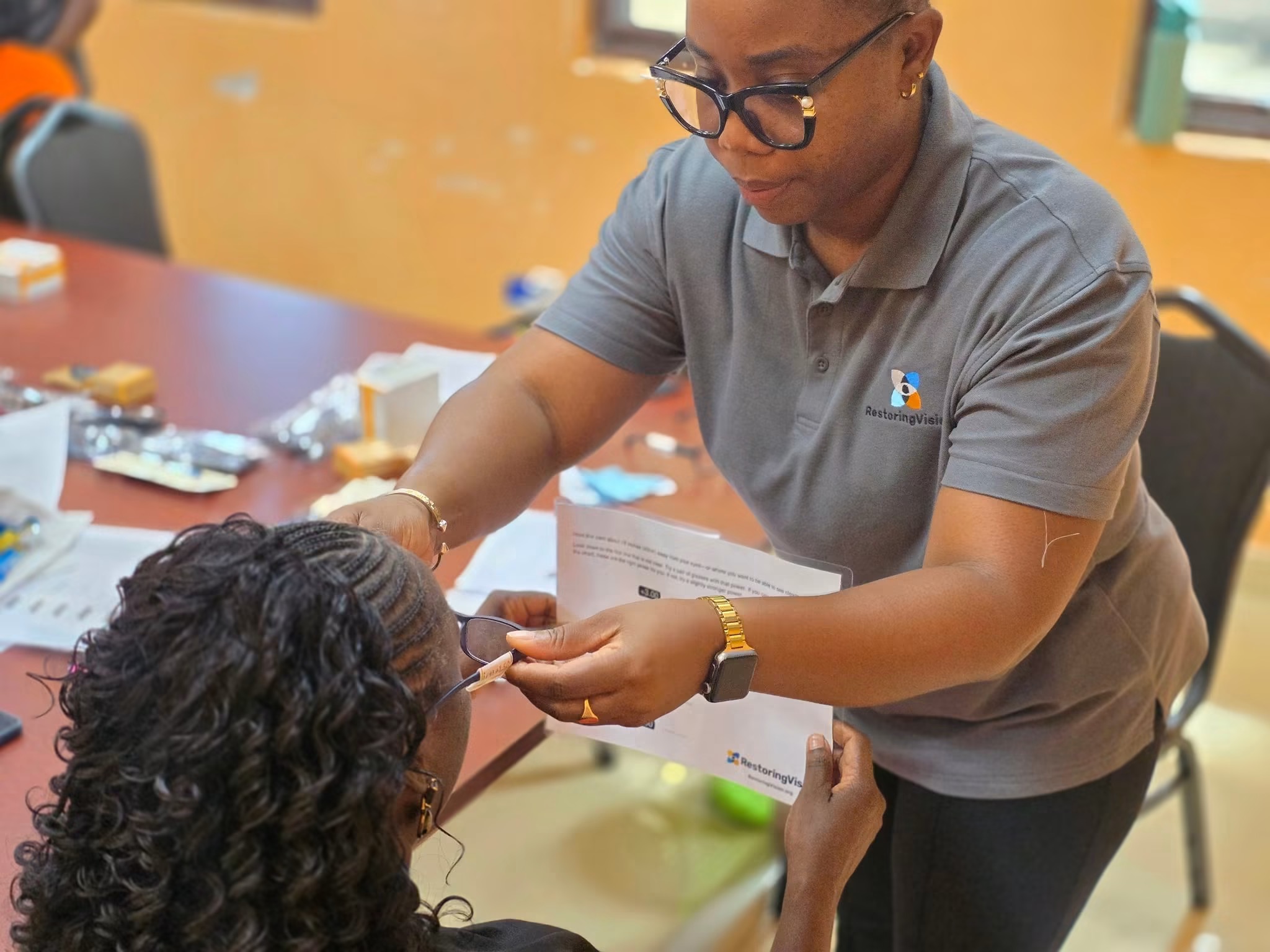
About 300 People Benefit From Prime Minister’s Vision Initiative So Far
A public health program focused on expanding access to critical vision care across Antigua and Barbuda has already helped nearly 300 older adults, as government health authorities continue rolling out free screenings and prescription reading glasses to eligible residents aged 40 and above. The Ministry of Health, Wellness, Environment and Civil Service Affairs confirmed that the initiative is currently stationed at the Villa Community Center, where services will remain available before the program relocates to the Gray’s Green Community Center to serve residents in that area. Launched in partnership with global non-profit vision care organization RestoringVision, the program centers on closing gaps in access to basic eye health services, with a specific focus on connecting adults to affordable reading glasses that many struggle to access otherwise. For every eligible participant, the process begins with a complimentary professional vision screening, which assesses individual eyesight needs before a correctly fitted pair of reading glasses is provided at no out-of-pocket cost. Health officials are actively urging all qualifying residents aged 40 and older who have not yet accessed the program to take advantage of the free services as the initiative rotates between community locations across the two islands. First launched on July 31 of this year, the Prime Minister’s Vision Initiative is scheduled to run through December 15, with pop-up service locations hosted at designated community sites across Antigua and Barbuda throughout the duration of the program.