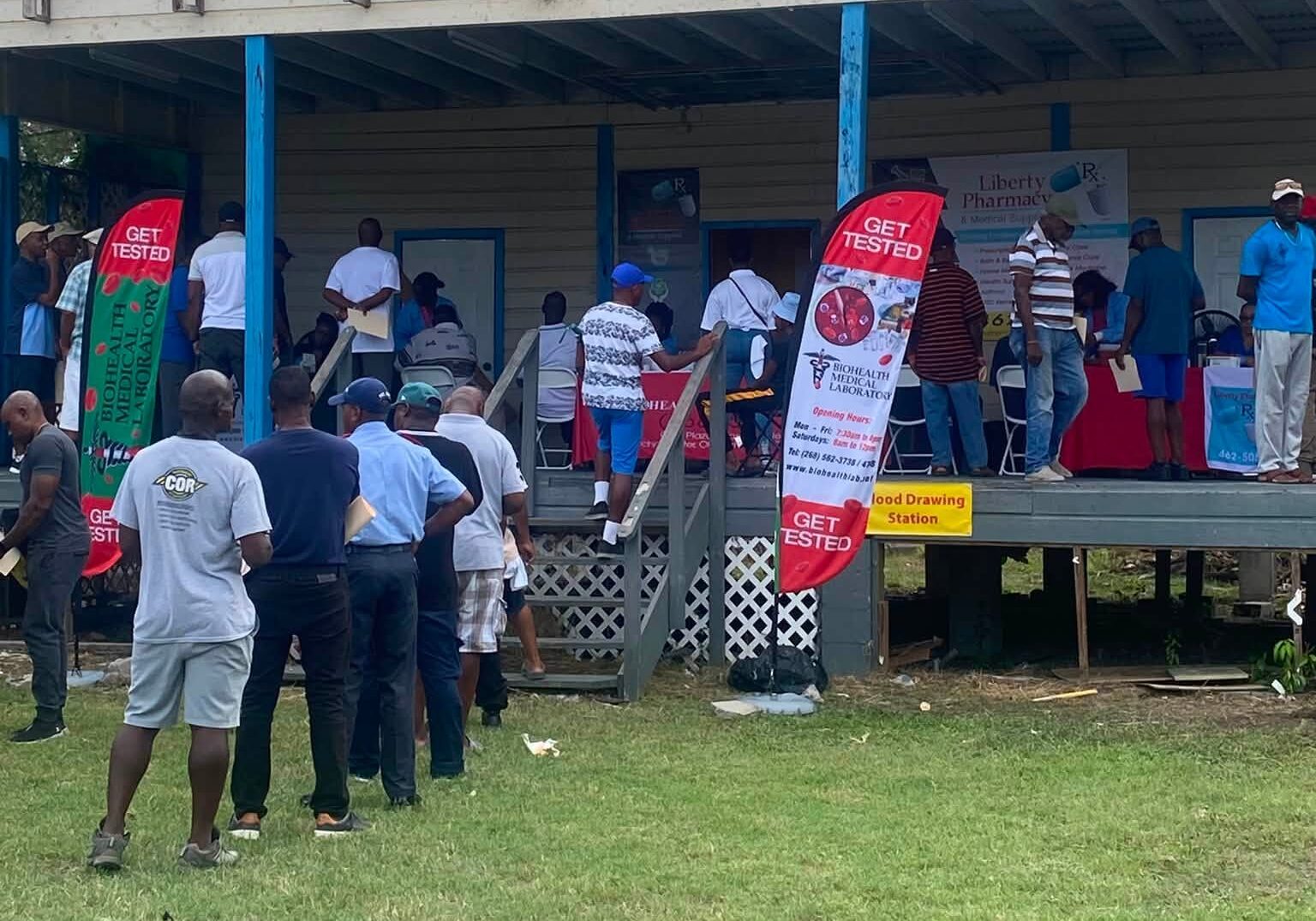
On a recent Saturday, the 18th Annual Prostate Screening Clinic hosted by the Lions Club of Antigua defied uncooperative weather to deliver critical preventive healthcare to hundreds of local men. When all participation numbers were tallied, 632 men accessed a full range of health services at the event’s venue, the Lions Den, far exceeding initial expectations for turnout amid poor conditions.
Beyond core prostate cancer screenings including PSA blood tests and comprehensive medical evaluations by qualified practitioners, the clinic expanded its offerings to include additional routine preventive checks, such as blood pressure testing and blood sugar screening, addressing multiple common chronic health concerns for attendees in a single accessible location.
The annual initiative was not a solo effort: the Lions Club partnered closely with Dr. Dwayne Thwaites and Associates, private medical provider Bio Health Medical, and Antigua’s Medical Benefits Scheme to pull off the event. A wide range of additional partners from both the public and private sectors also provided logistical, financial, and in-kind support to make the low-barrier screening possible for local men.
Club organizers emphasized that the strong turnout, even in unfavorable weather, sends a clear message about the growing public awareness of prostate health and the critical need for screening services that are easy for community members to access. Repeating a core public health message that has guided the event for 18 years, the organization reminded all men that routine screening and early detection of prostate cancer remain the most effective tools for reducing mortality from the disease, urging all eligible men to prioritize regular testing regardless of whether they can attend the annual community clinic.
分类: health
-
More Than 630 Men Attend Lions Club’s Annual Prostate Screening
-
Pneumonia is the leading cause of death in children under 5, reveals pediatrician
National public health and medical authorities remain on high alert over the ongoing patterns of infectious diseases spreading across the country’s child population. Recent analysis of current clinical data confirms that respiratory tract illnesses and gastrointestinal conditions continue to be the most common reasons families seek care at emergency departments and pediatric outpatient clinics nationwide.
In an exclusive interview with local newspaper *Hoy*, leading pediatrician Johanna Garcia broke down current recurring childhood pathologies, shared epidemiological projections for the coming year, and identified the single leading cause of early childhood mortality in the country. Comparing this year’s disease incidence rates to data from 2025, Garcia noted that the overall distribution of pediatric illnesses has stayed largely consistent year-over-year. “We are still seeing the same core set of respiratory infections: bronchiolitis, a notable number of pneumonia cases, common colds, paired with gastrointestinal illnesses that account for the bulk of pediatric medical visits,” Garcia explained.
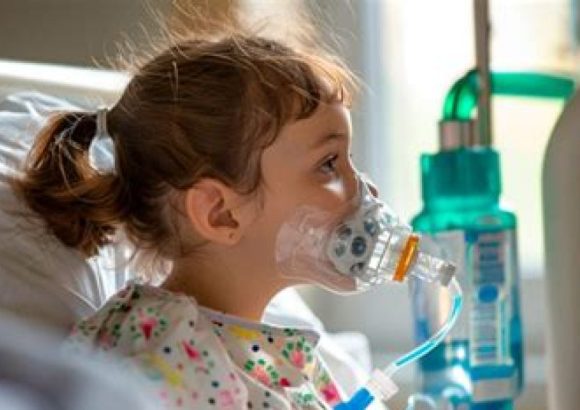
What has public health professionals most concerned is the increasing severity of complications that some of these common pathogens cause in young children. When asked about the leading cause of preventable infant and early childhood death, Garcia was clear: among children under five years old, complicated pneumonia is responsible for the highest share of pediatric lethality in the country today.
Turning to projections for 2027, Garcia emphasized that while exact disease dynamics cannot be predicted with full certainty, current trends point to the continued circulation of the most common endemic pathogens. These include influenza, human pneumovirus, adenovirus, parainfluenza, and SARS-CoV-2, the virus that causes COVID-19. Garcia added that COVID-19 is no longer considered a novel public health emergency, and has transitioned into a permanent endemic pathogen within the country — similar to dengue fever, which has long been established as an endemic disease that experiences periodic surges.
As the country enters its annual rainy season and prepares for the start of a new school year, Garcia has issued urgent guidance for families and school administrators to boost preventive public health measures. First, she called for expanded efforts to eliminate Aedes aegypti mosquito breeding sites amid increased rainfall, to slow the spread of endemic dengue. Second, she urged schools to implement active epidemiological surveillance when classes resume, noting that close, sustained contact between children in classroom settings almost always drives a sharp increase in respiratory virus transmission. Finally, Garcia reminded caregivers to seek immediate medical care if a child develops respiratory distress or sustained high fever, to stop mild infections from progressing to life-threatening complicated pneumonia.
-
Dominican Republic reduces malaria and mortality, but faces resurgence of leptospirosis
New data from the Dominican Republic’s National Epidemiological Surveillance System (SINAVE), compiled through the 29th epidemiological week of 2026, paints a mixed portrait of the nation’s public health landscape. When comparing epidemiological trends across 2025 and 2026, the country has recorded notable victories in the control of long-standing public health threats, including malaria, cholera, and preventable maternal and infant mortality, but is confronting a troubling resurgence of several under-monitored emerging and re-emerging conditions.
The most striking public health success documented in the latest report is the 83% drop in malaria cases nationwide. From 673 confirmed infections in 2025, case counts fell to just 115 in 2026, with remaining concentrated outbreaks limited to the southern provinces of Azua and San Juan. Cholera control efforts have also delivered steady progress, alongside significant improvements in maternal and child health outcomes: maternal mortality fell by 27.7% year-over-year, dropping from 101 maternal deaths in 2025 to 73 in 2026. Infant mortality similarly decreased by 9.2%, falling from 1,093 deaths in 2025 to 992 in 2026, with neonatal mortality accounting for the largest share of remaining fatalities. Demographic breakdowns of 2026 maternal deaths show 53.4% of fatalities occurred among Dominican-born women, while 43.8% involved Haitian women residing in the country.
Against these gains, public health officials are now prioritizing response to a sharp surge in multiple infectious diseases. Leptospirosis has emerged as the fastest-growing public health event in the country, with confirmed cases jumping nearly 190% from 85 in 2025 to 253 in 2026. The northern coastal province of Puerto Plata recorded the highest incidence of the disease at 74 cases, followed by the capital district of Santo Domingo. Dengue, another vector-borne disease, also saw a 20% increase, rising from 173 confirmed cases in 2025 to 213 in 2026, though SINAVE officials noted the country remains within the safe threshold for endemic transmission of the virus.
Pertussis (whooping cough) has also made an unexpected comeback: after just one confirmed case was recorded in 2025, seven cases were confirmed in 2026. Tetanus saw a smaller uptick, with 16 reported cases and six associated deaths in 2026. For severe acute respiratory infections (SARI), a category that includes both COVID-19 and influenza, the number of suspected hospitalizations has declined, but the case fatality rate has jumped sharply from 0.7 deaths per 100 cases to 3.7 deaths per 100 cases.
The 2026 epidemiological map of the Dominican Republic highlights clear geographic disparities in disease burden: Puerto Plata leads nationwide in leptospirosis cases, Azua and San Juan hold the highest malaria rates, Santo Domingo reports the most dengue cases and infant deaths, and Santiago has the highest incidence of SARI and maternal mortality.
In a final synthesis of the 2026 data, public health leaders emphasized that while the Dominican Republic has made substantial, measurable progress in reducing preventable mortality from long-standing public health priorities, the resurgence of leptospirosis, pertussis, and other emerging threats creates an urgent need to strengthen three core areas of public health action: expanded and sustained epidemiological surveillance, broader uptake of routine immunization, and more robust environmental prevention measures to stop vector-borne and waterborne disease transmission.
-
Father Jeremy Zipple Shares Encouraging Health Update
On August 14, 2026, a wave of relief spread across Belize and beyond as prominent Jesuit priest Father Jeremy Zipple, widely respected for his pastoral work at Belize City’s St. Martin De Porres parish, shared a promising update on his unexpected health crisis.
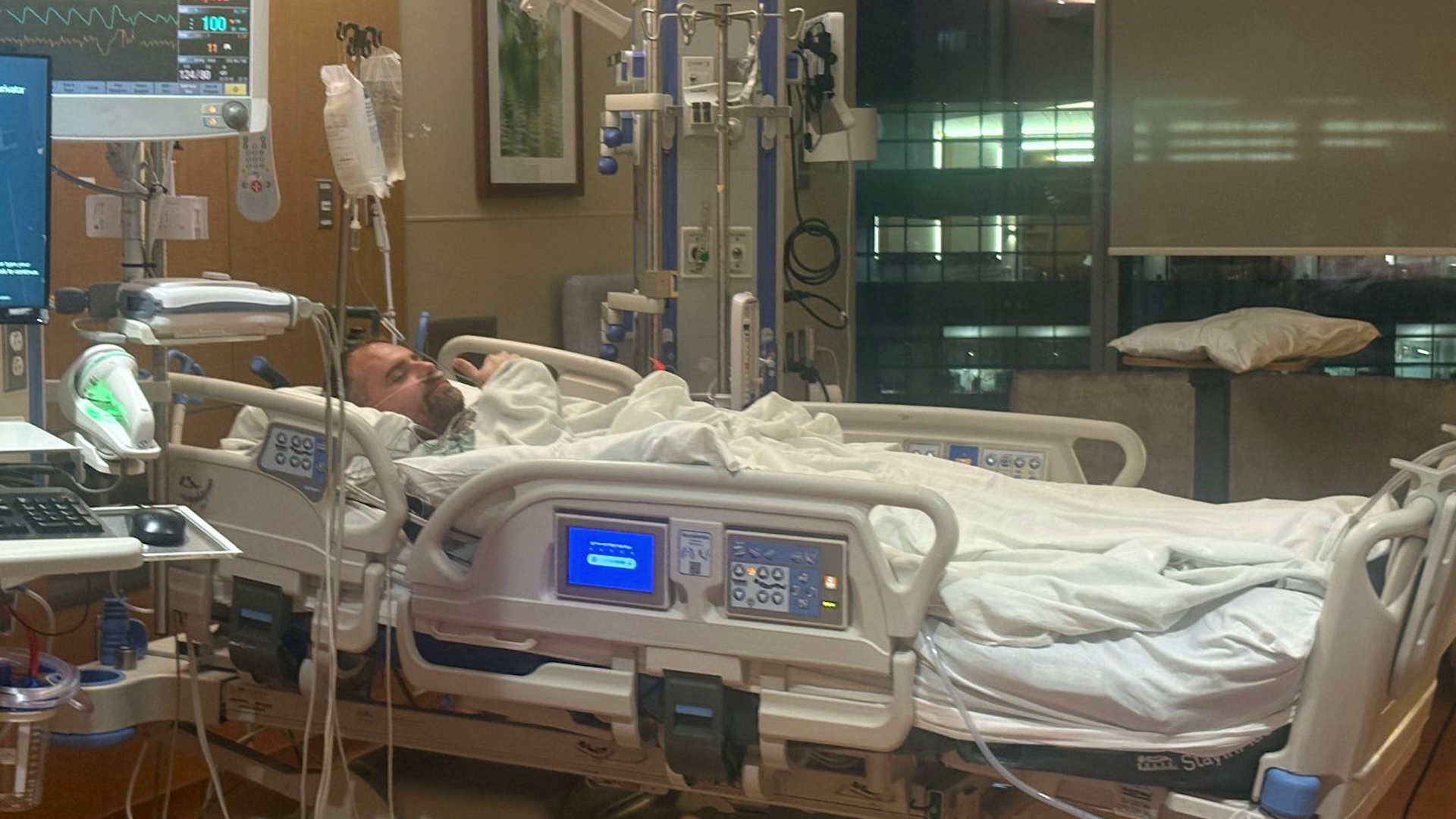
Zipple first discovered the growth during a routine family visit to the United States, where medical teams identified a golf ball-sized mass growing in his brain. He was transferred to a Houston medical facility for urgent surgery, and after weeks of public uncertainty and collective prayer from supporters across the globe, the procedure has been declared a full success.
Currently recovering in the hospital’s Neuro Intensive Care Unit, Zipple told local Belizean outlet News Five that initial testing points to the tumor being non-cancerous. While medical teams are still waiting on final biopsy results to confirm the diagnosis, clinicians note that the specific type of tumor Zipple developed is very rarely malignant.
In an interview from his hospital bed, Zipple highlighted that his pre-existing strong physical health has already accelerated his healing process. He used his experience to encourage Belizeans to prioritize regular physical activity, noting that attending daily walks at Belize’s Marion Jones Sports Complex and staying active put him in an ideal position to bounce back from major surgery. Pointing to the incision from the procedure, he acknowledged the size of the removed tumor but emphasized that positive early outcomes have eased most immediate concerns.
Beyond medical progress, Zipple said he has been deeply moved by the outpouring of support he has received from Belizean communities at home and living abroad. Having spent years serving his community as a priest, offering prayers and support to parishioners facing crisis, he called the experience of being on the receiving end of that collective care “overwhelming” in the best sense.
“Belize is more than a nation—it’s a big family,” Zipple reflected. “People care for one another, love one another, and pray for one another when hardship hits. You don’t see that level of connection everywhere, and I hope we never take that for granted.”
Clinicians initially projected Zipple would need up to two months of recovery before he could travel back to Belize, but his faster-than-expected progress has put an earlier return within reach. Zipple told reporters he is already aiming to be back home and resuming his pastoral work within roughly four weeks. He closed his interview by extending deep gratitude to every person who offered prayers, good wishes and support during his health ordeal.
-
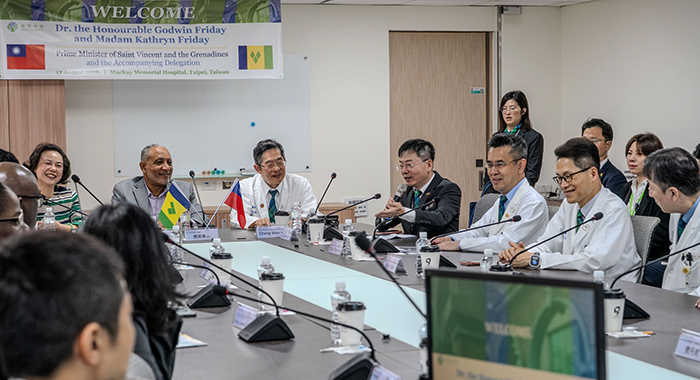
Leading Taiwan hospital sends team to SVG as relations enter new phase
A long-standing cross-border healthcare collaboration is entering a new phase this month, as a clinical and technical team from Taiwan’s Mackay Memorial Hospital (MMH) prepares to depart for St. Vincent and the Grenadines (SVG) early next week to advance joint medical work. The upcoming mission comes as SVG’s Prime Minister Godwin Friday leads a nine-member official delegation on a visit to Taiwan, where the delegation met with MMH leadership this week to discuss expanding the decade-long partnership with SVG’s Milton Cato Memorial Hospital (MCMH).
During the meeting at MMH in Taipei, MMH Superintendent Dr. Wen-Han Chang reaffirmed the institution’s core founding mission: to deliver medical expertise and care to communities facing unmet needs, regardless of external circumstances. MMH Hospital Affairs Management Department Director Dr. Wade Tsai, who will join the traveling team to SVG’s capital Kingstown, noted that the partnership between the two hospitals has already endured 10 years across changes in political leadership on both sides. He emphasized that MMH’s work is rooted in medical commitment rather than political influence, and the hospital is eager to continue the collaboration with SVG’s new administration.
The core focus of the upcoming mission will be supporting the development of SVG’s national Health Information System (HIS). Dr. Tsai explained that while software engineers can build the technical framework of a health data system, its real-world functionality depends on feedback from frontline medical workers—such as nurses caring for multiple patients in the early hours of the morning. Drawing on MMH’s years of hands-on experience implementing and refining its own HIS, the team will work with local staff at MCMH to co-design a practical, locally tailored system that meets SVG’s specific healthcare needs.
Prime Minister Friday praised MMH’s decade of contributions to SVG’s healthcare sector, calling the institution’s “go where there is need” ethos an inspiring example. He highlighted that SVG is currently working to complete construction of a new modern hospital in Arnos Vale, and emphasized that a high-quality healthcare facility requires more than just new infrastructure—it needs the technical skill, service dedication, and patient-centered commitment that MMH has demonstrated through the partnership. “There’s a lot we can learn from you,” Friday said, extending an invitation for MMH to continue its collaborative work in SVG.
The prime minister specifically called out MMH’s prior work on diabetes management as particularly impactful for SVG, where diabetes and hypertension are major public health challenges. He noted that many working-age Vincentians have suffered preventable amputations due to complications from diabetes, leaving them reliant on social support, making improved care for the condition a top national priority. Friday also highlighted MMH’s contributions to emergency care capacity building, and added that SVG’s small population makes it economically unfeasible to maintain full in-country specialized care for rare diseases, so regular visits from outside specialists like those MMH provides fill a critical gap in care.
In addition to the work in SVG, SVG’s Ambassador to Taiwan Kenton X. Chance also thanked MMH for its consistent care of Vincentian residents and visitors in northern Taiwan. Chance shared that he personally relied on MMH’s medical services multiple times while studying in Taiwan between 2006 and 2012, and can personally attest to the high quality of care the hospital provides. He added that he will return to MMH for his next routine health check-up, a testament to the long-standing trust between the institution and the local Vincentian community.
-
Why did seven respiratory viruses compete in the Dominican Republic during 2025?
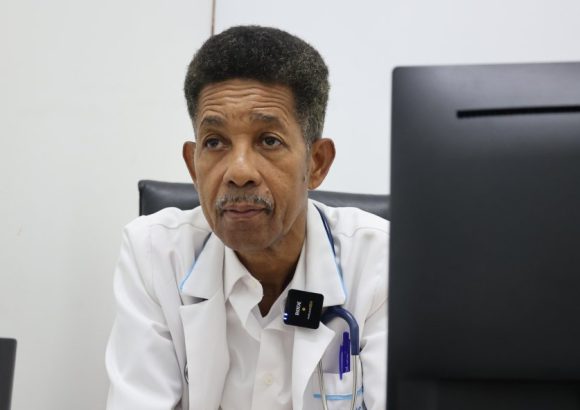
Leading Dominican epidemiologist Clemente Terrero has framed 2025 as a year defined by widespread viral respiratory infection activity across the Dominican Republic, in an exclusive interview with local newspaper Hoy.
According to Terrero, the country’s public health landscape grew unusually complex throughout the year, with as many as seven distinct respiratory viruses circulating in the population at the same time. The dominant pathogens driving the surge were influenza, COVID-19, respiratory syncytial virus (RSV), and a range of other common respiratory pathogens, which collectively created a far-reaching public health burden.
The specialist traced this sharp rise in respiratory virus circulation directly to long-term shifts triggered by the COVID-19 pandemic. During more than two years of widespread social isolation and pandemic mitigation measures, transmission of these common respiratory viruses dropped dramatically, leaving a larger portion of the population with no recent exposure or built-up immunity. Once global and local social activities resumed, the suppressed viruses rebounded rapidly, driving the large-scale surge seen in 2025. Terrero emphasized this rebound effect is not unique to the Dominican Republic, noting the same pattern has been documented in other nations including Spain and China.
Of all the circulating respiratory viruses, influenza emerged as the most prevalent illness of 2025, with children and young adults bearing the brunt of infections. Co-circulation with multiple other respiratory pathogens pushed up rates of outpatient medical visits and hospital admissions across the country’s healthcare system, placing added strain on public health infrastructure.
Beyond respiratory infections, Terrero’s analysis outlined a shifting landscape for mosquito-borne disease in the Dominican Republic. The country recorded its worst-ever dengue epidemic in 2023, with more than 27,000 confirmed cases recorded across the nation. But after the 2023 outbreak, driven by dengue virus serotype 3, the virus largely stopped circulating as the population of susceptible people was depleted. Terrero noted that he did not encounter a single confirmed dengue case from January 2025 until just one week before his interview, marking an extraordinary lull after the historic 2023 surge.
Despite this current pause, Terrero issued a warning that a new serotype, serotype 2, which has not previously circulated widely in the Dominican Republic, could trigger a new large-scale outbreak in the near future. This lull in 2025 also aligns with broader regional trends across Latin America, which saw total dengue cases jump from 2 million to more than 10 million in 2023, marking an unprecedented public health crisis across the region.
Another growing concern highlighted in Terrero’s analysis is the sharp increase in leptospirosis cases across the Dominican Republic in 2025. The bacterial disease, which spreads through contact with water contaminated with animal urine, disproportionately impacted working-age young adults and rural communities. Both total incidence and mortality rates from leptospirosis exceeded levels recorded in previous years, solidifying its status as one of the country’s most pressing ongoing epidemiological challenges.
Breaking down the impact of 2025’s disease activity by age group, Terrero explained that respiratory pathogens such as influenza and RSV primarily affected children and young adults, while leptospirosis hit working-age adults hardest. Dengue, by contrast, tends to spread fairly evenly across most demographic groups, though the 2023 epidemic saw a disproportionate impact on children under 15 years old.
Framing 2025 as a critical period of epidemiological transition for the Dominican Republic, Terrero summarized the year as a mix of shifting threats: respiratory viruses dominated national disease activity, dengue entered an unexpected lull after its 2023 peak, and leptospirosis emerged as a growing risk. To address these dynamic changes, he concluded that the country must prioritize strengthening national epidemiological surveillance systems, expanding environmental prevention measures for vector-borne and waterborne diseases, and sustaining high coverage of immunization for all vaccine-preventable respiratory diseases. “These changes require us to be prepared, because epidemiology is dynamic and viruses always find a way to return,” Terrero emphasized.
-
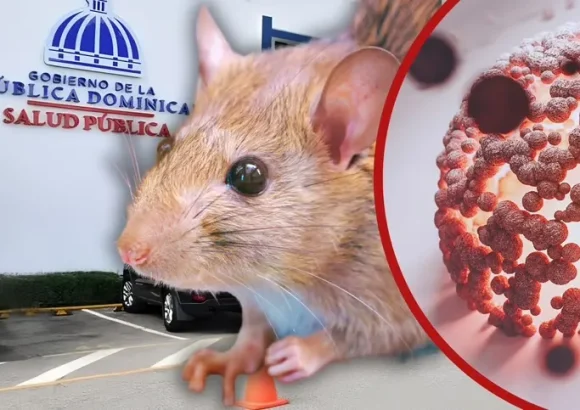
19 people have died from leptospirosis so far this year in the Dominican Republic
Leptospirosis, a preventable yet potentially deadly bacterial disease, has claimed 19 lives in the Dominican Republic in the first months of this year, according to leading national epidemiologist Héctor Balcácer. As of the latest public health update, the country has confirmed approximately 260 diagnosed cases of the infection across multiple regions, marking a significant public health concern for local health authorities.
In a public briefing outlining the current outbreak status, Balcácer detailed the core mechanisms of leptospirosis transmission. The disease spreads when humans come into direct or indirect contact with urine from animals carrying the pathogenic bacterium Leptospira. Contrary to common public misconceptions that only rats and other urban rodents carry the infection, the specialist emphasized that any mammal carrying the bacteria can transmit the disease to humans. This includes domestic animals, livestock, and wild mammals that may come into contact with shared water sources, soil, or food supplies used by local communities.
Public health officials have urged residents to take proactive precautions, such as avoiding contact with stagnant water in flood-prone areas, practicing proper hand hygiene after handling animals, and sealing food storage to prevent contamination by wildlife. The current case count underscores ongoing challenges in controlling environmental transmission of the disease in tropical regions, where warm, wet conditions can support bacterial survival outside of animal hosts.
-
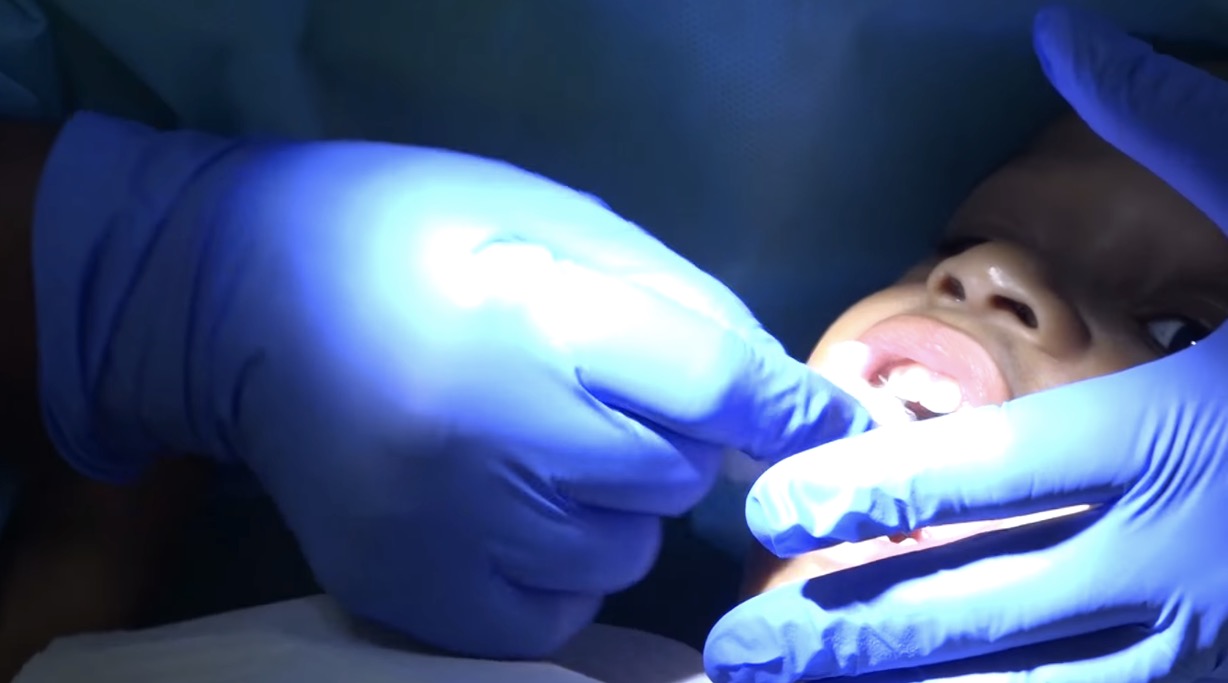
Mobile dental bus brings oral health services to children
As summer break unfolds across Saint Lucia, a new public health initiative is bringing essential oral health services out of fixed clinics and straight to the children and teens enjoying summer camp across the island’s northern region. The Ministry of Health’s Dental Services Unit has launched a first-of-its-kind outreach program, leveraging a fully outfitted mobile dental bus to serve camp communities over the coming weeks.
The core goal of this pilot outreach is simple: to eliminate common barriers that keep children from accessing preventive dental care during the summer months, when school-based health services are not available. Instead of requiring families to travel to off-site clinics or schedule appointments around work and vacation plans, the program brings screenings, cleanings, and basic dental care directly to where children are already gathered for summer activities.
The full scope of services offered on the mobile bus includes comprehensive oral health screenings to catch early signs of decay or gum issues, professional dental cleanings to remove built-up plaque and tartar, and basic restorative treatments such as fillings for minor cavities. For many children attending summer camps in more remote northern communities, this may be the most accessible dental care they have received all year.
Cheryl St Cyr, a veteran dental hygienist with the Ministry of Health, explained that the mobile dental bus represents a major expansion of longstanding public oral health efforts in the country. For years, the ministry has operated smaller mobile dental clinics out of temporary setups in schools, churches, and community centers, bringing basic care to populations that struggle to access fixed clinic services. But the new custom-built bus changes what the team can accomplish.
“We have always had mobile clinics in schools, at churches, at community centres, so that we can do cleaning for people, for children, whoever that would need it,” St Cyr shared in an interview. “Now, with this dedicated mobile bus, we can bring a complete, fully functional dental clinic directly into any community we serve.”
This summer marks the first time the ministry has extended this mobile outreach to summer camps, creating a unique opportunity to reach children when their schedules are far more flexible than during the academic year. Unlike school terms, when camp programs do not conflict with classes or required academic activities, children can receive dental care without missing valuable learning time, making the summer window ideal for this outreach.
St Cyr emphasized that the summer camp program does not replace the Dental Services Unit’s ongoing regular outreach to schools and community centers across the country; instead, it complements that existing work by reaching children in a new setting during a gap in traditional school-based services.
Beyond providing immediate care, a central objective of the initiative is to educate children and their wider communities about the critical role that consistent oral hygiene plays in overall health and well-being. St Cyr broke down the far-reaching impacts of good oral health, noting that healthy teeth do more than just prevent cavities: they support clear speech, enable proper nutrition by allowing people to chew food effectively, and have a major impact on personal confidence and social interaction.
“Our teeth help us to speak. Our teeth help us to eat properly,” she said, adding that oral health also shapes how people feel about smiling and engaging with others, directly influencing self-esteem.
Over the next several weeks, the mobile dental bus will continue its tour, stopping at a series of summer camps across northern Saint Lucia. Program organizers say the pilot is already filling an important gap in care, meeting children where they are to deliver preventive services that many would otherwise go without during the summer break. Early feedback from camp organizers and participants has been positive, with many noting how convenient it is to access care without leaving camp grounds.
Looking ahead, the Dental Services Unit has expressed hope that the successful pilot will pave the way for expansion. Leaders of the initiative hope to eventually extend the mobile dental bus summer camp outreach to more communities across the entire island, bringing accessible preventive care to even more children during summer break.
For now, the team remains focused on delivering high-quality care to children in northern camps, while using the program to advance the ministry’s broader mission: embedding a culture of preventive oral health starting from childhood, and ensuring all Saint Lucians have access to the care they need to maintain healthy smiles for life.
-
UN Deploys More Staff as Ebola Outbreak Worsens in DR Congo
As the world grapples with a rapidly worsening Ebola crisis centered in the Democratic Republic of the Congo, the United Nations has announced a major expansion of its emergency response efforts, including additional staffing and new emergency funding, to counter the deadliest and fastest-growing outbreak in recorded history.
Confirmed cases of the viral disease have now crossed the 4,000 threshold, with the official death toll climbing past 2,100 – a rate that averages one fatality every 30 minutes, according to top UN humanitarian officials. The DRC has remained the epicenter of Africa’s latest Ebola resurgence, with the World Health Organization and partner agencies already working to slow transmission of the hemorrhagic fever, which has a high mortality rate.
In a stark warning issued from Washington D.C., Tom Fletcher, UN Under-Secretary-General for Humanitarian Affairs and Emergency Relief Coordinator, emphasized that the international response must speed up dramatically to match the outbreak’s accelerating spread. “Ebola is winning in the Democratic Republic of the Congo. We cannot let the virus outrun our response,” Fletcher said, adding that the current crisis is unprecedented in its rate of growth. WHO Director-General Dr. Tedros Adhanom Ghebreyesus has previously warned this outbreak is on track to become the deadliest Ebola event the world has ever seen.
Following Fletcher’s convening of an emergency meeting of the Inter-Agency Standing Committee, leaders from the globe’s largest humanitarian organizations reached a consensus to significantly scale up collective international action against the outbreak. Fletcher acknowledged that incremental progress has been made since the UN activated its full humanitarian scale-up in early June 2026. Those advances include stronger on-the-ground leadership, the deployment of a dedicated Senior Ebola Coordinator to streamline cross-agency coordination, and the collection of nearly $300 million in international donor funding for response efforts.
To build on that progress, Fletcher announced an additional $30.5 million in new funding allocated from the UN’s Central Emergency Response Fund (CERF). This new injection of resources follows an initial $24 million CERF package released earlier to support response efforts in the DRC and four neighboring countries at high risk of cross-border transmission. Alongside the new funding, 20 additional experienced personnel have been deployed to frontline response operations to boost on-the-ground capacity.
Despite these expanded commitments, Fletcher stressed that far more action is required from the global community to turn the tide of the outbreak. “We need speed, scale and solidarity before this virus gets even further ahead of us,” he said.
The UN’s revised Ebola response plan prioritizes immediate life-saving action through four core strategic adjustments: doubling the number of teams trained to conduct safe, dignified burials – a critical step in reducing transmission from infected remains – tripling overall treatment capacity for confirmed patients, expanding contact tracing operations to identify and isolate new cases quickly, and deploying additional seasoned emergency managers to coordinate complex response efforts.
Fletcher added that long-term containment also depends on improving access to basic essential services across affected regions, including clean drinking water, sanitation infrastructure, and reliable primary healthcare. With more than 2,000 lives already lost to the virus, he closed by repeating an urgent call for the entire international community to step up action with greater speed and commitment to stop the outbreak before it spreads further beyond the DRC’s borders.
-

National Digital Health Information System successfully deployed at JNF General Hospital
Basseterre, Saint Kitts – August 14, 2026 – The Federation of Saint Kitts and Nevis has reached a transformative turning point in public healthcare, with the successful launch of the National Digital Health Information System (NDHIS) at the country’s leading Joseph N. France (JNF) General Hospital. This deployment forms the core of the government’s broader push to overhaul outdated care delivery models and build a connected, efficient, and patient-focused national health infrastructure.
Health officials announced the milestone during a formal media briefing held on August 13, led by Dr. Jenson Morton, Director of Health Projects and Strategic Initiatives at the Ministry of Health. Dr. Morton emphasized that the NDHIS is far more than a direct replacement for the country’s long-standing paper-based medical record systems. It is designed as a comprehensive, end-to-end platform that unifies disjointed health data across every level of the national healthcare system.
“This digitization effort is not just a tool for hospital staff to streamline their daily work. It is a full-scale, all-encompassing transformation of how we deliver care to every patient across the Federation,” Dr. Morton told reporters.
The project traces its formal origins back to May 2026, when the National Telecommunications Regulatory Commission (NTRC) signed a formal contract with the St. Kitts National Robotics Association to deliver the custom system. The agreement outlined a full scope of work covering design, development, testing, and nationwide implementation, with the explicit goal of raising care standards across Saint Kitts and Nevis.
During the briefing, Dr. Ricardo Neil, Founder and Chairman of the St. Kitts National Robotics Association, walked attendees through a detailed video demonstration of the deployed system, breaking down its core functions and ongoing development work for future modules. Uniquely developed by local tech stakeholders, the NDHIS is built as a fully integrated platform that will eventually consolidate electronic health records, patient billing, pharmaceutical inventory management, supply chain tracking, laboratory results, and radiology imaging records into a single accessible interface. Its architecture is designed to enable seamless data sharing across every department and care setting within the public health system.
Dr. Morton explained that the end goal of the system is to create a fully interconnected health information ecosystem that links JNF General Hospital’s emergency department, inpatient wards, and outpatient clinics with regional government health centers, the broader national public health network, and all participating health facilities across the island of Nevis.
For patients, this cross-facility connectivity will deliver tangible improvements in how quickly critical care teams can access life-saving medical information. Once a patient completes a one-time registration in the NDHIS, their full, up-to-date health record can be pulled up instantly by any authorized care provider across the Federation, Dr. Morton noted.
The system is also projected to boost both patient safety and operational efficiency by eliminating the common burden of patients repeating the same medical history at every new care visit, and cutting the delays that come with hunting down misfiled or stored physical paper records. Critical clinical details, including known drug allergies and prior acute care events, can be automatically flagged for clinicians, enabling faster, more informed care decisions – especially in emergency scenarios where a patient may be unconscious or otherwise unable to communicate their medical background.
To support the rollout of the NDHIS’s initial implementation phase, the Ministry of Education has partnered with the health ministry to provide 50 laptops and 20 tablets to clinical and administrative staff at JNF General Hospital. The devices will provide the core technological infrastructure needed for personnel to adapt to the new system during its early rollout period.