分类: health

  • Caribbean Countries to Get Priority Access to Pandemic Flu Vaccines

    Caribbean Countries to Get Priority Access to Pandemic Flu Vaccines

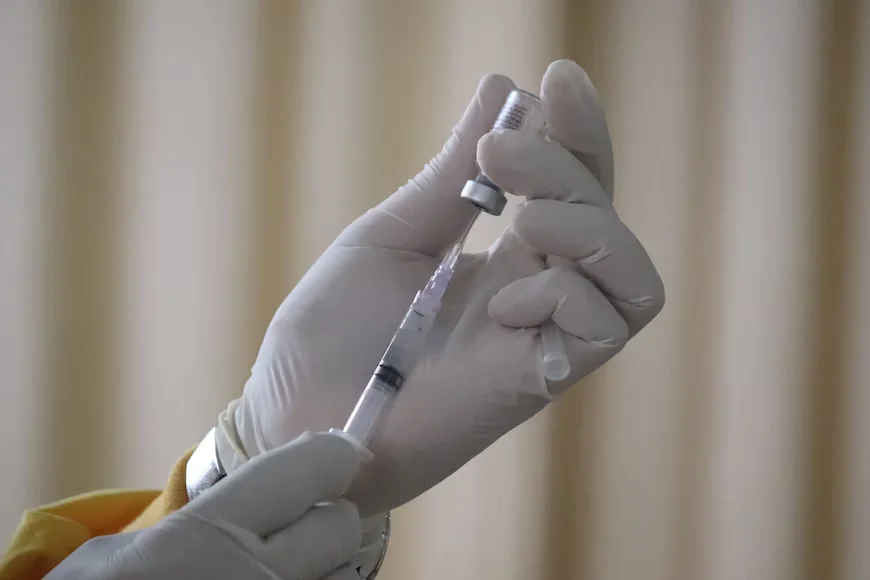
    Against a backdrop of persistent global zoonotic disease threats and hard-won lessons from the COVID-19 pandemic, the Pan American Health Organization (PAHO) has announced a groundbreaking public-private partnership with CSL Seqirus to reserve a dedicated supply of pandemic influenza vaccines for countries across Latin America and the Caribbean. This historic agreement creates a formal, pre-negotiated mechanism that locks in a fixed percentage of CSL Seqirus’ global pandemic influenza vaccine output for participating PAHO member states, guaranteeing eligible nations early access to an pre-allocated initial stock of doses when a public health emergency strikes.

    PAHO Director Dr. Jarbas Barbosa framed the agreement as a direct correction to gaps in global pandemic preparedness exposed by COVID-19, and a transformative leap forward for regional health security across the Americas. “Through our Regional Revolving Funds, countries are joining forces to secure a reserved share of vaccine production, helping protect those at risk when it matters most,” Barbosa explained. Leveraging CSL Seqirus’ decades of specialized experience in influenza research and large-scale vaccine manufacturing, the deal tasks the company with leading vaccine development and supporting targeted technology transfer to build regional capacity.

    A portion of vaccine production will be based at Argentina’s Sinergium Biotech, a partnership that directly addresses another critical lesson from the COVID-19 pandemic: the urgent need to strengthen local manufacturing capabilities and regional supply chain resilience. For CSL Seqirus, the partnership marks a first-of-its-kind commitment to pandemic preparedness in the region, bringing together pre-reserved doses, local production infrastructure, and long-term cross-sector collaboration. “We’re proud to establish this kind of partnership in Latin America and the Caribbean for the first time,” said David Ross, Executive Vice President and General Manager of CSL Seqirus.

    Alejandro Gil, President and CEO of Sinergium Biotech, noted that the collaboration builds on 15 years of capacity building and long-standing partnerships with both PAHO and CSL Seqirus. “The infrastructure and human resource capacities developed at Sinergium over the past 15 years now enable us to guarantee countries in the region access to quality products to respond to future pandemics, in line with the regional strategies defined by PAHO,” Gil said, adding that the work is a source of great pride for the firm.

    Negotiated over 12 months following an international competitive procurement process, the agreement is designed to cut down the timeline for securing life-saving vaccines during a pandemic, when global demand skyrockets and competition for limited supplies leaves many nations locked out. Critically, it is one of the first pre-pandemic supply arrangements specifically tailored to improve access for middle-income countries, which have long faced systemic disadvantages in competitive global vaccine markets.

    PAHO’s Regional Revolving Funds allow participating countries to pool their demand and negotiate as a unified bloc, putting Latin American and Caribbean nations on par with higher-income countries when it comes to securing favorable contract terms. This structure directly advances more equitable access to vaccines in a market that has historically favored wealthy nations. When a pandemic is declared, PAHO will allocate the reserved doses according to epidemiological data and public health risk, with top priority given to the region’s most vulnerable populations. By locking in supply in advance and establishing clear, pre-agreed allocation rules, the agreement shifts the region from a reactive, after-the-fact response model to a proactive, prepared approach.

    Barbosa emphasized that the deal marks an unprecedented shift for the region: “For the first time, countries of the Americas are positioning themselves on more equal footing in a future global health emergency—not as individual markets, but as a region. This agreement shows what is possible when we act together to leverage the power of pooled procurement.” As avian influenza and other emerging zoonotic threats continue to circulate globally, PAHO reiterated that sustained investment in pandemic preparedness remains an urgent public health priority. Virologists and global public health experts consistently identify influenza viruses, particularly those with zoonotic origins, as among the highest probability causes of the next global pandemic.

  • HPV Vaccine Rollout Sparks Renewed Church-State Clash in Schools

    HPV Vaccine Rollout Sparks Renewed Church-State Clash in Schools

    A decade after Belize first introduced the human papillomavirus (HPV) vaccine into its national public health portfolio, a long-simmering dispute between government health authorities and the country’s Catholic Diocese has reignited, putting life-saving immunization access for thousands of primary school girls at the center of a battle over institutional authority, religious values, and public health priorities.

    HPV, a widespread sexually transmitted infection, is conclusively linked to 70% of all cervical cancer cases as well as multiple other aggressive cancers. In 2016, Belize launched its national school-based HPV vaccination program targeting girls aged 9 to 13, a window recommended by the World Health Organization (WHO) to ensure protection before potential exposure to the virus. The initiative was a direct response to a grim public health reality: Belize has long recorded one of the highest cervical cancer mortality rates in Central America, a statistic public health officials have worked for a decade to reverse.

    Dr. Marvin Manzanero, Belize’s Director of Health Services, explained the program’s design in a 2016 briefing that remains relevant to the current rollout. “The WHO suggest that we should be vaccinating girls nine to thirteen years that is before they start to have sexual life. But we had to establish a cohort as we are introducing this and based on the attendance rate that we have from schools, which is where most of the girls of this age group are, the standard four classrooms are the ones being selected.” The current vaccine used in the program protects against strains 16 and 18 of HPV, the two high-risk variants responsible for the majority of cervical cancer diagnoses, Manzanero confirmed. Health officials note that meaningful reductions in cervical cancer mortality will take decades to emerge, as the disease develops slowly over 10 to 15 years after infection.

    This year’s scheduled nationwide immunization round has brought the long-running conflict back to the forefront. Citing longstanding policy established under former Bishop Dorick Wright, the Catholic Diocese has drawn a hard line against hosting the vaccine program in its schools. The Diocese oversees 110 of Belize’s 314 primary schools, meaning nearly 35% of the country’s primary school-aged girls could be blocked from accessing the free, school-based immunization offered through the national program.

    Not all Catholic-affiliated schools are aligning with the Diocesan directive, however. St. Martin De Porres RC School, a Jesuit institution operating outside Diocesan governance, is moving forward with its scheduled May 27 vaccination clinic for Standard Four students, aligning with the national public health schedule. The split reveals growing internal division within Belize’s Catholic community over how to balance institutional religious values with the health needs of students.

    Public health advocates have repeatedly emphasized the vaccine’s life-saving value. The Office of the Special Envoy for the Development of Families and Children issued a formal statement labeling HPV vaccination a critical intervention to protect children from HPV-related life-threatening diseases, including cervical cancer. Despite the public debate, however, none of the key stakeholders—including the Catholic Mission, Ministry of Health and Wellness, Ministry of Education, and Office of the Special Envoy for Women and Children—agreed to on-the-record interviews or clarification about the long-term impacts of the Diocese’s objection for affected students.

    As the scheduled rollout approaches, the stakes of the standoff have grown increasingly clear. Ten years into the program, public health officials anticipated steady progress toward expanding protection and reducing future cancer rates. Instead, access for thousands of eligible girls remains uncertain, with years of planned public health progress hanging in the balance. What was framed as a disagreement over institutional authority has ultimately placed the health of a generation of young Belizean women at the center of an unresolved church-state divide.

  • International Nurses Day 2026

    International Nurses Day 2026

    On May 12, nurses across the Caribbean island nation of Dominica joined healthcare workers around the globe in marking International Nurses Day 2025, anchored by this year’s official theme: “Our Nurses. Our Future. Empowered Nurses Save Lives.”

    As outlined in a recent analysis published by health platform medindia.net, the 2025 theme carries a deliberate, urgent message: sustained investment in supporting, protecting, respecting, and empowering nursing professionals is non-negotiable to strengthening global healthcare systems and improving patient outcomes worldwide.

    A core component of nursing empowerment, the analysis stresses, is prioritizing the physical and mental well-being of nurses themselves. Nursing is an inherently high-strain occupation: long shifting schedules, chronic emotional burnout from supporting vulnerable patients, extended periods of physical standing during procedures and rounds, and constant occupational exposure to infectious and severe illnesses all combine to put nurses’ health at persistent risk. Regular preventive health screenings and routine diagnostic blood work, the report notes, are critical tools that allow nurses to track their own health status, catch emerging concerns early, and access prompt care before conditions escalate.

    The modern observance of International Nurses Day traces its roots back more than half a century. The International Council of Nurses first formalized the global celebration in 1965, and in 1974, May 12 was permanently selected as the official date to honor the birth anniversary of Florence Nightingale, the foundational figure of modern nursing.

    Nightingale’s revolutionary work during the Crimean War redefined what nursing could be, shifting public perception from a marginalized trade to a respected professional field. By centering her practice on evidence-based patient care, strict clinical hygiene standards, and formal structured training for nursing staff, Nightingale laid the intellectual and operational groundwork for the modern nursing practices that underpin global healthcare today.

    Today’s International Nurses Day celebration honors the vast diversity of the nursing workforce, which serves across every corner of the health sector. From emergency and critical care units to maternity wards, community health clinics, pediatric practices, geriatric care facilities, preventive health programs, and mental health services, nurses work across every specialty to keep healthcare systems running. For most patients, nurses are the first and most frequent healthcare provider they interact with, making their work a direct determinant of patient comfort, treatment outcomes, trust in care, and overall safety.

    The scope of nursing work extends far beyond the clinical tasks outlined in job descriptions. On a day-to-day basis, nurses carry core responsibilities including tracking patient symptoms and vital signs, administering prescribed medications, supporting clinician treatment plans, assisting doctors during surgical and medical procedures, and educating patients on test protocols, medication management, post-treatment recovery, and therapeutic dietary adjustments. They also serve as critical emotional supports for patients and their families, providing clear, compassionate communication to reduce anxiety, help patients feel secure during illness and treatment, spot early warning signs of deteriorating health, and lead institutional and public education on infection control, hygiene, and preventive health habits.

    Beyond these technical duties, the analysis emphasizes that nursing is defined by its human core. Every day, nurses bring irreplaceable empathy, emotional resilience, sharp observational skills, and genuine compassion to patient care – qualities that no technological advancement can replicate, and that form the backbone of safe, effective healthcare.

    As Dominica joins the world in honoring the nursing workforce this International Nurses Day, the 2025 theme serves as a global reminder: empowered, supported nurses are not just a benefit to the profession – they are the foundation of a healthy, resilient future for communities everywhere.

  • Spain Confirms New Hantavirus Case as Cruise Ship Outbreak Grows to 11

    Spain Confirms New Hantavirus Case as Cruise Ship Outbreak Grows to 11

    On May 12, 2026, Spanish health authorities officially confirmed an additional case of hantavirus linked to the outbreak aboard the Dutch-operated expedition cruise vessel MV Hondius, pushing the total number of confirmed infections connected to the ship to 11, three of which have resulted in death.

    The newly confirmed patient is a Spanish citizen who had been placed under medical observation at Madrid’s Gómez Ulla Hospital. According to an official statement from Spain’s Ministry of Health, the patient recorded an initial preliminary positive result before the diagnosis was formally finalized on Tuesday. Contrary to earlier reports that indicated the patient’s symptoms were worsening, authorities confirmed that the individual is currently in stable condition. The ministry also added that 13 other passengers who were undergoing monitoring at the same Madrid facility have returned negative hantavirus test results.

    Passengers holding Spanish nationality who were aboard the MV Hondius were among the first group to disembark the vessel at the Canary Island port of Tenerife on Sunday. After disembarkation, they were immediately transferred to a military hospital to undergo mandatory isolation and comprehensive public health evaluations.

    The outbreak on the expedition cruise ship has sparked international public health concern, after the World Health Organization (WHO) verified the full 11-case count linked to the vessel. Nine of the confirmed infections have been identified as the Andes hantavirus strain, a particularly pathogenic variant of the virus. All documented cases to date are either passengers or crew members who were aboard the MV Hondius.

    In a public health update, WHO officials noted that as of the latest assessment, there is no evidence indicating that the outbreak is spreading beyond individuals who had direct exposure to the cruise ship. Public health teams across Spain and international health bodies continue to monitor all monitored individuals closely to prevent any potential secondary spread of the virus.

  • Health minister announces expansion in nurse training, specialisations

    Health minister announces expansion in nurse training, specialisations

    On the annual observation of International Nurses Day, the Government of Barbados has delivered a heartfelt public tribute to the nation’s nursing workforce, framing them as the very “heartbeat” of the country’s public health system while making a formal reaffirmation of its long-term commitment to growing and supporting the profession for future generations.

    This year’s global observance carries the theme *Our Nurses. Our Future: Empowered Nurses Save Lives*, a framing that Barbados’ Minister of Health, Senator Lisa Cummins, centered in her official message celebrating the work of nurses across the country. In her remarks, Cummins highlighted four core traits that define the nation’s nurses: extraordinary compassion, remarkable resilience, unwavering professionalism, and consistent dedication to serving communities at their most vulnerable moments.

    Beyond recognizing the clinical skill that nurses bring to patient care, Cummins emphasized the often-overlooked human impact of nursing work, noting that providers bring critical hope and connection to both patients and their families during some of life’s hardest moments. “Your service is not simply a profession; it is a calling rooted in care, sacrifice and deep compassion for others,” she said in her address.

    In the full statement released to the public, Cummins opened by urging all Barbadians to pause and reflect on the outsized impact of the country’s nursing community. “On International Nurses Day, we pause with immense pride and gratitude to honour the extraordinary nurses of Barbados, whose compassion, resilience, and unwavering dedication continue to strengthen our healthcare system and uplift the lives of countless individuals and families across our nation,” the statement reads.

    Aligning with the global theme, the minister stressed that celebration extends far beyond clinical skill, to the comfort and humanity nurses deliver to patients every day. “Nurses are often present during life’s most vulnerable moments, offering healing hands, reassuring words, and steadfast support when it is needed most,” she added.

    Cummins also used the address to extend special recognition to a cohort of nurses who have traveled from Ghana to support Barbados’ healthcare sector at a time of significant strain. She noted that their willingness to collaborate and serve alongside local nursing staff is a powerful example of international solidarity and the shared commitment that unites the global nursing community. “We honour you for your service and your commitment to improving the health and wellbeing of our people,” she said of the Ghanaian nursing team.

    As Barbados confronts a growing array of complex public health challenges—including rising rates of non-communicable diseases, growing demand for mental health services, the re-emergence of treatable communicable diseases, and shifting care needs driven by an aging national population—nurses remain the core of the country’s public health response, Cummins confirmed. The government, she added, has fully acknowledged the irreplaceable role nurses play, and has committed to investing in and supporting the profession at every career stage.

    To deliver on that commitment, the government will continue rolling out a comprehensive workforce development policy designed to expand the number of trained nursing professionals across the country, with a specific focus on growing the ranks of nurse practitioners, a fast-expanding specialty that fills critical gaps in care access. “We firmly believe that empowering nurses through advanced education, specialist training, and leadership opportunities is essential to building a stronger, more responsive healthcare system,” the statement explains.

    This year marks a notable milestone for nursing training in Barbados, with the launch of all-new specialized nursing education tracks focused on two high-need areas: forensic mental health and developmental disorders. These new programs, Cummins noted, are a tangible demonstration of the government’s commitment to adapting national healthcare to meet the evolving and diverse needs of Barbadian communities, while also creating new pathways for upward professional growth for current and aspiring nurses.

    Additionally, the government is actively building new international partnerships to expand and strengthen nursing education programming at the Barbados Community College. Through these partnerships, experienced nursing educators from around the world will be brought in to support and enhance local training programs.

    These coordinated efforts do more than address immediate local healthcare needs, Cummins argued: they position Barbados to become a regional center of excellence for nursing education and professional training across the Caribbean. Beyond improving regional healthcare capacity, the expanded programs will create new, meaningful career pathways for young Barbadians, with internationally recognized qualifications that open doors for professional mobility and advancement across the entire region.

    Nurses and midwives, the minister emphasized, remain at the center of the government’s vision for universal health coverage that guarantees equitable access to high-quality care for all Barbadians. True nurse empowerment, she argued, cannot be limited to a single day of annual observance. Instead, it must be embedded in every level of government action, investment, and policy. That means ensuring nurses receive the respect, fair compensation, workplace protections, and advancement opportunities they need to thrive both personally and professionally.

    “The Government of Barbados stands firmly beside our nurses and remains committed to strengthening nursing as a pillar of care, dignity, resilience, and national development,” the statement concludes. “Barbados takes immense pride in its nurses, whose service exemplifies courage, professionalism, leadership, and an enduring legacy of care. On this International Nurses Day, we celebrate you, we honour you, and we reaffirm our commitment to walking this journey with you as partners in building a healthier and more compassionate future for all Barbadians. Happy International Nurses Day.”

  • Social media shield

    Social media shield

    Jamaica is set to embark on a comprehensive, research-backed effort to develop potential age-based regulations for children’s social media use, addressing growing public health concerns about the platform’s harmful impacts on young people’s mental wellbeing. Health and Wellness Minister Dr. Christopher Tufton outlined the initiative Tuesday during his 2026-27 Sectoral Debate address to Jamaica’s House of Representatives.

    The full scope of the two-year project falls under the government’s Community Arranged Response Efforts (CARE) Agenda, a $500-million initiative dedicated to addressing pressing family and community health challenges across the island. Beyond social media regulation, the agenda will also tackle other critical public health priorities: a rapidly aging national population, declining fertility rates, and unmet needs in women’s health.

    “We will examine the threats and opportunities for new and emerging policies to support holistic health, to protect the vulnerable and enhance quality and longevity of life,” Tufton told lawmakers. “We will start with our CARE Agenda to highlight and influence critical determinants of better family and community health.”

    Turning to the specific crisis of unregulated youth social media access, Tufton called on Parliament to first acknowledge the role lawmakers themselves play in amplifying toxic online content. “In this House we encourage it at times. We go on some of these programmes, we promote some of the toxicity that is being promulgated; the hate, the vitriol and, unknowingly, maybe… we’re doing harm not just to ourselves but to those we’re trying to provide leadership for,” he said.

    Tufton stressed that the time for inaction has passed, noting that Jamaica currently lacks any coordinated national response to what he frames as a growing public health threat. The first step in the government’s roadmap will be a national study to capture public perceptions of social media regulation for minors. Once that research is complete, the administration will move to develop a formal policy framework, weighing regulatory options and engaging a broad range of key stakeholders—including parents, educators, youth representatives, and major social media platform providers.

    “The time has come to use research-based policy formulation to determine age-based regulation, platform accountability, national digital health guidelines, school-based digital wellness education, expanded youth mental health services, public awareness campaigns for caregivers, and a national surveillance system to track usage patterns and mental health outcomes,” Tufton said. “We will translate these evidence-based findings into a clear policy framework… to ensure that any measures introduced are balanced, practical, and in the best interest of our children.”

    Citing recent national data, Tufton underscored the urgency of action: social media usage is widespread across Jamaica, with more than 1 million users on Instagram and roughly 1.6 million on Facebook as of late 2025, with usage highest among the 25 to 34 age demographic. While the minister acknowledged that social media has delivered tangible benefits—revolutionizing communication, expanding professional networks, and creating new entrepreneurship opportunities—he emphasized that it has also triggered measurable social and psychological harm, particularly for young Jamaicans.

    Local data shows 64% of children aged 0 to 14 report negative impacts on their mental health from social media use, while 47% of 15 to 19 year-old adolescents report similar harms. The risk grows with usage: children spending more than three hours daily on social media are twice as likely to experience mental health challenges. Across the broader Caribbean region, rates of cyberbullying, non-consensual explicit messaging, emotional distress, and suicidal ideation linked to social media have risen sharply, cementing the issue’s status as a regional public health crisis rather than a purely technological concern.

    Jamaica’s push for regulation aligns with a growing global trend of government intervention to protect minors online. Multiple countries have already implemented formal age restrictions: Australia requires users to be at least 16, while Denmark, France, and Indonesia have set a minimum age of 15. Other nations including Spain, Greece, Norway, and Austria are currently evaluating similar policies. Broader regulatory regimes, such as the United Kingdom’s Online Safety Act, already mandate that platforms remove addictive design features like infinite scrolling and autoplay, enforce age verification, and actively monitor harmful content, with steep financial penalties for companies that fail to comply.

    Right now, however, Tufton described Jamaica’s current social media landscape as a “free-for-all”. Recent 2025-2026 local research confirms a strong causal link between heavy social media use and rising rates of anxiety, depression, and digital addiction, with young people and professional content creators disproportionately affected.

    Jamaicans under 24 spend an average of six hours per day on social media—double the average three hours for senior citizens and two hours more than the average for adults. For full-time content creators, the harms are even more pronounced: 42% report clinical anxiety, 38% experience depressive symptoms including persistent low mood and irritability, and 47% suffer from burnout driven by constant pressure to maintain an engaging online persona and secure income through content output.

    Tufton also highlighted the cultural harm of unregulated social media in Jamaica: 36% of local content creators produce material centered on physical altercations, while 29% engage in aggressive online behavior, contributing to a national cultural shift toward normalized vulgarity and harmful content.

    To move the entire CARE Agenda forward, the Ministry of Health and Wellness will open a call for proposals on June 15, 2026, inviting civil society and research organizations across Jamaica to partner in the initiative to address these growing societal risks.

  • Tufton announces $1-b Health Infrastructure Maintenance Fund

    Tufton announces $1-b Health Infrastructure Maintenance Fund

    As Jamaica pushes forward with a nationwide program to upgrade and expand public hospitals and community health centers, national officials have unveiled a landmark $1-billion initiative to address longstanding gaps in the upkeep of critical medical equipment and facility systems. Health and Wellness Minister Dr. Christopher Tufton made the formal announcement of the new Health Infrastructure Maintenance Fund (HIMF) Tuesday, during his address to the 2026-27 Sectoral Debate held in Jamaica’s House of Representatives.

    Tufton emphasized that the fund is designed to correct a repeated past mistake that has undermined Jamaica’s public health system: investing billions in new construction and upgrades while failing to allocate sufficient resources for ongoing maintenance. He framed the HIMF as a transformative shift toward a more organized, proactive framework for managing public health infrastructure across the country.

    Under the plan, the HIMF will be funded through an earmarked portion of the national annual health budget, with resources allocated to both scheduled routine maintenance and emergency repairs for unexpected system failures. The initiative outlines three core operational priorities: building a centralized, comprehensive baseline inventory of all equipment and facility systems, rolling out standardized routine maintenance schedules across all public health sites, and outsourcing monitoring and maintenance services for high-need critical systems. These priority systems include mechanical infrastructure, electrical networks, plumbing, heating, ventilation and air conditioning (HVAC), and building elevators.

    “The intention is to develop operational manuals and a terms of reference and performance criteria with critical success factors and outsource the routine maintenance of these specific functions for our health facilities,” Tufton explained to parliamentary representatives.

    Preparatory work for the fund is already underway, housed within the Ministry of Health and Wellness’ Health Infrastructure Planning and Project Management Division. To lead the development of the new program, St. Andrade Sinclair, the former regional director of the Western Regional Health Authority, has been reassigned to the ministry’s central headquarters to oversee the rollout process.

    Per the ministry’s timeline, the 2025-2026 financial year will be dedicated to completing foundational work, including a free pilot program to test operational frameworks, ahead of a full national launch in the subsequent financial year. Roughly $1 billion has already been set aside in the current fiscal year’s budget to launch the initiative. Tufton stressed that the proactive maintenance model is critical to eliminating the unplanned equipment and facility breakdowns that have disrupted patient care for years, noting that such disruptions are entirely avoidable with proper advance planning.

  • Hantavirus Outbreak at Sea Prompts Monitoring Across Caribbean Ports

    Hantavirus Outbreak at Sea Prompts Monitoring Across Caribbean Ports

    In response to a deadly hantavirus outbreak linked to a transatlantic cruise voyage, public health authorities across the Caribbean have activated enhanced monitoring protocols at all regional ports of entry, even as officials stress the overall public risk remains low and urge the public to avoid unnecessary panic.

    The incident unfolded aboard the MV Hondius, a vessel carrying 147 passengers and crew members representing more than 20 nations. As of the latest update on May 11, 2026, the vessel has recorded eight total cases: three laboratory-confirmed hantavirus infections and five suspected cases, with three fatalities reported so far.

    Epidemiological investigators are still working to trace the origin of the exposure, with two leading hypotheses under active examination: whether infected individuals contracted the virus before boarding the ship in Argentina, or whether transmission occurred during the open ocean voyage.

    The Caribbean Public Health Agency (CARPHA), the regional public health governing body, has confirmed that as of now, there is no evidence of local hantavirus transmission within any Caribbean member state. Despite this reassuring finding, officials are prioritizing precautionary measures, ramping up screening and surveillance at all ports to catch any potential imported cases early.

    Dr. Lisa Indar, Executive Director of CARPHA, explained the scientific context that underpins the agency’s risk assessment. “Based on the evidence available, the rodent species that maintains this virus in nature is not present in the Caribbean. Therefore there is no established local route of transmission in our region,” Indar stated. She added that rare human-to-human hantavirus transmission only occurs through prolonged, close contact with an infected individual, and the virus has an incubation period ranging from one to six weeks after exposure. Currently, there are no approved antiviral treatments or licensed vaccines for hantavirus; clinical care focuses on supportive interventions such as oxygen therapy and close intensive monitoring of patient symptoms.

    “CARPHA advises our member states to remain vigilant but not alarmed,” Indar said. The agency’s regionally adapted early warning surveillance and laboratory network is already actively tracking the situation, with the capacity to rapidly detect and respond to any new cases that emerge. CARPHA also noted it is committed to maintaining proactive, transparent communication with member state health authorities and the general public, prioritizing accurate information sharing to curb the spread of dangerous misinformation about the outbreak.

  • CARPHA seeks to calm fears over cruise ship hantavirus outbreak

    CARPHA seeks to calm fears over cruise ship hantavirus outbreak

    As global attention and widespread online misinformation fuel growing public anxiety over a hantavirus outbreak tied to a European cruise ship, Caribbean public health leaders have moved quickly to reassure communities, emphasizing that the overall health risk to the region remains minimal despite the three confirmed deaths linked to the incident.

    During a formal media briefing on the Andes hantavirus strain at the center of the outbreak, Dr. Lisa Indar, Executive Director of the Caribbean Public Health Agency (CARPHA), outlined that coordinated regional and international health bodies are maintaining continuous, close monitoring of the evolving situation. The outbreak traces back to the Dutch-flagged cruise vessel MV Hondius, which departed Argentina on April 1 carrying roughly 150 passengers and crew members hailing from at least 28 nations, including the Philippines, the United States, the United Kingdom, and the Netherlands. The first official alert of a cluster of unexplained respiratory illnesses was submitted on May 2 by the United Kingdom’s International Health Regulations focal point, prompting the World Health Organization (WHO) and Dutch public health authorities to immediately implement strict, targeted infection control and monitoring protocols.

    As of the morning of May 11, WHO has documented a total of eight cases, combining both confirmed and suspected infections, with three fatalities recorded. A number of passengers and crew have already disembarked or been medically evacuated across multiple different jurisdictions, triggering large-scale international contact tracing operations to identify and monitor any potential exposed individuals.

    Indar took the briefing to clarify key facts about hantaviruses to counter misinformation spreading across social media. Most hantavirus strains are transmitted exclusively to humans through contact with infected rodents or their bodily excretions, including droppings, urine, and saliva. However, the Andes strain involved in this outbreak is a unique exception: it is the only documented hantavirus strain capable of limited person-to-person spread, a detail that has been distorted in many unvetted online posts.

    One prominent false rumor circulating across regional social platforms claimed that a passenger from the Federation of Saint Kitts and Nevis had contracted the virus during the voyage. Indar directly refuted this claim, confirming that the nation’s Chief Medical Officer had already issued an official statement confirming no suspected or confirmed cases of hantavirus linked to the outbreak have been identified in the country. “There has been a lot of misinformation that has been going out,” Indar told reporters, urging the public to prioritize verified, scientific information over unsubstantiated speculation. She emphasized that “based on the scientific evidence, the risk remains low” for the Caribbean, adding that CARPHA remains extremely diligent in its monitoring and would be the first to alert the regional public if the situation changes unexpectedly.

    Dr. Horace Cox, CARPHA’s Director of Surveillance, Disease Prevention and Control, echoed Indar’s message, calling for measured vigilance rather than widespread panic. “Our message to the public is that even though the risk at this moment based on evidence available to us is low, we do encourage that they implement the public health measures and actions that we have included in our media releases,” Cox said. He noted that basic practices including consistent rodent control and routine hand hygiene are critical preventive measures not only for hantavirus, but also for other common rodent-borne illnesses such as leptospirosis. Amid what he described as a “deluge of information” online, Cox encouraged the public to seek updates exclusively from trusted sources, including CARPHA’s official website and established regional public health institutions.

    Globally, hantaviruses are a family of viruses primarily hosted by wild rodents. Human infection most often occurs when individuals inhale aerosolized particles contaminated with rodent excretions, which can lead to hantavirus pulmonary syndrome, a severe respiratory condition that can be fatal in some cases. While the Andes strain’s limited ability to spread between people makes this cruise-linked outbreak unusual, global health bodies have repeatedly reaffirmed that the overall international public health risk remains low at this time.

  • Health Authorities Stress Importance of HPV Vaccine for Children

    Health Authorities Stress Importance of HPV Vaccine for Children

    As of May 11, 2026, top health and child development officials in Belize are renewing a urgent national call to action, urging parents across the country to prioritize the HPV vaccine for their school-age children to prevent life-threatening cancers that have devastated local communities for generations.

    Special Envoy Rossana Briceño, who leads the Office of the Special Envoy for the Development of Families and Children, emphasized that the Human Papillomavirus vaccine is a proven, safe and highly effective public health intervention that protects not just individual children, but the long-term well-being of entire Belizean families. HPV is globally recognized as the primary cause of cervical cancer, a preventable disease that continues to disproportionately harm women and their loved ones across Belize and the entire Central American region. Briceño noted that early childhood vaccination creates a protective barrier decades before most people would otherwise be exposed to the virus, cutting off the potential for cancer development at its root.

    “By vaccinating children early, we are helping to protect future generations from a disease that has caused immeasurable pain to families across Belize,” Briceño shared in an official public statement. Acknowledging that a small number of individuals and religious organizations have raised personal concerns about the vaccine, Briceño reaffirmed that protecting children from a entirely preventable illness must stand as a non-negotiable national health priority. She extended a broad invitation to all sectors of Belizean society—including school administrators, faith leaders, community organizers, parents and guardians—to align behind national vaccination goals that aim to eliminate HPV-related cancers over time.

    Belize’s Ministry of Health and Wellness has already operated school-based HPV vaccination initiatives for multiple years, with consistent outreach to bring services directly to students. Under the existing program, registered nurses travel to primary schools across every region of the country to offer the vaccine primarily to Standard Four students, with additional access provided to older students in Standards Five and Six who missed their initial dose opportunity.

    Public health experts explain that school-based delivery models carry unique advantages for early vaccination campaigns. By bringing services directly to students, programs eliminate common barriers like transportation costs and scheduling conflicts that prevent many families from accessing preventive care on their own. This approach also ensures that large cohorts of children can gain full protection years before they face potential exposure to HPV through sexual activity later in adolescence and adulthood, maximizing the vaccine’s effectiveness at reducing population-level cancer rates.