分类: health

  • National conference to tackle diabetes, hypertension crisis

    National conference to tackle diabetes, hypertension crisis

    Barbados is mobilizing a comprehensive national response to its escalating non-communicable disease epidemic with the inaugural Live Stronger Longer wellness conference scheduled for May 18-19. Organized by the Diabetes and Hypertension Association of Barbados (DHAB) in partnership with Republic Bank Barbados Limited, the event marks a strategic pivot from public awareness to actionable health solutions.

    The conference emerges against alarming health statistics: one-quarter of Barbadian adults live with diabetes while hypertension affects 40% of the adult population. Conference Director Fern Lewis emphasized the urgent need for intervention, stating “Longevity is not luck, it’s designed,” highlighting the event’s focus on practical lifestyle modifications including natural movement, plant-based nutrition, and social connectivity.

    Featuring 15 international and regional experts including Blue Zones co-founder Nick Buettner, the program will deliver practical longevity strategies through workshops addressing sleep science, nutritional biochemistry, and sexual health. A distinctive feature will be the Blue Wellness Village – an interactive space offering health screenings, personalized consultations, and reimagined Caribbean cuisine demonstrations.

    Health officials addressed Barbados’s high disease reporting rates, with Minister Davidson Ishmael explaining: “While it may look like our numbers are high compared to other places, it is because Barbados does a very good job of capturing and presenting information.” He emphasized that proper management can prevent severe complications, urging citizens to “take your medication, exercise, eat properly, and you can live a long, happy life even with the condition.”

    The initiative represents DHAB’s 50th anniversary commitment to broadening public engagement. President Tyrone Lowe declared: “We are determined to win this battle not just by medical interventions, but with a shared commitment to healthy living.” Corporate sponsor Republic Bank characterized the health crisis as fundamental to national prosperity, with representative Sharon Zephirin challenging attendees: “When you’re thinking the $300 [conference fee] is too much… ask, ‘What’s your life worth?’”

    Chief Medical Officer Dr. Kenneth George emphasized preventive self-care practices and contested international perceptions about Barbados’s amputation rates, asserting efforts to expand podiatric services across the healthcare system.

  • St Elizabeth health services returning to normal after Hurricane Melissa

    St Elizabeth health services returning to normal after Hurricane Melissa

    ST JAMES, Jamaica — Healthcare infrastructure in St Elizabeth parish is approaching full operational normalization following extensive damage from Hurricane Melissa, with nearly all medical services having transitioned back to permanent facilities after months of temporary tent-based operations.

    Dr. Carol Hamilton, medical expert at the St Elizabeth Health Department, provided a comprehensive recovery update during the March 12 monthly meeting of the St Elizabeth Municipal Corporation in Santa Cruz. She reported substantial progress in rebuilding the parish’s primary healthcare network, which suffered significant damage when ten health centers and departmental sections were impacted during the Category-Five hurricane.

    The Black River Health Centre remains the sole facility continuing temporary tent operations while restoration work progresses. Renovations at the New Market Health Centre have reached completion, with final cleaning and electrical installations underway before full public reopening. Three facilities—Ginger Hill, Springfield, and Prospect Health Centres—continue providing healthcare services despite operating without electrical power.

    Public health authorities have implemented aggressive mosquito control measures addressing post-hurricane disease risks. The parish’s Aedes index—a critical metric for mosquito-borne disease risk including dengue—showed encouraging improvement at 10.97% in February. This represents a significant decline from November’s 12.7% and December’s 15.4% readings recorded immediately following the hurricane.

    Dr. Hamilton praised environmental teams conducting twice-daily fogging operations to maintain mosquito population control. Health officials are targeting a reduction below the pre-hurricane benchmark of 6% for the Aedes index.

    With influenza season continuing through March, health authorities recommend precautionary measures including available vaccinations at all health centers. Vulnerable populations, particularly elderly residents and individuals with chronic health conditions, are advised to continue mask-wearing in crowded environments.

  • Dominican Republic reports sharp drop in maternal and infant mortality

    Dominican Republic reports sharp drop in maternal and infant mortality

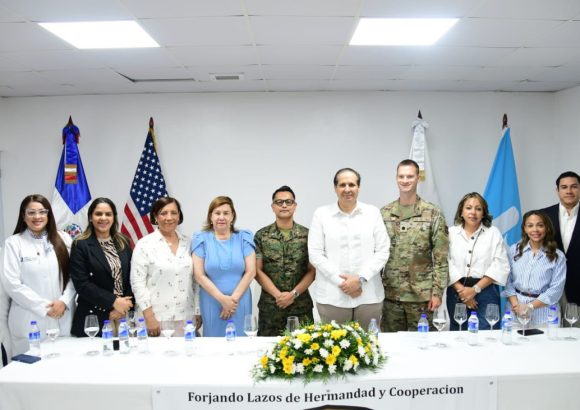
    SANTO DOMINGO — The Dominican Republic’s National Health Service (SNS) has announced striking, data-backed reductions in maternal, infant, and neonatal mortality across the country’s public health system during the first quarter of 2026, when compared to figures from the same period in 2025. Health officials attribute the transformative progress to targeted investments in clinical care and expanded evidence-based preventive public health strategies.

    According to official SNS data, just 17 maternal deaths were recorded across the nation’s public health network between January and March 2026, alongside 311 infant deaths and 279 neonatal deaths. These numbers translate to dramatic proportional declines: a 57.5% drop in maternal mortality, a 21% reduction in infant mortality, and an 18% fall in neonatal mortality. The downward trend observed by the SNS matches concurrent data released by the Dominican Ministry of Public Health, which has also confirmed steady improvement in maternal and child mortality outcomes through the early months of 2026.

    Health authorities outline a clear set of policy and clinical interventions that have driven this progress. Core measures include the implementation of continuous, real-time monitoring of at-risk pregnancies and births, expanded protocols for early identification of high-risk pregnancies, and broader access to high-quality prenatal care for all patients accessing the public system. Additionally, the SNS has prioritized ongoing, hands-on training for clinical staff focused on managing obstetric and neonatal emergencies, upgraded postpartum care services, secured consistent distribution of life-saving essential medical supplies, and implemented more robust follow-up care protocols for critically ill maternal and newborn patients.

    To address infant and neonatal mortality specifically, public health leaders have focused on upgrading infrastructure at neonatal intensive care units across the country, standardized evidence-based clinical protocols for newborn care, guaranteed consistent access to life-saving key treatments, and strengthened both infection control protocols and safe inter-facility transfer systems for vulnerable newborns.

    In a statement following the release of the new mortality data, the SNS emphasized that cross-facility coordinated care and continuous systematic evaluation of underlying mortality causes have been foundational to sustaining these gains. The organization noted that these improvements mark major forward progress toward national public health goals for improving maternal and child health outcomes across all regions of the Dominican Republic.

  • CMO rejects calls for school to be closed amidst suspected gastro outbreak

    CMO rejects calls for school to be closed amidst suspected gastro outbreak

    Barbados health authorities are advocating for sustained educational operations at St. Paul’s Primary School despite emerging cases of gastrointestinal illness, challenging calls for immediate closure from educational representatives. Chief Medical Officer Dr. Kenneth George has positioned himself against what he characterizes as premature reactions to public health challenges, emphasizing strategic intervention over institutional shutdowns.

    The controversy emerged following reports of significant student absenteeism, with the Barbados Union of Teachers (BUT) demanding temporary closure after approximately 100 students failed to attend classes. Health officials confirm monitoring increased gastroenteritis cases, particularly affecting children under five years old, but maintain that school closure represents an excessive response to manageable public health situations.

    Dr. George outlined a tripartite strategy for outbreak management, emphasizing: “The primary approach involves removing symptomatic individuals from educational environments to control transmission. Subsequent epidemiological investigation determines infection origins, while comprehensive sanitation protocols prevent future occurrences.” The medical director highlighted particular concern regarding environmental health conditions, referencing issues with insect and rodent infestations in educational facilities.

    A detailed sanitation checklist has been distributed to the Ministry of Education, establishing standards for waste management, food consumption areas, and pest control. Dr. George emphasized collective responsibility, stating all school compound occupants must participate in maintaining hygienic conditions to prevent disease proliferation.

    Concurrently, pediatric specialist Dr. Clyde Cave confirmed rising gastrointestinal cases among children, noting: “We’re observing numerous presentations of vomiting and diarrhea in clinical settings. While not exclusively indicative of gastroenteritis, community patterns suggest common etiology.” Dr. Cave emphasized supportive hydration therapy while warning about rapid health deterioration in pediatric patients. The medical expert highlighted the highly contagious nature of viral gastroenteritis, noting its ease of transmission within both domestic and educational environments.

    Health authorities recommend excluding symptomatic children from peer interaction to curb transmission chains, noting adults remain equally susceptible to infection. The medical consensus maintains that targeted public health measures coupled with rigorous sanitation practices provide more sustainable solutions than institutional closures for managing seasonal disease outbreaks.

  • Belizeans Break the Silence as Demand for Counseling Surges

    Belizeans Break the Silence as Demand for Counseling Surges

    BELIZE CITY – A profound cultural transformation is underway in Belize as the nation confronts longstanding mental health stigmas that have historically silenced those in emotional distress. Where psychological support was once viewed as an admission of weakness, a surge in counseling demand signals a national shift toward embracing mental wellness as fundamental to overall health.

    Government initiatives have been instrumental in this paradigm shift, with Minister of Human Development Thea Garcia-Ramirez reporting unprecedented engagement with counseling services since the COVID-19 pandemic. “We’re witnessing Belizeans beginning to regard mental health with the same importance as physical health,” Minister Garcia-Ramirez stated, highlighting the administration’s commitment to expanding psychological support networks nationwide.

    The ministry has implemented a multi-faceted approach to address service gaps, deploying counselors across regional offices while pioneering virtual therapy sessions to reach remote communities like San Pedro. Despite these advancements, Minister Garcia-Ramirez acknowledges persistent challenges in meeting the growing demand, particularly in underserved regions where counselor availability remains limited.

    At the forefront of this mental health revolution are educational professionals like Amanda Dixon, counselor at Sacred Heart College, who has pioneered innovative approaches to support adolescent mental wellness. Dixon’s methodology centers on creating non-judgmental environments where students feel empowered to seek help voluntarily.

    “The breakthrough comes when teenagers recognize we see them as individuals, not problems to be solved,” Dixon explained. “By normalizing vulnerability and ensuring confidentiality, we’ve created spaces where students willingly initiate conversations about their emotional struggles.”

    Dixon’s program emphasizes preventive mental healthcare through regular classroom visits and accessible counseling availability during lunch periods. This proactive strategy has effectively destigmatized psychological support among youth, reframing counseling as a strength-based resource rather than a last resort during crises.

    The cultural impact extends beyond school walls, potentially breaking generational patterns of emotional suppression. As younger Belizeans embrace mental health support, they model new attitudes that could transform community-wide approaches to psychological wellness, fostering healthier interpersonal dynamics nationwide.

    This mental health awakening represents a significant departure from traditional Belizean perspectives, suggesting a future where emotional wellbeing becomes integrated into the nation’s public health consciousness, creating more resilient communities through open dialogue and professional support.

  • Belize Launches National HIV Self-testing Policy

    Belize Launches National HIV Self-testing Policy

    Belize has emerged as a regional leader in HIV prevention through the groundbreaking launch of its National HIV Self-Testing Policy. This transformative initiative, developed through collaboration between the Belizean government, the Global Fund to Fight AIDS, and non-governmental organizations, represents a strategic shift in the nation’s approach to combating HIV/AIDS.

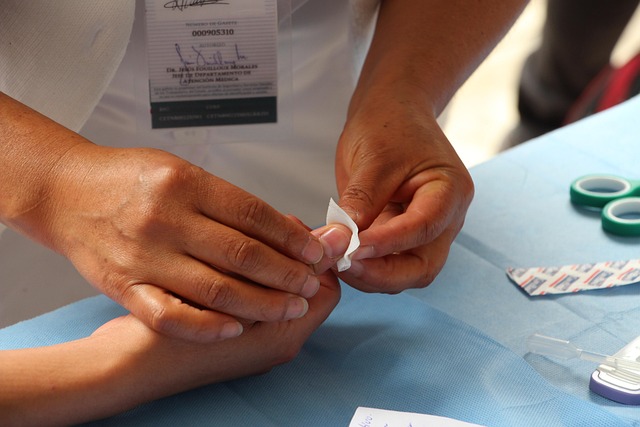
    The policy directly addresses critical barriers to testing by providing private, accessible alternatives to clinical visits. Health officials emphasize that self-testing kits will empower individuals who previously avoided testing due to stigma or privacy concerns. While self-administered tests serve as initial screening tools, confirmatory testing through healthcare facilities remains essential for diagnosis.

    Minister of Human Development Dolores Balderamos Garcia confirmed full multi-sector approval for the policy, stating it provides “impetus for persons who may not feel comfortable going to a clinic” to access testing discreetly at home. The initiative specifically targets key populations including sexually active youth and men with multiple partners who engage in higher-risk behaviors.

    This policy forms part of Belize’s comprehensive differentiated services delivery model, which includes remarkable healthcare integration. Unlike many nations that maintain separate HIV treatment facilities, Belize offers free testing, treatment, and prevention medications at all public health facilities nationwide.

    The National AIDS Commission is pursuing an aggressive viral suppression strategy amid concerning statistics showing over 200 new HIV cases annually. The program provides three crucial free medications: PrEP (pre-exposure prophylaxis) for HIV-negative individuals, PEP (post-exposure prophylaxis) for emergency prevention within 72 hours of exposure, and full treatment regimens for positive patients.

    Project Manager Fredy Gabb of the Global Fund emphasized the policy’s significance in creating sustainable government-led implementation beyond grant funding cycles. Assistant Deputy Director Joshua Canul noted Belize’s exceptional status as one of few Caribbean nations providing these medications completely free of charge, significantly enhancing prevention capabilities across all demographic groups.

  • Antigua and Barbuda Spends $992 Per Diabetes Patient Amid Rising Regional Burden

    Antigua and Barbuda Spends $992 Per Diabetes Patient Amid Rising Regional Burden

    A comprehensive analysis of diabetes-related healthcare expenditure across the Caribbean Community (CARICOM) reveals dramatic financial disparities in treating the chronic condition. According to data derived from the International Diabetes Federation’s Diabetes Atlas (11th Edition, 2025), per-adult spending on diabetes care varies enormously among member states, ranging from a minimal $242 in Haiti to $2,450 in The Bahamas.

    This financial mapping follows a previous report on the prevalence of the disease, which was found to be highest in Guyana (16.4%) and Belize (14.1%). The analysis indicates that national healthcare spending does not directly correlate with the severity of the diabetes burden within a country. Guyana presents a critical case study; despite leading the region in recent economic growth and having the highest prevalence of diabetes, it allocates only $361 per person for diabetes care—the second-lowest sum in CARICOM. Similarly, Belize, with the second-highest prevalence, spends a moderate $792.

    The significant spending chasm largely mirrors broader differences in national income and the capacity of public health infrastructures. As diabetes rates continue their upward trajectory across the Caribbean, the critical question emerges: will financial investment in treatment, medication, and complication management rise correspondingly? The answer will fundamentally determine the long-term health outcomes for millions of citizens living with the disease in the region.

  • CTUSAB raises alarm over ‘non-functioning’ QEH theatres

    CTUSAB raises alarm over ‘non-functioning’ QEH theatres

    A critical healthcare crisis is unfolding at Barbados’ premier medical institution, the Queen Elizabeth Hospital (QEH), where a significant failure of air-conditioning systems has forced the shutdown of two-thirds of its surgical operating theaters since January. The Congress of Trade Unions and Staff Associations of Barbados (CTUSAB) has sounded the alarm, with General Secretary Dennis De Peiza revealing the issue may have persisted since November, raising grave concerns about patient welfare and potential loss of life due to postponed surgeries.

    The hospital administration confirmed that six of its nine theaters are non-operational. In response, QEH management has implemented contingency measures, optimizing the three functional theaters by extending schedules and increasing flexibility to continue essential procedures. The company responsible for maintenance, TMR, is actively working on a long-term solution, including the installation of new equipment, with efforts underway to restore full capacity as early as this week.

    QEH assures the public that emergency and urgent surgeries have continued uninterrupted, while elective procedures are being actively managed. All affected patients have been contacted with updates, and a dedicated Patient Advice and Liaison Service is available for those awaiting communication.

    Simultaneously, De Peiza highlighted a parallel crisis in the hospital’s Accident and Emergency (A&E) Department, citing ongoing patient flow issues and recent surges. He proposed a strategic reorganization involving the creation of a dedicated trauma center to handle critical cases like gunshot wounds, heart attacks, and strokes separately from less urgent ailments. This model, he argued, would require proper planning, budgetary allocation for immediate staff recruitment, and is exemplified by the existing efficient asthma bay protocol.

    In a related development, Health Minister Senator Lisa Cummins, during Senate debates on the Appropriations Bill, acknowledged systemic challenges, noting that over 20% of A&E patients could be treated elsewhere. She announced a significant allocation of over $30 million dedicated to enhancing patient care across public healthcare facilities, addressing infrastructure gaps and extended operating hours at polyclinics to alleviate pressure on the QEH.

  • Government to lift mask mandate in hospitals on April 1

    Government to lift mask mandate in hospitals on April 1

    NASSAU, BAHAMAS – The Bahamas government has announced the termination of its longstanding mask mandate for healthcare facilities, effective April 1, 2026, marking the final removal of COVID-19 restrictions. Health and Wellness Minister Dr. Michael Darville confirmed the policy shift during a House of Assembly address, characterizing the decision as “a long time coming” after years of pandemic precautions.

    The elimination of mandatory face coverings will be formally enacted through the Health Services COVID-19 (General Amendment) Rules 2026, which specifically revokes Rule Nine of the 2021 emergency regulations. Dr. Darville indicated the policy change aligns with both national health strategy and updated guidance from the Pan American Health Organization.

    “In the abundance of caution emerging from the pandemic and considering increased instances of flu-like viruses, the program was maintained,” Dr. Darville explained. “Finally, we have reached the point where the mask mandate can be lifted.”

    The original mask requirements date to 2020 when the government implemented comprehensive emergency measures requiring facial coverings in public spaces alongside social distancing protocols to combat COVID-19 transmission. While Prime Minister Philip Davis eliminated most mask restrictions in September 2022, healthcare facilities, senior care homes, and specific indoor environments maintained their mandatory masking policies.

    With this latest amendment, individuals will no longer be compelled to wear masks when entering hospitals, clinics, or medical centers, though health officials emphasize that personal choice regarding mask usage remains fully permitted. The move represents the complete normalization of health protocols after nearly six years of pandemic-related regulations.

  • MP Shaw sounds alarm over ambulance shortage at Princess Margaret Hospital

    MP Shaw sounds alarm over ambulance shortage at Princess Margaret Hospital

    ST THOMAS, Jamaica — A severe deficit in ambulance availability at Princess Margaret Hospital in Morant Bay is creating dire circumstances for patients, according to local Member of Parliament Rose Shaw. The St Thomas Eastern representative issued a stark warning on Thursday, highlighting that the absence of reliable medical transport services is exposing vulnerable residents to potentially fatal outcomes.

    Shaw revealed that despite raising this critical issue before Parliament’s Standing Finance Committee twenty days prior, no substantive action has been taken by Health Minister Christopher Tufton’s office. The parliamentary member emphasized that patients are encountering significant obstacles in securing transportation for essential medical tests and emergency treatments, creating dangerous gaps in healthcare accessibility.

    “The current state of affairs is completely unacceptable,” Shaw stated. “We are rapidly approaching a crisis threshold where preventable fatalities may occur if immediate intervention is not implemented. The citizens of St Thomas are entitled to far better healthcare provisions than they are currently receiving.”

    The MP’s statement included an urgent appeal to Minister Tufton, demanding emergency measures to reinstate fully functional ambulance services at the healthcare facility. Shaw emphasized that bureaucratic processes cannot substitute for tangible solutions, asserting that “ambulances cannot operate on good intentions alone.”

    With growing concern over the ministry’s delayed response, Shaw concluded that there remains “no justification for additional postponement” and insisted that “the Ministry of Health must take immediate, concrete action to resolve this life-threatening situation.”