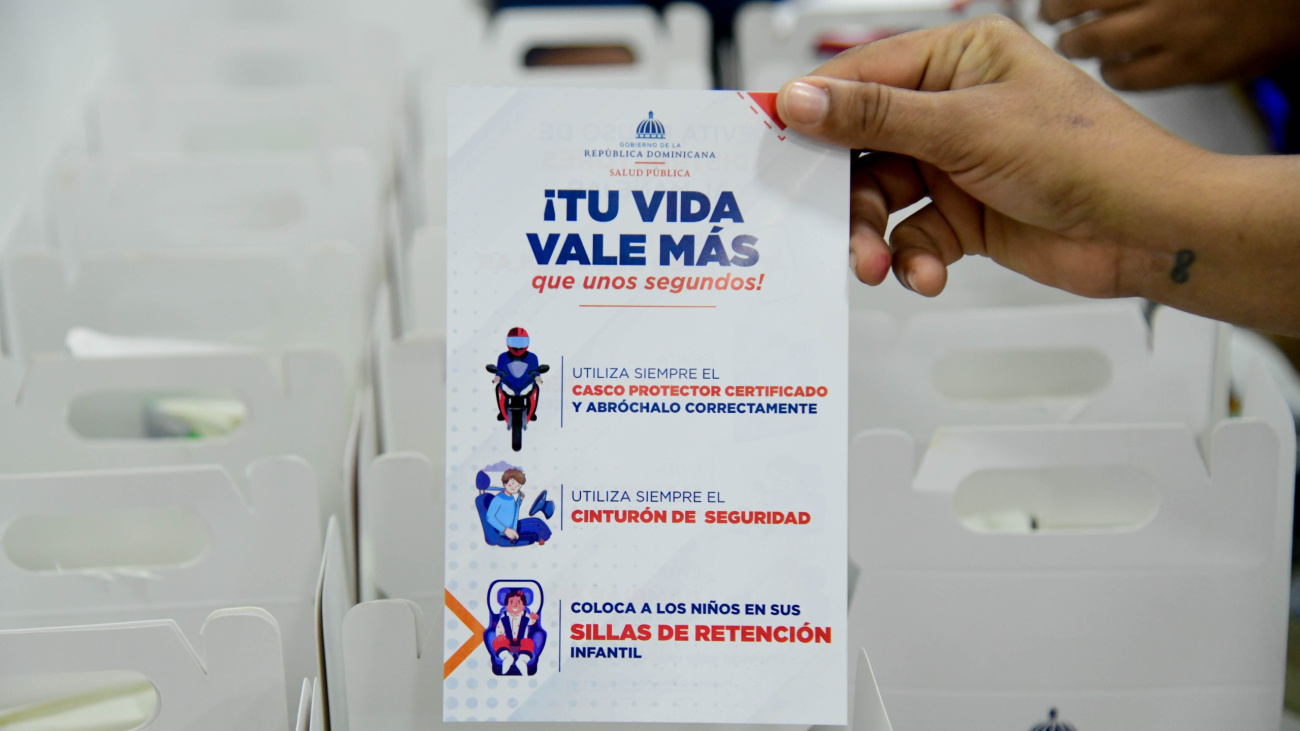
Residents and travelers across the Dominican Republic are set to benefit from a sweeping nationwide public health initiative aimed at boosting emergency response capabilities during the upcoming 2026 Easter holiday period. Unveiled by the nation’s Ministry of Health as a core component of Operation SS 2026, the program centers on three foundational pillars: proactive incident prevention, rapid on-site medical care, and continuous public health surveillance across high-foot-traffic areas.
A key centerpiece of the initiative is the distribution of 25,000 fully stocked first aid kits, which will be routed through local Provincial and Area Health Directorates to locations that see the largest volumes of visitor and traveler movement over the holiday. Priority deployment zones include major city exit routes, highway toll plazas, and low-resource vulnerable communities that face gaps in immediate emergency access.
Public health officials designed the full set of measures to address the most common preventable health and safety risks that spike during the Easter holiday season: traffic collisions, incidents linked to excessive alcohol consumption, and outbreaks of food poisoning. The plan guarantees that rapid, professional medical assistance will be available at pre-identified strategic checkpoints and gathering spots across every region of the country.
Dominican Health Minister Víctor Atallah emphasized that while the newly distributed first aid kits will serve as a critical lifeline in time-sensitive emergency scenarios, proactive prevention of incidents remains the single most effective strategy to protect public safety and save lives over the holiday. Beyond first aid supplies, authorities have also upgraded the national capacity to respond to poisoning incidents by restocking critical life-saving medications at all major public health facilities across the country.
The cross-cutting program has secured coordinated support from a network of partner institutions, including Promese/CAL, the Dominican Red Cross, and the national Civil Defense agency. Public health teams have also ramped up epidemiological surveillance protocols, with a particular focus on early detection and response to diarrheal illnesses and other diseases spread through contaminated food, which are common holiday-related public health concerns.
To support real-time tracking of incidents and inter-agency coordination, national Health Situation Rooms have been activated across all administrative regions of the country. The activation falls under the broader “Awareness for Life Holy Week 2026” operation, which is led by the Dominican Emergency Operations Center (COE). In closing, public health officials have issued a public appeal for holidaygoers and residents to practice responsible behavior, uphold strict personal and food hygiene standards, follow safe food handling protocols, avoid consuming unregulated and unsealed alcohol products, and seek prompt professional medical attention if they experience illness or injury over the holiday period.