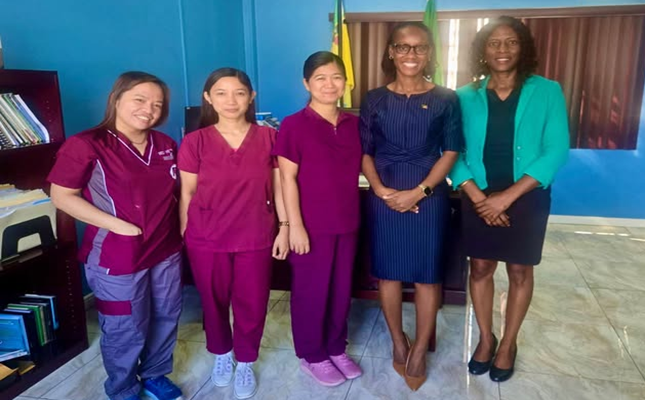
Four highly specialized healthcare workers have touched down on the Caribbean island of Nevis, marking a critical milestone in the long-awaited launch of the territory’s first-ever dedicated dialysis unit at Alexandra Hospital, set to open later this year. The new arrivals include three haemodialysis nurses recruited from the Philippines, each holding specialized certification and years of hands-on clinical experience treating patients with chronic kidney disease, alongside a trained biomedical technician tasked with maintaining the unit’s advanced medical machinery and supporting broader clinical operations across the Ministry of Health. In an official welcome ceremony hosted by the Nevis Island Administration (NIA), Honourable Senator Jahnel Nisbett, Nevis’ Minister of Health, formally greeted the new team members, who will join the growing care cohort for the upcoming facility. “The arrival of these skilled professionals isn’t just another hiring milestone—it means every key piece of our plan is finally coming together,” Nisbett said during the event. “Construction and equipment are important, but you can’t deliver safe, high-quality renal care without people who have the right expertise. For our residents who currently travel multiple times a week to St. Kitts for life-sustaining treatment, that burdensome routine will soon be a thing of the past.” The unit’s construction remains on schedule for full completion by the end of the third quarter of 2026. Once operational, the facility will feature five cutting-edge dialysis treatment stations and will have capacity to care for up to 20 local patients at any given time. Currently, nine Nevisians rely on regular dialysis treatment, eight of whom receive financial support from the NIA to access off-island care in neighboring St. Kitts—a burden that the new unit will eliminate entirely. NIA Premier Mark Brantley recently confirmed that all specialized medical equipment for the unit has already been purchased, delivered to Nevis, and secured in storage ahead of installation. Brantley also emphasized the administration’s intentional investment in building a multidisciplinary care team to support the facility long-term, which will include a full-time nephrologist, a specialized haemodialysis nurse manager, and additional allied health support staff to ensure consistent, exceptional care for patients living with chronic kidney disease. The entire $1.3 million USD project, covering facility construction, staff recruitment, and the first two years of operating costs, is fully funded by a grant from developer Olivier Janssens and his team through the Destiny Special Sustainability Zone (SSZ) Project. Local health officials and NIA leaders project that the new unit will transform access to renal care on Nevis, bringing life-sustaining specialized treatment directly to local patients, eliminating the stress, cost, and logistical burden of frequent cross-island travel, and improving long-term health outcomes for the island’s chronic kidney disease community.
分类: health
-
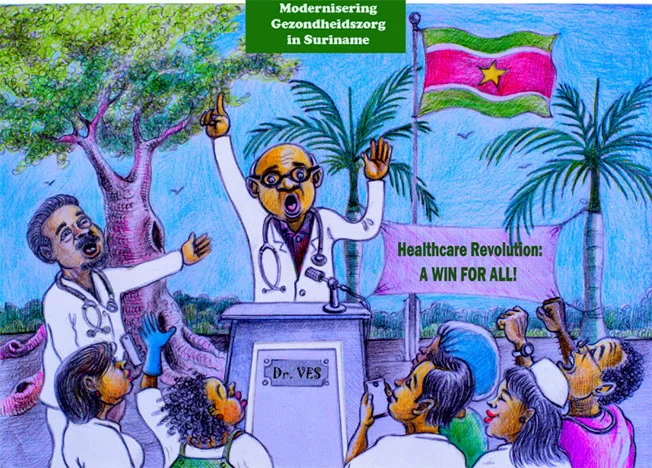
VES: Miljoenen voor het AZP, maar waar blijft de gezondheidswinst?
In a new analysis published this week in its quarterly magazine *INZICHT*, the Association of Economists of Suriname (VES) has raised critical governance questions about public healthcare investment, following the Simons administration’s latest large-scale funding commitment to the country’s flagship Academic Hospital Paramaribo (AZP). The government recently announced it would allocate more than 635 million Surinamese dollars (approximately $12 million) to the hospital, earmarked for major renovation works including the Thoracic & Cardio Coronary Care Unit, the hospital’s west wing, the emergency department, the clinical chemistry and microbiology laboratory, and the hospital mortuary.
This new injection of funding comes just months after the government pledged a minimum of 60 million SRD during AZP’s 60th anniversary celebrations. That earlier commitment was dedicated to expanding operating capacity, increasing intensive care unit beds from 16 to 21, upgrading the neonatal intensive care unit, renovating emergency services, and expanding specialized nursing capacity. The latest funding continues a pattern of substantial public investment in AZP that stretches back to the previous Santokhi administration. Between 2022 and 2025, the government allocated significant budgets to renovate operating theaters, intensive care units, emergency departments and laboratories, purchase new medical equipment, and develop specialized care units including cardiology, pediatric oncology, and maternal and child care. International funding has supplemented national investment: $2.4 million for renovations and laboratory upgrades, 900,000 euros for a new cardiology unit, and 4.5 million euros for cancer radiation treatment equipment.
As the country’s primary tertiary care provider, AZP handles an enormous volume of patients: it delivers 65% of all secondary care in Suriname and 100% of the nation’s highest-complexity tertiary care. On an average day, the hospital conducts 2,000 outpatient consultations, treats more than 100 patients in the emergency department, and has more than 500 admitted inpatients. While these volume figures demonstrate the massive scope of AZP’s services, VES argues they tell the public nothing about the actual quality of care delivered — the core issue at the center of ongoing public debate.
The key gap VES identifies is a total lack of publicly available data connecting the hundreds of millions in public investment to measurable improvements in patient health outcomes. To date, there is no independent, comprehensive public evaluation that systematically links the large inflow of funding to tangible health results. Nor is there a public quality dashboard that tracks progress on standard, internationally recognized outcome indicators for each medical specialty. This creates a stark transparency asymmetry: the government and hospital are fully transparent about financial inputs — total investment amounts, renovation projects, new construction and equipment purchases — but offer no public insight into the social and health outcomes these inputs have produced.
Without systematic public reporting of health outcomes, VES argues, parliament, civil society and funding partners cannot assess whether the large-scale investments have actually delivered measurable improvements in population health. For a leading academic medical center, VES outlines a minimum set of performance indicators that should be published regularly: volume of care by medical specialty, risk-adjusted mortality rates, complication rates, hospital-acquired infection rates, 30-day hospital readmission rates, waiting times, patient-reported outcome measures (PROMs), patient-reported experience measures (PREMs), cost per treatment, and international benchmarking against peer institutions.
Since 2020, VES has consistently highlighted the need for greater transparency, efficiency and public accountability in Suriname’s healthcare sector. The association argues that for years, national health policy has overemphasized physical infrastructure and equipment investment without parallel structural reforms to healthcare organization and workforce policy. Financial injections without fundamental governance and operational reforms, VES claims, have created a vicious cycle of rising costs with insufficient improvements in care quality. To address this, VES has repeatedly called for an independent comprehensive financial audit of the entire healthcare sector, including the State Health Fund, all public and private hospitals, pharmaceutical supply chains, and other healthcare providers.
VES supports a full systemic reform centered on integrated care pathways and specialized expert centers, which create end-to-end care chains — from prevention and diagnosis through treatment, aftercare and rehabilitation — organized around specific patient conditions. This model allows for more efficient allocation of resources, improves collaboration between care providers, and makes it easier to measure and compare clinical results. The approach aligns with global value-based healthcare principles, which center health gains for patients rather than the volume of services delivered.
The core question for Suriname, VES emphasizes, is not whether AZP deserves additional public funding — it is whether successive governments have required sufficient public accountability for the social returns of these investments. To address the current transparency gap, VES proposes that all future public investments in healthcare be tied to three non-negotiable conditions: first, an independent comprehensive financial audit of the entire healthcare sector; second, a national reform program built around integrated care pathways and outcome-based funding; and third, an annual public quality and performance report that publishes internationally comparable indicators for clinical quality, patient safety, care accessibility and resource efficiency.
Only when public investments are systematically tied to transparent quality and outcome indicators will Suriname shift to a healthcare system that is driven by patient value rather than service volume, the association concludes. This shift is the essence of good governance and the foundation of lasting, sustainable reform for Suriname’s healthcare system.
-

Antigua and Barbuda Seeking Medical Specialists From Ghana Not Just Nurses
As part of an ongoing bilateral healthcare collaboration that has already integrated dozens of Ghanaian nursing professionals into its public care system, the government of Antigua and Barbuda is launching a new recruitment drive focused on specialized medical personnel from Ghana. Health Minister Michael Joseph shared details of the expanded initiative during an appearance on the Browne and Browne Show this Saturday, confirming that official discussions have already been held with Ghanaian health authorities to identify qualified candidates for hard-to-fill roles. “We’ve actually gone back to them, I’ve had discussions with the minister from Ghana about identifying specific medical specialists,” Joseph stated during the interview. The minister framed the new recruitment push as the next formal phase of the growing partnership between the two Caribbean and West African nations. For Antigua and Barbuda, a persistent gap in specialized care capacity has limited the public health system’s ability to deliver a full spectrum of services to local communities. Despite ongoing efforts to attract global talent, the small island nation has long struggled to draw suitably qualified medical specialists to meet local demand. “Our challenge oftentimes is the specialists that we’re able to attract,” Joseph explained. “We’re hoping through that partnership we’re able to bring more specialists in so that we can provide more services to the people of Antigua and Barbuda.” The foundation for this expanded collaboration was built by the cohort of Ghanaian nurses already working in Antigua and Barbuda, who have earned widespread praise for their impact on the public healthcare system. Minister Joseph noted that patient feedback on the existing nursing staff has been overwhelmingly positive, with many local patients highlighting the compassion and patient-centered care approach of the Ghanaian recruits. “A lot of patients have actually said to us that they prefer the care of the Ghanaians, to be quite open and honest, because they’re more compassionate and they’re more understanding,” he added. The success of Antigua and Barbuda’s recruitment model has not gone unnoticed in the broader Caribbean region. Joseph shared that neighboring Caribbean territories have already reached out to learn from the initiative, with several moving forward with their own recruitment partnerships with Ghana. Most recently, St. Kitts and Nevis brought on approximately 47 Ghanaian nurses to join its public health workforce, while a jurisdiction in the Virgin Islands has requested information to develop a similar program, he confirmed. At this stage, the Antigua and Barbuda government has not released details on which specific medical specialties it is targeting, nor has it shared a public timeline for the arrival of the new recruits.
-

Antigua and Barbuda Sugar Tax Expected in Parliament Before End of 2026
The government of Antigua and Barbuda is on track to submit landmark sugar tax legislation to national Parliament before the close of 2026, the country’s Health Minister Michael Joseph has publicly confirmed. The policy initiative, designed to curb a growing public health crisis linked to poor dietary habits, remains in active collaborative development between the Ministry of Health, the Ministry of Finance, and the Office of the Chief Nutritionist, with ongoing negotiations fine-tuning the proposal’s details.
Speaking during an appearance on the Browne and Browne Show this past Saturday, Joseph revealed that high-level discussions over the framework were still progressing at pace. “As recent as Thursday, I held a meeting with the financial secretary,” he stated. “I have made clear to the chief nutritionist that my priority is getting this sugar tax proposal before Parliament by the end of the year.”
All revenue generated by the new levy will be earmarked for specific public health priorities: expanding preventive healthcare services, scaling up public nutrition education campaigns, and funding community programs that promote sustainable healthy lifestyles, according to Joseph. The policy comes as the twin-island nation grapples with two interconnected pressures on its public health system: steadily rising healthcare costs driven by advancing medical technology and growing patient demand, and an epidemic of preventable noncommunicable diseases (NCDs) tied directly to unhealthy diets and inactive daily routines.
Regional public health data underscores the urgency of the crisis: NCDs account for roughly 75% of all deaths across the Caribbean, and cause approximately 50% of all long-term illness and disability cases in Antigua and Barbuda. These chronic conditions, which include type 2 diabetes and hypertension, often lead to devastating outcomes such as limb amputation, loss of mobility, and impaired speech, placing unsustainable financial and operational strain on the country’s public healthcare infrastructure.
Joseph framed the tax as a practical solution to align consumer behavior with public health needs. “If people choose to live unhealthy lifestyles that create an extra burden on the public health budget, we need dedicated resources to manage that strain,” he explained. To build public support for the measure, the minister has ordered administrators at the country’s flagship Sir Lester Bird Medical Centre to calculate the total cost of caring for patients hospitalized for two weeks with uncontrolled high blood sugar or hypertension. The resulting data will be released publicly to help residents understand the severe economic toll that entirely preventable illnesses impose on the national health system.
Before the proposal can move to public input, it must first receive formal approval from the Ministry of Finance. Once cleared, government officials will launch a series of public consultations to outline exactly how the tax will work, which sugary products will fall under the levy, and answer questions from community stakeholders and industry groups.
The minister noted that the government has already invested in softer public outreach campaigns to encourage consumers to choose healthier food and beverage options, but rising mortality rates have convinced policymakers that more decisive regulatory action is required. “If we fail to act now, our people will keep dying, and they are dying younger from these preventable noncommunicable diseases,” Joseph warned.
He also added that public health officials share deep concern over the high levels of harmful additives, including high-fructose corn syrup and artificial preservatives, found in many processed foods widely consumed across the country. At this stage, the government has not released details on the proposed tax rate, nor has it confirmed a timeline for when the levy would take effect if the legislation is approved by Parliament.
-

Antigua and Barbuda to Screen 15,000 Schoolchildren for Vision Problems
Starting this September, Antigua and Barbuda is set to roll out an ambitious two-month public health initiative that will provide free vision screenings to as many as 15,000 schoolchildren across the twin-island nation, according to local health authorities. Health Minister Michael Joseph announced in a recent interview on the Browne and Browne Show that a specialized team of 10 experienced eye-care professionals from the Trinidad Eye Hospital will arrive in the country during the first week of September to lead the screenings. This program marks the second phase of the national Prime Minister’s Vision Programme, a government-backed effort designed to remove financial barriers to critical eye care services ranging from routine examinations to specialized treatment for residents of all ages. In a statement shared Saturday, Joseph confirmed that the Antigua and Barbuda government has finalized a partnership agreement with the Trinidad Eye Hospital and will fully cover all costs associated with the two-month screening initiative. Critically, any student found to require corrective prescription glasses during the screening process will receive their lenses at no out-of-pocket cost to their family, with the entire expense covered by public funds. Health officials aim to reach every enrolled schoolchild across the country over the course of the initiative, ensuring no young person goes without access to this essential preventive care. The first phase of the Prime Minister’s Vision Programme prioritized adult eye care, focusing on distributing free reading glasses to members of the public experiencing age-related near-vision impairment. During the opening two weeks of the first phase, held at the Villa Polyclinic, the government successfully distributed approximately 1,400 pairs of reading glasses to eligible adults, before expanding the initiative to the Gray’s Green community to serve more residents. Looking ahead, Joseph outlined the long-term transformative goal of the national program: to cut rates of preventable blindness across Antigua and Barbuda to negligible levels within the next two years. Public health experts note that undiagnosed childhood vision issues are a leading cause of poor academic performance and long-term eye health complications, making early screening a cost-effective investment in both the well-being and future productivity of the nation’s youth.
-
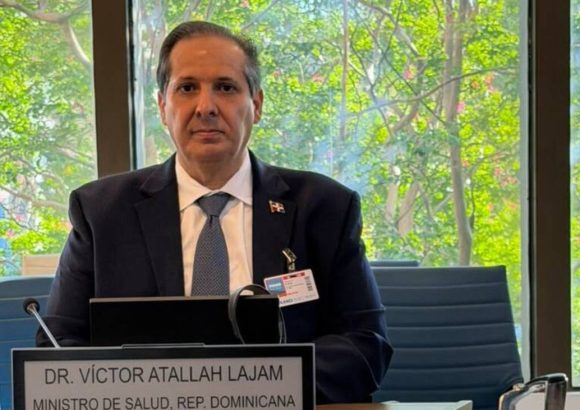
Dominican Health Minister presents health system reforms at PAHO and OAS in Washington
On Monday, Dominican Republic’s Health Minister Víctor Atallah traveled to Washington, D.C. to share the Caribbean nation’s landmark progress in overhauling its public health system with leading global health authorities, representatives of multilateral institutions and leading international public health experts.
The minister’s packed working schedule includes high-level engagements at two of the Western Hemisphere’s most influential regional bodies: the Pan American Health Organization (PAHO) and the Organization of American States (OAS). Both institutions are currently hosting focused regional conversations centered on three pressing public health priorities: cross-border public health coordination, innovative care delivery models, and expanded international cooperation to strengthen health systems across the Americas.
Atallah’s first stop is a specialized seminar hosted by PAHO, where he will share the stage with PAHO Director Jarbas Barbosa and senior health delegates from nearly every country in the region. The seminar’s opening plenary is dedicated to exploring how actionable data, advanced health intelligence infrastructure, and broad digital transformation can elevate the quality of healthcare services worldwide, while also enabling public health leaders to proactively plan for shifting population health needs.
Following the PAHO seminar, Atallah will move to OAS headquarters to deliver a featured keynote presentation titled “Dominican Republic: Transforming the Health System to Guarantee Access, Innovation and Results.” During the address, he is expected to outline the core policy changes the Dominican government has implemented to expand universal access to care, integrate cutting-edge medical and digital technology into routine service delivery, strengthen institutional health leadership, and support evidence-based decision-making across all levels of the national health system.
-

Patients raise alarm over shortages of cancer, diabetes drugs
Across multiple public health facilities across Trinidad and Tobago, chronic disease patients are facing growing frustration and logistical hardship as critical medications for cancer, diabetes, and heart conditions remain persistently out of stock, prompting calls for urgent intervention from the country’s top health official. When reporters from the *Sunday Express* visited the St James Medical Complex last Thursday, multiple outpatients shared their experiences of being turned away when trying to refill routine prescriptions through public health programs. These accounts have since been corroborated by patients at other major care sites, including the Eric Williams Medical Sciences Complex, Arima Hospital, and several regional community health clinics. Many of these patients access their long-term medications through the government’s Chronic Disease Assistance Programme (CDAP) or directly through public hospital dispensaries, and have been informed that the drugs they depend on are no longer available for outpatient distribution at their local facilities. Instead, patients are routinely being told to travel to dispensaries in other, often distant, regions to collect their prescriptions – a requirement that imposes heavy strain on people already managing serious, debilitating health conditions. A 62-year-old outpatient from Diego Martin, who completed cancer treatment at the St James facility earlier this year, explained that for the past two months, she has had to travel more than an hour to dispensaries in Arima and Sangre Grande to get the medication she needs, when she previously could collect it at either St James or Port of Spain General Hospital. Multiple breast cancer outpatients echoed her struggle, noting that they have been forced to search across the entire public health system to find doses of their required treatments. Among the most critical shortages reported is Faslodex, a branded hormone therapy drug (generic name fulvestrant) that is the standard of care for treating advanced or metastatic hormone receptor-positive breast cancer in postmenopausal women. Anonymous medical staff working at multiple public facilities confirmed that shortages are not limited to cancer treatments: essential medications for people with diabetes and chronic heart disease are also frequently out of stock. One of the most impacted diabetes medications is Jardiance (generic name empagliflozin), a once-daily oral drug that not only lowers blood sugar for people with type 2 diabetes, but also reduces the risk of cardiovascular death, cuts hospitalizations for heart failure, and slows progression of chronic kidney disease. For most patients, Jardiance is only available through public hospital dispensaries, and many report being unable to access the drug through the public system for months. Even patients who can afford to pay for private supply are struggling: generic versions of the drug cost roughly $12 per tablet, but are also in short supply, while the original branded formulation costs around $22 per tablet, putting it out of reach for most low- and middle-income patients. One senior medical professional at a leading public health facility, who spoke on condition of anonymity to avoid professional retaliation, noted that the root of the crisis lies in outdated procurement systems. The official called for an immediate full review of the government’s medication acquisition process, noting that unnecessarily long procurement timelines are creating consistent stockouts for the most commonly used drugs for chronic conditions, including those for cancer and diabetes management. *Sunday Express* reporters attempted to reach Health Minister Dr Lackram Bodoe to request comment on the patient complaints and proposed reforms, but received no response. Requests for comment from Dr Tim Gopeesingh, chairman of the North Central Regional Health Authority (NCRHA), also went unanswered.
-

UWI scientists eye non-chemical alternatives to curb vector-borne diseases
Barbados is poised to become the next site for cutting-edge mosquito-borne disease control research, as scientists from The University of the West Indies (UWI) Cave Hill’s Centre for Biosecurity Studies move forward with plans to test a locally developed lethal ovitrap and evaluate a globally successful biological control method that has drastically cut dengue rates abroad.
For years, Caribbean nations like Barbados have relied heavily on chemical insecticides to curb populations of disease-carrying mosquitoes, particularly Aedes aegypti and Aedes albopictus – the primary vectors for dangerous illnesses including dengue, chikungunya, yellow fever and Zika. Growing concerns over chemical resistance and environmental impacts have pushed researchers to pursue sustainable, targeted alternatives, and two promising options are now moving toward local assessment.
The first tool under development at UWI is the lethal ovitrap, a purpose-built trap designed to mimic the small, dark water-filled breeding grounds that container-breeding Aedes mosquitoes prefer. The design is deceptively simple: a dark water-holding container fitted with a fine mesh screen positioned below an egg-laying surface. When female mosquitoes enter the trap to lay eggs, the eggs drop through the mesh into the water below. Larvae hatch and develop, but any emerging adult mosquitoes become trapped beneath the mesh and cannot escape to continue spreading disease. Centre director Dr. Kirk Douglas calls the device a mass adult mosquito removal tool that expands the existing vector control toolkit and reduces dependence on chemical interventions.
“It’s an innovation we have started at the Centre for Biosecurity Studies at UWI Cave Hill,” Douglas explained in an interview with Barbados TODAY. “We are hoping to launch a formal field trial soon, where we will monitor treatment areas to measure how these mass removal devices reduce transmission of not just dengue, but a range of other vector-borne diseases.”
Alongside the ovitrap project, the centre is closely tracking the global performance of Wolbachia pipientis, a naturally occurring endosymbiotic bacteria that has emerged as a leading biological control alternative. The bacteria, which lives naturally inside the cells of many insect species, works by blocking viral replication inside mosquito bodies, preventing them from spreading dangerous diseases to humans.
Wolbachia-based control relies on two core mechanisms. When male mosquitoes carrying the bacteria are released into wild populations and mate with uninfected wild females, the resulting eggs do not develop due to cytoplasmic incompatibility, gradually reducing overall mosquito populations. In the population replacement strategy, both male and female Wolbachia-carrying mosquitoes are released, establishing a bacteria-carrying local mosquito population that cannot transmit viral diseases. The approach has already delivered dramatic results in large-scale international trials, with an Indonesian cluster randomized trial recording a 77% drop in confirmed symptomatic dengue cases and an 86% reduction in dengue-related hospitalizations compared to untreated control areas.
Initial skepticism about the method’s scalability and real-world effectiveness has largely been laid to rest by growing empirical evidence, Douglas noted. Currently, the United States is conducting final evaluations ahead of rolling out Wolbachia releases in warm, high-risk states including California and Florida, where mosquito-borne disease outbreaks are a recurring public health threat.
For Barbados, where dengue outbreaks regularly strain public health resources, the method offers a long-term, sustainable way to manage vector populations at the source. “When you target the mosquito itself through biological control, you prevent new infections at the root, which makes outbreak management far more effective,” Douglas said. The UWI centre will continue monitoring global research and trial results to assess whether the Wolbachia method is a viable strategy for Barbados, alongside advancing the upcoming lethal ovitrap field trials. As public health officials around the world grapple with rising mosquito-borne disease cases linked to climate change, the research in Barbados could offer a model for other small island nations facing similar vector control challenges.
-
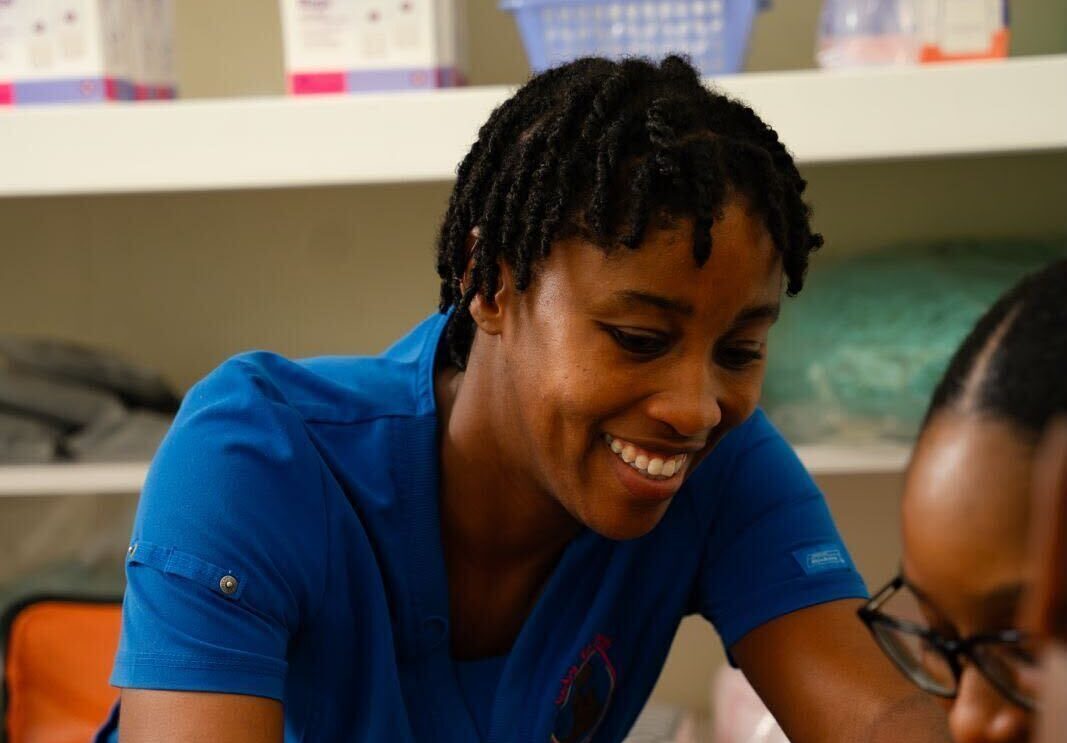
Beyond the Breast: The Benefits, Pressures and Realities of Breastfeeding in Saint Lucia
Every public health guideline around the globe touts breastfeeding as one of the most impactful ways to set an infant up for lifelong health. Packed with tailored nutrients that evolve as a child grows and antibodies that fend off common childhood infections, breast milk offers unmatched nutritional and immune support. The World Health Organization (WHO) currently recommends exclusive breastfeeding for the first six months of life, followed by continued breastfeeding alongside complementary foods until a child reaches two years of age or older. But turning these evidence-based recommendations into reality is far more complex than public messaging often makes it seem, according to certified breastfeeding specialist Sherylann James of Baby to Breast Lactation Services.
For most new mothers, breastfeeding comes with a steep learning curve and a host of unexpected challenges: persistent nipple pain, constant anxiety about milk supply, fragmented sleep, round-the-clock feeding sessions, and the added strain of navigating postpartum emotional upheaval. For infants, meanwhile, breastfeeding is far more than just a source of nutrition – it is a connection that delivers warmth, comfort, and the foundational sense of security that comes from closeness to their mother. James emphasizes that one single factor determines whether this experience feels manageable or completely overwhelming for a new mother: access to targeted, personalized support.
James notes that the vast majority of mothers she works with begin breastfeeding for a straightforward, heartfelt reason: they want to give their child the healthiest possible start. But she stresses that promoting the benefits of breastfeeding should never translate to shaming or judging women who choose an alternative feeding method, such as formula. “If a mother has decided she’s going to formula feed, I am not going to crucify her,” James says. Instead of passing judgment, she argues, care providers and loved ones should seek to understand the factors that led to that choice, which can range from a previous traumatic breastfeeding experience and persistent concerns about low milk supply to the need to return to work shortly after giving birth.
It is well-documented that breastfeeding delivers wide-ranging health benefits for both parent and child. Beyond protecting infants from common illnesses and infectious diseases, breastfeeding reduces a mother’s long-term risk of developing both breast and ovarian cancer. Financially, breastfeeding also typically costs less than purchasing formula, though James pushes back against the common claim that breastfeeding is “free.” That framing ignores the significant time, energy, and often out-of-pocket costs that breastfeeding requires – including expenses for pumps, milk storage supplies, nursing apparel, and specialized lactation support. As of 2024, a single can of Similac Sensitive formula costs $35.61 Eastern Caribbean dollars at local Saint Lucian retailers, a major expense for many families that underscores the financial tradeoffs of different feeding choices.
For many mothers, the greatest draw of breastfeeding is the emotional bond it fosters. Repeated close skin-to-skin contact during breastfeeding has been linked to higher rates of breastfeeding initiation and longer duration, and the WHO notes that infants who receive early skin-to-skin contact cry less and interact more confidently with their mothers. This built-in comfort also explains a common observation that often leaves new mothers confused: infants frequently want to nurse even when they are not hungry. James explains that this behavior is biologically normal, rooted in the nine months infants spend fully dependent on their mother’s body in utero. After birth, that deep connection does not disappear overnight – when an infant is uncomfortable, tired, overstimulated, or simply overwhelmed, nursing provides a predictable source of calm that reminds them of that safety. “They’re still looking at themselves and their mother being one,” James explains of the mother-baby breastfeeding dyad. This means breastfeeding does not only serve to satisfy hunger – it is a source of comfort and regulation for infants, and a baby wanting to nurse more frequently does not automatically mean a mother has low milk supply. Increased nursing can happen during growth spurts, or simply be a request for closeness – understanding this distinction can cut down on a great deal of the anxiety new mothers experience.
One of James’ biggest areas of advocacy is clearing up the widespread misinformation that leaves many mothers feeling like they are failing at breastfeeding. She rejects rigid, one-size-fits-all rules such as requiring babies to nurse for a set number of minutes on each breast. “If somebody is telling you your baby is supposed to breastfeed for half an hour on each side, that’s misinformation,” she says. She compares this to forcing an adult to eat for a set amount of time regardless of whether they are full or still hungry – it ignores the individual needs of the child. The same logic applies to strict feeding schedules, she argues. “One of the most important things is to learn your baby,” she says. “When you learn your baby, you start to notice their cues, their hunger cues, their sleepy cues.” This approach aligns with WHO guidance, which recommends responsive feeding based on an infant’s individual cues rather than enforcing universal timelines. Clearing up this misinformation can dramatically change how a mother experiences breastfeeding: if a woman believes she has to nurse for an hour every two to three hours, it is easy to feel like feeding has taken over her entire life, but learning to read her baby’s unique signals makes the experience far more manageable.
The mental health impacts of breastfeeding require nuanced discussion, James says. It is not uncommon for breastfeeding to feel exhausting: mothers may feel constantly needed, experience persistent pain, and feel overwhelmed by a baby who always wants to nurse. But James warns against blaming breastfeeding itself for postpartum mental health struggles. All postpartum women experience massive physical, hormonal, and emotional shifts, regardless of whether they breastfeed, pump, combination feed, or formula feed. Where breastfeeding becomes uniquely stressful is when a mother lacks adequate support during this already vulnerable period. “When there’s no support, it’s a lot more pressure on a mother who is trying to breastfeed,” she notes. Even so-called “help” can often do more harm than good: some mothers are repeatedly told their milk supply is insufficient and pushed to introduce formula, while others are pressured to continue breastfeeding at all costs even when they are dealing with unaddressed pain or other complications. In both cases, the mother’s actual concerns go unheard. Unsolicited advice that offers no practical, skilled support just adds unnecessary pressure, James explains, arguing that breastfeeding stress is rarely just about breastfeeding itself – it is shaped by broader expectations, life circumstances, and the level of support a mother receives. This applies to the common experience of feeling “touched out” or constantly demanded of by a nursing baby, which can stem from a mix of the baby’s needs and the mother’s competing responsibilities, from household work to employment – there is no one-size-fits-all explanation or solution.
One of the most extraordinary characteristics of breast milk is its ability to adapt to the changing needs of the mother and child over time. From the nutrient-dense colostrum produced in the first days after birth to transitional and mature milk, breast milk evolves over the course of lactation. Its immune components also shift in response to illness in the mother-infant pair. James notes that pumping mothers often notice visible changes in their expressed milk when their baby is sick: “When there’s interaction between the mother and the baby while the baby is not well, or sometimes even when mommy is not well, the milk will, the body will start to make the changes, send more antibodies to fight whatever the infection is or the illness is,” she explains. While the science is more complex than popular framing that claims a mother’s body instantly “detects” a baby’s illness and produces a perfectly matched remedy, multiple studies confirm this adaptive immune response. Research has found that levels of leukocytes (infection-fighting white blood cells) in mature breast milk increase dramatically when either the mother or infant has an infection, and return to baseline once the infection clears. These findings support the common description of breast milk as a living biological substance, not just food.
While the physical work of breastfeeding falls exclusively to the mother, James emphasizes that this should not mean the responsibility of postpartum and infant care falls to her alone. Many partners assume they cannot contribute meaningfully because they cannot breastfeed, but James says there are countless ways to be involved: partners can do skin-to-skin contact, burp the baby after feeds, change diapers, store pumped milk, and handle other infant care tasks to give the mother a break. But open communication is critical: what a partner thinks is supportive may not match what the mother actually needs. For example, a partner may focus on doing household chores like cooking and laundry to reduce the mother’s workload, while the mother may desperately need more hands-on help with the baby itself. Conversely, some well-meaning partners who strongly support breastfeeding may turn their encouragement into pressure for a mother who is already struggling. James says there is no universal list of helpful actions – what matters is that the people around a mother listen to her specific needs and provide meaningful support that aligns with what she actually wants, whether that comes from a partner, family member, or other loved one.
For many Saint Lucian mothers, the biggest challenges of breastfeeding extend beyond the home into the workplace, where individual determination is rarely enough to make continued breastfeeding feasible. A mother may be fully committed to breastfeeding, but face a job where expressing milk is impractical – for example, a security guard stationed at an outdoor post with no opportunity to take regular pumping breaks. Even in traditional office settings, workplace culture, job demands, and management attitudes determine whether a woman can realistically take enough time to pump, and many women are forced to choose between keeping their job and continuing to breastfeed. Even when formal break times are provided, that short window is often needed for eating, using the bathroom, and other basic needs, leaving no time for pumping. James argues that relying on individual employers to voluntarily accommodate breastfeeding mothers is not enough – systemic change is needed. “I think it really needs to be an actual policy put in place,” she says. She calls for stronger legal protections for pumping breaks for working mothers and extended maternity leave, advocating for a minimum of six months of paid leave to allow mothers to breastfeed as recommended.
Her arguments raise a critical question for Saint Lucia: if public health messaging encourages women to follow global breastfeeding guidelines, are the social, workplace, and policy systems in place to make that goal realistically achievable for women who want to breastfeed? James repeatedly circles back to one core message: successful breastfeeding depends on support, not pressure or guilt. Public conversations around breastfeeding too often become moralized, leaving women who use formula feeling like failures, women struggling with low supply facing constant unsolicited criticism, and women dealing with unaddressed pain being told to just push through without getting the help they need. James says mothers need evidence-based, accurate information to make informed decisions about their feeding choices, and she calls for a cultural shift in Saint Lucia away from the harmful attitude that “if I endured it, you should too.” While she acknowledges that local maternal and child health has seen progress in recent years, there is still significant room for improvement.
At its core, breastfeeding cannot be examined in isolation from the broader context of a mother’s life. It is connected to postpartum physical and mental health, family support structures, employment policies, maternity protections, access to qualified lactation care, and the accuracy of information women receive before and after birth. National Breastfeeding Month is an opportunity to celebrate the unique gift a mother’s body can give her child, but celebrating the benefits without addressing the barriers that make breastfeeding so stressful for many women ignores the real work that mothers do. Breastfeeding does not happen in a vacuum: most new mothers are simultaneously healing from childbirth, learning their baby’s cues, coping with fragmented sleep, adjusting to massive hormonal shifts, worrying about milk supply, and preparing to return to work – all at the same time.
The key question we should be asking this Breastfeeding Month is not just whether more mothers are breastfeeding. It is whether society is doing enough to make breastfeeding possible for women who want to do it, without forcing them to endure unnecessary pain, misinformation, loneliness, and pressure. In Saint Lucia, this conversation stretches from hospital maternity wards to family homes, from office workplaces to national policy chambers. Perhaps the most important takeaway this Breastfeeding Month is this: supporting breastfeeding starts with supporting mothers.
-

LETTER: Concern Raised Over Nurse Shortages at Antigua and Barbuda Community Clinics
A concerned citizen from Antigua and Barbuda has sounded the alarm over a deeply flawed management failure that has left community clinics across the country grappling with crippling nurse shortages, despite a recent high-profile initiative to recruit 100 nursing professionals from Ghana to address the crisis.
The whistleblower, who shared their experience in an open letter to the editor, recounts being turned away from their local community clinic for the third time due to an absence of available nursing staff, forcing them to seek care at an alternate facility. Determined to test whether this was a one-off occurrence, the citizen conducted an independent on-the-ground survey of five community clinics spread across the island, and what they found paints a troubling picture of systemic mismanagement.
Across all five facilities, critical understaffing remains the norm. Patients are regularly turned away for basic care or forced to travel long distances to access services, and nearly all clinics only operate during narrow standard working hours, from 8:00 AM to 4:00 PM, limiting access for working residents. The most glaring contradiction uncovered by the investigation centers on the 100 newly recruited Ghanaian nurses: despite being brought in specifically to solve the existing staffing shortage, none have been deployed to fill the empty shifts at local clinics.
According to information obtained by the citizen, the hold-up stems from a basic logistical failure: the government has failed to arrange transportation for the new recruits to travel to and from their assigned clinic locations, even for nurses who live within close proximity of their posts. This explanation has sparked outrage over unfair treatment of local nursing staff, who have long been required to cover their own commuting costs and arrangements without any government-provided transport support.
The citizen has outlined three urgent questions that demand a public response from national healthcare administrators and Health Minister Michael Joseph. First, why was critical transportation infrastructure not arranged and finalized before the recruited nurses arrived in the country? Second, is official transport provided to local nursing staff, or is this special privilege reserved exclusively for foreign recruits, creating a two-tier system that puts additional burden on locally employed nurses? Third, how are public healthcare funds being managed when a costly investment in international recruited staff is left idle, while community clinics continue to turn away patients due to empty positions?
The open letter emphasizes that recruiting international healthcare workers to strengthen the national health system represents a major public investment. But without sorting out basic logistical support ahead of time, and by creating unfair double standards between foreign and local nursing personnel, the initiative has done nothing to improve care for waiting citizens or ease the workload on overstretched local staff. The citizen is calling on Minister Joseph to immediately address this administrative bottleneck, enforce equal treatment for all nursing staff regardless of origin, and get the newly recruited nurses into understaffed community clinics so that facilities can deliver the basic care that Antigua and Barbuda residents depend on.