分类: health

  • Rotary Club of Grenada expands annual free community health fair

    Rotary Club of Grenada expands annual free community health fair

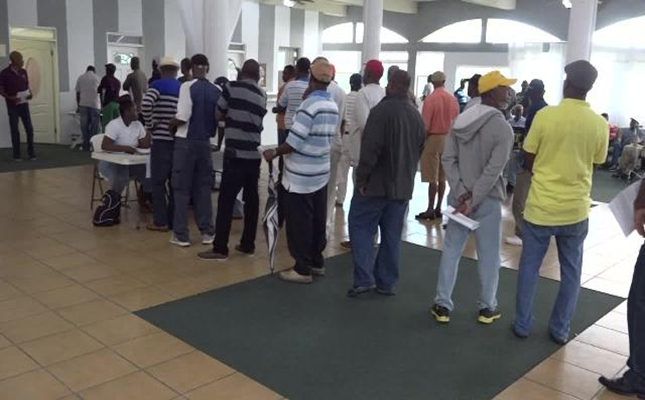
    The Rotary Club of Grenada has announced the highly anticipated return of its signature Free Community Health Fair, scheduled to run from 9 a.m. to 3 p.m. on Saturday, May 9, 2026, at the Gouyave Health Centre. This expanding community initiative builds on the overwhelming success of 2025’s event, upholding the organization’s long-standing mission to expand access to no-cost, high-quality preventive healthcare services for all Grenadians.

    Rooted in Rotary’s core commitment to advancing public well-being, the 2026 health fair will offer attendees a comprehensive menu of free medical and diagnostic services that cover a wide range of critical health needs. The full lineup of services includes general medical consultations, blood pressure monitoring, blood sugar testing, cholesterol screening, ECG heart testing, sexually transmitted disease and sickle cell screening, cancer screening and pap smears, as well as full dental examinations.

    Unlike many routine healthcare access points that create barriers for underserved community members, this event removes cost barriers entirely, and is open to people of every age and background. Event organizers are encouraging attendees to bring family members and friends along to take advantage of the free services, with an overarching goal of reaching more households than last year’s popular gathering.

    A spokesperson for the Rotary Club of Grenada shared that the organization was inspired to expand the initiative following last year’s strong turnout and transformative positive impact on local residents. “Following the strong turnout and positive impact of last year’s health fair, we are excited to continue growing this initiative and expanding our reach within the community. Our goal is to make healthcare more accessible and to empower individuals to take charge of their health,” the representative said.

    The fair’s core public health message is simple: proactive early detection saves lives, and prioritizing preventive care is the foundation of long-term health. For additional updates and details about the 2026 event, community members can follow the Rotary Club of Grenada’s official social media channels. This announcement is contributed by the Rotary Club of Grenada; NOW Grenada does not take responsibility for contributor-provided content, statements, or opinions, and community members can follow official reporting channels to flag any abusive content.

  • The art of precision

    The art of precision

    For nearly four decades, one phlebotomist has redefined what it means to work in diagnostic medicine, turning a universally anxiety-inducing medical procedure into an experience rooted in compassion and exacting care. Carline Baghaloo’s 36-year career at Jamaica’s Caledonia Medical Laboratory (Biomedical) stands as a powerful reminder that even in an increasingly technical healthcare landscape, the human touch remains the most essential tool in patient care.

    When Baghaloo introduces her profession to new acquaintances, the reaction is almost always the same: a confused pause at the word “phlebotomy”, followed by her good-natured clarification that she is the person who draws blood. But for her, the role extends far beyond the simple mechanical act of collecting samples. What many see as a routine procedure is, in her view, a high-stakes skill that demands equal parts technical mastery and emotional awareness.

    Baghaloo’s journey into phlebotomy began unexpectedly in 1987. It was a passing comment from a patient, who noted her naturally warm and approachable demeanor and suggested she would thrive in phlebotomy, that set her on this path. Looking back on her decades-long career, she says the profession chose her, not the other way around. “I think this profession chose me,” she said. “I was made for it.”

    Mastering the delicate balance between rigorous medical science and heartfelt patient care is what has made Baghaloo’s approach so successful. For patients arriving at the lab, the fear of needle sticks is almost universal, so Baghaloo has developed a thoughtful strategy to ease that tension. It combines intentional trust-building, steady technical skill, casual storytelling to distract nervous patients, and even the occasional quick song to lighten the mood.

    “When they enter the lab, they’re greeted with a warm smile, and that helps address any anxiety they may have,” she explained. “We usually try to explain the procedure in a clear and reassuring manner, informing them of what to expect, and assuring that we’re available and equipped to handle any concerns that come up.”

    This signature blend of precision and empathy does more than make individual patients more comfortable — Baghaloo says it improves outcomes for the entire healthcare system. To sustain this level of care, she also emphasizes the importance of personal well-being, encouraging colleagues to set clear boundaries between work and personal life. “When I’m at work, I give my all, but I also take the time to care for my own personal needs,” she noted. Only by prioritizing one’s own health can you show up fully for patients day after day, she argues.

    Over her 36 years in the field, Baghaloo has watched phlebotomy and diagnostic medicine transform dramatically. When she first started at Biomedical, women working in diagnostic roles were rare, and formal training courses for phlebotomy were almost impossible to find. Today, the field is heavily dominated by women — a shift she calls a point of immense personal pride. She describes her female colleagues in one word: “Phenomenal.”

    “We are like proud soldiers standing at the front of the battlefield,” she said, highlighting the relentless dedication required to show up with 100% effort for every patient, every single day.

    As she looks toward the next chapter of her career, Baghaloo’s greatest goal is to leave a actionable legacy for the next generation of medical professionals, rooted in four core values she has lived by throughout her career. First is kindness: a mandate to treat patients and fellow staff with consistent grace. Second is precision: a commitment to getting the procedure right the first time, to spare patients unnecessary discomfort. Third is honesty: starting with radical honesty with yourself about your skills and growth. Fourth is empowerment: encouraging new professionals to step into their confidence and recognize their own strength.

    When asked what she counts as her greatest career achievement, Baghaloo points to her own personal and professional growth over 36 years. “Thirty-six years ago, I was just ‘carline baghaloo’ — all lower case,” she reflected. “Now I am CARLINE BAGHALOO — all caps. My name is known across Jamaica.”

    Her growth was guided early on by mentor Elizabeth Mowatt, a former medical technologist at Biomedical who shared a simple, enduring piece of advice that Baghaloo still passes on to the new staff she mentors today: “If you have nothing to do, don’t waste time…never stop learning; it will mould you for a brighter future.”

    Today, Baghaloo is celebrated not just for the thousands of successful blood draws she has completed over her career, but for the consistent kindness and indomitable spirit she brings to the frontlines of Jamaican healthcare every single day.

  • Ministry of Health Hosts Antimicrobial Stewardship Workshop to Strengthen Responsible Medicine Use

    Ministry of Health Hosts Antimicrobial Stewardship Workshop to Strengthen Responsible Medicine Use

    Against a backdrop of rising global concern over antimicrobial resistance (AMR), a critical two-day training workshop focused on Antimicrobial Stewardship (AMS) kicked off on April 16, 2026, at the Sir Lester Bird Medical Centre (SLBMC). Hosted by Antigua and Barbuda’s Ministry of Health, Wellness, the Environment and Civil Service Affairs, the initiative brought together a diverse cross-section of health-focused stakeholders to confront one of the most pressing silent threats to modern public health.

    Unlike traditional single-sector training events, this workshop intentionally gathered professionals spanning multiple fields tied to AMR spread: practicing clinicians, registered pharmacists, bedside nurses, clinical laboratory technicians, veterinary practitioners, and public health policy officials. This inclusive structure was designed to advance the cross-cutting One Health framework that experts increasingly identify as essential to addressing AMR, which spreads across human, animal, and environmental systems.

    All workshop sessions were led by Abraham S.T. Weekes, a Senior Technical Specialist with the Organization of Eastern Caribbean States Pharmaceutical Pooled Procurement Service (OECS-PPS). With more than 20 years of hands-on experience spanning regional hospital pharmacy practice, pharmaceutical system strengthening, and antimicrobial stewardship programming, Weekes brought context-specific expertise tailored to the unique needs of small island developing states in the Eastern Caribbean.

    In her opening address to participants, Permanent Secretary Stacey Gregg-Paige emphasized the immediate urgency of coordinated action on AMR. She noted that antimicrobial resistance does not only impact individual patient outcomes—it fundamentally reshapes how healthcare is delivered, strains already limited health system resources, and undermines the long-term sustainability of public health infrastructure across the region. Gregg-Paige framed AMR as a core component of national and regional health security, noting that its impacts extend far beyond individual care to threaten broader community resilience.

    The Permanent Secretary called the workshop both timely and indispensable, highlighting that cross-professional collaboration is the only effective path to meaningful progress on AMR. She explained that the convening created a rare space for local stakeholders to reflect on current gaps in antimicrobial use, discuss shared challenges, and co-develop practical, context-appropriate action plans to strengthen stewardship across Antigua and Barbuda’s healthcare system.

    Gregg-Paige further reiterated the critical importance of adopting a One Health approach, which recognizes the inherent interconnectedness of human, animal, and environmental health. She also pointed to the urgent need for expanded and strengthened AMR surveillance systems—tools that are essential to tracking antimicrobial use patterns, detecting emerging resistance strains early, and supporting evidence-based policy and clinical decision-making.

    Rather than relying solely on theoretical lectures, the workshop centered on practical, case-based learning that addressed AMR challenges in both acute clinical care and community health settings. Core session topics included an overview of the current AMR threat landscape in the Caribbean, the core governance roles and functions of local antimicrobial stewardship committees, and actionable strategies to embed rational antimicrobial use into routine healthcare practice.

    Participants collaborated in working groups to develop locally adapted solutions to AMR, strengthen national governance and surveillance frameworks, and build more durable cross-stakeholder collaboration pathways. A dedicated continuing education session was also held to update clinicians and pharmacists on the latest evidence-based best practices for antibiotic prescribing and stewardship.

    Gregg-Paige urged participants to engage fully in the workshop’s activities and keep a focus on measurable, actionable outcomes after the event concludes. “The true value of this engagement will be determined by what follows… in the decisions made, the consistency of approach, and the outcomes achieved,” she told attendees.

    Globally, AMR is recognized by the World Health Organization as one of the top 10 public health threats facing humanity, and the Eastern Caribbean region is no exception to this risk. The Ministry of Health reaffirmed that expanding and strengthening antimicrobial stewardship across all care settings is an essential strategy to preserve the effectiveness of existing life-saving medications, guarantee positive treatment outcomes for patients, and protect overall community health safety.

    In closing, the Ministry extended its sincere gratitude to the OECS-PPS for its technical support and leadership, as well as to all participating stakeholders for their commitment to advancing this critical public health initiative.

  • Carl Christopher, Casilda Verela Donate Infant Care Items to Hospital’s Paediatrics Unit

    Carl Christopher, Casilda Verela Donate Infant Care Items to Hospital’s Paediatrics Unit

    Officials at Sir Lester Bird Medical Centre have announced that the facility’s Paediatrics Unit has received a substantial donation of essential baby and child care items from local donors Carl Christopher and Casilda Verela. Hospital leadership has characterized the contribution as a timely and meaningful boost to the quality of care the unit can provide to its young patients.

    Details of the donation were first shared via an official social media post from the medical centre, which outlined that all contributed supplies are specifically earmarked to support the treatment and daily care of infants and young children receiving treatment at the facility. In an official statement confirming the gift, the hospital reiterated their appreciation for the pair’s generosity.

    “Our Paediatrics Unit has received a generous donation of baby and child care essentials from Carl Christopher and Casilda Verela,” the hospital’s statement confirmed. Leadership went on to emphasize the critical role that donations like this play in keeping the unit’s daily operations running smoothly, noting that the items will fill key gaps in the unit’s current resource inventory.

    “Thank you so much for seeing the need and stepping in and supporting our hospital. Your gift will definitely assist with our care. We look forward to having your support in the future,” the statement added. This donation arrives at a time when public healthcare facilities across many regions increasingly depend on community partnership to stretch public funding further and upgrade patient services. Specialized care areas, including paediatrics, often face unique resource constraints that make community contributions particularly impactful for improving care outcomes for vulnerable young patients.

  • Artificial Intelligence one-minute analysis of X-Rays, other medical images now available

    Artificial Intelligence one-minute analysis of X-Rays, other medical images now available

    In a landmark development for Guyana’s public and private healthcare sectors, President Irfaan Ali announced two major upgrades to the country’s medical infrastructure during the official opening ceremony of the Optique Eye Hospital on 17 April 2026.

    First, the South American nation has rolled out an artificial intelligence-powered diagnostic tool capable of analyzing X-rays, CT scans and MRIs in just one minute, cutting down the long wait times that previously delayed care for thousands of patients. President Ali explained that the new AI system represents a critical investment in healthcare infrastructure that will transform clinical outcomes across the country. “Before, patients and providers would wait hours for scan results to be interpreted by specialists. Now, we can get a full, detailed analysis in just 60 seconds. That translates to faster clinical responses, better treatment outcomes and more impactful care for all patients,” the president stated.

    Health Minister Dr Frank Anthony confirmed to local outlet Demerara Waves Online News that the AI medical imaging platform is already operational at two public facilities: Enmore Hospital on East Coast Demerara and De Kinderen Hospital on West Coast Demerara. The government has formal plans to extend the technology to Georgetown Public Hospital Corporation and all other public coastal hospitals in the coming months. “Any facility with X-ray or CT scanning capabilities will receive this system, and we will integrate it for MRI analysis as we expand MRI access across the public health sector,” Dr Anthony added.

    The announcement coincided with the launch of Optique Eye Hospital, the first privately owned specialized eye care facility in Guyana, located on New Market Street in Georgetown. Built at a total cost of GY$1 billion, the project saw its capital expenditure significantly reduced through investment incentives offered by the Guyana Office for Investment (GO-Invest), part of the government’s push to attract private healthcare investment. Dhani A. Narine, CEO of Optique, credited public-private collaboration and financing support from Republic Bank for making the facility a reality, noting that “through alignment with the government’s development goals, we were able to deliver this complex project at a far more accessible cost.”

    The new hospital is dedicated to Dr. Shailendra Sugrim, one of Guyana’s most respected ophthalmologists whose decades of work have advanced eye care access across the country. Beyond serving local patients, the facility has launched a regional referral program aimed at building partnerships with Caribbean nations and the global Guyanese diaspora, to attract patients from across the Americas.

    Optique Eye Hospital offers a full suite of advanced ophthalmic surgical procedures, including cataract surgery, glaucoma treatment, orbit and oculoplastic surgery, corneal and pterygium surgery, and vitreoretinal surgery. All services are delivered in a modern, purpose-built facility with cutting-edge equipment and advanced operating theaters. The institution has committed to ongoing staff training, regular technology upgrades, rigorous quality monitoring, and community outreach initiatives including free eye screening campaigns to boost early detection of eye disease. Narine emphasized that the facility eliminates the need for Guyanese patients to travel abroad for life-saving sight care: “This project proves that with a supportive investment climate, strong partnerships and shared commitment, we can deliver highly complex subspecialty care locally at international standards. Our goal is to ensure no patient has to leave the country for safe, effective sight-saving treatment.”

    President Ali framed the dual launches as a foundational step toward positioning Guyana as a leading destination for medical tourism in the Caribbean. “Guyana is already known for its natural beauty, vast energy potential and rapid economic growth. Now, we want to build a reputation for world-class, affordable healthcare. We want patients from across the Caribbean, the diaspora, North America and beyond to choose Guyana for high-quality modern medical care,” the president said. The facility’s leadership added that the hospital marks a major step forward in expanding equitable access to advanced eye care, improving quality of life for patients across the country living with a wide range of eye health conditions.

  • Seven hospitals were affected by the recent rains

    Seven hospitals were affected by the recent rains

    Heavy rainfall and subsequent flooding triggered by a strong low-pressure trough have swept across the Dominican Republic in recent days, leaving a trail of damage to the country’s public healthcare infrastructure. In a press briefing held in Santo Domingo, Julio Landrón, executive director of the nation’s National Health Service (SNS), confirmed that seven hospitals have sustained significant impact from the extreme weather event.

    Landrón explained that while every hospital in the affected zone saw some degree of water intrusion from the intense precipitation, seven facilities experienced critical structural leaks that disrupted normal operations. The worst-hit site, the hospital in Montellano, required emergency evacuation of an interior wing after rushing water flooded through its internal corridors. Contrary to initial assumptions that the densely populated capital region would bear the brunt of the damage, Landrón clarified that the most vulnerable healthcare facilities are not located in Greater Santo Domingo. Instead, it is low-lying, high-risk regions like Montellano and Puerto Plata that have faced the most severe flood-related damage to local hospitals.

    Despite the scale of the damage, the SNS has moved swiftly to restore services for patients. Landrón reported that emergency crews completed remediation work at the most affected Montellano facility in less than 24 hours, bringing the site back online to deliver essential care. To expand care capacity for affected communities, the SNS partnered with the country’s Emergency Operations Center (COE) to set up a fully functional mobile hospital near the damaged site. Landrón emphasized that the agency is well-prepared for any additional extreme weather: the SNS currently holds more than five fully stocked mobile hospital units that can be deployed immediately if new flooding occurs, to guarantee uninterrupted care for local residents.

    Looking ahead to mitigate future flood-related damage to public healthcare facilities, Landrón noted that the SNS has already rolled out a national waterproofing upgrade program across the entire public hospital and primary care center network. The initiative was specifically designed to address the flood-prone terrain where many of the country’s rural and low-lying healthcare facilities are located, reducing the risk of water intrusion and structural damage during future heavy rain events.

  • General Hospital dismisses disinformation regarding Nephrology Unit

    General Hospital dismisses disinformation regarding Nephrology Unit

    Misinformation claiming a state of crisis at the Nephrology Unit of Grenada’s General Hospital has been formally and unequivocally rejected by the country’s Ministry of Health and the hospital administration. In an official statement delivered Wednesday during a post-cabinet press briefing held in St. George’s, Health Minister Hon. Philip Telesford clarified that these circulating claims are entirely misleading, and the unit has maintained full, standard operations to deliver quality care to all patients with kidney-related conditions.

    While the minister was firm in dismissing rumors of a unit-wide crisis, he did emphasize that kidney failure itself stands as a serious and rapidly growing public health challenge across Grenada. The core public health crisis, Telesford explained, is not a breakdown of the nephrology department, but widespread noncompliance with public health guidance that could prevent kidney disease. Too many local residents have failed to respond to repeated calls for routine early screening, and many are not taking the necessary steps to manage chronically high blood pressure and elevated blood sugar — two well-documented leading risk factors for developing chronic kidney disease.

    “We have to make a clear distinction between baseless rumor and factual reality,” Telesford stated. “The reality is that kidney failure is a major public health threat for Grenada. The true crisis we face is that too many of our citizens are ignoring public health advice to protect their own health through early detection and proactive lifestyle changes.”

    Telesford went on to outline key, accessible steps that all Grenadians can take to reduce their risk of kidney disease and reduce strain on kidney function. He urged the public to incorporate regular physical activity into daily routines, maintain consistent hydration by drinking adequate water, cut back on alcohol and tobacco consumption, and adopt a nutrient-dense, balanced diet to support long-term kidney health.

    Alongside debunking the misinformation, the Ministry of Health issued three core public health recommendations for all citizens: first, to schedule consistent routine health check-ups that include screening for kidney function; second, to manage blood sugar and blood pressure levels through a combination of healthy diet, regular exercise, and ongoing guidance from medical professionals; and third, to reach out to healthcare providers at the first sign of concerns, rather than waiting for symptoms to progress to a dangerous stage.

    The ministry closed by reaffirming that the Nephrology Unit at General Hospital remains fully operational, with its entire staff dedicated to delivering high-quality care to all patients. It added that the government continues to prioritize resource allocation and public outreach initiatives to combat the growing burden of chronic disease and protect the overall health of the Grenadian population.

  • Farm expert urges healthy foods subsidies to fight obesity crisis

    Farm expert urges healthy foods subsidies to fight obesity crisis

    Barbados is facing a growing public health emergency fueled by rampant overconsumption of sugar and processed fats, and a veteran agricultural specialist is pushing for urgent government intervention to reverse the dangerous trend. Keely Holder, a former chief agricultural officer, experienced farmer and leading agri-systems expert, laid out a comprehensive policy proposal during a Thursday press conference hosted by the Barbados Childhood Obesity Prevention Coalition (BCOPC) at the University of the West Indies Cave Hill Campus, calling for targeted subsidies and tax breaks for at least 30 to 40 nutrient-dense whole food items.

    Holder, who serves as a BCOPC member, presented startling new consumption data that puts Barbados’ dietary habits far outside World Health Organization (WHO) recommendations. Per WHO guidelines, the average daily caloric intake for the island’s population should sit at roughly 2,250 calories. But current data shows Barbadians are exceeding that target by a staggering 70 percent on average, she confirmed.

    The overconsumption crisis is even more pronounced when broken down by food group. Holder explained that the average Barbadian consumes around 583 calories per day from sweets and added sugars — nearly three times the 180 daily calorie limit recommended by the WHO. For oils and fats, the gap is equally dramatic: daily consumption hits 389 calories, more than double the WHO’s 160 calorie guideline. These high-calorie, low-nutrient food groups now make up a disproportionate share of the average Barbadian diet, directly driving rising national rates of obesity and diet-related chronic disease.

    Against this backdrop, Holder argues that making nutrient-dense healthy foods more affordable for all households is the most effective first step to curbing overconsumption of harmful products and addressing Barbados’ worsening obesity crisis. She outlined that the first phase of the coalition’s proposed plan would involve identifying 30 to 40 priority whole, nutritious foods aligned with public health needs, with the goal of helping consumers shift their palates and long-term dietary habits toward options that meet their nutritional requirements. These priority items would primarily be low-carbohydrate options to offset excess sugar intake, and foods rich in Omega-3 fatty acids to counterbalance the high levels of inflammatory Omega-6 fatty acids in the current average diet.

    To incentivize this shift, Holder is calling for these priority healthy items to be added to the country’s existing zero-rated goods basket — a list of products exempt from consumption taxes — with additional direct subsidies to bring down retail prices. She also emphasized the need for coordinated, integrated policy across government portfolios, specifically calling for aligned trade and tariff reform. Under that proposal, healthier foods would face lower or zero tariffs to boost accessibility, while higher tariffs would be placed on unhealthy processed products to raise their price and reduce consumer demand.

    Beyond fiscal and trade policy, Holder highlighted public health education as a core pillar of any effective intervention. Many consumers, she noted, lack critical awareness of misleading industry practices in imported food products, which make up a large share of Barbados’ food supply. A common example is misleading serving size labeling: food manufacturers often list serving sizes based on current average consumption patterns rather than evidence-based healthy portions, leading consumers to unknowingly eat far more calories than they intend. Public education campaigns are needed to help consumers spot these misleading practices and make informed choices about their diets, she argued.

    Holder closed by calling for closer collaboration between government agencies and civil society organizations to tackle the unhealthy overconsumption crisis, noting that coordinated multi-sector action is required to create sustainable, long-term change for public health in Barbados.

  • Pharmacists are Concerned About Unreported Effects of Medication

    Pharmacists are Concerned About Unreported Effects of Medication

    In Belize, a months-long public debate over prescription regulation for contraceptives is set to enter a 12-month phase-in period that has softened tensions, but the Pharmacy Association of Belize is holding firm to its core message: patient well-being remains the non-negotiable top priority.

    As public discourse around contraceptive access has intensified in recent weeks, the association says the narrative around its position has been widely misconstrued. Far from pushing for restrictions on reproductive rights, organization representatives emphasize their work is rooted in a fundamental professional responsibility to protect public health, particularly as questions mount over unreported long-term impacts of hormonal contraceptive use.

    Beverly Coleman, public relations officer for the Pharmacy Association of Belize, laid out the group’s stance in comments to local media, clarifying that the push for stronger prescription oversight is not an attempt to limit personal autonomy. “Personally, I am against controlling women’s reproductive rights — a woman’s body is hers to make her own choices,” Coleman explained. “Where we have failed in the past is in properly educating the public about what we actually stand for, and now it’s our job to make that clear to all people, especially women accessing contraceptives.”

    Coleman went on to outline the core concern driving the association’s advocacy: the lack of localized research on how the synthetic hormones in contraceptives affect Belizean communities. Hormonal contraceptives introduce foreign chemical compounds to the human body, she noted, and there is little to no local data tracking what long-term impacts these compounds may have.

    Over recent years, Coleman pointed out, Belize has seen a sharp, unexplained rise in chronic health conditions among younger populations, including hypertension and stroke. While the association stops short of drawing a definitive causal link to contraceptive use, the absence of research into potential connections leaves critical gaps in public health understanding that need to be addressed. “We don’t have the hard data to confirm any connection, only observations of worrying trends,” Coleman said. “That’s why we’re calling for greater transparency and monitoring — it’s not about restricting access, it’s about looking out for the long-term health of our patients.”

  • Medical Mission Wraps Up After Serving Hundreds of Belizeans

    Medical Mission Wraps Up After Serving Hundreds of Belizeans

    A four-day free community medical outreach organized by the Seventh-day Adventist Church drew to a close this week in Belize City, after delivering no-cost care to more than 1,300 low-access and underserved Belizean residents, organizers confirmed in closing remarks.

    The initiative, which launched earlier that week at the Belize City Center, brought a team of fully board-certified medical specialists from the United States and other global regions to provide complimentary consultations and care to local residents who often face barriers to accessing high-quality healthcare. Unlike temporary volunteer missions that rely on trainee providers, every clinician participating in this outreach is a practicing, experienced specialist committed to donating their time and covering all personal travel expenses to support the community, church leadership noted.

    Patient turnout far exceeded initial expectations, growing steadily across the event’s four-day run. Dr. Zoraida Powell, health ministry assistant for the Belize Union Seventh-day Adventist, shared that patient numbers climbed from 230 on the first day, to 350 on the second, and reached 420 on the third day. By the final day of the outreach, lead organizers estimated the total number of people served across all services surpassed 1,300.

    For local Belize City residents who accessed care, the impact of the mission was immediately clear. Evonne Longsworth, a Belize City resident and a member of the Adventist community, expressed her surprise and joy at the large turnout for the event, noting that she had long valued the church’s focus on public health messaging. “I know they have a good health message, I am an Adventist. I am so happy they came to Belize and I am amazed by the amount of people that turned out,” Longsworth said. Fellow resident Edward Belizaire echoed that positive feedback, describing the outdoor community-focused care model as unlike any medical outreach he had experienced before.

    Dr. Roger Chene, director of the Amazing Facts Medical Clinic, emphasized that the event was a collaborative success, bringing together the visiting medical team, local public health authorities, and the national Adventist church to serve the community. “Everyone is very excited about the experience here. They had the opportunity to see over one thousand three hundred patients throughout the four days. So it has been a true blessing to be here. The patients are very happy to be here. They are thankful about the services they have received, working with the team, the local ministry of health and the local Seventh-day Adventist,” Chene said.

    Dr. Al Powell, president of the Seventh-day Adventist Church Belize, highlighted the quality of care delivered, stressing that all participating providers are active, board-certified specialists who manage clinical cases daily in their home practices. “We are providing top quality medical doctors, specialist in all the areas. These are board certified in the U.S. and throughout where they serve. So we bring in quality persons that manage this stuff on a daily basis. They are no interns here. They are all persons that are committed and sacrificing time and energy and they are paying their expenses to come on this exploit to build up Belize,” Powell explained.

    Looking ahead, the Seventh-day Adventist Church in Belize has announced plans to turn this successful outreach into a recurring annual event, expanding access to free high-quality care for Belizean residents into the future.