分类: environment

  • Plastic Bottles and Bags Leading Pollution Across Belize

    Plastic Bottles and Bags Leading Pollution Across Belize

    A comprehensive environmental study has revealed alarming setbacks in Belize’s battle against plastic pollution, with single-use items continuing to overwhelm the Central American nation’s ecosystems. The non-profit organization Sea of Life released its 2025 National TrashBlitz report, documenting a disturbing prevalence of plastic waste accounting for 67% of all debris collected nationwide—marking an increase from previous years.

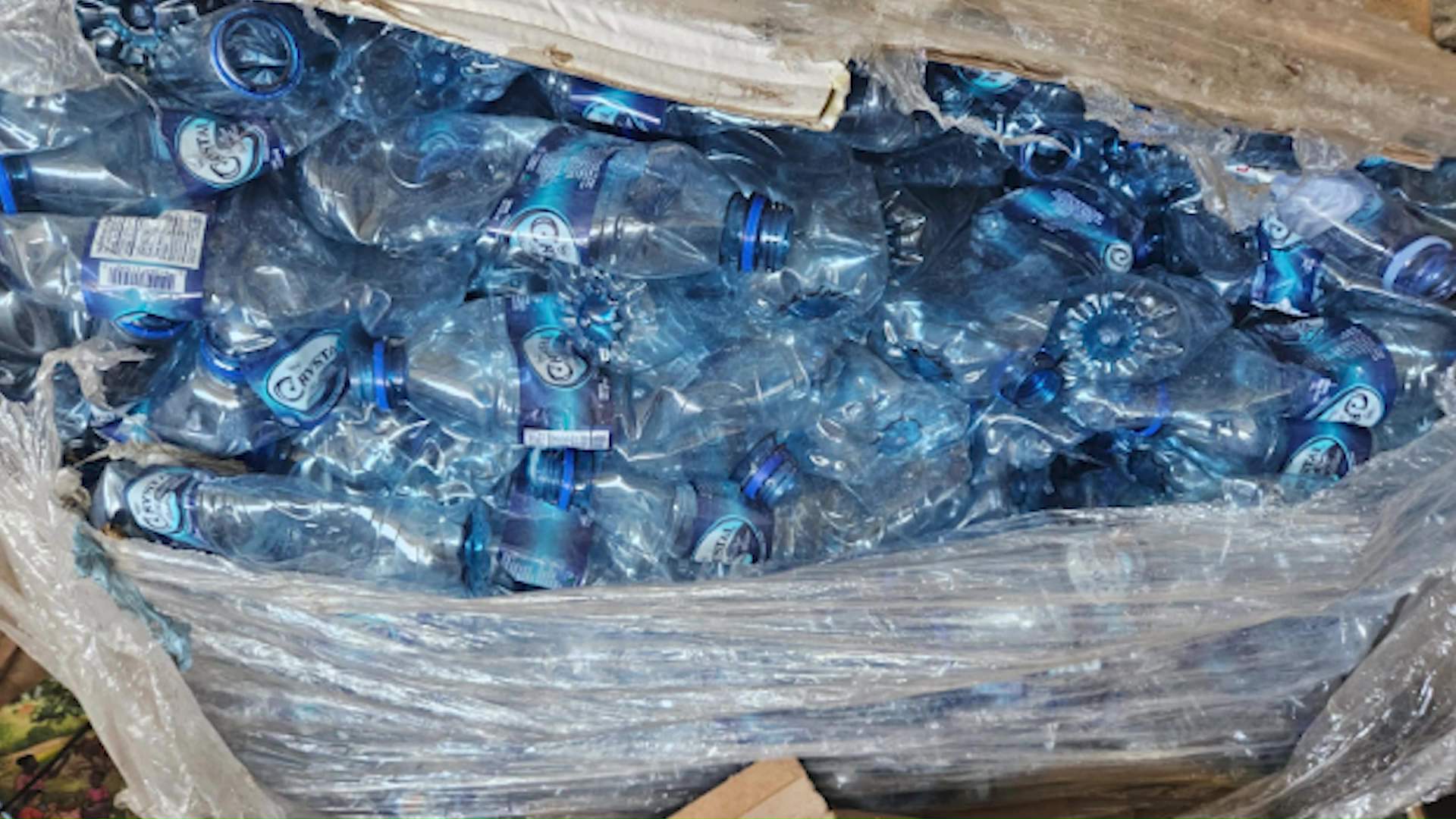
    The research, conducted through an extensive nationwide trash-collection initiative, identified 14,208 pieces of trash across 17 monitoring sites. Single-use beverage bottles emerged as the primary contaminant, with nearly 3,500 plastic bottles recovered. Crystal water bottles dominated the findings with approximately 2,000 specimens, followed by Coca-Cola products and Belikin beer bottles among the most frequently encountered items.

    Despite Belize’s landmark 2022 legislation prohibiting Styrofoam products, cups, plates, and straws, the report indicates that plastics excluded from the ban—particularly bottles and water pouches—continue to proliferate across terrestrial and marine environments. Paulita Bennett-Martin, Executive Director of Sea of Life, emphasized that these materials fragment into microplastics rather than decomposing, creating persistent environmental hazards.

    The ecological impact extends beyond visible pollution, with chemical contaminants from plastics acting as endocrine disruptors that infiltrate marine food chains. Studies confirm these toxins now appear in fish tissue throughout the region, posing potential public health risks through seafood consumption.

    While recycling initiatives exist, including Bowen & Bowen’s cash-for-bottles program, their effectiveness remains limited against the scale of plastic pollution. Sea of Life advocates for systemic changes including expanded plastic bans, deployment of refillable water stations in public institutions, and development of affordable alternatives supported by public education campaigns.

    The Department of Environment has engaged with the report’s findings, signaling potential policy enhancements to strengthen implementation of existing regulations. The TrashBlitz initiative, initially designed to monitor school-based refill stations, has evolved into a national dialogue addressing consumption patterns and waste management infrastructure gaps that enable plastic leakage into Belize’s sensitive ecosystems.
  • ‘Belize’s Plastic Ban is Not Working’

    ‘Belize’s Plastic Ban is Not Working’

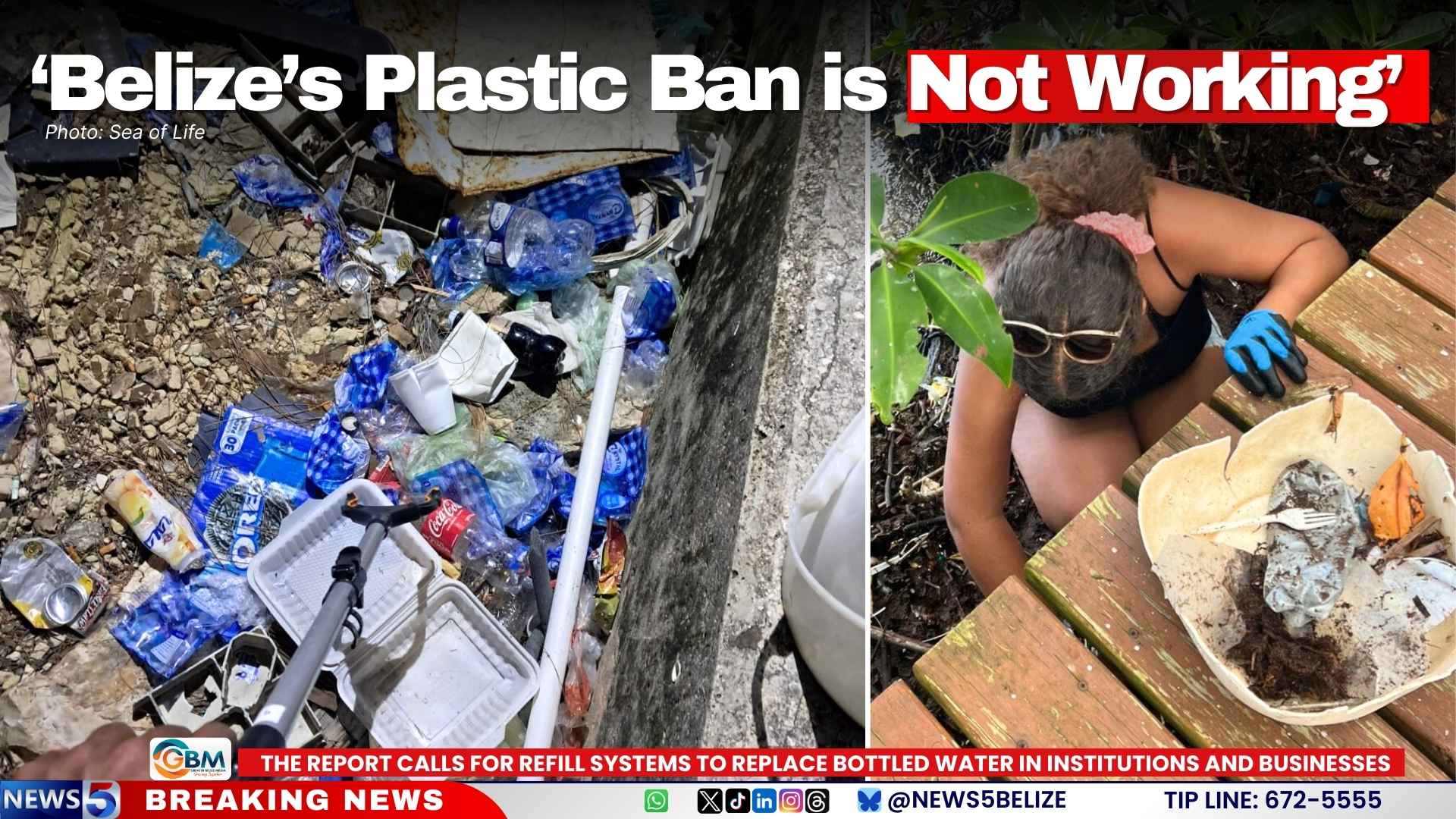
    Despite implementing one of the region’s most ambitious environmental policies, Belize continues to struggle with plastic pollution five years after enacting its single-use plastics ban. The 2025 TrashBlitz Belize Report reveals a stark disconnect between legislative intent and on-the-ground reality, with plastic items constituting nearly 70% of all waste documented across the nation.

    The comprehensive study, conducted through standardized audits at 17 sites spanning all six districts, recorded 14,208 individual pieces of trash. The data presents a troubling picture of persistent plastic consumption, with food and beverage packaging emerging as the predominant contaminant. Crystal Water bottles ranked as the most frequently encountered item, followed by various branded beverage containers. Plastic bags, caps, wrappers, and pouches additionally featured prominently in the waste catalog.

    This environmental assessment comes seven years after Belize’s initial 2018 prohibition on single-use plastics and Styrofoam products, which was subsequently strengthened through updated regulations in 2022. Nevertheless, non-compliant items continue to circulate widely, with plastic consumption rates outpacing the capacity of national waste management infrastructure.

    Shanda Sainsbury, Senior Field Representative at Oceana Belize, characterized the TrashBlitz initiative as fundamentally “a call to action rather than a cleanup exercise.” Emphasizing the program’s educational mission, Sainsbury noted, “Through this initiative and collaborating with Sea of Life, it has shown me how we can all be powerful stewards of our environment, creating positive change for our communities and future generations.”

    The report advocates for implementing systemic solutions including refillable water systems in institutions and commercial establishments, a comprehensive ban on plastic bags, and establishing national monitoring protocols for microplastic pollution. These measures are deemed particularly critical for a nation whose economy and ecological heritage are built upon pristine reefs, river systems, and tourism.

    Spearheaded by Sea of Life through its citizen science program, the TrashBlitz initiative engaged over 650 participants including schools, non-governmental organizations, and community groups between January and March 2025, creating a standardized framework for tracking litter and measuring the effectiveness of environmental policies.

  • IHO Nature Rangers Host Successful Community Consultations on Conservation in the NEMMA

    IHO Nature Rangers Host Successful Community Consultations on Conservation in the NEMMA

    In a significant stride toward community-driven conservation, the IHO Nature Rangers orchestrated two pivotal consultations within Antigua and Barbuda’s North East Marine Management Area (NEMMA). These gatherings, integral to the “Strengthening Conservation Actions in the North East Management Area” initiative, convened local residents, leaders of community organizations, and key stakeholders to shape the future of environmental stewardship.

    The first session unfolded on January 26, 2026, at Parham Primary School, with a subsequent meeting on January 28th at the Glanvilles Community Center. Project Manager Britney McDonald presented a comprehensive update on conservation measures already implemented, setting the stage for collaborative planning.

    Dialogues centered on forging partnerships and identifying actionable strategies to bolster biodiversity protection, enhance waste management systems, and promote sustainable practices. In Parham, deliberations highlighted the urgent need to safeguard Byam’s Wharf, a critical habitat for the endangered West Indian Whistling Duck plagued by improper waste disposal. The community also proposed vocational training in sustainable skills like fish pot construction and designated sites for new regulatory signage and bulk rubbish skips.

    The Glanvilles and Seatons communities advocated for the restoration of local pond ecosystems, the installation of waste collection infrastructure, and targeted clean-up operations at notorious illegal dumping sites. A strong emphasis was placed on engaging youth through educational programs focused on biodiversity, reflecting a shared commitment to intergenerational environmental education.

    These consultations underscored the profound cultural and economic ties binding these coastal communities to their marine environment. Both meetings culminated in the development of a detailed action plan, reinforcing collaborative partnerships and a unified dedication to preserving NEMMA’s ecological heritage.

    Forthcoming project activities include a birdwatching and ecotourism training session scheduled for February 15th, 2026, alongside community outreach through local churches. As McDonald emphasized, “We’re guided by community activists and organizations. This project aims to empower sustainable conservation actions that will endure long after its completion.”

    This ambitious endeavor is supported by the Critical Ecosystem Partnership Fund and the World Bank, with implementation expertise provided by the Caribbean Natural Resources Institute and Integrated Health Outreach.

  • Land Titles Secured for Hol Chan Marine Reserve

    Land Titles Secured for Hol Chan Marine Reserve

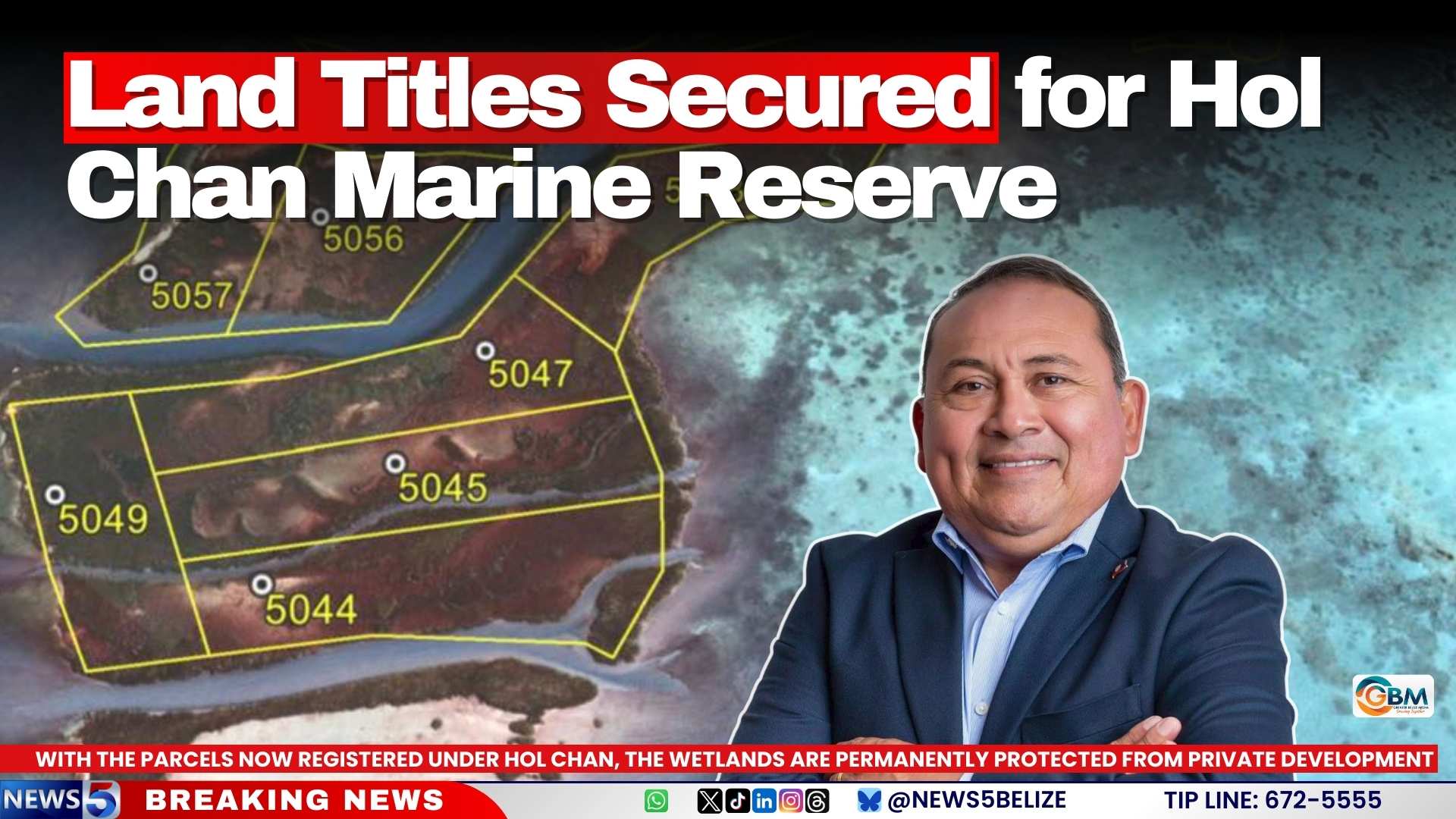
    In a significant conservation victory, Belize’s Hol Chan Marine Reserve has achieved permanent protection status for 11 strategic land parcels situated south of Ambergris Caye. This landmark decision effectively shields these ecologically vital areas from any future private development or commercial exploitation.

    The secured territories, located within Zone C of the reserve, encompass essential mangrove wetlands that perform dual critical functions: serving as natural storm protection barriers and functioning as crucial nursery habitats for diverse marine species. By formally registering these parcels under Hol Chan’s jurisdiction, the Belizean government has established an immutable barrier against potential land acquisition, development, or sale by private entities.

    Andre Perez, Minister of Blue Economy and Marine Conservation and Area Representative for Belize Rural South, formally announced the achievement. “The formalization of these land titles guarantees that these vulnerable zones will be preserved exclusively for conservation purposes, sustainable management practices, and the enduring benefit of future generations,” Minister Perez declared in an official statement.

    This conservation milestone was realized through collaborative efforts between multiple government branches, including substantial support from Deputy Prime Minister Cordel Hyde’s office and the Ministry of Natural Resources. The success also reflects the persistent advocacy of environmental stakeholders and conservation partners dedicated to preserving Hol Chan’s unique biodiversity and ecological functions.

  • Wastewater Pollution Putting Belize’s Barrier Reef at Risk

    Wastewater Pollution Putting Belize’s Barrier Reef at Risk

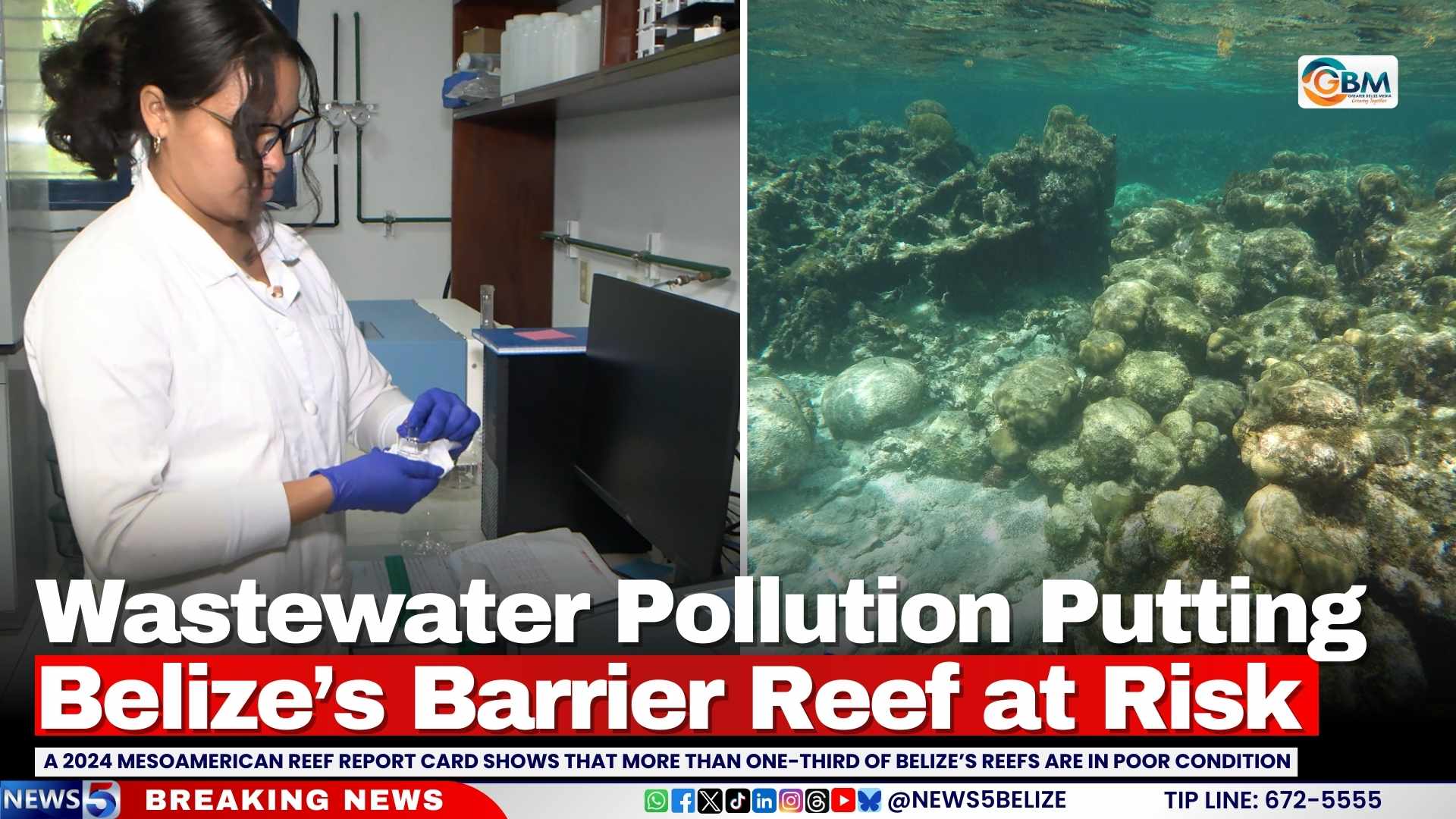
    Scientific assessments reveal alarming degradation across Belize’s marine ecosystems, with the 2024 Mesoamerican Reef Report Card indicating over one-third of the nation’s reefs now classified as poor quality. An additional twenty percent have reached critical condition, primarily due to contamination from sewage waste and agricultural runoff.

    The organization Healthy Reefs for Healthy People, which coordinates regional monitoring efforts, identifies untreated wastewater as a persistent threat to coral systems. This pollution introduces excessive nutrients and pathogens into marine environments, triggering accelerated algae growth, oxygen depletion, and increased stress on vulnerable coral formations.

    At the University of Belize’s Hummingbird Analytical Laboratory, daily water testing provides concrete evidence of pollution sources. Laboratory Officer Zeida Franco-Leon notes that household products leave detectable traces in marine waters. “Phosphates indicate soap suds runoff from domestic use, alongside contamination from agricultural activities,” she explained.

    Environmental Officer Kenrick Gordon emphasizes that wastewater management extends beyond municipal systems, encompassing industrial and tourism sectors. “The banana and citrus industries, along with hotels and resorts, must all comply with environmental standards,” Gordon stated.

    While governmental agencies including the Department of the Environment and Belize Water Services are implementing improved wastewater management strategies, conservation groups argue that individual responsibility remains crucial. The Belize Fund for a Sustainable Future highlights how domestic sewage treatment and consumer product choices collectively impact reef health and the communities dependent on these ecosystems.

  • Government Renews FCD Macaw Research Permit

    Government Renews FCD Macaw Research Permit

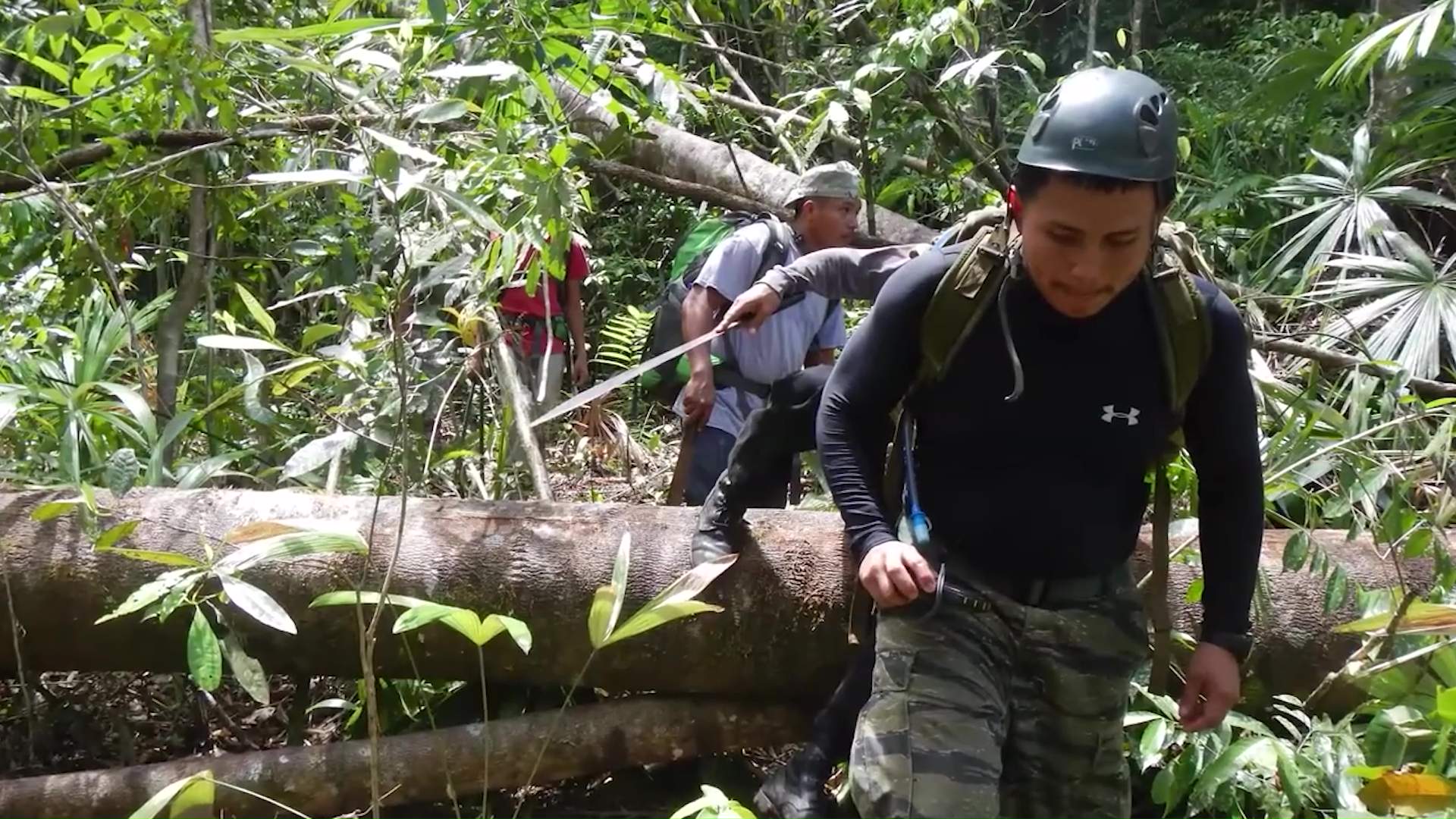
    In a significant development for wildlife conservation, the Belizean government has officially renewed the research permit for Friends for Conservation and Development (FCD) after weeks of negotiation. The resolution ends considerable uncertainty surrounding the organization’s critical macaw conservation programs.

    Prime Minister John Briceño addressed the previous delays, explaining that tensions between FCD and a private logging company operating in the same region had necessitated additional discussions. The primary concern involved safety protocols regarding research activities in areas with active logging operations.

    “We successfully mediated the situation,” stated Briceño. “FCD represents an invaluable developmental partner, and ensuring their continued operation remains a government priority. The safety concerns regarding research personnel working near logging vehicles have been satisfactorily addressed through collaborative dialogue.”

    The resolution has paved the way for an expanded government partnership with the conservation organization. Current initiatives include developing the Las Cuevas Research Station with enhanced facilities for long-term research and educational tourism. This will enable students to reside onsite while conducting field studies.

    Additionally, plans are advancing for establishing new FCD headquarters near Chalillo Dam with Belize Defence Force consent, including a visitor center to promote public engagement with conservation efforts.

    Briceño, who previously supported FCD during his tenure as minister, expressed strong personal commitment to the organization’s mission: “I maintain a vested interest in ensuring they continue their exceptional environmental stewardship. Their work aligns perfectly with our national conservation priorities.”

    The renewed partnership signals strengthened governmental support for biodiversity research and sustainable environmental management practices in Belize.

  • Grenada celebrates World Wetlands Day 2026

    Grenada celebrates World Wetlands Day 2026

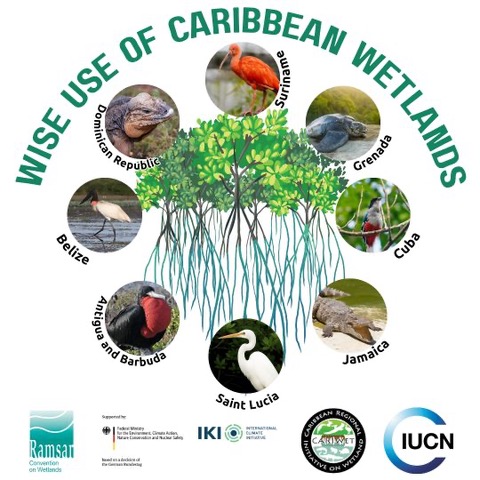
    Grenada is preparing to join the global observance of World Wetlands Day 2026 through a collaborative initiative spearheaded by the Wise Use of Caribbean Wetlands project. This tri-island nation will bring together government agencies, the Grenada Fund for Conservation, and local community organizations in a unified celebration of wetland ecosystems.

    The 2026 theme, ‘Wetlands and Traditional Knowledge: Celebrating Cultural Heritage,’ highlights the critical importance of indigenous and local wisdom in protecting and sustainably managing wetland resources. This approach recognizes generations of accumulated knowledge that has proven essential for conservation efforts.

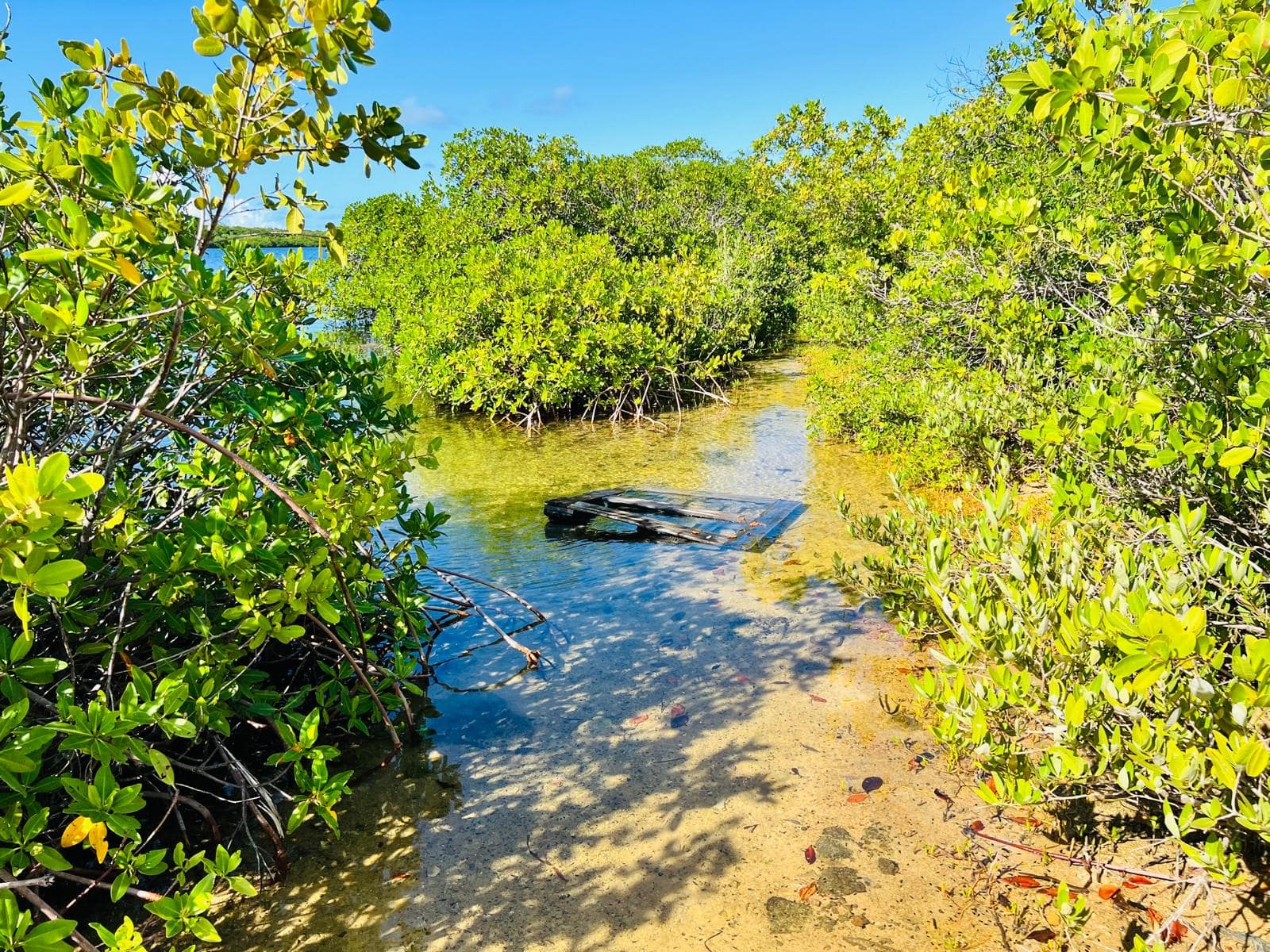
    Grenada’s diverse wetland ecosystems—including mangrove forests, estuaries, lakes, and coastal lagoons—represent vital biodiversity hotspots that were historically misunderstood. Once dismissed as undesirable wastelands suitable only for reclamation, these ecosystems are now recognized as natural barriers against storm surges and coastal erosion. They play crucial roles in maintaining water cycles and supporting fisheries that sustain local communities.

    Traditional practices handed down through generations, such as sustainable harvesting techniques and seasonal environmental monitoring, offer valuable insights for addressing contemporary climate and pollution challenges. By integrating this ancestral wisdom with modern conservation policies, Grenada aims to build more resilient communities.

    To mark this occasion, the public is invited to visit the Woburn mangrove restoration and birdwatching site on February 3rd, 2026, between 9:00 AM and 2:30 PM. The event will feature educational booths and guided tours, particularly encouraging school participation to learn about local wetland biodiversity.

    The exhibition will showcase contributions from numerous organizations including the IUCN’s Caribbean Wetlands project, Forestry and National Parks Department, Environment Division, Gaea Conservation Network, St. Patrick Environmental and Community Tourism Organisation, Grenada Sustainable Development Trust Fund, the Climate Resilient Water Sector in Grenada (G-CREWS) project, and The Nature Conservancy.

    This World Wetlands Day celebration promises to be an informative gathering that raises awareness about wetland conservation efforts throughout Grenada, offering visitors valuable insights into both the ecological significance and cultural heritage associated with these vital ecosystems.

  • Belize Begins Tracking Its Air Pollution Levels

    Belize Begins Tracking Its Air Pollution Levels

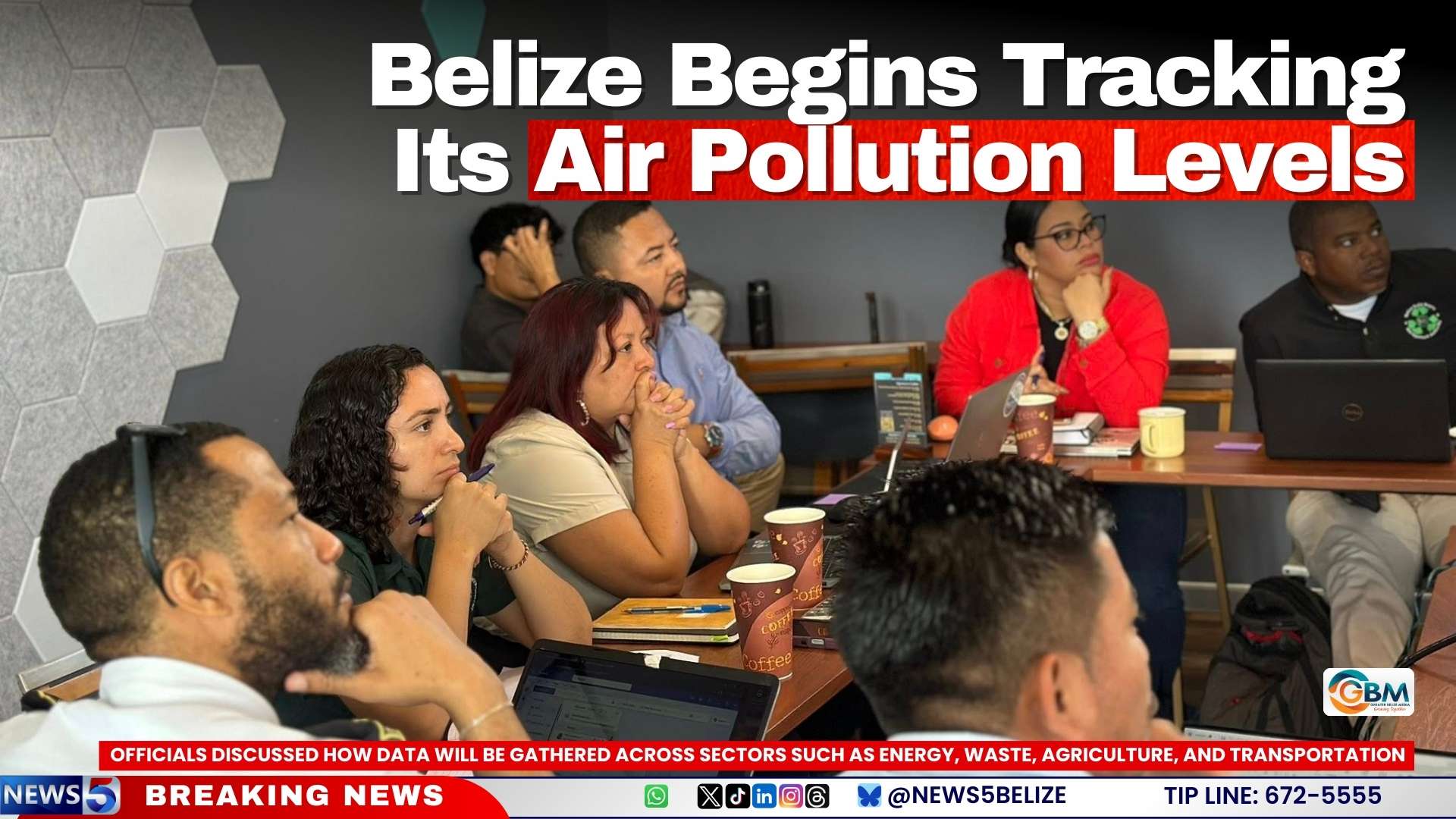
    In a significant environmental monitoring advancement, Belize has formally initiated its latest comprehensive national greenhouse gas inventory on January 28, 2026. The National Climate Change Office (NCCO) spearheaded this critical environmental assessment through a technical convening of key governmental agencies and strategic partners responsible for emissions data collection and reporting.

    The inaugural technical meeting established robust methodologies for multi-sectoral data acquisition across Belize’s primary emissions-producing sectors including energy production, waste management, agricultural operations, and transportation networks. Participants developed rigorous verification protocols to ensure data accuracy and maintain transparency throughout the reporting process. Capacity building initiatives formed a crucial component of the discussions, with plans to enhance technical staff competencies in emissions monitoring and international reporting standards.

    This systematic national inventory constitutes Belize’s compliance mechanism with its Paris Agreement obligations, which mandate regular submissions of standardized emissions reports to global climate authorities. The process enables precise tracking of national pollution metrics while ensuring alignment with international environmental standards and commitments.

  • Belize Kicks Off Greenhouse Gas Inventory Cycle

    Belize Kicks Off Greenhouse Gas Inventory Cycle

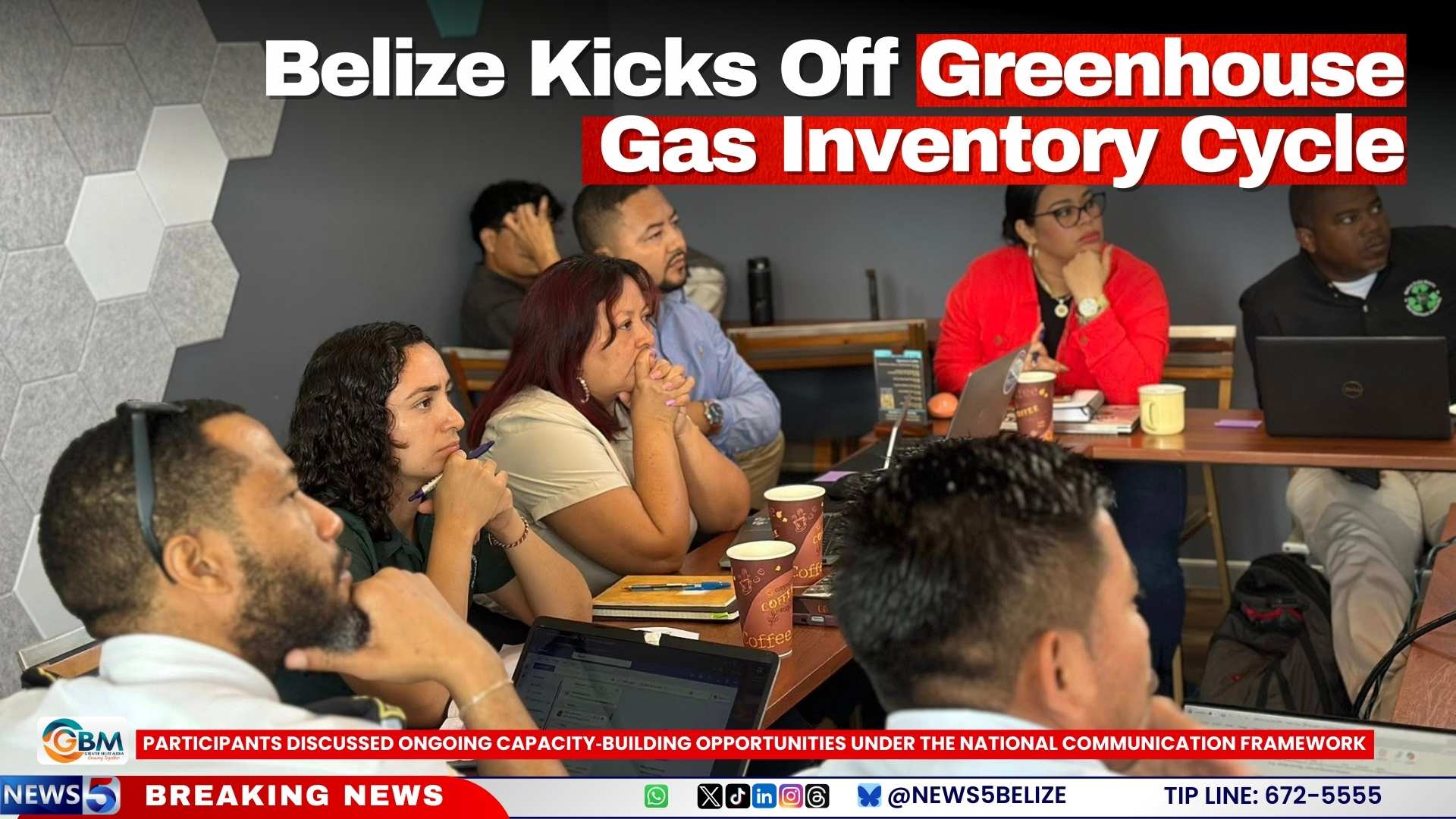
    Belize has formally initiated a significant environmental monitoring initiative through the launch of its National Greenhouse Gas (GHG) Inventory Cycle. The program, spearheaded by the National Climate Change Office (NCCO) operating under the Ministry of Sustainable Development and Solid Waste Management, represents a strategic effort to enhance the nation’s climate accountability mechanisms.

    The inaugural session focused on establishing clear operational parameters for the inventory cycle rather than direct air pollution measurement. Key objectives included defining the structural framework of the National GHG Inventory Cycle and synchronizing sector-specific workplans with the NCCO’s overarching strategic vision. Participants conducted a thorough examination of the Technical Expert Review protocol for the forthcoming Biennial Transparency Report, ensuring Belize’s compliance with rigorous international transparency requirements.

    Additional discussions centered on capacity-building initiatives available through established frameworks including the National Communication program and the Greenhouse Gas Management Institute. The meeting specifically emphasized the imperative that the inventory process adhere strictly to the “Modalities, Procedures, and Guidelines” mandated by the Paris Agreement. This compliance encompasses the preparation and submission of both the National Inventory Document and standardized Common Reporting Tables, positioning Belize to meet its international climate commitments with enhanced data integrity and reporting precision.

  • REOI: Consulting Services — Firms selection

    REOI: Consulting Services — Firms selection

    The Grenadian government, in partnership with the United Nations Development Programme (UNDP) and backed by Global Environment Facility funding, has initiated a significant environmental conservation project. This initiative focuses on comprehensively revising the nation’s Protected Areas System Plan, originally established in 2009, while simultaneously finalizing draft management plans developed during the 2017-2019 R2R Project.

    The consulting assignment, scheduled from March 16 to June 12, 2026, requires specialized expertise in environmental management, natural resources conservation, and spatial planning. Interested firms must demonstrate substantial experience working with governmental agencies on environmental policies, donor-funded public sector projects, and stakeholder engagement processes, particularly within Caribbean or Small-Island Developing States contexts.

    Evaluation criteria emphasize technical competence in environmental science, natural resources management, and heritage preservation. Applicants must provide evidence of previous successful assignments, including case studies and client references validating their qualifications and performance quality.

    The selection process will follow the Consultant Qualification Selection method outlined in Procurement Regulations. Consulting firms may form associations or joint ventures to strengthen their applications, with clear indication of partnership structures and liability arrangements.

    Submission requirements include digital PDF documents not exceeding 25 pages, presented on company letterhead with comprehensive profiles, recent project experiences, and valid business documentation. All expressions of interest must be submitted electronically through the Central Procurement Unit’s e-procurement platform and specified email addresses before February 4, 2026, at 11:59 PM Eastern Caribbean Time.