分类: environment

  • San Pedro Sees Early Sargassum Landfall

    San Pedro Sees Early Sargassum Landfall

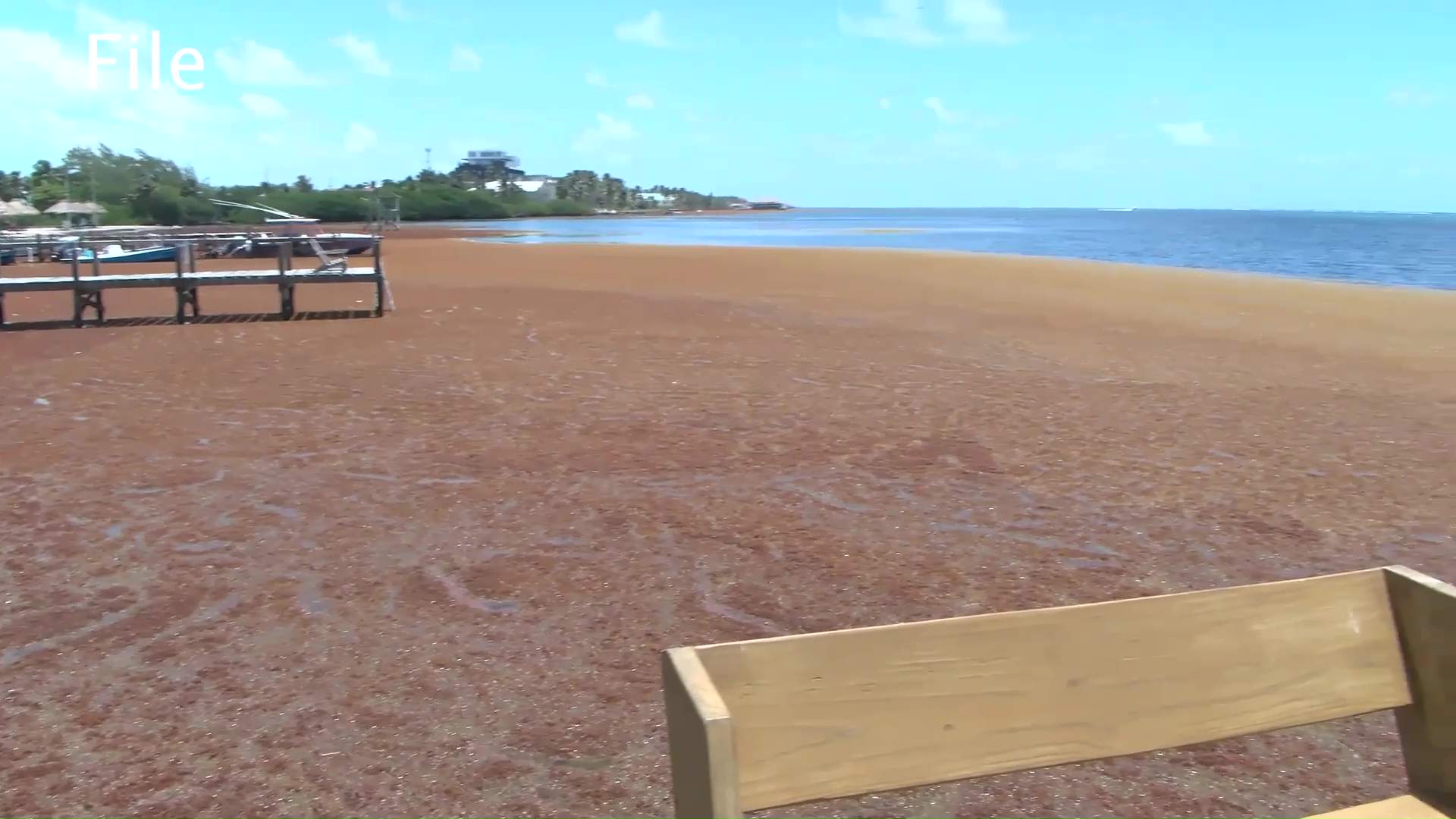
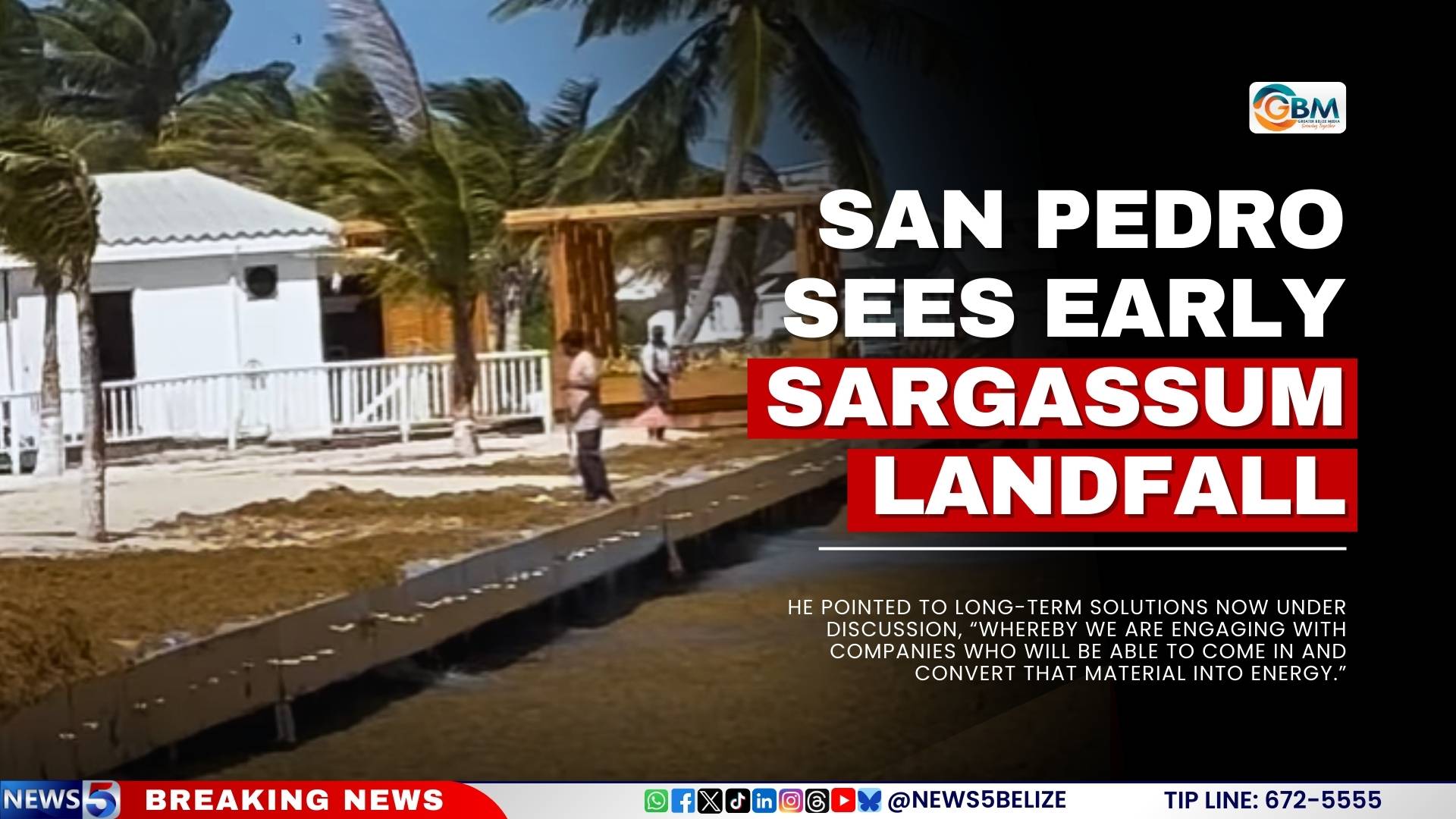
    The coastal community of San Pedro, Belize, is experiencing an unusually early arrival of sargassum seaweed, with confirmed landfall occurring last Friday—months ahead of typical seasonal patterns. This premature emergence of the brown macroalgae has triggered immediate response protocols from national authorities.

    Andre Perez, Belize’s Minister of Blue Economy and Area Representative for Belize Rural South, confirmed that while the situation raises environmental concerns, comprehensive preparatory measures are already in motion. “We’ve been proactively organizing through our dedicated Sargassum Task Force,” Minister Perez stated. “Current initiatives include securing necessary funding, deploying containment barriers, and allocating specialized beach cleaning equipment, particularly for vulnerable areas like Placencia.”

    The Minister acknowledged the potential for cleanup operations to be overwhelmed by the substantial volume of incoming seaweed, emphasizing that the government is pursuing transformative long-term strategies beyond immediate containment. “We’re actively engaging with technology partners who can convert this biological material into renewable energy,” Perez revealed, outlining a visionary approach to ecological challenges.

    According to meteorological assessments from Belize’s National Meteorological Service, satellite surveillance currently detects scattered sargassum formations offshore and along coastal peripheries. While northerly wind patterns are temporarily keeping most mats away from shore, forecasts indicate increased landfall probability by mid-to-late week.

    The national alert system currently classifies sargassum impact probability as medium severity for several coastal regions including San Pedro Town, Caye Caulker, Hopkins, and Placencia, with anticipated effects described as moderate in scale.

  • Update on Leakage of Contaminants from Cooks Landfill

    Update on Leakage of Contaminants from Cooks Landfill

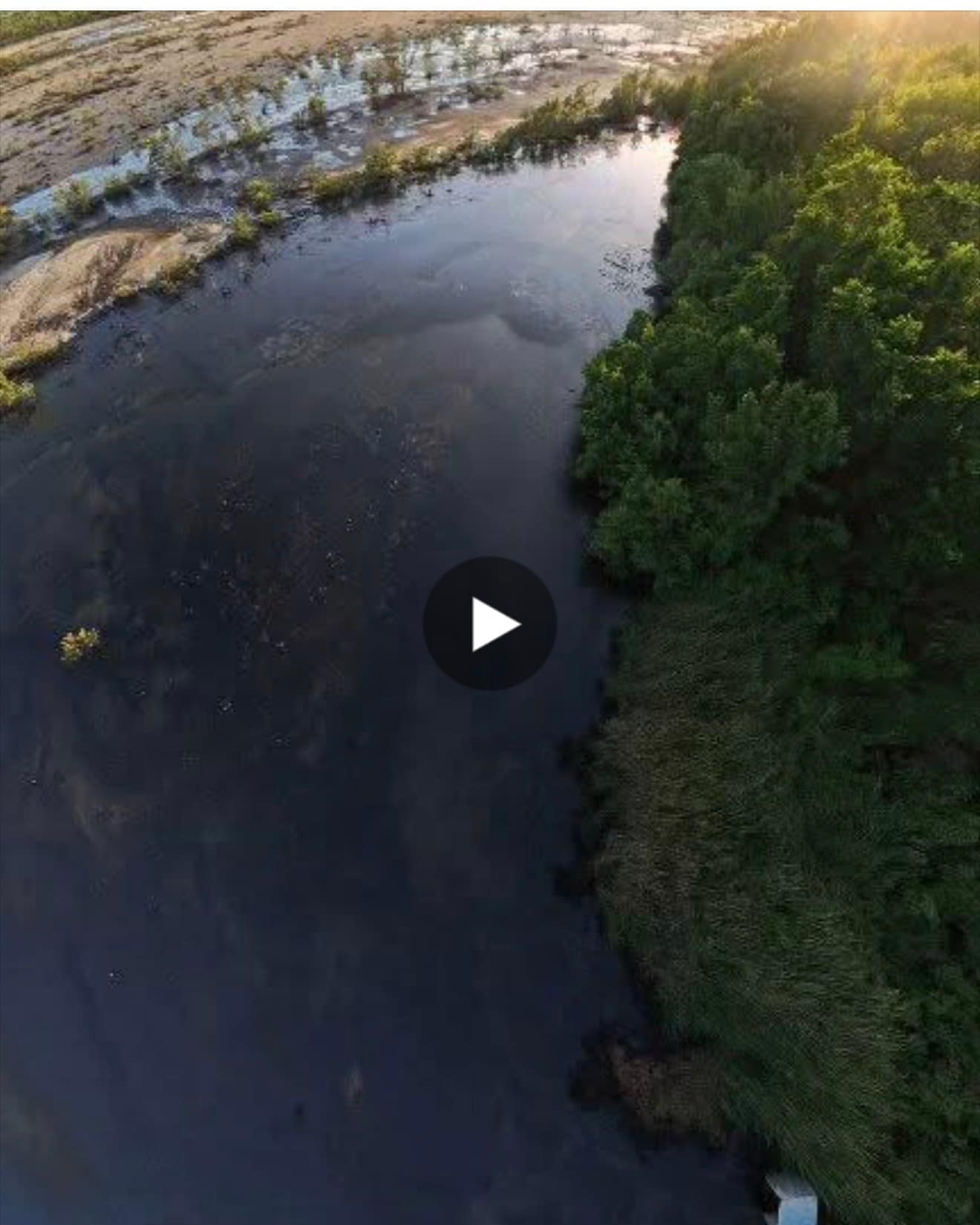
    Authorities in Antigua have successfully contained a hazardous contaminant leakage from Cooks Landfill into marine environments near Hansons Bay. The incident, initially detected on February 12, prompted immediate activation of the National Emergency Operations Centre (NEOC) and implementation of containment protocols outlined in the National Marine Pollution Manual.

    Following the discovery reported to Antigua Port Authority’s Pilot Station, the National Marine Pollution Committee convened an emergency meeting last Friday. The multi-agency response involved strategic deployment of containment booms around Pearns Point to prevent further spread of pollutants. Simultaneously, the Department of Analytical Services conducted comprehensive water quality assessments while imposing temporary restrictions on fishing and recreational activities in the affected coastal zone.

    The coordinated effort involved numerous government entities including the National Office of Disaster Services, Ministries of Health, Tourism, Legal Affairs and Agriculture, Department of Environment, West Indies Oil Company, Department of Marine Services, Defence Force, Coast Guard, Fisheries Division, and the Meteorological Office.

    While the NEOC has now scaled down its emergency operations, environmental monitoring continues pending final water quality test results. Officials have formulated several policy recommendations to prevent future occurrences, emphasizing enhanced resource allocation to Solid Waste management departments for improved waste disposal infrastructure and emergency response capabilities.

  • Protecting Nesting Iguanas Strengthens Wild Populations

    Protecting Nesting Iguanas Strengthens Wild Populations

    Belize has officially implemented its annual iguana protection ban, establishing a crucial conservation window from February through June. Wildlife authorities emphasize the critical timing of this measure as green iguanas enter their most vulnerable reproductive period.

    The seasonal prohibition coincides with peak nesting activity when female iguanas carry eggs, traditionally a period of increased hunting demand. Conservation teams are urgently appealing to citizens to cease hunting activities during this sensitive biological cycle, noting that population recovery depends heavily on this protected nesting and hatching phase.

    Parallel to these protective measures, Belize’s singular iguana breeding initiative operates behind the scenes to bolster wild populations. The program systematically collects eggs, rears young reptiles in controlled environments, and strategically releases them into natural habitats. This collaborative effort with the Forest Department represents a proactive approach to species reinforcement, despite the absence of formal population monitoring systems.

    Wildlife officers confirm that the breeding program’s ongoing partnership with governmental agencies continues to strengthen iguana conservation outcomes, creating a multifaceted defense against population decline during the species’ most vulnerable lifecycle stages.

  • Zetina Raises Alarm Over Large-Scale Dredging on Ambergris Caye

    Zetina Raises Alarm Over Large-Scale Dredging on Ambergris Caye

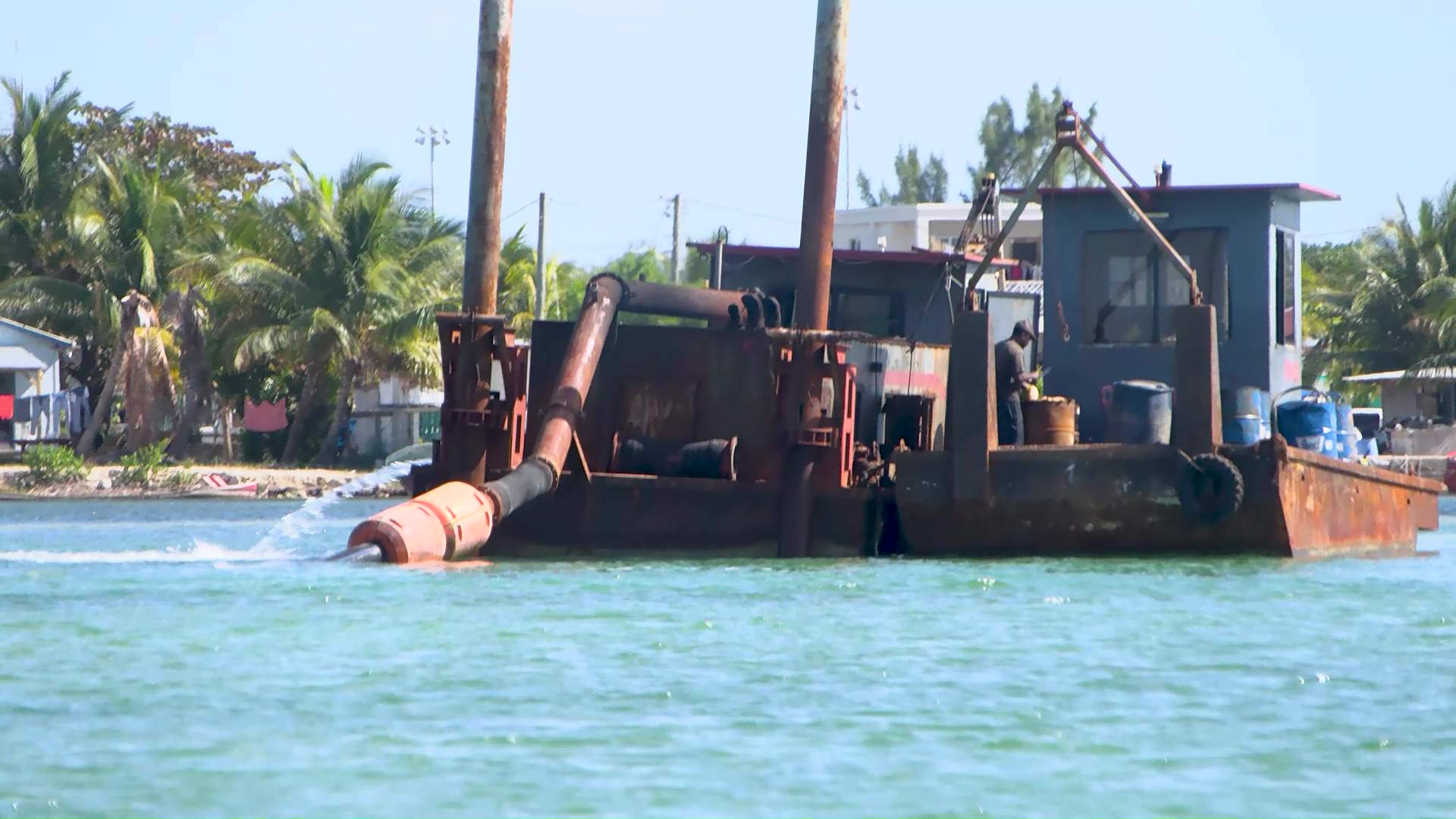
    A prominent political figure in Belize has raised serious environmental concerns regarding extensive dredging activities occurring throughout Ambergris Caye. Senator Gabriel Zetina, the United Democratic Party’s Caretaker for Belize Rural South, has issued a formal warning about these operations, highlighting their devastating impact on both the tourism sector and local fisheries.

    According to Senator Zetina, these large-scale dredging projects are causing irreversible damage to the island’s delicate ecosystem. He questions whether these activities have received proper authorization and challenges municipal authorities to prioritize residents’ interests over commercial development. The senator specifically emphasizes that these operations appear to exceed reasonable limits, suggesting they may now be conducted for resource extraction rather than necessary land development.

    The environmental consequences are particularly severe for marine life habitats. Zetina notes that traditional fly fishing flats and critical nursery areas for various fish species, including tarpon and lobster populations, have been destroyed. These shallow mangrove environments serve as essential growth areas for juvenile fish before they migrate to deeper reef waters. The destruction of these habitats directly impacts local fishermen and tour operators who depend on these resources.

    In a related urban development concern, Senator Zetina also addressed San Pedro Town’s chronic traffic congestion. He proposed canceling inactive golf cart permits, asserting that many permits have been granted to individuals who don’t actually possess vehicles on the island. He called on Mayor Wally Nunez to implement stricter permit regulations to alleviate the worsening traffic situation.

  • Environment : Strategic meeting on strengthening climate data monitoring capacities

    Environment : Strategic meeting on strengthening climate data monitoring capacities

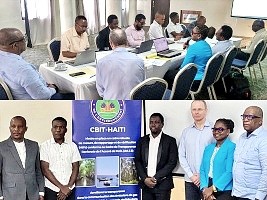
    Haiti’s Ministry of Environment has convened a pivotal steering committee meeting in collaboration with the United Nations Development Programme to accelerate the nation’s climate monitoring capabilities. This third strategic session of the CBIT-Haiti project represents a significant milestone in fulfilling the country’s commitments under the Paris Agreement transparency framework.

    The gathering focused on evaluating current progress, addressing implementation challenges, and establishing priority action areas for enhancing Haiti’s climate data verification systems. Deputy UNDP Resident Representative Sylvain Merlin reinforced the organization’s dedication to supporting Haiti in developing robust environmental data management infrastructure and transparency mechanisms.

    Environment Minister Moïse Fils Jean Pierre extended appreciation to the Global Environment Facility for essential financial backing and UNDP for sustained technical expertise. The minister also recognized contributions from multiple institutional partners including the Ministry of Public Works, the Faculty of Agronomy and Veterinary Medicine, France’s Interprofessional Technical Center for Atmospheric Pollution Studies (CITEPA), and Haitian consultancy EQUITERRA.

    Minister Jean Pierre emphasized that the CBIT-Haiti initiative demonstrates the nation’s commitment to scientifically rigorous, transparent, and nationally-owned climate action processes. He characterized the meeting as a crucial step toward consolidating project achievements and ensuring long-term sustainability for future generations.

    The comprehensive capacity-building program focuses on training local stakeholders in greenhouse gas emission monitoring, climate adaptation measurement, and verification protocols. This initiative strengthens Haiti’s climate governance architecture while contributing meaningfully to global climate change mitigation efforts.

  • Government Blocks New Sand and Gravel Digging Sites on North Stann Creek River

    Government Blocks New Sand and Gravel Digging Sites on North Stann Creek River

    In a significant environmental policy shift, the Belizean government has imposed a comprehensive moratorium on all new sand and gravel extraction operations along the North Stann Creek River for the 2026 operational year. The decisive action emerged from cabinet-level deliberations that concluded current mining practices demand more stringent regulatory oversight and environmental safeguards.

    The policy suspension follows sustained advocacy from Dangriga Town communities whose daily subsistence and agricultural activities depend on the river’s ecological health. Local residents have documented substantial environmental degradation including aquatic habitat destruction, accelerated riverbank erosion, and increased flooding incidents that directly impact farming operations. These concerns were instrumental in prompting governmental reassessment of extraction permits.

    Rather than approving new mining sites, environmental authorities will conduct a comprehensive technical evaluation during Q2 2026. This scientific assessment will focus on analyzing existing sandbar structures to determine sustainable extraction thresholds and establish scientifically-grounded limits for material removal. The study aims to balance economic necessities with ecological preservation, ensuring any future extraction occurs within rigorously defined environmental parameters.

    This regulatory pause represents a notable victory for environmental advocates and local communities who have long emphasized the conflict between commercial extraction activities and river ecosystem conservation. The government’s decision signals increased acknowledgment of the interconnectedness between watershed management, community welfare, and long-term environmental sustainability.

  • B&B and DOE Respond to Trash Report Findings

    B&B and DOE Respond to Trash Report Findings

    A comprehensive environmental assessment has revealed that plastic waste continues to dominate Belize’s pollution landscape, accounting for sixty-seven percent of all documented debris nationwide. The 2025 Sea of Life TrashBlitz report, analyzing over fourteen thousand waste items, identifies single-use beverage bottles as the primary contaminant, with Bowen and Bowen products appearing most frequently throughout the study.

    Despite Belize’s groundbreaking 2022 legislation prohibiting various single-use plastics, straws, cups, and plates, plastic pollution remains an entrenched environmental challenge. The report demonstrates that prohibited materials persistently appear in drains, streets, and waterways, ultimately compromising marine ecosystems.

    Bowen and Bowen, the nation’s predominant beverage manufacturer, has implemented a returnable glass packaging system and maintains collection depots nationwide for recycling purposes. Company representatives emphasize that Belize leads the region in soft drinks distributed in returnable glass containers and maintains the highest plastic bottle return rates. The corporation offers consumer incentives for container returns while advocating for proper disposal practices.

    At the governmental level, Chief Environmental Officer Anthony Mai explains that permissible plastics must meet biodegradability standards requiring fifty percent organic base material composition and decomposition within 160 days under specific conditions. Conformity assessments conducted in 2023 involving ninety samples from thirty-five companies revealed that most imported and domestically produced plastics failed to meet these standards.

    The Department of Environment is contemplating a phased plastic elimination strategy targeting shopping bags and packaging materials. However, Sea of Life Executive Director Paulita Bennett-Martin questions the adequacy of current biodegradability requirements, noting that some biomaterials don’t effectively break down and emphasizing the need for comprehensive standards addressing post-disposal behavior.

    Mai acknowledges the complexity of balancing environmental protection with business viability, noting the absence of commercially viable alternatives to plastic water bottles. The department has engaged consultants to evaluate the plastic ban’s effectiveness and identify potential improvements.

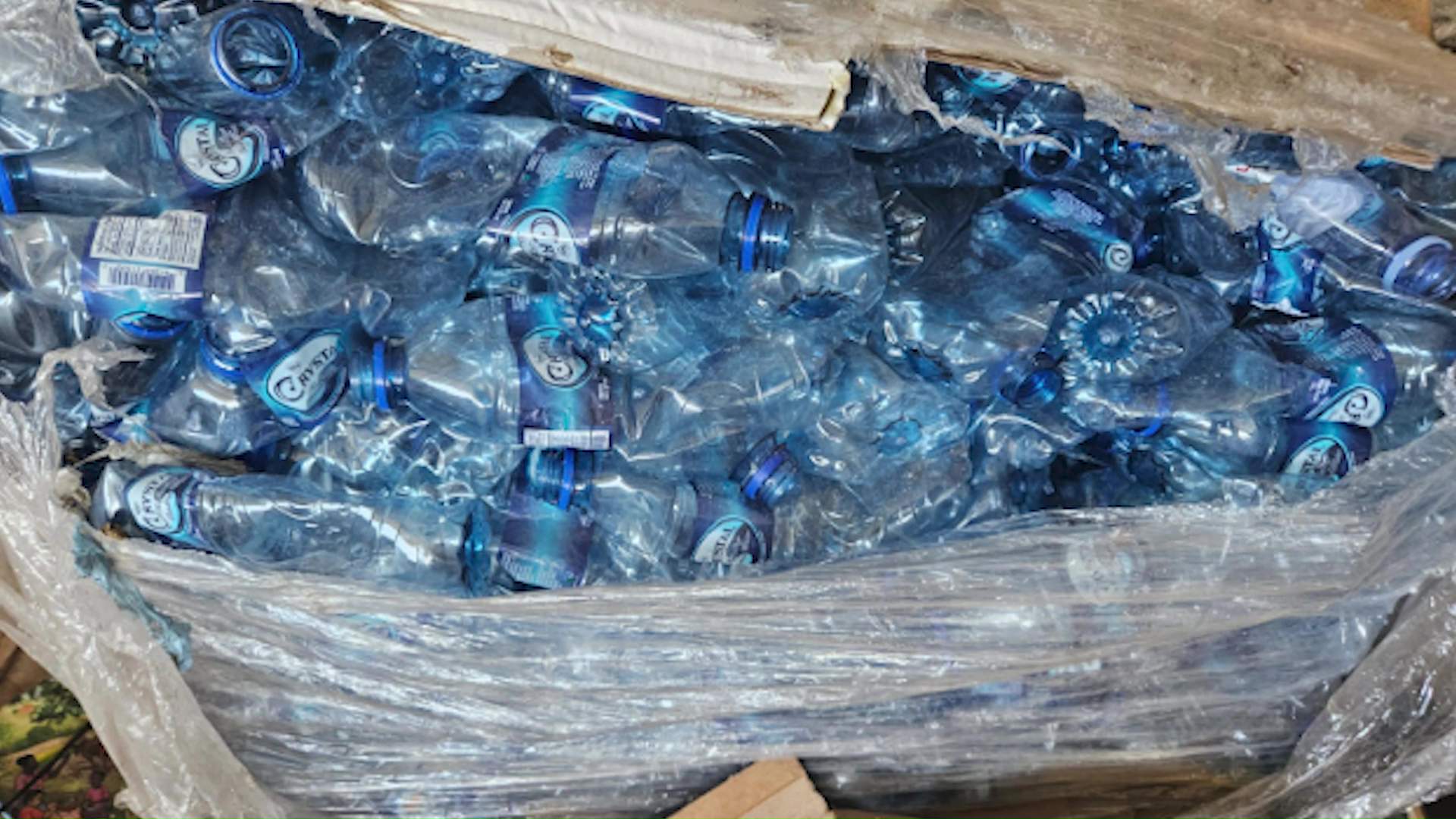
    Recycling practices present additional concerns, as Bennett-Martin highlights uncertainties regarding plastic melting processes and their potential health impacts. Bowen and Bowen currently exports collected plastic bottles to Guatemala for recycling, underscoring the transnational nature of waste management solutions.

  • The Power of Returning Your Bottles

    The Power of Returning Your Bottles

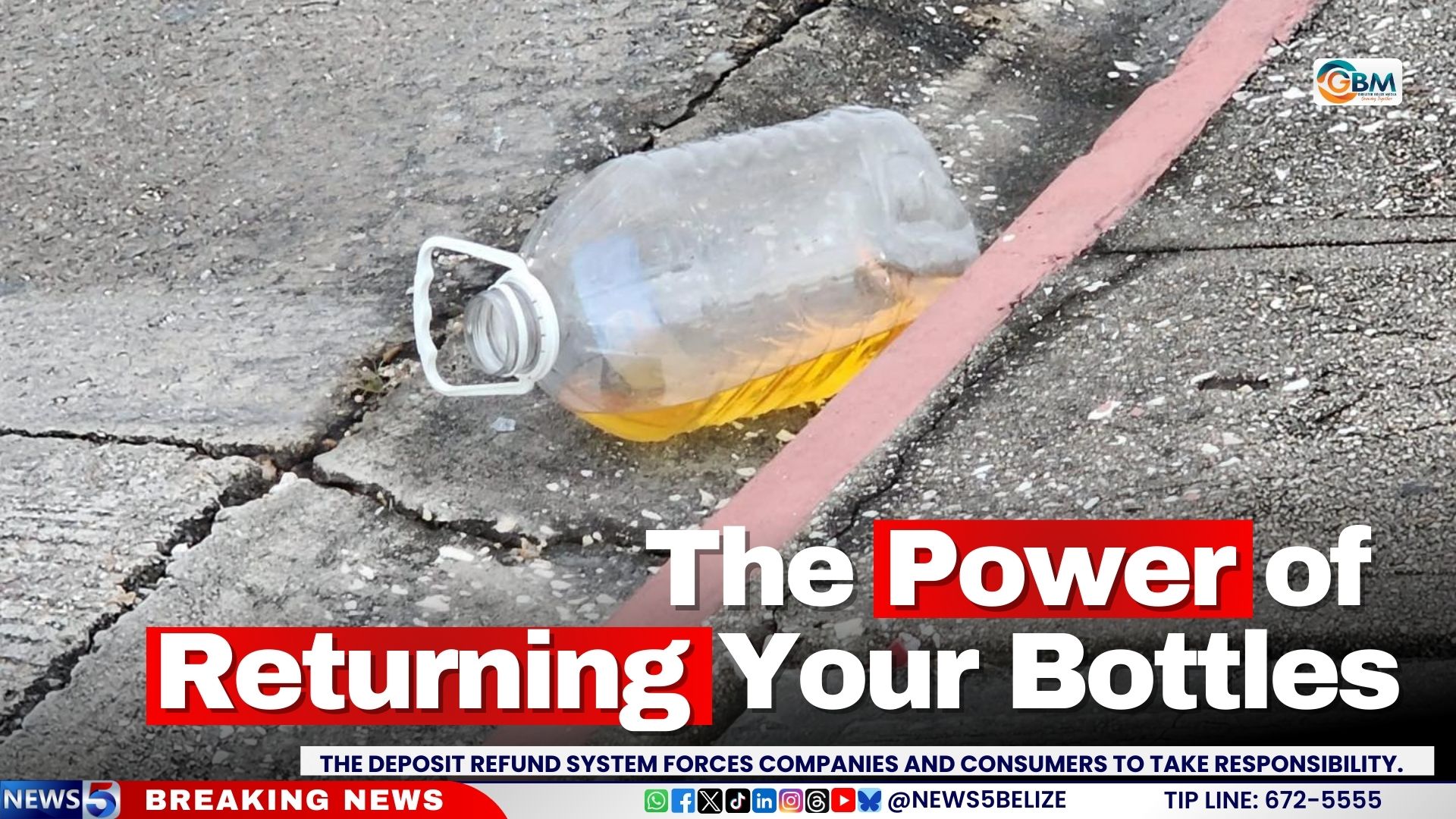
    Environmental authorities have identified container deposit legislation as one of their most effective weapons in combating the growing plastic pollution crisis. The Returnable Containers Act, which enables consumers to receive financial compensation for returning empty bottles, creates a powerful economic incentive for proper waste disposal.

    Despite the persistent environmental challenges posed by single-use plastics, this deposit refund mechanism compels both corporations and consumers to assume responsibility for their packaging waste. Anthony Mai, Chief Environmental Officer, emphasized that the program represents more than just corporate goodwill—it constitutes a legal requirement for companies to reclaim their containers.

    “Without this systematic approach, these containers would inevitably accumulate in our ecosystems, creating substantial public cleanup costs,” Mai stated. The legislation mandates producer responsibility, ensuring that manufacturers participate actively in the waste management cycle.

    The Department of Environment is currently evaluating potential expansions to the program, considering the inclusion of additional items such as lead-acid batteries and discarded tires. Simultaneously, the department has engaged consulting experts to conduct a comprehensive assessment of legal frameworks, stakeholder collaboration, compliance mechanisms, and enforcement protocols.

    This consultancy initiative, scheduled for completion in April 2026, will culminate in publicly released recommendations aimed at enhancing the program’s effectiveness and exploring alternatives to frequently littered products.

  • Climate Change Centre’s $50 Million Intervention in Sugar Industry

    Climate Change Centre’s $50 Million Intervention in Sugar Industry

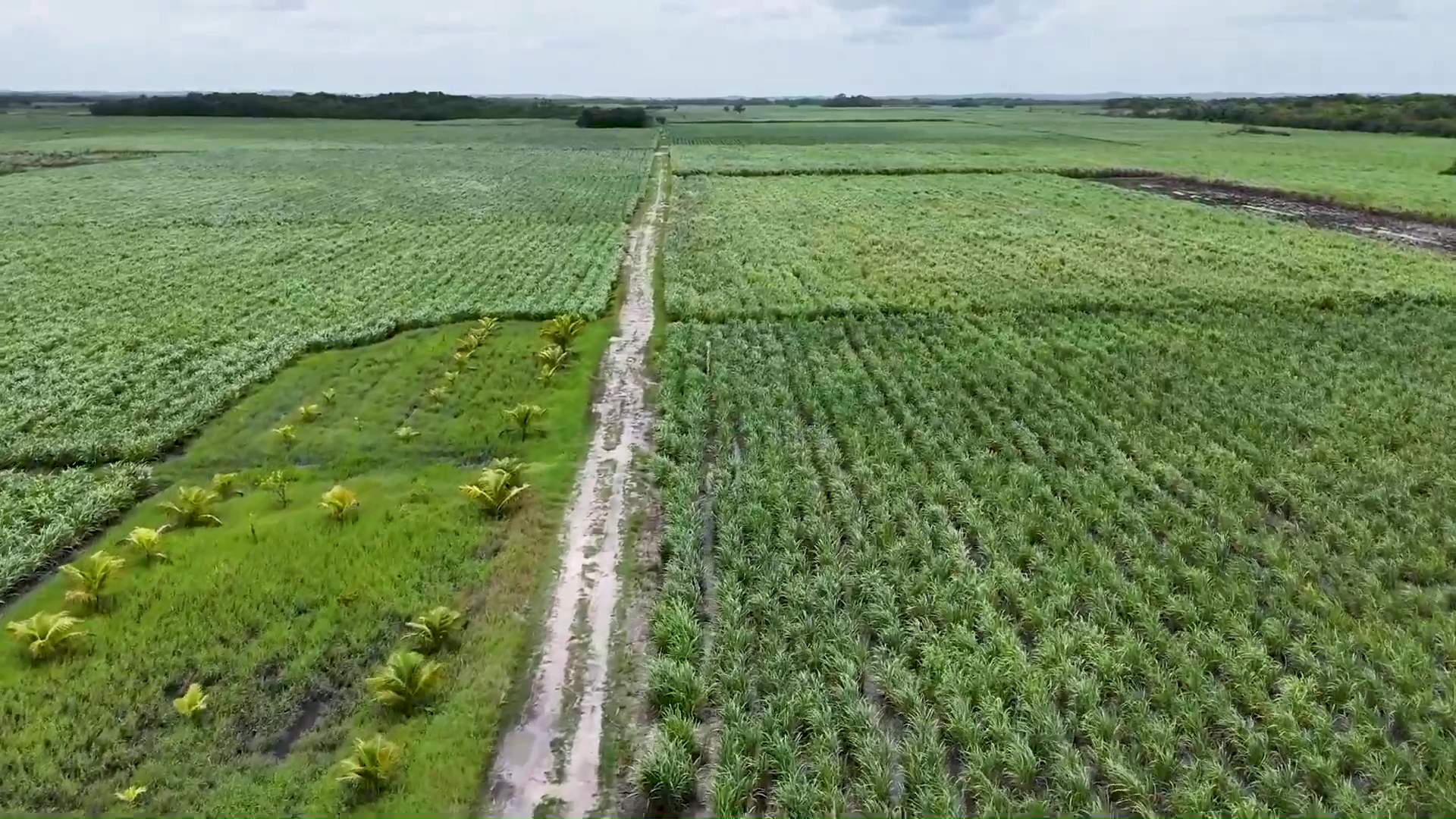
    BELIZE CITY – A transformative $50 million climate resilience initiative is now underway to safeguard Northern Belize’s critically important sugar industry against escalating climate threats. The comprehensive intervention comes as prolonged droughts and increasingly erratic rainfall patterns devastate cane farming operations, threatening both livelihoods and national economic stability.

    Dr. Colin Young, Executive Director of the CARICOM Climate Change Center, outlined the strategic components of this groundbreaking project during a recent briefing. “The effects of climate change are having a devastating impact on this industry, which serves as a lifeblood of the Belizean economy,” Young emphasized. “Our investment through the Green Climate Fund represents a comprehensive approach to building long-term resilience.”

    The multifaceted program includes the introduction of climate-resistant sugarcane varieties, advanced land management techniques, and direct grants to support approximately 5,000 farming families. The initiative also focuses on capacity building and providing essential seed cane for replanting operations across affected regions.

    Dr. Osmond Martinez, Belize’s Minister of State for Economic Transformation, highlighted the significance of the grant-based financing. “This demonstrates Belize’s growing capacity to mobilize critical climate finance,” Martinez stated. “The funding will enable field rejuvenation, transition toward mechanized systems, and implementation of modern irrigation infrastructure to move beyond traditional harvesting methods.”

    With climate projections indicating increasingly dry conditions and unpredictable precipitation patterns, officials describe the investment as essential preparation for future environmental challenges. The program aims to construct robust systems that can minimize economic shocks to Belize’s agricultural sector while ensuring the long-term viability of sugar production in the region.

  • Sargassum Task Force on Alert as Placencia Braces for Weekend Arrival

    Sargassum Task Force on Alert as Placencia Braces for Weekend Arrival

    The Belizean government has activated its specialized Sargassum Task Force in preparation for the anticipated seasonal influx of seaweed along the nation’s coastline. Coastal communities, including the popular tourist destination of Placencia, have been alerted to expect initial arrivals of sargassum mats as early as this weekend.

    Andre Perez, Minister of Blue Economy and Civil Aviation, confirmed the task force’s proactive measures during a recent briefing. “The sargassum task force is very active—we are making the plans,” Minister Perez stated. “At this point in San Pedro, the barriers are about to be installed. The sargassum machines are being prepared and getting ready.”

    The comprehensive response strategy includes both physical barriers and specialized harvesting equipment to manage the seaweed accumulation. Minister Perez emphasized the ongoing nature of the challenge, noting that “it is going to be a constant battle, but we are preparing for it.” The task force is simultaneously working to secure additional funding for innovative containment solutions, including testing the effectiveness of containment booms.

    The seasonal sargassum phenomenon has become an increasing concern for Caribbean nations, affecting marine ecosystems, tourism industries, and coastal communities. Belize’s coordinated approach represents a structured effort to mitigate the environmental and economic impacts of the seaweed invasion through preemptive planning and resource allocation.