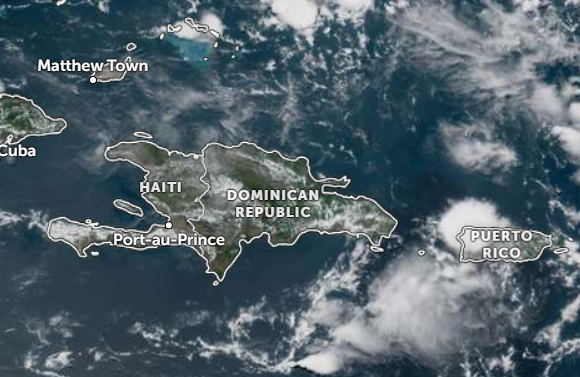
Residents of the Dominican Republic are bracing for declining air quality over the coming days, as two separate transcontinental pollution events are set to sweep through the island nation, according to leading meteorological analyst Jean Suriel. The overlapping hazards, consisting of lingering wildfire smoke from Canada’s ongoing blazes and a fresh, seasonal dust plume originating from the Sahara Desert, are projected to combine to create unhealthy breathing conditions across much of the country.
Suriel explained that the initial wave of Canadian wildfire smoke has been transported all the way to the Caribbean region by a low-pressure trough stretching across the North Atlantic. As this smoke disperses across Dominican territory, it raises the risk of uncomfortable and potentially dangerous allergic reactions for sensitive groups including children, the elderly, and individuals with preexisting respiratory conditions.
Beyond the air quality impacts, the same weather system that carried the smoke will bring variable precipitation to multiple regions of the country. Periods of rainfall are expected across the Central Mountain Range, as well as the country’s southeast, northeast, and northwest regions. Conditions are set to shift by Thursday, when the trough combined with the approaching Tropical Wave No. 29 will spark broader coverage of showers and thunderstorms across the nation. This same shift will also push most of the Canadian wildfire smoke out of Dominican airspace by the end of the day, offering only a brief reprieve before the next hazard arrives.
Meteorological forecasts project that the 12th Saharan dust cloud of the 2024 season will make landfall in the Dominican Republic on Friday, and will remain trapped over the area through Sunday. Suriel warned that this dust plume will bring widespread hazy skies that will reduce visibility, push daily temperatures higher than the seasonal average, and exacerbate existing risks for people living with allergies and chronic respiratory illnesses such as asthma. Health officials are expected to issue public warnings in the coming days advising sensitive groups to limit prolonged outdoor exposure while both hazards are present.