分类: environment

  • What’s Killing the Fish Near San Estevan?

    What’s Killing the Fish Near San Estevan?

    Environmental authorities in Belize are investigating a significant aquatic mortality event along the New River following reports of dead fish near San Estevan Village in the Orange Walk District. Anthony Mai, Chief Environmental Officer, confirmed that the Department of Environment (DOE) initiated immediate water quality monitoring after receiving alerts about the ecological incident.

    Scientific analysis revealed critically low dissolved oxygen levels throughout multiple river sections from the Toll Bridge to San Estevan, creating lethal conditions for aquatic organisms. The investigation further identified elevated chlorophyll-a concentrations at various depths, indicating an active algal bloom phenomenon.

    According to environmental experts, these blooms typically result from excessive nutrient concentrations—particularly nitrates and phosphates—in the water system. Mai explained the biological sequence: ‘Algal proliferation consumes available oxygen, creating an anoxic state that suffocates marine life. This explains the mortality pattern we’re observing.’

    The New River’s geographical characteristics exacerbate its vulnerability to such events. With minimal elevation gradient and slow flow dynamics, the waterway experiences limited natural oxygenation. Additionally, tidal influences from coastal regions introduce saltwater intrusion, further destabilizing the delicate freshwater ecosystem.

    Historical data indicates this represents a recurring environmental challenge, with similar events documented biennially. The most severe incident occurred in 2019 when extreme eutrophication caused substantial degradation of aquatic habitat quality. Environmental officials continue monitoring the situation while evaluating potential mitigation strategies to address the river’s chronic ecological vulnerabilities.

  • Farmers to use biodigester to turn waste into gas and fertiliser

    Farmers to use biodigester to turn waste into gas and fertiliser

    In a significant advancement for sustainable agriculture, Saint Lucian farmer Glyndia Charles has become the latest recipient of cutting-edge biodigester technology through the Recycle Organics Programme. The system was formally transferred by programme consultant Hayden Redhead in a ceremony that marks a new chapter in climate-smart farming practices across the Caribbean region.

    This innovative technology represents a transformative approach to agricultural waste management by converting organic materials into multiple valuable resources. As Redhead explained, “These models are quite innovative—they separate waste into liquid and solid fractions while simultaneously producing usable gas. Their operational simplicity combined with a lifespan of up to 15 years makes them particularly suitable for small-scale farming operations.”

    For Charles, the practical implications are immediate and substantial. “The animal manure and organic materials generated on our farm will now be transformed into cleaner cooking gas and high-value liquid fertilizer,” she stated, highlighting the dual economic and environmental benefits.

    The installation extends beyond mere equipment provision. Charles will undergo comprehensive online training facilitated by HomeBiogas to ensure optimal system management, monitoring, and maintenance—a critical component for long-term success.

    This initiative forms part of a broader regional strategy to address methane emissions and improve organic waste management throughout Small Island Developing States in the Caribbean and Pacific. The project gains particular significance in light of recent data revealing that approximately 50% of Saint Lucia’s waste stream consists of organic material.

    Davis Mathurin, Zonal Supervisor at the Saint Lucia Solid Waste Management Authority, emphasized the paradigm shift underlying this approach: “As we work to improve our nation’s waste management system, we must transition from mere disposal practices toward prioritizing environmental protection through waste reduction and recovery.”

    Keithlin Caroo-Afrifa, Executive Director and Founder of Helen’s Daughters, framed the initiative as an investment in agricultural transformation. “We are not simply handing over equipment—we are investing in a vision where Caribbean agriculture becomes smarter, more regenerative, and fundamentally connected to natural cycles. When we redefine waste as resource, we reimagine agriculture as renewal rather than just production.”

    The biodigester will additionally function as a demonstration model for other members of the Helen’s Daughters network, facilitating knowledge sharing and encouraging broader adoption of circular economy principles throughout the region’s agricultural sector.

  • Anse La Raye e-waste drive collects 500 pounds of electronics

    Anse La Raye e-waste drive collects 500 pounds of electronics

    In a powerful demonstration of environmental consciousness, the Anse La Raye community in Saint Lucia mobilized impressively for an electronic waste collection drive on March 14. The event, organized collaboratively by Greening the Caribbean (GtC) and the Saint Lucia Solid Waste Management Authority (SLSWMA), attracted over 90 participants who responsibly disposed of approximately 500 pounds of electronic equipment ahead of Global Recycling Day 2026.

    The community turnout significantly surpassed organizer expectations, signaling a notable shift toward sustainable waste management practices among residents. The collection encompassed diverse electronic items including small household appliances, mobile devices, computers, cooling fans, and lighting fixtures.

    A strategic innovation contributed to the event’s success: Massy Stores’ recycling trailer was deployed directly within the community for the first time, providing unprecedented accessibility. The unit filled rapidly as residents seized the opportunity to discard unwanted electronics through proper channels.

    Emlyn Jean, Information and Communications Manager at SLSWMA, emphasized the existential urgency: ‘We’re a small island. Our soil, our water, our coastline; these aren’t abstract things, they’re our livelihood. When electronics break down in landfills, they release lead, mercury, cadmium—real toxins. We can’t afford to ignore that. And honestly, we don’t have to. That’s what today proves.’

    Organizers highlighted that electronic waste represents one of the Caribbean’s fastest-growing waste streams and among the most hazardous when mismanaged. All collected materials will undergo processing at Greening the Caribbean’s Recycling Centre for systematic sorting, disassembly, and preparation for export to specialized facilities that transform them into new products.

    Wayne Neale, Chief Operating Officer of Greening the Caribbean, explained the technical process: ‘At our recycling services center, e-waste, aluminum, plastic beverage containers and other recyclables are handled using best environmental techniques that are safe for people and the environment—contributing to closing the circular economy loop. At events like this, folks bring it in, so it gets handled properly. No dumping, no burning, no landfill unless absolutely unrecyclable. That’s the difference. Old electronics. New purpose.’

    This initiative forms part of an Integrated E-Waste Management program developed by Greening the Caribbean and SLSWMA with support from IDB Lab. The program aims to establish a structured, sustainable framework for electronic waste management in Saint Lucia while fostering increased community engagement and responsible disposal behaviors.

    Key supporting partners included Massy Stores St. Lucia, Invest Saint Lucia, the Saint Lucia Air and Sea Ports Authority, the Anse La Raye Constituency Council, Anse La Raye Facilities Management Committee, NEMO, the Ministry of Equity, and the Caribbean Youth Environment Network.

  • Turneffe Upgrades Aim to Protect Reef and Visitors

    Turneffe Upgrades Aim to Protect Reef and Visitors

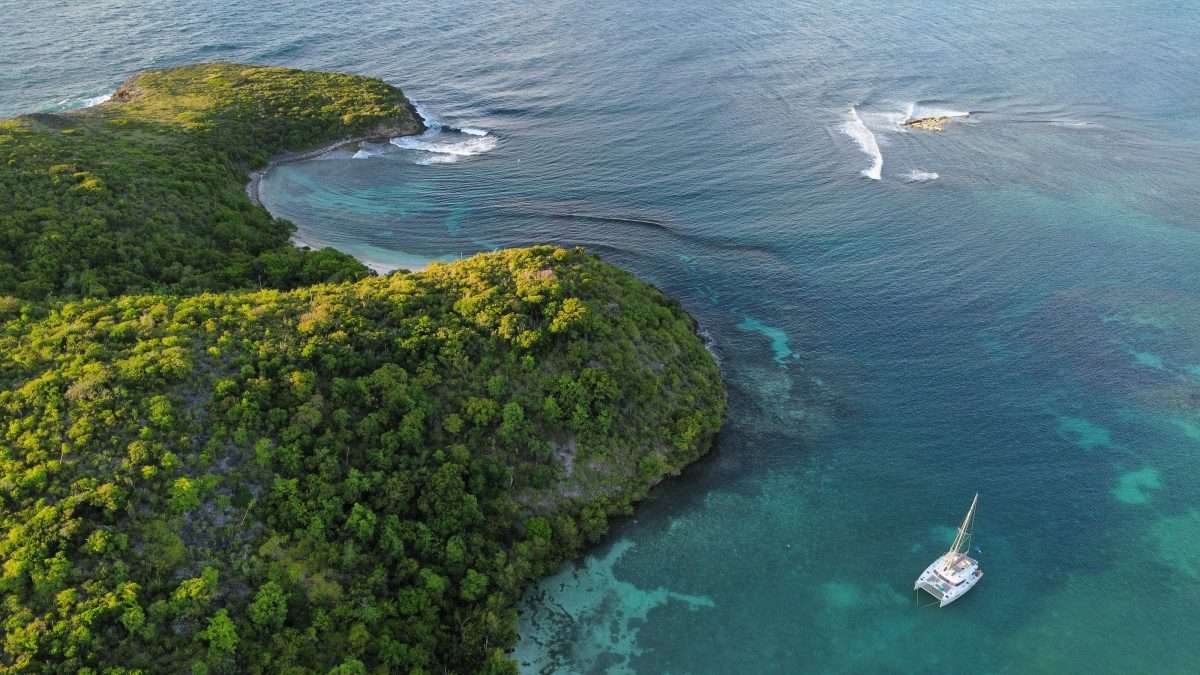
    Belize is embarking on a transformative initiative to enhance both conservation efforts and visitor experiences at the Turneffe Atoll Marine Reserve, the Western Hemisphere’s largest and most ecologically diverse coral atoll. Located just twenty miles east of Belize City, this marine treasure is receiving strategic upgrades through the Tourism Enhancement in Protected Areas Program (TEPA), a collaborative effort between government agencies and conservation organizations.

    The comprehensive improvement plan targets three key sites within the reserve: Mauger Caye, Calabash Caye, and Caye Bokel. Infrastructure developments include constructing new piers for safer access, modernizing visitor facilities, and establishing educational centers that will serve dual purposes. These centers will both educate tourists about the atoll’s fragile ecosystem and provide operational bases for rangers conducting conservation work.

    Valdemar Andrade, Executive Director of Turneffe Atoll Sustainability Association (TASA), emphasized the program’s financial sustainability objectives: “These essential funds represent a strategic investment toward generating independent revenue streams. We’re enhancing tourism facilities to better engage both international and local visitors with our natural resources while ensuring long-term conservation funding.”

    The initiative adopts a holistic approach where tourism directly supports environmental protection. Hubert Gillett, Financial Sustainability Manager at TASA, explained the circular benefits: “Enhanced visitor experiences create opportunities for conservation education and voluntary donations, which subsequently fund critical enforcement operations, adaptive management programs, and ongoing educational outreach.”

    Government officials including Abil Castaneda, Executive Director of Protected Areas Conservation Trust (PACT), have conducted firsthand assessments of the development plans. Castaneda noted: “This progressive organization has developed not just a marine conservation model, but an integrated economic system where environmental protection and sustainable tourism mutually reinforce each other.”

    The Turneffe project is being positioned as a potential blueprint for other marine protected areas globally. Darcy Correa, Tourism Officer with the Ministry of Tourism, described it as “a model for sustainable tourism that successfully balances environmental protection with visitor experience.”

    Beyond international tourism, the program specifically encourages Belizean citizens to visit and appreciate their natural heritage. Saul Cruz, Director of the National Biodiversity Office, urged local engagement: “These are our natural assets that people worldwide travel to see. Belizeans should experience these sites responsibly, becoming ambassadors who appreciate and promote the vital work of our protection managers.”

  • No Clear Plan for Belize’s Conflict Jaguars

    No Clear Plan for Belize’s Conflict Jaguars

    A critical breakdown in Belize’s wildlife management system is placing both communities and endangered jaguars at increasing risk. The recent recapture of Anri, a conflict jaguar in Lemonal village, has exposed dangerous gaps in official response protocols after the Belize Zoo suspended its two-decade-old Human-Jaguar Conflict program.

    The absence of coordinated authority leaves rural families vulnerable to livestock predation while conservationists warn of escalating jaguar killings. Residents report confusion over emergency contacts when big cats approach human settlements, creating potentially dangerous standoffs.

    Historical context reveals the severity of the situation: before the zoo’s intervention program began in the early 2000s, Belizeans killed approximately fifty jaguars annually. The program successfully rehabilitated over thirty conflict jaguars through specialized facilities including behavior modification enclosures and a fully equipped animal clinic.

    Notable success stories include Edgar Hill, an eighteen-year-old jaguar relocated from southern Belize in 2013 after preying on pets near homes. Despite losing an eye to glaucoma, he now serves as an educational ambassador. Similarly, Ben—another eighteen-year-old jaguar—was completely rehabilitated after arriving with gunshot wounds and mobility issues.

    The current impasse stems from administrative complications. The Forest Department maintains a memorandum of understanding with Corozal Sustainable Future Initiatives for jaguar capture, but has not renewed its agreement with the Belize Zoo despite their proven expertise.

    Acting Chief Forest Officer John Pinelo acknowledges the challenges: “We cannot think what the animal will do. It is not an exact science and that is why we keep adjusting.” Meanwhile, Belize Zoo Managing Director Dr. Celso Poot emphasizes their significant investments in community outreach and specialized facilities currently sitting idle.

    The situation represents a critical conservation crossroads for Belize’s national animal, with neither wildlife officials nor community members having clear protocols for human-jaguar coexistence.

  • Monkey River Finally Sees Action After Years of Erosion

    Monkey River Finally Sees Action After Years of Erosion

    After decades of watching their shoreline steadily vanish into the Caribbean Sea, the residents of Monkey River Village in southern Belize are witnessing their first significant government-led intervention against catastrophic erosion. The $300,000 emergency shoreline project, initiated on February 9th, represents a critical response to a community that has already lost homes, property, and even parts of its burial ground to advancing waters.

    Prime Minister John Briceño expressed profound personal and governmental urgency regarding the situation, stating, ‘If we do not do anything as a government, this village is going to disappear.’ He described the emotional impact of seeing cemetery plots submerged underwater, acknowledging both anger and despair that previous administrations had failed to act.

    The current strategy employs a natural-materials approach designed for rapid implementation. Initial work involves installing bollards at the river mouth to dissipate wave energy, followed by urgent measures to protect the vulnerable cemetery from further underwater erosion. Contractor Albert Loewen explained the hydrological challenges, noting that sediment buildup has altered the river’s natural flow patterns, complicating stabilization efforts.

    Beyond the immediate physical threat, the erosion crisis has severely impacted the local economy. Fast-moving tourist boats have exacerbated bank degradation while simultaneously churning the river into mud, crippling the traditional fishing and guiding industries that residents depend on for livelihoods.

    Community leaders like Chairlady Eloydia Cuevas emphasize that the preservation effort transcends environmental concerns, touching on fundamental aspects of culture, economy, and identity. The project represents not just infrastructure work but the preservation of a way of life.

    Government officials frame the intervention as a collaborative model. Valentino Shal, CEO of the Ministry of Rural Development, emphasized that sustainable transformation requires coordinated efforts across multiple ministries and full community participation. The project aims to both reduce immediate danger and establish foundations for a community-led conservation economy that balances ecological protection with economic vitality.

  • WWF Celebrates Builders Who Protect Mangroves

    WWF Celebrates Builders Who Protect Mangroves

    In an innovative approach to coastal preservation, Belizean developers and community leaders are demonstrating that construction and conservation can coexist harmoniously. The World Wildlife Fund (WWF) recently honored these pioneers at their 2025 Mangrove Friendly Development Challenge ceremony, recognizing property owners, resorts, and community organizations that have embraced sustainable building practices.

    Nadia Bood, WWF’s Senior Program Officer, emphasized the critical importance of this paradigm shift, noting that approximately 70% of Belize’s mangrove ecosystems exist on privately held land. This geographical reality places the future of these vital natural defenses squarely in the hands of individual landowners and developers.

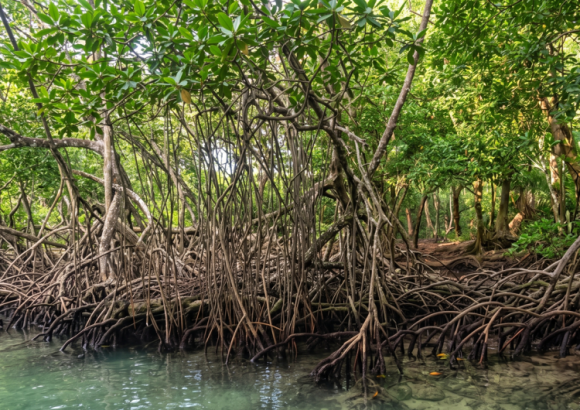
    Contrary to conventional development approaches that prioritize clearance and concrete construction, the award-winning projects showcase how integrating mangroves into architectural landscapes creates both aesthetic appeal and functional environmental benefits. Bood highlighted the superior resilience of natural mangrove barriers compared to artificial seawalls, which frequently succumb to cracking or catastrophic failure during severe weather events.

    “These projects prove that landowners don’t face a binary choice between development and conservation,” Bood stated. “By working with nature rather than against it, they’re creating beautiful, functional spaces that simultaneously protect Belize’s coastline and biodiversity.”

    The celebrated initiatives range from luxury eco-resorts that incorporate mangrove waterways into their design to community centers built on stilts that preserve the underlying ecosystem. This growing movement represents a significant advancement in sustainable coastal management, offering a replicable model for other tropical nations facing similar environmental challenges.

  • How Are Belize’s Landowners Protecting Mangroves While Building?

    How Are Belize’s Landowners Protecting Mangroves While Building?

    The World Wildlife Fund (WWF) celebrated Belize’s pioneering approach to coastal development on Saturday, March 16, 2026, during the Mangrove Friendly Development Challenge awards ceremony. This innovative competition recognizes property owners, resorts, and community projects that successfully integrate construction with mangrove conservation.

    Nadia Bood, WWF Mesoamerica’s senior program officer, emphasized the critical importance of these efforts: “With most of Belize’s mangroves under private ownership, collaboration with landowners becomes essential. They can achieve both aesthetic appeal and functionality by incorporating mangroves into their landscape design instead of resorting to clear-cutting and concrete seawalls.”

    Bood further highlighted the natural superiority of mangroves over artificial barriers: “Seawalls represent vulnerable infrastructure that can collapse during storms, whereas mangroves demonstrate remarkable resilience against extreme weather events.”

    The competition featured two distinct categories. The Aesthetics and Creativity category honored developments that harmoniously blend with mangrove landscapes with minimal environmental impact. The Conservation and Sustainability category recognized projects actively engaged in mangrove protection and restoration.

    Category winners included:

    Aesthetics and Creativity:
    1st Place: Hideaway Caye – An off-grid retreat preserving majority mangroves while creating selective viewing areas for guests
    2nd Place: Naia Resort and Spa – Noted for its winding boardwalk design through mangrove areas
    3rd Place: Coral Pointe – Recognized for maintaining mangrove buffers and reserves within its Hopkins property

    Conservation and Sustainability:
    1st Place: Toledo Institute for Development and Environment (TIDE) – For mangrove-friendly infrastructure in Payne’s Creek National Park and Port Honduras Marine Reserve
    2nd Place: Sarteneja Alliance for Conservation and Development – For enhanced management of Bacalar Chico National Park
    3rd Place: St George’s Caye Village Council – Honored for long-standing mangrove reserve maintenance

    Additionally, seven Mangrove Champions received recognition for their contributions to restoration, research, and conservation advocacy. These awardees serve as ambassadors who can articulate the ecological and economic benefits that mangroves provide to both their establishments and financial sustainability.

  • Turneffe Atoll Marine Reserve Set for Tourism Upgrades

    Turneffe Atoll Marine Reserve Set for Tourism Upgrades

    Belize has initiated a significant environmental and tourism development project targeting its protected marine areas. The Turneffe Atoll Marine Reserve, located approximately twenty miles from the Belizean coast, has become the focal point of the newly launched Tourism Enhancement in Protected Areas Program.

    This collaborative initiative, spearheaded by the Belize Tourism Board and the Protected Areas Conservation Trust, aims to fund critical infrastructure upgrades and conservation activities across three of the nation’s protected zones. Turneffe Atoll, recognized as one of Belize’s most vital marine ecosystems, now stands at the forefront of efforts to balance environmental preservation with sustainable tourism development.

    Key stakeholders recently conducted site visits to multiple locations within the reserve to identify specific areas for improvement. The Turneffe Atoll Sustainability Association (TASA), which co-manages the marine reserve, plays a central role in implementing these enhancements.

    According to Valdemar Andrade, Executive Director of TASA, the program represents a crucial advancement for the reserve. “These funds are both highly sought-after and essential for our operations,” Andrade stated. “The ultimate objective is to establish self-sustaining revenue generation mechanisms while preserving our natural heritage.”

    The enhancement project includes substantial infrastructure developments across three key cayes within the reserve. Mauger Caye will receive a new pier facility to improve visitor accessibility, allowing tourists to disembark safely and utilize recreational amenities including dining facilities. At Calabash Caye, the program will fund a dedicated visitor center where guests can congregate, participate in educational programs, and learn about conservation efforts through curated “blue talks” and informational materials.

    Caye Bokel will benefit from upgrades to conservation outposts while simultaneously creating opportunities for visitors to observe and understand ongoing preservation work. This integrated approach aims to transform tourists into conservation ambassadors by demonstrating the importance of marine ecosystem protection.

  • Mangrove Guardians to Purchase Vulnerable Land in San Pedro

    Mangrove Guardians to Purchase Vulnerable Land in San Pedro

    A groundbreaking conservation initiative is emerging along Belize’s coastline as environmental advocates confront the accelerating disappearance of crucial mangrove ecosystems. The newly formed Mangrove Guardians – Ambergris Caye, operating under the Guardians of Belize organization, represents the first coordinated effort to protect these vital coastal forests that serve as natural storm barriers, marine nurseries, and shoreline stabilizers.

    According to Nadia Bood, Senior Program Officer at World Wildlife Fund, Belize has reached an ecological ‘tipping point’ with approximately 70-80% of mangroves under private ownership. This ownership pattern necessitates direct collaboration with landowners and real estate developers to implement sustainable development practices that preserve rather than destroy mangrove systems.

    The conservation strategy employs a dual approach: creating practical guidelines for environmentally conscious construction that incorporates mangroves into development designs, and establishing a land acquisition program to purchase vulnerable properties for conversion into protected reserves and conservation easements. This methodology aims to demonstrate that economic development and environmental preservation can coexist harmoniously.

    Bood identifies tourism infrastructure expansion as the primary threat, with hotel and resort construction driving widespread clearing and filling of mangrove areas. The systematic degradation of these ecosystems eliminates Belize’s natural defense system against storm surges and coastal erosion while devastating marine habitats that support juvenile fish populations.

    The Mangrove Guardians initiative represents a paradigm shift in conservation methodology, moving from opposition to collaboration with development interests while creating mechanisms for permanent protection of critically endangered coastal ecosystems.