分类: environment

  • Group Aims to Buy Mangrove Islands to Block Development

    Group Aims to Buy Mangrove Islands to Block Development

    In an innovative approach to environmental conservation, the citizen-led initiative Mangrove Guardians has launched an ambitious campaign to purchase vulnerable mangrove ecosystems across Belize. The organization aims to permanently shield these critical coastal habitats from commercial development through direct land acquisition.

    The movement emerges as a response to escalating pressure from tourism infrastructure projects that increasingly encroach upon mangrove territories. “We’ve witnessed developers arriving with substantial financial resources and grand promises, while local communities face gradual displacement from their coastal environments,” stated a representative from the grassroots collective.

    Mangrove ecosystems serve as indispensable natural barriers against tropical storms and coastal erosion, providing vital protection for shoreline communities. Their intricate root systems stabilize coastlines while supporting exceptional biodiversity. Despite these ecological benefits, construction projects continue to transform these wetlands into resort facilities and hotel complexes.

    Nadia Bood, Senior Programme Officer at the World Wildlife Fund (WWF), emphasized the concerning trend: “Numerous hotels and resorts are currently being constructed within mangrove areas. The clearing and filling processes dramatically increase vulnerability for all coastal residents while degrading irreplaceable ecosystems.”

    The WWF has been pursuing collaborative conservation strategies, working with private landowners and real estate professionals to promote sustainable development practices. Bood noted that approximately 80% of Belize’s mangroves exist on private property, making cooperative approaches essential. “There are methods to develop areas aesthetically and functionally without completely destroying the ecosystem,” she explained.

    The Mangrove Guardians’ acquisition strategy represents a more direct conservation model. By obtaining land titles outright, the organization can establish permanent conservation reserves immune to future development proposals. Bood endorsed this approach, stating: “Any action that helps conserve existing mangroves constitutes a significant advantage—a win-win scenario for both environmental protection and national interests.”

    The initiative highlights growing tensions between economic development and environmental preservation in coastal regions, demonstrating how community-driven conservation efforts are evolving to address ecological challenges through innovative ownership models.

  • Aerodom joins government in blue carbon climate effort

    Aerodom joins government in blue carbon climate effort

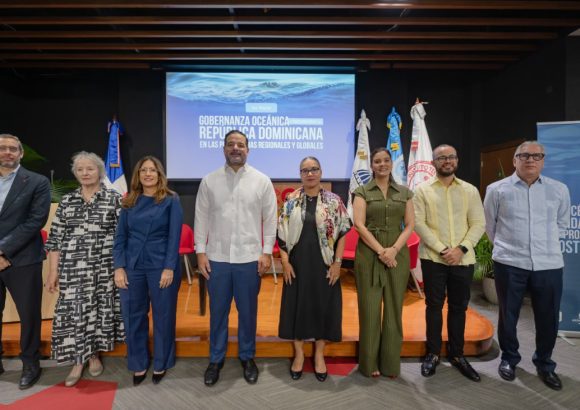
    SANTO DOMINGO – In a landmark environmental partnership, the Dominican Republic’s Ministry of Environment and Natural Resources has joined forces with Aeropuertos Dominicanos Siglo XXI to launch the nation’s first aviation-sector promoted blue carbon initiative. The collaborative effort, formalized through a signed letter of intent, establishes a pioneering pilot project dedicated to preserving coastal and marine ecosystems while simultaneously advancing climate action objectives and biodiversity conservation.

    The innovative program will investigate mechanisms to enhance ecosystem conservation, boost climate change resilience, and potentially incorporate environmental initiatives into voluntary carbon markets. Environment Minister Paíno Henríquez emphasized the critical importance of coastal and marine ecosystems to the national economy, noting their vital support for tourism, maritime commerce, and fishing industries—all sectors facing escalating pressures from climate change and habitat degradation.

    Project implementation will commence with a comprehensive feasibility study evaluating technical, environmental, and regulatory frameworks. Damien Stephan, representing the airport operator, highlighted the initiative’s alignment with parent company VINCI Airports’ decarbonization strategy, which encompasses expanded renewable energy utilization and support for environmental solutions.

    Government authorities characterized the agreement as a significant advancement toward developing nature-based climate solutions while strengthening environmental governance and sustainable development initiatives throughout the Dominican Republic.

  • Conservation Leaders Unite at ECOLNES Summit 2026

    Conservation Leaders Unite at ECOLNES Summit 2026

    BELIZE CITY – March 5, 2026 marked a pivotal moment for environmental conservation in Belize as 150 sector leaders convened at the Civic Centre for the landmark ECOLENS Summit 2026. Hosted collaboratively by the Protected Areas Conservation Trust (PACT) and the Belize Fund for a Sustainable Future, the gathering represented an unprecedented unification of government officials, NGOs, academic institutions, and grassroots organizations.

    The summit served as a critical progress assessment toward Belize’s ambitious conservation targets, particularly the ’30 by 30′ initiative aiming to protect 30% of the nation’s ocean territory by 2030. Minister Orlando Habet of Sustainable Development, Climate Change & Solid Waste Management emphasized the instrumental role of PACT in securing vital climate financing through international mechanisms including the Adaptation Fund and Green Climate Fund.

    Minister Andre Perez of Blue Economy and Marine Conservation delivered a powerful address centering on human-focused conservation strategies. “While legislation and scientific collaboration remain crucial,” Perez stated, “our ultimate focus must revolve around people. Livelihoods matter profoundly as we implement conservation measures that ensure no community is left behind.”

    The conference identified three primary challenges requiring immediate attention: enhanced enforcement across protected zones, science-based management protocols, and bridging the financial gap in marine conservation. The timing holds particular significance as PACT celebrates its 30th anniversary while the Belize Fund marks its fourth year of operation.

    Abil Castañeda, Executive Director of PACT, framed the event as a launching point for “a new conservation age” in Belize. “This summit enables us to dream collectively about the next thirty years,” Castañeda explained. “We’re pushing the necessary buttons today to shape what effective conservation will resemble three decades from now.”

    The full-day program featured keynote presentations, panel discussions, and an interactive marketplace showcasing sustainable livelihood initiatives. Dr. Leandra Cho-Ricketts, Executive Director of the Belize Fund, expressed measured optimism regarding Belize’s conservation trajectory, noting the government’s commitment to advancing beyond numerical targets toward achieving effective management of protected areas.

    The ECOLENS Summit 2026 ultimately succeeded in its primary objective: creating a collaborative platform for stakeholders to align strategies and accelerate collective action toward preserving Belize’s extraordinary biodiversity for future generations.

  • Blue Economy Minister Sets Record Straight on Skimmers

    Blue Economy Minister Sets Record Straight on Skimmers

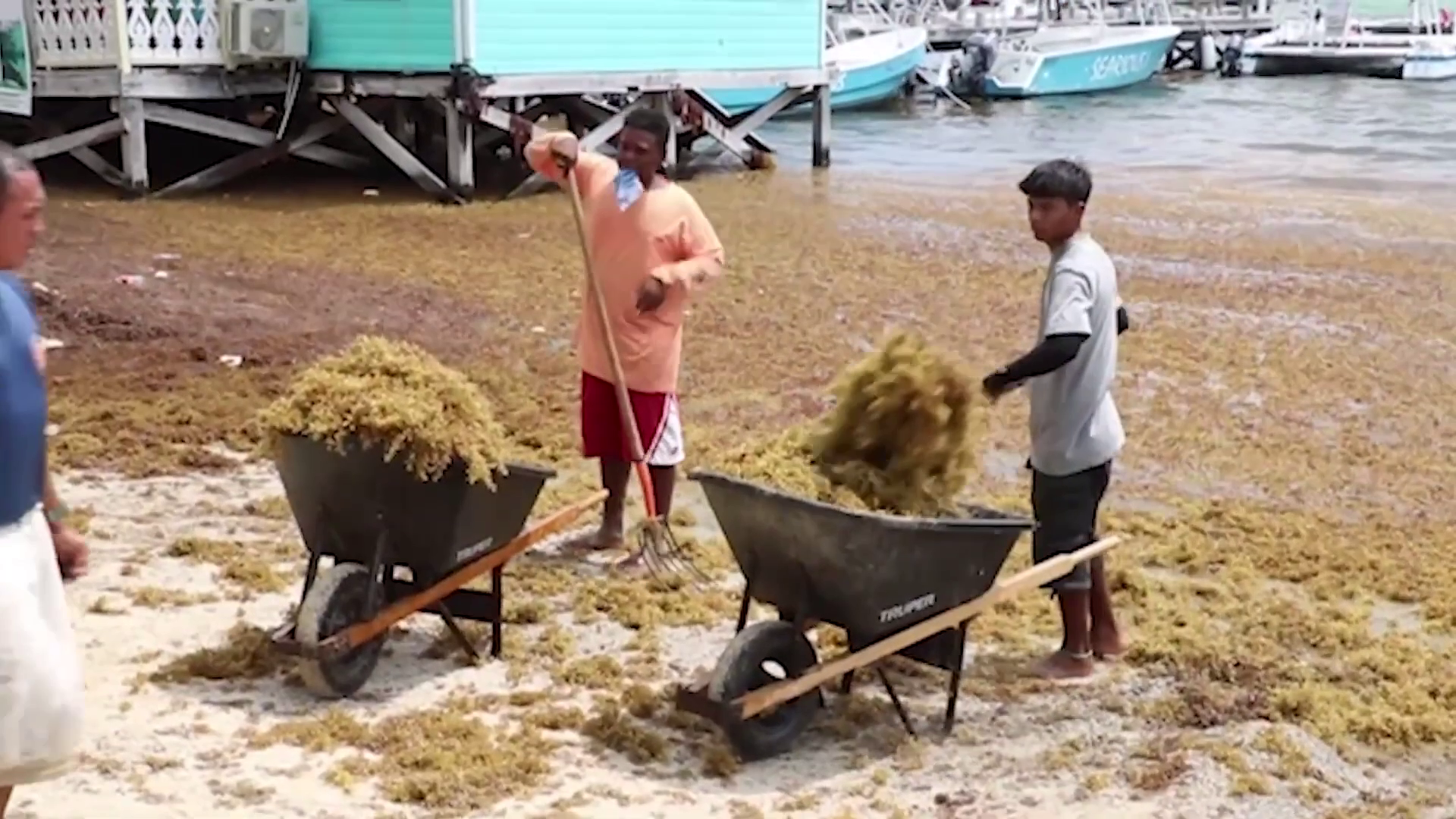
    BELIZE CITY – The Minister of Blue Economy, Andre Perez, has publicly addressed and dismissed circulating concerns regarding the operational status of Belize’s sargassum skimmers. Contrary to reports suggesting the vessels were abandoned, Minister Perez clarified that both skimmers have been actively undergoing scheduled routine maintenance for the preceding two weeks.

    In a statement made on March 5, 2026, Perez emphasized that the machinery is expected to be fully operational and redeployed for seaweed harvesting by the upcoming week. Dismissing images depicting rust and neglect as misleading, the Minister attributed the vessels’ current state to the normal wear of marine equipment and the ongoing servicing process.

    Furthermore, Perez revealed that the government’s strategy to combat the recurring sargassum influx is being significantly bolstered. Additional cleanup machinery is slated to arrive and commence operations shortly, forming a critical expansion of the nation’s mitigation efforts. The Minister stressed that the existing skimmers, while vital, are insufficient alone to manage the scale of the challenge, making the new equipment essential for an effective response.

    The government’s proactive stance aims to ensure the protection of Belize’s coastline and tourism industry from the environmental and economic impacts of sargassum seaweed.

  • Sargassum Skimmers Deteriorating Early

    Sargassum Skimmers Deteriorating Early

    Belize’s coastal regions, particularly Ambergris Caye, are preparing for another challenging sargassum season as concerning questions emerge regarding the condition of the government’s seaweed harvesting equipment. Two specialized skimmers, acquired in 2025 as a cornerstone of the Ministry of Blue Economy’s strategy against the invasive seaweed, are already exhibiting significant signs of exterior deterioration despite minimal operational use.

    The harvesting machines, initially celebrated as a critical advancement when deployed during the peak of the 2025 sargassum influx, require extensive servicing ahead of the anticipated 2026 season. Minister of Blue Economy Andre Perez has assured the public that both units are undergoing preparation and maintenance operations. However, photographic evidence obtained by News Five reveals substantial weathering and structural wear on the equipment, raising questions about their durability and long-term viability.

    Minister Perez maintains that the harvesters will be fully operational and integrated with additional machinery provided by the national Sargassum Task Force. The deteriorating condition of these expensive assets within just one year highlights potential challenges in Belize’s ongoing battle against the environmental and economic threat posed by massive sargassum blooms affecting Caribbean coastlines.

    The early degradation of this specialized equipment underscores the harsh marine conditions that government assets must endure while addressing the recurring sargassum phenomenon that impacts tourism, fisheries, and local ecosystems across Belize’s precious coastal communities.

  • Manatee Deaths Spike; Boaters Urged to Slow Down

    Manatee Deaths Spike; Boaters Urged to Slow Down

    A disturbing spike in manatee fatalities along Belize’s coastline has triggered urgent conservation measures and renewed appeals for maritime safety. February 2026 witnessed an alarming increase in manatee strandings, with wildlife authorities attributing the deaths directly to human activity rather than natural causes.

    Three adult manatees were fatally struck by watercraft in the vicinity of Belize City and Hopkins, while deceased calves were discovered in multiple coastal communities. Conservation officers emphasize these tragedies were entirely preventable, highlighting the collision between increasing boat traffic and the marine mammals’ behavioral patterns.

    Manatees frequently rest and feed near the water’s surface—precisely where high-speed boats create deadly pathways. This conflict has intensified with Belize’s growing tourism industry, placing the vulnerable species at greater risk.

    In response, the Belize Fisheries Department has intensified waterway patrols and launched a public awareness campaign urging boat operators to reduce speeds in shallow, high-traffic zones. Officials are also requesting public assistance in reporting injured or deceased manatees immediately to prevent further casualties.

    The situation represents a critical test for Belize’s marine conservation efforts, balancing economic development through tourism with the protection of its fragile aquatic ecosystems.

  • Grenada advances national biodiversity targets and financing solutions

    Grenada advances national biodiversity targets and financing solutions

    Grenada has taken significant strides in advancing its environmental agenda through a comprehensive national workshop focused on biodiversity conservation. The Ministry of Climate Resilience, the Environment and Renewable Energy, in collaboration with the United Nations Development Programme (UNDP), hosted the pivotal gathering on February 25, 2026, at the Radisson Grenada Beach Resort.

    The workshop assembled a diverse coalition of stakeholders spanning government ministries, civil society organizations, statutory agencies, private sector representatives, and community groups from across Grenada’s regions, including Carriacou and St. George’s. This multidisciplinary participation underscored the nationwide commitment to addressing ecological challenges.

    Central to the discussions was the critical examination of Grenada’s draft national biodiversity targets and the development of sustainable financing mechanisms to support their implementation. The workshop forms an integral component of the GEF-funded Early Action Support Project, administered by UNDP through the Biodiversity Umbrella Programme for Grenada.

    Key thematic outcomes emphasized the necessity of national ownership and multi-stakeholder collaboration in fulfilling the country’s commitments under the Convention on Biological Diversity. Participants highlighted that legislative enforcement, conservation initiatives, and public awareness campaigns constitute fundamental pillars for achieving measurable progress by 2030.

    UNDP Multi-Country Coordinator Dr. Jenna Blackwood reaffirmed the organization’s continued support in revising Grenada’s National Biodiversity Strategy and Action Plan (NBSAP) while developing sustainable financing frameworks. Environmental Specialist Aria St Louis, representing the Permanent Secretary, characterized the consultation as igniting “a flame for bold action” to preserve Grenada’s natural and cultural heritage.

    Minister Kerryne James emphasized the importance of establishing scientifically-grounded, scalable targets, stating: “What we are developing here is a national action framework, a governance instrument, a financing roadmap, and ultimately a tool for accountability.” The Minister warned against policy inertia given the “accelerating climate and ecological risks” and commended efforts to address implementation mechanisms, including sustainable biodiversity financing.

    Technical discussions encompassed ecosystem restoration, invasive species management, protected area expansion, and community participation strategies. These were complemented by analyses of Grenada’s biodiversity financing landscape, identifying challenges in domestic resource mobilization and proposing innovative financial solutions.

    The workshop revealed persistent challenges including capacity constraints, data deficiencies, and limitations in current financing flows that must be addressed to ensure long-term implementation success. Participant feedback will inform the finalization of national biodiversity targets and ongoing assessments of sustainable financing options, contributing to an updated NBSAP aligned with Grenada’s Sustainable Development Plan 2035 and the Convention’s Global Biodiversity Framework vision of “living in harmony with nature.”

  • Ten‑Year Deal Boosts Chiquibul Conservation Efforts

    Ten‑Year Deal Boosts Chiquibul Conservation Efforts

    In a significant move for environmental preservation, Belize’s Forest Department and the nonprofit organization Friends for Conservation and Development (FCD) have formalized a comprehensive ten-year partnership agreement. The signing ceremony occurred on February 27, 2026, at the Las Cuevas Research Station within the ecologically critical Chiquibul Forest Reserve.

    The renewed memorandum of understanding establishes a framework for sustained collaboration in scientific research, wildlife protection, and ecosystem management. Alongside the primary agreement, two supplementary operational pacts were signed addressing agricultural activities within reserve boundaries and enhanced management of a strategic outpost near Bald Hills to regulate access to protected territories.

    Minister of Sustainable Development Orlando Habet emphasized the agreement’s importance in continuing a conservation partnership that originated in 1992. “This memorandum enables continued collaboration on conservation and scientific research,” Habet stated. “FCD will share valuable data collected throughout the agreement period, contributing significantly to our understanding of this unique ecosystem.”

    The Chiquibul region serves as a vital sanctuary for endangered scarlet macaws, with the research station functioning as a rehabilitation center for young birds that fall from nests or face survival challenges. The facility provides care until the birds develop flight capability and self-sufficiency, followed by controlled release programs.

    Beyond avian conservation, the partnership facilitates comprehensive study of the region’s diverse flora and fauna. The research station regularly hosts international scientists from European and American universities who conduct field studies and share findings with both FCD and government agencies, creating a valuable knowledge exchange network.

    This long-term commitment provides conservation teams with unprecedented stability in protecting Central America’s largest forest reserve and safeguarding the vibrant scarlet macaw populations that symbolize the region’s biological richness.

  • Injured Baby Howler Exposes Ongoing Wildlife Threat

    Injured Baby Howler Exposes Ongoing Wildlife Threat

    A critically injured infant howler monkey discovered in southern Belize has reignited concerns about persistent illegal wildlife activities threatening the nation’s primate populations. The weeks-old primate, rescued with both physical trauma and detectable lead concentrations in its system, is currently receiving specialized care at the Belize Wildlife and Referral Clinic.

    Wildlife conservationists emphasize this incident represents yet another alarming manifestation of the ongoing threats facing Belize’s non-human primates. The case underscores the urgent need for enhanced public vigilance and intervention to protect vulnerable species from illegal trafficking and habitat disruption.

    Giann Vasquez, Wildlife Hotline Coordinator at BWRC, provided detailed context regarding the rescue operation. “We received an emergency call last Saturday concerning this infant monkey, with initial reports suggesting it had fallen from a tree. Given the high risk of unauthorized pet trade, our team immediately deployed to retrieve the animal from the southern region,” Vasquez explained.

    Upon initial examination, the primate appeared superficially stable despite a dislocated digit. Subsequent radiographic imaging revealed more sinister findings—trace amounts of lead contamination within its system. This discovery suggests violent extraction methods, as wildlife traffickers typically shoot mother primates with lead ammunition to capture their offspring.

    Following stabilization and preliminary care, the infant monkey has been transferred to Wildtracks rehabilitation facility in Sartaneja, which specializes in primate rehabilitation. The complete rehabilitation process, including rearing through all developmental stages and eventual integration into a new social troop, is projected to require approximately seven years of dedicated professional care.

  • Belize Among Most Aggressive In Pursuit of Climate Funds

    Belize Among Most Aggressive In Pursuit of Climate Funds

    Belize is receiving significant regional recognition for its assertive approach to securing climate financing, positioning itself as one of the Caribbean’s most proactive nations in this critical arena. According to Candace Leung Woo-Gabriel, Regional Focal Point for the Green Climate Fund (GCF), Belize has successfully transitioned from theoretical planning to concrete action in climate adaptation initiatives.

    The country’s commitment is demonstrated through the implementation of substantial projects, including the multi-million-dollar BACSuF (Belize Adaptation in the Sugar Industry Fund) program. This initiative specifically targets support for northern sugarcane farmers, enhancing their resilience against climate change impacts. Beyond agricultural sectors, Belize is pioneering inclusive approaches by facilitating Indigenous communities’ direct management of climate funds.

    Leung Woo-Gabriel emphasized Belize’s unique position, noting: “Belize has been quite active with the GCF and we have been very supportive. This sugarcane project is distinctive because it addresses specific regional needs while complementing other completed agricultural initiatives across northern, central, and southern Belize.”

    The GCF representative further revealed an upcoming Indigenous-led project that has received conceptual endorsement. Teams are conducting field assessments with communities and collaborating with the Five C’s and Julian Cho Society to develop formal funding proposals. This community-centered approach aligns with the GCF’s fundamental principle that all projects must be country-led, with national governments serving as primary stakeholders.

    Belize’s comprehensive strategy—spanning agricultural adaptation, Indigenous empowerment, and government partnership—establishes a noteworthy model for regional climate action and sustainable development financing.