分类: environment

  • Placencia Race Makes Waves for Lagoon Protection

    Placencia Race Makes Waves for Lagoon Protection

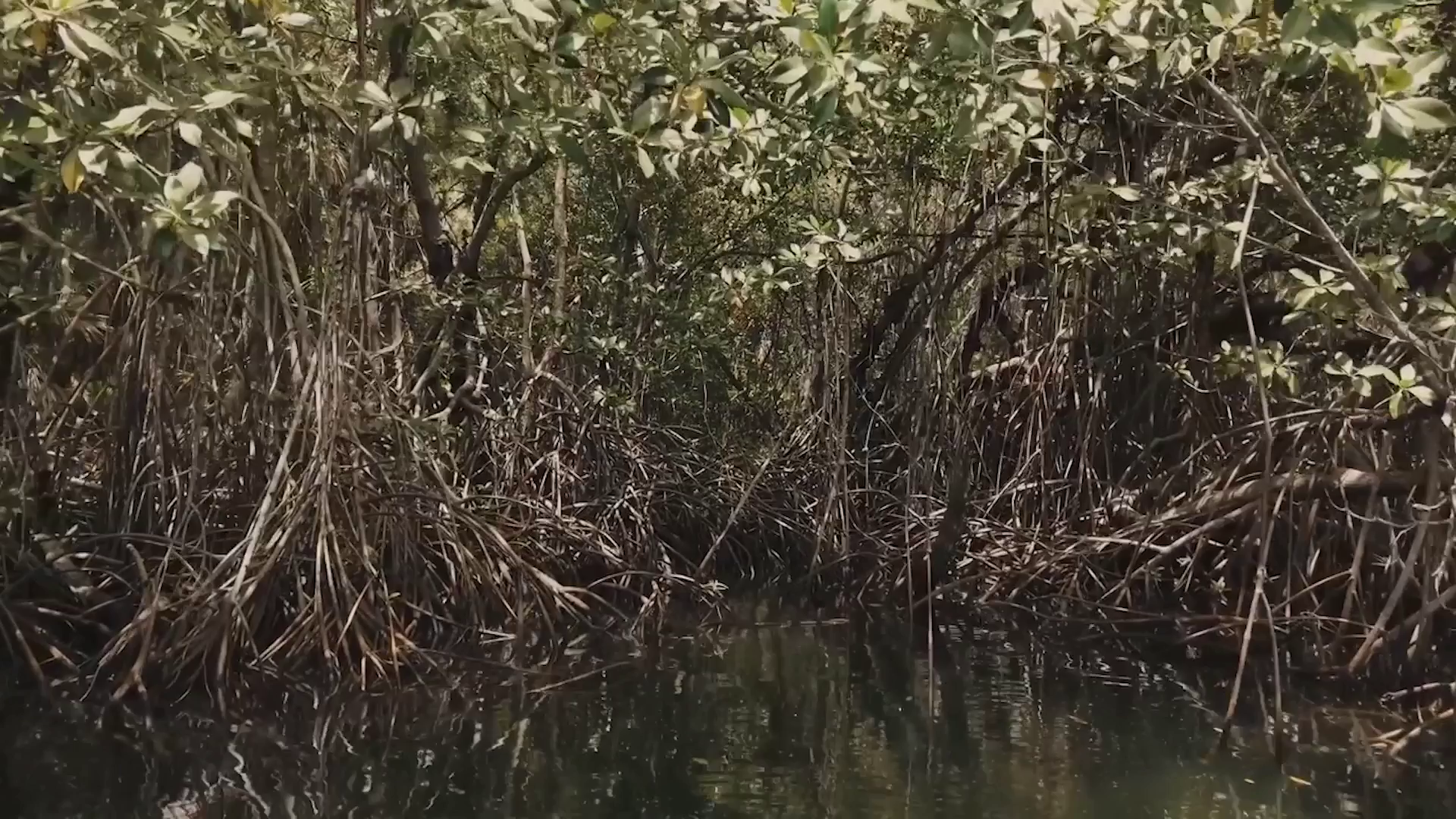
    On a sunlit weekend in early August 2026, the glassy waters of Placencia Lagoon in Belize filled with the steady dip of paddles and the energy of hundreds of gathered participants, kicking off the second annual Battle of the Paddles — far more than a typical sporting competition. Billed as “A Race for the Environment,” this event brings athletes, local community members, and leading conservation organizations together around a shared mission: protecting one of Belize’s most ecologically critical coastal ecosystems, the Placencia Lagoon.

    The idea for the race was first conceived by local tour guide Ian Yearwood, an avid outdoorsman who has spent years exploring Belize’s diverse natural landscapes. According to event organizer Megs Yearwood, Yearwood’s core motivation was to draw greater attention to the stunning natural beauty that exists within Belize itself, especially at a time when many local residents opt to travel abroad for summer getaways. For families that lack the resources for international travel or are eager to learn more about their own backyard, the race creates a joyful, accessible opportunity to connect with underappreciated local gems like the Placencia Lagoon.

    The initiative operates under the umbrella of the Reef Guard Project, a regional program dedicated to improving management of Belize’s marine protected areas and advancing targeted conservation work for the lagoon. The World Wildlife Fund (WWF) has been a key partner in the event, with marine conservation officer Abigail Parham Garbutt explaining that the race fills a critical gap by turning community members into active stakeholders for lagoon protection. “Local people are stepping forward to say they understand how important this ecosystem is, and they want to take action so that future generations can experience the same natural beauty we have enjoyed,” Garbutt noted.

    For competitors, the spirit of collaboration for conservation overshadows the drive for victory. Team Splash, the 2025 champions, returned this year to defend their title, but captain Javier Guardado emphasized that the day’s real win is advancing protection for the lagoon’s wildlife. “We’re here to do our best, but at the end of the day, this is about bringing the community together to stand up for our natural spaces,” Guardado said. In the family competition category, Team Fast Forward member Simon August echoed that sentiment, noting that events like this are a new and welcome addition to Placencia’s community calendar. “It’s so important to raise awareness for environmental protection, and we’re glad to be part of it, both competing and having fun while supporting the cause,” August said.

    Beyond the on-the-water racing, the event served as a public showcase for ongoing conservation work across the region. Seven major environmental and research organizations, including WWF, Sea of Life, Strong Coast, the Southern Environmental Association, Blacks in Marine Science, and the Crocodile Research Coalition, set up displays to share their work on pressing issues ranging from plastic pollution mitigation and mangrove habitat restoration to innovative sustainable uses for sargassum seaweed.

    Darcy Regalado of the Crocodile Research Coalition highlighted that the event’s greatest strength is its model of cross-organizational collaboration. Rather than conservation groups working in isolation, the race brings all stakeholders together to directly educate local residents and visitors about the work being done to protect the coast. “When we all come together, we create a far bigger impact than any one organization could alone,” Regalado explained. “By inviting the NGOs already working in these coastal communities to engage the public directly, we turn awareness into action.”

    Moving forward, event organizers hope the race will continue to grow and inspire sustained local action to keep the Placencia Lagoon healthy for generations of Belizeans to come.

  • Teachers Trade Classrooms for Coastline in Mangrove Training

    Teachers Trade Classrooms for Coastline in Mangrove Training

    On August 4, 2026, a unique professional development program is taking 13 educators out of traditional school classrooms and into Belize’s coastal mangrove ecosystems to build climate resilience literacy across the country’s education system.

    Hosted at Calabash Caye, the four-day Project Mangrove: Enhancing Resilience to Climate Change in Belize workshop is a collaborative initiative led by Belize WaterWays, Galen University, and the University of Belize’s Environmental Research Institute, with funding and support from the CEK Foundation’s Earth Focus Initiative and the World Wildlife Fund. The program is designed to turn local teachers into frontline environmental ambassadors, equipping them with hands-on experience and curriculum-ready knowledge to share climate and conservation lessons with their students.

    For Belize, mangrove ecosystems are far more than just coastal vegetation – they serve as critical natural infrastructure that shields shorelines from destructive storm surges and erosion, provides critical habitat for commercially and ecologically important marine species, and filters pollutants before they can reach the country’s iconic Mesoamerican Barrier Reef. The workshop’s immersive model flips the script on traditional in-service teacher training, moving lectures out of closed rooms to give educators direct, experiential learning across interconnected Belizean ecosystems.

    “Usually, teachers tend to do projects and workshops in their classrooms and everything else, but we wanted to do a flip side immersive fun project where teachers get to learn the ridge-to-reef perspective, pretty much to understand the watersheds in Belize,” explained Miracle Bood, Program Coordinator for Belize WaterWays. On the first day of the workshop, participants focused on freshwater ecosystem health at the Sibun River watershed, learning to distinguish biotic and abiotic components of watershed systems, conduct rapid ecological health assessments, and understand how watershed conditions cascade down to impact coastal mangrove and reef ecosystems.

    Peri Edwards, WaterWays Education Coordinator, emphasized that the program works to demystify environmental science and make outdoor learning accessible for both educators and their future students. “It’s just a great opportunity to kinda teach them how to make the outdoors a little bit more approachable and make science fun, a little less scary, and just empower not only our teachers but our students and our community to really take ownership of our water and our environment,” Edwards said. “Belize is blessed to have so much forest cover and so many protected areas as well as mangrove coverage.”

    After a day of freshwater field training at Monkey Bay Wildlife Sanctuary, participants traveled to Calabash Caye on Tuesday to begin hands-on training in mangrove restoration techniques. For Cyndi Vellos, a teacher at Corozal Junior College, the hands-on water quality testing activities at the Sibun River already delivered tangible, actionable learning. “People should know the importance of the river and why it cuts in the way that it does. From there then, we started to collect water samples because we wanted to look at the quality of the water,” Vellos explained. “We tested for dissolved oxygen, phosphates, nitrates, and we were given some charts in order for us to be able to look at the water quality. So I can safely say that the Sibun River has excellent dissolved oxygen, phosphates, and nitrates.”

    This year’s workshop also leverages the experience of past participants, with returning educators stepping into leadership roles to mentor new attendees. Winston Elijio, a teacher at Pallotti High School who has participated in Project Mangrove for three years, noted that peer knowledge sharing amplifies the program’s impact across Belize’s education community. “It’s important to pass on the knowledge I’ve gained after being with Project Mangrove for three years, pass it on to other teachers, and this will allow them to, to better understand and to teach their students about seabeds, reef, mangroves, also teach them about conservation, preservation,” Elijio said.

    Drawing participants from every region of Belize, from northern Orange Walk to southern Punta Gorda, the workshop awards participants with 20 continuing professional development credits, meeting the country’s requirements for teacher in-service training. Organizers say the model creates a multiplier effect: trained teachers will carry their firsthand conservation experience back to thousands of students across the country, building a culture of environmental stewardship from the classroom up.

  • Dozens of Fish Mysteriously Die in Flowers Bank

    Dozens of Fish Mysteriously Die in Flowers Bank

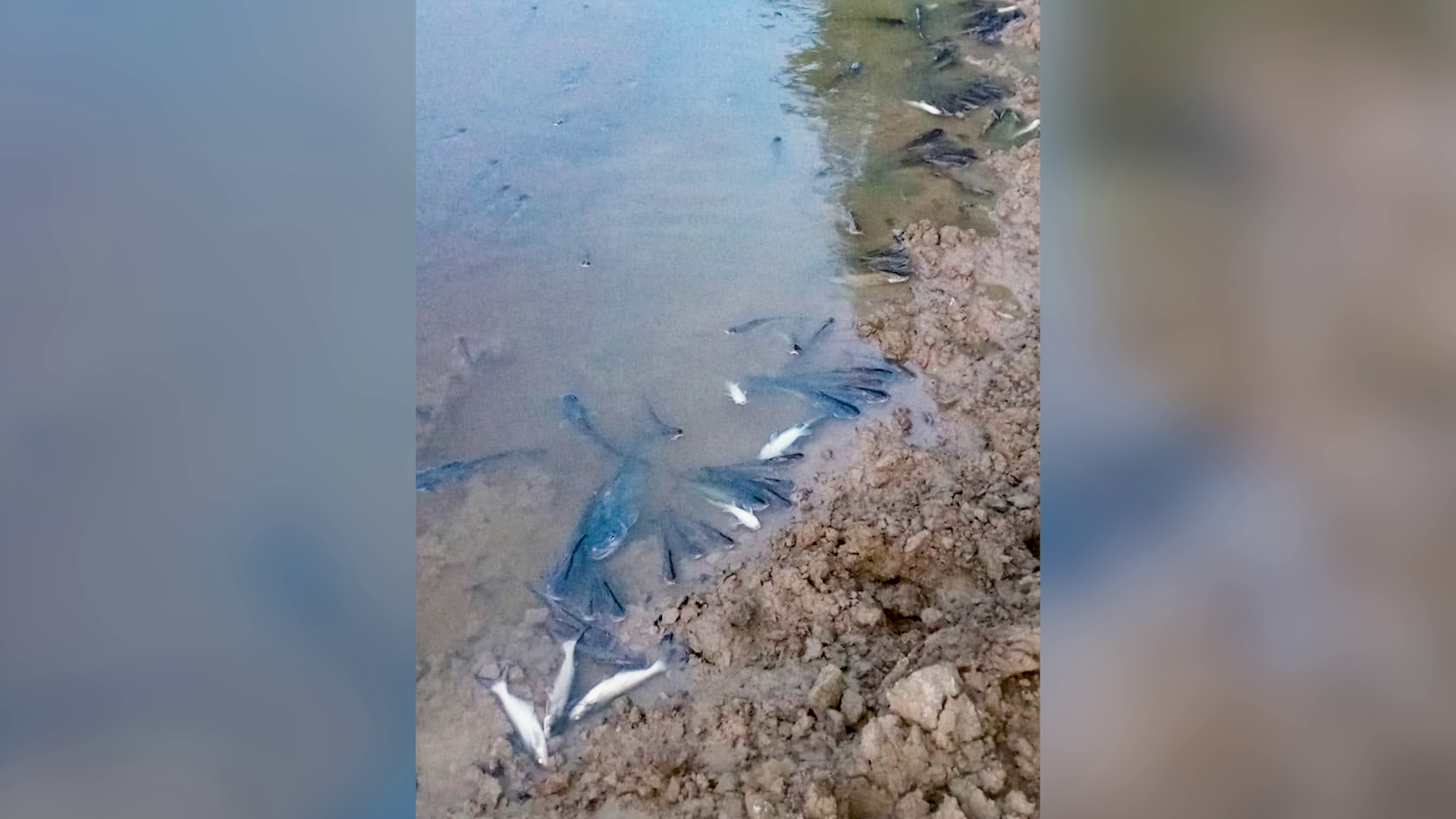
    On August 4, 2026, a sudden mass fish mortality event along the Belize River in the Flowers Bank community of Belize River Valley has left local residents alarmed and triggered a multi-agency probe into the cause of the die-off.

    Local residents first noticed unusual behavior among fish earlier this week, with dozens of individuals spotted gasping for oxygen near the river surface before many turned up dead along the riverbank. Village chair Kisha Flowers explained that the community spotted the first signs of trouble on Tuesday, when a small number of fish began surfacing struggling to breathe. By the following morning, the scale of the event became clear, with multiple dead fish floating along the shoreline.

    For the tight-knit Flowers Bank community, the Belize River serves as a core resource for daily life: residents rely on it for bathing, washing household items, recreational use, catching wild fish for food, and even accessing drinking water for some households. Immediately after identifying the threat, community leaders issued an urgent advisory warning all residents to suspend all uses of river water, including consuming any fish caught from the affected stretch, until the source of the mortality event is confirmed. As of this report, residents have complied fully with the precautionary measures, with no reported incidents of adverse health effects linked to the event.

    After community leaders alerted national authorities, three key government agencies—the Department of the Environment, the National Emergency Management Organization (NEMO), and the Water and Sewerage Authority (WASA)—deployed teams to the site to launch a full investigation. Department of the Environment officials confirmed that investigators have already collected water quality samples from both the location of the fish kill and upstream sites to trace any potential contaminants or water chemistry changes.

    While full laboratory analysis of the samples is still underway and results are not expected for several days, preliminary on-site observations point to low dissolved oxygen levels in the river water as an early leading factor for the fish kill. Low dissolved oxygen can be triggered by a range of causes including algal blooms, temperature fluctuations, nutrient runoff from agricultural or residential areas, or pollution, and further testing will help identify the root cause of the depleted oxygen levels.

    Public health officials have reiterated the precautionary advisory, urging residents to continue avoiding all contact with and use of water from the affected river section until test results are released and the area is deemed safe.

  • Dominica becomes first CARICOM country to generate power from Its own geothermal resources

    Dominica becomes first CARICOM country to generate power from Its own geothermal resources

    The small Caribbean island nation of Dominica has etched its name in regional energy history, achieving a groundbreaking milestone that sets it apart among CARICOM member states: it is now the first country in the bloc to generate utility-scale electricity from its indigenous geothermal resources, marking a major leap forward in its sweeping national renewable energy transition. This landmark achievement was formally highlighted by the Dominica government during the presentation of the 2026/2027 national budget, as the administration advances toward its ambitious long-term target of powering 100% of the country’s electricity demand through renewable energy sources. As of June 2026, already 68% of all electricity distributed by the Dominica Electricity Services (DOMLEC) comes from clean renewable sources. Of that share, geothermal energy alone contributes 43% of total national generation, with existing hydroelectric infrastructure adding a further 25% to the clean energy grid. Finance Minister Dr. Irving McIntyre framed the geothermal breakthrough as a transformative, foundational step that will steer the country toward long-term energy sovereignty. “Power from Dominican soil must power Dominican progress,” McIntyre stated emphatically during his budget address, underscoring the link between domestic energy production and national development. After months of rigorous technical evaluations, the new geothermal power plant has successfully completed all required reliability testing and is now on the cusp of launching full commercial operations. Over the first three months of commercial activity, the Independent Regulatory Commission will conduct continuous, comprehensive monitoring of the plant’s operational performance, while also evaluating how the introduction of geothermal power will affect end-consumer electricity prices. To support the integration of the new geothermal generation capacity into the national grid, the Dominica government has also carried out extensive upgrades to the country’s transmission infrastructure. These upgrades include modernization work on key substations located in Padu, Trafalgar and Fond Cole, alongside the installation of approximately 19 kilometers of new high-voltage transmission lines to carry power from the geothermal plant to population centers. Despite the progress already delivered, the administration is already turning its attention to expanding the country’s clean energy footprint beyond the current geothermal project. Government energy officials are currently conducting exploratory assessments of additional geothermal resource prospects across the island, including promising potential sites in northern Dominica. Parallel to this exploration, the government is also investigating technical upgrades to boost the hydroelectric output of the existing Roseau Valley reservoirs. McIntyre emphasized that while geothermal energy will not deliver an immediate elimination of all cost components in consumers’ monthly electricity bills, it will significantly reduce the country’s vulnerability to volatile swings in global fossil fuel prices, a major source of economic instability for many small island developing states that rely heavily on imported fuel for power generation.

  • OPINION | Who speaks the truth: FAO statistics, farmers…or the bees?

    OPINION | Who speaks the truth: FAO statistics, farmers…or the bees?

    A recent ranking from the Food and Agriculture Organization (FAO) has thrust the Caribbean island nation of Saint Lucia into an urgent public and policy debate: is it now one of the world’s most pesticide-intensive agricultural countries? While the FAO’s conclusion has split farmers, policymakers and members of the public into opposing camps, both sides of the argument share a critical flaw: neither rests on direct, on-the-ground scientific evidence of actual pesticide presence in Saint Lucia’s ecosystems. To break this deadlock, agricultural and environmental experts are proposing an innovative, nature-powered solution: turning to honey bees as living environmental sensors to generate the empirical data the debate desperately needs.

    The FAO’s methodology acknowledges that for nations that do not maintain consistent, formal pesticide use reporting, national pesticide use estimates are extrapolated from secondary sources, including import records, sales data, and statistical modeling. While these approaches work well for building broad global comparative datasets, they carry high levels of uncertainty for small island developing states (SIDS) like Saint Lucia, which have limited agricultural acreage and irregular national reporting systems. Without accurate, ground-truthed data, policymakers cannot craft evidence-based regulations and support systems for the agricultural sector, making the generation of reliable local data a top priority.

    At its core, the gap in accurate pesticide use data stems from a gap in farm-level data collection. Farmers are the primary source of on-the-ground pesticide use information, but most lack the training, infrastructure, and extension support needed to consistently track details like application frequency, total quantities used, application practices, and post-use pesticide container disposal. Low levels of trust between farming communities and regulatory bodies have compounded this challenge, resulting in sparse, low-quality data sets that cannot resolve the current debate. Experts note that this barrier is not insurmountable: stronger cross-sector partnerships between farmers, researchers and policymakers can build the trust and capacity needed to improve farm-level data collection, and farmers have a direct stake in supporting these efforts, as they deserve policies rooted in facts rather than unfounded assumptions.

    Even when farm use data is available, it only tells part of the story. Import statistics and farmer reports can only show how much pesticide was purchased or applied – they cannot reveal how much of those chemicals actually persist and accumulate in the surrounding environment. To measure real-world environmental exposure, the scientific community increasingly turns to biological indicator species, and few indicators are as effective as the common honey bee.

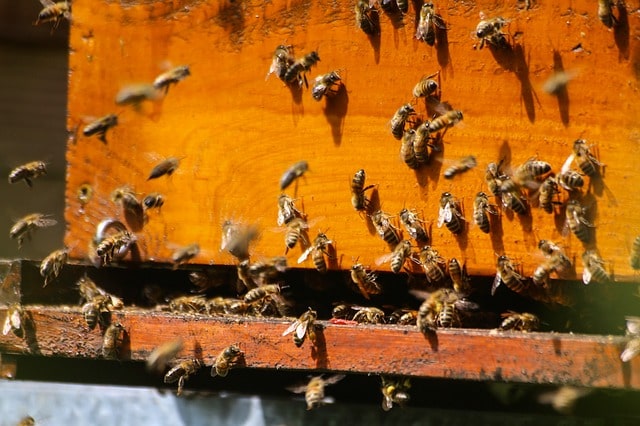
    Honey bees are uniquely suited to act as dynamic environmental samplers. Foraging workers travel several kilometers from their hives each day, visiting thousands of flowers across entire landscapes to collect nectar, pollen, water, and plant resins. In this process, they pick up airborne and surface-borne particulates from nearly every corner of the agricultural ecosystem. Unlike individual soil or crop samples that only capture pesticide exposure at a single point in space and time, an entire honey bee colony aggregates data from across a wide, diverse landscape. Over time, pesticide residues and other contaminants become incorporated into the colony’s hive products: nectar and pollen reflect recent exposure, while beeswax preserves a multi-month or multi-year historical record of chemical accumulation in the area. Every hive holds a comprehensive, continuously updated snapshot of the local environment’s pesticide burden that no artificial sampling program can replicate at the same scale.

    Given honey bees’ unique capacity as environmental monitors, experts are calling on Saint Lucia to launch a dedicated National Pollinator Residue Monitoring Programme to answer the open questions around national pesticide use. This program would collect consistent samples from hive products at a representative network of apiaries across the country, then test these samples for a full range of contaminants, including pesticide residues, biological pathogens and pests.

    While establishing a national monitoring program represents a significant financial investment, existing regional partnerships offer a cost-effective path to implementation. Currently, the Caribbean Agricultural Health and Food Safety Agency (CAHFSA) is working alongside the International Atomic Energy Agency (IAEA) and The University of the West Indies St. Augustine (UWI STA) on a regional food authenticity project across the Caribbean. In Saint Lucia, the project partners with the Iyanola Apiculture Collective (IAC), the Association of Caribbean Beekeepers Organisations (ACBO), and the Saint Lucia Bureau of Standards, with the core goal of building a harmonized, sustainable framework for food testing that protects consumers, supports fair trade, and strengthens regional food control systems through evidence-based practices – including pesticide residue testing across all food products.

    This existing infrastructure can be expanded to launch the pollinator monitoring program at a fraction of the cost of building a new program from scratch. By testing beeswax samples from across Saint Lucia, the program would generate the empirical, defensible data needed to confirm actual pesticide residue levels in the country’s ecosystems, track long-term accumulation trends, and guide targeted environmental rehabilitation strategies tailored to local contamination levels.

    Unlike import estimates or public debate, this science-driven approach would answer critical questions that statistics alone cannot resolve. The data would identify pesticide hotspots across different land types (comparing agricultural districts to undisturbed forest areas), map specific pesticide types and their residue concentrations, measure pollinator exposure levels, and track how pesticide exposure interacts with common bee threats such as varroa mite infestations and viral diseases to impact colony survival rates. None of these insights can be gained from imported data or opinion – they require on-the-ground, empirical scientific investigation.

    Expanding this monitoring initiative across the region would also position the Caribbean as a regional leader in evidence-based pollinator and environmental health. Existing regional collaborations between CAHFSA, UWI, IAEA, national standards bodies, and regional beekeeper organizations have already built advanced regional laboratory capacity. Expanding these partnerships to create a coordinated Caribbean Pollinator Health Observatory would allow the region to generate its own context-specific data tailored to the unique ecosystems and agricultural systems of Caribbean small island states, replacing generic international rankings with locally relevant, actionable information. The analytical infrastructure already exists through the ongoing Caribbean honey authentication project, making expansion of the network a logical, cost-effective next step for regional environmental governance.

    In conclusion, the FAO’s ranking of Saint Lucia’s pesticide intensity should be treated as a starting point for investigation, not a final verdict. Defending or criticizing Saint Lucia’s farming community without objective evidence advances neither agricultural productivity nor environmental protection. Honey bees offer a uniquely accessible, cost-effective, and scientifically sound opportunity to generate the evidence the debate needs, continuously sampling the landscapes that support the region’s food systems and livelihoods. It is time for stakeholders to set aside unproven arguments and start listening to what the bees can tell us.

  • EV dealers reject claims that chargers strain grid

    EV dealers reject claims that chargers strain grid

    A public dispute has erupted over the root causes of The Bahamas’ persistent electricity grid instability, with leading electric vehicle dealers accusing national power sector executives of scapegoating EV owners to distract from decades of systemic underinvestment and poor strategic planning.

    The clash followed a joint press conference held by Bahamas Grid Company (BGC) and Bahamas Power and Light (BPL) at the Office of the Prime Minister, where top utility leaders linked recent system overloads and faults to unreported, unregulated increases in residential electricity demand. BGC Chief Operating Officer Ryan Holder highlighted unpermitted additions like extra air conditioning units as a key unaccounted-for strain on infrastructure, before BGC Chief Executive Officer Dareo McKenzie specifically called out unreported home EV chargers, framing them as a substantial, hidden drain that grid operators cannot plan for.

    But Pia and John Farmer, co-founders of the Bahamas’ leading EV specialist dealership Easy Car Sales, are rejecting that narrative outright. The couple, who sell most of the electric vehicles on Bahamian roads today, point out that there is currently no legal requirement for Bahamian homeowners to seek government or utility permission to install a residential EV charger — making the call for mandatory reporting both unnecessary and absurd.

    They further break down the data to counter claims that EV charging poses an unmanageable burden on the national grid. With only around 2,500 EVs currently operating across The Bahamas, EV adoption makes up a tiny fraction of total national electricity demand. On average, a typical EV driven for annual distances common to Bahamian motorists consumes just 3,000 kilowatt-hours per year, or 250 kWh monthly. That consumption level is on par with common household appliances like standard electric water heaters, residential pool pumps or clothes dryers, and it is far lower than the energy draw of most central home air conditioning systems — the single largest residential power user in the Caribbean island nation.

    Unlike air conditioning use, which peaks during hot daytime hours when overall grid demand is already high, the Farmers note that EV charging is far more flexible. Most motorists plug in their vehicles overnight, during off-peak periods when overall energy demand is at its lowest. To leverage this flexibility, the pair is calling on BPL to introduce discounted off-peak electricity rates for residential EV charging, a policy that would align with the conservation goals the utility itself highlighted during the press conference.

    More broadly, the Farmers argue that The Bahamas’ electricity capacity shortage is a long-standing legacy issue that predates the recent growth of EV adoption. They question why utility executives are targeting small residential EV owners instead of addressing the far larger energy consumption of large commercial operations including island resorts, major grocery chains, and the new data centers proposed for development across the country. The core problem, they insist, is not growing EV adoption, but decades of inadequate infrastructure investment and failure to plan for rising overall energy demand.

    The dispute also raises questions about whether the national power sector is aligned with the Davis administration’s national climate commitments. The Bahamas’ officially submitted nationally determined contribution (NDC) to the United Nations Framework Convention on Climate Change sets a target for 50 percent of all new vehicle sales to be fully electric by 2035, with an additional 30 percent coming from hybrid vehicles. The Farmers calculate that meeting this target will require just 25 megawatts of additional generating capacity over the next 11 years — a roughly 10 percent increase from current baselines that is entirely manageable with proactive planning and targeted investment.

    Beyond meeting climate targets, the pair emphasizes that widespread EV adoption brings substantial economic and environmental benefits to The Bahamas. Consumers are switching to EVs because they cut ownership costs by 65 percent compared to gas-powered vehicles, saving drivers thousands of dollars annually on fuel and maintenance. For the national economy, wider EV adoption would reduce the country’s reliance on costly fossil fuel imports, preserve precious foreign exchange reserves, and cut national carbon emissions. Lower emissions would in turn strengthen The Bahamas’ eligibility for international carbon credits and climate financing, critical resources for the low-lying island nation on the front lines of climate change.

    “In our opinion, EV drivers are to be applauded, not blamed for the inadequacies of our grid,” the couple said. They also pointed out that BPL itself already operates a sizeable fleet of electric vehicles, noting that the utility has already embraced the benefits of EV technology for its own operations. Closing with a call to action, the Farmers urged BGC and BPL to stop shifting blame and start proactively preparing for the global transition away from fossil fuel-powered transportation.

    “The revolution in transportation is already here,” they said. “The People and the Government are on board. BPL and BGC please plan for the energy future we Bahamians deserve and want, and don’t ask us to stay in the dark ages of fossil fuel transportation.”

  • Delhi zet stevig in op elektrische voertuigen in strijd tegen luchtvervuiling

    Delhi zet stevig in op elektrische voertuigen in strijd tegen luchtvervuiling

    On crowded commercial streets of New Delhi, India’s bustling capital, electric two-wheelers, delivery trucks, and passenger cars crowd around the city’s limited public charging points. This everyday scene encapsulates both the enormous promise and the most pressing challenge of the capital’s groundbreaking policy to overhaul its urban mobility and cut through its notoriously toxic smog.

    Starting July 1 this year, New Delhi’s government rolled out one of India’s most aggressive electric vehicle (EV) transition frameworks, targeting that a majority of all newly registered vehicles across the city will be fully electric by 2027. Existing gasoline and diesel-powered vehicles will not face immediate bans, but city officials project their numbers will drop rapidly as consumer adoption of EVs grows.

    The policy prioritizes two- and three-wheeled vehicles, which make up nearly 70 percent of all registered vehicles in New Delhi. Under the new rules, all newly registered three-wheelers and small commercial freight vehicles will be required to be electric starting in 2027, with two-wheelers following the same mandate a year later in 2028.

    Despite the clear policy timeline, the city’s current charging infrastructure falls drastically short of meeting projected demand, according to EV owners. Shyam Singh, an electric scooter owner, notes that long-distance commuters face persistent challenges from limited battery range and a widespread lack of accessible charging points across the capital.

    Industry and environmental experts stress that flexible, widespread charging access is non-negotiable for the transition to succeed. They add that New Delhi must also upgrade its overstretched power grid and scale up integration of renewable energy to meet growing charging demand, a particularly critical challenge since most EV charging happens overnight, when solar energy generation is unavailable.

    To encourage consumer uptake, the new policy includes generous subsidies for EV buyers and financial incentives for scrapping old gasoline-powered vehicles. The city government has allocated roughly 150 billion rupees, equal to 1.5 billion U.S. dollars, to fund these programs. Eligible buyers can receive up to 50,000 rupees ($522) off the purchase price of a new EV, plus an additional 100,000 rupees ($1,044) when trading in an old fossil fuel vehicle.

    “Delhi’s EV policy is among the most ambitious anywhere in India,” explains Jaideep Saraswat, a clean energy expert at the Vasudha Foundation. “The strict regulatory deadlines send a clear signal to both automakers and consumers that this transition is no longer optional.”

    New Delhi’s push for electric mobility grows from a long-running public health crisis: the city consistently ranks among the most polluted major cities in the world, with toxic winter smog regularly forcing school closures and emergency public health measures. Transportation accounts for roughly one-quarter of the region’s total air pollution, and two- and three-wheelers alone contribute nearly half of all vehicle emissions in the capital.

    Past policy successes have already proven that large-scale clean mobility transitions are achievable in New Delhi: decades ago, the city shifted public transit and auto-rickshaws to compressed natural gas (CNG), which delivered significant air quality improvements. Today, EVs represent the next critical step in the city’s decades-long fight against pollution.

    Not all city residents are convinced of the transition’s immediate feasibility, however. Siddhant Jha, a local software engineer, says he is waiting a few years to buy an EV, citing uncertainty about battery life and concerns that monsoon street flooding could damage the vehicles’ sensitive electrical components. Many other residents also hope to see more affordable, reliable EV models enter the market before making the switch.

    Beyond consumer concerns, persistent gaps in charging infrastructure and the reliability of the local power grid remain the biggest barriers to success. Experts have proposed targeted solutions, including installing battery storage systems at public charging hubs and incentivizing EV charging during daytime hours when solar energy output peaks.

    New Delhi now stands on the cusp of a sweeping transformation of both its mobility and energy systems. The ultimate success of its EV policy will depend on coordinated collaboration with neighboring regional states to build out low-carbon power generation capacity and speed up electrification of public transit networks.

    As Saraswat puts it: “Every person in Delhi will celebrate when we finally get through a winter without choking on smog and toxic pollution.”

    Compared to New Delhi’s just-launched transition, China has already built a substantial lead in global electric mobility. China is the world’s largest EV market, and boasts an extensive national charging network with more than one million public charging points spread across urban and rural areas. This robust infrastructure has driven high EV adoption rates, not just in megacities but also in smaller towns and rural regions.

    The Chinese government has supported its transition with large-scale consumer subsidies, strict national emissions standards, and massive investments in battery technology and manufacturing. As a result, the share of EVs in new car sales across China is already far higher than in India, with some major Chinese cities reporting EV makes up more than 20 percent of new passenger vehicle sales.

    These gaps highlight how the pace and scale of EV transition varies widely between regions, shaped by existing infrastructure, policy commitments, and available economic resources. For New Delhi, its new ambitious EV plan marks a critical first step toward narrowing this gap and building a cleaner, healthier future for its 32 million residents.

  • Brace for water shortage due to extreme hot weather, say forecasters

    Brace for water shortage due to extreme hot weather, say forecasters

    On August 3, 2026, Guyana’s national Hydrometeorological Service (Hydromet) issued an urgent official warning, cautioning residents across the South American nation that the strengthening El Niño climate pattern will trigger an extended period of extreme heat through much of the rest of the year, raising the threat of severe, widespread water shortages.

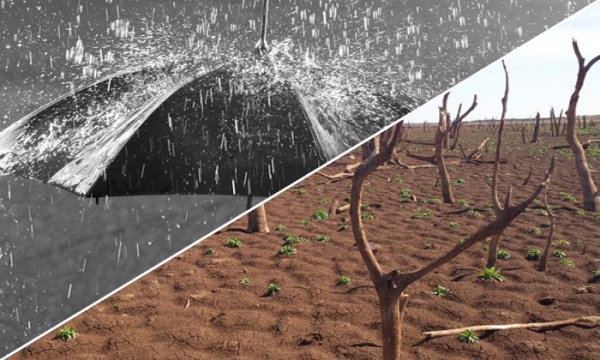
    El Niño, a recurring climate phenomenon defined by unusual warming of surface waters across the central and eastern equatorial Pacific alongside weakened trade winds, is the core driver behind the forecasted extreme conditions. Hydromet’s latest seasonal climate outlook projects a dramatic spike in the number of extreme hot spell days for 2026, a sharp deviation from the country’s historical climate averages. While Guyana normally records a maximum of 30 hot spell days in a full year, the updated forecast predicts the total could reach as high as 80 this year, with the most intense heat concentrated between August and at least October 2026.

    Hydromet defines a hot spell as a consecutive stretch of two or more days of record-breaking extreme temperatures. The agency confirmed that every region across Guyana will see fewer rainy days than the long-term average, with both daytime and overnight temperatures remaining well above normal seasonal benchmarks. The highest frequency of extreme hot days is expected to impact five key regions: Demerara-Mahaica (Region 4), Mahaica-West Berbice (Region 5), East Berbice-Corentyne (Region 6), Potaro-Siparuni (Region 8) and Upper Demerara-Upper Berbice (Region 10). Hinterland and remote vulnerable communities will face the most acute risks from the extended dry period, which will cut access to reliable water supplies for residential use, agricultural production and other core economic activities.

    The ripple effects of the prolonged heat and drought will extend across nearly every major sector of Guyana’s economy and public life. For the agricultural industry, reduced rainfall and sustained high temperatures will leave crops suffering from critical moisture stress, degrade the quality of grazing pasture, and increase water demand for livestock herds. In forested and savannah regions, parched vegetation combined with record high temperatures will drastically raise the risk of uncontrolled bush and forest fires.

    The transportation sector will also face significant disruptions: lowered river water levels will impede inland river navigation in many areas, interrupting the movement of residents, commercial goods and essential public services. Unpaved rural roads will become extremely dusty as dry conditions persist, cutting driver visibility and raising road safety risks. While Hydromet did not forecast widespread power outages, the agency noted that sustained extreme heat will push up electricity demand, as households and businesses ramp up use of air conditioning and cooling systems, placing extra strain on the country’s national power grid.

    Public health and education systems are also bracing for impacts. Sustained extreme heat will increase discomfort in school classrooms and raise the risk of heat-related illness among students. For public health, prolonged exposure to extreme high temperatures is projected to increase cases of dehydration, heat exhaustion and life-threatening heat stroke, with children, older adults, people with pre-existing chronic medical conditions, and outdoor workers facing the highest vulnerability.

    In response to the forecast, Hydromet has issued a comprehensive set of public advisories to help residents and communities prepare for the extreme conditions. The agency urges the public to stay consistently hydrated, practice ongoing water conservation throughout the extended dry period, limit strenuous outdoor activity between 11 a.m. and 2 p.m. when temperatures peak, and wear lightweight, loose-fitting clothing to reduce heat absorption. It also called on education authorities to ensure all schools maintain adequate supplies of safe drinking water, and to prioritize heat safety protocols for students and staff. To reduce wildfire risk, the public has been warned to avoid any activity that could spark unintended fires, including open burning of waste or vegetation. Farmers are advised to closely monitor crop and livestock conditions and ensure consistent access to high-quality water for their operations.

    Hydromet emphasized that even though El Niño brings overall warmer and drier conditions to Guyana, periods of heavy rainfall remain possible during the forecast period. The agency confirmed it will continue ongoing monitoring of evolving climate conditions and will issue regular, timely updates to support community preparedness and help public and private stakeholders make informed adaptation decisions.

  • Belize Faces Power Pressure as Mexico’s Grid Struggles

    Belize Faces Power Pressure as Mexico’s Grid Struggles

    Dated August 3, 2026, this report examines a growing energy security crisis rippling across Central America, where Mexico’s struggling national power grid has left neighboring Belize facing growing risks of blackouts and spiking energy costs for residential and commercial consumers.

    For decades, Belize has structured its national energy mix around three core sources: imported electricity from Mexico, domestic fossil fuel generation, and locally produced renewable energy, all overseen by the national utility Belize Electricity Limited (BEL). But in recent years, this long-standing model has fractured, as Mexico confronts a deepening domestic energy crisis driven by overlapping climate and infrastructure challenges.

    Lynn Young, Executive Chairman of BEL, explained that climate change has amplified strain on energy systems on both sides of the border. Rising average temperatures driven by global climate change have triggered a surge in electricity demand, as households and businesses ramp up air conditioning use to cope with extreme heat. “They have been having similar challenges to us with the challenges brought on by climate change,” Young noted in an interview. “That’s something that happens everywhere. It’s happening in Mexico too, so they are having challenges meeting the demand. And when they have the challenges, then sometimes they can’t supply us.”

    While Mexico has begun developing new gas-fired generation facilities to close the supply gap, the projects have faced persistent delays linked to fuel supply shortages. Young acknowledged that these infrastructure upgrades will take years to reach full operation, leaving Belize vulnerable to unreliable imported power through the medium term.

    The crisis extends beyond supply reliability: as Mexico’s domestic demand outpaces supply, the cost of imported electricity has jumped sharply, passing higher expenses directly to Belizean consumers. Rosanety Barrios, an independent energy consultant based in Mexico, confirmed that the crisis has escalated steadily in recent years. She emphasized that Mexico’s core issue is a long-standing shortage of energy infrastructure that has slowed broader economic growth, as industrial investors avoid the country over concerns about consistent power access. “We have a problem with insufficient infrastructure,” Barrios explained. “On top of that, of course, demand normally rises every year as a result of both a growing population and let’s say, the heat, which is becoming an increasingly significant factor worldwide.”

    With Mexico’s crisis showing no near-term resolution, Belize has floated the idea of diversifying its foreign energy imports by adding Guatemala as a second supplier. Early exploratory talks between the two nations have already begun, and preliminary feasibility studies are being funded by the Inter-American Development Bank (IDB). But Young warned that a cross-border transmission connection with Guatemala is not a quick fix. “Just the studies alone might take another year or two before we come up with what’s the right size transmission lines, and then you have to start negotiating commercial agreements, not to mention the country level political aspect of it,” Young said. “So that’s gonna take a while before we can do that.”

    Instead, BEL is focusing on a long-term domestic strategy to reduce Belize’s dependence on foreign power. The utility is moving forward with plans to scale up local solar energy generation and accelerate development of other domestic energy resources, with the explicit goal of cutting reliance on costly, unreliable imports from Mexico. Young acknowledged that Belizean consumers are already feeling the financial pressure of higher monthly electricity bills, but he expressed optimism that targeted investments in domestic energy will deliver lower, more stable costs for households within the next several years. This report from Britney Gordon aired for News Five, Belize’s leading evening news broadcast.

  • Art Becomes a Call to Protect Placencia Lagoon

    Art Becomes a Call to Protect Placencia Lagoon

    Nestled along the southern coast of Belize, the waters of Placencia Lagoon have been the quiet backbone of local livelihoods for generations. For small-scale fishermen, it provides daily catches to feed their families; for tour guides and local tourism operators, it draws visitors eager to experience its rich mangrove ecosystems and unique marine wildlife; for generations of residents, it has been a gathering space for recreation and cultural connection. But today, this vital coastal ecosystem faces growing pressures that threaten both its ecological health and the communities that depend on it, prompting a creative new approach to conservation that centers local voices. On August 3, 2026, residents of Independence Village unveiled a large, community-created mural on the village shore, marking the official launch of a new public awareness campaign to protect the iconic lagoon.

    The campaign is a collaborative effort between the World Wildlife Fund (WWF) and Belize’s Southern Environmental Association (SEA), tied to the broader Reef Guard Project: Sustaining Life and Livelihoods initiative. This project works to strengthen management of four key marine protected areas across southern Belize, including South Water Caye Marine Reserve, Glover’s Reef Marine Reserve, Laughing Bird Caye National Park, and Gladden Spit and Silk Cayes Marine Reserve. Unlike top-down conservation campaigns that often exclude local input, this effort centers the experiences and needs of communities that have lived alongside the lagoon for decades.

    Abigail Parham Garbutt, a marine conservation officer with WWF, explained that the mural project is the first step of the new communications campaign, with more public art installations planned for other communities bordering the lagoon, including Placencia and Stann Creek. “These murals are meant to capture the layered history of how people have interacted with this lagoon, from generations past to the present day,” Garbutt said. “They hold the personal memories and lived livelihoods that tie this community to the water, and make clear just how critical this ecosystem is to everyone who lives here.”

    Unlike many conservation efforts that frame protection as separate from community needs, the Placencia Lagoon campaign works to strike a balance between ecological health and economic survival, emphasizing that successful long-term conservation cannot leave behind the people who depend on the lagoon’s resources. Community liaison Diego Lozano, based in Independence Village, notes that local buy-in is the foundation of any effective protection effort. “So many different people rely on this lagoon every single day: tour guides earning a living, small-scale fishermen bringing food home to their families, residents coming here to relax and recreate,” Lozano explained. “That’s why we need to protect it, but we have to do it in a way that respects all of these needs and finds a sustainable balance.”

    The threats facing the lagoon are multi-fold, according to conservation leaders. Calvin Gonzales, senior project manager at SEA, outlined the key challenges threatening the ecosystem: unsustainable and illegal fishing practices, including both local and transboundary illegal fishing, harvesting of undersized or out-of-season marine life, unregulated coastal development, and the global pressure of climate change, which has driven coral bleaching across Belize’s reef systems that are connected to the lagoon. Gonzales added that lasting protection will require both stronger enforcement of existing conservation rules and ongoing scientific monitoring to track ecosystem health over time.

    The Independence Village mural was painted collectively by more than 20 community members, ranging from local school children to professional conservationists, overseen by local artist Anton Leslie. Leslie explained that the design draws directly from the real experiences of people who live in the village, rather than a generic vision of coastal nature. The work depicts the lush mangrove habitats that form the foundation of the lagoon’s food web, alongside iconic local touches: the Hokie Pokie water taxi that serves the village, native manatees that frequent the lagoon’s shallow waters, and a child climbing through mangrove roots, capturing the intergenerational connection local people have to the ecosystem. “It covers all the different parts of life that happen here in this lagoon habitat,” Leslie said.

    This first mural is just the opening step of the wider campaign, which aims to build a grassroots, community-led movement for conservation across the Placencia Lagoon region. By turning personal stories and lived connection into public art, organizers hope to inspire more local residents to join protection efforts and build widespread public support for policies that will safeguard the lagoon for future generations. The event was covered by News Five’s Britney Gordon on location in Independence Village.