分类: environment

  • Isolated showers and sweltering heat will mark this Sunday

    Isolated showers and sweltering heat will mark this Sunday

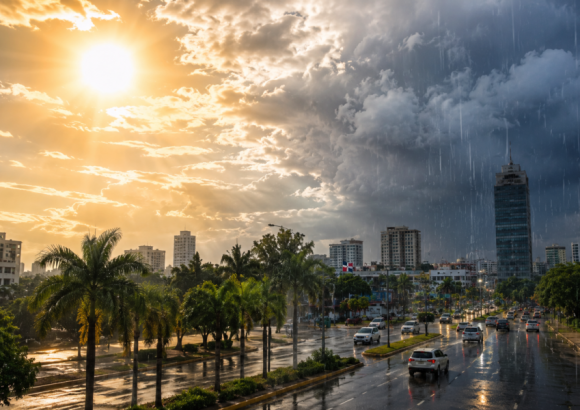
    Residents across the Dominican Republic are bracing for a day of contrasting weather on Sunday, with localized showers in the east and capital region forecast to give way to heavier thunderstorms in central and western areas, paired with dangerously high heat indexes, according to the country’s national meteorological service. The Dominican Institute of Meteorology, better known by its local acronym Indomet, traced the day’s precipitation to residual moisture left behind by a passing tropical wave, combined with atmospheric pressure from a trough moving across the region.

    Early Sunday morning will bring scattered isolated showers to several eastern and southern coastal provinces, including La Altagracia, La Romana, San Pedro de Macorís, San Cristóbal, and the broader Santo Domingo metropolitan area. As the day progresses into the afternoon, the weather system will shift west and inland, bringing moderate to heavy downpours, thunderstorms, and sudden gusty winds to provinces including Hato Mayor, Monte Plata, La Vega, Santiago Rodríguez, San Juan, Dajabón, and Elías Piña. For the remainder of the country, forecasters predict mostly clear sunny conditions with only gradual, minor increases in cloud cover through the day.

    Beyond rainfall, Indomet warned that sweltering heat will intensify across the nation on Sunday, building on hot and hazy conditions that were already forecast for Saturday, which also included expected Saharan dust intrusion. A combination of high baseline temperatures and elevated humidity will push the heat index — a measure of how hot conditions actually feel to the human body — into dangerous territory.

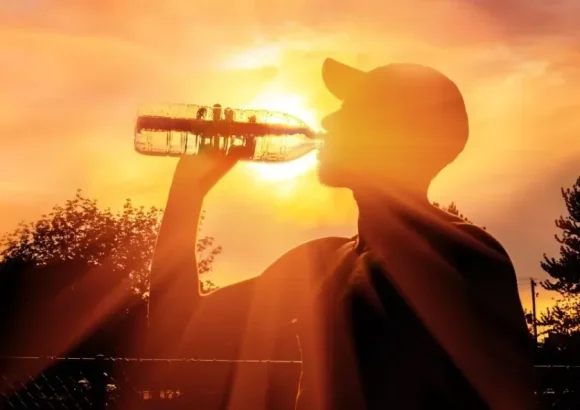
    In response to the dangerous heat forecast, Indomet has issued a series of public safety recommendations for all residents, with extra guidance for vulnerable groups. The agency urged people to drink water regularly to maintain hydration, wear loose, light-colored clothing that reflects heat, and avoid prolonged exposure to direct sunlight between the peak heat hours of 11 a.m. and 5 p.m. It also advised the public to stay in cool, well-ventilated spaces as much possible during these hours, and to cut back on strenuous outdoor activity. Young children, pregnant people, and older adults are flagged as particularly vulnerable to heat-related illness, so extra precautions are recommended for these groups.

    Breaking down the forecast for the four sections of the Santo Domingo metropolitan area — National District, Santo Domingo Norte, Santo Domingo Oeste, and Santo Domingo Este — all four zones are expected to see gradual increases in cloud cover through the day, paired with isolated showers, possible thunderstorms, and occasional gusty winds. Nationwide, overnight low temperatures Saturday into Sunday are expected to range between 23°C and 25°C, while afternoon high temperatures will reach between 33°C and 35°C across most of the country.
  • VN: Krachtige El Niño versterkt hitte op een ‘planeet die al in brand staat’

    VN: Krachtige El Niño versterkt hitte op een ‘planeet die al in brand staat’

    The World Meteorological Organization (WMO), a United Nations specialized agency for climate and weather, has issued an urgent warning that a rapidly strengthening El Niño event will dominate global weather patterns over the coming months and drive widespread extreme weather conditions across the planet.

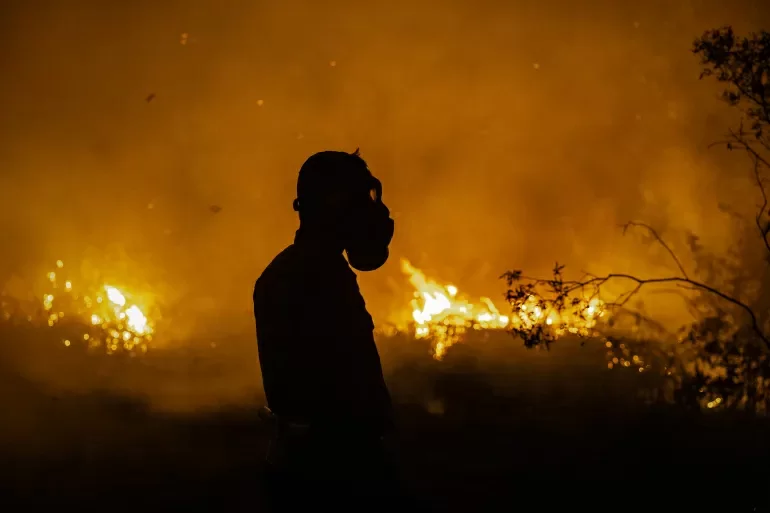
    Published on Friday, the WMO’s latest climate update confirms that this recurring climate phenomenon, driven by abnormal warm water buildup in the central Pacific Ocean, has already elevated the global risk of catastrophic heatwaves, prolonged droughts, and severe flooding. The alert comes at a time when vulnerable regions are already reeling from climate-related disasters: massive wildfires are tearing through parts of Africa and Europe, while unusually heavy monsoon rains in South Asia have caused widespread disruption and displacement.

    “El Niño is not just on our doorstep — it is already here, and it is turning up the heat,” United Nations Secretary-General António Guterres stated in response to the update. “This is just a warm-up. El Niño is growing stronger, and it is adding fuel to a planet that is already on fire.”

    Forecasters project that sea surface temperatures in the central Pacific Ocean will rise to more than 2.9 degrees Celsius above long-term historical averages. This extreme ocean warming disrupts established global weather systems and pushes overall planetary temperatures even higher, compounding the decades-long trend of human-caused global warming.

    Guterres has called on national governments to drastically accelerate climate action, noting that the impacts of El Niño are intersecting with human-induced climate change to create an unprecedented climate emergency. He specifically identified the continued expansion of fossil fuel production as the core driver worsening the crisis, and called for an immediate halt to all new coal, oil, and gas development projects.

    Per the WMO forecast, nearly all global land areas will see well-above-average temperatures through the duration of the event. The most severe heatwaves are expected to hit regions across Africa, Southern Europe, the Indian subcontinent, East Asia, and South America.

    WMO Secretary-General Celeste Saulo emphasized that while El Niño is being closely monitored by scientific agencies worldwide, early warning forecasts must translate into immediate, concrete action from governments and humanitarian organizations to protect the most vulnerable communities. “Forecasts cannot prevent hazards — people do,” Saulo said. “The decisions we make today will determine the impact we face tomorrow.”

    Right now, Southern Europe is already battling multiple large-scale wildfires, amplified by ongoing heatwaves that have dried out vegetation and drastically increased wildfire risk. Spain, Portugal, and Greece have reported record numbers of blazes this season, which have destroyed thousands of hectares of natural land and forced thousands of residents to evacuate their homes.

    Beyond wildfires, El Niño is triggering severe drought in other regions across the globe. In parts of East Africa, the phenomenon has led to failed rainy seasons, leaving millions facing acute food insecurity and severe water scarcity. South American nations including Peru and Brazil are also grappling with persistent drought that threatens agricultural output and access to clean drinking water for local populations.

    Climate scientists warn that this El Niño event could reach record strength by the second half of 2026, further increasing the likelihood of extreme, destructive weather events across the globe. While there remain minor uncertainties in climate computer models, the overarching conclusion is clear: the combination of a powerful El Niño and long-term human-caused climate change is placing unprecedented pressure on the planet’s ecosystems and human communities.

  • Heat Blast: Heatwaves, uneven hurricane activity forecast for late wet season

    Heat Blast: Heatwaves, uneven hurricane activity forecast for late wet season

    On Friday, leading regional climate and meteorology experts issued a detailed forecast outlining a series of extreme weather hazards set to impact Barbados and the entire Caribbean region through the final stretch of the 2024 wet season. The projection, published in the July–September issue of the Caribbean Climate Outlook newsletter, draws on analysis from Dr. Cedric Van Meerbeek, lead regional climatologist at the Caribbean Institute for Meteorology and Hydrology (CIMH), and Dr. Theodore Allen, a climate change specialist at the University of the West Indies’ Centre for Resource Management and Environmental Studies (CERMES).

    According to the pair, the projected unstable conditions are driven by two key climate forces: a strengthening El Niño system developing over the summer months, which overlaps with the Caribbean’s wet season, and long-term anthropogenic global warming that amplifies the intensity of extreme weather events across the tropics.

    One of the most immediate risks highlighted is rising oppressive humid heat that will build through September, the traditional peak of the region’s annual heat cycle. The experts warn this warming trend will result in repeated, prolonged heatwaves, with the northernmost areas of the Caribbean facing the most severe exposure.

    For the 2024 Atlantic Hurricane Season, the forecast calls for an uneven pattern of activity. Through August, storm formation will occur in irregular, scattered bursts, but the typical September peak is expected to be far less active than in average years. A key factor suppressing cyclone development is the expected frequent influx of dust-heavy Saharan air masses moving across the Atlantic into Barbados and the Eastern Caribbean, a phenomenon the authors note disrupts tropical cyclone formation. However, this same dry, dust-laden air carries its own hazards: it worsens oppressive humidity and drives widespread declines in regional air quality, raising risks for people with respiratory conditions.

    Rainfall patterns will also be highly irregular over the coming two to three months. Overall, the region will see a slower increase in rainfall frequency compared to most years, which has slowed the recovery from ongoing drought conditions that will persist into September. Despite the overall lack of consistent rain, intense, short-duration heavy rainfall events are still projected to occur, and these outbursts carry a “high to extremely high potential” for flash flooding, river flooding, and cascading secondary hazards that can disrupt communities and infrastructure.

    Drought remains one of the most pressing ongoing threats across multiple island nations and territories. Severe short-term drought has already been confirmed in southwest Tobago and western Barbados, while long-term drought is currently entrenched in a dozen locations across the region: easternmost Cuba, Grenada, easternmost Guadeloupe, southwest Jamaica, Martinique, southwest Puerto Rico, Saint Lucia, St. Vincent, and southeast Suriname.

    Agricultural drought, which threatens crop yields and livestock health, is already developing in Saint Lucia, and the experts project it will either emerge or persist through the end of the month across the Aruba-Bonaire-Curacao (ABC) Islands, eastern Cuba, Dominica, Grenada, the Leeward Islands, Martinique, and Tobago. Short-term drought is currently evolving in Antigua and Barbuda, Grand Cayman, Martinique, northeast Puerto Rico, St. Kitts and Nevis, parts of Saint Lucia, Tobago, and the U.S. Virgin Islands, with potential development or continuation through September in the ABC Islands, Barbados, parts of Belize, and Grenada. Long-term drought is evolving in Antigua, Martinique, St. Kitts and Nevis, and Saint Lucia, with potential persistence or development through the end of November in Martinique and St. Kitts.

  • Heat index in Santo Domingo reaches record highs of up to 48 degrees, triggering a surge in electricity consumption

    Heat index in Santo Domingo reaches record highs of up to 48 degrees, triggering a surge in electricity consumption

    A record-shattering July heatwave has pushed the Dominican Republic into a dual climate and energy crisis, bringing historic heat index levels and widespread power disruptions that have strained critical national infrastructure.

    Data released by the Dominican Institute of Meteorology (INDOMET) confirms that extreme high temperatures have blanketed the entire country this month. In the densely populated Greater Santo Domingo area, the average air temperature hit 36.1 degrees Celsius. When factoring in humidity, the real-feel heat index soared to between 43 and 48 degrees Celsius — a level that poses significant health risks for vulnerable populations. Even more extreme conditions were recorded in the northern province of Santiago Rodríguez, where actual air temperatures peaked at 39.8 degrees Celsius, pushing the heat index to a dangerous 50 degrees Celsius.

    The relentless heat has driven a massive spike in cooling demand across residential and commercial spaces. As households and businesses cranked up air conditioners and fans to combat the swelter, peak-hour electricity demand surged past the 4,400 kilowatt mark. This figure is nearly 47 percent higher than the typical peak consumption of 3,000 kilowatt, overwhelming the national grid’s capacity. The overloaded electrical circuits have led to rolling blackouts across many communities, worsening disruptions for residents already struggling with the extreme heat.

    Compounding the crisis is an extra layer of atmospheric strain: a plume of Saharan dust drifting across the Atlantic to the Caribbean. This dry, dusty air mass has amplified already high temperatures across most of the Dominican Republic’s territory, while also suppressing the formation of rain clouds that could bring temporary relief from the heat.

    National officials have issued an ongoing warning that the Dominican Republic will remain under the influence of this combined heat and dust phenomenon for the immediate future. The sustained hot conditions will continue to place unmanageable pressure on the country’s already overstretched electrical system, leaving authorities working to mitigate further disruptions as the crisis continues.

  • Miss Earth Belize has a New National Director

    Miss Earth Belize has a New National Director

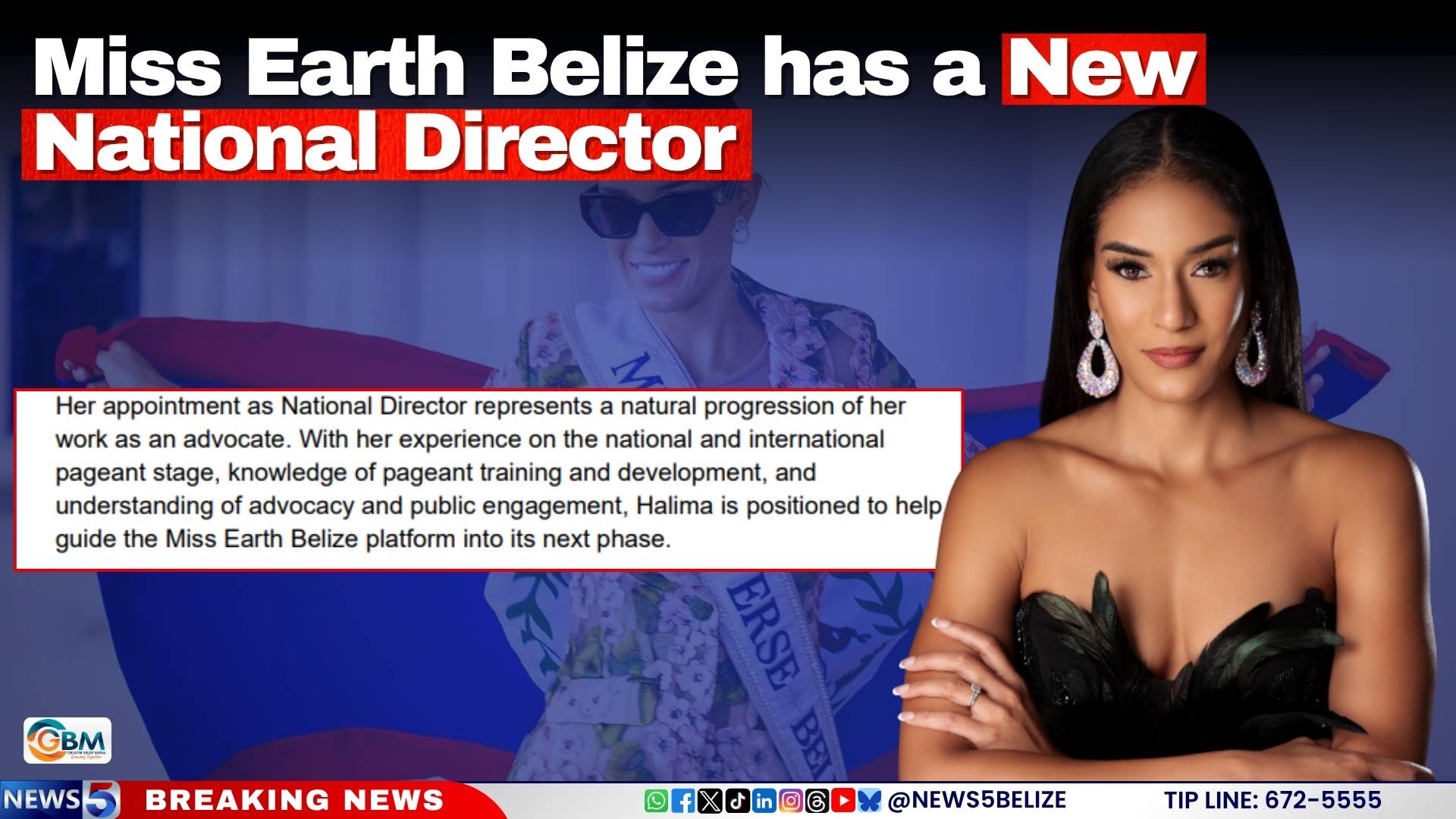
    In a development that marks a key turning point for Belize’s leading environmental advocacy pageant platform, the Miss Earth Belize Foundation Ltd. announced the appointment of Halima Hoy as its new National Director on July 31, 2026.

    The appointment is framed as the start of an exciting new chapter for the organization, which ties pageantry to global and local climate action, ecological conservation and community-led environmental work. Hoy brings a unique, well-rounded portfolio of experience that aligns perfectly with the foundation’s core mission, blending deep expertise in pageantry, public health advocacy, grassroots community organizing and youth capacity building.

    Previously, Hoy earned national recognition when she claimed the title of Miss Universe Belize in 2024, and that same year, she was appointed UNICEF Champion for Children, a role that let her build extensive experience leading public outreach and driving social impact across Belize. Her background has given her both national visibility and hands-on experience coordinating public engagement campaigns that resonate with diverse audiences, from young people to community stakeholders.

    In an official statement announcing the appointment, the Miss Earth Belize Foundation emphasized that Hoy’s track record on both national and international pageant stages, combined with her specialized knowledge of pageant training and competitor development, and her proven commitment to purpose-driven advocacy, puts her in a strong position to lead the platform into its next phase of growth and impact.

    In her new role as National Director, Hoy will take on core responsibilities including mentoring emerging Belizean women leaders who are passionate about environmental action, and overseeing the preparation of Belize’s official representative for the annual global Miss Earth competition, one of the world’s most prominent pageantry platforms focused exclusively on climate and conservation advocacy.

  • Antigua and Barbuda Among CARICOM Countries Below U.N. Water-Stress Threshold

    Antigua and Barbuda Among CARICOM Countries Below U.N. Water-Stress Threshold

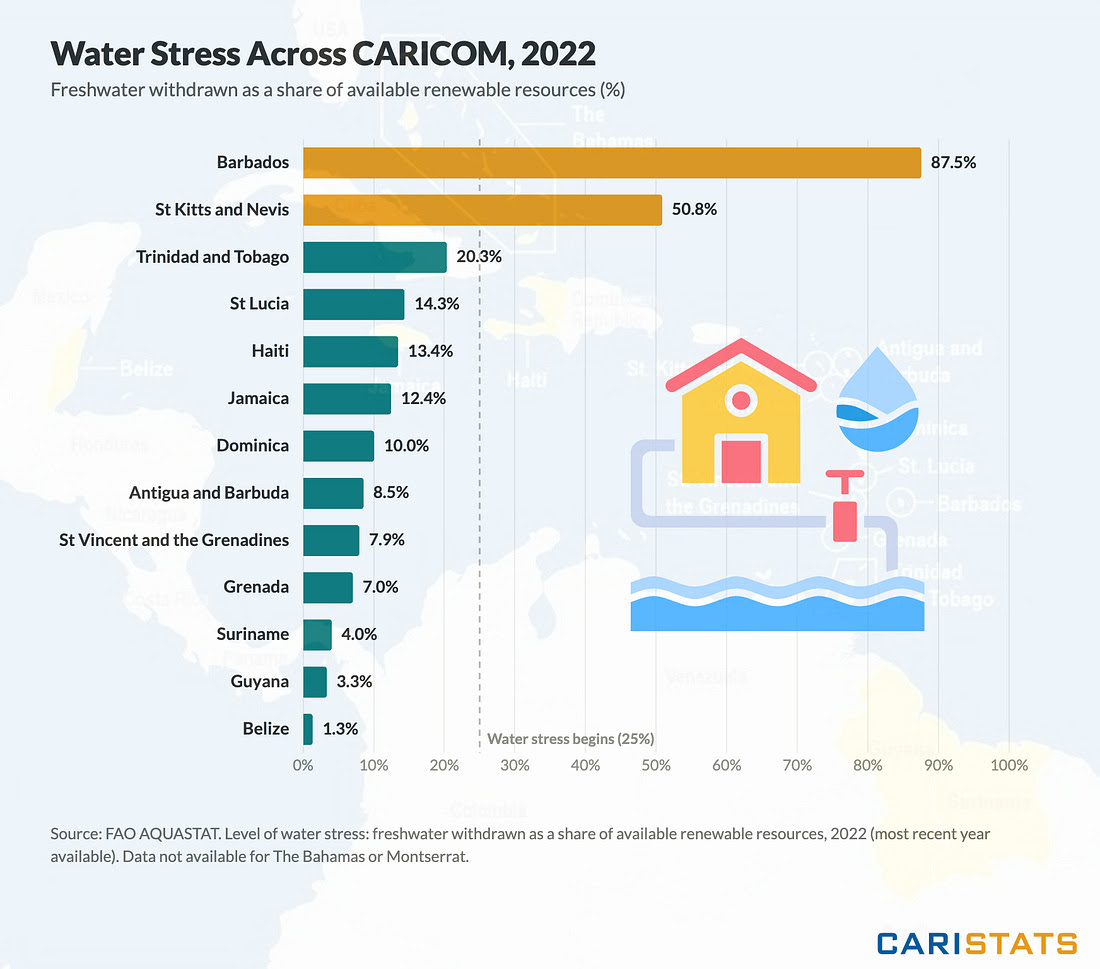
    Water stress, a key metric that tracks the proportion of a nation’s renewable freshwater reserves withdrawn annually for agricultural production, industrial activity and domestic consumption, serves as a critical indicator of resource competition. When withdrawal rates climb higher, the competition for this limited, life-sustaining resource grows more intense. The United Nations has established a standard threshold: any nation withdrawing more than 25% of its available renewable freshwater is classified as experiencing water stress.

    The latest data from the Food and Agriculture Organization’s AQUASTAT monitoring program, released for the reference year 2022 — the most recent year for which full data is available, due to a multi-year national reporting cycle that delays public releases by two to three years — paints a mixed picture for the 15-member Caribbean Community (CARICOM). The vast majority of member states fall well below the UN’s 25% water stress threshold, showing ample renewable freshwater reserves relative to current consumption levels.

    Three CARICOM members with large landmasses and extensive river systems — Belize, Guyana, and Suriname — record some of the lowest withdrawal rates in the region, all pulling less than 4% of their total renewable freshwater each year. Larger island nations including Jamaica, Haiti, and Trinidad and Tobago also remain within the UN’s “no-stress” range, with Trinidad and Tobago reporting the highest withdrawal rate in this group at 20.3%. Two member states are the notable exceptions to this trend, however: Barbados and St. Kitts and Nevis.

    Barbados, a small, flat coral island with no permanent surface rivers, relies almost entirely on groundwater to meet its freshwater needs. The nation withdraws a staggering 87.5% of its total renewable freshwater annually, placing it firmly in the UN’s high-stress category. Neighboring St. Kitts and Nevis, another small island archipelago, also exceeds the threshold with a 50.8% annual withdrawal rate. Both nations, as small Caribbean island states, face inherent structural constraints: their limited landmass translates to far smaller renewable freshwater reserves than their larger, mainland CARICOM counterparts, creating a stark divide in water security across the bloc. It is important to note that data for two CARICOM members, The Bahamas and Montserrat, was not available for this 2022 analysis.

  • Tropical Weather Outlook: Friday, 31 July 2026 (8 am)

    Tropical Weather Outlook: Friday, 31 July 2026 (8 am)

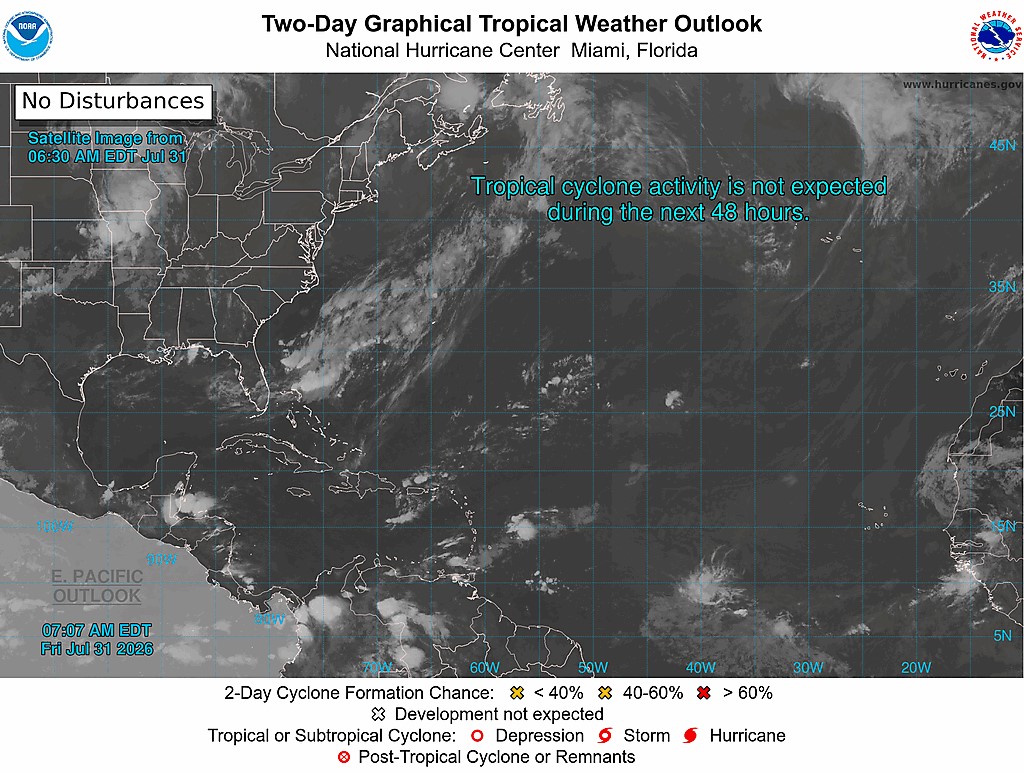
    Meteorological officials from the Meteorological Services MBIA and Grenada Airports Authority (GAA) have issued an active weather advisory for the tropical North Atlantic Ocean, Caribbean Sea, and Gulf of Mexico, highlighting a developing tropical wave of interest to regional authorities. The system, which falls within a monitored special weather zone spanning 10–20° North latitude and 40–65° West longitude, has recently been repositioned to approximately 57° West, located just south of the 20° North parallel. It is currently tracking westward at a steady speed of around 20 knots. As of the latest observation, scattered moderate convective activity is concentrated between 12° North and 15° North, stretching from 55° West to 58° West, in line with the system’s projected forward movement. Forecasters confirm the tropical wave is on track to pass over the Caribbean nation of Grenada later today. The passage of the system is expected to bring noticeable changes to local weather conditions, including increased cloud cover across the island, widespread shower activity, and a risk of isolated thunderstorm events. The agencies noted that they will release their next official update on the system’s position and forecast at 2:00 PM local time. This advisory, published via NOW Grenada, includes a standard content disclaimer: the outlet does not take responsibility for opinions, statements, or third-party contributed media content shared on its platform, and provides a channel for users to report any content that violates community guidelines.

  • SP Town Council Reallocates Over $2 Million to Tackle Sargassum

    SP Town Council Reallocates Over $2 Million to Tackle Sargassum

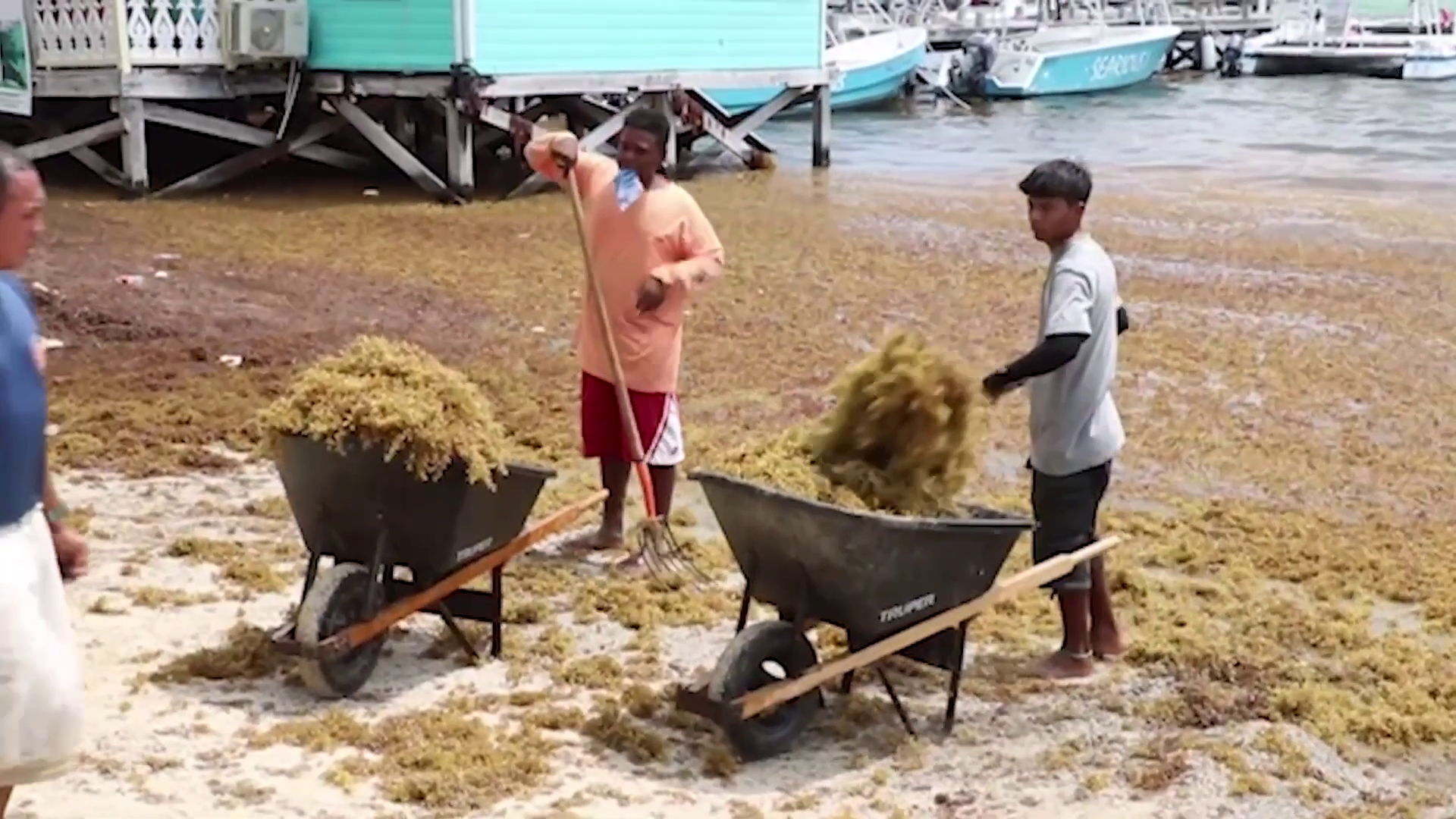
    As of July 30, 2026, the idyllic island of San Pedro, Belize, is grappling with a persistent and costly environmental crisis that is straining municipal finances: a massive, unrelenting influx of sargassum seaweed washing onto its iconic shorelines. San Pedro Mayor Wally Nuñez confirmed in a recent broadcast interview that the town council was forced to reallocate more than $2 million from other municipal programs last year alone to fund emergency sargassum removal efforts, a financial burden that has impacted nearly every other area of local public service. What makes the situation even more urgent is that the flow of invasive seaweed shows no sign of abating, prompting local leaders to pursue long-term, more efficient solutions to protect the island’s coastal ecosystem and tourism-dependent economy.

    Nuñez emphasized that the crisis is far from a local problem alone — it is a widespread regional challenge impacting coastal communities across the Caribbean Basin, stretching from Central American nations to coastal areas of the United States. For San Pedro, which relies heavily on its clean, attractive beaches to draw international tourists, the immediate priority remains rapid removal before the sargassum can decompose in nearshore waters, which would worsen water quality and drive away visitors. Currently, most of the town’s removal efforts are concentrated along the 1-mile stretch surrounding the town port, a small fraction of San Pedro’s total beachfront, leaving much of the coastline’s cleanup to private resorts and community volunteers.

    Local leaders are actively evaluating a range of new approaches to tackle the issue, including investing in specialized, heavy-duty removal equipment that can clear sargassum directly from the water before it reaches the shore. Nuñez also noted that entrepreneurs have pitched a variety of repurposing plans for collected sargassum — including the production of so-called sarga blocks for construction and other commercial uses — but for cash-strapped local leaders, speed of removal remains the top priority. Last year marked one of the worst on record for sargassum inundations in San Pedro, leaving the council with no choice but to shift limited resources away from other planned municipal projects to fund emergency cleanup.

    Fortunately, San Pedro is not facing the challenge alone. Mayor Nuñez confirmed that multiple regional agencies and key local stakeholders, including the Belize Tourism Board, have stepped in to provide additional equipment, logistical support, and funding to help the town manage the ongoing crisis. Private resorts along the island’s extended coastline have also deployed their own removal strategies, while community volunteers have contributed to local cleanup efforts to protect the island’s most valuable natural asset.

  • Simons wil Suriname beter voorbereiden op milieurampen na vervuiling Saramaccarivier

    Simons wil Suriname beter voorbereiden op milieurampen na vervuiling Saramaccarivier

    A major pollution event along Suriname’s Saramacca River has exposed critical gaps in the South American nation’s capacity to respond to environmental emergencies, according to President Jennifer Simons. During an official visit Thursday to Pikin Saron, one of the rural riverfront communities hardest hit by the contamination, Simons outlined urgent reforms to address the crisis and prevent future disasters.

    Pikin Saron residents have already received emergency food assistance from the president’s cabinet in recent days, as ongoing pollution has killed off large populations of fish and left the river’s water unsafe for drinking or domestic use. Simons emphasized that this event serves as a serious wake-up call for Suriname, laying bare a painful structural weakness the country can no longer ignore: the nation currently lacks the domestic laboratory capacity to identify the source of a pollution emergency quickly.

    With no in-country analytical capabilities, water samples collected from the contaminated river have had to be shipped abroad for testing, with results not expected for roughly two weeks. “We have regulations on the books, but if we lack a laboratory to pinpoint the cause of an emergency when it strikes, we are simply not taking this issue seriously,” Simons told residents during her address. To fix this gap, she called for targeted investments in domestic environmental testing laboratories, alongside tighter regulatory oversight of harmful chemical use and expanded protections for the upper watersheds of Suriname’s river systems.

    Simons also stressed that both large and small enterprises working with chemical substances carry significant responsibility for preventing contamination. She ordered an investigation into whether the parties responsible for the Saramacca River pollution held valid operating concessions and complied with existing environmental regulations. “If a company holds a concession to operate, it also has a binding responsibility to protect the communities and environment around it,” she stated. The president added that the National Environmental Authority (NMA) must enforce strict requirements for chemical storage and handling, to prevent harmful substances from leaching into the environment during floods or other unforeseen events. Most importantly, she confirmed that any party found responsible for the pollution will be held fully liable for the damage caused, while the government explores mechanisms to compensate affected residents for their losses.

    The president also drew a clear connection between the current disaster and the country’s small-scale gold mining sector, an industry that has long been linked to widespread river contamination in Suriname. According to communications from the Suriname Communications Service, Simons noted that the nation currently captures too little revenue from small-scale gold mining, while the harmful chemicals used in unregulated operations degrade ecosystems, damage community water supplies, and even result in avoidable gold waste that cuts into miners’ own profits.

    To address these overlapping issues, the Surinamese government plans to support a gradual transition to safer, more sustainable mining methods across the sector. Simons noted that the shift will ultimately deliver higher profits for artisanal miners, ensure fair tax contributions to the national budget, and cut down on avoidable environmental damage. In addition, the Ministry of Land Policy and Forest Management is working to protect vulnerable forest ecosystems in river upper watersheds, a measure designed to stop pollution from spreading across entire river systems and devastating entire rural communities, as seen in the Saramacca event.

    Simons concluded by calling on the NMA to assess what additional safety measures are needed to prevent similar environmental disasters from occurring again, and to rebuild affected communities’ trust in the safety and quality of local river water. The investigation into the exact cause of the Saramacca River pollution remains ongoing as of the president’s visit.

  • UNICEF and Caribbean Climate Change Centre forge five-year partnership to protect children from climate impacts

    UNICEF and Caribbean Climate Change Centre forge five-year partnership to protect children from climate impacts

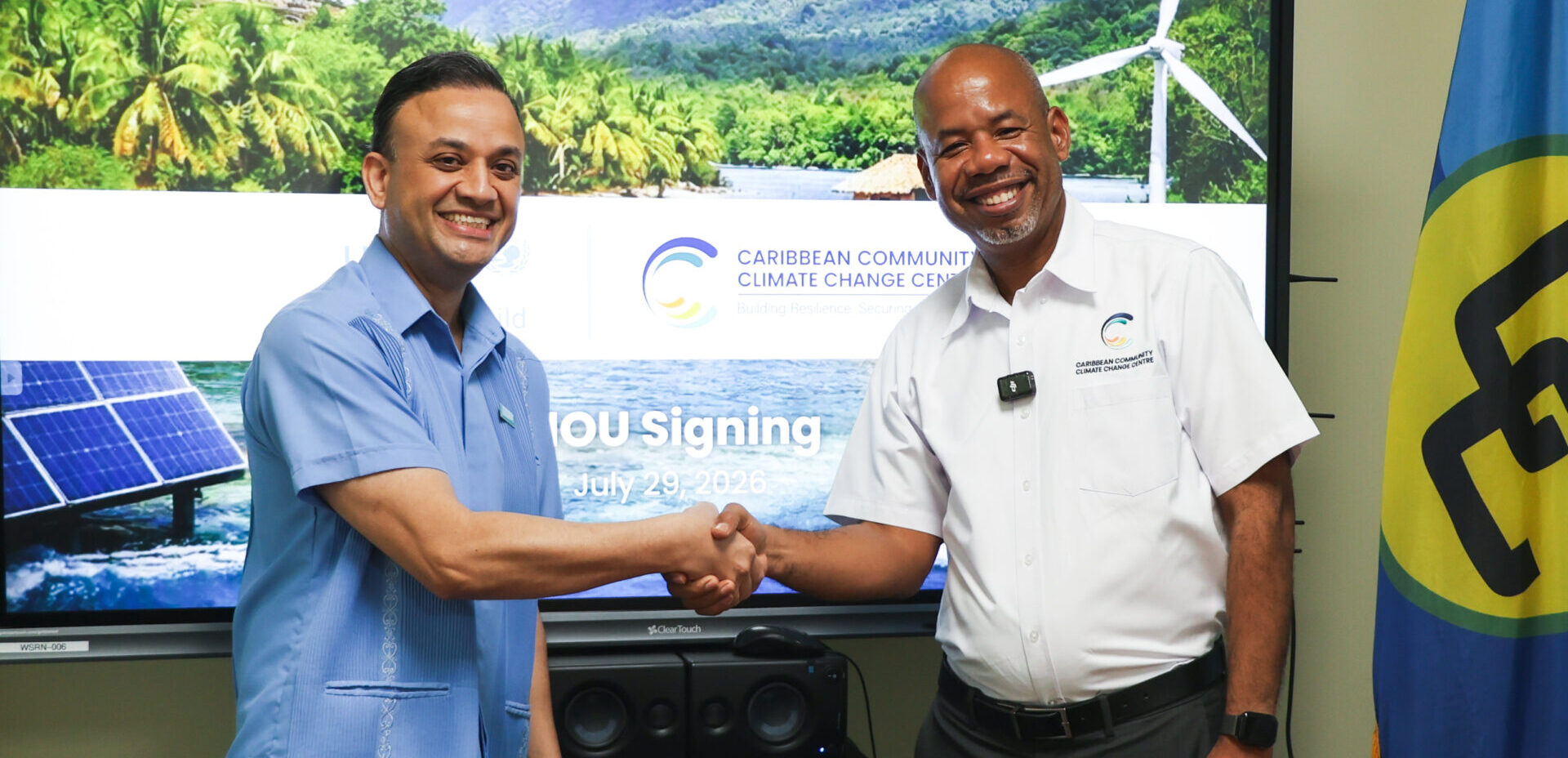
    In a formal signing ceremony held at the Caribbean Community Climate Change Centre (CCCCC) headquarters in Belmopan, Belize, UNICEF and the regional climate body have launched an ambitious five-year strategic partnership designed to shield Caribbean children and young people from the accelerating harms of the global climate crisis. The newly signed Memorandum of Understanding (MoU) establishes a formal collaborative framework centered on embedding the unique needs of children into every level of regional climate policy and action. For years, Caribbean communities have grappled with a sharp rise in the frequency and intensity of climate-related disasters, including destructive hurricanes, widespread flooding, prolonged droughts, and record-breaking extreme heat. For children across the region, these events have triggered cascading harm: interrupting access to education, cutting off critical healthcare services, contaminating safe drinking water supplies, undermining nutrition programs, and breaking down child protection systems that vulnerable young people depend on. As UNICEF Representative Sajid Ali emphasized during the ceremony, the climate crisis is far more than an environmental issue—it is a fundamental violation of children’s rights. “Children are among those least responsible for the climate crisis yet they bear some of its greatest consequences,” Ali noted. This new partnership, he explained, will prioritize centering children in regional climate policies, investments, and programming, while reinforcing the essential public services and systems that children rely on daily. Under the terms of the agreement, the two organizations will work in lockstep to advance child-sensitive climate governance across the Caribbean. Key priorities include building climate resilience into core social systems, from education and healthcare to nutrition, water access, and sanitation and hygiene (WASH) services. The collaboration will also scale up child-focused social protection programs, expand community-level disaster preparedness initiatives, support targeted research on child climate vulnerability, coordinate global climate resource mobilization, and share evidence-based knowledge on building child-centered climate resilience. CCCCC Executive Director Dr. Colin Young highlighted that children and youth have long been overlooked in climate resilience planning, both across the Caribbean and globally. He noted that UNICEF’s decades-long track record of advancing child rights and centering young people in climate action aligns perfectly with the CCCCC’s strategic priorities, filling a critical gap that has gone unaddressed for too long. “This Memorandum of Understanding sets out the framework for the work we will do together and allows us to combine our expertise to ensure that children are at the heart of climate action,” Young said. “We are absolutely delighted to be partnering with UNICEF and to draw on its extensive experience working with children and youth across the Caribbean and in Belize.” One of the flagship components of the new partnership will focus on transforming climate-resilient sanitation systems across the region’s most vulnerable communities. Leveraging UNICEF’s deep technical expertise in WASH programming, the initiative will advance evidence-based policy advocacy, build local technical capacity, facilitate cross-community knowledge sharing, and unlock targeted climate financing to upgrade and protect sanitation infrastructure for at-risk populations. Beyond infrastructure and service delivery, the partnership will also expand leadership opportunities for children and young people—with a specific focus on including adolescent girls and marginalized youth groups. The organizations aim to empower young people to build the skills they need to actively participate in climate solution design, contribute to national and regional public policy debates, and lead grassroots advocacy efforts for climate action. This joint initiative brings together UNICEF’s global mandate to protect and advance child rights with the CCCCC’s role as the leading coordinator of regional climate action in the Caribbean. The shared end goal is to build a more resilient, sustainable, and equitable region where every child can grow and thrive, even as the impacts of climate change continue to intensify.