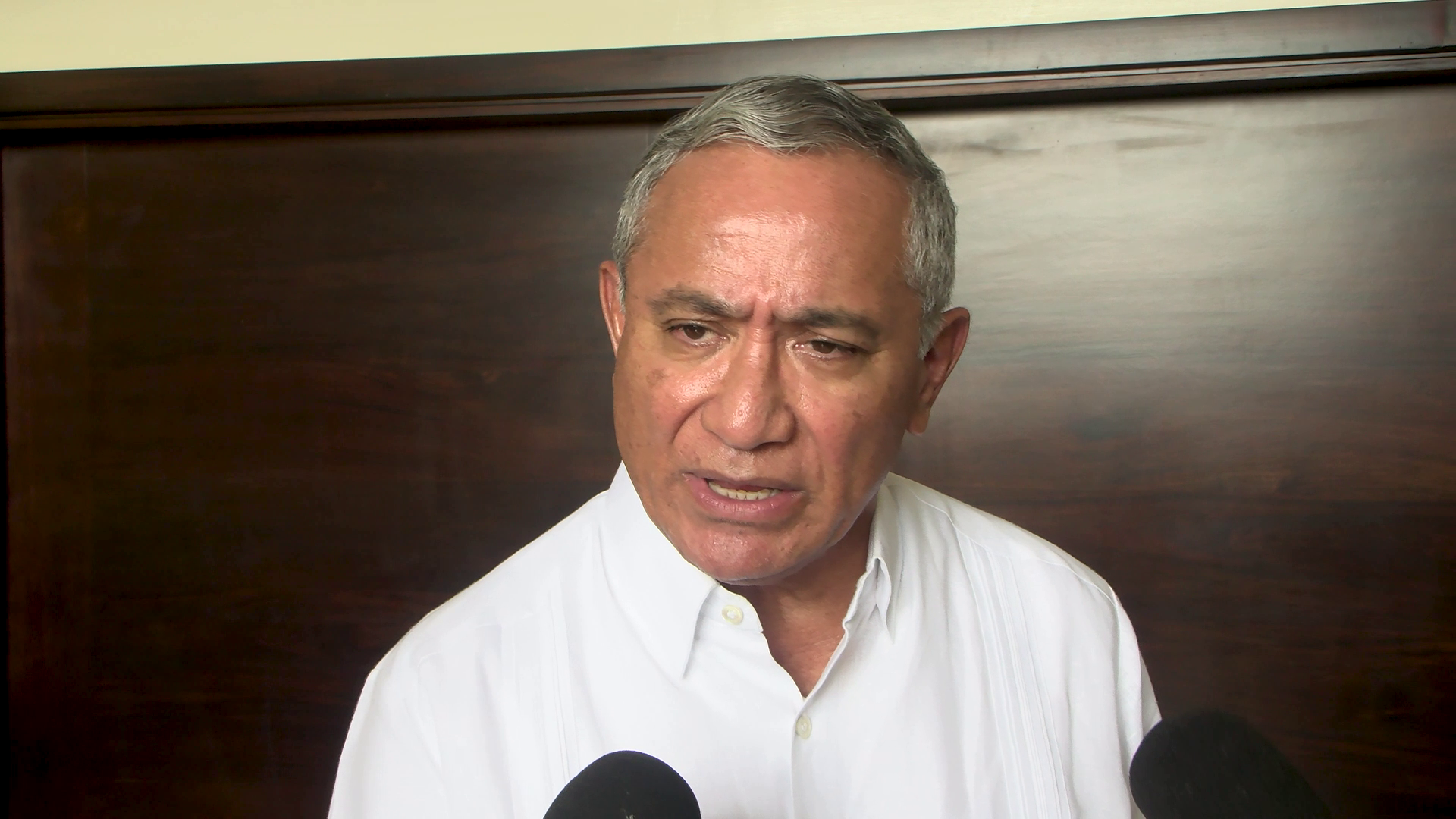
Belize’s push to strengthen national energy security and expand its renewable energy portfolio has hit significant unexpected snags, with two high-priority infrastructure projects facing prolonged holdups, Prime Minister John Briceño has confirmed. Among the most high-profile is a large-scale Saudi-funded solar energy initiative, which has been stuck in bureaucratic limbo despite years of planning and final approval of its multi-million dollar financing.
Briceño explained that Belize moved quickly to secure financing from Saudi Arabian development partners early in the project planning process. While Saudi authorities approved the requested loan almost immediately, moving through the large institution’s multi-layered procedural steps has stretched on for years. As a large global actor with a wide range of competing domestic and international priorities, Saudi administrative bodies have moved slowly to advance the Belize project, Briceño noted. Currently, Belizean authorities are just at the stage of identifying and engaging qualified developers ready to break ground on the solar installation.
A second key renewable project, a 40-megawatt energy storage facility that is being backed by a $100 million loan from the World Bank, has faced its own unusual barrier: a squatter who occupied the project site for two full years. The site, located in San Pedro, is owned by Belize Electricity Limited (BEL), and the squatter claimed to be occupying the land to protect native iguana populations. Briceño dismissed the claim as a fraudulent pretense for illegal occupancy, stressing that the site is not a unique or critical protected habitat for the species.
The prime minister revealed he held meetings with World Bank officials this week to push for unblocking the project, criticizing Washington-based bureaucratic processes for holding up progress over an illegal occupancy that should not derail a nationally critical infrastructure initiative. If the energy storage project were operational, Briceño noted, Belize would already be able to import low-cost excess energy from Mexico during overnight hours, when imported power costs just 3 to 4 cents per unit, delivering significant savings to consumers and strengthening the country’s energy grid resilience.
The delays come as Belize has made expanding renewable energy capacity a core policy goal to reduce dependence on imported fossil fuels and boost long-term energy affordability and security for households and businesses across the country.