分类: environment

  • Belize City Declares Sargassum Emergency as Seaweed Piles Up to 20 Inches Deep

    Belize City Declares Sargassum Emergency as Seaweed Piles Up to 20 Inches Deep

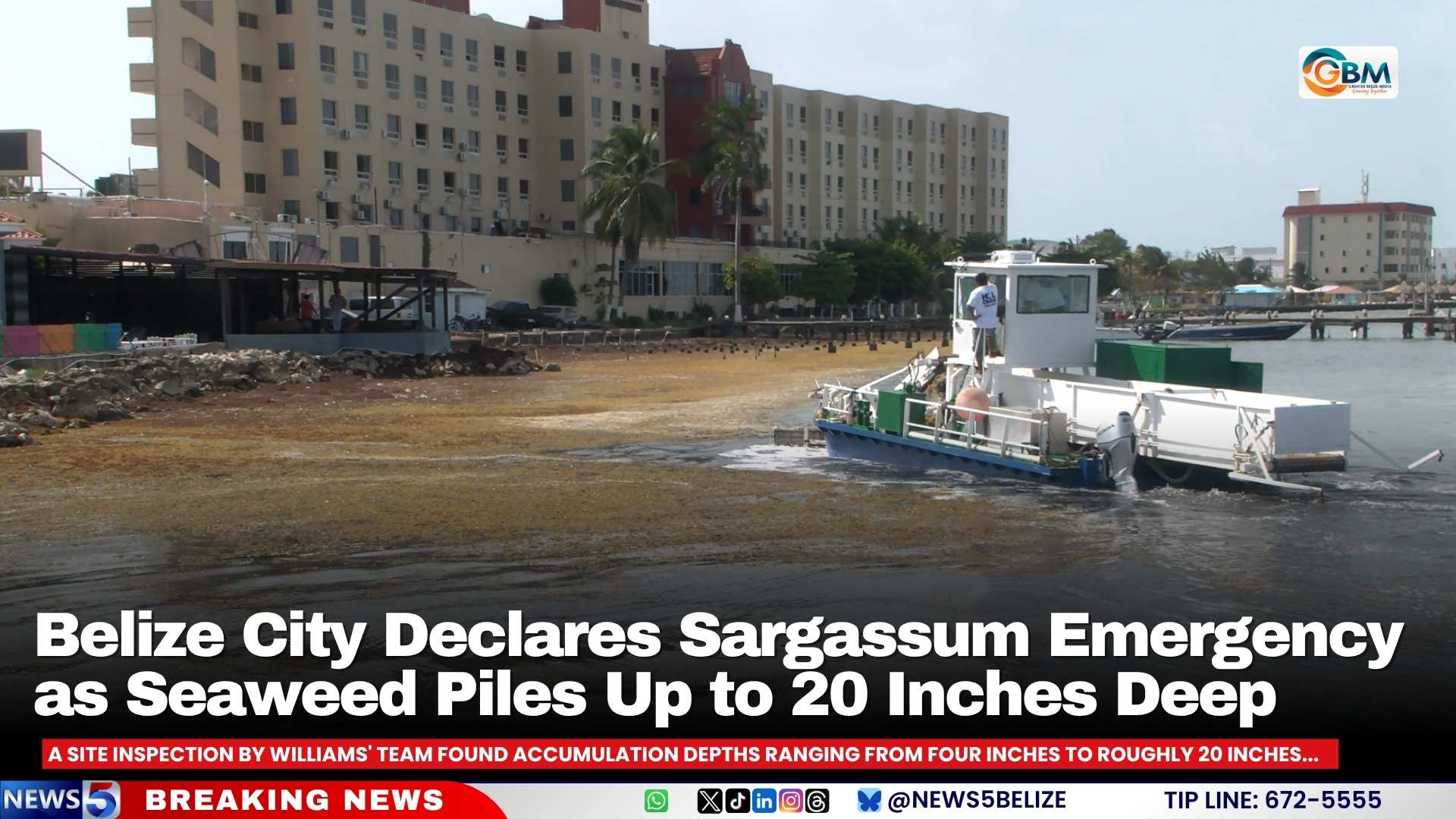
    In July 2026, Belize City is confronting an unprecedented environmental crisis as massive piles of invasive sargassum seaweed have choked the city’s popular waterfront, prompting municipal officials to move forward with a declaration of a high-priority environmental emergency. An official engineering assessment released by the city government confirms that the volume of accumulated seaweed far outpaces the capacity of natural tidal action to clear the shoreline on its own, triggering urgent calls for a coordinated, funded response to mitigate cascading public health, ecological and economic harms.

    City Engineer Floyd Williams laid out the full scope of the crisis in a formal situation report (SITREP) submitted to Mayor Bernard Wagner, which focuses on the heavily impacted Sandlighter’s Promenade and surrounding coastal areas. Williams’ inspection team documented sargassum accumulation depths ranging from 4 inches to a shocking 20 inches across the affected waterfront stretch. As the thick seaweed masses begin to decompose, they have already begun releasing toxic hydrogen sulfide that creates overwhelming offensive odors along the popular public shoreline. Inspectors also found significant volumes of human-made debris, including plastic waste and glass bottles, trapped within the sargassum mats, and confirmed that the dense buildup has severely restricted nearshore water circulation.

    A key finding from the assessment notes that between 70 and 80 percent of the total sargassum biomass is located beyond the city’s existing seawall, with the thickest deposits forming directly adjacent to the structure and thinning gradually as the mats extend out into open water. Without immediate, large-scale intervention, Williams warns the city will face compounding risks that stretch across multiple sectors. For public health, the rotting seaweed will drive sharp increases in fly and mosquito populations alongside persistent foul odors that make the waterfront uninhabitable for visitors. Ecologically, the decomposition process will deplete oxygen levels in nearshore waters and degrade water quality, threatening native marine species that inhabit the coastal ecosystem. Economically, the crisis poses a major threat to Belize’s core tourism sector: the sargassum creates an unappealing visual blight on one of the city’s most valuable public waterfront assets, and will eliminate recreational opportunities that draw both local residents and international visitors.

    Looking ahead, regional oceanographic forecasts predict additional waves of sargassum will make landfall along Belize’s coast over the coming months, leading Williams to frame the current event not as a one-time disaster, but as the start of an ongoing seasonal challenge that requires long-term planning. His report formalizes the recommendation that the Belize City Council officially classify the sargassum buildup as a High Priority Municipal Environmental Incident, and approve a two-phase Emergency Sargassum Management Programme to address the crisis.

    The proposed cleanup strategy is designed to minimize disruption to the Sandlighter’s Promenade and speed up removal operations. In the first phase, local commercial fishermen will deploy vessels and floating containment nets to corral the sargassum mats offshore and maneuver them toward the seawall. In the second phase, a long-reach excavator will load the concentrated seaweed directly into dump trucks for offsite disposal, cutting down on cleanup time and avoiding damage to the promenade’s infrastructure.

    The emergency removal operation carries an estimated price tag of BZ$170,000, and a year-round seasonal maintenance program to address recurring sargassum events brings the total projected budget for the program to between BZ$250,000 and BZ$250,000. Beyond the cleanup plan, the engineering report also recommends establishing a dedicated dedicated funding stream for future sargassum seasons, formalizing partnerships with local fishing communities, and coordinating response efforts with national government agencies to streamline the response.

    In a show of regional support, the Hol Chan Marine Reserve has already offered the use of its purpose-built sargassum harvester to assist Belize City’s cleanup efforts for a cost of BZ$10,000. Mayor Wagner has welcomed the offer, as the city grapples with a volume of sargassum that local leaders describe as unprecedented in modern records.
  • UN agency warns of impact of El Niño conditions

    UN agency warns of impact of El Niño conditions

    As communities across the globe prepare for the disruptive and dangerous impacts of the 2026 El Niño weather pattern, a top United Nations humanitarian official has sounded an urgent alarm, warning that the phenomenon could trigger catastrophic humanitarian consequences for millions of vulnerable people worldwide.

    El Niño, a cyclical climate pattern driven by abnormal warming of surface waters in the central and eastern Pacific Ocean, typically brings extended heatwaves, severe droughts, and extreme flooding to multiple regions across the globe. As of mid-July 2026, dangerous extreme heat has already swept across large swathes of Europe and the United States, leaving dozens of heat-related deaths in its wake and disrupting daily life for millions of residents.

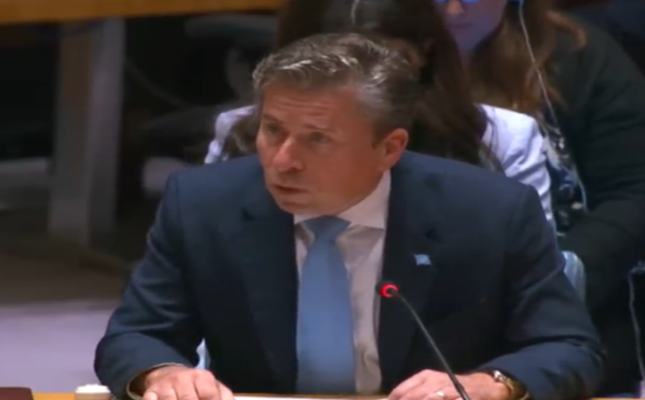
    In an official statement released from Washington D.C., Tom Fletcher, UN Under-Secretary-General for Humanitarian Affairs and Emergency Relief Coordinator, outlined that extreme weather driven by this year’s El Niño is projected to devastate vulnerable communities across Latin America, Eastern and Southern Africa, Asia, and the Pacific. Fletcher drew a parallel to the 2023–2024 El Niño event, which left more than tens of millions of people globally in urgent need of life-saving support including food, nutritional aid, clean drinking water, sanitation services, medical care, agricultural assistance, and emergency protection.

    Fletcher emphasized that current projections paint a far grimmer picture for the 2026 event, noting that it arrives at a moment of already cascading global crises: widespread armed conflict, rapidly growing displaced populations, and skyrocketing prices for fuel, fertilizer, and staple foods that have pushed the world’s most vulnerable households to the breaking point. Compounding these pressures, the international humanitarian system is already operating under severe strain amid deep funding cuts that have limited its ability to respond to large-scale emergencies.

    To boost global preparedness and reduce avoidable loss of life and livelihoods, Fletcher announced that the United Nations is making up to $100 million available from its Central Emergency Response Fund (CERF) to enable early action in at-risk countries before conditions deteriorate into full-blown disasters. “Building on hard-won lessons from past events, we are innovating, coordinating across the entire humanitarian community, and moving ahead with targeted action now,” Fletcher said. “Our planning leverages far more accurate and sophisticated weather forecasting than ever before. More than $20 million in early funding has already been allocated for anticipatory action across six high-risk countries. Through CERF’s dedicated Climate Action Account, we are directly investing in vulnerable communities to help them strengthen their ability to withstand coming climate shocks.”

    Fletcher stressed that early, flexible pre-disaster financing is far more effective and less costly than launching emergency response after a disaster has already struck. He also issued a call to the broader international community, urging global leaders to prioritize conflict resolution to reduce strain on vulnerable populations, expand support for displaced communities, and ramp up ambitious, coordinated action to address the root causes of climate change that are amplifying extreme weather events. “The choice facing the global community is unambiguous: we can either sit back and wait for disaster to strike, or we can invest now in long-term resilience for vulnerable communities,” he added.

    Beyond large global regions, small island developing states are also bracing for impact. In the Federation of St. Kitts and Nevis, local officials have confirmed that El Niño conditions are expected to persist through the second half of 2026, bringing extended dry conditions that will reduce annual rainfall and put unprecedented additional pressure on the country’s already limited water supply. Local authorities have already rolled out targeted measures to protect the nation’s water reserves and are urging all residents to adopt strict water conservation practices to avoid widespread shortages in the coming months.

  • More Than 1,100 Sign Petition to Protect Public Access to Jolly Harbour Beach

    More Than 1,100 Sign Petition to Protect Public Access to Jolly Harbour Beach

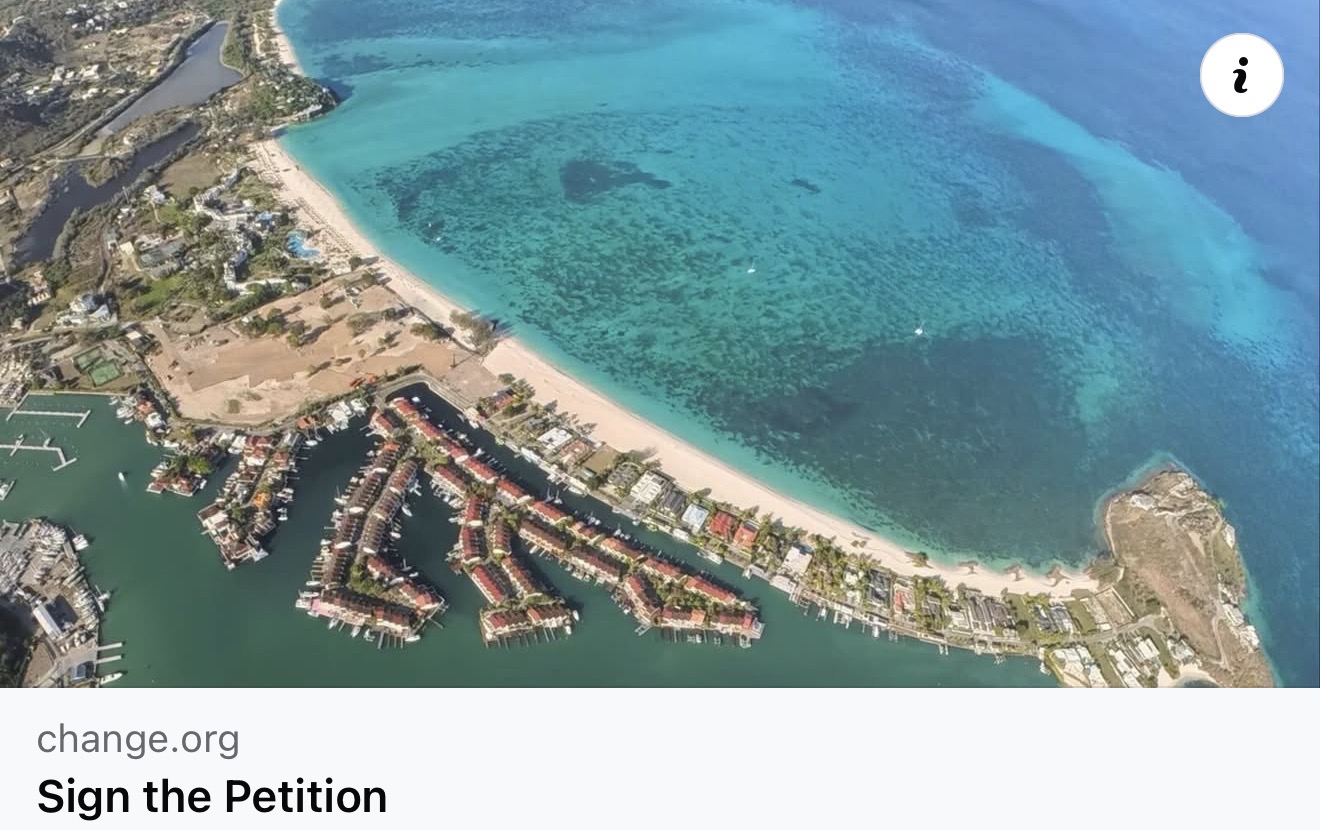
    A growing public advocacy campaign centered on coastal access rights has gained traction in Antigua and Barbuda, as more than 1,100 citizens and stakeholders have added their names to an online petition demanding that Prime Minister Gaston Browne and his national Cabinet intervene to safeguard public parking and unobstructed public entry to Jolly Harbour Beach. The campaign was launched by the Antigua Conservation Society on the advocacy platform Change.org, and by the time of initial media reporting, the petition had collected 1,186 verified signatures — 203 of which were added in a single 24-hour window on the Sunday following the petition’s launch.

    Framed as an issue of broader public principle rather than just a single parking lot dispute, the petition argues that the future of Jolly Harbour Beach access sets a critical precedent for all of Antigua and Barbuda’s shorelines, which are legally and culturally understood to be public resources open to all. “We respectfully ask you and your Cabinet to protect long-standing public access to Jolly Harbour Beach by preserving practical public parking and convenient beach access for the people of Antigua and Barbuda,” the formal petition text reads.

    Campaign organizers emphasize that the existing public parking area at the heart of the debate was included in the original master plan for the Jolly Harbour development, and has functioned as a community and visitor amenity for decades. It serves a wide range of users, from local Antiguan residents and small business operators to international tourists, yacht owners, and guests staying at nearby villas. If parking capacity is reduced as part of upcoming development plans, organizers warn, ordinary members of the public will face growing barriers to visiting one of the country’s most beloved coastal destinations.

    The petition also underscores the deep historical and cultural roots of human connection to the Jolly Harbour coastline, noting that archaeological research confirms human habitation and use of the area stretches back roughly 5,000 years. Protecting permanent public access to the shoreline, organizers argue, is not only a commitment to current beachgoers but also a responsibility to future generations of Antiguans.

    Beyond safeguarding access at Jolly Harbour, the campaign calls on the Browne administration to embed requirements for adequate public parking and unobstructed shore access into all future coastal development projects across the nation. To broaden support for the campaign, petition organizers have encouraged signatories to add personal comments explaining why public coastal access matters to them, and to share the petition across social media and personal networks to raise public awareness of the issue.

  • CARICOM Backs Guyana’s Bid to Host UN Climate Summit in 2030

    CARICOM Backs Guyana’s Bid to Host UN Climate Summit in 2030

    At the 51st Regular Meeting of the Caribbean Community (CARICOM) Conference of Heads of Government held in Saint Lucia, regional leaders have thrown their full collective weight behind Guyana’s historic campaign to host the 35th United Nations Climate Change Conference (COP35) in 2030. The unanimous endorsement marks a major milestone for the Caribbean, a region on the frontlines of climate change impacts despite contributing very little to global greenhouse gas emissions.

    Beyond backing Guyana’s hosting bid, heads of government also formally approved the CARICOM Climate Diplomacy and COP35 Framework (2026–2030), a cohesive strategic document designed to unify the bloc’s advocacy for member state interests in global climate talks. Official meeting communiqué details outline that the framework will not only align the bloc’s diplomatic engagement ahead of COP31 – scheduled for November 2026 in Antalya, Türkiye – but also anchor long-term regional climate goals for the coming half-decade.

    During deliberations, leaders reaffirmed two non-negotiable core priorities for the Caribbean in international climate negotiations: holding global warming to the critical 1.5°C threshold above pre-industrial levels, and securing formal international recognition of the unique vulnerabilities faced by Small Island Developing States (SIDS) across the globe. Many Caribbean nations fall into this category, facing existential threats from sea-level rise, intensifying tropical storms, and coastal erosion that disrupt livelihoods and economies.

    As part of the bloc’s coordinated climate action in the lead-up to 2030, CARICOM has called for high-level global participation in the Second Global Biodiversity Alliance Summit, set to be hosted by Guyana between October 26 and 28, 2026. The summit will build momentum for the region’s broader climate and conservation agenda ahead of COP35.

    If Guyana’s bid succeeds, it will make history as the first CARICOM member state to ever host a United Nations Climate Change Conference. Hosting the high-stakes global gathering would bring unprecedented international attention to the Caribbean’s ongoing climate struggle, amplifying the region’s calls for increased climate finance from major global emitters and greater investment in climate resilience infrastructure for vulnerable SIDS.

  • Belize Unlock Blue and Green Economy Potential in First Industrial Strategy

    Belize Unlock Blue and Green Economy Potential in First Industrial Strategy

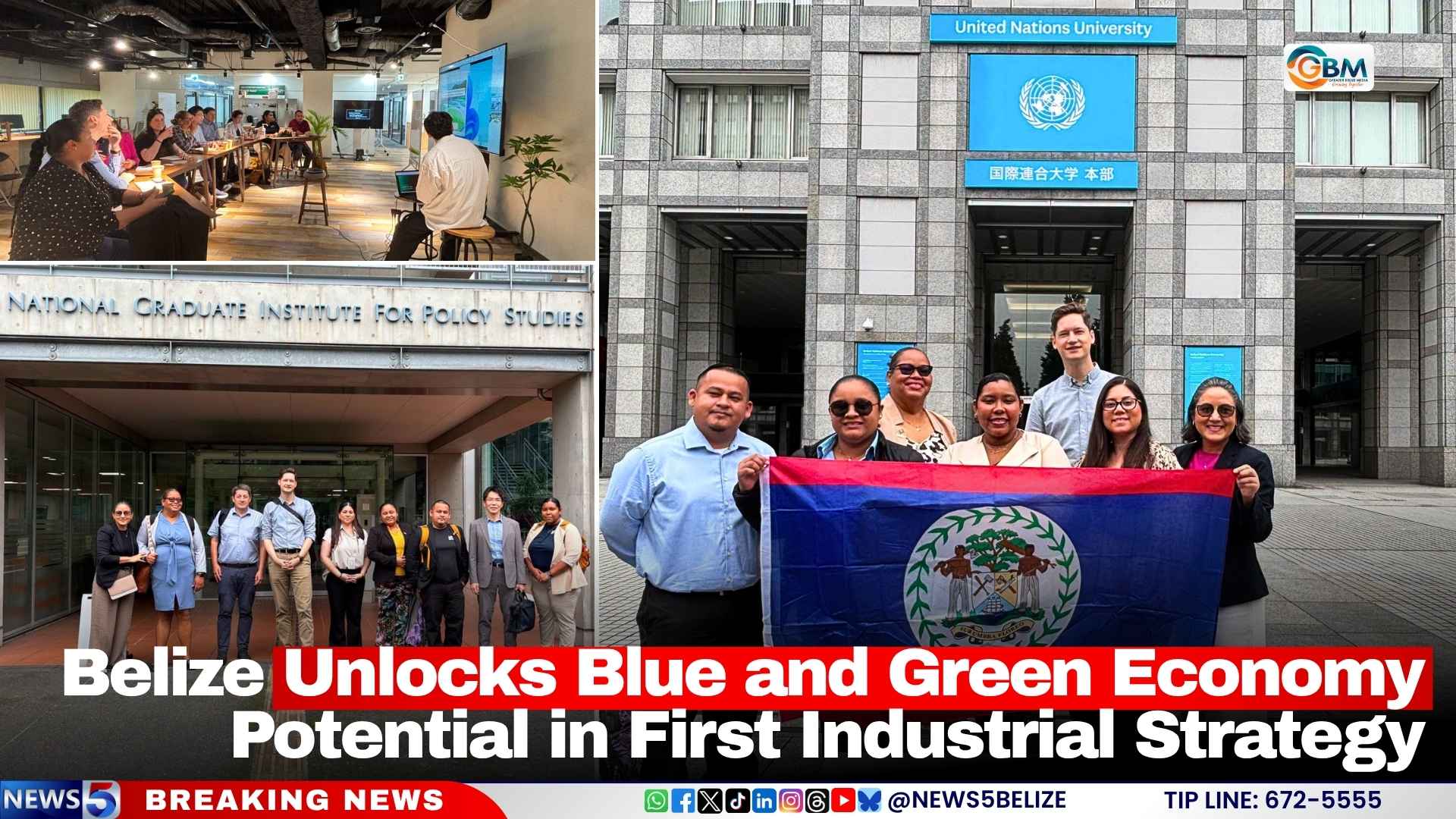
    In a key step toward shaping its first-ever national industrial development framework, the Central American nation of Belize has concluded a collaborative knowledge-exchange study tour in Japan, co-hosted by the United Nations Industrial Development Organization (UNIDO) and Belizean government authorities. The 6-day initiative, held from June 29 to July 3 2026, brought a 6-member delegation of senior Belizean policymakers to Japan to study cutting-edge sustainable development practices, laying critical groundwork for Belize’s upcoming flagship industrial strategy. The program was organized by the Investment Policy and Compliance Unit within Belize’s Ministry of Investment, operating under the Office of the Prime Minister, in partnership with UNIDO technical experts.

    The tour was designed to give Belize’s strategy drafters direct, on-the-ground insight into Japanese innovations across a range of sectors aligned with Belize’s long-term sustainability goals. Delegates got firsthand exposure to advanced approaches in sustainable industrial development, blue economy value chains, modern biotechnology, commercial seaweed cultivation and processing, aquaculture technology, biomass energy utilization, natural carbon sequestration, and environmental remediation technologies, as well as Japan’s systems for attracting targeted investment and rolling out national industrial policy. Three senior UNIDO experts – Dr. Nobuya Haraguchi, Dr. Anders Isaksson, and Christoph Graeser – accompanied the delegation throughout the tour, facilitating technical discussions and knowledge sharing.

    Over the course of the week, the group held working meetings and site visits with a wide range of Japanese stakeholders, including officials from Japan’s Ministry of Foreign Affairs and the Ministry of Agriculture, Forestry and Fisheries, technical leaders from the Japan Fisheries Research and Education Agency, academic researchers at Yamaguchi University, and executive teams from two leading innovative private firms: marine technology company UMITON and sustainable biotech producer Euglena Co., Ltd. These engagements allowed Belizean policymakers to ask targeted questions, observe operational best practices, and explore potential future partnership opportunities between the two nations.

    According to official statements from Belize’s Ministry of Investment, the upcoming industrial strategy will center on building out Belize’s existing natural advantages in blue and green economies to drive inclusive economic growth. The framework is expected to expand high-value added domestic production, increase Belize’s export competitiveness in sustainable goods and services, create new formal employment opportunities for local workers, and accelerate the country’s progress toward meeting the United Nations’ Sustainable Development Goals. The study tour in Japan marks a key milestone in the development process, bringing global expertise to bear on Belize’s vision for a low-carbon, nature-positive industrial future.

  • Who’s Protecting the Turtles From the Sargassum Clean-Up?

    Who’s Protecting the Turtles From the Sargassum Clean-Up?

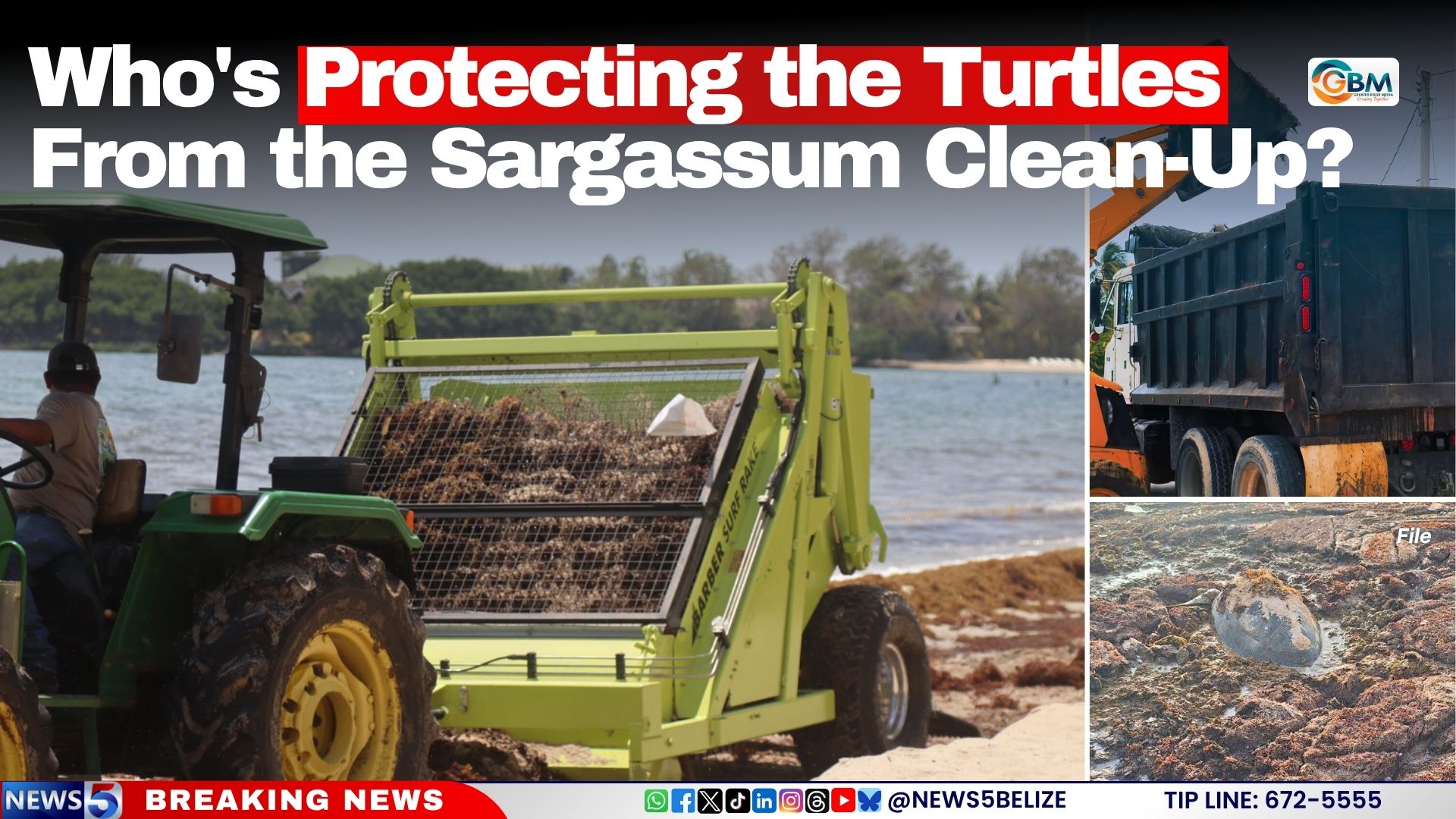
    Across coastal regions of the Yucatán Peninsula and Central America, the ongoing crisis of massive sargassum blooms is pitting urgent beach cleanup needs against the survival of vulnerable marine ecosystems, with endangered sea turtle nesting sites facing the gravest risk. Environmental activists in Mexico’s Playa del Carmen have sounded the alarm that the unregulated heavy machinery currently used to remove masses of sargassum from shorelines is causing irreversible damage to marine life and accelerating coastal erosion.

  • Environment : «We want a more beautiful Haiti, not a garbage dump !»

    Environment : «We want a more beautiful Haiti, not a garbage dump !»

    On July 10, 2026, thousands of Haitian citizens joined coordinated nationwide actions organized by two leading environmental advocacy groups—Alternatiba Haiti’s National Citizen Movement for Climate Alternatives and the Francophone Action Group for the Environment (GAFE)—to mark the 8th annual National Day of Citizen Mobilization against polystyrene use across the country. The mobilization unfolded across more than 20 Haitian municipalities, where demonstrators gathered outside local town halls to demand urgent government action: a full, permanent, and uncompromising ban on all forms of polystyrene products, and long-overdue enforcement of a national ban first signed into law back in July 2013.

    Demonstrators carried signs and chanted a unifying rallying cry that encapsulates their core demand: “We want a more beautiful Haiti, not a garbage dump! Down with polystyrene!” In a joint statement released during the mobilization, leaders from Alternatiba Haiti and GAFE highlighted a critical policy failure that has perpetuated the country’s ongoing polystyrene crisis: more than a decade after the original ban went into effect, these single-use products still saturate local markets and contaminate the national landscape, proving that the problem is not the absence of regulation, but a persistent lack of political will to implement existing rules.

    The groups outlined the severe, cascading harms of unregulated polystyrene use that Haitian communities face daily. Beyond creating widespread visual pollution that blights public spaces, discarded polystyrene clogs drainage canals and natural ravines, directly worsening the country’s chronic flood risk during tropical storm and hurricane seasons. Polystyrene also poses a serious threat to public health: the product is a known carcinogen, putting Haitian residents at elevated long-term risk of cancer through environmental exposure. Compounding the issue, the organizations confirmed that nearly all illegal polystyrene entering Haiti is trafficked through unregulated cross-border smuggling networks, which evade existing customs controls to bring the banned product into local markets.

    To address this ongoing crisis, Alternatiba Haiti and GAFE have laid out a clear set of demands for Haitian national and local authorities. First, they call for immediate full implementation and consistent enforcement of the 2013 ban, with aggressive action to shut down all illegal importation and commercial trade of polystyrene products. Second, they demand enhanced, consistent border security inspections to block smuggling routes that bring illegal polystyrene into the country. Third, they urge policymakers to proactively support and incentivize the adoption of eco-friendly alternatives, including reusable food and beverage containers that eliminate the need for single-use polystyrene.

    The groups also issued a broad call for collective action across all sectors of Haitian society, inviting individual citizens, community organizations, primary and secondary schools, universities, religious institutions, local businesses, and municipal governments to join the mobilization effort. Beyond public support, organizers are asking all participating stakeholders to help monitor commercial use of polystyrene products across the country, holding violators of the 2013 ban accountable to create long-term change for Haiti’s environment and public health.

  • Inheemse en Tribale dorpen eisen onafhankelijk onderzoek naar vissterfte Saramaccarivier

    Inheemse en Tribale dorpen eisen onafhankelijk onderzoek naar vissterfte Saramaccarivier

    In a urgent call for environmental justice and government accountability, Indigenous and Tribal communities living along Suriname’s Saramacca River have submitted a formal petition to the country’s national legislature, De Nationale Assemblée (DNA), demanding an independent investigation into the recent mass fish die-off that has upended their way of life. The communities are also calling for immediate government action to protect their health, living environment, and economic livelihoods, which are deeply tied to the river’s health.

    The petition was formally presented to DNA leadership by Captain Joan van der Bosch of the Pikin Poika community, who framed the mass fish mortality as a critical warning sign of broader ecological decline. For the Indigenous and Tribal groups that have called the Saramacca River basin home for generations, the waterway is far more than a natural resource: it provides drinking water for daily use, a primary food source in the form of fish, and the foundation of local fishing livelihoods, while also holding deep cultural and social significance that underpins their entire way of life.

    Since the fish die-off was first recorded, local fishermen have been left without any source of income for weeks. Community representatives also highlight a persistent lack of transparent, clear information from government authorities. When updates are provided, they say, the information often raises more unaddressed questions than it answers, leaving communities in the dark about potential risks to their health and safety.

    In the text of the petition, community leaders laid out a series of pressing, unresolved questions: “How long can this situation continue? Are we meant to be poisoned in silence? Why are no immediate emergency measures being implemented? Who will investigate this environmental disaster through an independent, expert-led process? And can we be guaranteed this will never happen again?”

    The communities emphasize that they hold inherent legal and human rights to a healthy living environment, accessible healthcare, protection of their lands, meaningful participation in decisions that affect them, and respect for their traditional territories. They also note that Suriname has already been cited multiple times in international forums for failing to uphold the territorial and environmental rights of Indigenous and Tribal peoples, yet no long-term structural solutions have been implemented to address these ongoing gaps.

    Beyond the core demand for an independent probe into the cause, scale, and impacts of suspected river contamination, the petition outlines five key additional demands: full public transparency of all investigation findings, fair compensation for affected riverfront communities, concrete policy and regulatory measures to prevent similar ecological disasters in the future, and sustained, structural inclusion of Indigenous and Tribal representatives in all decision-making processes related to their traditional lands and waterways.

    Van der Bosch described the mass fish die-off as “a distress signal from nature.” She stressed that the crisis is not an isolated environmental incident or a routine political debate: it is fundamentally an issue of human rights, justice, equity, and the fundamental right to live in a safe, healthy environment.

    The petition was received on behalf of DNA Speaker Ashwin Adhin by Rabin Parmessar, leader of the National Democratic Party (NDP) parliamentary faction. Parmessar affirmed that both the national legislature and the Surinamese government take the crisis and community demands seriously. He noted that parliament had already previously called on the administration to conduct a thorough investigation into the cause of the fish die-off and implement measures to prevent recurrence.

    Parmessar also shared an update with the community representatives: water samples and other environmental specimens have already been sent to overseas laboratories for detailed analysis, as local testing capacity is limited. Once the investigation results are finalized, he said, parliamentary leaders and relevant government agencies will collaborate to determine what next steps are needed to address the crisis and meet community concerns.

  • Noise from neighbors, vehicles, and grocery stores is among the main problems in households.

    Noise from neighbors, vehicles, and grocery stores is among the main problems in households.

    A newly released national survey has shed sharp new light on how substandard local environmental conditions are eroding daily life and public well-being across the Dominican Republic, documenting that nearly half of all households across the country contend with at least one form of pollution or disruptive environmental nuisance near their homes.

    The key findings are laid out in the ENHOGAR-MICS 2025 Basic Report, a comprehensive assessment of living conditions that links local environmental quality directly to population mental health and overall quality of life.

    Geographic breakdowns from the report show that environmental burdens fall disproportionately on large urban centers, where dense development and concentrated activity amplify pollution and nuisance issues. Nowhere is this gap more pronounced than in the Ozama region, which encompasses the National District and the province of Santo Domingo—this country’s most populated urban hub. In this area, more than 57% of households report being negatively impacted by local environmental problems, a rate well above the national average.

    Among all documented environmental issues, noise pollution stands out as the most pervasive complaint across the nation. The most common source of disruptive noise is loud music originating from neighborhood commercial outlets including grocery stores and bars, as well as from adjacent residential properties. This source disturbs roughly 40.4% of Dominican households, edging out other major urban noise contributors such as vehicle traffic, motorcycle activity, and power plant operations, which affect 38% of homes nationwide.

    Right alongside noise pollution, the survey identifies inadequate solid waste management as a second critical threat to community environmental health. Nationwide, nearly 40% of surveyed families named accumulated garbage piled on public streets, sidewalks, and unused vacant lots as a pressing problem in their immediate neighborhood.

    The report also catalogs a range of additional environmental hazards that degrade residential living conditions across the country. Stagnant standing water and unmaintained open ravines, which can breed disease-carrying pests and create sanitation hazards, impact roughly 26.3% of households. Meanwhile, emissions of harmful smoke, dust, and industrial or vehicular gases were cited as a direct negative impact on living conditions by 21.8% of survey respondents.

  • Meteorological Service Warns More Rain Coming

    Meteorological Service Warns More Rain Coming

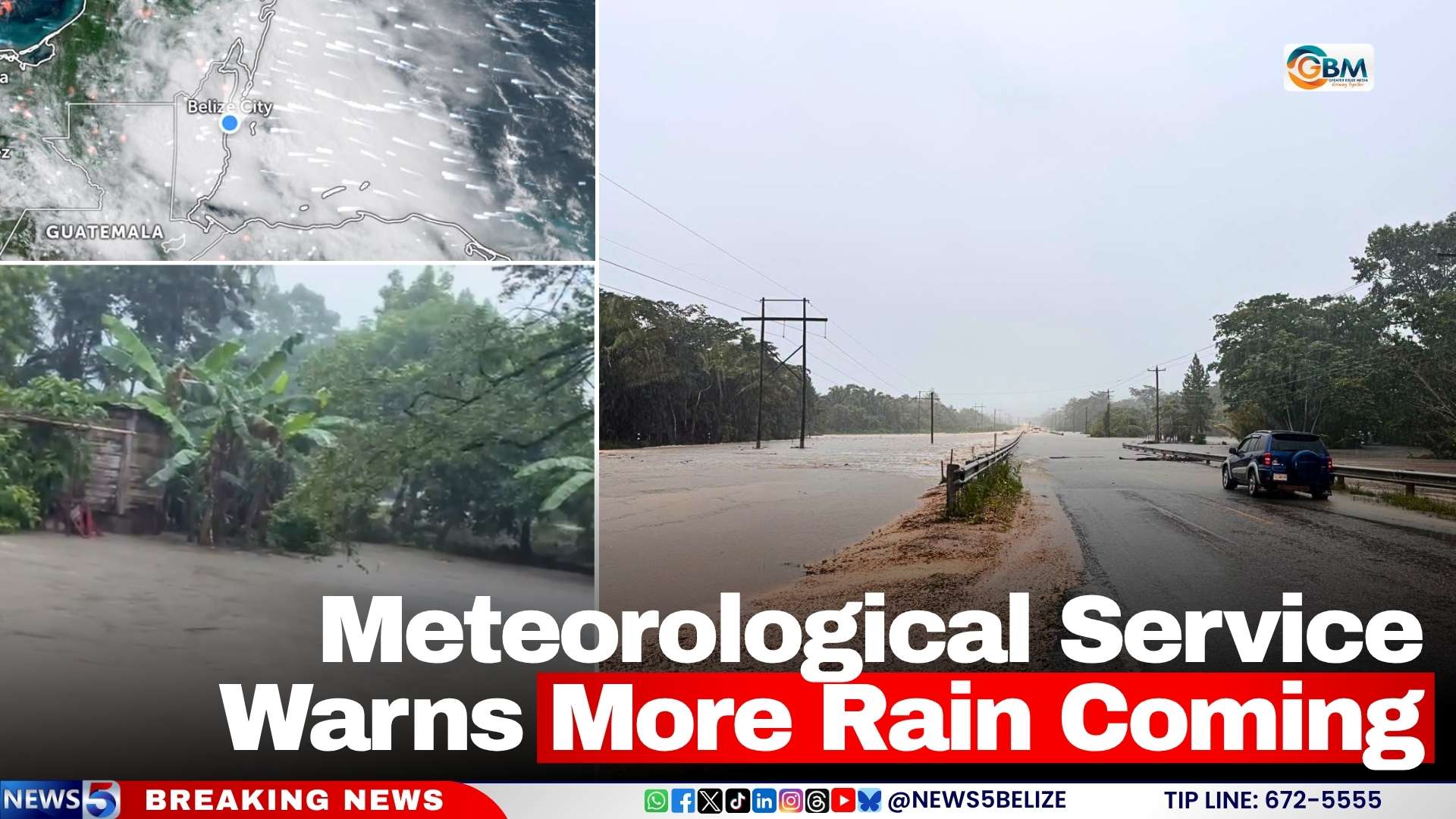
    On July 11, 2026, the National Meteorological Service (NMS) issued an urgent Excessive Rainfall Warning for central regions of Belize, forecasting another 2 to 4 inches of rain within the next four to six hours. This new precipitation will come on top of the 4 to 6 inches of rainfall that already drenched the area earlier the same morning.

    The early downpours have already triggered destructive flash flooding across multiple communities, with Belmopan’s Las Flores neighborhood among the hardest-hit locations. In response to flood damage from the unrelenting rain, the Ministry of Infrastructure Development and Housing (MIDH) announced the complete closure of the George Price Highway at Mount Pleasant for all small vehicles.

    The government statement, released via official online channels, noted that MIDH emergency response teams have already deployed to the affected site. Personnel are currently conducting continuous monitoring of flood levels and infrastructure conditions, and will begin mitigation and recovery work as soon as conditions safely allow. Beyond the closed highway segment, MIDH has issued a broad appeal for all motorists traveling through rain-impacted zones across the country to exercise extreme caution and adjust their driving to match hazardous conditions.

    Local residents in flood-affected neighborhoods have also been advised to avoid unnecessary travel on flooded roadways. Officials emphasized that navigating flood waters present hidden dangers: water depth and submerged hazards cannot be reliably assessed from the surface, putting both drivers and pedestrians at serious risk.

    In addition to the immediate warning for central areas, a broader Excessive Rainfall Watch remains active across the entire nation. Forecasters predict an additional 2 to 4 inches of rain could fall across most of Belize over the next 12 to 18 hours, with southern regions facing the highest risk of heavy accumulation. Complementing the rainfall alerts, the NMS has also issued a Small Craft Caution for coastal waters. The advisory warns of sudden gusty winds and choppy, dangerous sea conditions in the vicinity of heavy showers and thunderstorms, and urges all small watercraft operators to avoid unnecessary voyages and maintain heightened situational awareness during the weather event.