Grenada, a small island nation that has long weathered the fury of natural hazards, faces a critical test of long-term survival and resilience as it balances economic development and infrastructure expansion. The future of the country’s ability to withstand disaster is deeply tied to how the entire Caribbean region addresses its emerging crisis of increasingly complex and interconnected threats.
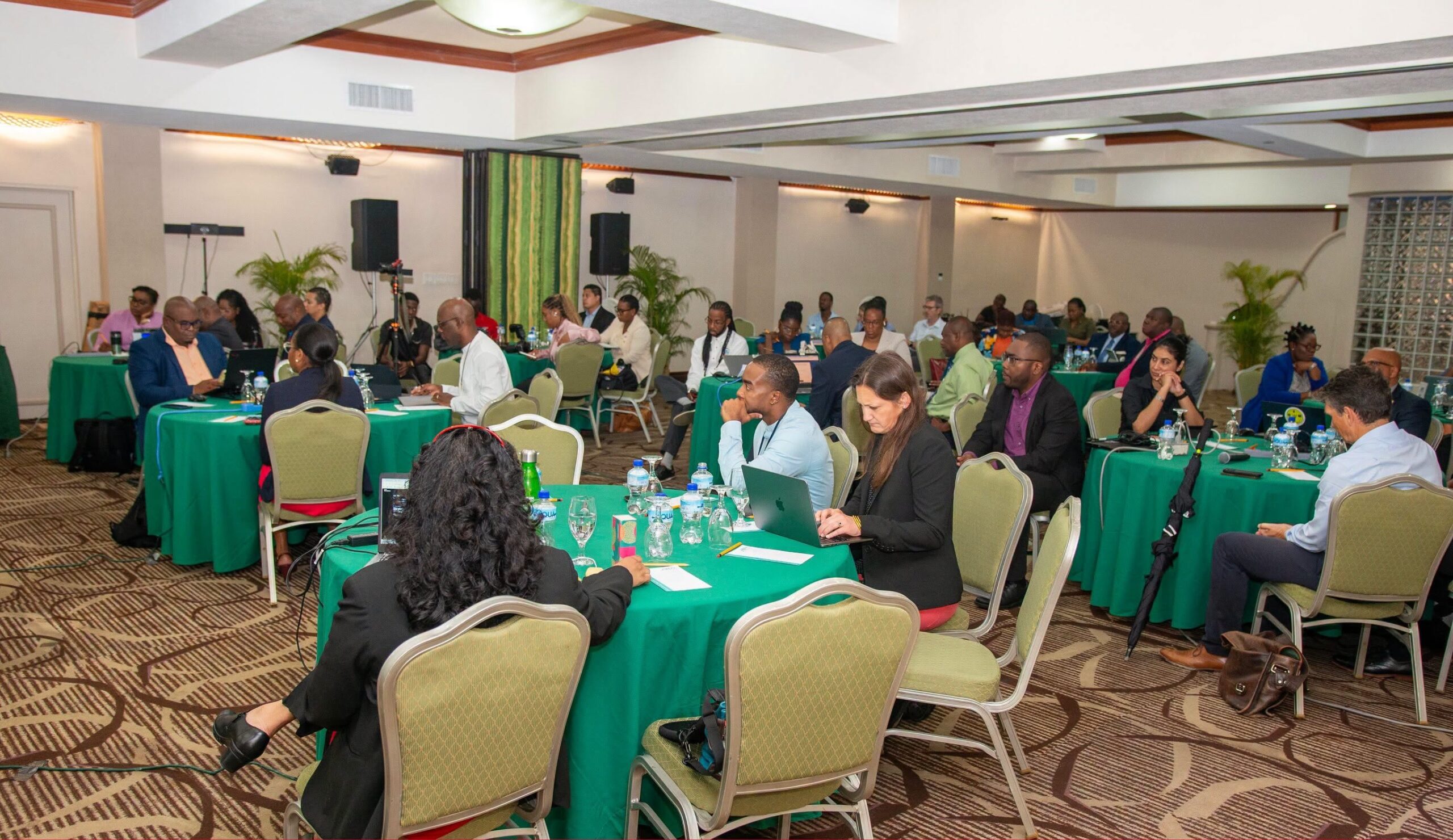
On August 14, the Caribbean Disaster Emergency Management Agency (CDEMA) brought together national disaster coordinators and regional specialists in Barbados to advance the design of its new Next Level Regional Response Mechanism (RRM). While the initiative is officially described as an upgrade to the region’s disaster governance infrastructure, it reaches far beyond bureaucratic strategy papers and routine workshop discussions. At its core, the effort tackles two urgent, life-or-death questions that every Caribbean island will face when the next major multi-hazard disaster strikes: how quickly can life-saving assistance reach affected communities, and can regional supply chains hold up under extreme pressure?
For generations, hurricane preparedness has been the central focus of the region’s disaster planning. That focus is no longer sufficient, according to CDEMA leaders. Deputy Executive Director Lt. Col. Kester Craig emphasized during recent validation sessions that the region now faces a rapidly evolving risk landscape marked by cascading hazards, systemic supply chain breakdowns and other interconnected threats that overwhelm outdated response frameworks.
This shifting risk profile is already driving tangible changes to CDEMA’s on-the-ground capacity building work. The agency’s Regional Training Centre recently hosted a specialized training program focused on strengthening Emergency Operations Centre (EOC) management in Antigua and Barbuda, drawing 33 participants from seven Caribbean territories. The curriculum centers on building core skills in cross-stakeholder coordination, operational continuity during crises and adaptive decision-making across all phases of a disaster: pre-event preparedness, in-event response, and post-event recovery. A key secondary goal of the program is to cultivate a regional network of certified instructors who can expand access to CDEMA’s updated EOC Management Course across all member states.
For import-dependent island nations like Grenada, supply chain vulnerability is not a distant hypothetical risk—it is a daily reality. The country relies almost entirely on imports for critical goods including food, fuel, and construction materials, meaning a regional crisis that disrupts ports or maritime shipping across multiple islands could rapidly cut off access to essentials for Grenadian communities. As CDEMA works to finalize a modernized framework for logistics, communications and information management, local stakeholders in Grenada are rightly pressing for clear answers on how this regional plan will protect small, import-reliant economies that face disproportionate risk.
The push for an upgraded response mechanism also shines a light on another long-standing gap in Caribbean disaster preparedness: the persistent challenge of moving personnel and emergency supplies between islands during crises. Large-scale relief operations depend entirely on dependable air and sea connectivity, infrastructure that often comes under extreme strain when a regional disaster hits multiple jurisdictions at once. Without addressing these practical logistical constraints in the new regional framework, even the most sophisticated strategy will fail to deliver aid to the communities that need it most.
Responsibility for building effective resilience does not fall solely to regional bodies like CDEMA. Grenada’s National Disaster Management Agency (NaDMA) and local disaster coordination teams must update national protocols to align with the new standards set by the Next Level RRM. Preparedness plans for the capital St. George’s and Grenada’s smaller sister islands cannot just exist on paper; they require active mutual aid agreements, sustained inter-institutional cooperation, and clear pre-planning for scenarios where local resources are exhausted.
The shift to a more agile, tech-enabled and proactive regional response system also requires domestic introspection and action from Grenada. Local agencies must adapt their own processes to integrate seamlessly with the evolving regional safety net, putting in place clear protocols, building strong cross-agency coordination and expanding response capacity to handle scenarios where local resources are stretched beyond limits. When the next large-scale disaster inevitably hits the Caribbean, Grenada’s ability to protect its people will depend in large part on how strong, connected and functional that regional safety net proves to be.