分类: environment

  • Forest Department: Viral Jaguar Cub Incident Violated Wildlife Protection Act

    Forest Department: Viral Jaguar Cub Incident Violated Wildlife Protection Act

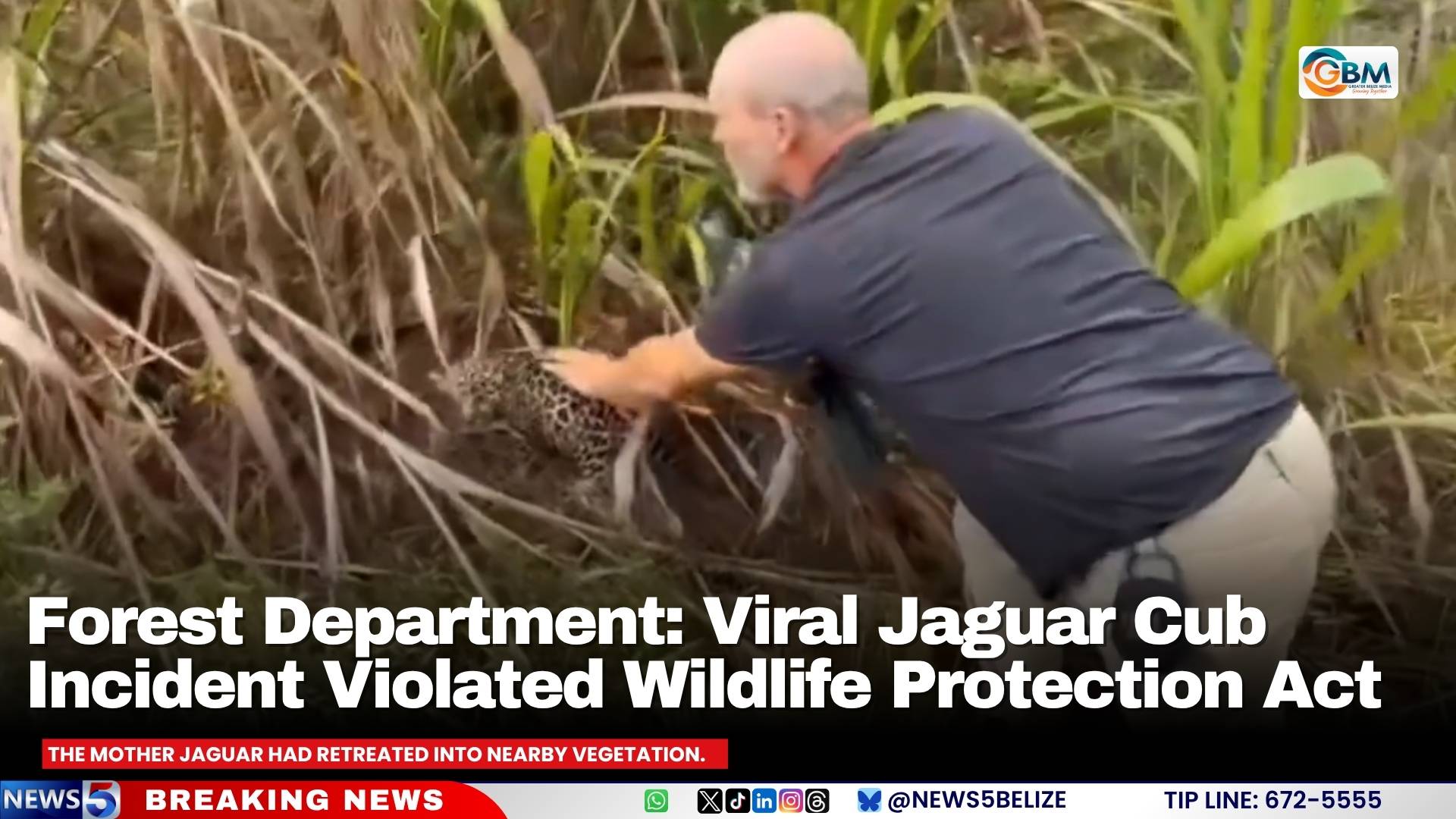
    In a developing story out of Belize dated July 15, 2026, the nation’s Forest Department has launched a formal investigation into a widely circulated social media video that captured a group of people violating the country’s core wildlife protection legislation during an encounter with a jaguar mother and her newborn cub in the Mountain Pine Ridge Reserve.

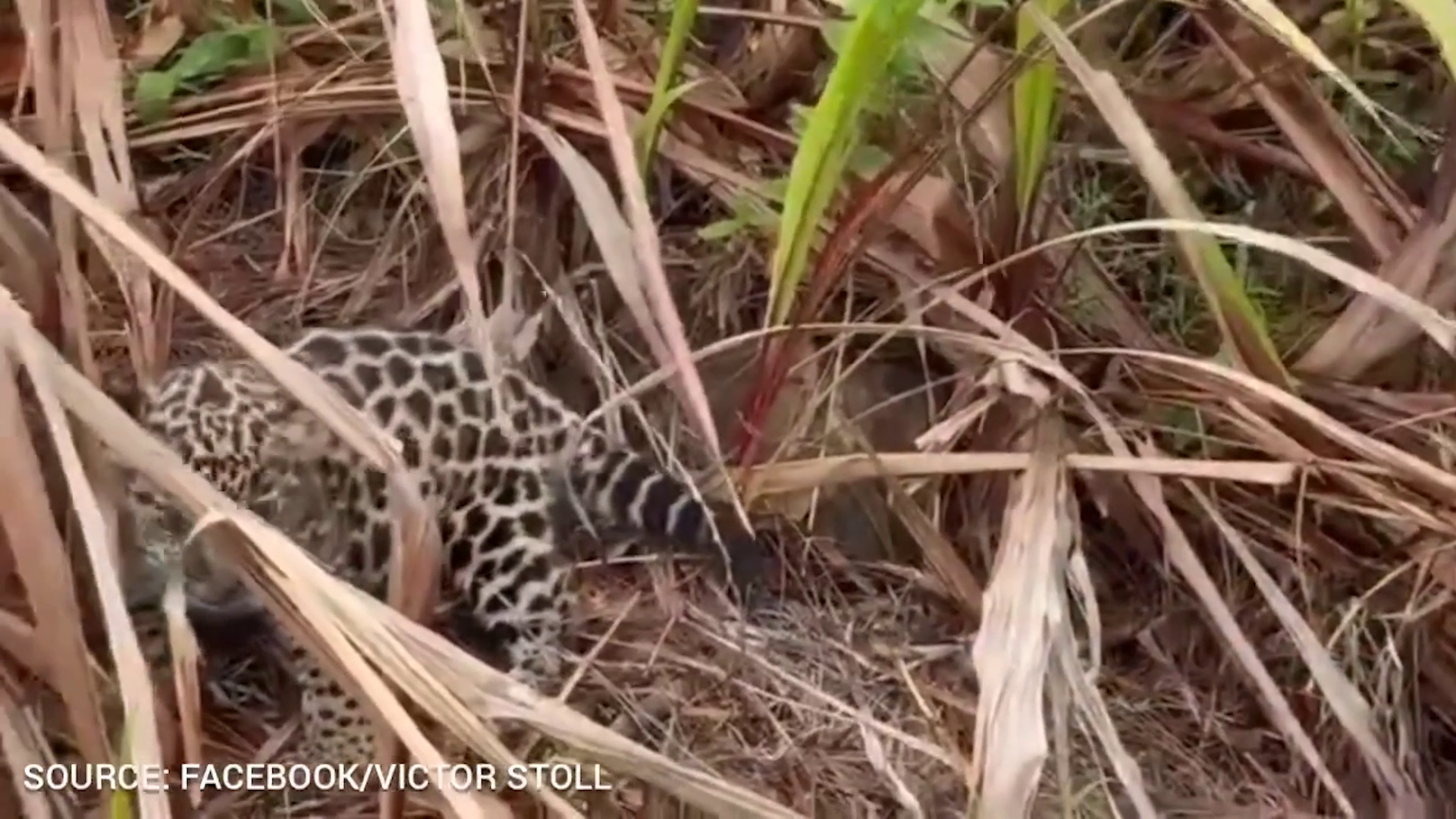
    The incident, which drew global attention after being shared across social platforms, unfolded along an active logging track deep within the protected reserve. Footage from the encounter shows several members of the group leaving the safety of their vehicle to approach the big cat pair. By the time the group intervened, the mother jaguar had already fled into surrounding dense vegetation to avoid contact, leaving her young cub vulnerable. One person was filmed following the small cub and making physical contact with it, while another member of the party can be heard saying they wanted to hold the infant animal themselves.

    In an official public statement released this week, the Forest Department confirmed that the actions caught on video clearly violate provisions laid out in Belize’s Wildlife Protection Act, Chapter 220 of the country’s body of law. Investigators have already begun compiling evidence to support formal enforcement action against the individuals responsible for the incident. Under the act, the legal definition of “hunting” is far broader than just lethal pursuit of game: it explicitly covers any attempt to kill, capture, or molest wild animals through any method. The legislation additionally bans molestation of three specific groups of protected wildlife that all apply to this encounter: protected species, immature wild animals, and female wild animals accompanied by their dependent young.

    Beyond the legal violations, department officials emphasized the unnecessary danger the group placed themselves in by approaching the jaguars. “Female jaguars are extremely protective of their offspring, and they will almost always react aggressively if they believe their cubs are under threat,” the statement warned. It went on to remind both visitors and local residents that wild animals should never be approached, touched, handled, cornered, or separated from their dependent young under any circumstances.

    The Forest Department’s position aligns with urgent warnings issued earlier in the week by Dr. Celso Poot, Managing Director of the Belize Zoo. Poot told local outlet News Five that the cub, estimated to be only two weeks to one month old, endured extreme psychological stress during the unregulated human contact. Professional wildlife managers follow strict, non-intrusive protocols to avoid this kind of disturbance, Poot explained, relying on remote camera monitoring to track young big cats instead of direct physical interaction.

    Poot also outlined severe long-term health risks the cub could face as a result of the incident, including capture myopathy – a potentially fatal stress response in wild animals that causes muscle paralysis and organ failure. Even if immediate symptoms do not appear, Poot noted, the lasting physiological damage from the flood of stress hormones released during the encounter cannot be ruled out. He also addressed a common misconception about jaguar parenting: while mother jaguars do not automatically abandon their cubs after human contact, the transfer of human scent can still put the cub at increased risk of predation or rejection.

    One member of the group, Leslie Penner, who was leading a birdwatching excursion that included the two brothers at the center of the incident, has since come forward to share his firsthand account. Penner identified the man who touched the cub as Ruben Stoll, one of the two brothers in the party. Penner said he attempted to stop the interaction by positioning his vehicle door between Stoll and the cub, but he did not realize physical contact had already been made before the cub moved off the trail.

    Penner described Stoll’s action as “unnecessary” and “reckless,” noting that the encounter created unnecessary risk of future human-wildlife conflict in the reserve. He added that he believes Stoll did not fully understand the danger of his actions in the moment, and would not have touched the cub if he had recognized the risks. Penner also pointed to the brothers’ long history of conservation work in Belize, including an existing program where they compensate local chicken farmers for losses caused by hawks, in exchange for farmers agreeing not to harm the protected birds of prey.
  • Dominican Republic and Haiti launch Blue Hispaniola project to protect marine ecosystems

    Dominican Republic and Haiti launch Blue Hispaniola project to protect marine ecosystems

    The island of Hispaniola, shared by Haiti and the Dominican Republic, is set to receive a transformative boost to its coastal and marine management with the launch of the Blue Hispaniola initiative, a three-year binational project led by the Pan American Development Foundation (PADF). Backed by funding from UK International Development through the global Ocean Community Empowerment and Nature (Ocean) program, the project was officially unveiled in Ouanaminthe, a border city in northern Haiti, marking a landmark step in cross-border environmental and economic cooperation.

    Hispaniola’s shared coastal ecosystems have long faced mounting pressures: unregulated overfishing has depleted fish stocks, habitat degradation has damaged critical mangrove forests and coral reefs, and tens of thousands of coastal residents lack stable, sustainable livelihood opportunities. Recognizing that marine ecosystems do not respect national borders, Blue Hispaniola brings together six civil society and community organizations from both countries to build a collaborative cross-border blue economy corridor. The initiative prioritizes four core objectives: advancing sustainable fishing practices, conserving fragile coastal ecosystems, expanding market access for small-scale fisherfolk, and creating new inclusive income-generating opportunities for marginalized coastal communities.

    Six local partner organizations will implement on-the-ground activities across both sides of the border. Haitian partners include Haïti Efficace, Fondation Essence-Elle, Mouvement Paysan pour le Développement de Paulette, and Groupe Féministe Révolté d’Haïti, while Dominican teams include AgroFrontera and Fundación Reddom. Working together, the coalition will strengthen local fishing associations, deliver targeted community training on sustainable resource management, improve connections to fair regional markets, and intentionally elevate women’s leadership in the fisheries sector. A key equity mandate of the initiative requires that at least 50% of direct project participants are women, addressing historical gender disparities in coastal resource governance and economic opportunity.

    By the end of the three-year implementation period, which runs through 2027 to 2028, the project is projected to deliver tangible benefits for both people and the planet. More than 8,350 coastal residents are expected to gain improved livelihoods and access to resources, while the initiative will support the sustainable long-term management of over 92,250 hectares of critical marine and coastal habitats, including carbon-rich mangroves and biodiversity hotspots like coral reefs. Beyond direct local impacts, PADF officials note that the project is designed to address root causes of coastal degradation: by replacing overexploitation with sustainable practices and providing alternative economic opportunities, it creates incentives for long-term conservation.

    As a binational pilot, Blue Hispaniola aims to set a replicable regional model for cross-border cooperation on ocean conservation. By integrating environmental protection goals with inclusive, sustainable economic development for coastal communities on both sides of the Hispaniola border, the initiative demonstrates how shared natural resources can be a catalyst for collaborative action rather than conflict, delivering mutual benefits for people and the planet for years to come.

  • OECS looks to French Caribbean for new solutions to region’s sargassum challenge

    OECS looks to French Caribbean for new solutions to region’s sargassum challenge

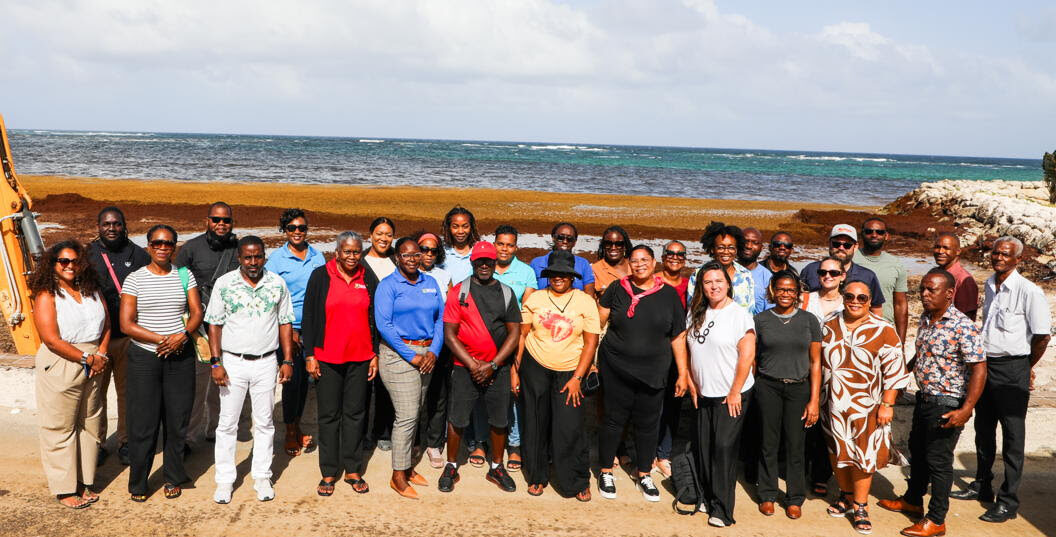
    A growing environmental crisis is pushing the Organisation of Eastern Caribbean States (OECS) to pursue targeted, collaborative solutions, drawing on hard-won expertise from neighboring French Caribbean territories to address the relentless influx of harmful sargassum seaweed. Backed by European Union funding, a regional delegation of technical experts and policymakers from nine OECS member states completed a five-day study tour in Martinique and Guadeloupe in early June, aimed at translating proven sargassum management practices into a coordinated regional framework that balances environmental protection with economic opportunity.

    The urgent need for action has intensified across the Eastern Caribbean as massive mats of sargassum continue to wash ashore, creating cascading harms for coastal communities and ecosystems. In vulnerable areas like Grenada’s Soubise fishing village, decomposing seaweed releases toxic fumes that disrupt daily life and threaten public health. Environmentally, the algae outbreak destroys critical mangrove habitats and coral reefs, accelerates coastal erosion, and blocks access to fishing grounds while damaging fishing gear, pushing small-scale fishing operations to the brink of disruption. For tourism-reliant regional economies, the unmanaged influx of rotting seaweed represents a steady threat to livelihoods and local economic stability.

    During the June 1–5 mission, which was supported by the European Union’s 11th European Development Fund RIGHT Programme and the SARSEA project, delegates examined every stage of the integrated sargassum management system developed by the two French Caribbean outermost regions. The delegation observed offshore interception barriers and specialized harvesting barges that trap floating sargassum before it reaches sensitive shorelines, toured sites demonstrating low-impact manual collection techniques that avoid damaging beach ecosystems and sea turtle nesting habitats, and met with air quality monitoring agencies to learn about early-warning systems that track toxic gas emissions and alert at-risk coastal communities. Delegates also reviewed field safety protocols, including the use of personal gas monitors for response teams, a measure Grenada’s Ministry of Tourism representative Miklembly Bridgeman highlighted as critical to protecting frontline workers.

    A core focus of the study tour was exploring sargassum valorization—the process of converting collected seaweed from a costly waste product into a commercially valuable resource to boost the region’s blue economy. At the Holdex processing facility in Le François, Martinique, delegates saw first-hand how operational systems convert harvested sargassum into agricultural compost and renewable bioenergy. Early research shows that sargassum-based compost can boost agricultural yields by up to 14%, while processed seaweed also provides an affordable source of biogas for local energy production, turning a persistent crisis into an opportunity for sustainable economic growth.

    Susana Agüero, Programme Manager at the Delegation of the European Union to Barbados, the Eastern Caribbean States, the OECS, and CARICOM/CARIFORUM, noted that the shared challenge of sargassum influx creates unique opportunities for cross-regional learning. “Martinique is one of the French regions tackling the very same issues affecting economies, public health, and tourism across the wider Caribbean and OECS Member States,” Agüero explained. “They have built an integrated network using multiple approaches — from manual collection to specialized sea barriers and offshore harvesting. Furthermore, ongoing developments in storage and processing will soon convert sargassum into valuable commercial products, simultaneously protecting vulnerable sectors and community health.”

    Officials from the OECS say the insights gained from the mission will directly shape future regional policy and planning for sargassum management. Natasha Deterville-Moise, Officer-in-Charge of the OECS Economic Development Unit, emphasized the value of the collaborative approach during a roundtable discussion with local officials in Marie-Galante. “These operational insights will directly inform the development of robust regional mitigation and adaptation plans,” Deterville-Moise said. “By fostering active collaboration between public and private stakeholders, the OECS Commission is positioning the proven solutions in the French Territories as a practical framework for building a more resilient and sustainable Eastern Caribbean.”

    Moving forward, the OECS will work to adapt the French Caribbean’s operational practices, institutional frameworks, and public-private partnership models to fit the unique needs of Eastern Caribbean communities. The initiative is designed not only to address the immediate threat of recurring sargassum influxes but also to strengthen regional climate resilience, creating long-term, sustainable solutions for one of the Eastern Caribbean’s most persistent environmental and economic challenges.

  • CDB backs Grenada’s energy transition with financing for major battery storage project

    CDB backs Grenada’s energy transition with financing for major battery storage project

    Grenada is poised to deliver critical upgrades to its national electricity network and accelerate its shift to renewable energy, backed by a landmark collaborative financing initiative led by the Caribbean Development Bank (CDB). The multi-million dollar investment will fund the construction of a utility-scale Battery Energy Storage System (BESS) at the country’s Maurice Bishop International Airport, a project designed to address longstanding grid stability gaps and remove barriers to wider clean energy adoption.

    The financing package brings together grant and loan commitments from a coalition of global development partners, coordinated through the CDB. The bank is managing a combined $3 million in grant funding contributed by the United Kingdom’s Foreign, Commonwealth and Development Office (FCDO) and the European Union (EU). Complementing this grant support, the Government of Canada has committed a $5.7 million concessional loan through its Supporting Resilient Green Energy (SURGE) in the Caribbean programme. The World Bank is also contributing parallel financing to deliver complementary battery storage infrastructure and targeted grid modernization works, ensuring all new assets integrate seamlessly with Grenada’s existing energy network and align with the country’s long-term upgrade roadmap.

    CDB Director of Projects L. O’Reilly Lewis highlighted the collective impact of cross-institutional partnership in advancing shared climate and development goals. “This project is a powerful example of what can be achieved when multilateral banks, national governments and international development partners align around a common vision for a cleaner, more sustainable future,” Lewis said. “We are proud to lead this collaboration, and we expect this investment to deliver lasting gains for Grenada’s energy security and climate-smart economic development.”

    The EU emphasized that the investment is a core component of its broader commitment to supporting Caribbean energy transition under the bloc’s Global Gateway infrastructure initiative. Kyle Farnum, Energy Programme Manager at the EU Delegation to Barbados, the Eastern Caribbean States and the OECS, noted that reliable, accessible power is the foundation of resilient national economies. “This BESS project does more than just expand Grenada’s renewable energy footprint – it guarantees that clean power is available when consumers and businesses need it most,” Farnum explained. “It is part of a comprehensive, long-term partnership between the EU and Grenada that spans multiple clean energy technologies, all aligned with our shared climate goals.”

    For the United Kingdom, energy storage is a non-negotiable building block for creating more resilient power systems across the Caribbean’s small island developing states, which are disproportionately vulnerable to climate change and volatile global fossil fuel markets. Tom Coward, UK Development Director for the Caribbean and Executive Director at the CDB, noted that the project advances the UK’s regional ambition to build low-carbon, climate-resilient energy infrastructure. “Energy storage is the critical missing link that unlocks the full potential of variable renewable energy sources like wind and solar, while keeping grids stable and strengthening long-term energy security,” Coward said. “For small island nations like Grenada, expanding storage capacity is a vital step to cut reliance on costly imported fossil fuels, boost climate resilience, and lay the groundwork for sustainable, secure economic growth.”

    Canada reaffirmed its ongoing commitment to supporting climate adaptation and mitigation across the Caribbean through the SURGE programme. Her Excellency Brenda Wills, High Commissioner of Canada to Barbados and the Eastern Caribbean, said the investment reflects Canada’s focus on delivering practical, climate-smart solutions that deliver tangible benefits for regional communities. “This $5.7 million investment in BESS supports Grenada’s goals to strengthen energy resilience and advance low-carbon development, while advancing our shared regional priorities to cut emissions and reduce climate risk,” Wills said. “Through partnerships with the CDB and other global institutions, Canada is working to advance sustainable growth across the Caribbean that puts community needs first.”

    Grenada’s government has welcomed the initiative as a transformative step toward meeting the country’s climate and energy security targets. Peron Johnson, Permanent Secretary in Grenada’s Ministry of Climate Resilience, the Environment and Renewable Energy, thanked the CDB and its partner institutions for their sustained investment in the country’s clean energy future. “This BESS project is a game-changing investment that will dramatically strengthen the reliability and resilience of our electricity grid, make it easier to integrate larger volumes of renewable energy, and move us closer to our national goal of cutting dependence on imported fossil fuels,” Johnson said. “It demonstrates just how much strategic, multi-stakeholder partnerships can achieve in advancing Grenada’s climate resilience, energy security and sustainable economic development, and brings us one step closer to a cleaner, more affordable and more reliable energy future for all Grenadians.”

    Per the CDB’s project framework, Grenada Electricity Services Limited (GRENLEC) will oversee on-the-ground implementation of the BESS project through a subcontracting model designed to build local operational capacity while upgrading the country’s core energy infrastructure. The initiative is part of a broader, long-term investment programme aimed at boosting the resilience, reliability and renewable energy capacity of Grenada’s entire energy sector. It also aligns with the priorities laid out in the CDB’s 2026-2035 Strategic Plan, which identifies investment in resilient, sustainable energy systems across the Caribbean as a core institutional priority.

  • Kennis uit Brazilië moet Inheemse dorpen wapenen tegen cassaveziekte

    Kennis uit Brazilië moet Inheemse dorpen wapenen tegen cassaveziekte

    A 12-member delegation from the Voluntary Indigenous Development Service (VIDS) has returned from a week-long knowledge-exchange mission to northern Brazil, bringing back critical new insights to fight Cassava Witches’ Broom Disease — a destructive pathogen that threatens cassava production and food stability for Indigenous communities across Suriname. The mission, held from July 2 to 9 in Oiapoque, Amapá state (a Brazilian region bordering Suriname and French Guiana), was backed by the United Nations Development Programme (UNDP) and funded by the New Zealand Embassy, and forms a core part of the Women-Led Indigenous Action Against Cassava Witches’ Broom Disease initiative.

    The project centers the critical role women play in protecting food systems: in most Indigenous villages across the region, women are the primary stewards of cassava cultivation, responsible for both household food supply and community-level crop management. The delegation included Indigenous leaders, small-scale cassava farmers, youth representatives, and UNDP liaisons, who traveled across three local Indigenous villages — Ahumã, Curipi, and Kuahi — to learn on-the-ground disease management strategies. During site visits, the team inspected disease-affected cassava fields, exchanged insights with local Brazilian farmers who have successfully controlled outbreaks, and held working meetings with leading agricultural research bodies including Embrapa and Rurap, the Oiapoque Council of Indigenous Leaders, and an Indigenous women’s organization that leads regional disease response efforts.

    Through these engagements, the delegation gained hands-on training in three key areas: early identification of Cassava Witches’ Broom Disease symptoms, proven prevention practices to stop pathogen spread, and the development of local community surveillance systems that catch outbreaks before they decimate entire crops. Delegates also learned about climate-resilient safe cultivation techniques and the importance of using certified disease-free planting material to protect new crops.

    For VIDS, the mission is not a concluding step, but the starting point of a coordinated national response to the disease in Suriname. Over the coming months, mission participants will share their new expertise through a series of community workshops and village gatherings across Suriname, bringing practical, locally accessible training directly to Indigenous smallholders. Attendees will learn to recognize early disease signs, implement on-farm prevention measures, and adopt practices that slow the spread of the pathogen to healthy fields. Feedback and on-the-ground outcomes from these community sessions will then be shared back with VIDS to refine the national disease response strategy for Suriname.

    Cassava is far more than a staple crop for Suriname’s Indigenous communities: it is a primary source of household income, and a core element of Indigenous cultural heritage. The spread of Cassava Witches’ Broom Disease has emerged as a major threat to both food security and livelihoods across the country’s rural Indigenous villages. VIDS officials note that the cross-border knowledge exchange will lay the groundwork for a more coordinated, community-led response to the disease, protecting existing cassava plantations and securing long-term food stability and economic resilience for Indigenous communities across Suriname.

  • New Marine Monitoring Stations Strengthen Coastal Safety

    New Marine Monitoring Stations Strengthen Coastal Safety

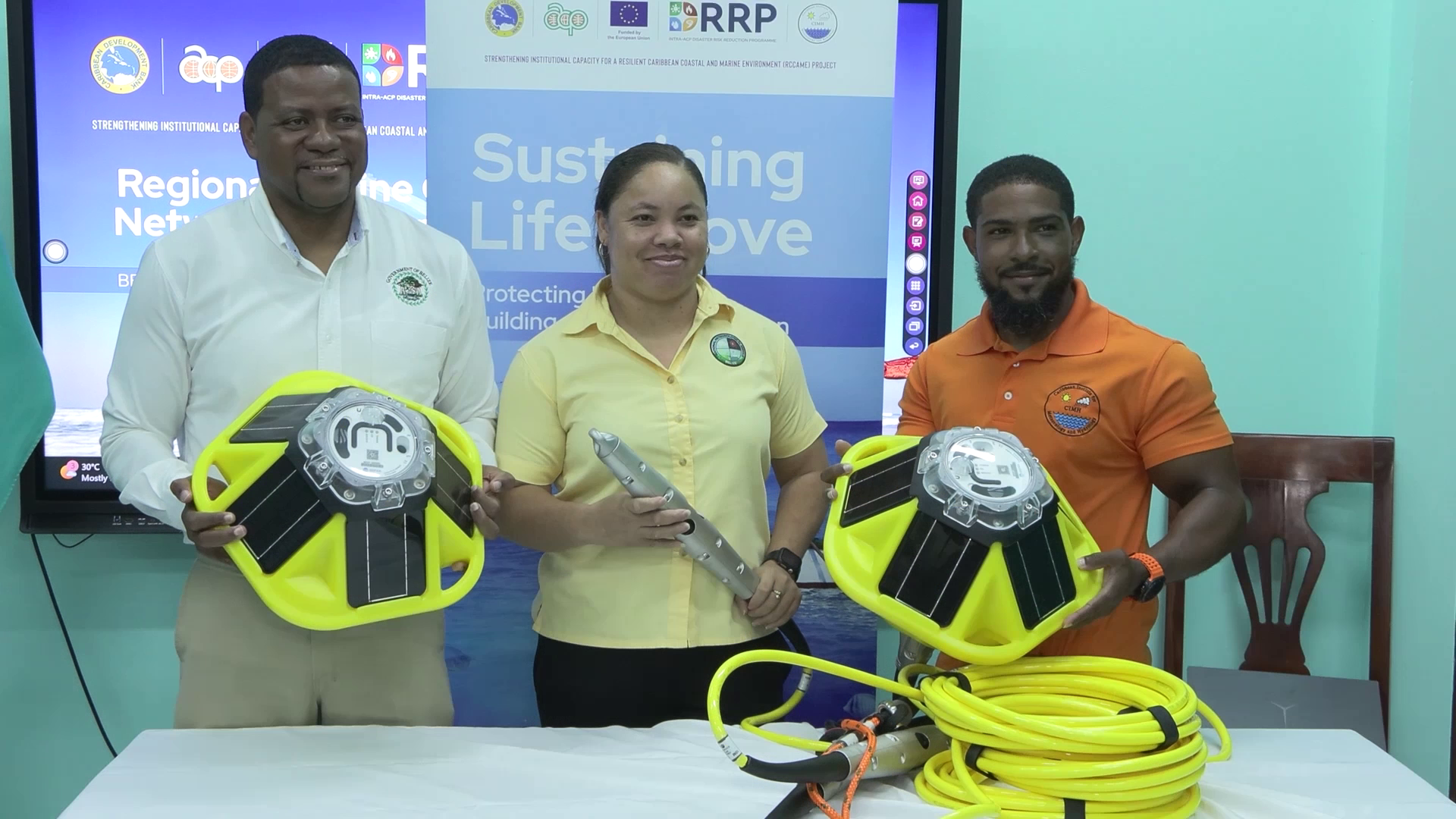
    Belize is set to dramatically upgrade its ocean and coastal monitoring capabilities following the handover of three cutting-edge marine monitoring stations, a donation that will fill a long-standing data gap for the Central American nation’s vulnerable coastal communities.

    The new infrastructure, which carries a total value of $66,000, was provided by the Caribbean Institute for Meteorology and Hydrology (CIMH), with project financing sourced from the European Union and channeled through the Caribbean Development Bank. It forms part of a broader regional initiative called Strengthening Institutional Capacity for a Resilient Caribbean Coastal and Marine Environment, a multi-component program that also covers air quality management, advanced climate prediction modeling, climate and public health linkages, cross-institutional knowledge exchange, and improved natural hazard forecasting.

    For years, Belize’s National Meteorological Service has operated an extensive network of weather tracking infrastructure across its mainland, with a small number of existing offshore stations limited to the Cayes region. However, these older installations only collect data on atmospheric conditions such as air pressure, temperature, and wind speed, leaving a critical gap in continuous monitoring of ocean-specific variables that shape weather patterns and coastal risk. Ronald Gordon, Belize’s Chief Meteorologist, explained that the new stations will close this gap, expanding the country’s capacity to issue timely early warnings and build long-term resilience for populations that live and work along Belize’s extensive coastline.

    CIMH mission lead Courtney Forde noted that the addition of these monitoring buoys marks a key milestone for improving hurricane forecasting across the entire Caribbean region. By gathering consistent, on-site ocean data, scientists can refine climate and weather models, leading to more accurate predictions of storm intensity and trajectory that benefit not just Belize but neighboring island nations as well.

    Belize’s meteorological service has identified three priority locations for installing the new stations: Glover’s Reef, English Caye, and the Southern Turneffe Atoll, all ecologically and economically critical marine areas that are particularly exposed to coastal hazards. As part of the handover process, technical training on equipment installation and operation was provided to representatives from key local stakeholders, including the Belize Port Authority, the Turneffe Atoll Marine Reserve management team, and the national Fisheries Department.

    Senior Climatologist Shanea Young noted that demand for improved marine data has been growing among local sectors for years. Organizations ranging from port regulators to marine conservation groups have long depended on generalized forecasts and satellite data, but the new stations will deliver high-resolution, on-the-ground observations of sea surface temperature and other key ocean variables that have not been available locally before. This will not only strengthen national early warning systems for extreme weather but also improve the quality of weather, ocean, and climate information provided to all end-users across the country.

    Each of the three stations is equipped with solar-powered, satellite-connected weather buoys, alongside purpose-built floats, moorings, anchors, and an integrated suite of specialized sensors. The technology allows for continuous, 24/7 monitoring of a wide range of both marine and atmospheric conditions, including wave height and activity, sea surface temperatures, wind patterns, and atmospheric pressure. The real-time data collected will be used to strengthen disaster preparedness, improve forecasting accuracy, and support long-term monitoring and protection of Belize’s ecologically rich coastal and marine environments.

  • Caribbean Shores Fishing Camp Inspires Future Conservationists

    Caribbean Shores Fishing Camp Inspires Future Conservationists

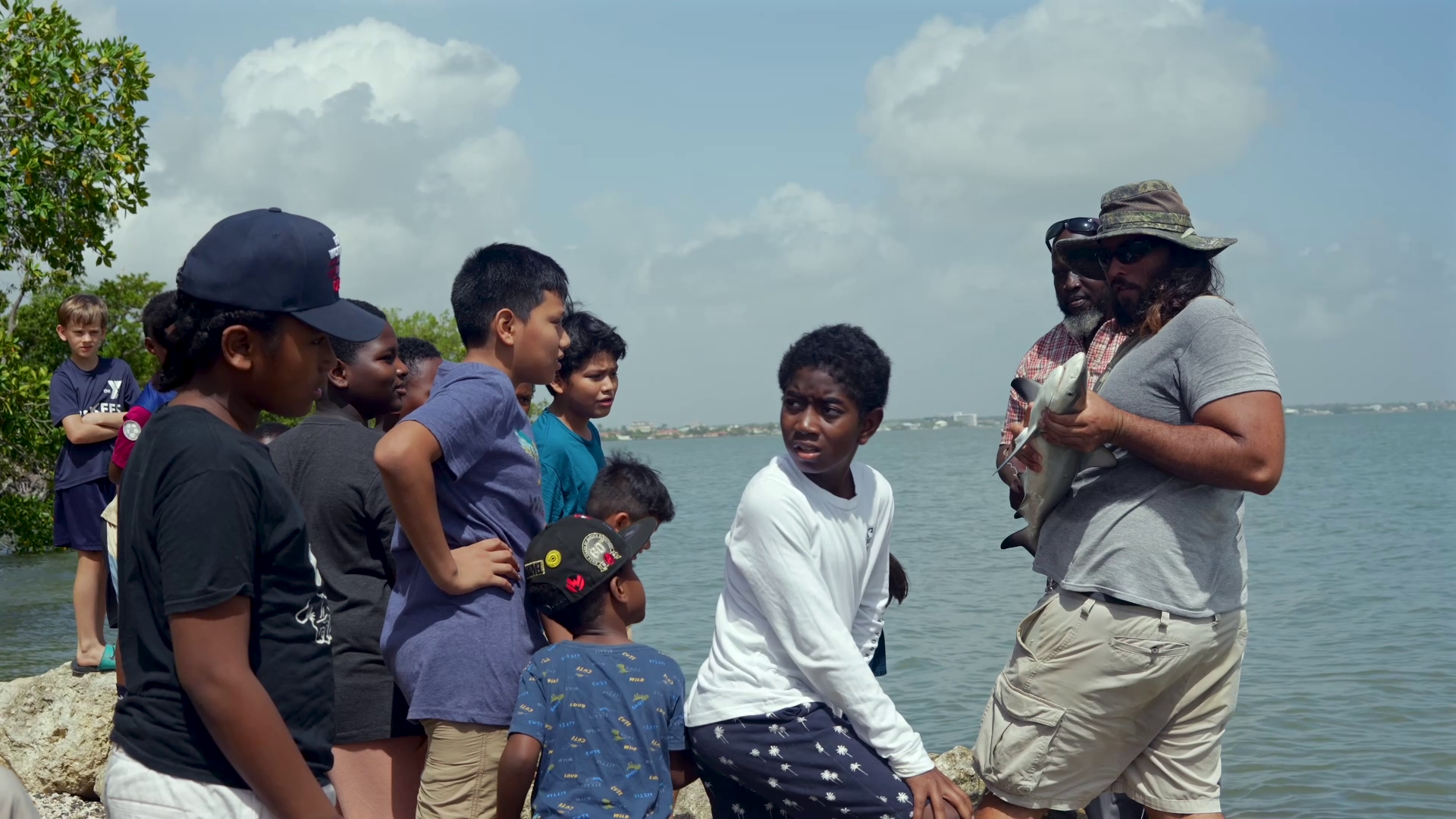
    As summer 2026 unfolds along Belize’s sun-drenched Caribbean coastline, a new initiative is turning young screen users into budding environmental stewards. More than 30 children aged 6 to 12 from the Caribbean Shores constituency are swapping hours of digital device time for hands-on learning at the week-long Caribbean Shores Fishing Camp, hosted at Dolphin Park.

    Sponsored by Kareem Musa, the Area Representative for Caribbean Shores, the camp is far more than a recreational diversion for school-aged children on summer break. Blending practical fishing instruction with core marine conservation education, the program is designed to foster lasting connections between local youth and the ecologically rich coastal ecosystems that define their community.

    Leading the hands-on instruction is veteran fishing instructor John Clayton Burks, who frames fishing as a gateway to deeper environmental appreciation. “The main goal of my class is to teach them a better appreciation of the environment we have here,” Burks explained. “You know, part of the best way to experience the environment is to go out and enjoy it, and fishing is one of the best ways to do it.”

    Instruction runs from foundational fishing skills to conservation-focused best practices: campers learn step-by-step how to prepare tackle, hook bait, cast lines, and throw casting nets. A core educational component centers on identifying protected and undersized marine species that should not be harvested, with guided training on how to safely free these animals from fishing gear and release them back into their natural habitat unharmed.

    For Musa, the camp is a personal initiative rooted in his own childhood growing up along Caribbean Shores’ coastline, which stretches from Buttonwood Bay to BTL Park. “Growing up in Caribbean Shores, I can safely say that that [fishing] was one of the greatest memories that I had as a young boy,” he shared on the camp’s opening day. “It truly is a wonderful experience, and the kids are already having a great time this morning.”

    Organizers say beyond building practical skills and creating core summer memories, the initiative aims to instill long-lasting environmental values. By engaging children with the ocean in a tangible, meaningful way, the camp hopes to inspire a new generation of conservationists committed to protecting Belize’s valuable marine ecosystems for decades to come.

  • Witness Details Moments Behind Controversial Jaguar Cub Incident

    Witness Details Moments Behind Controversial Jaguar Cub Incident

    In a rare firsthand account of a recently sparked controversy centered on human-wildlife interaction in Belize’s Mountain Pine Ridge reserve, a witness who accompanied the Stoll brothers during the jaguar cub encounter has opened up about the unplanned incident, shedding new light on what unfolded in the field.

    Leslie Penner, who was part of the birdwatching outing on that day, told local outlet News Five that the group first spotted an adult jaguar and its young cub lingering close to their parked vehicle. As the encounter unfolded, one of the Stoll brothers made the fateful decision to reach out and touch the cub – a move Penner has publicly labeled as both unnecessary and reckless. He emphasized that the impulsive action carried unnecessary risks, including the potential to ignite long-term human-wildlife conflict that threatens both animal populations and local conservation efforts.

    Despite his sharp criticism of the action, Penner was quick to push back against narratives that frame the brothers as intentional violators of wildlife protection norms. He pointed to the Stoll brothers’ decades-long track record of conservation work across Belize, arguing that the pair had no malicious intent behind the encounter. In his view, any public conversation about the incident must also acknowledge the substantial contributions the brothers have made to protecting Belize’s unique ecosystems and endangered wildlife. Penner doubled down on this position, noting that Belize’s natural landscapes are in far better condition today because of the Stoll brothers’ work than they would be without their decades of advocacy and on-the-ground conservation.

    Dr. Celso Poot, managing director of the Belize Zoo, shared expert perspective on why interacting with young wild big cats is strongly discouraged. While Poot noted that widespread fears of the mother jaguar abandoning her cub after human contact are unlikely to come to pass, he stressed that the interaction inflicts significant unneeded stress on the young animal and its mother. Drawing on generations of traditional ecological knowledge and decades of professional experience working with captive-bred big cats, Poot explained that even accredited zoological facilities that specialize in jaguar breeding avoid direct human contact with newborn cubs. Instead, facilities rely on remote camera monitoring to track cub health and development, only allowing public viewing once the mother jaguar has determined the environment is safe and brings her cubs out on her own. Direct handling, he emphasized, is never a recommended practice for either inexperienced visitors or seasoned conservationists.

    The incident has sparked renewed debate across Belize about responsible wildlife viewing practices, even as it has highlighted the complicated nature of judging missteps against a backdrop of long-standing conservation contributions.

  • Here’s How Belize Just Upgraded its Hurricane Eyes for $66K

    Here’s How Belize Just Upgraded its Hurricane Eyes for $66K

    As a low-lying Caribbean nation highly vulnerable to extreme Atlantic storm systems, Belize has taken a critical step forward in improving its hurricane and ocean condition monitoring with the addition of three new offshore marine monitoring stations. The new infrastructure, which carries a total value of $66,000, was donated through regional climate cooperation and will deliver continuous, real-time data from the country’s offshore waters to forecasters.

    Ronald Gordon, Belize’s Chief Meteorologist, explained that the new stations fill a long-standing critical gap in the country’s weather monitoring network. For years, Belize has operated an extensive network of atmospheric weather stations across its mainland and a small number of existing installations on its offshore cayes. However, these older stations are only equipped to track atmospheric conditions such as barometric pressure, air temperature, and wind speed, with no capacity to measure key ocean variables that drive hurricane development and intensity.

    Authorities have selected three ecologically and strategically important locations for the new installations: Glover’s Reef, English Caye, and Southern Turneffe Atoll. Each monitoring site is outfitted with a fully integrated package of solar-powered, satellite-connected weather buoys, moorings, anchors, and high-resolution sensors. This equipment is designed to capture a wide range of critical data, including wave height and activity, sea surface temperatures, near-surface wind patterns, and atmospheric pressure over open water.

    Courtney Forde, mission lead for the Caribbean Institute for Meteorology and Hydrology (CIMH), which provided the equipment, noted that the new buoy network represents an important incremental advance for regional climate resilience. “This buoy project is just another step… into monitoring the marine space and maybe improving models, improving hurricane prediction and so on,” Forde said. The $66,000 in funding for the infrastructure came from the European Union, disbursed through the Caribbean Development Bank as part of broader regional climate adaptation support.

    For a small coastal nation where hurricanes pose annual threats to lives, infrastructure, and coastal ecosystems, the upgrade is expected to deliver meaningful improvements in early warning capacity and storm forecasting accuracy, helping communities prepare more effectively for extreme weather events.

  • Viral Jaguar Cub Video: “Unnecessary, Reckless,” Says Friend

    Viral Jaguar Cub Video: “Unnecessary, Reckless,” Says Friend

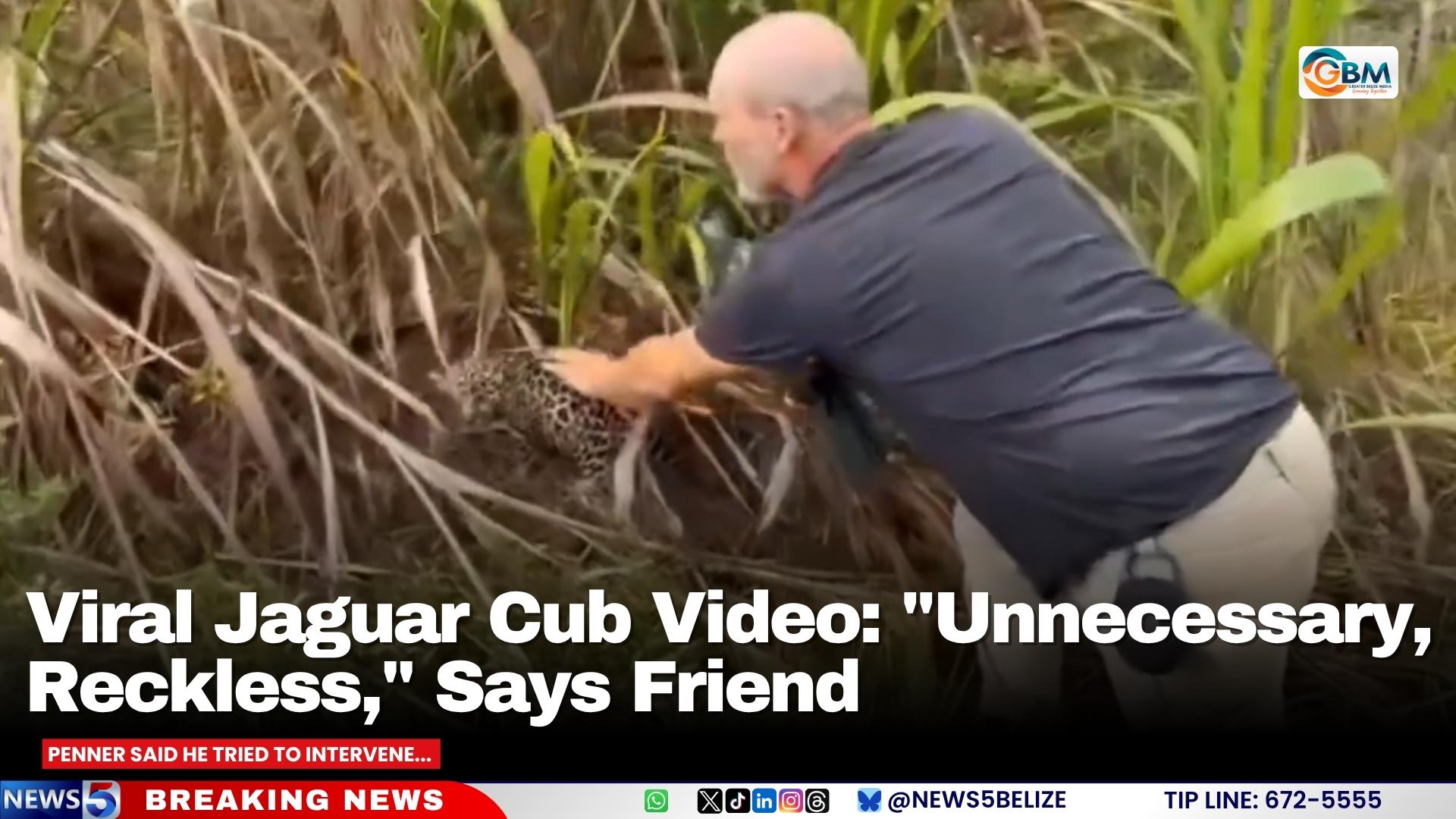
    A viral video capturing two men cornering and touching a young jaguar cub in Belize’s Mountain Pine Ridge reserve has ignited fierce condemnation from wildlife conservation experts across the globe this week, and a third person present during the incident has now stepped forward to share new details of the problematic encounter. Leslie Penner, who describes himself as a long-time friend of the two brothers at the center of the controversy, provided an exclusive account to local outlet News Five, outlining how what began as an ordinary birdwatching trip spiraled into an incident that puts both human and big cat safety at risk.

    According to Penner’s version of events, the group was navigating remote backcountry trails in the protected reserve when they spotted an adult female jaguar on the path ahead of their off-road vehicle. Moments later, they noticed her cub walking along the same trail, moving directly toward its mother. That is when, Penner says, one of the brothers—identified only as Ruben—made the sudden decision to exit the vehicle to get a closer look at the young animal.

    “I immediately felt a spike of concern, because I knew just how much danger that decision put Ruben in,” Penner recalled in his interview. Penner told reporters he attempted to stop Ruben from approaching the cub, holding the vehicle’s passenger door as close to Ruben as possible to block his path, but his intervention did not succeed. The cub eventually veered off the trail toward Ruben’s position, moving into the same underbrush where the adult jaguar had been spotted just moments earlier. Penner added that he did not even realize Ruben had made physical contact with the cub until after the encounter had concluded, as the interaction unfolded on the opposite side of the vehicle from where he was positioned.

    In his statement, Penner echoed the widespread criticism of the incident that has emerged from conservation circles, calling the brothers’ actions completely avoidable and dangerously irresponsible. He emphasized that the encounter created an unnecessary risk of violent conflict between humans and wild jaguars, a conflict that could have easily been avoided entirely if the group had stayed inside their vehicle and observed the animals from a safe distance. Penner also sought to contextualize Ruben’s actions, noting that Ruben failed to recognize the level of danger he created in the moment. “The idea that touching the cub could lead to serious harm for either the jaguar family or himself never even crossed Ruben’s mind,” Penner explained. “He never would have approached if he had stopped to think through the consequences.”

    Notably, Penner also pushed back against the idea that the brothers are entirely unconnected to conservation work, pointing to their long-standing efforts to promote wildlife protection among Belize’s conservative Mennonite community. Penner explained that the brothers visit Belize regularly, and have a standing agreement with local poultry farmers: if the farmers do not harm hawks that prey on their chickens, the brothers will reimburse the farmers for any birds lost to the birds of prey. Penner confirmed that the brothers have always honored this agreement, which has reduced retaliatory killing of raptors in the region.

    Jaguar populations across Central America face ongoing threats from habitat loss, human-wildlife conflict, and poaching, with Belize hosting one of the region’s last remaining stable wild jaguar populations. Conservationists have warned that unnecessary human interactions with big cat cubs can trigger defensive attacks from protective mother jaguars, and in some cases can lead to adult jaguars abandoning their young if the cub carries unfamiliar human scents. This incident has already sparked renewed calls for stricter enforcement of wildlife viewing rules in Belize’s protected areas, with advocates pushing for mandatory education on responsible wildlife interaction for all visitors to ecotourism sites.