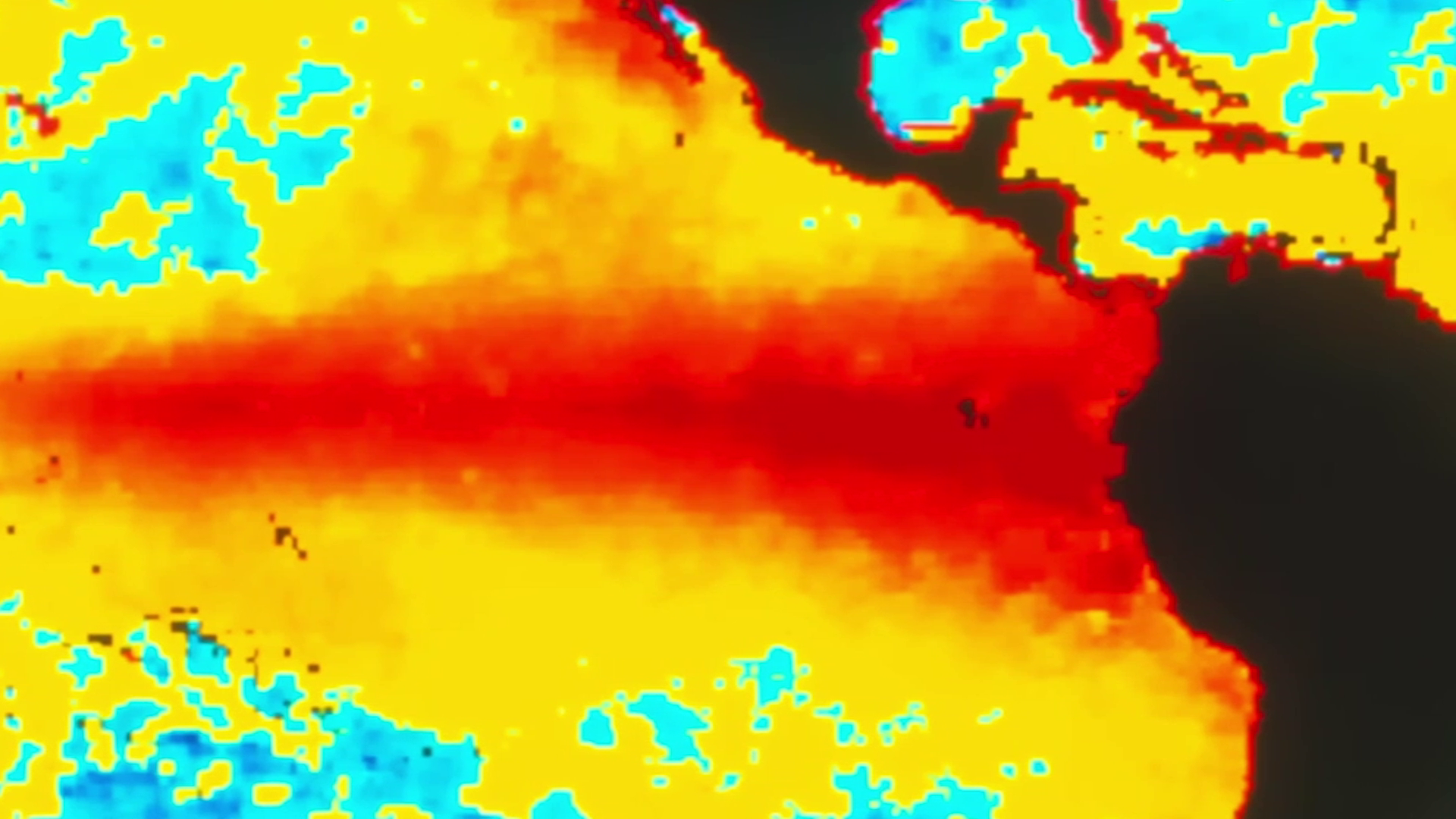
As climate change amplifies extreme weather patterns across the globe, small Caribbean nations are already facing growing risks that demand urgent action. Belize, a country heavily reliant on climate-sensitive agriculture and stable freshwater access, is now bracing for a potentially severe drought driven by a strengthening El Niño event, with climate scientists warning that delayed preparations could lead to far-reaching economic and food security disruptions.
Dr. Cedric Van Meerbeeck, a climatologist with the Caribbean Institute for Meteorology and Hydrology (CIMH), explained that El Niño’s atmospheric dynamics typically suppress moisture levels across much of the Caribbean, leading to below-average rainfall. While the most intense dry conditions are often concentrated in the eastern and southern Caribbean and Guyana during early stages of an El Niño event, northern Caribbean territories including Belize will also face abnormal dryness as the event progresses through the year.
Contrary to initial assumptions that drought impacts will emerge immediately, Dr. Van Meerbeeck noted that the most severe consequences will not materialize until deep into the upcoming dry season, which begins between November and January across the region. The cumulative effect of below-average rainfall during the current wet season has already left reservoir levels and soil moisture well below the historical average needed to carry the country through the dry months. As precipitation fails to replenish these water stores during the dry season, water scarcity will worsen steadily, creating the conditions for extreme drought.
Already, northwestern Belize has been identified as an early drought hotspot, with elevated risk persisting through at least the end of September. For the nation’s thousands of smallholder farmers who rely on rain-fed agriculture, the reduced soil moisture threatens to cut crop yields significantly, particularly for producers without access to irrigation systems or other water management safeguards. Dr. Van Meerbeeck added that without adaptive measures such as mulching to retain soil moisture, current dry conditions will not only cut near-term harvests but may also impact agricultural output into early 2027.
CIMH has called on national and regional policymakers to review the institute’s long-term forecast and implement proactive mitigation measures immediately, rather than waiting for drought conditions to escalate. Climate experts emphasize that for Belize, where agriculture accounts for a substantial share of employment and GDP, and food security remains a core public priority, early action to protect water stores and support vulnerable farming communities can reduce the worst impacts of the coming El Niño-driven dry season.