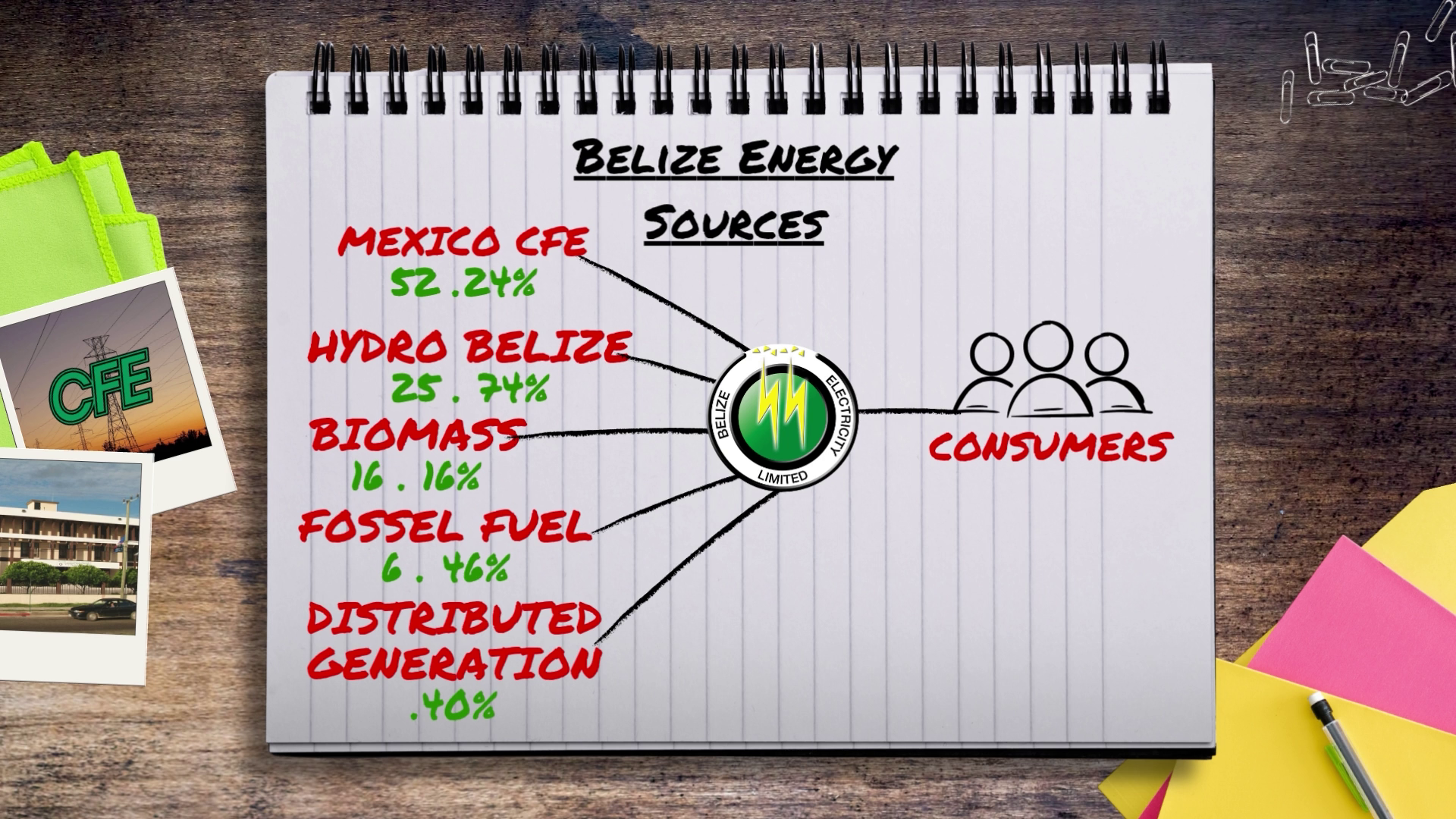
By 2026, Belize faces a cascading set of interconnected threats to its national power supply, driven by rising regional temperatures, climate-fueled drought, and an overwhelming dependence on imported electricity from neighboring Mexico. New data from the country’s energy sector reveals just how steep that reliance is: of the 720 gigawatt-hours of electricity Belize consumed last year, more than 52% originated from Mexican suppliers. Domestic hydropower contributed just 25% of total demand, biomass facilities added 16%, and fossil fuel generation accounted for the remaining 6% – a breakdown that leaves the small Central American nation extremely vulnerable to shifts in cross-border supply and domestic climate conditions.
Michel Chebat, Belize’s Minister of Public Utilities, acknowledged the outsized role of foreign imports in the country’s energy system in an August 24, 2026 briefing. “Belize continues to depend heavily on imported electricity, particularly from Mexico. That interconnection remains extremely important to electricity system,” Chebat stated. But that critical dependence has already translated to repeated disruptions for residential and commercial consumers. When Mexico faces its own spikes in energy demand – a scenario growing more common as regional temperatures climb – Mexico’s state power utility CFE cuts back on exports to Belize, triggering widespread rolling blackouts across the country.
Beyond reliability risks, the heavy reliance on imported power has created a mounting financial crisis for Belize Electricity Limited (BEL), the country’s main power provider. Lynn Young, BEL’s Executive Chairman, confirmed that the utility carries tens of millions of dollars in debt from energy import costs as of late August 2026. “In early January it was about fifty-five million dollars. I think the last time I saw it was thirty million, of which maybe about twenty is overdue,” Young explained. The growing debt burden further complicates efforts to invest in domestic energy infrastructure to reduce import dependence.
While the Belizean government has publicly committed to expanding domestic power generation to achieve greater energy independence, accelerating climate pressures are outpacing planning efforts. The country’s single largest domestic energy source – hydropower – is already under severe stress from the strengthening 2026 El Niño event, which has brought record high temperatures and drastically reduced rainfall across Central America.
Ronald Gordon, Belize’s Chief Meteorologist, warned that the drought is a shared regional challenge, not just a domestic one. “We already are experiencing issues with our electricity, our energy and that is what we had been informing from the beginning of this season that we will be seeing these rolling blackouts, because we depend on Hydro Electricity a lot, even when we purchase from Mexico, we are purchasing what they have which is basically hydro, and of course it is a regional problem. Mexico is suffering problems. We have our neighbors in El Salvador who declared drought issues and Panama as well. So, it’s a regional issue.”
Gordon explained that dual pressures of falling supply and rising demand have created an unsustainable strain on the entire power system. “There is a higher demand and less of it. So, it creates a real issue. It is hotter so it creates more demand especially for cooling. So, there is a system already being strained by the lack of the resources we need for it, the water. The dams need water. So, there is already a strain there and higher demand, which creates a real problem,” he said. Lower rainfall has pushed river levels well below seasonal averages, cutting the output of Belize’s existing hydropower dams at the exact moment when demand for electricity for air conditioning and cooling is surging.
Climate experts began sounding alarms about the combined risks of import dependence and climate change to Belize’s power grid early in 2026, and those warnings have now moved from forecast to immediate crisis. With domestic generation weakened by drought, import costs rising, and regular power outages disrupting daily life, policymakers and energy leaders face a growing race against time to build a more resilient, independent energy system before the entire grid is pushed past its breaking point.