分类: environment

  • Trijana Meeting: duurzame ontwikkeling begint bij inheems leiderschap

    Trijana Meeting: duurzame ontwikkeling begint bij inheems leiderschap

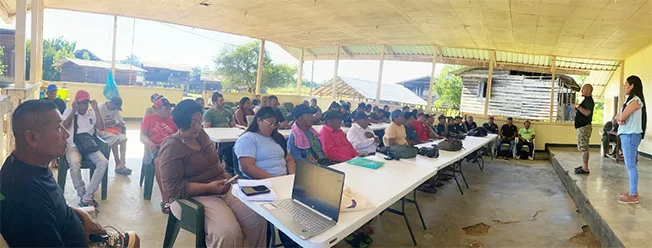
    Indigenous traditional authority figures from South Suriname have outlined a clear vision for the region’s long-term sustainable growth: any meaningful progress must center indigenous governance and build equal, collaborative partnerships between local communities, the national government, and civil society organizations. This position was the core outcome of the 2026 annual Trijana Meeting, held from July 22 to 24 in the remote village of Pelelu Tepu.

    Gathered under the official theme “Collaboration for Sustainable Development and Empowerment of Indigenous Communities in South Suriname,” the meeting brought together representatives from 11 indigenous villages, alongside delegates from multiple government agencies and leading regional conservation and development groups including the Amazon Conservation Team, Conservation International Suriname, Green Growth Suriname, and Wildlife & People Suriname.

    Over three days of deliberation, participants mapped ongoing developments across the region and aligned on shared priorities for South Suriname’s future. Discussions centered on the persistent structural challenges that indigenous communities face, most notably limited access to core public services: basic education, healthcare, reliable transport infrastructure, and other foundational amenities remain out of reach for many residents due to the region’s remote geographic location.

    Crucially, attendees emphasized that traditional indigenous knowledge and established local governance systems provide a robust, proven foundation for sustainable stewardship of South Suriname’s ecologically rich landscapes. The meeting’s agenda balanced two interconnected goals: advancing critical nature conservation efforts and driving inclusive socio-economic progress that improves quality of life for local communities. Participants stressed that future development projects cannot focus solely on building new infrastructure; any initiative must be aligned with the self-identified needs and traditional governance structures of the indigenous communities that call the region home.

    In a closing statement, Granman Jimmy Toeroeman reaffirmed the collective call for an equal partnership model, where the national government commits targeted investment to expand access to basic public services, and civil society organizations deliver customized support that responds directly to community priorities, rather than imposing external agendas. Toeroeman also underscored the urgency of collective action to secure formal legal recognition of indigenous land rights. “To get our fundamental land rights approved, we must stand together as one indigenous people,” he said. “Not as separate tribes, but as a united community.”

  • Can Belize’s Grid Handle the Electric Vehicle Push?

    Can Belize’s Grid Handle the Electric Vehicle Push?

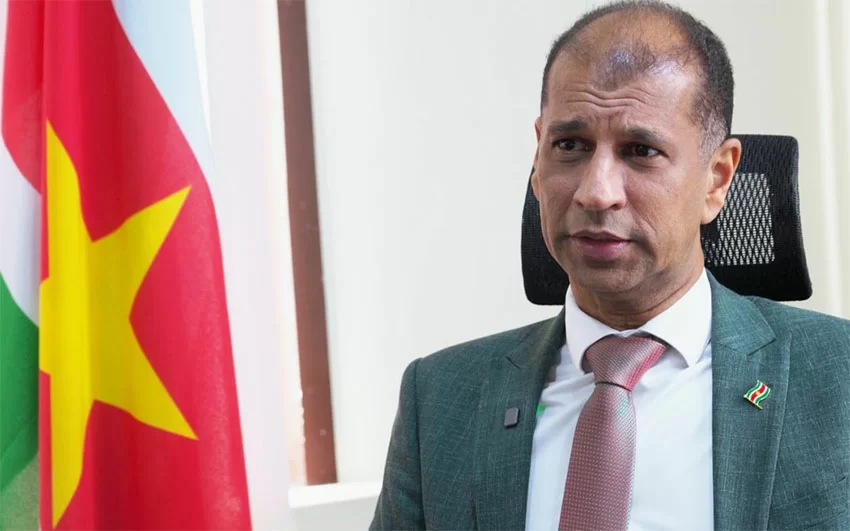
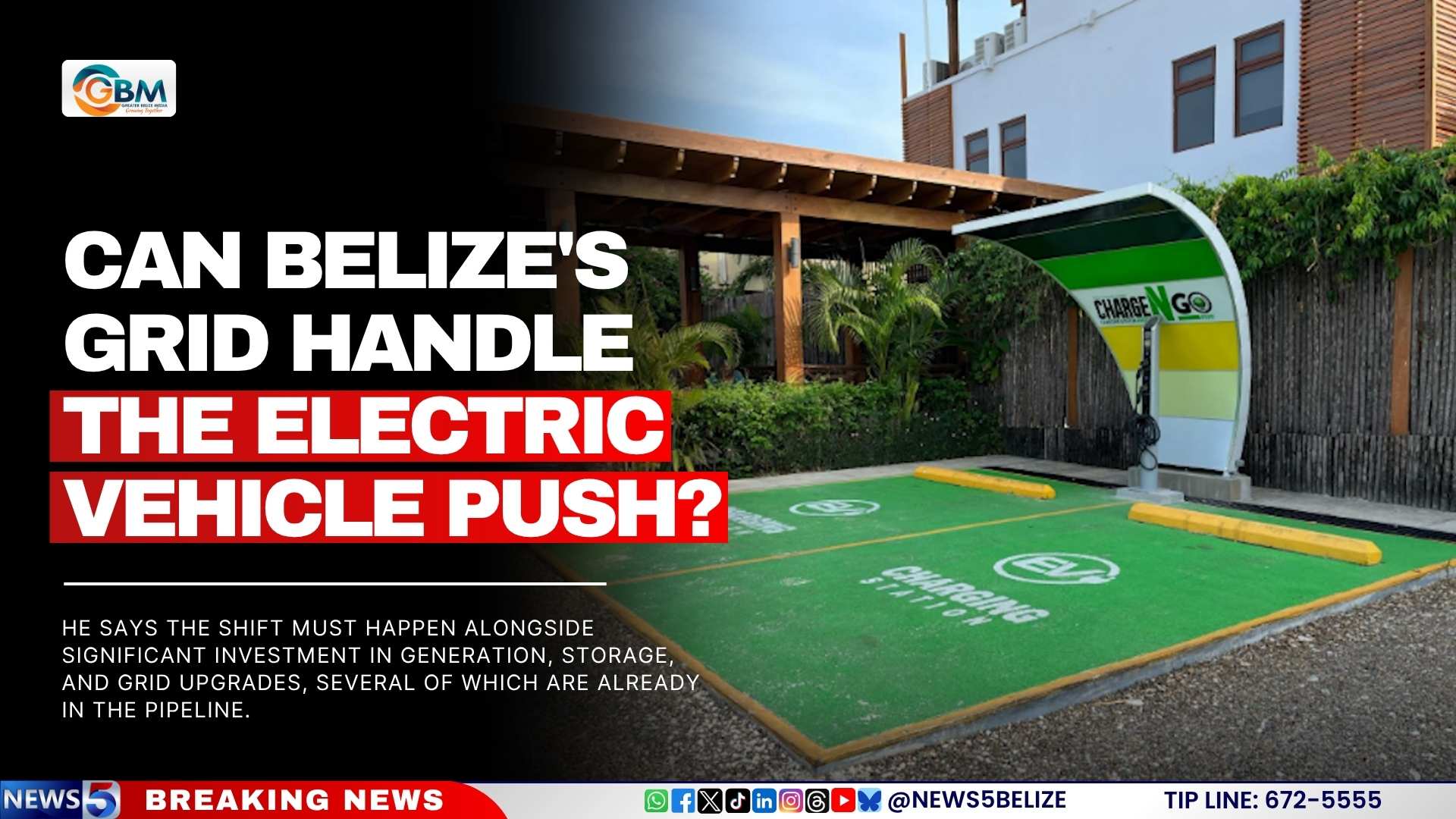
    As Belize advances its ambitious push to accelerate a national transition from gasoline-powered vehicles to electric vehicles, a critical question about energy infrastructure has moved to the center of public debate: is the country’s existing electricity grid robust enough to handle the coming surge in power demand? With local residents already voicing persistent concerns about inconsistent power reliability and limited overall capacity, local outlet News Five sat down with Dr. Leroy Almendarez, Chief Executive Officer of Belize’s Ministry of Public Utilities and Energy, to discuss whether the nation has the necessary infrastructure to support widespread EV adoption.

    Almendarez emphasized that a successful large-scale shift to electric vehicles cannot proceed without massive targeted investment in three core areas: expanded power generation, utility-scale energy storage, and comprehensive upgrades to the national grid. Notably, he added, many key upgrade projects are already in the planning and development pipeline. Almendarez explained that granular energy consumption data will guide utility provider Belize Electricity Limited (BEL) in calculating exactly how much additional capacity the nation will need, as widespread EV adoption will add new, consistent demand from public and private charging stations on top of existing residential power use.

    Addressing common public assumptions that Belize’s abundant solar resources alone can meet the new demand without additional infrastructure, Almendarez noted: “I keep hearing people saying ‘the sun is shining,’ but you can’t just take the sun and put it in your vehicle. And I don’t mean to be cynical, but it simply means you must have infrastructure in place.”

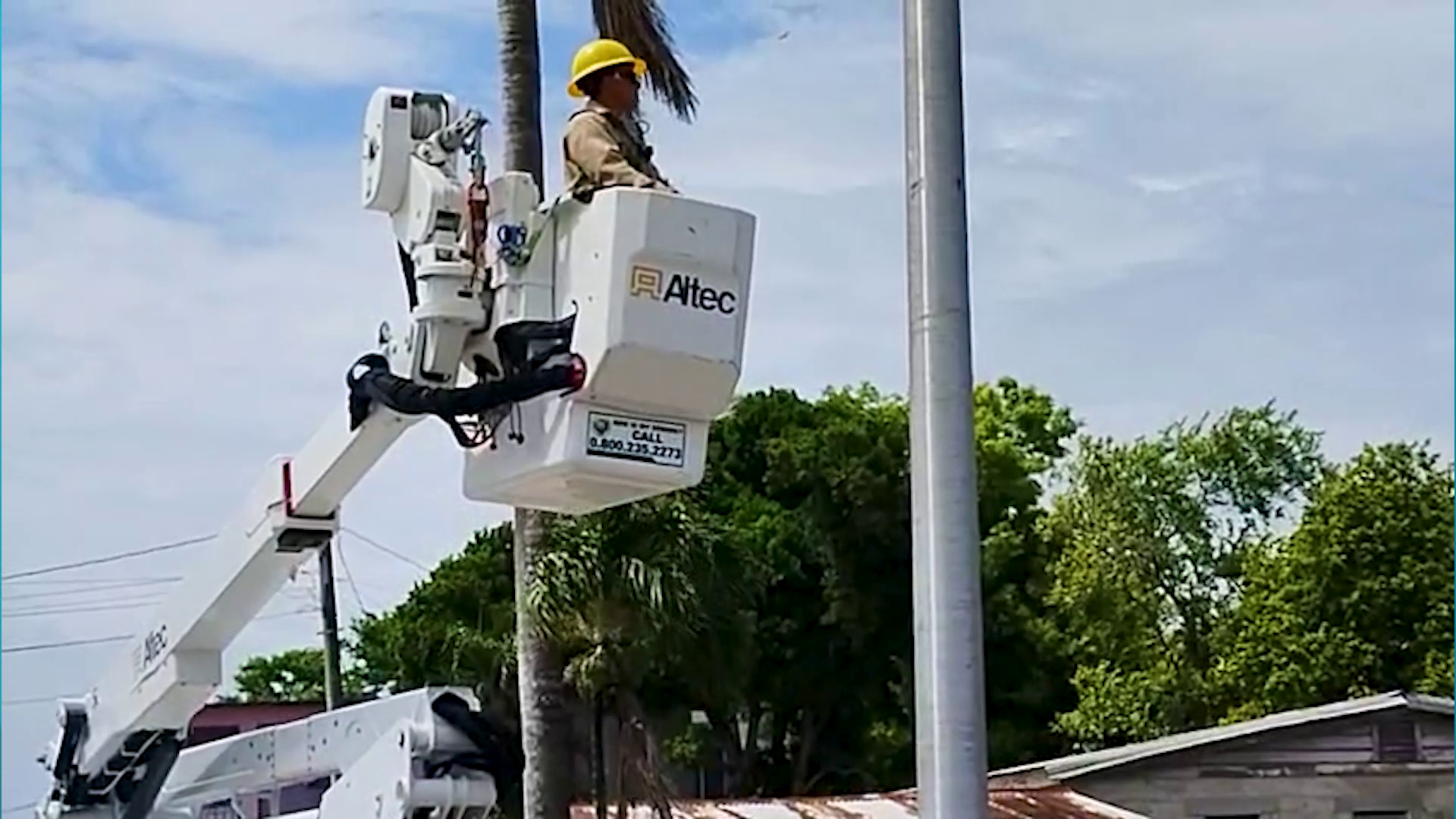
    Contrary to widespread public pessimism, Almendarez pointed out that Belize is much further along in preparing for increased energy demand than many residents assume. The nation is currently accepting proposals for a new 80-megawatt solar power facility, which is scheduled to enter operation in the first quarter of 2028. This new solar generation capacity will be paired with 40 megawatts of utility-scale battery storage, both zero-emission clean energy assets designed to stabilize national power supply as EV-driven demand grows.

    For shorter-term demand needs, an additional 15 megawatts of generation capacity is expected to come online from the Belize Caribbean Biofuel Company Limited (BABCOL) by November 2026.

    Even with expanded generation and storage capacity, however, Almendarez stressed that growing energy demand requires upgrades to the grid itself. Adding more power is only one piece of the broader infrastructure puzzle; the transmission and distribution network must be capable of delivering that extra energy to end users where and when it is needed.

    “The grid must be able to dispatch that, to distribute that, to make sure that you can get access to that energy,” he said. “And you don’t want competing forces either. Otherwise, we’ll end up in a serious situation.”

    New data shared during a recent public energy briefing also confirmed longstanding regional concerns: southern Belize currently faces the greatest strain on existing grid infrastructure, a challenge that will require targeted upgrades to avoid reliability issues as EV adoption expands.

  • Registration Still Open for Blue Economy 101 Webinar

    Registration Still Open for Blue Economy 101 Webinar

    ST. JOHN’S, Antigua and Barbuda – July 28, 2026 – With less than 24 hours remaining until the event kicks off, the Antigua and Barbuda Department of the Blue Economy has issued a final public reminder that registration is still open for its groundbreaking first-ever Blue Economy 101 Webinar.

    Slated to run from 10:00 a.m. to 12:00 p.m. Atlantic Standard Time on July 29, the entirely free virtual event will be hosted on the Microsoft Teams platform, making it accessible to participants across the country and beyond regardless of location. Designed as an introductory educational resource, the webinar welcomes a broad audience spanning high school and university students, secondary and post-secondary educators, government policymakers, local ocean-focused entrepreneurs, environmental conservation advocates, and any member of the public curious about the potential of the nation’s ocean resources.

    Organizers built the session’s curriculum around the core goal of deepening public understanding of the multifaceted role the ocean plays in Antigua and Barbuda’s national development. Attendees will leave the webinar with clear insights into how healthy marine ecosystems underpin local job creation, support community livelihoods, drive innovation in marine sectors, advance ocean conservation goals, and lay the groundwork for long-term equitable sustainable development across the twin-island nation.

    While registration for the event carries no cost, the Department has emphasized that available virtual spots are limited due to platform capacity constraints. Interested participants are urged to complete their registration as soon as possible to reserve their spot before the event fills up. Registration can be completed in full online via the official form at: https://forms.cloud.microsoft/r/LfALtH4EAS?origin=lprLink.

    This inaugural webinar forms a core part of the Department’s ongoing national outreach strategy, which operates under the unifying slogan “Our Ocean. Our Future. Our Prosperity.” The initiative is focused on raising widespread public awareness of the blue economy, and highlighting its critical role in building a resilient, sustainable, and economically prosperous future for all residents of Antigua and Barbuda.

  • Scorching heat grips T&T hot spell continues today

    Scorching heat grips T&T hot spell continues today

    Residents of Trinidad and Tobago are bracing for another day of sweltering conditions, with the Trinidad and Tobago Meteorological Service (TTMS) forecasting peak temperatures of 32°C (90°F) at its Piarco monitoring station and up to 31°C (88°F) in Crown Point on Tobago.

    The latest heat wave follows a particularly stifling day yesterday, when weekend projections had Piarco temperatures soaring as high as 33°C. While scattered brief showers moved through the islands overnight into Wednesday, they did little to alleviate the prolonged heat buildup. Though no official heat warning has been issued by public health or meteorological authorities, local residents took to social media Tuesday to describe midday through early afternoon conditions as among the most intense they had ever experienced. By late Tuesday evening, some residents shared that while personal home thermometers and weather apps showed official readings hovering at or below 28°C, the combination of high heat and oppressive humidity made conditions feel far hotter than the recorded temperature. Multiple people reported experiencing heat-related symptoms including nausea and dizziness, highlighting the hidden health risk of humid heat waves.

    In its daily forecast, the TTMS outlined that Wednesday will be mostly sunny and hazy across both islands, with isolated partly cloudy periods and light showers possible in a small number of regions through the morning. Precipitation is expected to become more widespread through the afternoon, evening and overnight, with a moderate 40% chance of isolated heavy showers and thunderstorm activity. The service has warned that intense downpours could bring localized street flooding and sudden gusty winds, adding secondary hazards to the day’s conditions. Compounding the air quality concerns, a relatively mild plume of Saharan dust is currently circulating across the region, prompting officials to urge targeted precautions for sensitive groups.

    This current heat event aligns with long-term seasonal projections the TTMS released earlier this year for the 2026 dry and wet seasons. The agency forecast that maximum day and night temperatures would land above the long-term average across the country, with the most pronounced warming expected in northern regions. In its May 2026 outlook for the May to July period, the TTMS specifically noted that above-average temperatures would be most intense in densely developed urban areas, where built infrastructure traps heat and amplifies uncomfortable conditions. During peak heat bursts, projections indicate daytime temperatures could climb above 34°C across Trinidad and exceed 33°C on Tobago. The service emphasized that these extreme temperatures will not be continuous, but will arrive in short, intense bursts that require advance preparation for local communities. Agricultural stakeholders have also received targeted guidance, with officials advising farmers and livestock owners to monitor for heat stress in grazing animals, young seedlings and recently transplanted crops.

    To help residents protect themselves from heat-related illness, Trinidad and Tobago’s Ministry of Health has published clear public guidance on heat safety on its official website. “Very hot temperatures can be dangerous to your health,” the ministry noted, outlining key steps residents can take to stay cool and healthy during the prolonged warm period. Core recommendations include drinking ample water throughout the day to stay hydrated, while avoiding caffeinated beverages and alcohol, which can increase dehydration risk. The ministry also advises wearing loose, lightweight, light-colored clothing that reflects rather than absorbs heat, and skipping strenuous physical activity during the hottest peak hours of the day. For people working outdoors, frequent rest breaks in shaded or cool areas are strongly recommended. The public guidance also emphasizes community support, urging residents to check on vulnerable neighbors, family members and friends who do not have access to air conditioning, as extreme heat poses the greatest risk to these groups. Additional tips include cooling homes overnight by opening windows when outdoor air is cooler, staying in air-conditioned spaces as much as possible during peak heat, and wearing broad-spectrum sunscreen to protect against intense UV radiation for anyone spending time outdoors.

  • Can Belize’s Power Grid Handle the Electric Vehicle Push?

    Can Belize’s Power Grid Handle the Electric Vehicle Push?

    As a small Caribbean nation pushes for faster adoption of electric vehicles to cut carbon emissions and align with global sustainable mobility goals, a critical infrastructure question has moved to the forefront of national policy debates: can Belize’s existing electricity network support a rapid, widespread shift away from gas-powered cars?

    With local residents already voicing persistent concerns about inconsistent power delivery and limited generation capacity across parts of the country, energy sector leaders have opened up about the planned upgrades and investments needed to make mass EV adoption a reality. Dr. Leroy Almendarez, Chief Executive Officer of Belize’s Ministry of Public Utilities and Energy, recently outlined the government’s approach to bridging the infrastructure gap in a televised address, confirming that large-scale clean energy and grid modernization projects are already moving forward.

    Almendarez emphasized that adding EV charging demand to residential and commercial power loads requires deliberate, data-driven infrastructure planning, pushing back against overly optimistic narratives that frame solar energy potential as a quick, no-fuss solution. “I keep hearing people saying ‘the sun is shining,’ but you can’t just take the sun and put it in your vehicle,” he noted, explaining that tangible generation, storage and distribution infrastructure must be put in place before EV adoption can scale safely.

    Thankfully, major projects to boost clean energy capacity are already in the works. The country is currently in the request for proposal stage for an 80-megawatt utility-scale solar farm, which is scheduled to come online in the first quarter of 2028. Complementing this new solar generation will be a 40-megawatt utility-scale battery energy storage system, both of which add zero-emission power capacity to the national grid. An additional 15 megawatts of generation from the Belize Aguacata Power Company Limited (BABCOL) is expected to come online by November 2026.

    Even with new generation capacity in the pipeline, Almendarez stressed that upgrades to the country’s transmission and distribution grid are equally critical to ensure the new power can reach consumers and EV chargers without reliability issues. Uncoordinated development that creates competing power demands, he warned, could lead to serious service disruptions across vulnerable regions. Data collected from recent grid assessments identifies southern Belize as the area currently facing the most significant capacity challenges, a longstanding issue that local residents have repeatedly highlighted to policymakers.

    The ongoing planning process reflects a broader balancing act for small developing economies pursuing climate action: advancing the transition to zero-emission transportation while avoiding strains on critical public infrastructure that would disrupt daily life for current residents.

  • Eerste onderzoeksresultaten wijzen op chemische oorzaak vissterfte Saramaccarivier

    Eerste onderzoeksresultaten wijzen op chemische oorzaak vissterfte Saramaccarivier

    A widespread mass fish die-off in Suriname’s Saramacca River has been linked to suspected chemical pollution in early investigative findings, according to Minister of Oil, Gas and Environment Patrick Brunings. The minister announced that the leading working hypothesis attributes the environmental disaster to heavy rainfall overflowing a chemical storage facility or containment pond, with toxic contaminants flowing through the Moeroekreek tributary before entering the main Saramacca River. Suriname’s government expects to identify the likely source of the pollution within two weeks, as final analysis of collected samples is still pending. Minister Brunings emphasized that no definitive conclusions can be drawn at this stage, with full test results from examined fish samples scheduled to be released on August 10.

  • Antigua and Barbuda Reaffirms Commitment to 30×30 Biodiversity Goals

    Antigua and Barbuda Reaffirms Commitment to 30×30 Biodiversity Goals

    As global efforts to safeguard planetary biodiversity gain increasing momentum, the twin-island nation of Antigua and Barbuda has stood firm in its pledge to deliver on the world’s landmark 30×30 conservation goal — an ambitious initiative designed to protect and sustainably manage at least 30 percent of the planet’s terrestrial and marine ecosystems by the end of the decade.

    In a high-level meeting this week, the country’s top environmental leadership welcomed a visiting delegation from the Campaign for Nature, a global coalition dedicated to advancing coordinated conservation action around the world. Representing Antigua and Barbuda were the Honourable Michael Joseph, Minister with oversight for the environment portfolio, and Ruleta Camacho Thomas, Acting Director of the national Department of Environment. The Campaign for Nature delegation brought together a roster of experienced global leaders: Michael David Rann AC CNZM, former Premier and Climate Change Minister of South Australia and a former Australian senior diplomat; Senator Russ Feingold, one-time United States Senator, former U.S. Special Envoy, and current Chair of the Campaign for Nature Global Steering Committee; and Alice Jay, the coalition’s International Director.

    During the talks, the Campaign for Nature delegation publicly praised Antigua and Barbuda’s longstanding role as a global climate advocate and a leading voice for Small Island Developing States (SIDS), a group of nations that face disproportionate climate and biodiversity risks despite contributing minimally to global emissions. The coalition also emphasized its expectation that the Caribbean nation will continue to steer global progress on biodiversity conservation in the lead-up to 2030.

    Minister Joseph used the meeting to once again cement Antigua and Barbuda’s formal commitment to the 30×30 target, while drawing attention to the mounting threats eroding the country’s unique ecosystems and native wildlife. Climate change, he noted, has emerged as one of the most severe stressors, intensifying coastal erosion, ocean acidification, and habitat loss across the nation’s land and seascapes. To effectively meet conservation goals, he argued, long-term, sustained, and programmatic financial investment is non-negotiable: such funding would strengthen the management of existing protected areas and help the country build greater ecological resilience in the face of ongoing climate disruption.

    Beyond financing, Joseph stressed that successful conservation cannot separate human communities from nature management. He emphasized that healthy ecosystems are not just environmental priorities — they are foundational to local livelihoods, community well-being, and long-term resilient economic prosperity for the people of Antigua and Barbuda. Any effective 30×30 strategy, he argued, must center this interconnectedness and recognize the intrinsic and practical value of intact ecosystems for resident populations.

    By the end of the discussion, both sides reaffirmed shared alignment on a people-centered approach to the 30×30 target. For Antigua and Barbuda, the outcome of the meeting reinforces a national vision that balances robust nature protection with improved community resilience and equitable, long-lasting benefits for all citizens.

  • Saint Lucia to benefit from new Caribbean infrastructure facility

    Saint Lucia to benefit from new Caribbean infrastructure facility

    Four Eastern Caribbean nations are positioned to gain transformative support for their climate action goals through a new regional partnership designed to streamline the delivery of climate-resilient public infrastructure projects.

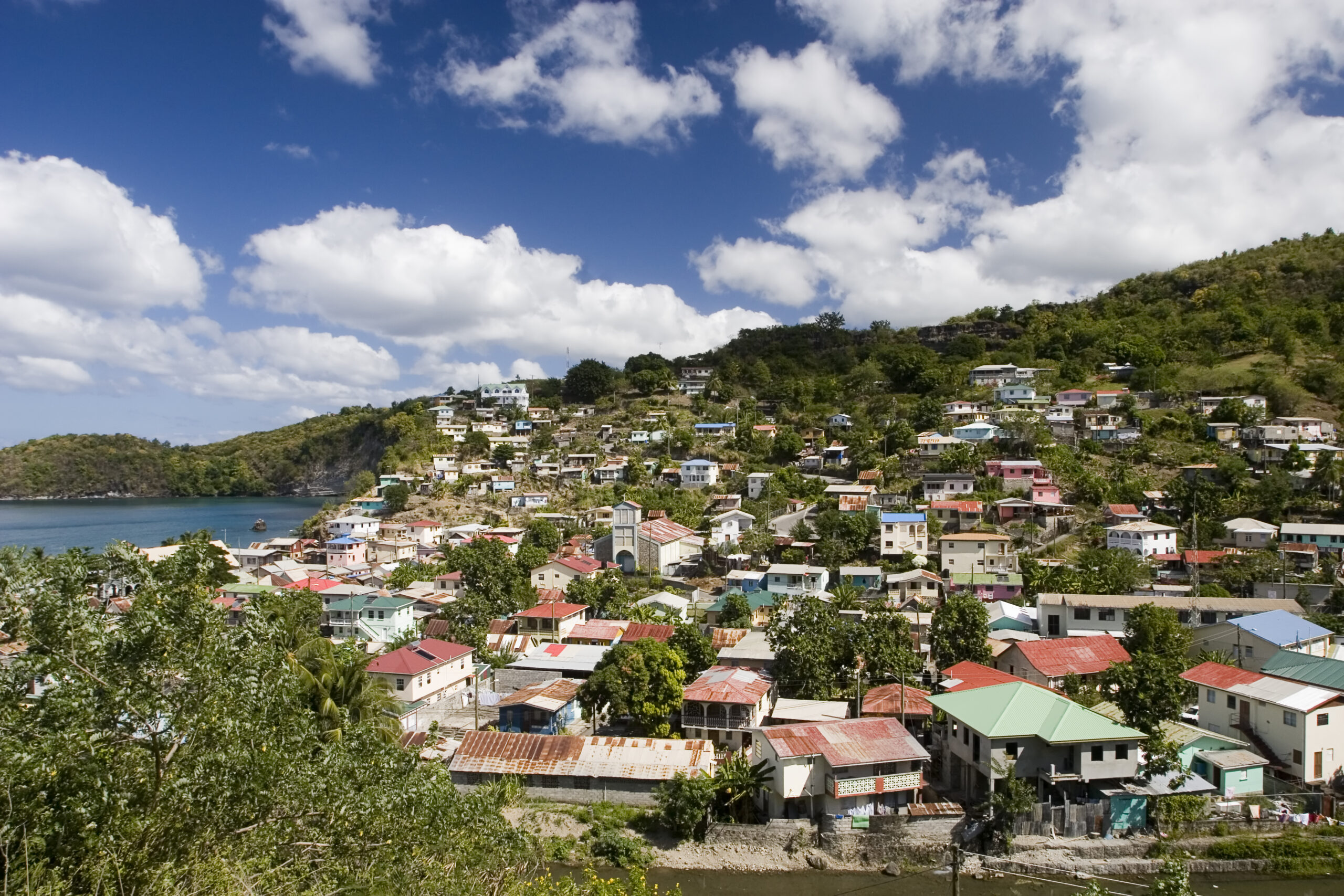
    The collaborative program, dubbed the Caribbean Resilient Infrastructure Implementation and Skills Exchange (RIISE) Facility, was formalized via an agreement between Global Affairs Canada and the United Nations Office for Project Services (UNOPS). Funded entirely by the Government of Canada and operated under UNOPS management, the initiative will roll out first to four target countries: Dominica, Grenada, Saint Lucia, and Saint Vincent and the Grenadines. A dedicated regional secretariat based in Bridgetown, Barbados, will manage incoming support requests from participating governments, coordinate logistics, and mobilize vetted specialized technical expertise to address on-the-ground project bottlenecks.

    Brenda Wills, Canada’s High Commissioner to Barbados and the Eastern Caribbean, emphasized that the new facility aligns with Canada’s long-standing diplomatic and development commitment to bolstering climate resilience across the Caribbean, a region disproportionately vulnerable to the impacts of climate change despite contributing minimally to global emissions. “Canada is proud to support RIISE as part of our longstanding commitment to strengthening climate resilience across the Caribbean,” Wills said. “By helping governments deliver resilient infrastructure more effectively, build local capacity and promote specialised expertise across the region, RIISE will generate lasting benefits for Caribbean communities while deepening the strong ties between Canada and the region.”

    Partners involved in the initiative note that while Caribbean governments have already laid out ambitious national agendas for climate adaptation and resilient infrastructure development, a large share of planned projects struggle to progress past planning stages due to systemic implementation barriers, including limited access to specialized technical skills, gaps in local project management capacity, and fragmented regional knowledge sharing.

    Giuseppe Mancinelli, UNOPS Director for Barbados and Caribbean Coordinator, explained that RIISE was developed directly in response to repeated requests from Caribbean national governments for practical, implementation-focused support that fills gaps left by existing development programs. “Caribbean governments have clear priorities and an ambitious vision for resilient and sustainable development. RIISE will provide timely access to the specialised expertise they need to overcome implementation challenges and turn those priorities into tangible results for communities. At the same time, it will strengthen national capacities and foster greater regional collaboration,” Mancinelli said.

    Unlike many existing climate infrastructure programs that focus primarily on financing or early-stage project planning, RIISE centers its support on the critical implementation phase of projects, working to complement rather than replace existing funding and preparation mechanisms. The facility will deliver customized support aligned with each participating government’s specific needs, including short-term targeted technical advice, temporary deployment of experienced infrastructure specialists, and structured cross-border knowledge and skills exchange programs.

    Participating governments have been advised to engage with the RIISE coordination team early in the project planning process to unlock initial support as the program gets off the ground. The initiative is scheduled for an official public launch on September 14, 2026, during the Caribbean Infrastructure Forum (CARIF) set to take place in Miami.

  • The Old Capital Is Now Tsunami-Ready, What Does That Mean for You?

    The Old Capital Is Now Tsunami-Ready, What Does That Mean for You?

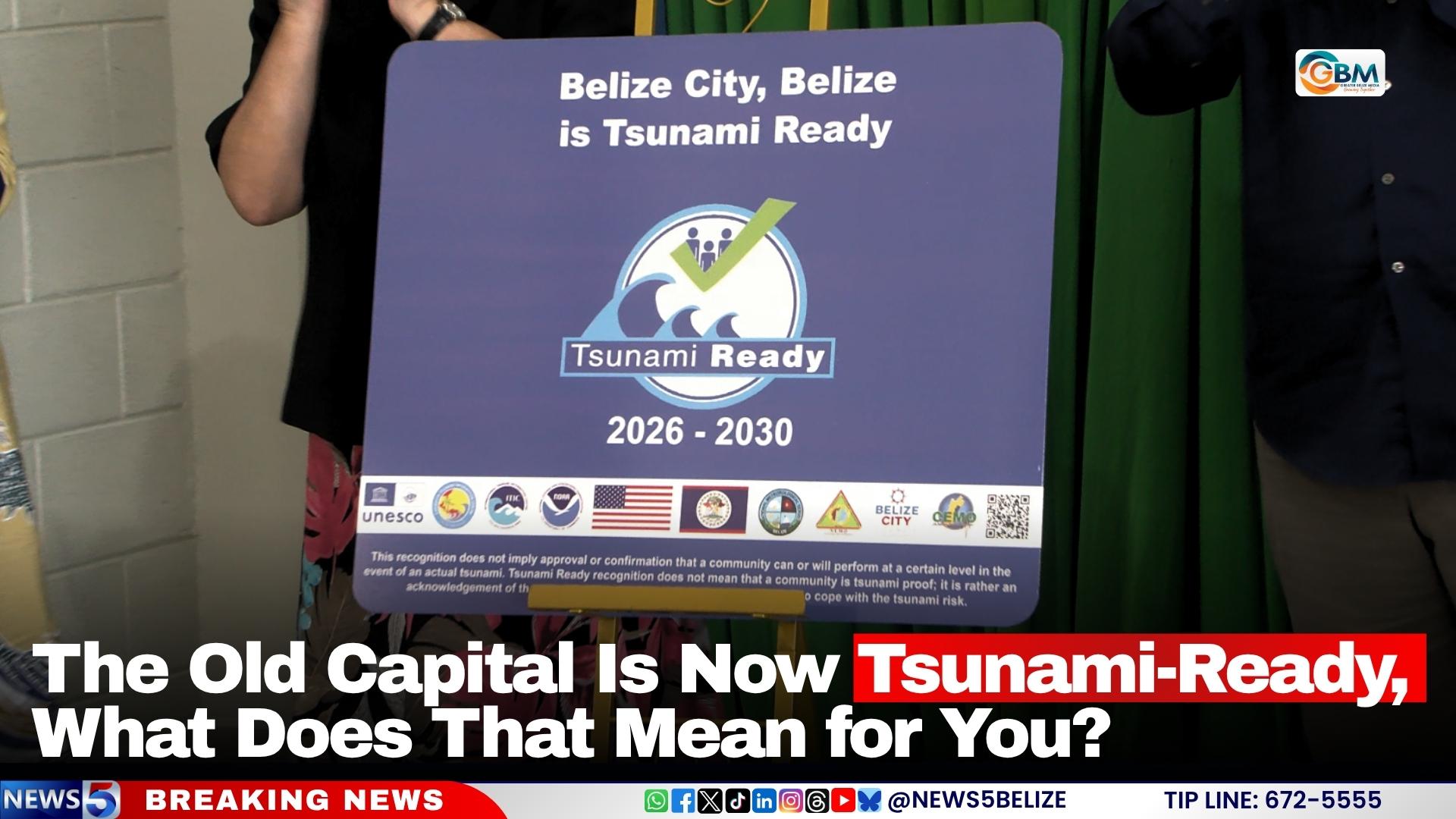
    After nearly eight years of incremental planning, hands-on training, and widespread public outreach, Belize’s former capital city Belize City has formally received the UNESCO Tsunami-Ready designation, marking a major milestone in Caribbean coastal disaster risk reduction. As the 23rd community in the Caribbean region to meet the strict international preparedness standard, the milestone shines a spotlight on Belize’s years-long push to protect its vulnerable coastal population from one of the region’s deadliest natural hazards.

    The journey to recognition has not been smooth. The initiative first launched in 2018, starting with preliminary hazard modeling and the drafting of public evacuation maps, but progress stalled soon after the initial phase. Christa von Hillebrandt-Andrade, Deputy Director of the International Tsunami Information Center-Caribbean Office, explained that the extended delay nearly cost Belize the designation entirely. With U.S. funding for the project set to expire, the international team was prepared to redirect its support to another community that ultimately secured its own Tsunami-Ready status in Belize’s place.

    It was not until 2024 that momentum reignited, when Belize’s national and municipal authorities — including the National Emergency Management Organisation (NEMO), the National Meteorological Service (NMS), and the Belize City Council — restarted collaboration with the U.S. National Oceanic and Atmospheric Administration (NOAA) and the National Weather Service to push the project across the finish line.

    Today, Belize City boasts a completed network of marked evacuation assembly points and clear directional signage installed across all high-risk coastal zones of the city. Henry Charles Usher, Belize’s Minister of Disaster Risk Management, clarified the function of these new gathering points for local residents: Designated staff from the Belize City Council, the City Emergency Management Organization (CEMO), and NEMO will be on site to coordinate crowds and guide evacuees to safe zones during an emergency, though transportation to the final safe areas is not guaranteed to be available for all evacuees.

    Despite the celebratory milestone, both national officials and international partners emphasize that the designation does not eliminate Belize City’s inherent tsunami risk, nor does it mark the end of preparedness work. “This is really just the beginning of the process,” Usher noted. “This is all about continuing to be ready, continuing that community engagement, preparedness, and education and awareness when it comes to tsunami.”

    Looking ahead, the government plans to expand the Tsunami-Ready framework beyond Belize City to build coordinated disaster preparedness across the entire country, with ongoing investment in public education, infrastructure upgrades, and community engagement to keep coastal populations safe as climate change increases the risk of extreme coastal events globally.

  • Flow partners with Grenada Green Group

    Flow partners with Grenada Green Group

    A new collaborative environmental project is taking root across Grenada, Carriacou and Petite Martinique, aiming to cut plastic pollution and embed sustainable habits among young people through a school-centered recycling program.

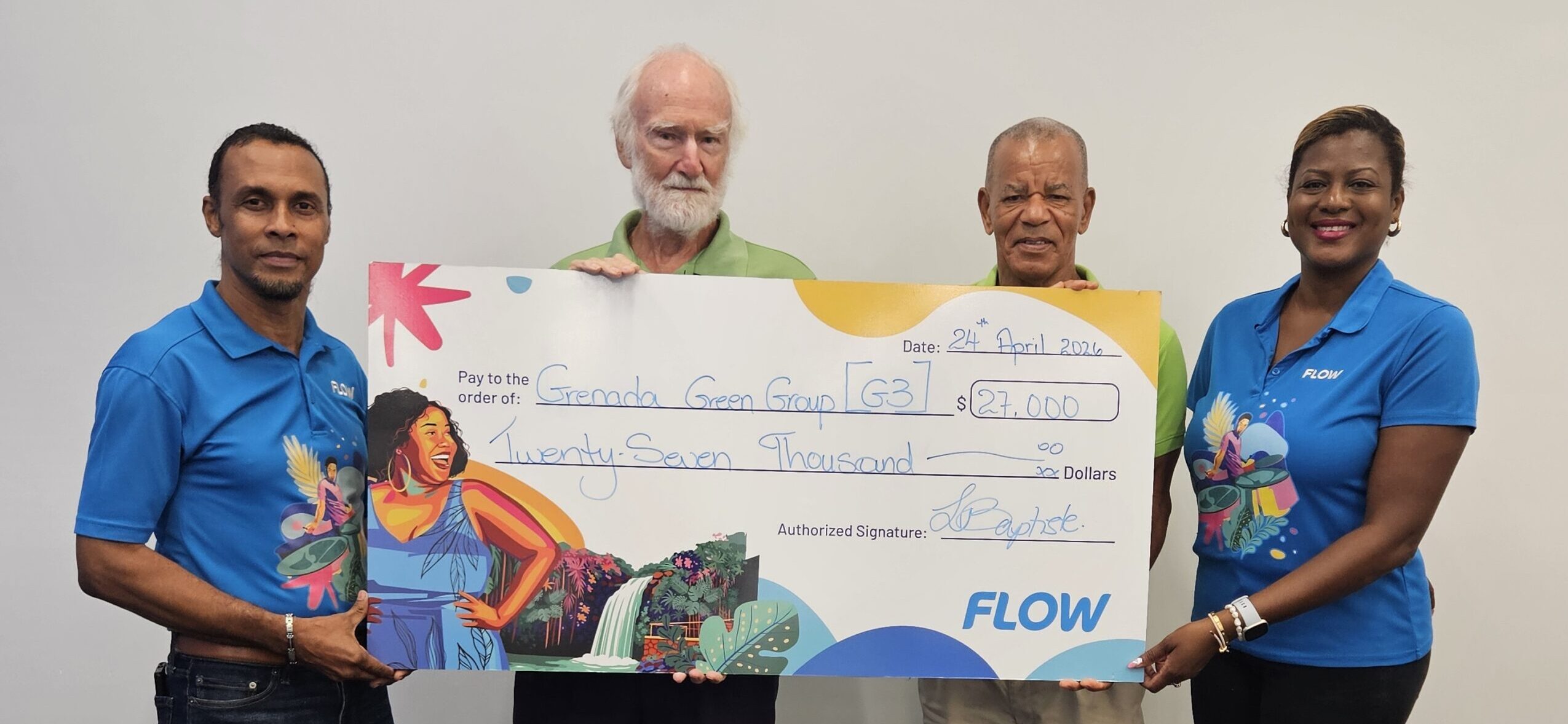
    Flow Grenada, operating with financial backing from the Liberty Caribbean Foundation—the philanthropic branch of parent company Liberty Caribbean—has formally partnered with local environmental advocacy group Grenada Green Group (G3) to deliver the initiative. The partnership marked its official launch with the installation of the first custom-engineered plastic bottle recycling bin at St John’s Christian Secondary School, the first of 10 planned bins that will roll out to secondary schools across the three islands in the coming months.

    Unlike standard waste containers, the custom-designed bins are built to enable efficient, safe collection and sorting of plastic waste, creating a structured system to keep plastic out of community spaces and vulnerable coastal and marine ecosystems. The program will also help alleviate strain on the Perseverance dump, which has long operated beyond its intended capacity to handle Grenada’s growing waste output.

    The Liberty Caribbean Foundation has awarded G3 a $10,000 grant to cover all costs related to the bins’ design, manufacturing, and on-site installation. Beyond the physical infrastructure, the funding also supports extended outreach efforts to boost environmental literacy and teach responsible waste management practices to both students and their surrounding local communities.

    Rose-Anne Douglas-Hughes, Marketing and Communications Executive at Flow Grenada, emphasized that the company’s commitment to community impact extends far beyond its core telecommunications services. “At Flow, connecting communities goes beyond technology. We believe in creating opportunities that inspire positive change,” Douglas-Hughes explained. “Through this partnership with the Grenada Green Group, and with the generous support of the Liberty Caribbean Foundation, we are empowering students to become environmental champions while helping to reduce plastic waste across our islands. Every bottle recycled is one less bottle polluting our communities and marine environment.”

    Founded in 2025, G3 already manages a network of 45 recycling bins across Grenada and Carriacou. The organization’s leadership called the new partnership a major milestone in advancing its mission to build a cleaner, more sustainable nation. The school-focused program is designed to give students direct ownership of environmental stewardship: by participating in regular plastic bottle collection and recycling, and learning about the long-term ecological damage of unmanaged plastic pollution, young people are positioned to drive change beyond the school gates. The initiative also aims to encourage whole families and neighboring communities to adopt more eco-friendly daily habits.

    After the installation at St John’s Christian Secondary School, the remaining nine bins will be placed at partner schools in phases over the coming months. Each participating institution will act as a local environmental ambassador, showcasing how coordinated, small-scale collective action can deliver tangible, long-lasting benefits for the islands’ ecosystems. The collaboration aligns with core institutional priorities for both Flow and the Liberty Caribbean Foundation, which have centered their community investment on expanding access to environmental education, advancing climate and sustainability action, and driving inclusive local development. By empowering a new generation of environmentally aware citizens, partners project the initiative will make a meaningful, lasting contribution to protecting Grenada’s iconic natural landscapes and marine biodiversity for years to come.