分类: environment

  • Surinaamse Brouwerij verdubbelt statiegeld op Heineken 25 cl-retourfles

    Surinaamse Brouwerij verdubbelt statiegeld op Heineken 25 cl-retourfles

    Suriname’s leading brewing company, De Surinaamse Brouwerij N.V., has implemented a major adjustment to its deposit system for returnable packaging, doubling the deposit on 25-centiliter Heineken returnable bottles from 5 Surinamese dollars (SRD) to 10 SRD. The policy change took effect on July 6, 2026, crafted to address growing challenges in the company’s circular packaging system and drive higher rates of empty bottle returns for reuse.

    The brewery explains that the increased deposit is designed to create stronger incentives for consumers, retail vendors, and hospitality businesses to return empty packaging instead of discarding it. By boosting return rates, the company can keep its reuse cycle operational, cut down on the volume of packaging waste entering Suriname’s waste streams, and reduce the need for manufacturing new glass bottles from raw materials.

    Beyond encouraging consumer behavior, the deposit adjustment is framed as a necessary response to mounting industry pressures facing the existing return system. Global supply chain trends have driven up costs for core packaging materials including glass and plastic, while exchange rate fluctuations and persistent shortages of both returnable bottles and crates have stretched the current system’s capacity. Importantly, the price hike only applies to the 25-centiliter Heineken returnable bottle; all other deposit rates for the brewery’s packaging lines remain unchanged.

    The unchanged deposit rates for other products stand as follows: 10 SRD for 100-centiliter Parbo returnable bottles, 50 SRD for 100-centiliter Parbo crates, 10 SRD for 60-centiliter Heineken returnable bottles, and 50 SRD for Heineken crates.

    Surinaamse Brouwerij has emphasized that the adjustment exclusively impacts the deposit value, not the base retail price of the beer itself. Consumers will still receive the full 10 SRD deposit refund when they return the empty 25-centiliter Heineken bottles, meaning the change does not represent a permanent price increase for end users.

    To make the new policy successful, the brewery is calling on all stakeholders—retailers, hospitality partners, and everyday consumers—to implement the new deposit rule correctly and proactively return used packaging. The company notes that a fully functional return and reuse system can only operate if every involved party contributes to the process. With this update, Surinaamse Brouwerij reaffirms its long-term commitment to responsible packaging management and maintaining a stable, reliable return system for the Surinamese market.

  • New Zealand climate-smart agriculture team advances resilience efforts in Dominica

    New Zealand climate-smart agriculture team advances resilience efforts in Dominica

    A high-level technical mission focused on advancing climate-resilient, low-emission farming has wrapped up successfully in Dominica, bringing five days of collaborative work between New Zealand’s Climate Smart Agriculture Initiative and local agricultural stakeholders to a close. Running from June 22 to 26, 2026, the mission was led by Programme Manager Lee Nelson and senior Project Consultant Dr. Julian Hill, operating under the formal project banner *Advancing Climate-Smart Agricultural Practices in Dominica to Increase Production and Mitigate Greenhouse Gas Emissions*.

    This partnership represents a coordinated global effort to cut agricultural greenhouse gas output, and is being executed locally by the Inter-American Institute for Cooperation on Agriculture (IICA) on behalf of Dominica’s Ministry of Agriculture, Fisheries, Blue and Green Economy. Funding comes from the government of New Zealand through its regional Climate Smart Agriculture Initiative (NZCSA-LAC), which contributes to New Zealand’s commitments to the Global Research Alliance on Agricultural Greenhouse Gases (GRA), with administrative oversight handled by the Ag Emissions Centre.

    Per an official statement released by IICA, the visiting delegation held high-level strategic meetings with two key stakeholders: Ryan Anselm, Permanent Secretary of Dominica’s Ministry of Agriculture, Fisheries, Blue and Green Economy, and Her Excellency Linda Te Puni, New Zealand’s Ambassador to the Organization of Eastern Caribbean States (OECS). During these talks, participants reviewed finalized project findings, assessed completed deliverables, and mapped out a clear roadmap for upcoming project activities.

    Permanent Secretary Anselm expressed full backing for all evidence-based recommendations laid out in the project’s final report, and reaffirmed the Dominican government’s long-term commitment to embedding climate-smart agriculture into core national policy frameworks. This includes the country’s landmark Climate Resilience and Recovery Plan and its overarching National Resilience Development Strategy.

    Beyond high-level policy discussions, the mission centered heavily on capacity building for local agricultural actors, with three targeted national workshops delivered over the course of the week. The first of these, a Train-the-Trainer session focused on Land Use and Watershed Management held June 23, covered critical practical topics including soil erosion control, protection of riparian buffer zones, slope stabilization, integration of agroforestry systems, and spatial planning for expanding livestock production without harming local forest ecosystems. Attendees included representatives from Dominica’s Physical Planning department, regional agricultural extension team leaders, and faculty and students from Dominica State College.

    The next day, June 24, was dedicated to direct engagement with working farmers from across Dominica’s diverse agricultural regions. This interactive session opened space for dialogue on accessible, on-farm sustainable practices such as organic mulching, contour planting to reduce runoff, active soil cover management, optimized timing for fertilizer application, and evidence-based improvements to livestock health management.

    A second Train-the-Trainer workshop, focused on sustainable Agricultural Production Systems, followed on June 25. This session delved into advanced practices including split nitrogen fertilizer application to reduce runoff and emissions, on-farm manure composting to cut waste and improve soil health, improved forage production systems for livestock, protected cropping to boost yield and reduce climate risk, precision irrigation monitoring, and farm-level record-keeping protocols for accurate measurement, reporting, and verification of emissions and productivity gains.

    As part of their field visit, the delegation also toured the state-of-the-art Dominica-China Agricultural Science Complex located at the North Agriculture Station in Portsmouth. This cutting-edge facility houses a high-capacity tissue culture laboratory that can produce and hold up to 500,000 disease-free plant seedlings, a dedicated seed storage and national seed bank, a climate-controlled smart greenhouse, controlled plant propagation zones, hydroponic demonstration systems, and active research test plots. As Dominica’s largest centralized seedling production hub, it also functions as a key technology exchange hub and demonstration facility, offering hands-on farmer training in modern seedling propagation and controlled greenhouse cultivation techniques.

    To expand public outreach for the initiative, mission leaders Lee Nelson, Dr. Julian Hill, and Dr. Al-Mario Casimir, the Dominican Ministry of Agriculture’s project focal point, appeared on a national radio program during the visit. The segment allowed the team to share key project outcomes and explain the long-term benefits of climate-smart agriculture to the general public across the country.

    This five-day mission marks the official completion of the project’s core technical assessment and planning phase. Looking ahead, IICA confirmed that the next phase of the project will prioritize scaling up local capacity through ongoing in-country train-the-trainer programs. These programs will equip agricultural extension officers and local farmer leaders with the skills and resources needed to roll out climate-smart farming practices across every agricultural region of Dominica, laying the groundwork for long-term agricultural resilience and lower national greenhouse gas emissions from the sector.

  • Antigua and Barbuda Among CARICOM’s Least Air-Polluted Countries

    Antigua and Barbuda Among CARICOM’s Least Air-Polluted Countries

    New 2023 population-weighted data collected from the Global Burden of Disease Study, run by the Institute for Health Metrics and Evaluation, has mapped fine particulate matter (PM2.5) air pollution levels across 14 member states of the Caribbean Community (CARICOM), revealing clear geographic patterns in air quality that hold more weight than national income levels.

    PM2.5, a category of tiny airborne pollutants small enough to penetrate deep into human lung tissue and enter the bloodstream, poses well-documented long-term risks to cardiovascular and respiratory health. The latest analysis places the entire CARICOM region in the low-to-middle tier of global air pollution rankings, with 2023 average annual exposure levels ranging from 5.3 micrograms per cubic meter in The Bahamas to 21.7 micrograms per cubic meter in Jamaica.

    Small island nations surrounded entirely by open ocean recorded the cleanest air in the bloc. Beyond The Bahamas, Antigua and Barbuda posted an average PM2.5 concentration of 8.4 micrograms per cubic meter, while Saint Kitts and Nevis came in at 8.9 micrograms. Experts attribute these low readings to consistent regional trade winds, which efficiently disperse accumulated particulates out into the open ocean before they can build up to dangerous levels.

    In contrast, the highest pollution levels are concentrated among CARICOM’s larger landmass and mainland economies. Guyana recorded an average of 16.9 micrograms per cubic meter, followed closely by Belize at 16.8 micrograms and Suriname at 15.7 micrograms. Local human activities drive these higher readings: regular agricultural burning, deforestation for land clearing, and growing industrial activity all add significant volumes of PM2.5 to the regional atmosphere. Most other CARICOM member states included in the study fall somewhere between these two extremes.

    When compared to global pollution benchmarks, the CARICOM region’s readings count as moderate. The world’s most polluted nations report annual average PM2.5 levels that exceed 60 micrograms per cubic meter, far above the highest reading recorded in Jamaica. Even so, the analysis confirms a critical public health gap: every single CARICOM member state exceeds the World Health Organization’s strict recommended maximum guideline of 5 micrograms per cubic meter, meaning all regional populations face at least some elevated long-term health risk from poor air quality.

  • Antigua and Barbuda represented by the Department of Environment in Guatemala

    Antigua and Barbuda represented by the Department of Environment in Guatemala

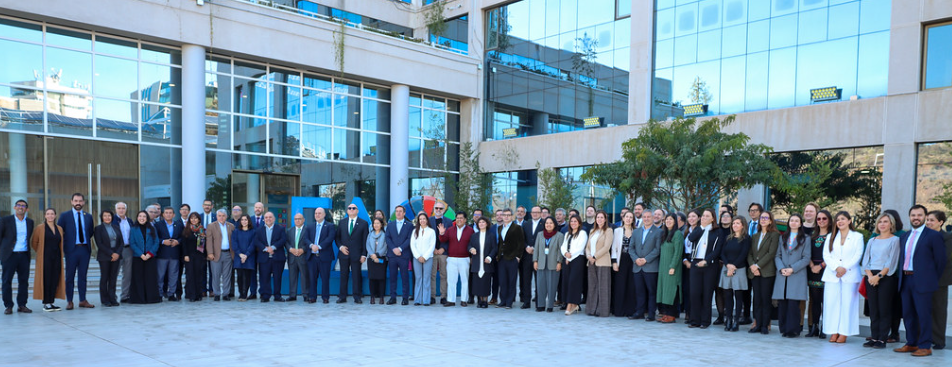
    From July 6 to 8, 2026, the 2026 CGE Hands-on Training Workshop for the Latin America and the Caribbean Region took place in Antigua, Guatemala, gathering climate action specialists from across the region to advance collective capacity for climate transparency under the Paris Agreement. Among the attendees were two representatives from Antigua and Barbuda’s Department of Environment: Anik Jarvis, a data consultant, and Garth Simon, a project technical officer.

    Organized around the central theme “Towards Improved BTRs, with a focus on Adaptation: Exchange of Experience, Good Practices and Lessons Learned,” the workshop was designed to equip national experts with the technical skills needed to draft and submit Biennial Transparency Reports (BTRs) on schedule. These reports are a core requirement of the Paris Agreement’s Enhanced Transparency Framework, which holds countries accountable for their climate commitments and supports global coordination on emissions reduction and resilience building.

    The three-day training curriculum covered a full spectrum of high-priority topics critical to robust BTR preparation. Participants deepened their expertise in documenting climate change impacts and adaptation actions, developing standardized adaptation indicators, designing effective Monitoring, Evaluation and Learning (MEL) systems, reporting on climate-related loss and damage, navigating flexibility provisions for developing nations, drafting targeted improvement plans for future reporting, and engaging properly in the post-submission processes of Technical Expert Review and Facilitative Multilateral Consideration of Progress. The workshop’s hands-on structure also created extensive space for peer-to-peer learning, allowing representatives from different nations to share context-specific challenges and successful local strategies.

    For Antigua and Barbuda, a small island developing state that is disproportionately vulnerable to the adverse effects of climate change, participation in this regional training aligns with ongoing national priorities. The knowledge and skills gained by Jarvis and Simon will directly support the country’s ongoing work to strengthen national climate transparency frameworks, refine adaptation reporting practices, upgrade national climate data management systems, and build long-term institutional capacity to meet future BTR submission requirements. By investing in this capacity building, Antigua and Barbuda is better positioned to access climate finance, communicate its climate action progress to the global community, and advance more effective adaptation planning to protect its communities and ecosystems.

    At the conclusion of the workshop, all participating representatives received official certificates to acknowledge their active engagement in the training program and their contributions to the regional peer-learning exchange.

  • Belize Shifts Into High Gear with Regions First High-end EV Lab

    Belize Shifts Into High Gear with Regions First High-end EV Lab

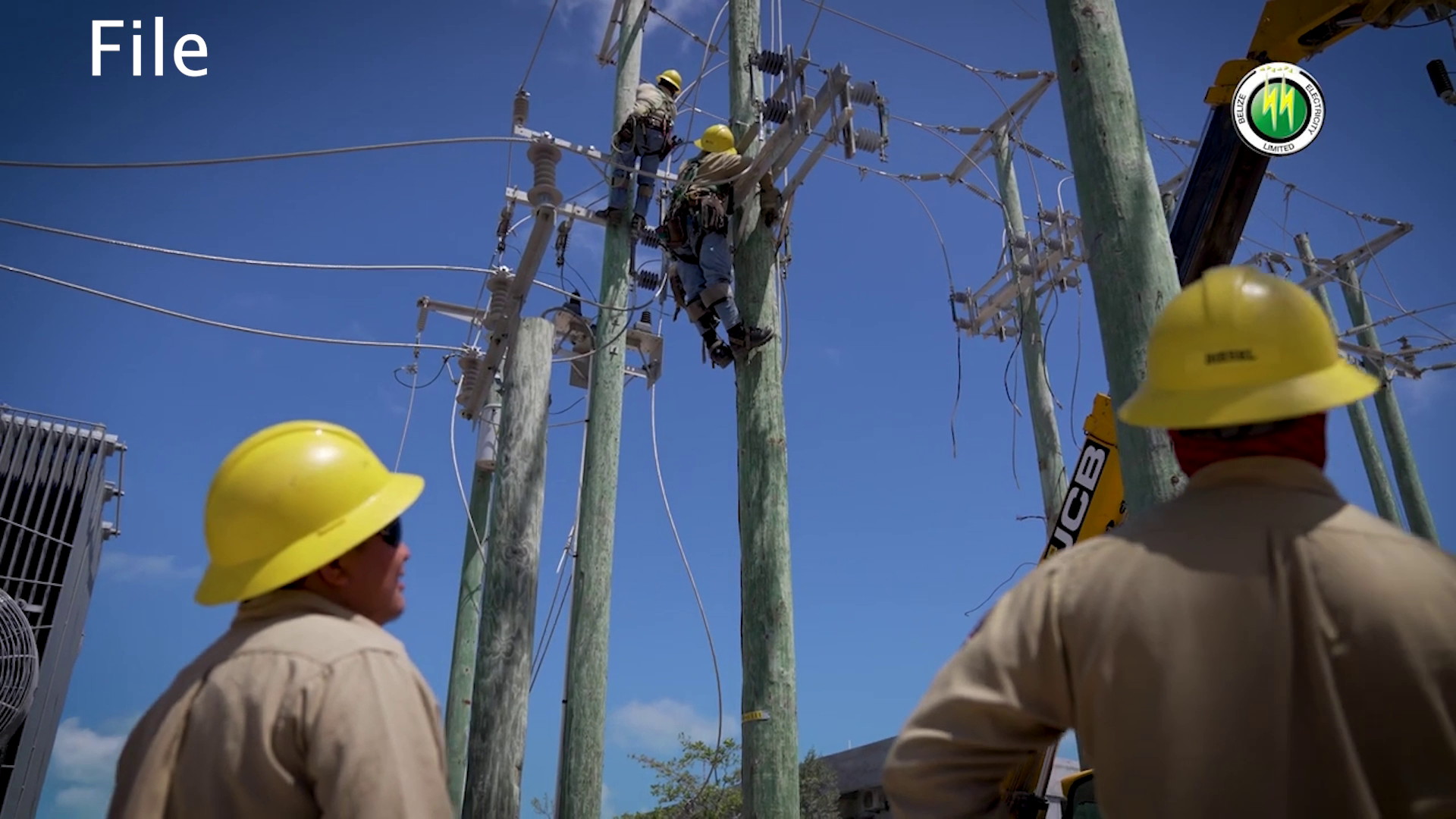
    As electric vehicles slowly become a more common sight on Belize’s roadways, the small Central American nation has taken a landmark step to build a local skilled workforce ready to support the transition to cleaner transportation. On July 8, 2026, the country’s first dedicated Electric Vehicle Laboratory opened its doors at the Institute for Technical and Vocational Education and Training (ITVET) in Orange Walk, marking the completion of the final core component of a European Union-funded e-mobility pilot project overseen by the United Nations Development Programme (UNDP).

    This new facility is far more than a standard workshop: outfitted with $95,000 in cutting-edge diagnostic and training equipment, it is now the most advanced EV technician training hub in the entire Central America and Caribbean region. Unlike traditional automotive training spaces, the lab features purpose-built training tools including a fully functional deconstructed EV test bed that retains all core operating systems for hands-on practice, an EV powertrain simulator that bridges the gap between conventional internal combustion engine training and new EV technology, and a dedicated charging station maintenance trainer to build practical skills in servicing the full EV ecosystem.

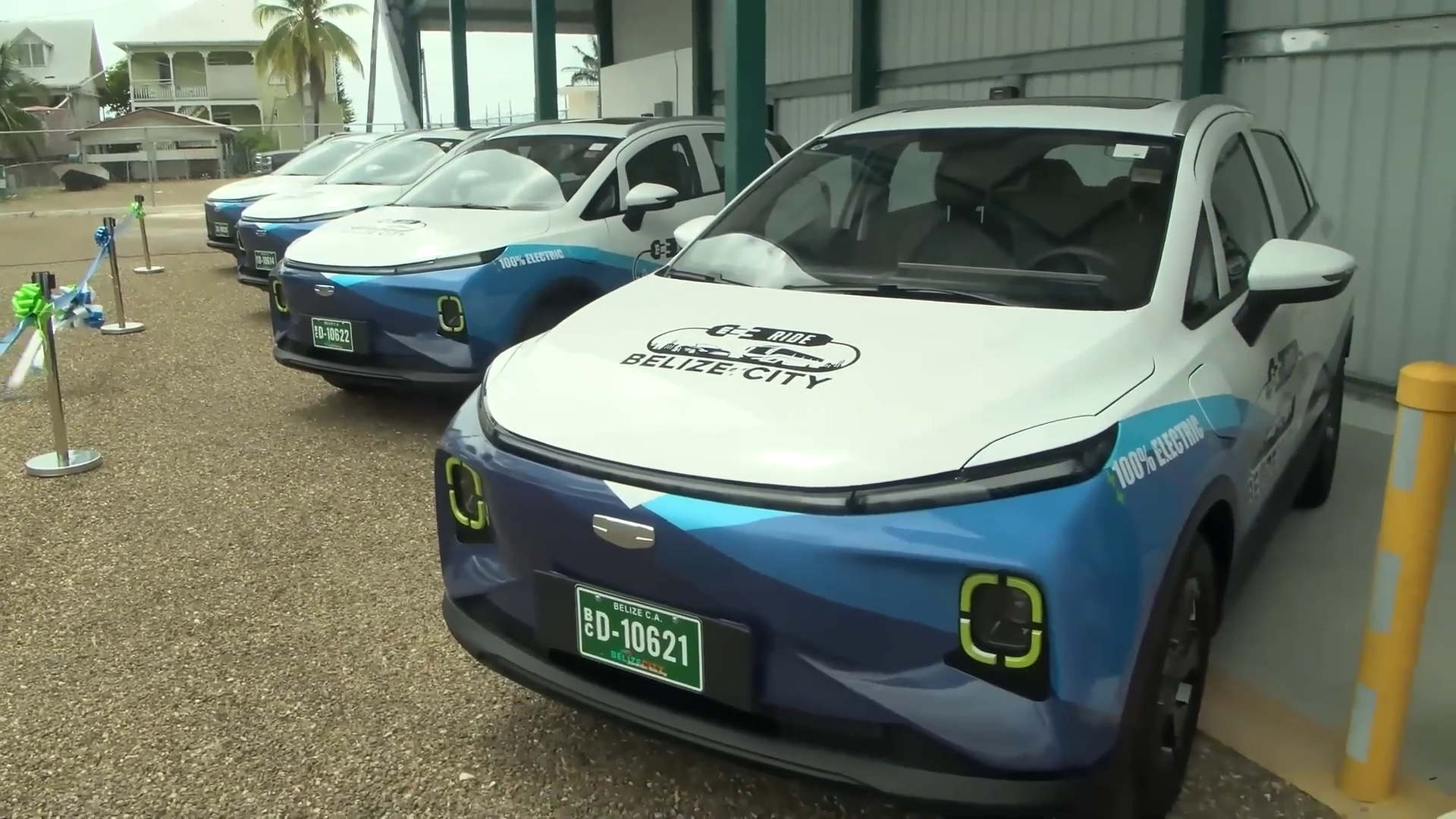
    Prior to the lab’s opening, all EV maintenance and repair work in Belize was handled exclusively by a single private dealership, Caribbean Motors, leaving a critical gap in local capacity as the country expands its electric fleet. The pilot project, which already delivered 5 electric public transit buses for Belize City, installed public charging infrastructure, drafted updated EV regulatory legislation, launched a digital trip planning and payment system, has now addressed that gap with accessible local training. Following the lab’s launch, an initial cohort of 15 Belizean technicians completed a two-day intensive foundational training, and ITVET will integrate permanent EV maintenance courses into its official vocational curriculum starting in September 2026, opening the opportunity for any interested Belizean to upskill for the growing green economy.

    Stakeholders across government and development partners emphasize the opening of the lab comes at a critical moment for Belize’s clean transportation transition. Neil Hall, E-Transit Coordinator for the Belize City Council, noted that the facility solves one of the most common barriers to widespread EV adoption among consumers: consumer uncertainty about access to affordable, local repair services. “For most people considering buying an electric vehicle, the first question is who will fix it if something breaks,” Hall explained. “This lab removes that barrier entirely.” The training will also directly benefit the Belize City Council’s own municipal EV fleet, allowing in-house technicians to upgrade their skills and service the fleet locally rather than relying on external support.

    Technical Training Specialist Arnaud Delvaux, one of the 16 international and local trainers supporting the program, highlighted that the lab’s equipment brings region-leading capability to Belize. “Right here in Orange Walk, you have the most advanced state-of-the-art EV training system in the whole of Central America and the Caribbean,” Delvaux said, noting that the hands-on simulators and test beds allow trainees to build practical experience without the safety risks of working on live, high-voltage vehicle systems.

    UNDP Deputy Resident Representative Michael Lund explained that the lab’s opening brings the initial multi-year e-mobility pilot project to its final phase. The pilot has already delivered on all its core commitments: electric transit buses, public charging infrastructure, updated policy frameworks, digital mobility tools, and now local workforce training to sustain the transition. “As the pilot project winds down, we have laid the foundational infrastructure and capacity to grow e-mobility across the country,” Lund said. “Now we look to government and additional private and public partners to build on this foundation and push the transition forward.”

  • The Rise of EV Mechanics in Belize?

    The Rise of EV Mechanics in Belize?

    Belize’s ongoing transition to electric mobility has hit a landmark milestone, with the official opening of the country’s first dedicated Electric Vehicle Laboratory at the Orange Walk Institute of Technical and Vocational Education and Training (ITVET). Built to address a critical gap in the nation’s EV ecosystem, the new facility will develop a skilled local workforce capable of servicing the growing fleet of electric passenger and public transit vehicles across the country.

    Fifteen local trainees have already completed an intensive two-day introductory training course at the lab, with full formal programming set to launch this coming September. The upcoming curriculum will cover core EV industry skills, ranging from advanced diagnostics and routine maintenance to complex repair work for all types of electric vehicles.

    The $95,000 facility, stocked with specialized industry-grade equipment, was made possible through funding from the European Union, with implementation led by the United Nations Development Programme (UNDP). Michael Lund, Deputy Resident Representative for the UNDP, explained that the training lab marks the final component of a broader national electric transit pilot project that has already delivered tangible results across Belize. “This project has delivered city buses for Belize City, new inter-district electric buses, installed a network of public charging stations, supported the development of updated EV-related legislation… and now it completes the ecosystem with workforce training,” Lund noted.

    For many prospective EV buyers in Belize, a persistent barrier to adoption has been uncertainty around access to qualified repair and maintenance services. Neil Hall, E-Transit Coordinator for the Belize City Council, emphasized that the new lab directly resolves this top consumer concern. “The biggest question on people’s minds when considering an electric vehicle is always, ‘If something breaks, who will fix it?’ This facility completely eliminates that worry,” Hall said.

    Prior to the lab’s opening, all EV servicing across Belize was almost exclusively handled by a single private provider, Caribbean Motors, leaving much of the country underserved for maintenance support. The new training initiative aims to spread specialized EV expertise to communities across every district, creating a decentralized, accessible support network that can accommodate projected growth in EV ownership over the coming years.

  • LBB en ACT Guianas versterken bescherming zeeschildpadden op Braamspunt

    LBB en ACT Guianas versterken bescherming zeeschildpadden op Braamspunt

    Two leading environmental organizations in Suriname have formalized a new collaborative agreement to ramp up conservation efforts for vulnerable sea turtles and fragile coastal habitats across the country. The Suriname Forest Service (Dienst ‘s Lands Bosbeheer, LBB) and the Amazon Conservation Team Guianas (ACT Guianas) signed the cooperation protocol on July 8, marking the start of targeted on-the-ground conservation work that will launch immediately.

    Acting head of LBB Romeo Lala emphasized that the new partnership creates a structured framework to expand existing sea turtle protection work by uniting the resources, expertise, and local connections of both organizations alongside community stakeholders. Minu Parahoe, regional director of ACT Guianas, described the signing as the foundation for deeper long-term collaboration, noting that the initiative will build on proven conservation strategies ACT has successfully deployed in other Guiana Shield countries.

    The first concrete milestones of the partnership are already on track to be realized in the coming days at Braamspunt, one of Suriname’s most critical sea turtle nesting sites. A permanent field outpost will be opened there to serve as the central hub for all monitoring, coordination, and protection activities throughout the 2026 sea turtle nesting season. In addition to the field post, teams will complete the setup of a dedicated hatchery designed to protect at-risk nests that are threatened by ongoing coastal erosion, seasonal flooding, and human disturbance.

    This specialized hatchery will prioritize nests of the critically endangered aitkanti (olive ridley) sea turtle, a species whose Braamspunt nesting habitat is under extreme pressure from constant shifting of the local coastline, driven by natural geomorphological processes. Several weeks ago, the first batch of collected aitkanti eggs was already transferred to a temporary controlled incubation facility managed by Suriname’s Nature Management department. After roughly 60 days of development under regulated conditions, the newly hatched baby sea turtles will be released onto the sands of Braamspunt to begin their journey to the Atlantic Ocean.

    ACT Guianas’ involvement in this project is part of its broader regional conservation initiative called *Ancestral Tides*, which operates across coastal areas of the Guiana Shield and other regions where the organization works. The program integrates rigorous scientific monitoring, meaningful engagement of Indigenous and local coastal communities, and hands-on protection measures to reverse population declines of threatened sea turtle species. Both organizations report that this combined approach has already delivered measurable results in other regions, including higher nest survival rates and increased odds of juvenile sea turtles reaching maturity. The model will be adapted to the unique ecological conditions of Suriname’s coast for local implementation.

    The entire Guiana Shield coastline, stretching from Guyana’s Shell Beach through Suriname to French Guiana, is recognized as one of the most geodynamically active coastal systems on Earth. Constant tidal action and sediment carried downstream from the Amazon Basin create continuous change: mudflats, mangrove forests, and sandy nesting beaches shift constantly, eroding in some areas and accumulating new land in others. While this dynamic process is natural, it has put Braamspunt, a primary aitkanti nesting ground in Suriname, at heightened risk, with large sections of nesting beach eroding away in recent years.

    LBB and ACT Guianas acknowledge there is no simple fix for these natural geomorphological changes. For as long as Braamspunt remains a key nesting site for threatened sea turtle populations, the two organizations will continue their coordinated efforts to safeguard nests, boost juvenile survival rates, and protect the broader coastal ecosystem that supports these iconic marine species.

  • From pathways to investment: Tackling the US$6 billion food challenge for the Caribbean

    From pathways to investment: Tackling the US$6 billion food challenge for the Caribbean

    For decades, Caribbean nations have grappled with a deep-seated structural crisis that extends far beyond agricultural policy: a food system that leaves the region among the most food import-dependent on Earth, draining more than $6 billion annually from regional economies while failing to deliver basic food security and public health for local populations. As Small Island Developing States (SIDS), Caribbean countries face overlapping cascading risks that have turned food system fragility into a core barrier to long-term sustainable development. Persistent food insecurity, sky-high rates of diet-related non-communicable diseases, extreme climate vulnerability, and constant exposure to global supply chain shocks that can send food prices soaring overnight are not isolated issues – they are interconnected symptoms of a system in need of wholesale transformation.

    Today, regional leaders have redefined food security as a cross-cutting priority that touches every pillar of national progress: it is no longer simply an agricultural concern, but a foundation of economic resilience, public health, climate adaptation, and inclusive sustainable growth. Recognizing this urgent reality, Caribbean governments through the Caribbean Community (CARICOM) have elevated food systems transformation to a top regional agenda via the 25 x 25 Plus Five Initiative, which targets reduced reliance on food imports while bolstering domestic production, cross-regional food trade, and overall system resilience. Individual nations across Barbados and the Eastern Caribbean have followed this with tailored National Food Systems Pathways, mapping out the specific investments, cross-sector partnerships, and policy overhauls required to realign local food systems with global Sustainable Development Goals.

    But for all this policy progress, one critical bottleneck has continued to block large-scale change: accessible, sufficient financing. Faced with historically high public debt levels and severely constrained fiscal space, Caribbean governments cannot bear the full cost of transformation alone – even as public investment remains an indispensable anchor for the work. Scaling up systemic food system change requires a massive influx of new capital that combines public resources, development finance, and dramatically expanded private sector investment. This gap was the core impetus for a landmark investment forum recently convened in Barbados, which brought together a diverse coalition of stakeholders: national governments, institutional investors, multilateral financial bodies, private sector leaders, regional governance groups, and United Nations agencies, all united around a single groundbreaking premise: food systems should be framed not just as a global development priority, but as a viable, high-impact investable asset class.

    What set this gathering apart from traditional development conferences was its unwavering focus on unlocking private capital – specifically private equity, impact investment, and blended finance structures designed to support small and medium enterprises and build critical infrastructure across every segment of regional food value chains. By connecting growth-starved local food businesses with patient capital and matching investors to scalable, bankable opportunities, the initiative aims to unlock new financing that complements rather than replaces public investment, avoiding further strain on overstretched government balance sheets.

    A landmark deliverable from the forum was the launch of a regional investment Deal Book, which aggregates roughly $320 million in ready-to-explore investment opportunities across seven Caribbean countries. Opportunities span the full food system: from traditional agriculture and artisanal fisheries to value-added agro-processing, cold storage and distribution logistics, and strategic climate-resilient food system infrastructure. The Deal Book serves as a tangible, practical bridge between investors searching for high-impact emerging market opportunities and Caribbean food sector projects searching for the capital to scale, while creating structured pathways for direct engagement between governments, local enterprises, and global and regional investors.

    Initial outcomes from the forum have already exceeded expectations, with tangible progress recorded across four sector-specific deal rooms. Participants dove deep into investment-ready and near-investment-ready projects, collaboratively designing blended finance structures, risk-sharing agreements, and cross-stakeholder partnerships to move projects from planning to implementation.

    Beyond immediate transaction progress, the forum marked a critical shift in regional and global perspective: food systems are now increasingly recognized as strategic drivers of economic diversification, national resilience, global competitiveness, and inclusive growth. Targeted investments across production, processing, logistics, and last-mile distribution will not only strengthen regional supply chains and reduce exposure to external price shocks – they will also spawn new small businesses, generate much-needed formal employment, and improve public health outcomes across the region.

    For the United Nations, the forum reinforced a key lesson about driving systemic change: transforming food systems cannot be achieved through siloed technical work from individual UN agencies. It requires integrated, cross-sector solutions that connect agriculture, nutrition, public health, climate resilience, trade policy, private sector development, and financing into a unified effort. The UN Resident Coordinator System plays a uniquely valuable role in this kind of collective work, uniting disparate capabilities across the UN development system around a shared regional priority.

    In Barbados and the Eastern Caribbean, the UN Resident Coordinator Office (RCO) has already aligned the full range of UN system expertise behind the regional food systems transformation agenda. Working closely with the Food and Agriculture Organization (FAO), the World Food Programme (WFP), the UN Food Systems Coordination Hub, and a range of local and international partners, the RCO has helped align policy support, technical assistance, cross-sector partnerships, and financing pipelines with the priorities that national governments have identified themselves.

    The Barbados forum showcased the power of this integrated, convening-led approach, bringing all relevant stakeholders around the table toward a shared goal. It also highlighted the UN’s unique comparative advantage as a trusted, neutral broker that can bridge gaps between national development priorities and global investment capital.

    As stakeholders emphasize, the true success of the forum will not be measured by the number of dialogues held, but by the volume of investment ultimately mobilized, the number of local food businesses expanded, and the progress delivered toward building resilient, competitive, and food-secure systems across the entire Caribbean. Its most important legacy may therefore be the work that unfolds in the months and years ahead. The hard work of turning commitments into impact starts now.

    This commentary is written by Kenroy Roach, Head of the UN Resident Coordinator Office for Barbados and the Eastern Caribbean.

  • Agriculture ministry hosts disaster damage assessment training to strengthen sector resilience

    Agriculture ministry hosts disaster damage assessment training to strengthen sector resilience

    As a small island developing state highly vulnerable to the growing frequency and intensity of climate-driven natural disasters, Dominica is taking a proactive step to reinforce its agricultural sector’s ability to withstand and recover from extreme weather events. The nation’s Ministry of Agriculture, Fisheries, Blue and Green Economy has launched a two-day specialized training initiative focused on building technical capacity for agricultural damage assessment before and after disaster events.

    Held on July 7 and 8 at Prevo Cinemall in the capital city of Roseau, running from 8:30 a.m. to 3:30 p.m. daily, the Pre- and Post-Disaster Damage Assessment Training Programme forms a core component of the government’s long-term strategy to shore up disaster preparedness and boost long-term resilience across the country’s agricultural landscape. According to an official press release from the Ministry, the training is delivered under a broader technical assistance project titled ‘Enhancing the Sustainability and Resilience of the Agriculture Sector in the Commonwealth of Dominica.’

    This larger resilience-building project receives financial backing from the Caribbean Development Bank (CDB) through the bank’s Caribbean Action for Resilience Enhancement (CARE) Programme. The CARE Programme itself is funded by the European Union, operating under the African, Caribbean and Pacific–European Union Disaster Risk Reduction Programme, a regional framework designed to reduce climate and disaster vulnerability across participating nations.

    The core objective of the training is to upskill technical officers who lead disaster preparedness, emergency response, and post-disaster recovery work across the agricultural sector. Participants drawn from a wide cross-section of national stakeholders have been invited to take part, including representatives from multiple government ministries, statutory organizations, national emergency response agencies, private sector actors, local farmer organizations, and other entities involved in Dominica’s national disaster risk management ecosystem.

    Over the course of the two-day program, attendees receive hands-on, practical training in standardized industry methodologies for assessing disaster-related agricultural damage and production losses. The curriculum also covers critical skills including field data collection and analysis, compilation of formal damage assessment reports, and application of assessment data to develop evidence-based post-disaster recovery plans. Beyond individual skills development, the initiative is designed to strengthen institutional preparedness and improve inter-agency coordination between government bodies and non-government partners.

    Ministry officials emphasized that improved coordination and standardized assessment practices will enable more timely, data-driven decision-making in the aftermath of natural disasters, a key improvement that will ultimately support faster, more effective recovery for farming communities and the broader sector. In the long term, the capacity building is expected to contribute to systemic, sustained improvements in the agricultural sector’s ability to adapt to and withstand disaster shocks.

    The Ministry reaffirmed its ongoing commitment to strengthening the country’s national capacity to anticipate, prepare for, respond to, and recover from natural climate hazards. It noted that continuous investment in targeted training and strategic multi-stakeholder partnerships is a critical driver of progress toward building a more resilient, sustainable, climate-smart agricultural sector for all of Dominica.

  • Banco Popular launches Gnial cards made with plastic recovered from Dominican coast

    Banco Popular launches Gnial cards made with plastic recovered from Dominican coast

    In a landmark step that merges mainstream finance with ocean conservation, Banco Popular Dominicano has unveiled an innovative sustainability initiative that turns coastline plastic waste into everyday payment cards. The country’s leading banking institution announced this week that its popular Gnial line of credit and debit cards will now be manufactured exclusively from plastic retrieved from the shorelines of Sánchez, a coastal community in the Samaná province, through a formal collaboration with global environmental nonprofit Parley for the Oceans.

    This project is not an isolated corporate gesture, but a core component of the bank’s long-term corporate sustainability strategy. By integrating circular economy principles directly into its consumer financial products, Banco Popular is aiming to close the plastic waste loop while amplifying the community-led plastic collection and recycling programs already operating across Dominican coastal regions. The model puts discarded ocean-bound plastic back into productive use, keeping harmful waste out of marine habitats and supporting local livelihoods tied to coastal conservation work.

    Beyond the card manufacturing innovation, the bank has introduced a complementary giving program to accelerate ocean protection efforts across the country. Cardholders will have the option to donate their accumulated Popular Miles rewards points to fund local initiatives focused on coastal ecosystem protection and plastic pollution reduction. To maximize the impact of individual contributions, Banco Popular has partnered with the Caribbean Biodiversity Fund (CBF), which will match every donation through the Marena Fund — effectively tripling the total resources directed to on-the-ground ocean conservation projects.

    Christopher Paniagua, chief executive officer of Banco Popular Dominicano, emphasized that the new initiative reimagines what consumer banking products can achieve. The reimagined Gnial cards, he explained, successfully combine accessible financial innovation with intentional environmental responsibility, turning plastic waste that once threatened Dominican shorelines into a widely used everyday banking tool that drives further conservation action.