In a response to growing public health and environmental concerns, the Belize City Council has mobilized specialized harvesting equipment to clear massive accumulations of invasive sargassum seaweed that has choked the shoreline at Sand Lighter’s Promenade, scheduled July 13, 2026. What once was considered an unpleasant odor nuisance has escalated into a major municipal cleanup challenge, as the trapped seaweed builds up in a natural cove that acts as a catchment basin, leaving ocean currents unable to flush the vegetation out to open water. According to Belize City Council Assistant Engineer Ramon Menjivar, the frequency of sargassum washing ashore has increased sharply in recent months, turning occasional incidents into a consistent hazard that demands urgent municipal intervention. “This is a very toxic, smelly material that it can even be detrimental to our health,” Menjivar explained in an on-site interview. “As the governing body for the city, we have to respond to all and any emergencies, and this is a major deposit that requires immediate action.” While the specialized sargassum harvester has proven efficient and fast at gathering the floating seaweed from coastal waters, the unique landscape of the promenade prevents crews from loading the vegetation directly onto trucks from the water. Instead, collected sargassum is first brought onto the shore, then transported to the city’s municipal landfill. At the disposal site, crews will spread the seaweed in a thin layer ranging from 6 to 8 inches thick, allow it to fully dry in the open air, then cover it with fill to eliminate odor and prevent runoff contamination. The current operation is framed as an immediate emergency response, as city officials continue researching and developing longer-term, sustainable solutions for recurring sargassum inundations that have impacted Belize’s coastal areas. This news report is adapted from a transcribed evening television broadcast, with all statements rendered accurately from original remarks.
分类: environment
-

Jaguar Cub Video Renews Calls to Respect Protected Wildlife
In late 2026, a recently circulated viral video filmed in Belize’s protected Mountain Pine Ridge reserve has reignited urgent conversations about ethical wildlife interaction and enforcement of protected area rules, after footage showed a group of men cornering, approaching and making physical contact with a young jaguar cub. While many viewers who shared the clip framed the encounter as a once-in-a-lifetime, thrilling close-up experience with an elusive big cat, conservation leaders and wildlife experts have pushed back strongly, warning that the irresponsible actions seen in the footage put both the humans and the extremely vulnerable young animal at severe, potentially fatal risk. Jaguars, a species of high conservation concern across Central America, are granted full legal protection under Belizean national legislation, which requires all visitors to natural habitats to observe wild animals only from a safe, non-intrusive distance. To unpack the full scope of dangers posed by this interaction, local media spoke with Dr. Celso Poot, a respected wildlife ecologist and managing director of the Belize Zoo, who has decades of experience working with jaguars in captive and wild settings. Dr. Poot explained that wild jaguar mothers react to threats to their cubs the same way any parent would: any human approaching a newborn cub is immediately perceived as an aggressor, raising the immediate risk of a lethal defensive attack from the nearby mother, who would not distinguish between human intruders and other predatory threats. Beyond the immediate safety risk to the men involved, Dr. Poot emphasized that the encounter inflicted severe, potentially long-lasting physiological harm to the young cub, which his team estimates was only two weeks to one month old—one of the most vulnerable life stages for the species. “Wildlife professionals who handle young jaguars for research or conservation follow strict, carefully designed protocols to minimize stress, but these untrained members of the public had no regard for that,” Dr. Poot noted. He explained that extreme stress triggered by human handling can lead to a life-threatening condition called capture myopathy, where elevated stress hormones cause muscle rigidity and organ damage that can kill an affected animal even days after the encounter. “Just like humans, when an animal faces a life-threatening fright, it takes significant time to recover, if it recovers at all,” he added. While Dr. Poot was able to debunk the common myth that human scent on a cub will automatically lead the mother to abandon her young, he did note that replacing the mother’s natural scent with human odors removes a key layer of protection, leaving the cub more vulnerable to predators in the jungle. The incident has prompted conservation organizations across Belize to renew calls for better visitor education in protected areas, stricter enforcement of wildlife distance rules, and greater public awareness of how seemingly harmless “up close” wildlife encounters can have irreversible consequences for protected species. This public outcry comes as Belize works to maintain its position as one of the last strongholds for healthy jaguar populations in Central America, where habitat loss and human-wildlife conflict remain persistent threats to the species’ long-term survival.
-

Floodwaters Moving Rapidly Toward Belize River Valley
In an unexpected development that has upended typical flood patterns in the region, floodwaters originating in western Belize are advancing toward the Belize River Valley at a pace far faster than initial projections, according to top water management officials.
Chief Hydrologist Tennielle Hendy confirmed that local communities are already grappling with the early impacts of the advancing flood surge as of July 13, 2026. Current monitoring data shows that the river at Double Run, a community located downstream closer to Belize City, has already hit bank-full capacity, while the water line at nearby Bermudian Landing is rapidly approaching the full bank stage. “The entire Belize River Valley is already recording elevated river levels,” Hendy explained in an official briefing. “Our most recent update puts Bermudian Landing just shy of bank-full capacity, while Double Run further downstream has already hit that threshold. The flood surge is clearly moving downstream, and communities are already seeing the effects.”
Hendy emphasized that the flood event is far from reaching its peak, noting that water levels at the upstream More Tomorrow monitoring site remain dangerously elevated, hovering around 10 meters. This sustained high volume means additional floodwater will continue to drain into the Belize River system in the coming days, prolonging the risk for downstream communities.
One of the most striking deviations from typical flood events in the region is the unprecedented speed of the current surge, Hendy added. Under normal flood conditions, water originating from the More Tomorrow area takes roughly three full days to travel to the Belize River Valley. During this event, however, measurable rises in river levels were detected downstream in just 24 hours – a three-fold increase in speed that has caught forecasters off guard.
This deviation from established patterns means residents cannot rely on historical flood timelines to prepare, Hendy warned. “This event does not follow predictable timeframes; it is moving a bit faster,” she said, urging households across the valley to adjust their emergency preparedness plans accordingly.
Hendy also addressed growing public concern over Crooked Tree Village, another community at risk from the rising waters. She urged residents of the village to maintain a high state of alert as water levels continue to climb across the region. That said, current hydrological forecasts indicate the village’s main causeway – a critical connection for residents – will likely remain passable through the peak of the flood event.
-

Belize City Declares Sargassum Emergency as Seaweed Piles Up to 20 Inches Deep
In July 2026, Belize City is confronting an unprecedented environmental crisis as massive piles of invasive sargassum seaweed have choked the city’s popular waterfront, prompting municipal officials to move forward with a declaration of a high-priority environmental emergency. An official engineering assessment released by the city government confirms that the volume of accumulated seaweed far outpaces the capacity of natural tidal action to clear the shoreline on its own, triggering urgent calls for a coordinated, funded response to mitigate cascading public health, ecological and economic harms.
City Engineer Floyd Williams laid out the full scope of the crisis in a formal situation report (SITREP) submitted to Mayor Bernard Wagner, which focuses on the heavily impacted Sandlighter’s Promenade and surrounding coastal areas. Williams’ inspection team documented sargassum accumulation depths ranging from 4 inches to a shocking 20 inches across the affected waterfront stretch. As the thick seaweed masses begin to decompose, they have already begun releasing toxic hydrogen sulfide that creates overwhelming offensive odors along the popular public shoreline. Inspectors also found significant volumes of human-made debris, including plastic waste and glass bottles, trapped within the sargassum mats, and confirmed that the dense buildup has severely restricted nearshore water circulation.
A key finding from the assessment notes that between 70 and 80 percent of the total sargassum biomass is located beyond the city’s existing seawall, with the thickest deposits forming directly adjacent to the structure and thinning gradually as the mats extend out into open water. Without immediate, large-scale intervention, Williams warns the city will face compounding risks that stretch across multiple sectors. For public health, the rotting seaweed will drive sharp increases in fly and mosquito populations alongside persistent foul odors that make the waterfront uninhabitable for visitors. Ecologically, the decomposition process will deplete oxygen levels in nearshore waters and degrade water quality, threatening native marine species that inhabit the coastal ecosystem. Economically, the crisis poses a major threat to Belize’s core tourism sector: the sargassum creates an unappealing visual blight on one of the city’s most valuable public waterfront assets, and will eliminate recreational opportunities that draw both local residents and international visitors.
Looking ahead, regional oceanographic forecasts predict additional waves of sargassum will make landfall along Belize’s coast over the coming months, leading Williams to frame the current event not as a one-time disaster, but as the start of an ongoing seasonal challenge that requires long-term planning. His report formalizes the recommendation that the Belize City Council officially classify the sargassum buildup as a High Priority Municipal Environmental Incident, and approve a two-phase Emergency Sargassum Management Programme to address the crisis.
The proposed cleanup strategy is designed to minimize disruption to the Sandlighter’s Promenade and speed up removal operations. In the first phase, local commercial fishermen will deploy vessels and floating containment nets to corral the sargassum mats offshore and maneuver them toward the seawall. In the second phase, a long-reach excavator will load the concentrated seaweed directly into dump trucks for offsite disposal, cutting down on cleanup time and avoiding damage to the promenade’s infrastructure.
The emergency removal operation carries an estimated price tag of BZ$170,000, and a year-round seasonal maintenance program to address recurring sargassum events brings the total projected budget for the program to between BZ$250,000 and BZ$250,000. Beyond the cleanup plan, the engineering report also recommends establishing a dedicated dedicated funding stream for future sargassum seasons, formalizing partnerships with local fishing communities, and coordinating response efforts with national government agencies to streamline the response.
In a show of regional support, the Hol Chan Marine Reserve has already offered the use of its purpose-built sargassum harvester to assist Belize City’s cleanup efforts for a cost of BZ$10,000. Mayor Wagner has welcomed the offer, as the city grapples with a volume of sargassum that local leaders describe as unprecedented in modern records.
-

UN agency warns of impact of El Niño conditions
As communities across the globe prepare for the disruptive and dangerous impacts of the 2026 El Niño weather pattern, a top United Nations humanitarian official has sounded an urgent alarm, warning that the phenomenon could trigger catastrophic humanitarian consequences for millions of vulnerable people worldwide.
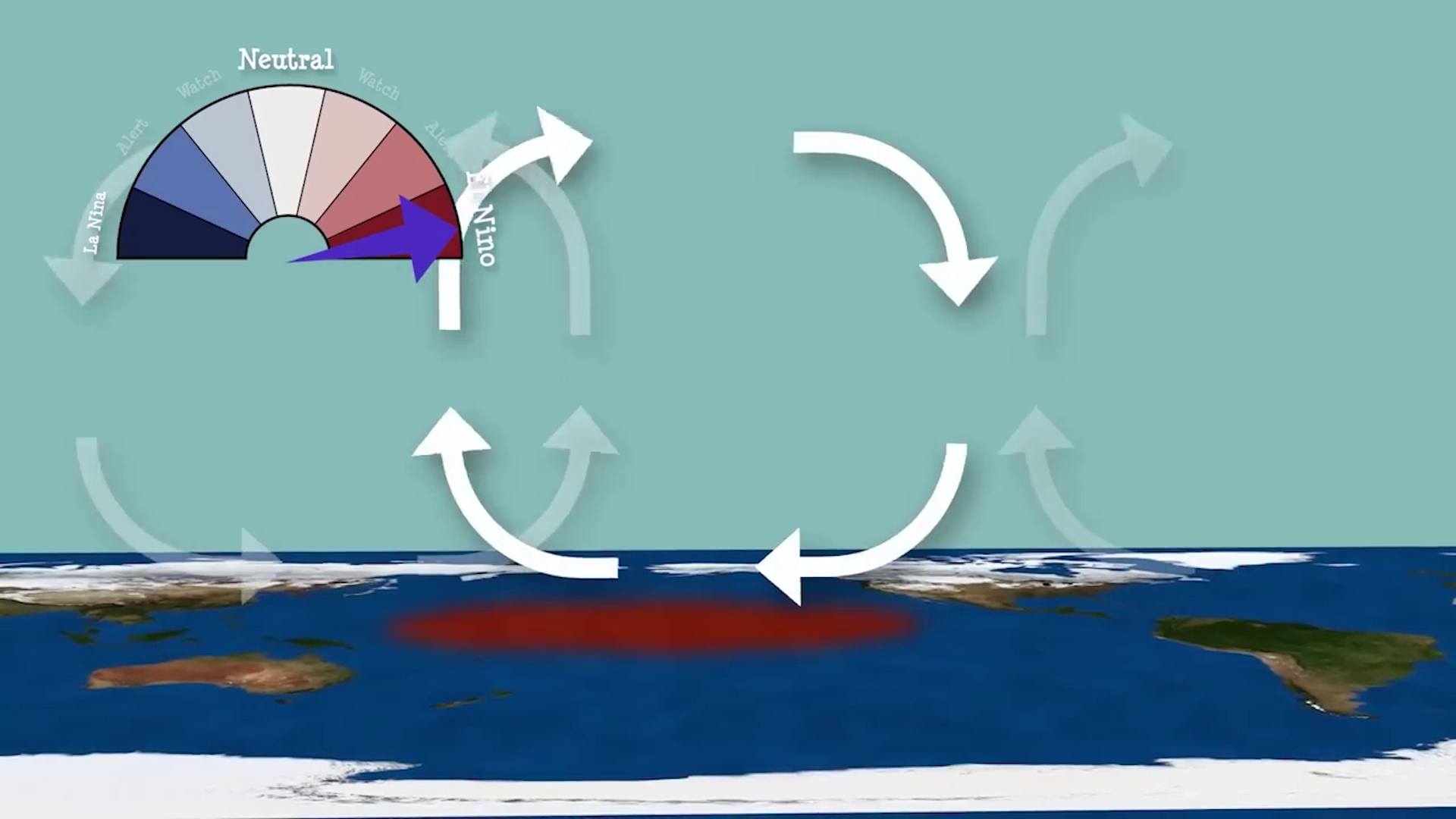
El Niño, a cyclical climate pattern driven by abnormal warming of surface waters in the central and eastern Pacific Ocean, typically brings extended heatwaves, severe droughts, and extreme flooding to multiple regions across the globe. As of mid-July 2026, dangerous extreme heat has already swept across large swathes of Europe and the United States, leaving dozens of heat-related deaths in its wake and disrupting daily life for millions of residents.
In an official statement released from Washington D.C., Tom Fletcher, UN Under-Secretary-General for Humanitarian Affairs and Emergency Relief Coordinator, outlined that extreme weather driven by this year’s El Niño is projected to devastate vulnerable communities across Latin America, Eastern and Southern Africa, Asia, and the Pacific. Fletcher drew a parallel to the 2023–2024 El Niño event, which left more than tens of millions of people globally in urgent need of life-saving support including food, nutritional aid, clean drinking water, sanitation services, medical care, agricultural assistance, and emergency protection.
Fletcher emphasized that current projections paint a far grimmer picture for the 2026 event, noting that it arrives at a moment of already cascading global crises: widespread armed conflict, rapidly growing displaced populations, and skyrocketing prices for fuel, fertilizer, and staple foods that have pushed the world’s most vulnerable households to the breaking point. Compounding these pressures, the international humanitarian system is already operating under severe strain amid deep funding cuts that have limited its ability to respond to large-scale emergencies.
To boost global preparedness and reduce avoidable loss of life and livelihoods, Fletcher announced that the United Nations is making up to $100 million available from its Central Emergency Response Fund (CERF) to enable early action in at-risk countries before conditions deteriorate into full-blown disasters. “Building on hard-won lessons from past events, we are innovating, coordinating across the entire humanitarian community, and moving ahead with targeted action now,” Fletcher said. “Our planning leverages far more accurate and sophisticated weather forecasting than ever before. More than $20 million in early funding has already been allocated for anticipatory action across six high-risk countries. Through CERF’s dedicated Climate Action Account, we are directly investing in vulnerable communities to help them strengthen their ability to withstand coming climate shocks.”
Fletcher stressed that early, flexible pre-disaster financing is far more effective and less costly than launching emergency response after a disaster has already struck. He also issued a call to the broader international community, urging global leaders to prioritize conflict resolution to reduce strain on vulnerable populations, expand support for displaced communities, and ramp up ambitious, coordinated action to address the root causes of climate change that are amplifying extreme weather events. “The choice facing the global community is unambiguous: we can either sit back and wait for disaster to strike, or we can invest now in long-term resilience for vulnerable communities,” he added.
Beyond large global regions, small island developing states are also bracing for impact. In the Federation of St. Kitts and Nevis, local officials have confirmed that El Niño conditions are expected to persist through the second half of 2026, bringing extended dry conditions that will reduce annual rainfall and put unprecedented additional pressure on the country’s already limited water supply. Local authorities have already rolled out targeted measures to protect the nation’s water reserves and are urging all residents to adopt strict water conservation practices to avoid widespread shortages in the coming months.
-

Belize Unlock Blue and Green Economy Potential in First Industrial Strategy
In a key step toward shaping its first-ever national industrial development framework, the Central American nation of Belize has concluded a collaborative knowledge-exchange study tour in Japan, co-hosted by the United Nations Industrial Development Organization (UNIDO) and Belizean government authorities. The 6-day initiative, held from June 29 to July 3 2026, brought a 6-member delegation of senior Belizean policymakers to Japan to study cutting-edge sustainable development practices, laying critical groundwork for Belize’s upcoming flagship industrial strategy. The program was organized by the Investment Policy and Compliance Unit within Belize’s Ministry of Investment, operating under the Office of the Prime Minister, in partnership with UNIDO technical experts.
The tour was designed to give Belize’s strategy drafters direct, on-the-ground insight into Japanese innovations across a range of sectors aligned with Belize’s long-term sustainability goals. Delegates got firsthand exposure to advanced approaches in sustainable industrial development, blue economy value chains, modern biotechnology, commercial seaweed cultivation and processing, aquaculture technology, biomass energy utilization, natural carbon sequestration, and environmental remediation technologies, as well as Japan’s systems for attracting targeted investment and rolling out national industrial policy. Three senior UNIDO experts – Dr. Nobuya Haraguchi, Dr. Anders Isaksson, and Christoph Graeser – accompanied the delegation throughout the tour, facilitating technical discussions and knowledge sharing.
Over the course of the week, the group held working meetings and site visits with a wide range of Japanese stakeholders, including officials from Japan’s Ministry of Foreign Affairs and the Ministry of Agriculture, Forestry and Fisheries, technical leaders from the Japan Fisheries Research and Education Agency, academic researchers at Yamaguchi University, and executive teams from two leading innovative private firms: marine technology company UMITON and sustainable biotech producer Euglena Co., Ltd. These engagements allowed Belizean policymakers to ask targeted questions, observe operational best practices, and explore potential future partnership opportunities between the two nations.
According to official statements from Belize’s Ministry of Investment, the upcoming industrial strategy will center on building out Belize’s existing natural advantages in blue and green economies to drive inclusive economic growth. The framework is expected to expand high-value added domestic production, increase Belize’s export competitiveness in sustainable goods and services, create new formal employment opportunities for local workers, and accelerate the country’s progress toward meeting the United Nations’ Sustainable Development Goals. The study tour in Japan marks a key milestone in the development process, bringing global expertise to bear on Belize’s vision for a low-carbon, nature-positive industrial future.
-

Who’s Protecting the Turtles From the Sargassum Clean-Up?
Across coastal regions of the Yucatán Peninsula and Central America, the ongoing crisis of massive sargassum blooms is pitting urgent beach cleanup needs against the survival of vulnerable marine ecosystems, with endangered sea turtle nesting sites facing the gravest risk. Environmental activists in Mexico’s Playa del Carmen have sounded the alarm that the unregulated heavy machinery currently used to remove masses of sargassum from shorelines is causing irreversible damage to marine life and accelerating coastal erosion.
-

Environment : «We want a more beautiful Haiti, not a garbage dump !»
On July 10, 2026, thousands of Haitian citizens joined coordinated nationwide actions organized by two leading environmental advocacy groups—Alternatiba Haiti’s National Citizen Movement for Climate Alternatives and the Francophone Action Group for the Environment (GAFE)—to mark the 8th annual National Day of Citizen Mobilization against polystyrene use across the country. The mobilization unfolded across more than 20 Haitian municipalities, where demonstrators gathered outside local town halls to demand urgent government action: a full, permanent, and uncompromising ban on all forms of polystyrene products, and long-overdue enforcement of a national ban first signed into law back in July 2013.
Demonstrators carried signs and chanted a unifying rallying cry that encapsulates their core demand: “We want a more beautiful Haiti, not a garbage dump! Down with polystyrene!” In a joint statement released during the mobilization, leaders from Alternatiba Haiti and GAFE highlighted a critical policy failure that has perpetuated the country’s ongoing polystyrene crisis: more than a decade after the original ban went into effect, these single-use products still saturate local markets and contaminate the national landscape, proving that the problem is not the absence of regulation, but a persistent lack of political will to implement existing rules.
The groups outlined the severe, cascading harms of unregulated polystyrene use that Haitian communities face daily. Beyond creating widespread visual pollution that blights public spaces, discarded polystyrene clogs drainage canals and natural ravines, directly worsening the country’s chronic flood risk during tropical storm and hurricane seasons. Polystyrene also poses a serious threat to public health: the product is a known carcinogen, putting Haitian residents at elevated long-term risk of cancer through environmental exposure. Compounding the issue, the organizations confirmed that nearly all illegal polystyrene entering Haiti is trafficked through unregulated cross-border smuggling networks, which evade existing customs controls to bring the banned product into local markets.
To address this ongoing crisis, Alternatiba Haiti and GAFE have laid out a clear set of demands for Haitian national and local authorities. First, they call for immediate full implementation and consistent enforcement of the 2013 ban, with aggressive action to shut down all illegal importation and commercial trade of polystyrene products. Second, they demand enhanced, consistent border security inspections to block smuggling routes that bring illegal polystyrene into the country. Third, they urge policymakers to proactively support and incentivize the adoption of eco-friendly alternatives, including reusable food and beverage containers that eliminate the need for single-use polystyrene.
The groups also issued a broad call for collective action across all sectors of Haitian society, inviting individual citizens, community organizations, primary and secondary schools, universities, religious institutions, local businesses, and municipal governments to join the mobilization effort. Beyond public support, organizers are asking all participating stakeholders to help monitor commercial use of polystyrene products across the country, holding violators of the 2013 ban accountable to create long-term change for Haiti’s environment and public health.