分类: education

  • ‘Commit to lifelong learning’

    ‘Commit to lifelong learning’

    As the Fourth Industrial Revolution, anchored by rapid advances in artificial intelligence, reshapes global labor markets and economic systems, a leading Caribbean academic is urging Jamaica to embrace systemic education reform and a national culture of lifelong learning to secure long-term prosperity.

    Anthony Clayton, a professor of sustainable development at The University of the West Indies, Mona, shared his analysis in an exclusive interview with the Jamaica Observer over the weekend, warning that widespread automation of technical roles is rapidly redefining the core skills required for gainful employment. Going forward, Clayton argues, the most in-demand workers will not rely on routine technical capabilities that can be easily replicated by AI and automated systems. Instead, employers will prioritize candidates with advanced problem-solving acumen, creative thinking, and well-developed emotional intelligence.

    To cultivate these high-value skills and build the digital and institutional infrastructure needed to compete on the global stage of the Fourth Industrial Revolution, Clayton says Jamaica must fundamentally reorient its existing education and training frameworks. This shift, he emphasizes, will require bold new policy thinking and cross-sector collaboration that departs from outdated traditional models.

    Clayton points to shifting trends in the United States, where major technology corporations have already begun to carve out a larger role in workforce development that was once the exclusive domain of traditional higher education institutions. Unlike many traditional universities that prioritize theoretical knowledge, these leading tech firms prioritize practical, hands-on learning focused directly on solving real-world industry challenges.

    Looking to global examples of successful reform, Clayton highlights innovative models adopted by Germany and the United Kingdom. Both nations have implemented hybrid education frameworks centered on deep industry-university partnerships. These models include structured work experience placements embedded in academic programs, and industry-sponsored engineering doctorates where students conduct original research targeted at solving company-specific problems or developing new commercial products.

    According to Clayton, these collaborative, hybrid learning arrangements are set to become the global standard in technology-driven sectors first, as they align educational outcomes directly with the evolving needs of modern labor markets. Early adoption of this approach in Jamaica, he argues, would smooth the country’s transition to an integrated digital economy, where every sector from manufacturing and logistics to finance, governance, and marketing relies on interconnected digital systems.

    In this new economic landscape, nearly all workers will need to operate as knowledge workers, capable of driving value through specialized expertise, critical reasoning, interpersonal collaboration, and an ongoing commitment to updating their skills. Clayton notes that this large-scale transition will also require a reevaluation of the core roles of government and public institutions to support the shift.

    Clayton concludes that if Jamaica makes the targeted adjustments needed now, the country can leverage the opportunities created by the Fourth Industrial Revolution to break free from its long history of stagnant low growth and emerge as a dynamic, competitive economic hub in the digital age.

  • AUB students begin QEH rotations after 13-year wait

    AUB students begin QEH rotations after 13-year wait

    After 13 years of operating in Barbados, the American University of Barbados (AUB) has reached a historic milestone in its medical education program: for the first time, its students are completing required clinical rotations at local medical institutions, led by the island nation’s flagship Queen Elizabeth Hospital (QEH).

    Clinical training is a core, non-negotiable component of modern medical education. Unlike the foundational classroom learning that introduces students to anatomy, pharmacology and disease pathology, clinical rotations place trainees directly in hospital and clinic departments, where they work alongside licensed physicians to engage with real patients, practice diagnostic skills and develop hands-on care experience over dedicated rotation blocks. Prior to this new partnership, AUB students were forced to travel abroad to countries including the United States and Guyana to complete this mandatory training requirement.

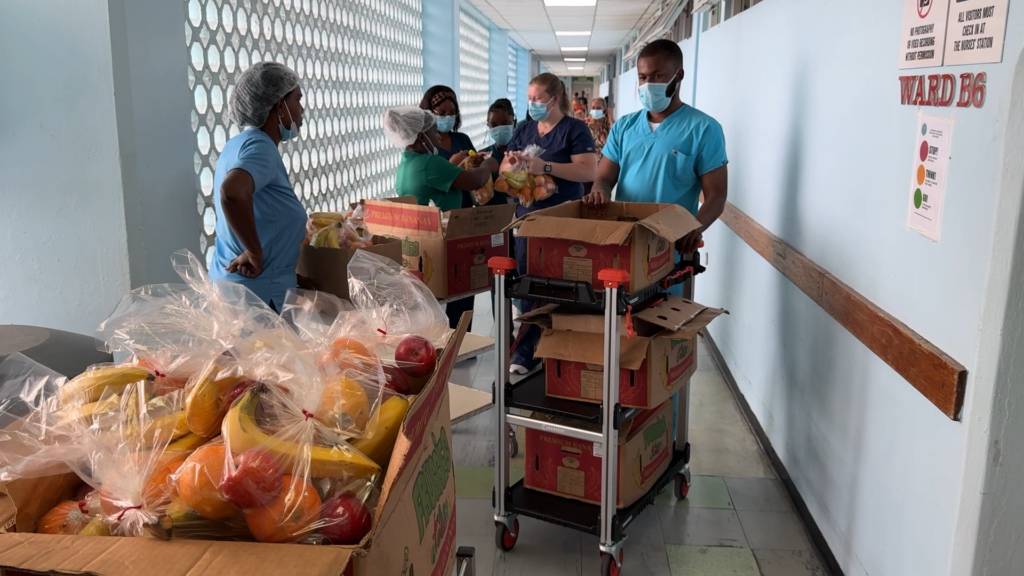
    The first cohort of trainees began their local rotations on a historic Friday earlier this year: 10 students started placements at QEH, while an additional three began their training at the island’s Psychiatric Hospital. To mark the occasion and embed core values of service from the start of clinical training, AUB organized its annual community outreach initiative, distributing 500 pre-packed fruit bags to patients across all departments at QEH.

    Dr. Carlos Chase, Director of Medical Services at QEH, confirmed that the hospital has already integrated AUB trainees into its systems, with interns from the university arriving for placements approximately two months before the first rotation cohort of medical students. He framed the new partnership as a confirmation of the hospital’s growing regional role as a leading medical training hub for undergraduate and postgraduate trainees from institutions across the hemisphere.

    “We have upgraded and expanded our training capacity to accommodate students from multiple universities, which will only strengthen our position as a regional center of excellence for medical education,” Chase explained. “There is often negative discourse around this hospital, but we have many outstanding, unrecognized achievements. Our long-standing training program in partnership with the University of the West Indies has long been one of this institution’s greatest beacons of success, and this new partnership expands that legacy.”

    For AUB’s leadership, the launch of local rotations is the realization of a goal the institution has held since it first opened its doors in Barbados 13 years ago. “This was our dream from the day we founded this school,” shared Anita Bhat, Chief Executive Officer of AUB, in an address to media on the launch day. “This is a truly historic moment for all of us, and we could not be more excited.”

    Bhat emphasized that the partnership extends far beyond benefits for AUB and its student body, delivering tangible advantages to the entire Barbadian community. “This is a win for the school, for our students, and for the wider Barbadian public,” she noted. “Our institution brings economic activity to the island, and we already carry out extensive volunteer work across the country through our long-standing partnerships.” She pointed to AUB’s existing free community clinic, and ongoing collaborations with churches, schools, and leading local health organizations including the Heart and Stroke Foundation of Barbados, the Barbados Cancer Society, and the Barbados Diabetes Foundation.

    Meesam Ali Khan, president and director of AUB, joined the announcement remotely from India, where the university’s parent institution is headquartered. Khan explained that AUB’s core mission is to expand accessible, high-quality medical training opportunities for students across global regions, and the QEH partnership directly advances that goal.

    Khan praised QEH as an ideal training environment for medical students, highlighting three key strengths: its high volume of patients, the wide diversity of clinical cases it treats, and the depth of experience among its attending medical faculty. “The quality of clinical training depends on three core things: the number of patients you interact with, the range of conditions you see, and the expertise of the physicians guiding you,” Khan said. “QEH has trained University of the West Indies students for decades, so it is already a well-established, proven teaching hospital, which makes it the perfect fit for our program.”

    Beyond the clinical training itself, Khan explained that the fruit distribution outreach was designed to prioritize a core, often overlooked value of medical practice: empathy. “We do not just teach our students medicine and cutting-edge medical technology. We teach them to care for patients as people, and empathy is the foundation of that,” he said. Bhat echoed this commitment, adding: “This celebration of our new clinical rotations also serves a deeper purpose: to instill a permanent spirit of community service in our students, and nurture the empathy they need to care for vulnerable people experiencing illness.”

    Looking ahead, AUB is planning far-reaching additional collaboration to advance Barbados’ healthcare digital transformation. Khan announced that the institution is preparing to donate 100 digital stethoscopes that can transmit real-time heart and lung sounds remotely via a custom mobile application. The university is also exploring partnerships to expand support through clinical software systems, broader digital health innovation, expanded free clinic services, and larger community outreach initiatives. For all parties, Khan said, the new clinical rotation partnership is a clear win-win: “This arrangement creates shared value for AUB, for Queen Elizabeth Hospital, for our students, and for the entire Barbadian community.”

  • St. Joseph’s Academy Retains CUB Inter-secondary Debate Championship Over Sir Novelle Richards Academy

    St. Joseph’s Academy Retains CUB Inter-secondary Debate Championship Over Sir Novelle Richards Academy

    On Tuesday, the Caribbean Union Bank Inter-secondary School Debate Championship concluded at the University of the West Indies Five Islands Campus, with St. Joseph’s Academy making history by retaining its coveted championship title. The year’s final showdown, organized by the Education Broadcasting Unit under Antigua and Barbuda’s Ministry of Education, drew widespread attention as two top-tier secondary school teams went head-to-head for the regional crown. St. Joseph’s Academy edged out runner-up Sir Novelle Richards Academy in a tightly contested exchange of arguments centered on a timely regional policy question.

    This year’s final debate centered on a provocative moot tailored to spark critical engagement with Caribbean regional integration: “CARICOM offers the best option for Member States to maintain their sovereignty.” Sir Novelle Richards Academy took the stage first to advocate for the proposition, making the case that collective governance and economic coordination through the Caribbean Community provide small island nations with the collective bargaining power and institutional stability to protect their sovereign autonomy in an increasingly polarized global landscape. Opposing the motion, St. Joseph’s Academy put forward a nuanced argument highlighting structural limitations of the current CARICOM framework that can constrain national policy flexibility, ultimately convincing the panel of adjudicators of their position to secure the win.

    In an official statement released shortly after the final results were announced, competition organizers extended formal congratulations to St. Joseph’s Academy for its successful title defense, a rare achievement that underscores the school’s consistent investment in debate and critical thinking education. Organizers also made a point to commend Sir Novelle Richards Academy for what they described as “outstanding performance throughout the season and in today’s finals,” noting that the team’s preparation and rhetorical skill made the final one of the most competitive in recent years. The Ministry of Education echoed this praise, highlighting that both finalist teams displayed the core values of the competition: “excellence, discipline, and the true spirit of debate.”

    Now in its annual cycle, the Inter-secondary School Debate Championship fills a unique niche in Caribbean secondary education. Beyond the thrill of competition, the event was designed to foster core transferable skills that benefit students long after they leave the debate stage: rigorous critical thinking, structured research, confident public speaking, and the ability to engage respectfully with opposing viewpoints. Equally importantly, the competition intentionally centers topical regional and civic issues in its moot selection, encouraging a new generation of young Caribbean people to think deeply about the policy choices that will shape the future of their region.

    This repeat win cements St. Joseph’s Academy’s reputation as a dominant force in regional secondary school debate, and organizers have already signaled that next year’s competition will expand participation to include more schools across the Caribbean, continuing the event’s mission of building capacity for civic engagement among young people.

  • Sir Novelle Richards Academy and St. Joseph’s Academy to Face Off in Inter-secondary Debate Finals

    Sir Novelle Richards Academy and St. Joseph’s Academy to Face Off in Inter-secondary Debate Finals

    One of Antigua and Barbuda’s most anticipated annual academic competitions is set to reach its climax next week, when two top secondary schools go head-to-head in the 2025 Caribbean Union Bank Inter-secondary School Debate Grand Final. Scheduled for Tuesday, May 26 at the University of the West Indies Five Islands Campus, the event will bring together the nation’s most talented young debaters to tackle one of the Caribbean’s most pressing contemporary policy issues: regional sovereignty and integration.

    This year’s final has already drawn widespread interest for its timely topic. The moot up for discussion is: “CARICOM offers the best option for Member States to maintain their sovereignty.” Defending the proposition will be Sir Novelle Richards Academy, one of the country’s leading academic institutions with a long history of strong performance in regional debate competitions. Taking the opposing side will be St. Joseph’s Academy, which has advanced to the final after a series of closely contested preliminary rounds that showcased its students’ sharp analytical and rhetorical skills.

    The in-person event is set to kick off at 4 p.m. local time at the UWI Five Islands Campus, which has hosted multiple major national academic events in recent years. For audiences unable to attend the final in person, the Antigua and Barbuda Ministry of Education’s Education Broadcasting Unit will stream the entire competition live via its official channels, allowing debate enthusiasts and students across the country to follow the showdown in real time.

    Event organizers note that this final represents far more than a simple student competition. Beyond awarding bragging rights and a championship trophy, the contest is designed to nurture core 21st-century skills among young people. Competitors are required to conduct in-depth independent research on regional policy, craft evidence-based arguments, and respond to counterpoints in real time—all of which builds critical thinking, public confidence, and emerging leadership capabilities, according to event backers.

    The Inter-secondary School Debate competition has become a staple of Antigua and Barbuda’s secondary education calendar, anchored in a long-term initiative by local education leaders to boost youth engagement with civic issues. By encouraging structured, evidence-based discourse on public policy topics, the program aims to cultivate a new generation of informed, articulate citizens prepared to contribute to national and regional development. Organizers expect this year’s final to set a new benchmark for the competition, with both finalist teams preparing extensively for what many are calling one of the most competitive championship rounds in the event’s recent history.

  • Confucius Institute official promotes study opportunities in China

    Confucius Institute official promotes study opportunities in China

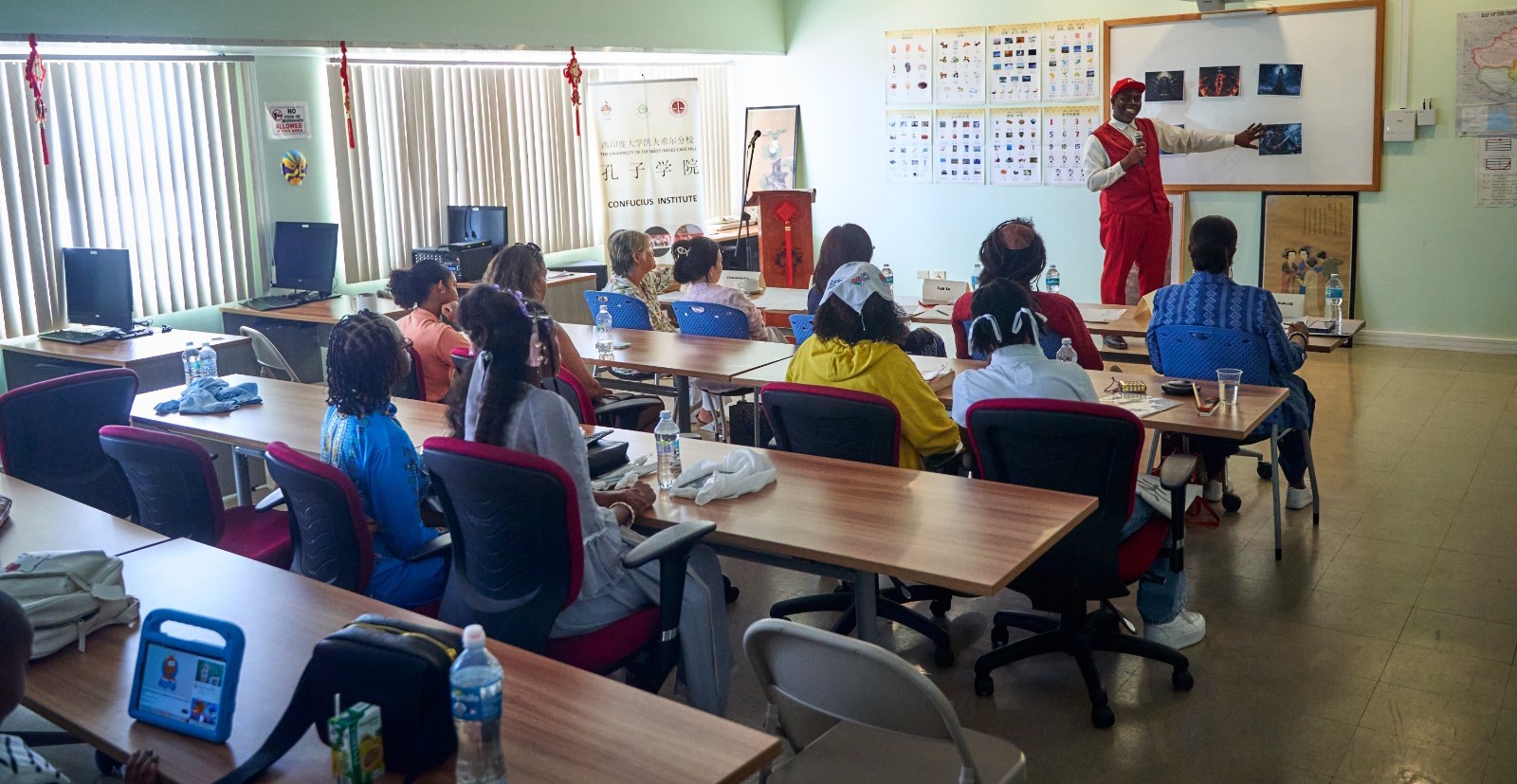
    On the sidelines of the 2026 China Bridge Chinese Proficiency Competition held Saturday, the director of Barbados’ Confucius Institute has issued a warm invitation to local students, urging them to leverage bilateral cultural and educational exchange programs to pursue life-changing academic opportunities in China.

    Dr. Ché Corbin, who leads the Confucius Institute hosted at the University of the West Indies (UWI) Cave Hill Campus, shared details with local outlet Barbados TODAY about the annual competition, which has become a cornerstone of Chinese language promotion and cultural exchange across Barbados. Designed to give young language learners a stage to demonstrate their linguistic skills, connect with like-minded peers, and deepen their engagement with Chinese culture, the 2026 contest divided participants into three distinct divisions aligned with their education levels: primary school, secondary school, and tertiary students from UWI.

    Top performers from each Barbadian division earn the highly coveted prize of an all-expenses-paid trip to Beijing to compete in the contest’s global final round. In a special provision for young primary school competitors, the institute even covers the full cost of airfare and travel for one parent to accompany their child on the international trip, a benefit that has drawn widespread enthusiasm from participating families.

    During this year’s national round, contestants were evaluated on two core segments: self-introductions and open-topic speeches, which allowed judges to assess both their command of the Chinese language and their public speaking confidence. Corbin noted that the event has seen explosive growth in local interest in recent years, with so many students eager to take part that organizers were forced to implement participation caps to keep the competition manageable.

    Currently, the Confucius Institute delivers on-site Chinese language courses to students at multiple primary and secondary institutions across Barbados, including well-known campuses such as Charles F. Broome Memorial Primary, St George Primary, St Stephen’s Primary, The Alleyne School and Ellerslie School. Looking ahead, Corbin announced that the institute is moving forward with plans to expand access to language learning by adding new weekend sessions, which will open up slots for additional learners including adults and parents who have expressed interest in picking up the language themselves.

    Drawing from his own two-decade-long journey with Chinese language and culture, Corbin shared that learning the language opened unprecedented academic and professional doors for him personally. Two decades ago, he began studying Chinese, and eventually earned a full scholarship to study traditional Chinese medicine at a university in China, an experience that shaped his career. He urged current Barbadian students to follow the same path, noting that China offers world-class educational opportunities that can transform young people’s futures. “It’s one of the best places to be a student,” he emphasized.

  • Abergower, UWI in strategic partnership to drive innovation and economic growth

    Abergower, UWI in strategic partnership to drive innovation and economic growth

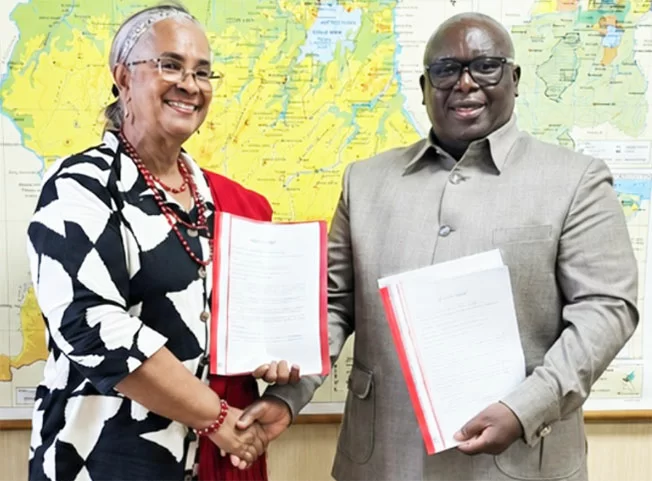
    After more than 12 months of ongoing negotiations and collaborative planning, United Kingdom-based digital solutions provider Abergower Ltd. has formalized a strategic partnership with The University of the West Indies (The UWI) through a signed Memorandum of Understanding (MOU). The agreement is set to accelerate system-wide digital upgrades across all UWI campuses, while nurturing a new generation of student innovators prepared for the modern digital workforce.

    With Abergower’s regional headquarters already based in Bridgetown, Barbados, the partnership was built through more than a year of sustained discussion to align both parties’ strategic goals. The core of the MOU establishes a formal collaborative framework centered on three key pillars: digitally enhanced teaching and learning, industry-aligned research, and inclusive innovation across the university system.

    Under the terms of the agreement, the two partners will collaborate to expand research and development initiatives that directly address pressing real-world needs of the digital sector. They will also jointly explore pathways for commercializing new research outcomes and facilitating streamlined technology transfer from academic labs to industry. A central focus of the work will be upskilling students through co-developed education and training programs designed to produce talent equipped for the evolving digital economy.

    The partnership is fully integrated with The UWI’s flagship OneUWI Digital Transformation Programme, a university-wide initiative aimed at modernizing infrastructure and operations across all campuses. Beyond upgrading the university’s own digital capacity, the collaboration is expected to advance Barbados’ national goal of positioning itself as a leading innovation and knowledge-based economy hub for the Caribbean region.

    The MOU was finalized and formally signed by Professor Winston Moore, Deputy Principal of The UWI Cave Hill Campus, and Robin Prior, Chief Executive Officer of Abergower Ltd. Both academic and industry leaders were key to shaping the collaborative framework, which prioritizes cross-sector knowledge sharing, mutual growth, and long-term value creation for all stakeholders.

    In comments following the signing, Prior emphasized the transformative potential of bridging the gap between private sector expertise and academic insight. “This agreement represents a powerful alignment between industry and academia. Together we are creating a foundation for innovation that will not only benefit our organisations but also contribute to the long-term prosperity of Barbados,” Prior said.

    Professor Moore echoed this sentiment, highlighting the partnership’s alignment with The UWI’s core mission of translating academic excellence into tangible public and economic benefit. “This partnership reflects our commitment to applying academic excellence to real-world challenges. By working closely with Abergower Ltd, we can accelerate innovation and deliver tangible benefits for our students, our partners and our country,” Moore noted.

    The MOU is structured to provide a flexible yet organized foundation for long-term collaboration, allowing the scope of work to adapt and expand as new opportunities emerge in the fast-changing digital sector. Both institutions have reaffirmed their commitment to delivering measurable, meaningful outcomes that benefit students, the regional tech ecosystem, and Barbados’ broader economy.

  • Wolmer’s celebrates 297 years with bold vision for future

    Wolmer’s celebrates 297 years with bold vision for future

    One of the Caribbean’s most storied educational institutions marked a major milestone this week, as Wolmer’s Schools celebrated its 297th anniversary on Thursday with the launch of a transformative infrastructure initiative designed to cement its status as a regional leader in educational technology by its tricentennial in 2029.

    The announcement was delivered to hundreds of assembled students inside Kingston’s Douglas Orane Auditorium at Wolmer’s Boys’ School by Courtney Wynter, chairman of the institution’s joint board of management, during the annual Founder’s Day celebration. Wynter framed the multi-year expansion as a proactive response to shifting global workforce demands, driven by rapid technological advancement and the growing mainstream integration of artificial intelligence across every sector of the modern economy.

    “Positioning Wolmer’s for the next 300 years requires us to equip our students — both young men and women — with the tools and training they need to meet the challenges of a fast-changing future,” Wynter told the audience. The phased development programme, set to kick off in June 2025 and run through to the 300th anniversary celebrations in 2029, will overhaul the school’s tech and multimedia infrastructure to support next-generation learning.

    Construction work will get underway next month with the addition of a new floor to the institution’s sixth-form block. Over the first three years of the project, the school will add a minimum of 16 new purpose-built spaces, including a state-of-the-art lecture hall, expanded information and communications technology (ICT) laboratories, a full-scale professional multimedia production studio, and a centralized multimedia center designed to support cross-curricular tech-focused learning.

    Wynter emphasized that all new facilities will be fitted with cutting-edge, future-forward learning tools built to scale with emerging technological developments over coming decades. He confirmed the initiative represents the largest single infrastructure investment in Wolmer’s nearly 300-year history, a commitment that will firmly establish the school as the Caribbean’s premiere hub for technology talent development once completed.

    To deliver on the ambitious vision, Wynter called for full collaboration across all of Wolmer’s stakeholder groups, highlighting the critical need for financial contributions to the school’s expansion fund and ongoing professional upskilling programmes for teaching staff to ensure they can leverage the new facilities effectively.

    The Founder’s Day event also reflected on Wolmer’s remarkable 297-year legacy of resilience and educational excellence. Wynter noted that through centuries of economic, social, and political upheaval, the institution has never merged, been absorbed into another body, or divested, retaining its independent identity as Jamaica and the Caribbean’s oldest continuously operating co-educational secondary school system.

    “Today we stand proudly as the oldest, and without question, the most well-rounded educational institution in Jamaica and the wider Caribbean,” Wynter said. “For 297 years, our core identity has been defined by two enduring attributes: a culture of resilience and an unbroken tradition of excellence.”

    Responding to common public narratives that often frame Wolmer’s reputation around its dominant performance in national inter-school athletic competitions such as the Manning Cup football tournament and the Inter-Secondary Schools Association Boys’ and Girls’ Athletics Championships (Champs), Wynter reaffirmed the institution’s standing as the region’s top academic provider. “Wolmer’s is unquestionably the crème de la crème of Caribbean educational institutions,” he said. “No other high school in the country can claim consecutive top excellence ratings from the National Educational Institute Inspectorate — that distinction belongs to Wolmer’s alone. We pause today to thank the generations of leaders, educators, and alumni who laid this foundation of excellence that we build on today.”

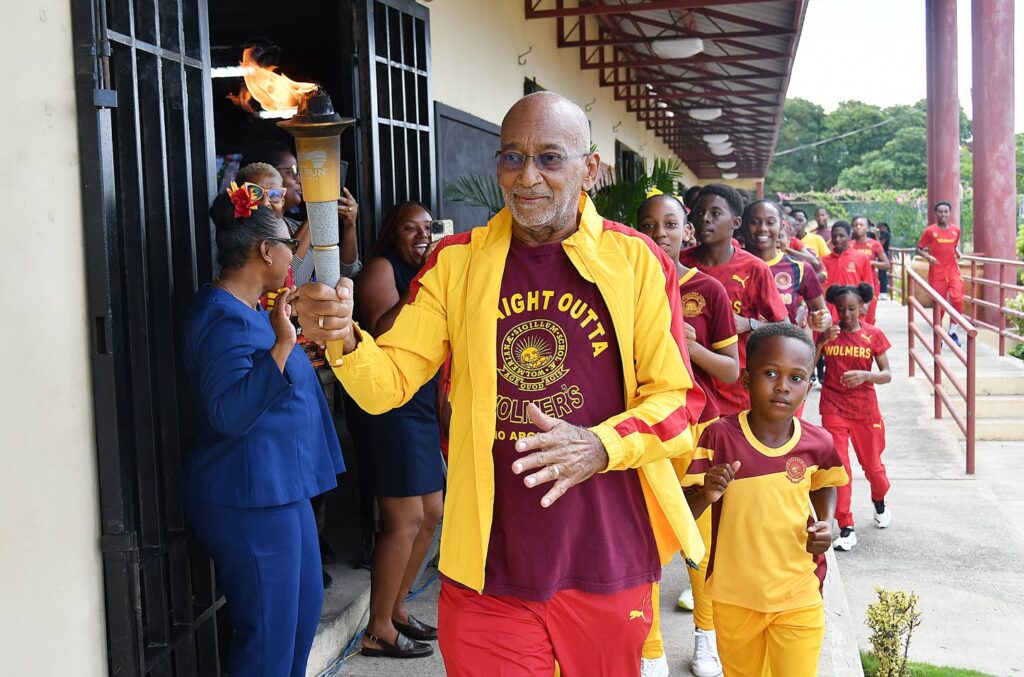
    Thursday’s celebration included special devotions attended by students from both Wolmer’s Boys’ School and Wolmer’s High School for Girls, as well as a symbolic torch ceremony to mark the official countdown to the 2029 tricentennial, led by Wolmer’s Boys’ School Principal Dwight Pennycooke and senior teacher Princess Hemmings.

  • WorldSkills Programme readying children for dynamic workforce

    WorldSkills Programme readying children for dynamic workforce

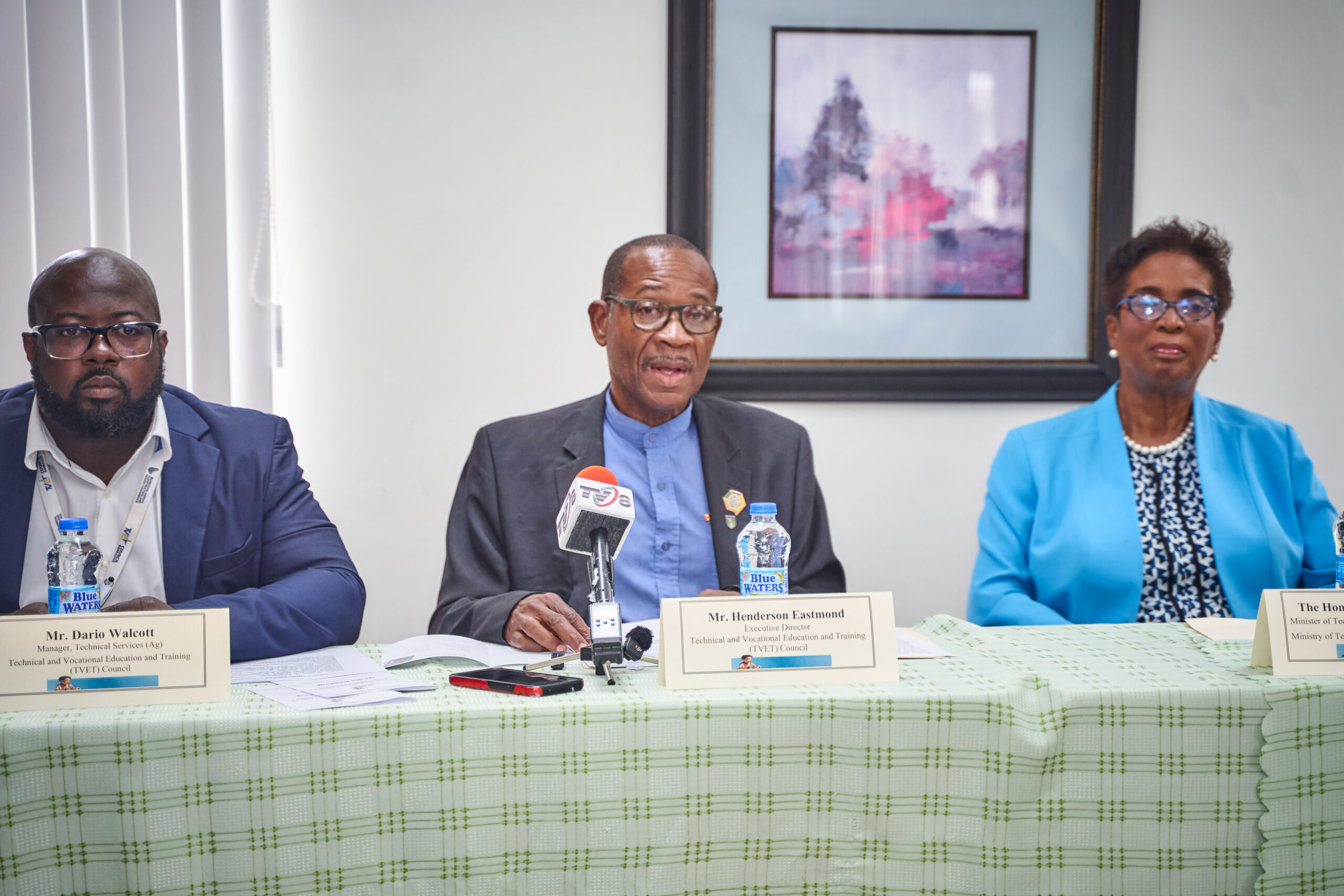
    As the global job market undergoes rapid transformation, equipping young people with adaptive, cutting-edge technical skills has emerged as a top priority for Barbados’ national economic development strategy. This vision took center stage Wednesday at the official launch of the sixth annual WorldSkills Barbados Junior Future Skills Camp, hosted by the Technical and Vocational Education and Training (TVET) Council at its Hastings, Christ Church headquarters. Senior government and education officials used the platform to emphasize the critical value of early exposure to modern industry innovation to ready the island’s next generation of workers.

    Henderson Eastmond, Executive Director of the TVET Council, outlined how the long-running initiative has continuously updated its curriculum to align with shifting global industry trends, crafting targeted learning pathways for youth entering fast-growing emerging career fields. First launched as a remote online program in 2021 to address pandemic-era learning disruptions, the camp has expanded significantly to serve 10- to 16-year-old students, introducing them to the wide range of technical and vocational education and training (TVET) opportunities available across the country.

    This year’s program features a robust slate of hands-on training opportunities developed in partnership with both regional and local organizations. Working with collaborators from the Dominican Republic, students will dive into fast-growing fields including cybersecurity and mobile application development. Local partners, such as Barbados’ own Robot Adventures, will lead in-person sessions covering advanced electronics, aerial robotics, and 3D printing, giving camp participants practical, tangible experience with emerging technologies.

    Eastmond explained that the entire curriculum was intentionally structured to match current and projected global industry demand, with the core goal of positioning Barbadian youth as competitive innovators in the global workforce. He noted that organizers have recorded steady growth in both student participation and enthusiasm in recent years, with many young learners actively seeking out the practical, hands-on learning environment the camp offers that traditional academic programs often lack.

    Beyond building technical proficiencies ranging from cybersecurity fundamentals to robotic engineering, the camp also fosters the soft skills that employers increasingly prioritize, including cross-team communication, collaborative problem-solving, and professional confidence. Eastmond stressed that the program also works to reframe how young people see their own capabilities, breaking down outdated stigma around technical and vocational careers. “By engaging in practical skills-based activities, students begin to see themselves as capable, creative, and future ready,” he said. Many participants leave the program with renewed interest in applying their new skills and even pursuing entrepreneurship ventures, he added.

    For many attendees, the Junior Future Skills Camp also acts as a pipeline to higher-level professional opportunities, granting access to advanced training at the Global Training Centre, eligibility for the national WorldSkills Barbados Competition, and even the chance to compete at the International WorldSkills Competition. “This creates a seamless progression from early exposure to advanced training and global recognition,” Eastmond explained. He also shared that the Barbados model has started drawing interest across the Caribbean region, with education and workforce organizations in Grenada and other neighboring island nations already exploring plans to adapt the program for their own youth populations.

    Sandra Husbands, Barbados’ Minister of Technological and Vocational Training, echoed Eastmond’s remarks, framing the WorldSkills Barbados initiative as a foundational building block for a stronger, more inclusive national economy. Husbands argued that the program helps shift outdated cultural narratives that frame traditional academic study as the only path to professional success, instead promoting a multi-path model that creates opportunity for all learners regardless of their interests and strengths. “Technical skills were central to national development and economic growth,” she said, noting that the WorldSkills Barbados program has evolved into “a strategic national platform for workforce development and economic advancement.” She emphasized that the initiative’s long-term impact makes it a critical investment for Barbados’ future economic competitiveness.

    This year’s in-person camp will run from July 6 through August 21, hosted at the Samuel Jackman Prescod Institute of Technology (SJPI), offering more than two months of immersive, hands-on skills training for participating students across the island.

  • BioSci Series returns to give students early look into world of genetics

    BioSci Series returns to give students early look into world of genetics

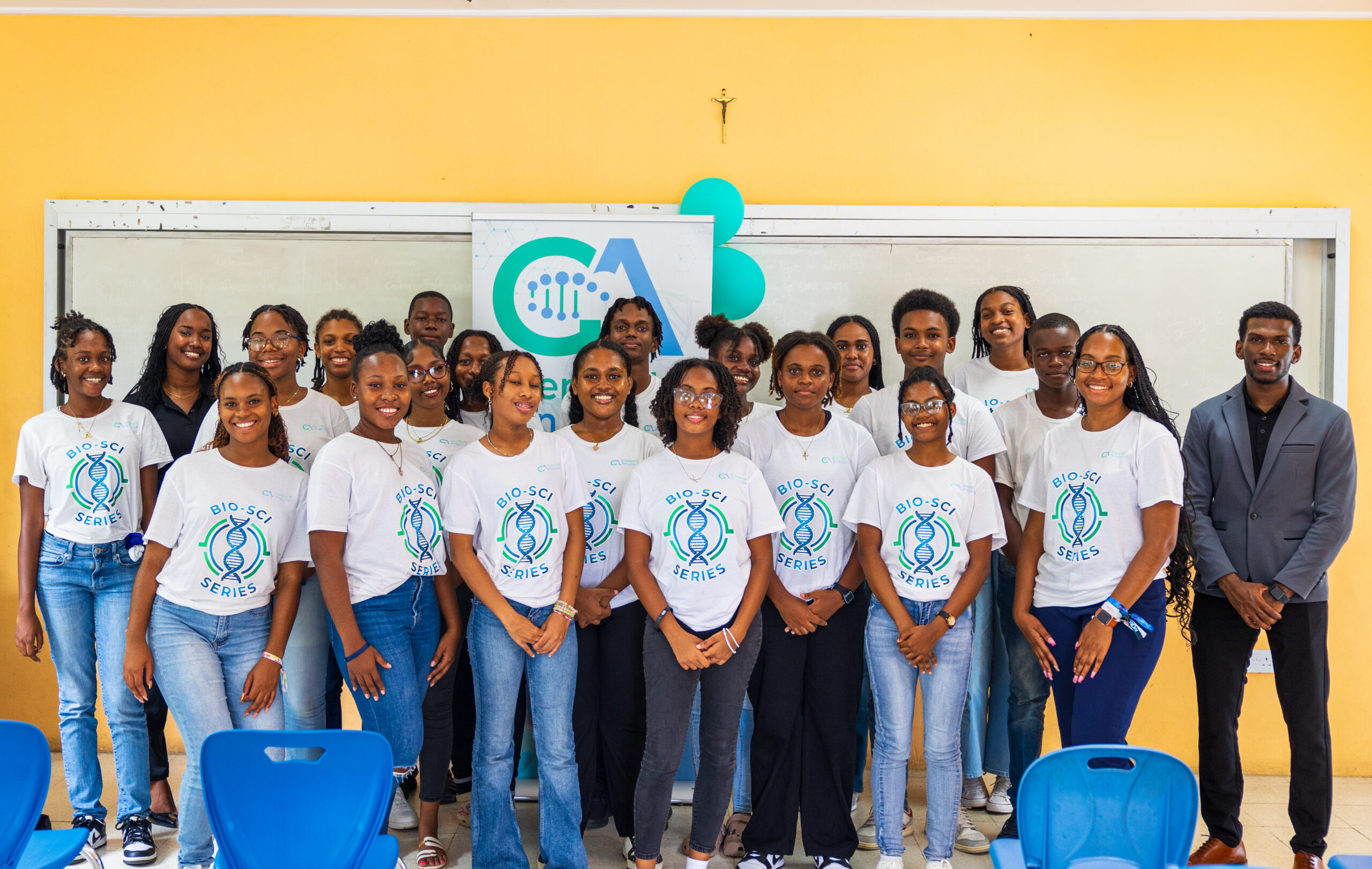
    A transformative hands-on science education initiative is preparing to welcome its third cohort of young learners in Saint Lucia this coming July, when the popular BioSci Series returns to expand access to cutting-edge biological science training for secondary school students across the northern region of the island. Designed specifically to address a longstanding gap in Caribbean science education — the lack of early practical exposure to advanced molecular and genomic fields typically reserved for university-level study — the 2026 programme offers fully free participation for selected students, with a new expansion to southern Saint Lucia planned later in the year.

    Now hosted by CariGenetics Saint Lucia following GenTech Analytica’s recent integration into the regional CariGenetics network, the BioSci Series maintains its core focus on student-centered, active learning. The initiative’s mission is to reframe public perception of modern science, demonstrating that young learners are not just passive consumers of scientific knowledge, but capable contributors to the field. In a statement announcing the 2026 programme, Gemmia Jn Pierre, a representative of CariGenetics Saint Lucia, noted that for most secondary students across the island, hands-on experience with advanced lab science is inaccessible until late in their academic careers. “The BioSci Series exists to change that narrative,” Jn Pierre explained. “We give students early access to the tools, techniques, and career pathways that define modern biology, helping them see that they belong in science, even beyond traditional, well-worn career tracks.”

    Running for two weeks from July 13 to July 28 at Saint Joseph’s Convent Secondary School, the 2026 programme packs a robust schedule of immersive, real-world lab activities that bring theoretical biological concepts to life. Participants will take part in hands-on exercises ranging from simulated CRISPR gene editing experiments and studies of genetic inheritance patterns, to hands-on diagnostic scenarios focused on identifying haemophilia-linked genetic markers, and independent investigations into the growing public health challenge of antimicrobial resistance. Unlike traditional classroom learning that prioritizes textbook theory, the BioSci Series frames learning around open-ended, real-world scientific questions: students explore how genetic traits pass between generations, how genomic data informs modern clinical diagnosis, and how emerging biotechnologies are reshaping the future of global medicine and life science research.

    The programme’s impact on past participants speaks to its success in nurturing early scientific passion. Ariel Edward, a former attendee who has gone on to pursue medical studies, shared that the two-week experience created a lasting shift in her academic and career trajectory. “What started as casual curiosity in the classroom turned into a firmly rooted passion by the end of the workshop,” Edward explained. “The experience inspired me so much that I now plan to pair my medical degree with a PhD in genetics, so I can carry out research that bridges clinical practice and the cutting-edge science that will define the next era of medicine.”

    Since its launch, the BioSci Series has relied on widespread support from local communities, educators, parents, and corporate sponsors to remain free for participating students. Key backers including the Bank of Saint Lucia, LUCELEC, Massy Stores, and Lab Services & Consultations Ltd have enabled the programme to grow, removing financial barriers that would otherwise exclude many young learners from the opportunity. Beyond providing local opportunities in Saint Lucia, the initiative forms part of a broader regional effort to strengthen genomic literacy, improve pre-university science education, and build long-term research capacity across the Caribbean, with the ultimate goal of empowering young people to not just learn about science, but actively contribute to its advancement.

    Registration for the 2026 July cohort is open now, but organizers emphasize that available spaces are limited. Interested students, parents, and teaching staff are encouraged to submit their applications early to secure a spot. Full details on eligibility requirements and registration procedures will be published through CariGenetics Saint Lucia’s official communication channels.

  • Studenten krijgen weer studiebeurzen voor Ghana

    Studenten krijgen weer studiebeurzen voor Ghana

    A groundbreaking educational partnership has been established that will soon open new academic doors for Surinamese students seeking advanced technical training. The Anton de Kom University of Suriname (AdeKUS) has signed a memorandum of understanding with Ghana’s Kwame Nkrumah University of Science and Technology and the Otumfuo Osei Tutu II Foundation to launch a annual scholarship scheme for Surinamese learners.

    The collaborative initiative is designed to offer up to five scholarships each year to Surinamese students admitted to postgraduate programs at the Ghanaian institution. Priority for the awards will be given to candidates enrolling in high-demand technical fields critical to Suriname’s growing resource sector, including mining engineering, oil and gas technology, general engineering and other related technical disciplines.

    The initial signing of the non-binding intent agreement took place during an official working visit by a Ghanaian delegation to Suriname, with senior government representatives including Sergio Akiemboto, Chief of Staff to the President of Suriname, in attendance to mark the milestone. At present, AdeKUS confirms that the university is awaiting final formal signatures from its Ghanaian partners on the intent agreement. Once that step is completed, work will begin to draft and finalize a binding full partnership agreement that outlines the details of program administration, selection criteria and funding arrangements.

    Organizers are moving forward with an ambitious timeline, with plans to have the first cohort of scholarship recipients begin their academic programs in Ghana as early as this August. To streamline the process for selected students, planning teams are working alongside Suriname’s Ministry of Foreign Affairs, International Trade and Cooperation to work out logistical details, including visa processing, in-country student support, and preparation of required travel documentation.

    The partnership represents a deepening of educational cooperation between Suriname and Ghana, addressing a gap in advanced technical training opportunities for Surinamese students in sectors that form a core part of the country’s national economy.