分类: education

  • St Gabriel’s Primary students take top honours in Common Entrance

    St Gabriel’s Primary students take top honours in Common Entrance

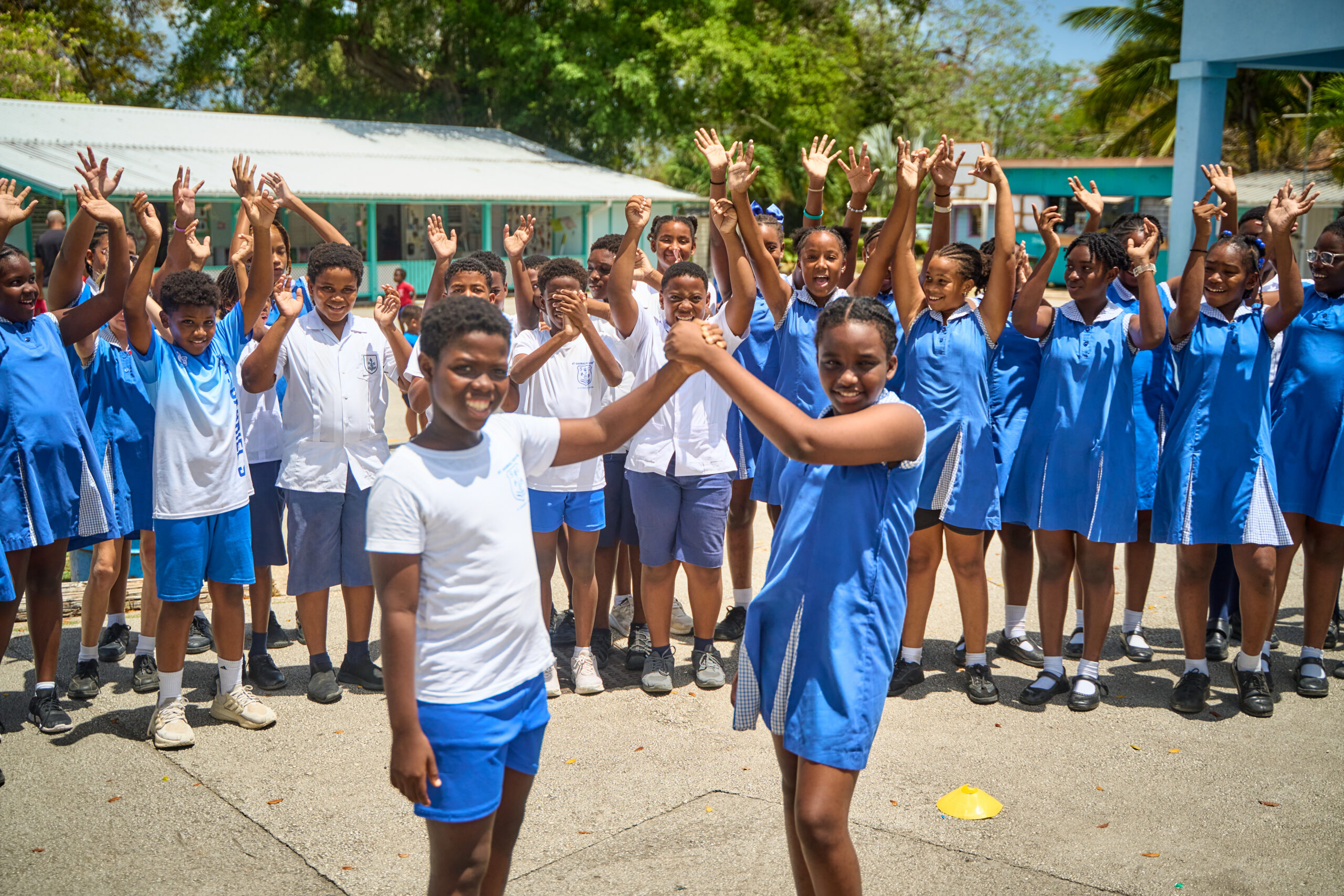
    One of Barbados’ most celebrated private primary institutions, St Gabriel’s Primary School, has turned in a standout performance in the 2024 Barbados Secondary Schools’ Entrance Examination, securing both the top male and top female scores island-wide while placing four students in the overall top 10 rankings. The landmark result ranks among the school’s strongest academic showings in modern history, sparking widespread celebration across the campus after official results were unveiled by Minister of Education Transformation Chad Blackman.

    For 11-year-old Benjamin Luciene, the newly crowned top-performing boy, the achievement is the product of years of steady support from his school, family, and friends. In an interview following the results announcement, Luciene spoke through a wide smile about his overwhelming pride and gratitude for everyone who walked the journey with him. “I’m just so happy and proud to have achieved this result – I couldn’t have asked for anything more,” he said. “I had consistent support from my family, my teachers, and my friends every step of the way. On exam day, I just focused on giving it my all, and I’m completely satisfied with how everything turned out.”

    Like many test-takers, Luciene acknowledged pre-exam jitters played a role in the lead-up to test day. “To be honest, I just wanted to get it over with,” he admitted. “When the day finally came, all I focused on was doing my best and staying calm no matter what happened.” His father, Maxime Luciene, credited the family’s low-pressure, balanced approach to childhood and academics for his son’s success, alongside the high-quality instruction St Gabriel’s provided. “We are over the moon with this result, and we have to thank God and the entire team at St Gabriel’s for everything they’ve done,” he said. “At home, our main goal was to create an environment where Benjamin could thrive naturally. We know academics matter a lot, but for us, it was just as important to make sure he got to be a kid first. We prioritized giving him a healthy home, nutritious food, spiritual guidance, and all the tools he needed to succeed on his own terms.”

    Claiming the title of top-performing girl was Xiomara Alexis Lascaris, who said months of consistent revision and intentional preparation paid off far beyond her expectations. Lascaris, who has long set her sights on attending Harrison College, shared that she already got a preview of her next academic home and is eager to start the new chapter. “I feel so accomplished right now – I know I put in the work, and it feels good to see that effort rewarded,” she said. “I’m so thankful to every single person who supported me to get here. I went on a campus tour of Harrison College recently, and it was just beautiful. I got to see the classrooms and learn all about the different opportunities I’ll have there, and I can’t wait for my time there.” Her mother, Witney Lascaris, praised her daughter’s relentless work ethic and willingness to make short-term sacrifices to reach her goal. “I couldn’t be more proud of Xiomara. She worked so hard for this, and there were definitely things she put on hold to focus on her prep. She’s such a hard worker, and she takes her studies incredibly seriously.” Lascaris also shared that her daughter’s long-term ambitions have evolved over the years, ranging from exploring space as an astronaut to flying commercial aircraft as a pilot.

    Two more St Gabriel’s students, Shiloh Noelle Brewster and Adelaide Mae Sikkens, also claimed spots in the island’s top 10 overall rankings, cementing the school’s dominant performance. For Brewster, who earned a spot at her first-choice school Queen’s College, the reward for her hard work is simple: getting back to the hobbies she put on pause during exam prep. “I’m really proud of myself, and I’m so happy to have my free time back now that it’s over,” she said with a laugh. To make space for studying, Brewster cut back on screen time and spent hundreds of hours working through practice exam papers, and her prize for hitting her goal is a simple one: her favorite doughnuts. Her father, Leon Brewster, said her result is a direct reflection of her innate discipline and quiet confidence, while her mother Denise Brewster noted that the entire family adjusted their routines to support Shiloh throughout her preparation.

    For Sikkens, the fourth top-10 performer from the school, the achievement came with characteristic modesty. When asked about her result, she simply smiled and said, “I feel happy.” Her mother Dana shared that the family followed a simple, low-stress strategy to keep her grounded ahead of the exam: “We just focused on keeping her calm and sticking to our normal routine. We didn’t want to add extra pressure, and it worked out perfectly.”

    Education observers across Barbados have noted that St Gabriel’s performance this year highlights the consistent quality of education the private institution delivers, and the balanced approaches taken by all four top-performing students’ families are already being cited as examples for future test-takers across the island.
  • FTC urges students to put consumer rights at centre of business

    FTC urges students to put consumer rights at centre of business

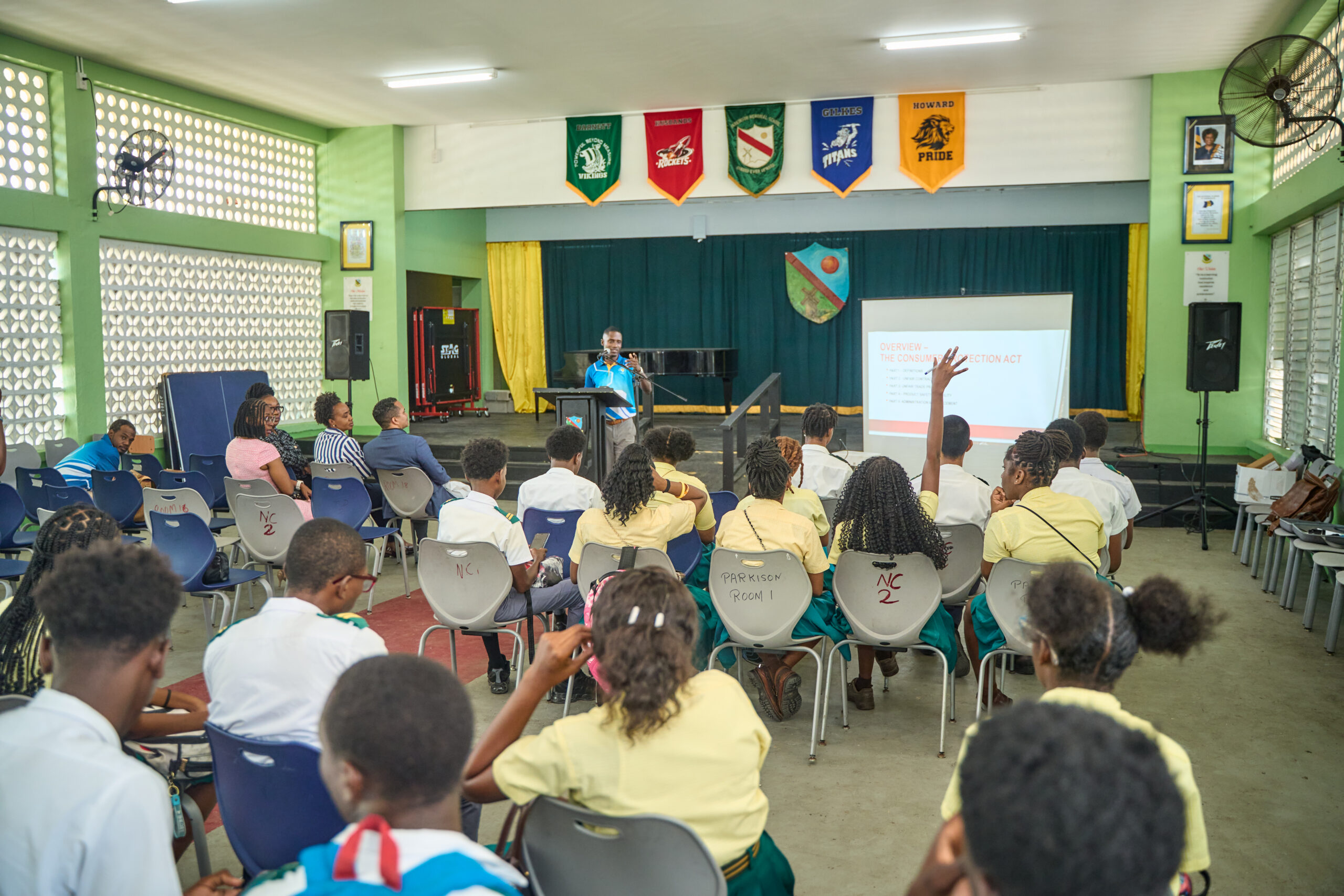
    As part of Parkinson Memorial School’s annual Business Week celebrations, the Barbados Fair Trading Commission (FTC) recently hosted an interactive, week-long consumer rights workshop aimed at equipping young business students with practical real-world knowledge and exam preparation for their 2027 Caribbean Secondary Education Certificate (CSEC) assessments. Centered on the theme “All About Business”, the program prioritized demystifying core consumer protection concepts, outlining official redress pathways for dissatisfied customers, and emphasizing the critical role of consumer rights in building sustainable, successful business ventures.

    Brian Parris, head of the business studies department at Parkinson Memorial School, opened the workshop by framing consumer rights as a foundational business principle, rather than an afterthought. He highlighted that consumers are the most critical stakeholders for any business, a reality many enterprises overlook when prioritizing short-term profit over long-term customer relationships. “What we are having today is a consumer rights workshop, and as we know, the customer is our major stakeholder in business,” Parris explained. Drawing a parallel between workplace protections for employees and consumer protections for customers, he noted that just as workers have established channels to address workplace grievances, consumers also have formal avenues to seek resolution when they receive faulty products or substandard services.

    Parris went on to clarify the FTC’s core mandate as the national body tasked with safeguarding consumer interests across Barbados. He emphasized that prioritizing consumer rights is not just a legal requirement—it is a strategic advantage for businesses. “You’ll find that businesses can enhance their relationships with customers if they understand the consumer rights that they have to protect and preserve,” he said. Beyond building practical business acumen, Parris shared his hope that the workshop would spark greater enthusiasm among students for business studies, encouraging them to pursue higher standards of academic and professional excellence. “I’m hoping that [today] not only just broadens their eyes to these business concepts but gets them more interested and enthused to take the bar a little higher,” he added.

    Dava Leslie Ward, Director of Consumer Protection at the FTC, followed with an actionable presentation outlining the commission’s ongoing work to advocate for Barbadian consumers and resolve a wide spectrum of consumer complaints. She explained that the FTC addresses every consumer concern through tailored, strategic approaches, drawing from recent advocacy work to illustrate the tangible impact of consumer protection regulation. One prominent example she highlighted is the FTC’s successful push for mandatory data usage alerts for mobile phone customers, a policy change that protects consumers from unexpected, excessive overage charges. “How many times have you gone over your data? Did you get a warning before you went over your data? At the commission, that’s one of the things we fought for from a consumer protection perspective and as well from a utility regulation perspective,” Ward said. She closed by reaffirming the FTC’s commitment to standing as a dedicated advocate for all Barbadians seeking fair treatment from businesses and service providers, noting that the commission regularly collaborates directly with providers to resolve disputes and deliver fair outcomes for consumers.

  • St Gabriel’s students top 2026 BSSEE

    St Gabriel’s students top 2026 BSSEE

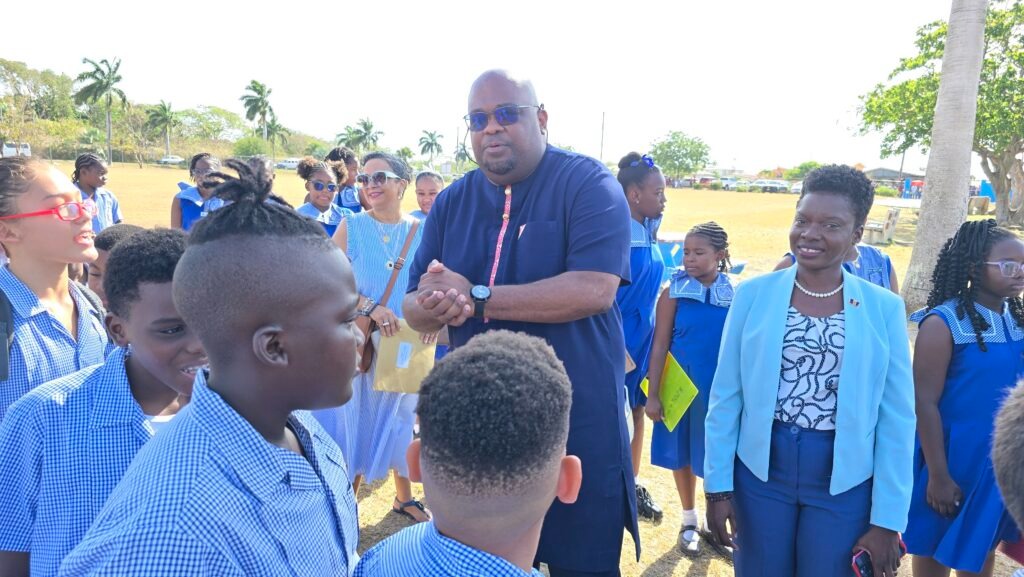
    Barbados’ annual national secondary school placement assessment has wrapped up, and St Gabriel’s Primary School has claimed an unprecedented milestone: producing both the highest-scoring male and female candidates in the 2026 Barbados Secondary School Entrance Examination (BSSEE). The long-awaited results were officially unveiled Monday morning by Minister of Education Transformation Chad Blackman during a press briefing attended by senior ministry officials.

  • Belizean Students Turn New River into Real-World Science Lab

    Belizean Students Turn New River into Real-World Science Lab

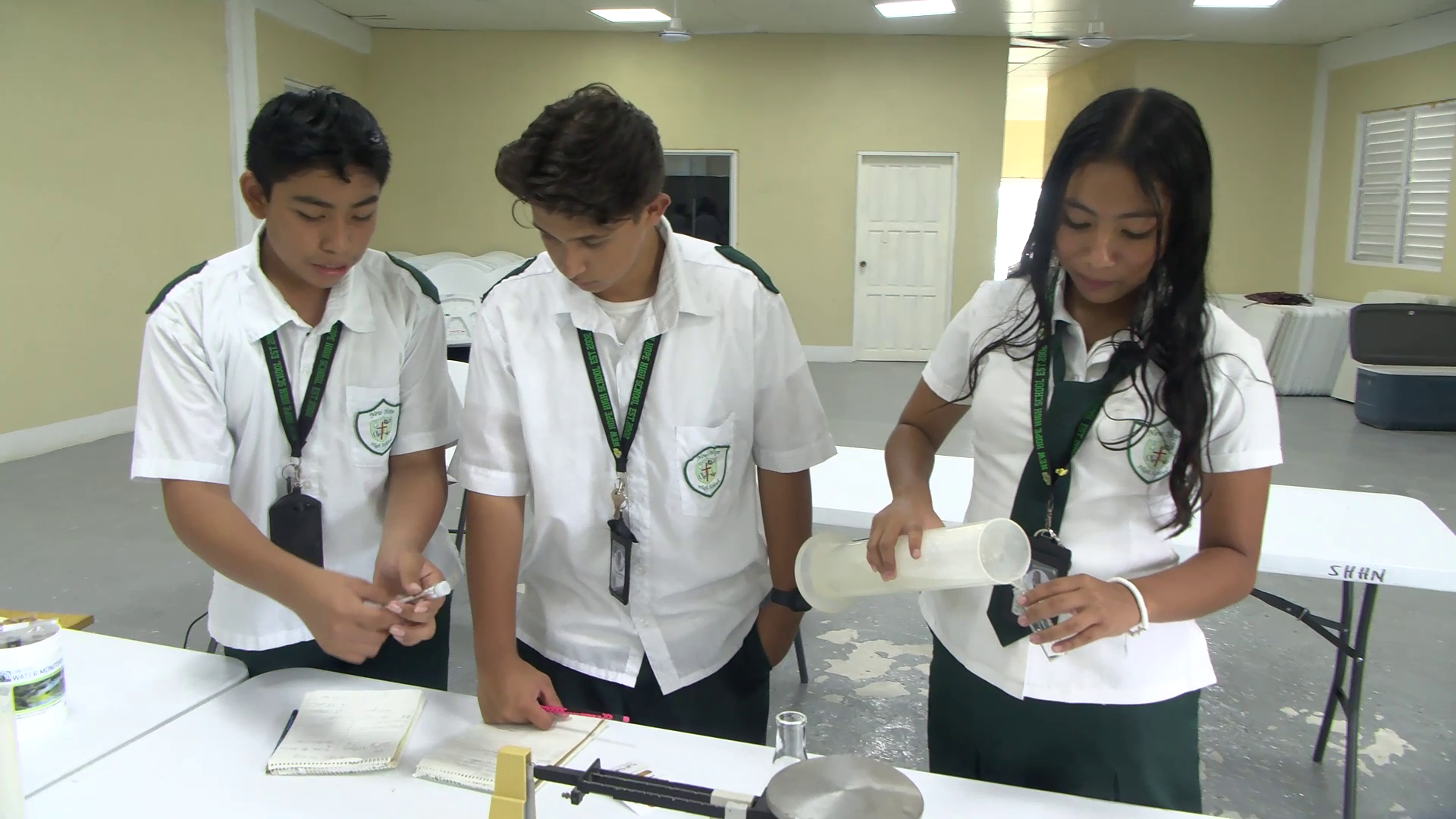
    In the northern Belize district of Orange Walk, where the New River has long served as the economic and cultural heart of the region, a group of first-form students at New Hope High School have reimagined what science education can look like – turning the 85-mile waterway into an open-air, living laboratory whose findings are now contributing to global environmental research. What began as a standard class assignment in 2025 has evolved into a nationally recognized project honored by Belize’s Ministry of Education, Culture, Science and Technology (MOESCT) through its MoRE Campaign, a initiative designed to elevate project-based, community-focused learning.

    The project took root after the MOESCT introduced GLOBE, the NASA-affiliated Global Learning and Observations to Benefit the Environment program, to schools across the country. Under the guidance of their science teacher Zury Magana, who received specialized STEAM training from a Peace Corps education specialist, more than four dozen first-form students spent nine months systematically monitoring water quality in the New River, collecting on-the-ground measurements that have been uploaded to GLOBE’s open-source international database used by researchers around the world.

    For many of the students, the experience transformed their understanding of scientific work. Sophie Novelo, one of the student leaders who advanced the project beyond its original scope, explained that her initial expectation was just to complete the assignment for a grade. “Before I felt like it’s just for a grade. I’ll just do it for fun and so forth. But now knowing that this has gone so big that we went to present it and so forth, it got me really excited,” she shared in an on-site interview with News Five reporter Sabreena Daly.

    The student-led research yielded concerning results that match existing scientific observations of the New River’s declining health. Student Dylan Guerrero outlined the team’s key findings: low water transparency that makes it difficult for aquatic vegetation to photosynthesize, and consistently poor dissolved oxygen levels that threaten the survival of fish and other river wildlife. “As you could see in some pictures, you can’t see through the water… And then the dissolved oxygen, when we tested it, for the most part, we got poor results, which shows that the fish or any other animals in it would struggle to breathe, which is a big issue ‘cause animals need to eat fish, and we need to eat other animals too,” Guerrero explained.

    Beyond just collecting data on the river’s challenges, the project pushed students to engage with ongoing restoration solutions and connect local environmental health to regional ecosystems. Magana organized two educational excursions for the participating students: a site visit to PHYCORE, a biotech firm partnering with Columbia University students on large-scale bioremediation efforts for the New River, and a trip to Calabash Cay where students observed how runoff and pollution from mainland Belize eventually impacts the Caribbean Sea.

    The students didn’t stop at data collection and site visits. They formalized their findings and presented their work to two key stakeholders: Peace Corps officials in Belmopan and the Orange Walk Town Council. Student Eleazar Novelo, who presented the team’s research to local government leaders, said the council responded positively to the youth-led effort and pledged support for continued monitoring. “We thought the New River wouldn’t be safe, but in the end it was not perfect, but it was okay. The town council expressed that they would help and had a good attitude,” Novelo noted.

    The project’s alignment with the MOESCT’s MoRE Campaign – which stands for “doing more” for community-centered education – earned the school national recognition. Carlos Quiroz, MOESCT’s 501 Program Coordinator, explained that the New Hope High project embodied exactly what the campaign aims to encourage. “We encourage that because for us, that is what education and doing more is all about. It’s about going beyond just doing work for grades. It’s taking it into your community. It’s action in your community. So that’s why when it relates to doing more, we were happy to see that they decided to pick a topic that is very near and dear to their community and to try and find an understanding of the issue,” Quiroz said.

    Magana emphasized that the project’s greatest impact is not just the data it contributed, but the way it empowered young Belizeans to take ownership of local environmental issues. “So research like this is important because it gets the exposure to my students. They’re not only tackling problems that affect our community, but also if we don’t do anything about it, in the longer run, it will affect the entire country of Belize,” she said.

    What began with simple equipment – a few testing buckets and portable monitoring tools – and a stretch of river students pass every day has grown into a model for immersive, impactful science education that connects local action to global research. The project proves that curiosity, paired with committed teaching and institutional support, can turn everyday community spaces into opportunities that shape both student learning and real-world environmental progress.

  • 11-Plus exam results to be announced Monday

    11-Plus exam results to be announced Monday

    Thousands of Barbadian primary school students who completed the national secondary school entrance examination earlier this year are just days away from learning their academic fate, as government officials confirm results and secondary school placements will be made public this coming Monday. The high-stakes assessment, formally known as the Barbados Secondary School Entrance Examination (BSSEE) for the 2026 intake cycle, was administered across the island’s primary institutions back in May, marking the final milestone for young learners transitioning from primary to secondary education. The official announcement is set to be delivered by Chad Blackman, Minister of Education Transformation, during a scheduled press conference kicking off at 9:30 a.m. local time. To ensure widespread public access, the entire media briefing will be streamed live for students, parents and guardians via the Ministry of Education’s official YouTube channel, branded under the handle @MRDBarbados. This annual results release is one of the most anticipated education events in Barbados, as it determines which secondary school each student will attend for the next phase of their compulsory education, shaping long-term academic pathways for thousands of young people and their families across the country.

  • Island Life book launch celebrates young authors at Belmont Estate

    Island Life book launch celebrates young authors at Belmont Estate

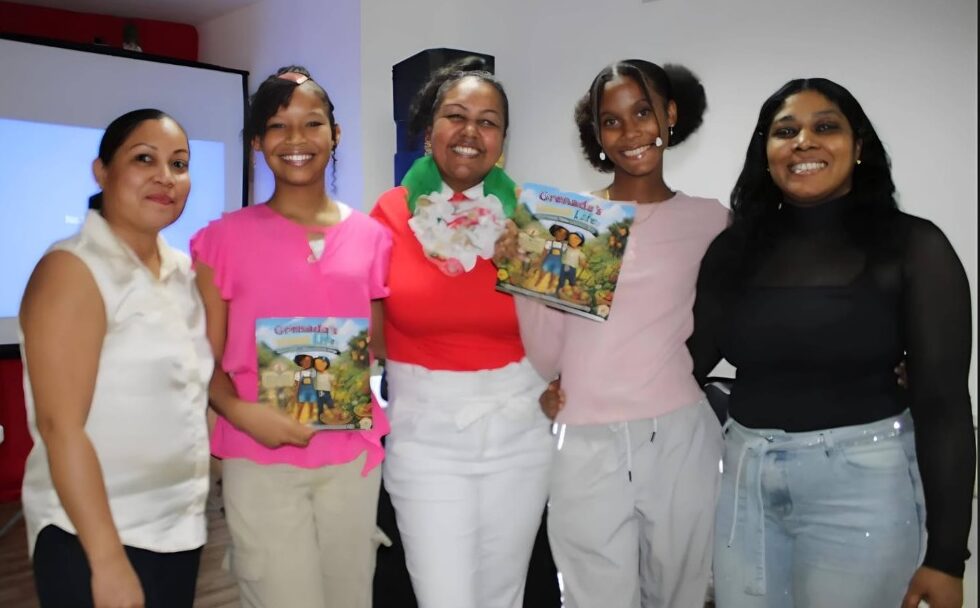
    On a rainy Sunday in mid-June 2026, the historic Belmont Estate in Grenada hosted the official launch of *Grenada’s Island Life: Where Family, Culture and Farms Thrive*, a groundbreaking community-led children’s book project funded by the Caribbean Culture Fund. The event brought together hundreds of attendees spanning students, educators, local families and regional community partners for a day of celebration centered on oral storytelling, cultural heritage and climate-conscious sustainable agriculture.

    Co-authored by two local teens – 13-year-old Kaedi Ettienne and 14-year-old Meghan Noel, both raised on Belmont Estate – alongside academic and mentor Dr. Efua Akoma, the Grenada volume is one piece of a broader cross-Caribbean initiative that centers youth storytelling to elevate critical conversations around traditional farming practices, cultural identity, regional food security and climate-resilient agriculture.

    Even as steady downpours forced organizers to adjust the day’s outdoor programming, the launch did not lose momentum. Attendees turned out in full force, bringing energy and enthusiasm to every scheduled session. The day’s clear highlight was a joint presentation from Ettienne and Noel, who shared their journey from community teens to published authors with confidence and poise. The young co-creators drew widespread praise from attendees and organizers alike, celebrated not just for their finished work but for stepping into role model positions for other young people across Grenada’s rural communities.

    Dr. Akoma, who served as both co-author and mentor for the project, walked the two girls through every step of the storytelling and writing process, helping them shape their personal lived experiences into an accessible narrative for young readers. The book’s plot is rooted in Grenada’s recent climate reality: it follows the two young authors through the aftermath of a devastating hurricane, as they watch their local community unites to repair damaged farmland and rebuild collective hope. Through the beloved characters of Grand Mummy and Zumbee the Bee, the story introduces young readers to core sustainable practices including seed saving, soil conservation and collaborative community resilience-building.

    The wider Island Life Project reaches across three Caribbean nations: Grenada, Dominica, and St. Lucia. It was intentionally designed to center intergenerational knowledge exchange, bringing together voices from children, parents, grandparents and long-time farming communities to document time-honored agricultural wisdom while promoting modern climate-smart techniques such as mulching, crop rotation, companion planting and raised bed farming.

    Beyond the core book publication, the project includes a full suite of free educational resources for communities and schools, including teaching toolkits, student workbooks, structured lesson plans, activity coloring pages and instructional video content tailored to support teachers, learners and family groups. Organizers also conducted on-the-ground interviews with participating small-scale farmers to capture their lived experiences and preserve irreplaceable traditional agricultural knowledge for future generations.

    A popular feature of the launch event was the custom agricultural swag bags distributed to all student attendees, packed with hands-on learning materials and beginner tools designed to encourage practical engagement with farming from an early age. These resources directly reinforce the project’s core mission: cultivating interest in sustainable agriculture among young people and inspiring the next generation of Caribbean farmers. Every attendee also went home with a complimentary copy of the new book, ensuring the messages of sustainability, community resilience and cultural pride extend far beyond the launch event into homes and classrooms across the island.

    While the day’s planned outdoor activities were disrupted by the unseasonable heavy rain, organizers have confirmed that local teachers will lead the activities in school classrooms in the coming weeks. Student work and progress from these activities will be documented and shared with the regional Island Life project team for inclusion in future resources.

    Organizers closed the event by extending sincere gratitude to all partners, funders, participating teachers, family volunteers and attendees whose collective contributions turned a rain-soaked day into a resounding community success.

  • Dr Peter Phillips appointed executive-in-residence of Mona School of Business and Management

    Dr Peter Phillips appointed executive-in-residence of Mona School of Business and Management

    KINGSTON, Jamaica — The Mona School of Business and Management (MSBM) at The University of the West Indies has announced a high-profile new addition to its academic leadership network, confirming that veteran Jamaican public servant Dr Peter Phillips will take up the post of executive-in-residence starting June 15, 2026.

    With a public service career spanning more than 30 years in Jamaican government, Dr Phillips has built a reputation as one of the nation’s most accomplished policy leaders. He has held multiple senior ministerial portfolios across his career, delivering consistent, impactful results that have earned him widespread recognition. Even global multilateral institutions, including the International Monetary Fund, have publicly praised his exceptional policy-making and economic governance capabilities.

    Before his decades-long career in public office, Dr Phillips built a strong foundation in academia as a member of the faculty at The University of the West Indies (UWI). During his early academic tenure, he produced an extensive body of rigorous research and peer-reviewed publications focused on economic development, public governance, and public finance, cementing his expertise across these critical domains.

    His contributions to Jamaican public life have been formally honored on multiple occasions: he received the Order of Jamaica (OJ), the nation’s fourth-highest national honor, in 2021 for his distinguished service. He was also named The Gleaner’s Man of the Year in 2015, and earned a dedicated Award for Public Service for his transformative work as Minister of Finance and Planning.

    Academically, Dr Phillips’ credentials span top institutions across the Caribbean and North America. He completed his early secondary education at Jamaica College, before earning a Bachelor of Science in Economics and a Master of Science in Government from UWI. He went on to obtain a doctorate in International Political Economy from the State University of New York at Binghamton, and most recently received an Honorary Doctor of Economics from the University of the Commonwealth Caribbean in 2025.

    In a formal statement released this Thursday, MSBM leadership explained that the appointment underscores the institution’s long-standing commitment to bridging academic learning and real-world leadership. The executive-in-residence program is designed to connect students and faculty with seasoned, accomplished leaders from across the public and private sectors, creating opportunities for meaningful cross-sector engagement that nurtures the next generation of global decision-makers.

    As part of the voluntary, community-focused role, Dr Phillips will act as a strategic connector between MSBM, Jamaica’s public sector institutions, and the country’s private business community. He will engage directly with students, faculty, and members of the wider Jamaican public to share his decades of on-the-ground expertise, while also contributing to policy-focused research and publications that advance UWI’s core mission and strategic vision.

    Dr Phillips is the latest addition to MSBM’s executive-in-residence cohort, joining sitting appointees Leighton McKnight and Harry Smith in the program’s work of giving back to academic and national development.

  • TVET schools get equipment to train students for green jobs

    TVET schools get equipment to train students for green jobs

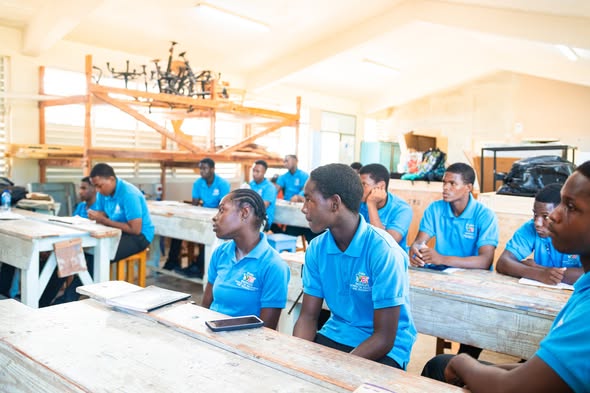
    Small island nations across the Caribbean are accelerating their transition to low-carbon, climate-resilient economies – and that shift demands a workforce equipped with the right practical skills to fill emerging green jobs. In Saint Lucia, that demand is being met with a landmark new donation of specialized technical equipment to the country’s technical and vocational education and training (TVET) sector, aimed at preparing young people for careers in sustainable development, renewable energy and green entrepreneurship.

    The donation forms a core component of two linked international initiatives: the Green & Blue Skills project and the NDC-Tec (Nationally Determined Contributions Technology) Project. It is fully funded by the German Federal Ministry for the Environment through the country’s International Climate Initiative (IKI), with implementation led by GIZ, Germany’s state-owned international development cooperation agency. Beyond Saint Lucia, the NDC-Tec project will roll out similar equipment upgrades to TVET institutions across other CARICOM (Caribbean Community) member states in coming months, supporting a regional push for just transition to green economies.

    To date, the programme has already begun delivering new tools to four of Saint Lucia’s leading TVET institutions: the School of Innovation and Technology, the Stanley Jon Odlum School of Arts, Media and Design, the School of Sustainable Agriculture and Culinary Arts, and the School of Construction and Heritage. Some equipment has already been installed at participating campuses, with the remaining shipment scheduled to arrive by the end of this week, according to GIZ’s programme head Ina De Visser.

    The diverse equipment package is tailored to build skills across multiple high-growth green sectors of Saint Lucia’s economy. For renewable energy training, institutions received two photovoltaic system trainers that allow students to gain hands-on experience installing and maintaining solar power setups, alongside basic electrical installation training kits to build foundational technical skills. Two electric vehicle diagnostic tools – the centrepiece of the donation, aligned with global shifts toward electric mobility – give students the practical knowledge needed to enter the growing EV maintenance and repair sector.

    For the island’s large agriculture and food processing sector, the donation includes two industrial smokers for developing value-added smoked food products such as smoked fish and cured meats, a pulveriser for processing raw cocoa, coffee and grain, and a commercial chocolate melanger to support artisanal chocolate production – a fast-growing niche tourism and export sector for Saint Lucia. The School of Innovation and Technology also received specialized green cooling systems to replace energy-intensive traditional air conditioning, cutting campus emissions while giving students first-hand experience with low-carbon climate control technology. As TVET Education Officer Delthia Naitram explained, the systems address a longstanding campus comfort issue while demonstrating sustainable solutions in action.

    Speaking at an official handover ceremony held at the School of Innovation and Technology’s Anse Ger campus in Deruisseaux, De Visser emphasized the programme’s core goal: to ensure the new tools are fully integrated into training curricula and help close the skills gap for modern green economy jobs. “We hope these items will be used extensively and contribute to preparing the students for modern jobs,” she said.

    GIZ Technical Advisor Sarah Stadler added that the initiative does more than deliver equipment: it supports the government of Saint Lucia’s long-term goal of expanding and modernizing the country’s entire TVET sector, aligning training outcomes with national climate and development priorities.

    Augusta Emmanuel, principal of the School of Innovation and Technology, echoed that outlook in her address to the ceremony, noting that the new equipment will enable the institution to launch industry-recognized certification programmes tailored directly to current and emerging job opportunities in the island’s growing green and blue economies.

    Saint Lucia’s Minister in the Ministry of Education Danny Butcher framed the investment as a critical response to global shifts in the world of work. Rapid technological innovation is reshaping every major industry worldwide, he pointed out, and the transition to electric mobility and clean energy is no longer a distant future – it is already unfolding across the Caribbean. “We must prepare our young people not for the jobs of yesterday, but for the opportunities of tomorrow,” Butcher said.

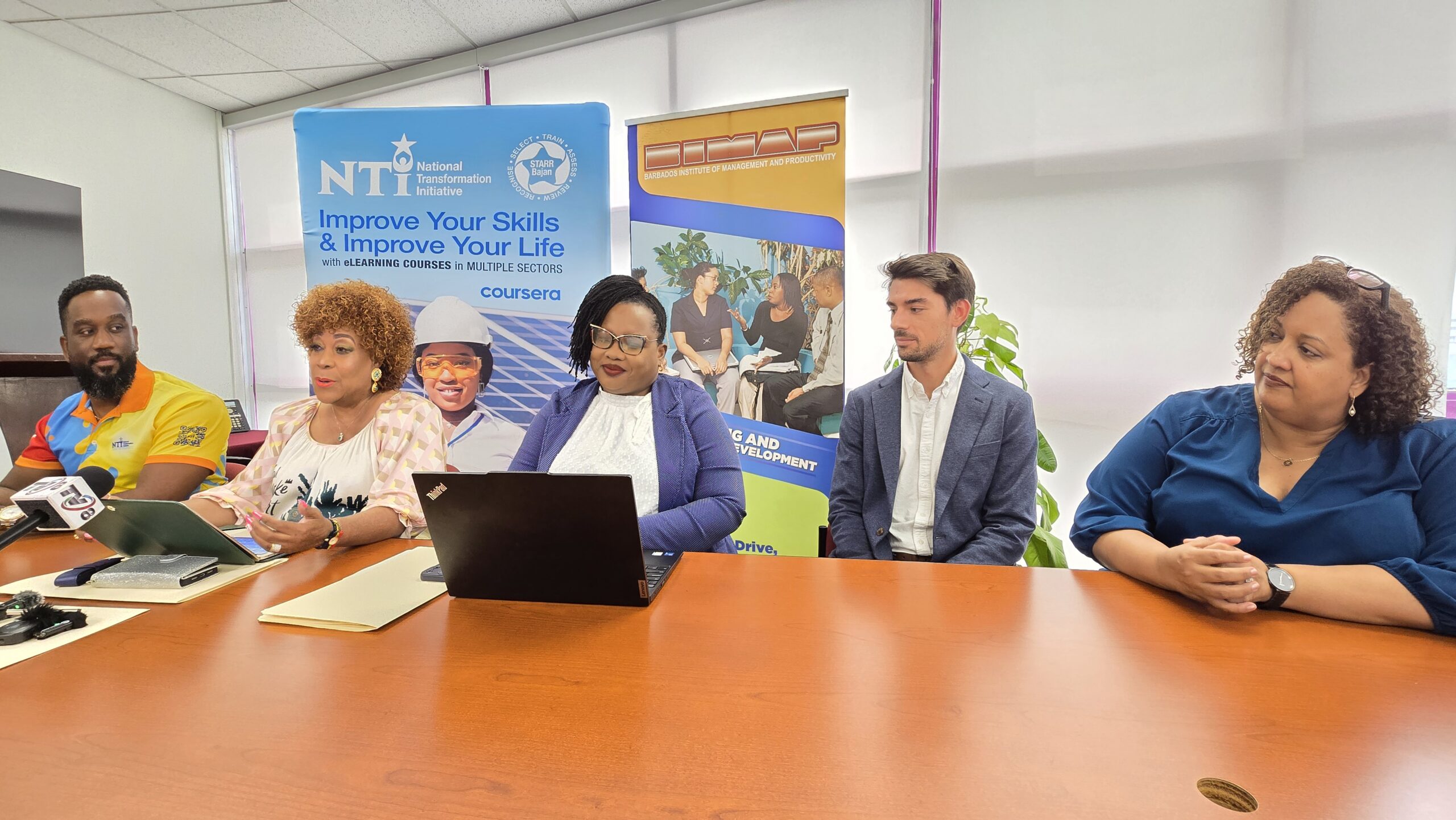
  • NTI, BIMAP, Coursera seal partnership to boost skills, jobs

    NTI, BIMAP, Coursera seal partnership to boost skills, jobs

    On Thursday, three organizations – Barbados’ National Transformation Initiative (NTI), the Barbados Institute of Management and Productivity (BIMAP), and U.S.-based for-profit online learning platform Coursera – formalized a five-year strategic partnership designed to reshape the Caribbean nation’s education system and workforce development landscape.

    The new Memorandum of Understanding (MOU) cements a collaboration that has already delivered tangible results for Barbadian workers and learners since NTI first partnered with Coursera in May 2021. BIMAP was the first domestic institution to embrace the initiative, integrating Coursera’s global digital content into its local training programs from the earliest stages.

    Reflecting on the partnership’s growth to date, NTI Director Dr. Allyson Leacock highlighted the rapid expansion of access and uptake: from just 1,600 completed certifications in 2021, the initiative has now crossed 60,000 certifications, with more than 201,000 total course enrollments and over 51,000 active learners on the national platform co-integrated with Coursera. Under the new expanded agreement, the partners will roll out a customized 40-hour digital training protocol to upskill public sector workers, with the goal of building a forward-thinking public service that leads change rather than falling behind.

    Dr. Leacock emphasized that boosting national productivity is the central mission of the expanded collaboration, framing the work as critical to Barbados’ long-term sovereignty and economic resilience. “For a small nation like ours with no natural oil reserves and limited land area, productivity is not just a metric on a spreadsheet – it is national sovereignty. It lets us hold our own on the global stage and pay our own way. For individual workers, productivity means dignity: it is the difference between a family just getting by and a family getting ahead,” she explained.

    She noted that the partnership aligns directly with the government’s “Mission Barbados” national development agenda, centering worker empowerment and inclusive digital transformation. “A truly fully digital Barbados is not just one with fancy technology. It is one where no one is left behind,” Dr. Leacock added.

    One of the key lessons the NTI learned over its first five years of collaboration with Coursera is that standalone certification is not enough to move the needle on employment outcomes. For too long, many Barbadian workers’ learning journeys ended with a certificate, never translating to better jobs, higher wages, or new small business opportunities. Dr. Leacock noted that education providers and employers have long operated in separate spheres, and the NTI is positioned to bridge that communication gap. The new five-year agreement aims to close this divide by directly linking upskilling programs to tangible workplace opportunities.

    “NTI and Coursera bring world-class digital learning content to the table, but BIMAP brings connections to the local business community, employers, small business owners, and on-the-ground real-world workplace challenges that need solutions,” Dr. Leacock explained. “Together, we close the loop: turning learners into earners, skills into jobs, and completed courses into meaningful contributions from active Barbadian citizens.”

    To kick off the expanded partnership, Dr. Leacock announced three pilot initiatives that will launch and wrap up within the first 90 days. The pilots include upskilling a local coconut vendor to grow their roadside trade into a linked value-added segment of Barbados’ tourism development program, leadership training for frontline retail supervisors to help them manage whole teams rather than just individual shifts, and hands-on hazardous waste disposal and industrial safety training for frontline workers, hosted on BIMAP’s real training equipment to ensure workers can return home safely every day. The partnership will also explore practical applications of artificial intelligence to boost local productivity and solve everyday industry challenges.

    BIMAP Executive Trustee Andrea Burgess outlined the institute’s key contributions to the collaboration: its existing relationships with local and regional employers, expert training facilitators, hands-on practical training infrastructure, and decades of regional development expertise. “We are ready to serve as a core part of this delivery engine for national transformation, and eventually regional and even international transformation, all with a constant focus on improving productivity. Our shared goal is to help Barbadian learners move from learning to earning through the combined strength of NTI, Coursera, and BIMAP,” Burgess said.

    Burgess explained that under the new agreement, Coursera content will be progressively integrated directly into BIMAP’s credentialed programs, rather than operating as a separate standalone offering. “This integration lets learners benefit from both global cutting-edge expertise from Coursera and local contextualized facilitation, assessment, and workplace connection from BIMAP,” she noted. The integrated model offers multiple flexible pathways: Coursera courses can count toward full BIMAP degree programs, serve as prerequisite preparation for program entry, or allow learners to waive foundational coursework and shorten their time to completion, depending on alignment of learning outcomes.

    Jennifer Campbell, special advisor for higher education at Coursera, reaffirmed that expanding accessible learning opportunities for all remains the platform’s core mission. “What stands out to me is seeing how lives are being transformed: from learners who took a chance on a new course to faculty who have embraced new training models. Right now, every single person in Barbados has access to these opportunities, and it is an honor for Coursera to be part of this work,” Campbell said. She also pledged that Coursera will continuously update its content to reflect global labor market demands, emerging technologies, and the latest skills data to ensure it remains relevant to Barbadian workers’ needs.

  • Kaylei John-Baptiste Named Antigua and Barbuda’s 2025 CSEC Student of the Year

    Kaylei John-Baptiste Named Antigua and Barbuda’s 2025 CSEC Student of the Year

    A teenage scholar from Antigua has made history across the Caribbean’s secondary education landscape, clinching Antigua and Barbuda’s highest 2025 Caribbean Secondary Education Certificate (CSEC) honor after posting a nearly perfect examination performance. Kaylei John-Baptiste, a graduating senior from the Baptist Academy of Antigua, walked away with the 2025 CSEC Student of the Year title at the 40th annual National CSEC Awards Ceremony, an event that gathered education leaders, families, and top-performing students from across the nation to celebrate excellence in the 2025 regional exam cycle.

    John-Baptiste’s landmark achievement is 18 Grade One passes across 20 total CSEC subjects, a result that few students across the Caribbean region ever achieve. This outstanding capstone matches the trajectory of her entire secondary school career: she maintained an average above 90 percent in all coursework over four years, graduated as the 2025 valedictorian of her Baptist Academy class, and holds an overall 3.84 grade point average.

    Speaking during the award presentation, Dr. Hensworth Jonas highlighted that John-Baptiste’s drive for excellence was evident from her earliest school years. “From the onset, Kaylei demonstrated self-determination and a strong drive to achieve the extraordinary,” Jonas shared. He added that John-Baptiste was one of just two students in her entire graduating cohort to attempt all 20 CSEC subjects in a single exam sitting, and she secured top national rankings across multiple disciplines. She earned first place nationally in Economics, Human and Social Biology, and Principles of Accounts, and landed in the top three across several other subject areas.

    Beyond her academic prowess, John-Baptiste has compiled an impressive record of extracurricular achievement across leadership, arts, and athletics. She served as a school prefect, held a performing role in the Baptist Academy Steel Ensemble, plays violin for the Antigua and Barbuda Youth Symphony Orchestra, and competes actively as an avid tennis player.

    Her long-term career goals are rooted in a deep passion for scientific advancement and public service. John-Baptiste, who aims to become a medical doctor, is already pursuing preliminary studies in natural sciences to prepare for medical school. She has completed volunteer work at a local medical clinic and earned a coveted spot in the competitive Bold Summers Program at the University of Pennsylvania’s Perelman School of Medicine, gaining hands-on experience in clinical and research settings.

    Jonas extended praise not only to John-Baptiste but to her family, whose consistent support helped nurture the young scholar’s growth and commitment. “The Baptist Academy of Antigua congratulates Kaylei John-Baptiste on her exceptional achievement in the May-June 2025 CSEC examinations,” he said.

    The 40th anniversary ceremony, held under the theme “Architects of Tomorrow,” recognized dozens of high-achieving students from across Antigua and Barbuda for their performance on the regional exams. Khaliq Harris of St. Joseph’s Academy took second place in the national Student of the Year rankings, while Nayima Lewis, also from the Baptist Academy of Antigua, claimed third place.

    In her first public remarks after accepting the award, John-Baptiste offered gratitude to God, her family, teachers, and the broader community that supported her academic journey. She also left a message of encouragement for her fellow students, urging them to frame every academic milestone as a stepping stone rather than a final destination.

    The annual National CSEC Awards Program was created to honor top academic performance across the Caribbean’s standardized secondary exams, while also celebrating students who exhibit strong leadership, personal discipline, and a sustained commitment to lifelong learning.