分类: education

  • AdeKUS Student Chapter vertegenwoordigt Suriname tijdens PetroBowl 2026 in Argentinië

    AdeKUS Student Chapter vertegenwoordigt Suriname tijdens PetroBowl 2026 in Argentinië

    A student team from the Society of Petroleum Engineers (SPE) Student Chapter at Anton de Kom University of Suriname (AdeKUS) is set to carry Suriname’s flag at the 2026 Latin America and the Caribbean Regional PetroBowl, scheduled for May 15 in Buenos Aires, Argentina. The quiz-style competition is held as a core event of the annual regional SPE Student Symposium, gathering top university student teams from across the region to compete in expertise, collaboration and professional growth.

    Organized globally by SPE International, the PetroBowl is a leading international academic competition centered on technical and industry knowledge specific to the oil and gas sector. Unlike standard academic quizzes, the contest is designed to test deep domain expertise, fast problem-solving, and cohesive teamwork, with a core mission of nurturing the next generation of energy sector professionals.

    The 2026 Surinamese delegation consists of five members: team captain Rishano Hapdoel, competitors Altaaf Sultan, Latusca Reboe, and Ariantxa Djojodikromo, with academic mentors Manisha Ori and Shaïza Simons guiding the team ahead of the competition. This year’s participation builds on a historic milestone for the program: in 2024, AdeKUS’s student team claimed the regional PetroBowl championship title, a win that put Suriname’s emerging energy talent on the international map and highlighted the high caliber of the university’s petroleum-related programs.

    Beyond competition, the PetroBowl serves as a globally recognized platform for talent development. For participating students, the event offers far more than an opportunity to test their knowledge against international peers. It opens doors to structured professional development opportunities, including specialized technical training, cross-border networking events with industry leaders, and pathways to global competitions such as the international PetroBowl and SPE’s Student Paper Competition. These experiences directly prepare young professionals to tackle the complex technical and social challenges facing the modern energy sector.

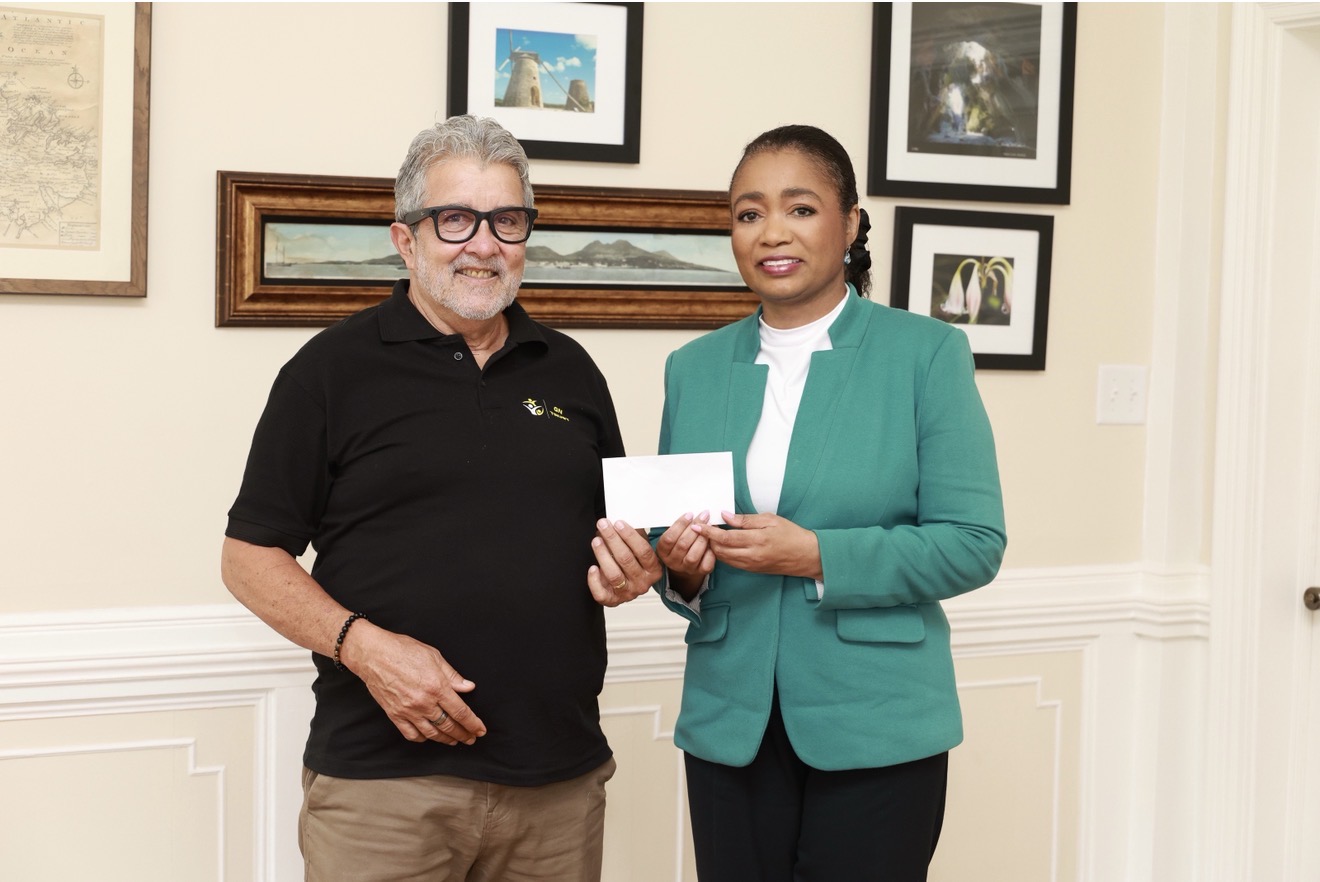
    The Suriname team’s trip and participation are made possible through collaborative support from local industry and regional SPE bodies, including SPE Suriname (SPESUR), national energy firm Staatsolie, and local enterprise Self-Reliance. For these backers, supporting the student delegation is more than sponsorship—it is an investment in developing local talent and building domestic expertise in Suriname’s growing energy sector. The partnership also underscores the critical value of bridging academic education and industrial practice to advance the sustainable development of Suriname’s energy industry, as the country continues to expand its presence in the global oil and gas market.

  • Caught in the Machine: How AI Is Upending the Classroom and What It Means for the Caribbean

    Caught in the Machine: How AI Is Upending the Classroom and What It Means for the Caribbean

    In 2024, a Maryland high school student named Ailsa Ostovitz learned firsthand the unforeseen costs of the global rush to police AI use in education. When she turned in a deeply personal essay about her love of music, her teacher ran the submission through a commercial AI detection tool, which incorrectly flagged the work as machine-generated and downgraded her grade. Ostovitz, who never used AI to draft the assignment, told NPR her frustration was overwhelming: “I write about music. I love music. Why would I use AI to write something that I like talking about?”

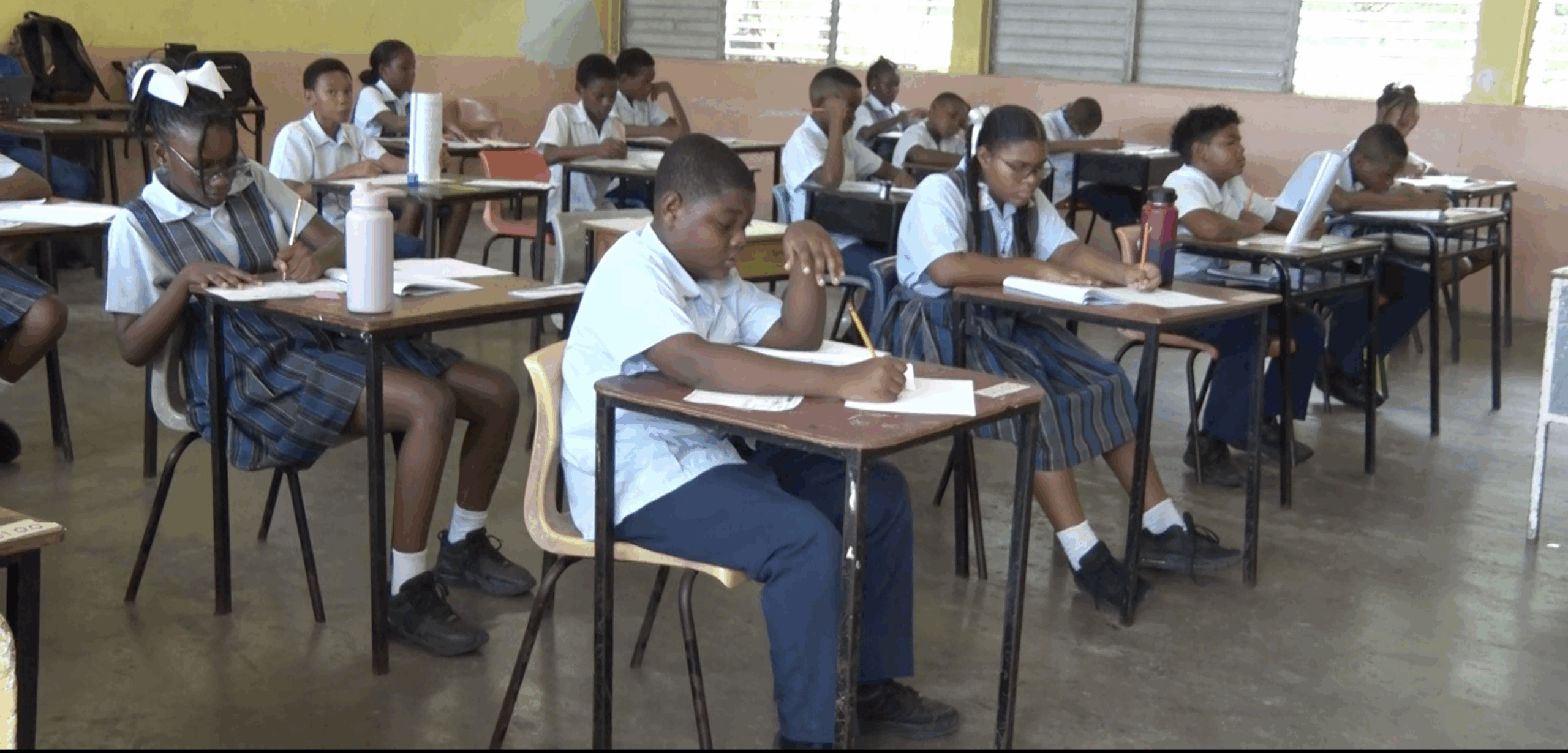
    Ostovitz’s experience is far from an isolated incident. It has become an increasingly common reality as generative AI tools like ChatGPT have upended academic norms across North America, Europe, and now the Caribbean. While mainstream headlines have centered chaos in U.S. and U.K. campuses, students across Caribbean nations—including Belize, where learners are currently preparing for CSEC and CAPE School-Based Assessments (SBAs)—are now navigating a web of new AI rules, detection tools, and punitive consequences that did not exist just two years ago.

    There is no denying that AI-facilitated academic misconduct is a growing challenge. A 2024 investigation by The Guardian, drawing on official data from 131 U.K. universities, recorded nearly 7,000 confirmed AI-related cheating cases that academic year—equivalent to 5.1 cases per 1,000 students, up sharply from just 1.6 cases per 1,000 the year prior. A separate survey from the Higher Education Policy Institute found that 88% of all students now use generative AI for their assessments, a jump from 53% just 12 months earlier. Researchers at the University of Reading tested popular AI detection systems and found that 94% of fully AI-generated work slipped past the tools undetected. Traditional plagiarism, by contrast, has plummeted: what once made up nearly two-thirds of all academic misconduct has now been displaced by a harder-to-detect, harder-to-define form of academic dishonesty. Cheating has not disappeared—it has fundamentally transformed.

    Casey Cuny, a 23-year veteran California high school English teacher, summed up the scale of the shift in a 2025 Associated Press interview: “The cheating is off the charts. It’s the worst I’ve seen in my entire career.” At St. Peter’s University in New Jersey, professor Stephen Cicirelli went viral on social media after highlighting a particularly absurd example: one of his students turned in a fully AI-written paper, then followed up with an apology email that was also written by ChatGPT.

    The widespread institutional response to this shift has been to fight AI with AI. Turnitin, the plagiarism detection platform used by more than 16,000 academic institutions globally, launched an AI detection feature in 2023, and competitors like GPTZero and Copyleaks quickly followed suit. School districts have poured hundreds of thousands of dollars into these tools: Florida’s Broward County Public Schools signed a three-year $550,000 Turnitin contract, while an Ohio school district pays GPTZero roughly $5,600 annually to serve 27 of its teachers.

    But leading academic integrity researchers universally agree these tools are too unreliable to shape high-stakes decisions about students’ academic futures. “It’s now fairly well established in the academic integrity field that these tools are not fit for purpose,” says Mike Perkins, a leading AI and academic integrity researcher whose work is cited by the Caribbean Examinations Council (CXC) in its own AI policy framework. Perkins’ research found that top detectors regularly mislabel genuine student work as AI-generated, and their accuracy drops even further when students lightly edit AI text to read more like human writing.

    Even the companies that sell these tools acknowledge their flaws. Turnitin states openly on its website that its AI detection “may not always be accurate… so it should not be used as the sole basis for adverse actions against a student.” GPTZero CEO Edward Tian has echoed that caution, saying “We definitely don’t believe this is a punishment tool.” Despite these warnings, a 2025 nationally representative poll from the Center for Democracy and Technology found that more than 40% of U.S. 6th to 12th grade teachers used AI detection tools in the 2024–2025 school year, even as most admitted the tools are flawed. A small number of leading institutions, including UCLA and UC San Diego, have taken a bolder step, deactivating all AI detectors entirely over unacceptable rates of false positives.

    One of the most alarming, and most underreported, flaws of AI detection tools is their systematic bias against students who speak English as a second language—a dynamic that carries outsized risk for Caribbean learners. A 2024 study from Stanford computer scientists found that seven leading AI detectors incorrectly flagged non-native English speakers’ writing as AI-generated 61% of the time. For roughly 20% of those papers, every detector tested unanimously agreed the authentic human work was machine-produced. By contrast, detectors almost never made that mistake when evaluating writing from native English speakers.

    This bias is baked into the design of the tools: AI detectors flag text as machine-generated when it uses predictable word choice and simple syntactic structure, patterns that are common in writing by non-native English speakers. “The design of many GPT detectors inherently discriminates against non-native authors, particularly those exhibiting restricted linguistic diversity and word choice,” explained study co-author Weixin Liang. For Caribbean students, this is not an abstract academic concern: across CSEC and CAPE cohorts, English is the medium of instruction, but many students go home to households where Kriol, Garifuna, Spanish, or other regional languages are the primary language. A student writing in straightforward sentence structure because they are translating their thoughts from a first language faces the same risk of false flagging as non-native speakers at U.S. and European universities.

    Taylor Hahn, a Johns Hopkins University instructor who noticed this pattern in Turnitin’s flagging of international students’ work, recalled one meeting where a student immediately produced clear proof of original work—full draft notes, annotated drafts, and handwritten outlines—proving the tool had simply been wrong. Incidents like this have pushed students to take extreme measures to avoid false accusations, sparking a new technological arms race in classrooms. As detection tools proliferated, a multi-million dollar counter-industry of “AI humanizer” tools emerged almost overnight. More than 150 of these tools now exist, designed to rewrite AI-generated text to evade detection algorithms. While some are free, others charge a $20 monthly subscription, and the industry drew 33.9 million website visits in a single month at the end of 2025.

    While many users rely on humanizers to cover up intentional cheating, a growing number of students who never use AI run their own original work through these tools just to avoid false accusations—a heartbreaking compromise that erodes the quality of their writing. Brittany Carr, a Liberty University student, was falsely flagged after turning in a personal essay about her own experience with a cancer diagnosis. “How could AI make any of that up?” she wrote to her professor. “I spoke about my cancer diagnosis and being depressed and my journey and you believe that is AI?” Fearing that a false finding would cost her VA educational financial aid, Carr began running every assignment through detection tools and rewriting any section the tools flagged. “But it does feel like my writing isn’t giving insight into anything. I’m writing just so that I don’t flag those AI detectors.” After the semester ended, she dropped out of the university entirely.

    Back in Maryland, Ailsa Ostovitz now spends an extra half hour running every assignment she writes through multiple detection tools before submitting, just to avoid the grade penalty she received once. Turnitin has responded to the rise of humanizers by launching new “bypasser detection” features, while humanizer tools have updated their technology to mimic human keystroke patterns to defeat browser-based tracking. As one student put it: “So it’s like, how far do you want to go down the rabbit hole? I’m making myself crazy.”

    While the detection arms race spirals out of control in North America and Europe, the Caribbean has taken a fundamentally different approach, centered on human judgment rather than algorithmic verdicts, and framing AI as a pedagogical resource rather than an existential threat. In a May 2026 video address titled “Who You Choose to Be,” CXC Director of Operations Dr. Nicole Manning spoke directly to regional students and teachers, delivering an unambiguous message on AI detection: “AI checkers are one input. They are not the verdict. There will be human interventions right through the process to ensure fairness.”

    That policy comes in response to a gap the CXC identified across the region: a December 2024 CXC study found that roughly 70% of Caribbean nations still lack official national AI policies for education, even as AI tools have become ubiquitous in regional classrooms. That gap prompted the CXC to develop a comprehensive Standards and Guidelines framework that went into effect for the 2026 May-June examination cycle—the same sitting that thousands of students across Belize and the Caribbean are currently preparing for.

    Under the CXC framework, AI is permitted for use in SBAs with clear, transparent boundaries. Students can use AI to brainstorm ideas, clarify difficult concepts, explain unfamiliar terms, or draft structural outlines for their work. They may not submit work that is generated wholly or mostly by AI, and any student who uses AI in any capacity must submit a formal disclosure form and originality report. The acceptable AI similarity threshold is set at 20%, and teachers are required to provide detailed rationale for any findings of academic misconduct for submissions that exceed the threshold.

    The framework draws directly on the AI Assessment Scale developed by Mike Perkins, the same researcher who has repeatedly warned that commercial AI detectors are “not fit for purpose.” Instead of outsourcing academic judgment to unproven software, the CXC built its system around the longstanding teacher-student relationship that sits at the core of effective education. “The teacher-student relationship built over months of observation, drafts, conversations, and guidance remains central to how SBAs are moderated and assessed,” Dr. Manning explained.

    CXC Registrar and CEO Wayne Wesley added that the framework requires a rethinking of longstanding assessment practices: “You have to engage students in more one-on-one conversations to appreciate whether the work they are presenting is truly their own. It also requires us to re-think how assessment is done from a summative and formative standpoint.”

    At the tertiary level, the University of the West Indies (UWI), whose Open Campus serves students across Belize and the entire Caribbean, is also moving toward systemic, region-specific change. In late April 2026, UWI announced a partnership with the University of the West of Scotland to join the IntegraGuard Project, an initiative designed to build fair, transparent academic integrity systems that combine AI-assisted detection with human investigation—rather than replacing human judgment with algorithmic decisions. UWI has also finalized its own institutional Artificial Intelligence Policy Framework and launched a dedicated AI Institute at its St. Augustine Campus, designed to address the Caribbean’s unique development challenges through AI. The institute recognizes that the region cannot simply import policy frameworks designed for wealthy nations with different linguistic, historical, and educational contexts.

    As CXC Director of Technological Innovation Rodney Payne put it, reflecting on the region’s coordinated approach: “For us to benefit as a region, we need harmonious development, utilising the technologies across the board. It’s not going to help us if one state moves ahead quickly and the others are struggling to follow.”

    Most education experts agree that punishing students based on unreliable algorithmic findings is not a sustainable solution. Carrie Cofer, a Cleveland high school English teacher, tested GPTZero by uploading a chapter of her own PhD dissertation, and the tool labeled it 89 to 91% AI-written. “I don’t think it’s an efficacious use of their money,” she said of institutional spending on AI detection. “The kids are going to get around it one way or the other.”

    Erin Ramirez, an associate professor at California State University Monterey Bay, summed up the unfair burden placed on innocent students, a reality that hits Caribbean learners particularly hard: “Students now are trying to prove that they’re human, even though they might have never touched AI ever.” For students already navigating linguistic and economic barriers that many Caribbean learners face, the extra burden of proving their authenticity to a machine is an unnecessary injustice that should concern everyone in education.

    A small but growing number of institutions have already rejected detection tools entirely: the University of Pittsburgh scrapped all AI detection in 2025, concluding that false positives “carry the risk of loss of student trust, confidence and motivation, bad publicity, and potential legal sanctions.” Most global institutions have not yet followed that lead. But the CXC’s alternative framework offers a clear path forward, centered on core academic values rather than technological panic. As Dr. Manning put it: “Integrity is not about whether a machine can detect what you did. It is about who you choose to be.”

  • CXC® reaffirms pro-student-teacher stance on responsible use of AI in SBAs

    CXC® reaffirms pro-student-teacher stance on responsible use of AI in SBAs

    As generative artificial intelligence continues to reshape learning environments across the globe, regional examination bodies are navigating uncharted territory to balance technological innovation with academic integrity. The Caribbean Examinations Council (CXC®) has stepped forward to address growing uncertainty among students, teachers, and families across the Caribbean region, releasing a clear, compassionate policy framework for AI integration in School-Based Assessments (SBAs) that prioritizes fairness, human oversight, and educational integrity.

    In a public video address shared across CXC®’s official website and social media platforms, Dr. Nicole Manning, the council’s Director of Operations, openly addressed both the transformative opportunities and pressing challenges that AI tools bring to academic work and SBA development. She offered targeted reassurance to stakeholders adjusting to the rapidly evolving digital education landscape, acknowledging widespread anxiety around how AI would be policed in regional assessments.

    A core point of public concern has centered on the reliability of commercial AI detection tools, which researchers have repeatedly shown to produce high rates of false accusations against student work. In response to these worries, Dr. Manning emphasized that AI detection software will never serve as the sole evidence for penalizing a student’s submission. “The teacher-student relationship built over months of observation, drafts, conversations, and guidance remains central to how SBAs are moderated and assessed,” Dr. Manning stated in her address. “AI checkers are one input. They are not the verdict. There will be human interventions right through the process to ensure fairness,” she added.

    CXC®’s updated guidelines draw a clear line between acceptable and unacceptable AI use for students completing SBAs. The council permits learners to leverage AI as a supportive study tool: students may use AI to clarify complex concepts, brainstorm project ideas, explain challenging terminology, or draft structural outlines for their work. However, any use of AI, no matter how minor, requires full transparency: students must disclose their AI utilization via a mandatory Disclosure Form and Originality Report, citing the tool as a source in their final submission. For students who complete their work without any AI assistance, no additional documentation is required.

    The council classifies the submission of work generated entirely or predominantly by AI without disclosure as a case of academic dishonesty. Any such cases will be processed through the organization’s established irregularity protocols, with collaborative input from the candidate, their classroom teacher, and school leadership to reach a fair outcome.

    Recognizing the extra burden that adapting to AI-integrated assessment places on Caribbean educators, Dr. Manning reaffirmed CXC®’s commitment to supporting teachers through the transition. The council will provide targeted resources and specialized training to help educators implement the new guidelines consistently and confidently. “You are not alone in this,” she told the teaching community. “Engage your students in honest conversations about how they use these AI tools. Guide them on what they can do, what they cannot, and why academic integrity matters beyond the examination room.”

    For Caribbean students, Dr. Manning offered a reflective call to prioritize personal integrity over shortcutting assessment requirements. “Integrity is not about whether a machine can detect what you did. It is about who you choose to be,” she said.

    Dr. Manning’s full address, titled “Who You Choose to Be,” is available for public viewing on CXC®’s official YouTube channel. The complete Standards and Guidelines on Generative AI Use in School-Based Assessments can be downloaded at the council’s official website, www.cxc.org.

  • Universiteit bereikt belangrijke mijlpaal met accreditatie Bachelor Bouwkunde

    Universiteit bereikt belangrijke mijlpaal met accreditatie Bachelor Bouwkunde

    Suriname’s leading higher education institution, Anton de Kom University of Suriname (AdeKUS), has marked a major milestone in advancing academic quality across its programs, as its Bachelor of Civil Engineering program under the Faculty of Technological Sciences (FTeW) has secured full accreditation from the National Accreditation Organization (NOVA).

    Awarded on May 6, 2026, the accreditation is valid for a six-year term and serves as independent validation of the program’s high educational standards, as well as the university’s long-standing commitment to continuous quality improvement across all academic offerings. Following this successful accreditation outcome, AdeKUS now boasts 26 fully accredited academic programs – a clear metric that reflects growing national and international confidence in Suriname’s higher education sector.

    Launched just 19 months prior to the accreditation, in October 2024, the Bachelor of Civil Engineering program falls under the infrastructure study track within FTeW. Its curriculum is designed to cover core industry competencies including civil works design and management, advanced construction materials and technologies, and urban planning. A key distinguishing feature of the program is its intentional focus on eco-friendly, energy-efficient design principles, aligning the coursework with pressing global trends in environmental engineering and climate adaptation.

    The program’s pedagogical framework is built around the concept of system thinking, which trains students to approach complex engineering challenges from an integrated perspective starting in their first year of study. Through interactive learning formats and hands-on practical assignments, students develop both sharp analytical capabilities and on-the-job skills to resolve real-world civil engineering problems effectively. This skill-focused design not only creates a solid foundation for graduates pursuing advanced master’s degrees at international institutions, but also prepares them for immediate entry into the regional and global workforce.

    Accreditation brings a wide range of tangible benefits for students, faculty, and the broader Surinamese society. For enrolled students and future graduates, the NOVA accreditation guarantees that their degree carries international recognition, confirming they received education that meets global quality benchmarks. This directly improves their employability and expands their options for further study, both within Suriname and at institutions abroad.

    For AdeKUS as an institution, the successful accreditation acts as a catalyst for ongoing improvement, encouraging the university to continue innovating its curricula and teaching practices to meet evolving industry needs. It also strengthens transparency and builds greater trust among industry employers and national and international academic partners.

    More broadly, the accreditation of this program supports long-term national development in Suriname by producing highly qualified engineering professionals who can contribute to the country’s sustainable infrastructure expansion and inclusive economic growth. With this latest achievement, AdeKUS reinforces its position as the country’s leading knowledge institution, consistently adapting its programs to meet both societal demands and international academic standards.

  • Barbados, T&T eye stronger cultural ties in education

    Barbados, T&T eye stronger cultural ties in education

    A groundbreaking cross-border partnership between Barbados and Trinidad and Tobago centered on creative arts is emerging as a potential game-changer for reimagining education systems across the Caribbean, with top government officials and a celebrated soca icon aligning on a vision to weave regional identity, cultural heritage, and career-ready creative skills into early childhood and secondary education.

    The landmark conversation took place this Monday, when Minister of Education Transformation Chad Blackman welcomed award-winning Trinidadian soca performer Nailah Blackman — an artist with deep ancestral roots in Barbados — for a formal courtesy call at the minister’s Bridgetown office. For those unfamiliar with the star’s legacy, Nailah Blackman carries unmatched cultural pedigree in the Caribbean music space: she is the granddaughter of Ras Shorty I, the legendary innovator who pioneered the soca music genre, and the daughter of respected Trinidadian calypsonian Abbi Blackman, earning her the widespread title of “soca royalty” across the region. As of press time, no familial connection between Minister Blackman and the performer has been confirmed.

    During the discussion, Minister Blackman framed the collaboration as a natural extension of Barbados’ ongoing national education transformation agenda, arguing that the current reform push creates a unique opening to center Caribbean identity and cultural knowledge rather than sidelining it. “Your vision for advancing the arts, not just here in Trinidad but across Barbados, the entire Caribbean, and the global stage, lines up with so many of the goals we’re working toward — there are incredible synergies we can leverage,” he told the performer. The minister went on to emphasize that as Barbados overhauls its education framework, a core priority is decolonizing curricula by placing Caribbean narratives, culture, and perspectives at the heart of what students learn.

    Nailah Blackman echoed this commitment, stressing that foundational change to education must start in the earliest years of childhood to undo the lingering harm of colonial educational frameworks. “We really have to break free of the colonial mindset, because it’s something that has divided us and held our region back,” she explained. She added that grounding young people in local and regional arts and culture from their first years in school is the first step to building healthy, empowered regional identities: “That’s where change starts — molding young minds the right way, authentically, starting with deep roots in our own arts and culture.”

    Minister Blackman also outlined concrete policy plans to expand creative arts access across Barbadian primary and secondary schools, including the development of on-campus music production studios equipped for student use. “We’ve already made a formal commitment that a significant number of our schools will roll out dedicated creative arts curricula, but what makes this new is that we’re building actual studios where students can create their own music, produce original beats, and develop soundtracks from scratch,” he said. The end goal, he explained, is to arm students with marketable, practical creative skills before they graduate, preparing them to build successful careers in music and the broader creative economy across the Caribbean and around the world. “This is an incredibly exciting moment for education in our region,” he added.

  • CXC delivers message reaffirming fair and human-centred approach to AI use in school-based assessments

    CXC delivers message reaffirming fair and human-centred approach to AI use in school-based assessments

    As generative artificial intelligence continues to reshape learning landscapes across the globe, regional educational assessment bodies are racing to establish clear, balanced frameworks that adapt to new technology while upholding core academic standards. The Caribbean Examinations Council (CXC®) has recently stepped forward with a thoughtful, student-centered policy for AI integration in School-Based Assessments (SBAs), aiming to ease widespread anxiety among students, educators, and families across the Caribbean region.

    In a public video address published across CXC®’s official website and social media channels, Dr. Nicole Manning, the organization’s Director of Operations, opened with a balanced overview of AI’s role in modern education, acknowledging both its transformative learning benefits and the unprecedented challenges it creates for assessment integrity. Her remarks, framed in a press release from the Council, were designed to reassure all stakeholders navigating the rapid shift to digitally enhanced learning.

    A core point of public concern in recent months has centered on the reliability of AI detection tools and their potential to unfairly penalize students in assessment grading. Addressing these worries directly, Dr. Manning emphasized that AI detection software will never serve as the sole basis for academic disciplinary or grading decisions at CXC®. She stressed that the long-standing, hands-on relationship between teachers and students remains the foundation of SBA assessment and moderation. Over months of working together through draft revisions, one-on-one conversations, and ongoing guidance, teachers develop a nuanced understanding of each student’s abilities that no automated tool can match. “AI checkers are one input. They are not the verdict,” Dr. Manning explained, confirming that human oversight will be embedded at every stage of the assessment process to guarantee fair outcomes.

    CXC®’s new framework also draws a clear line between acceptable and unacceptable AI use, giving students clear guardrails rather than an outright ban on the technology. The Council confirms that students may legitimately use AI tools to support their learning: from breaking down complex academic concepts and brainstorming project ideas to clarifying confusing terminology and organizing the structure of their work. The only requirement for ethical use is full transparency: any student who incorporates AI assistance into their SBA must disclose this use via an official Disclosure Form and Originality Report when submitting their work. For students who complete their assessments without any AI support, no additional documentation is required.

    The policy makes clear that academic misconduct rules still apply: submitting work that is fully or predominantly generated by AI without proper disclosure violates CXC®’s academic integrity standards, and will be handled through the organization’s established irregularity procedures, which include collaboration between the student, their classroom teacher, and school principal.

    Recognizing that adapting to this new policy places additional responsibility on Caribbean educators, Dr. Manning reaffirmed CXC®’s commitment to providing ongoing training and resource support to help teachers confidently implement the AI framework in their classrooms. “You are not alone in this,” she told educators, encouraging them to hold open, honest conversations with students about responsible AI use, and to help learners understand why academic integrity matters long after they leave the examination room.

    For students, Dr. Manning shared a straightforward, values-driven message: ethical AI use is ultimately about personal character, not avoiding detection by technology. “Integrity is not about whether a machine can detect what you did. It is about who you choose to be,” she said.

    Dr. Manning’s full video address, titled “Who You Choose to Be,” is available for public viewing on CXC®’s official YouTube channel. The complete Standards and Guidelines on Generative AI Use in School-Based Assessments is available for download at the organization’s official website, www.cxc.org.

  • CXC says AI approach based on fairness and human judgement

    CXC says AI approach based on fairness and human judgement

    BRIDGETOWN, BARBADOS — As artificial intelligence reshapes learning and academic evaluation across the globe, the Caribbean Examinations Council (CXC) has moved to clear up widespread uncertainty among regional students, teachers and parents, laying out a balanced, fairness-centered framework for integrating AI tools into School-Based Assessments (SBAs) that puts human oversight above automated detection.

    In an eight-minute public video statement shared across CXC’s official website and social media platforms, Dr. Nicole Manning, the council’s Director of Operations, openly addressed both the transformative opportunities and growing challenges that generative AI tools have introduced to secondary and post-secondary academic work in the Caribbean. She delivered direct reassurance to educators and learners navigating this fast-evolving digital shift, emphasizing that the CXC’s approach is rooted in trust for Caribbean students’ commitment to demonstrating their own knowledge and skills.

    One of the most pressing concerns raised by educators and families in recent months has centered on the reliability of commercial AI detection software, which multiple independent studies have found to produce frequent false accusations of academic misconduct. In response to these worries, Manning clarified that under the CXC’s newly updated Standards and Guidelines for the Use of AI in Assessments, AI detection tools will never serve as the sole evidence for penalizing a student or invalidating their submitted work.

    “The core of our SBA moderation and assessment process has always been, and will remain, the close teacher-student relationship built over months of working together — reviewing drafts, holding conversations, providing guidance and observing a student’s progress firsthand,” Manning explained. “AI detection checkers are just one source of input, not the final verdict. Human experts will be involved at every stage of the process to guarantee every student is treated fairly.”

    Founded in 1972 by regional Caribbean governments, CXC took over regional examination responsibilities from British examining boards, replacing the UK-focused O-Level system with localized curricula designed to reflect the Caribbean’s unique social, economic and cultural context. The council says it has already distributed clear, actionable guidance to all regional schools outlining acceptable and unacceptable uses of AI in assessment work.

    Under the new rules, students are permitted to use AI as a supportive study tool: it can be used to clarify complex concepts, brainstorm project ideas, explain confusing academic terms, or draft structural outlines for assignments. The key requirement, however, is transparency: any student who uses AI in any part of their SBA must formally disclose the use via a required disclosure form, cite the AI tool as a source, and submit an originality report along with their final work. Students who do not use AI at all are not required to submit any additional documentation.

    CXC classifies submitting work that is generated entirely or predominantly by AI without disclosure as an act of academic dishonesty. Such cases will be processed following the council’s established irregularities protocols, which involve collaborative review with the student, their classroom teacher, and school principal to reach a fair outcome.

    Manning also recognized the heavy adjustment burden that AI integration has placed on the Caribbean teaching community, and pledged full institutional support from CXC, including dedicated resources and targeted training to help teachers navigate the AI landscape with confidence and consistent practice across all regional schools.

    “You are not alone in this transition,” Manning said, addressing teachers directly. “We encourage you to have open, honest conversations with your students about responsible AI use, guide them on what is allowed and what is not, and help them understand that academic integrity is a value that extends far beyond the examination room.”

    Closing her statement, Manning offered a direct message to Caribbean students, urging them to prioritize integrity in their academic choices. “Integrity is not about whether a machine can detect what you did,” she said. “It is about who you choose to be as a learner and as a professional.”

  • CXC reaffirms stance on responsible use of AI in school-based assessments

    CXC reaffirms stance on responsible use of AI in school-based assessments

    BRIDGETOWN, Barbados — As artificial intelligence reshapes learning and academic evaluation across the globe, the Caribbean Examinations Council (CXC) has unveiled a balanced, fairness-focused approach to integrating AI into school-based assessments (SBAs), centering human oversight and academic integrity while acknowledging the digital tools’ legitimate educational value. In a public video address published to CXC’s official website and social media platforms this Monday, Dr. Nicole Manning, the council’s director of operations, opened a transparent dialogue about both the transformative opportunities and pressing challenges that generative AI tools bring to student coursework and regional assessment systems, delivering clear reassurance to both learners and educators adapting to this rapidly evolving digital shift.

    A core point of concern among educators and students across the Caribbean has centered on the reliability of commercial AI detection software, a tool many institutions have turned to in a bid to curb academic dishonesty. Addressing these widespread worries in line with CXC’s newly updated Standards and Guidelines for the Use of AI in Assessments, Manning emphasized that AI detection will never serve as the final, standalone basis for judgment on a student’s submitted work.

    “The teacher-student relationship, forged over months of one-on-one observation, draft reviews, ongoing conversations, and targeted guidance, remains the heart of how we moderate and grade school-based assessments,” Dr. Manning explained. “AI checkers are just one source of input, not the final verdict on a student’s work. Human expertise and intervention will be embedded at every stage of the process to guarantee every candidate is treated fairly,” she added.

    The council has laid out clear, permissive guidelines for legitimate AI use by students: tools can be leveraged to build understanding of complex concepts, brainstorm project ideas, clarify confusing terminology, and develop structural outlines for assessments. A key requirement applies across all use cases: any student who incorporates AI into their work in any capacity must disclose this use, cite the tool as a source, and submit a required disclosure form alongside an originality report with their final SBA. For students who complete their work without any AI assistance, no additional documentation is required.

    CXC classifies the submission of work generated entirely or predominantly by AI without proper disclosure as academic dishonesty. Cases of this nature will be processed through the council’s existing established irregularities protocols, which include collaborative review involving the candidate, their classroom teacher, and school principal to resolve the matter fairly.

    Manning also recognized the heavy adjustment burden that AI integration has placed on the Caribbean’s teaching community, and pledged ongoing institutional support from CXC, including targeted resources and specialized training to help teachers navigate the AI landscape with confidence and consistent application of the new guidelines. “You are not alone in this transition,” she stated. “We encourage you to have open, honest conversations with your students about how to use AI responsibly, guide them on what uses are permitted and what are not, and help them understand that academic integrity is a value that extends far beyond the assessment room.”

    Addressing students directly, Dr. Manning urged learners to approach their work with intentional integrity, framing ethical decision-making as a personal choice rather than a matter of evading detection. “Integrity is not about whether a machine can detect what you did. It is about who you choose to be,” she said.

  • UWI initiative links science and entrepreneurship

    UWI initiative links science and entrepreneurship

    A groundbreaking new educational initiative at The University of the West Indies (UWI) Cave Hill Campus is working to break down long-standing barriers between academic science training and the world of business entrepreneurship, equipping emerging young scientists with the hands-on skills required to transform their original research concepts into sustainable, market-ready commercial ventures. The program reached a major milestone this past Saturday with the staging of SciMix: From Idea to Innovation, a dynamic campus networking event that united emerging student innovators with seasoned industry professionals. The gathering was organized around the central theme: “Exploring the Intersections within Science in Barbados and the Ways Forward for Further National Development”.

    This landmark event served as the final capstone project for FSAT2002: Science Meets Business, a trailblazing pilot course developed through a formal partnership between UWI Cave Hill’s Faculty of Science and Technology and local non-profit initiative Future BARBADOS. Over the 12-week semester, the program brought together a diverse cohort of 15 science students from across multiple academic disciplines, challenging them to build business-focused frameworks for scientific research and innovation.

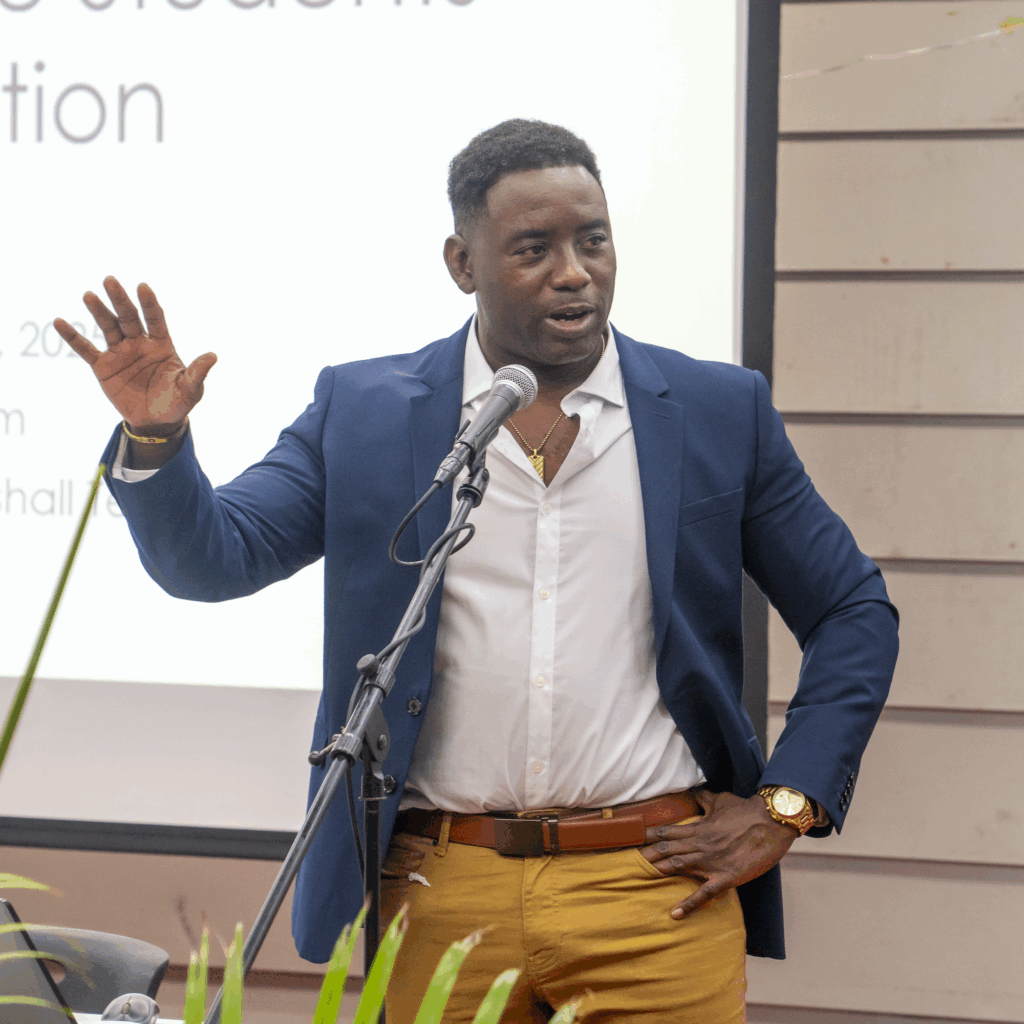
    In an interview on the sidelines of Saturday’s networking event, Dr. Jeanese Badenock, Dean of the Faculty of Science and Technology, outlined the core mission behind the new course: to intentionally align the training of science students with the growing opportunities in entrepreneurship. She explained that Future BARBADOS collaborated with the university throughout the full 12-week program, delivering specialized skills workshops and pairing students with experienced industry mentors.

    According to Badenock, the curriculum immersed students in every critical pillar of early business development. Topics covered included financial planning for startups, navigating venture capital funding, crafting compelling investor pitches, and drafting formal, bankable business plans. Beyond local industry engagement, the program also leveraged global connections, bringing in members of the Caribbean diaspora to share virtual expertise on developing and commercializing science-based products and services for regional and international markets.

    As part of their graded assessment, students worked in cross-functional teams, mirroring the structure of a real-world startup. Each team member took ownership of core business functions including finance, marketing, and sponsorship acquisition, with the entire cohort collaborating to organize and execute Saturday’s public SciMix event as their final cumulative project.

    Beyond building entrepreneurial acumen, Badenock emphasized that the course placed significant focus on cultivating high-value transferable soft skills that will serve students across any career path. “What they got out of the course was really honing in on those soft skills in terms of communication. It was working as part of a team, understanding the different dynamics that are necessary in order to execute successfully an event,” she explained.

    Students also gained practical, on-the-ground experience in high-demand professional areas including sponsorship negotiation, guest stakeholder engagement, and large-scale event coordination. Badenock noted that these foundational skills will prepare participants to thrive in a wide range of professional environments, whether they go on to launch their own science-based ventures, pursue careers in academic research, or take on roles in unrelated industries.

  • UWI moves to end royal charter, redefine regional role

    UWI moves to end royal charter, redefine regional role

    After 77 years operating under a British royal charter, one of the Caribbean’s most prestigious academic institutions is taking a historic step to sever its last remaining constitutional ties to the British monarchy, redefining itself as a fully sovereign regional university anchored in Caribbean governance. Vice-Chancellor Professor Sir Hilary Beckles announced that the University of the West Indies (UWI) will terminate its 1948 Royal Charter and transition to legal status embedded within the Treaty of Chaguaramas, the founding constitution of the Caribbean Community (CARICOM). Regional CARICOM leaders have already formally approved the request to end the charter, clearing the way for the structural transition.