分类: education

  • Universiteit bereikt belangrijke mijlpaal met accreditatie Bachelor Bouwkunde

    Universiteit bereikt belangrijke mijlpaal met accreditatie Bachelor Bouwkunde

    Suriname’s leading higher education institution, Anton de Kom University of Suriname (AdeKUS), has marked a major milestone in advancing academic quality across its programs, as its Bachelor of Civil Engineering program under the Faculty of Technological Sciences (FTeW) has secured full accreditation from the National Accreditation Organization (NOVA).

    Awarded on May 6, 2026, the accreditation is valid for a six-year term and serves as independent validation of the program’s high educational standards, as well as the university’s long-standing commitment to continuous quality improvement across all academic offerings. Following this successful accreditation outcome, AdeKUS now boasts 26 fully accredited academic programs – a clear metric that reflects growing national and international confidence in Suriname’s higher education sector.

    Launched just 19 months prior to the accreditation, in October 2024, the Bachelor of Civil Engineering program falls under the infrastructure study track within FTeW. Its curriculum is designed to cover core industry competencies including civil works design and management, advanced construction materials and technologies, and urban planning. A key distinguishing feature of the program is its intentional focus on eco-friendly, energy-efficient design principles, aligning the coursework with pressing global trends in environmental engineering and climate adaptation.

    The program’s pedagogical framework is built around the concept of system thinking, which trains students to approach complex engineering challenges from an integrated perspective starting in their first year of study. Through interactive learning formats and hands-on practical assignments, students develop both sharp analytical capabilities and on-the-job skills to resolve real-world civil engineering problems effectively. This skill-focused design not only creates a solid foundation for graduates pursuing advanced master’s degrees at international institutions, but also prepares them for immediate entry into the regional and global workforce.

    Accreditation brings a wide range of tangible benefits for students, faculty, and the broader Surinamese society. For enrolled students and future graduates, the NOVA accreditation guarantees that their degree carries international recognition, confirming they received education that meets global quality benchmarks. This directly improves their employability and expands their options for further study, both within Suriname and at institutions abroad.

    For AdeKUS as an institution, the successful accreditation acts as a catalyst for ongoing improvement, encouraging the university to continue innovating its curricula and teaching practices to meet evolving industry needs. It also strengthens transparency and builds greater trust among industry employers and national and international academic partners.

    More broadly, the accreditation of this program supports long-term national development in Suriname by producing highly qualified engineering professionals who can contribute to the country’s sustainable infrastructure expansion and inclusive economic growth. With this latest achievement, AdeKUS reinforces its position as the country’s leading knowledge institution, consistently adapting its programs to meet both societal demands and international academic standards.
  • Barbados, T&T eye stronger cultural ties in education

    Barbados, T&T eye stronger cultural ties in education

    A groundbreaking cross-border partnership between Barbados and Trinidad and Tobago centered on creative arts is emerging as a potential game-changer for reimagining education systems across the Caribbean, with top government officials and a celebrated soca icon aligning on a vision to weave regional identity, cultural heritage, and career-ready creative skills into early childhood and secondary education.

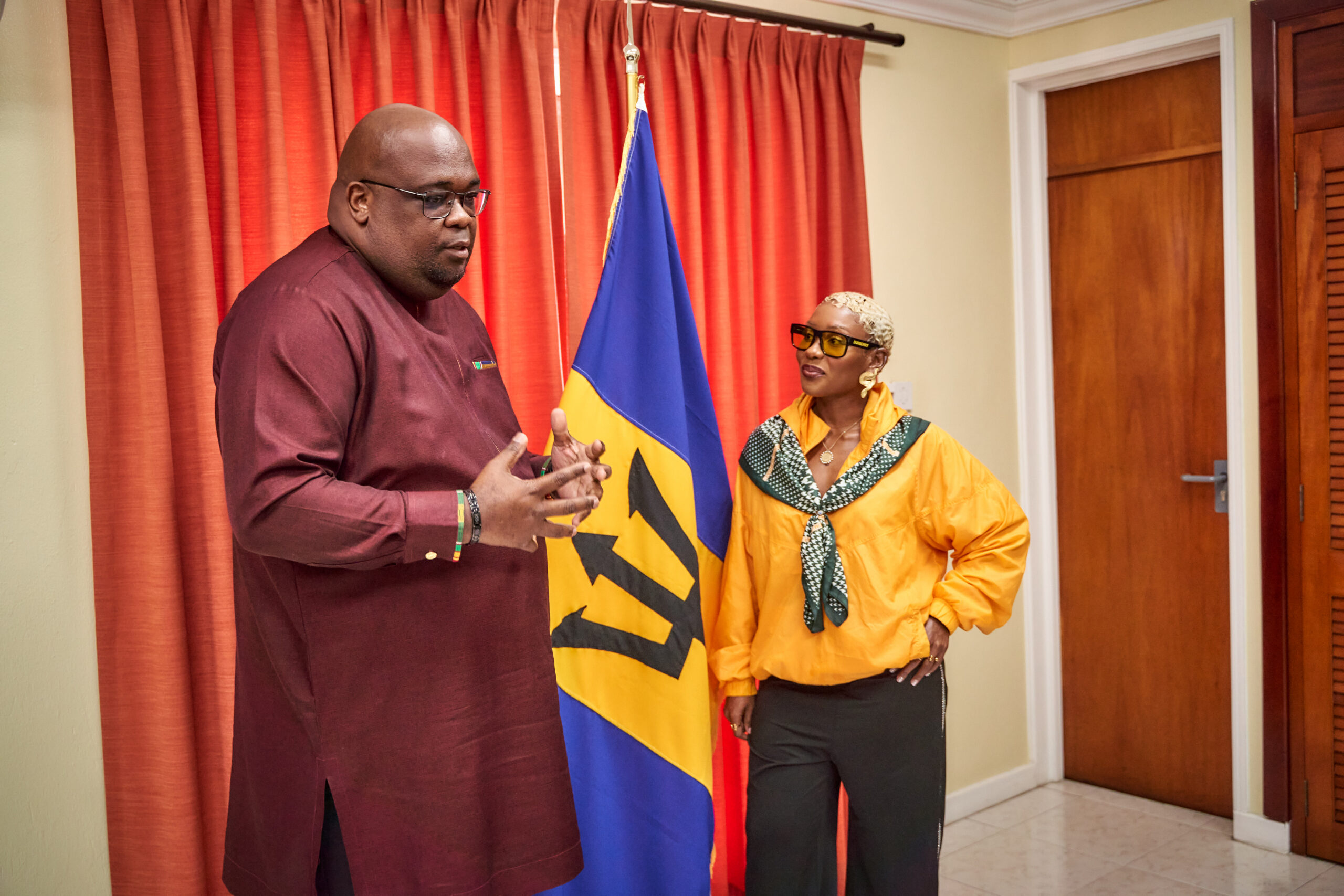
    The landmark conversation took place this Monday, when Minister of Education Transformation Chad Blackman welcomed award-winning Trinidadian soca performer Nailah Blackman — an artist with deep ancestral roots in Barbados — for a formal courtesy call at the minister’s Bridgetown office. For those unfamiliar with the star’s legacy, Nailah Blackman carries unmatched cultural pedigree in the Caribbean music space: she is the granddaughter of Ras Shorty I, the legendary innovator who pioneered the soca music genre, and the daughter of respected Trinidadian calypsonian Abbi Blackman, earning her the widespread title of “soca royalty” across the region. As of press time, no familial connection between Minister Blackman and the performer has been confirmed.

    During the discussion, Minister Blackman framed the collaboration as a natural extension of Barbados’ ongoing national education transformation agenda, arguing that the current reform push creates a unique opening to center Caribbean identity and cultural knowledge rather than sidelining it. “Your vision for advancing the arts, not just here in Trinidad but across Barbados, the entire Caribbean, and the global stage, lines up with so many of the goals we’re working toward — there are incredible synergies we can leverage,” he told the performer. The minister went on to emphasize that as Barbados overhauls its education framework, a core priority is decolonizing curricula by placing Caribbean narratives, culture, and perspectives at the heart of what students learn.

    Nailah Blackman echoed this commitment, stressing that foundational change to education must start in the earliest years of childhood to undo the lingering harm of colonial educational frameworks. “We really have to break free of the colonial mindset, because it’s something that has divided us and held our region back,” she explained. She added that grounding young people in local and regional arts and culture from their first years in school is the first step to building healthy, empowered regional identities: “That’s where change starts — molding young minds the right way, authentically, starting with deep roots in our own arts and culture.”

    Minister Blackman also outlined concrete policy plans to expand creative arts access across Barbadian primary and secondary schools, including the development of on-campus music production studios equipped for student use. “We’ve already made a formal commitment that a significant number of our schools will roll out dedicated creative arts curricula, but what makes this new is that we’re building actual studios where students can create their own music, produce original beats, and develop soundtracks from scratch,” he said. The end goal, he explained, is to arm students with marketable, practical creative skills before they graduate, preparing them to build successful careers in music and the broader creative economy across the Caribbean and around the world. “This is an incredibly exciting moment for education in our region,” he added.

  • CXC delivers message reaffirming fair and human-centred approach to AI use in school-based assessments

    CXC delivers message reaffirming fair and human-centred approach to AI use in school-based assessments

    As generative artificial intelligence continues to reshape learning landscapes across the globe, regional educational assessment bodies are racing to establish clear, balanced frameworks that adapt to new technology while upholding core academic standards. The Caribbean Examinations Council (CXC®) has recently stepped forward with a thoughtful, student-centered policy for AI integration in School-Based Assessments (SBAs), aiming to ease widespread anxiety among students, educators, and families across the Caribbean region.

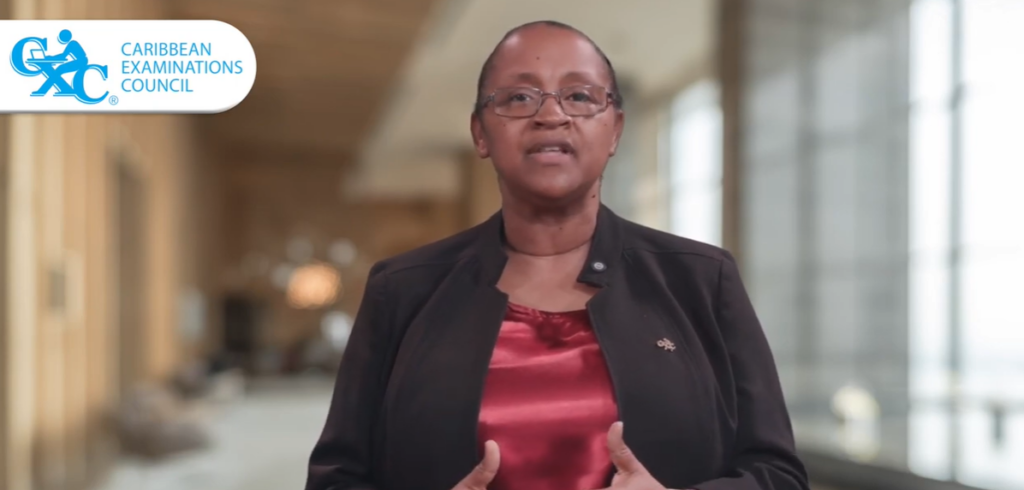
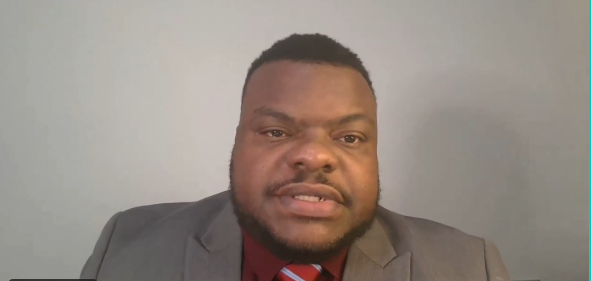
    In a public video address published across CXC®’s official website and social media channels, Dr. Nicole Manning, the organization’s Director of Operations, opened with a balanced overview of AI’s role in modern education, acknowledging both its transformative learning benefits and the unprecedented challenges it creates for assessment integrity. Her remarks, framed in a press release from the Council, were designed to reassure all stakeholders navigating the rapid shift to digitally enhanced learning.

    A core point of public concern in recent months has centered on the reliability of AI detection tools and their potential to unfairly penalize students in assessment grading. Addressing these worries directly, Dr. Manning emphasized that AI detection software will never serve as the sole basis for academic disciplinary or grading decisions at CXC®. She stressed that the long-standing, hands-on relationship between teachers and students remains the foundation of SBA assessment and moderation. Over months of working together through draft revisions, one-on-one conversations, and ongoing guidance, teachers develop a nuanced understanding of each student’s abilities that no automated tool can match. “AI checkers are one input. They are not the verdict,” Dr. Manning explained, confirming that human oversight will be embedded at every stage of the assessment process to guarantee fair outcomes.

    CXC®’s new framework also draws a clear line between acceptable and unacceptable AI use, giving students clear guardrails rather than an outright ban on the technology. The Council confirms that students may legitimately use AI tools to support their learning: from breaking down complex academic concepts and brainstorming project ideas to clarifying confusing terminology and organizing the structure of their work. The only requirement for ethical use is full transparency: any student who incorporates AI assistance into their SBA must disclose this use via an official Disclosure Form and Originality Report when submitting their work. For students who complete their assessments without any AI support, no additional documentation is required.

    The policy makes clear that academic misconduct rules still apply: submitting work that is fully or predominantly generated by AI without proper disclosure violates CXC®’s academic integrity standards, and will be handled through the organization’s established irregularity procedures, which include collaboration between the student, their classroom teacher, and school principal.

    Recognizing that adapting to this new policy places additional responsibility on Caribbean educators, Dr. Manning reaffirmed CXC®’s commitment to providing ongoing training and resource support to help teachers confidently implement the AI framework in their classrooms. “You are not alone in this,” she told educators, encouraging them to hold open, honest conversations with students about responsible AI use, and to help learners understand why academic integrity matters long after they leave the examination room.

    For students, Dr. Manning shared a straightforward, values-driven message: ethical AI use is ultimately about personal character, not avoiding detection by technology. “Integrity is not about whether a machine can detect what you did. It is about who you choose to be,” she said.

    Dr. Manning’s full video address, titled “Who You Choose to Be,” is available for public viewing on CXC®’s official YouTube channel. The complete Standards and Guidelines on Generative AI Use in School-Based Assessments is available for download at the organization’s official website, www.cxc.org.

  • CXC says AI approach based on fairness and human judgement

    CXC says AI approach based on fairness and human judgement

    BRIDGETOWN, BARBADOS — As artificial intelligence reshapes learning and academic evaluation across the globe, the Caribbean Examinations Council (CXC) has moved to clear up widespread uncertainty among regional students, teachers and parents, laying out a balanced, fairness-centered framework for integrating AI tools into School-Based Assessments (SBAs) that puts human oversight above automated detection.

    In an eight-minute public video statement shared across CXC’s official website and social media platforms, Dr. Nicole Manning, the council’s Director of Operations, openly addressed both the transformative opportunities and growing challenges that generative AI tools have introduced to secondary and post-secondary academic work in the Caribbean. She delivered direct reassurance to educators and learners navigating this fast-evolving digital shift, emphasizing that the CXC’s approach is rooted in trust for Caribbean students’ commitment to demonstrating their own knowledge and skills.

    One of the most pressing concerns raised by educators and families in recent months has centered on the reliability of commercial AI detection software, which multiple independent studies have found to produce frequent false accusations of academic misconduct. In response to these worries, Manning clarified that under the CXC’s newly updated Standards and Guidelines for the Use of AI in Assessments, AI detection tools will never serve as the sole evidence for penalizing a student or invalidating their submitted work.

    “The core of our SBA moderation and assessment process has always been, and will remain, the close teacher-student relationship built over months of working together — reviewing drafts, holding conversations, providing guidance and observing a student’s progress firsthand,” Manning explained. “AI detection checkers are just one source of input, not the final verdict. Human experts will be involved at every stage of the process to guarantee every student is treated fairly.”

    Founded in 1972 by regional Caribbean governments, CXC took over regional examination responsibilities from British examining boards, replacing the UK-focused O-Level system with localized curricula designed to reflect the Caribbean’s unique social, economic and cultural context. The council says it has already distributed clear, actionable guidance to all regional schools outlining acceptable and unacceptable uses of AI in assessment work.

    Under the new rules, students are permitted to use AI as a supportive study tool: it can be used to clarify complex concepts, brainstorm project ideas, explain confusing academic terms, or draft structural outlines for assignments. The key requirement, however, is transparency: any student who uses AI in any part of their SBA must formally disclose the use via a required disclosure form, cite the AI tool as a source, and submit an originality report along with their final work. Students who do not use AI at all are not required to submit any additional documentation.

    CXC classifies submitting work that is generated entirely or predominantly by AI without disclosure as an act of academic dishonesty. Such cases will be processed following the council’s established irregularities protocols, which involve collaborative review with the student, their classroom teacher, and school principal to reach a fair outcome.

    Manning also recognized the heavy adjustment burden that AI integration has placed on the Caribbean teaching community, and pledged full institutional support from CXC, including dedicated resources and targeted training to help teachers navigate the AI landscape with confidence and consistent practice across all regional schools.

    “You are not alone in this transition,” Manning said, addressing teachers directly. “We encourage you to have open, honest conversations with your students about responsible AI use, guide them on what is allowed and what is not, and help them understand that academic integrity is a value that extends far beyond the examination room.”

    Closing her statement, Manning offered a direct message to Caribbean students, urging them to prioritize integrity in their academic choices. “Integrity is not about whether a machine can detect what you did,” she said. “It is about who you choose to be as a learner and as a professional.”

  • CXC reaffirms stance on responsible use of AI in school-based assessments

    CXC reaffirms stance on responsible use of AI in school-based assessments

    BRIDGETOWN, Barbados — As artificial intelligence reshapes learning and academic evaluation across the globe, the Caribbean Examinations Council (CXC) has unveiled a balanced, fairness-focused approach to integrating AI into school-based assessments (SBAs), centering human oversight and academic integrity while acknowledging the digital tools’ legitimate educational value. In a public video address published to CXC’s official website and social media platforms this Monday, Dr. Nicole Manning, the council’s director of operations, opened a transparent dialogue about both the transformative opportunities and pressing challenges that generative AI tools bring to student coursework and regional assessment systems, delivering clear reassurance to both learners and educators adapting to this rapidly evolving digital shift.

    A core point of concern among educators and students across the Caribbean has centered on the reliability of commercial AI detection software, a tool many institutions have turned to in a bid to curb academic dishonesty. Addressing these widespread worries in line with CXC’s newly updated Standards and Guidelines for the Use of AI in Assessments, Manning emphasized that AI detection will never serve as the final, standalone basis for judgment on a student’s submitted work.

    “The teacher-student relationship, forged over months of one-on-one observation, draft reviews, ongoing conversations, and targeted guidance, remains the heart of how we moderate and grade school-based assessments,” Dr. Manning explained. “AI checkers are just one source of input, not the final verdict on a student’s work. Human expertise and intervention will be embedded at every stage of the process to guarantee every candidate is treated fairly,” she added.

    The council has laid out clear, permissive guidelines for legitimate AI use by students: tools can be leveraged to build understanding of complex concepts, brainstorm project ideas, clarify confusing terminology, and develop structural outlines for assessments. A key requirement applies across all use cases: any student who incorporates AI into their work in any capacity must disclose this use, cite the tool as a source, and submit a required disclosure form alongside an originality report with their final SBA. For students who complete their work without any AI assistance, no additional documentation is required.

    CXC classifies the submission of work generated entirely or predominantly by AI without proper disclosure as academic dishonesty. Cases of this nature will be processed through the council’s existing established irregularities protocols, which include collaborative review involving the candidate, their classroom teacher, and school principal to resolve the matter fairly.

    Manning also recognized the heavy adjustment burden that AI integration has placed on the Caribbean’s teaching community, and pledged ongoing institutional support from CXC, including targeted resources and specialized training to help teachers navigate the AI landscape with confidence and consistent application of the new guidelines. “You are not alone in this transition,” she stated. “We encourage you to have open, honest conversations with your students about how to use AI responsibly, guide them on what uses are permitted and what are not, and help them understand that academic integrity is a value that extends far beyond the assessment room.”

    Addressing students directly, Dr. Manning urged learners to approach their work with intentional integrity, framing ethical decision-making as a personal choice rather than a matter of evading detection. “Integrity is not about whether a machine can detect what you did. It is about who you choose to be,” she said.

  • UWI initiative links science and entrepreneurship

    UWI initiative links science and entrepreneurship

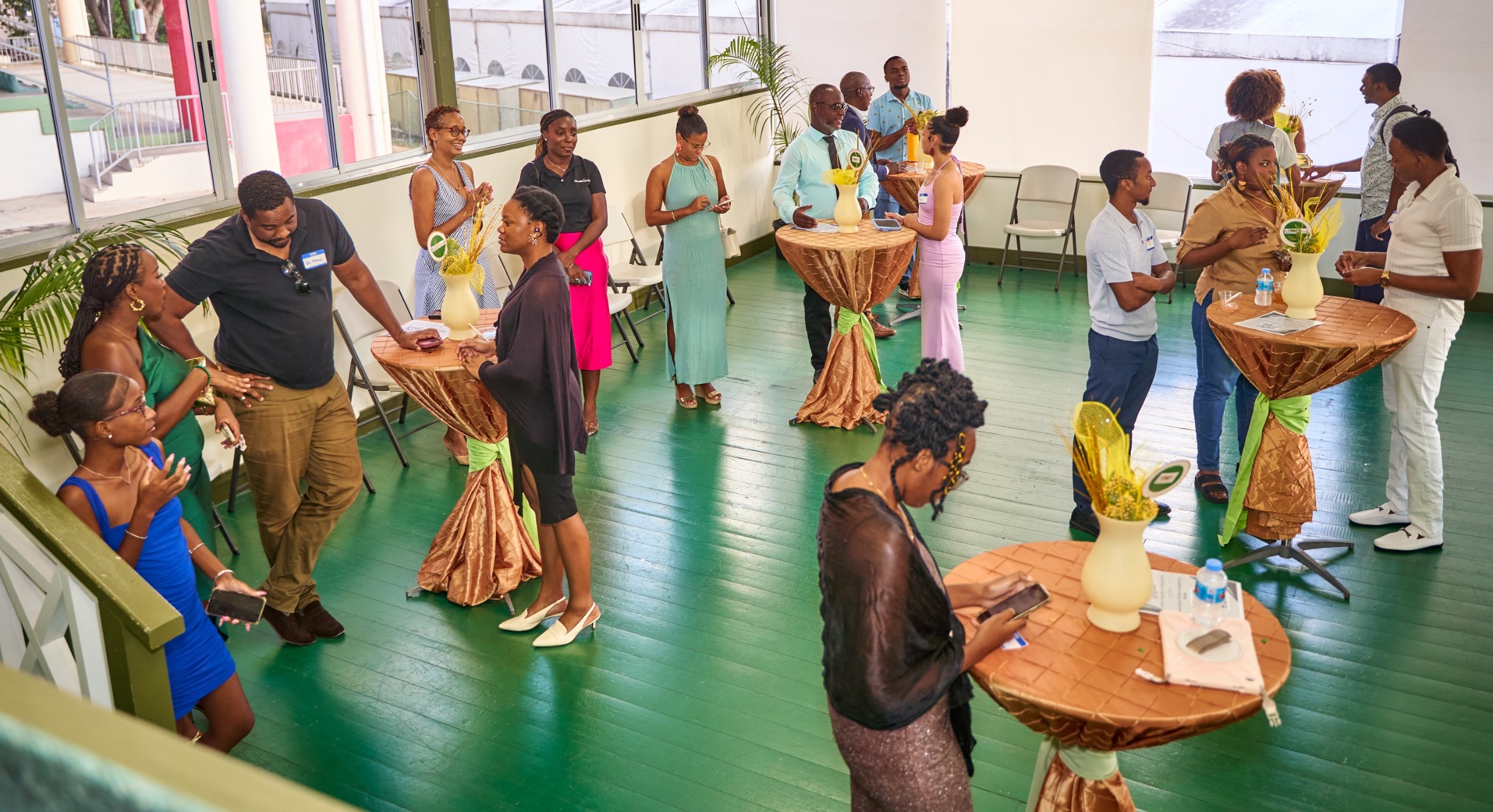
    A groundbreaking new educational initiative at The University of the West Indies (UWI) Cave Hill Campus is working to break down long-standing barriers between academic science training and the world of business entrepreneurship, equipping emerging young scientists with the hands-on skills required to transform their original research concepts into sustainable, market-ready commercial ventures. The program reached a major milestone this past Saturday with the staging of SciMix: From Idea to Innovation, a dynamic campus networking event that united emerging student innovators with seasoned industry professionals. The gathering was organized around the central theme: “Exploring the Intersections within Science in Barbados and the Ways Forward for Further National Development”.

    This landmark event served as the final capstone project for FSAT2002: Science Meets Business, a trailblazing pilot course developed through a formal partnership between UWI Cave Hill’s Faculty of Science and Technology and local non-profit initiative Future BARBADOS. Over the 12-week semester, the program brought together a diverse cohort of 15 science students from across multiple academic disciplines, challenging them to build business-focused frameworks for scientific research and innovation.

    In an interview on the sidelines of Saturday’s networking event, Dr. Jeanese Badenock, Dean of the Faculty of Science and Technology, outlined the core mission behind the new course: to intentionally align the training of science students with the growing opportunities in entrepreneurship. She explained that Future BARBADOS collaborated with the university throughout the full 12-week program, delivering specialized skills workshops and pairing students with experienced industry mentors.

    According to Badenock, the curriculum immersed students in every critical pillar of early business development. Topics covered included financial planning for startups, navigating venture capital funding, crafting compelling investor pitches, and drafting formal, bankable business plans. Beyond local industry engagement, the program also leveraged global connections, bringing in members of the Caribbean diaspora to share virtual expertise on developing and commercializing science-based products and services for regional and international markets.

    As part of their graded assessment, students worked in cross-functional teams, mirroring the structure of a real-world startup. Each team member took ownership of core business functions including finance, marketing, and sponsorship acquisition, with the entire cohort collaborating to organize and execute Saturday’s public SciMix event as their final cumulative project.

    Beyond building entrepreneurial acumen, Badenock emphasized that the course placed significant focus on cultivating high-value transferable soft skills that will serve students across any career path. “What they got out of the course was really honing in on those soft skills in terms of communication. It was working as part of a team, understanding the different dynamics that are necessary in order to execute successfully an event,” she explained.

    Students also gained practical, on-the-ground experience in high-demand professional areas including sponsorship negotiation, guest stakeholder engagement, and large-scale event coordination. Badenock noted that these foundational skills will prepare participants to thrive in a wide range of professional environments, whether they go on to launch their own science-based ventures, pursue careers in academic research, or take on roles in unrelated industries.

  • UWI moves to end royal charter, redefine regional role

    UWI moves to end royal charter, redefine regional role

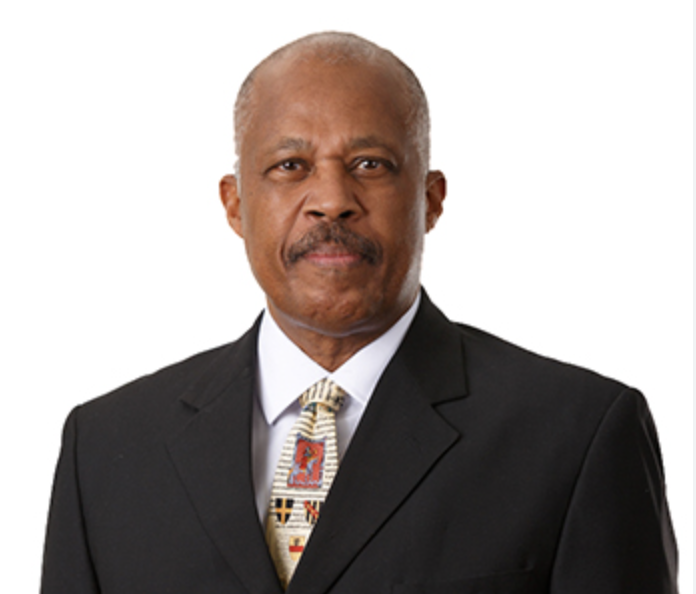
    After 77 years operating under a British royal charter, one of the Caribbean’s most prestigious academic institutions is taking a historic step to sever its last remaining constitutional ties to the British monarchy, redefining itself as a fully sovereign regional university anchored in Caribbean governance. Vice-Chancellor Professor Sir Hilary Beckles announced that the University of the West Indies (UWI) will terminate its 1948 Royal Charter and transition to legal status embedded within the Treaty of Chaguaramas, the founding constitution of the Caribbean Community (CARICOM). Regional CARICOM leaders have already formally approved the request to end the charter, clearing the way for the structural transition.

  • UWI expands in China as graduate outcomes surge

    UWI expands in China as graduate outcomes surge

    Against a backdrop of growing academic and economic exchange between the Caribbean and Asian tech-powered economies, a pioneering collaborative program launched by the University of the West Indies (UWI) in China is turning heads: it has achieved nearly 100% employment or further study outcomes for its graduates while keeping the vast majority of highly skilled talent rooted in the Caribbean region, according to senior UWI officials.

    Based at the Suzhou Global Institute, a short 30-minute commute from Shanghai – one of the world’s leading economic and tech hubs – the UWI-China Institute of Information Technology (CIIT) marks the first South-to-South academic cooperation initiative of its kind to enter the Chinese higher education market. For Justin Seale, assistant registrar at CIIT, the program’s success carries deep personal meaning. Having first moved to China to build his career in Wuhan back in 2008, Seale navigated what he describes as a “roller coaster” of unexpected challenges adapting to life and study in a new country. That experience drives his core mission today: to carve out a far smoother, more supportive path for the new generation of Caribbean students joining the program.

    “That is what motivates me—to make sure our students don’t have to walk the rough road that I had to walk,” Seale explained in an interview at the Suzhou campus. “Our excellence is embedded in our operations here in Suzhou, and our students are the greatest source of my reward.”

    Empirical data collected from the program backs up its track record of impact. Out of a tracked sample of 58 CIIT graduates, every single alumnus had secured full-time employment or enrolled in advanced graduate degree programs within 12 months of crossing the graduation stage. Even more remarkable than the near-perfect placement rate is the speed at which many graduates have advanced up the career and economic ladder, a trend Seale compares to the transformative post-independence era of Caribbean development.

    “I think of one student who graduated in 2021 and was able to purchase his own home within five years,” Seale shared. “It excites me because it harkens back to the era of post-independence in the Caribbean, where a university degree translated directly into upward social mobility. We haven’t seen growth or outcomes like that in decades.”

    The program’s global relevance is further underscored by the standout achievements of its alumni, who have gone on to excel at top global institutions and industries. For example, Joshua Johnson, who started his journey at UWI’s Five Islands campus in Antigua, parlayed his CIIT experience into admission to Tsinghua University – widely regarded as China’s top elite higher education institution – to complete a doctoral degree. Another graduate, Khadijah Clark, who transferred from UWI’s Mona campus in Jamaica, went on to pursue advanced study at Duke University in the United States and now holds a prominent role in the country’s competitive fintech sector.

    Despite the international opportunities that the program opens up for graduates, it has bucked the trend of widespread brain drain that affects many small developing regions. Official data from CIIT shows that only 17% of program graduates have chosen to relocate permanently abroad, leaving 83% of these tech-trained, highly qualified professionals to join and strengthen Caribbean local workforces. Most of these returning graduates have been hired by the region’s fast-growing financial services and telecommunications sectors, filling critical skills gaps that have long held back regional development.

    “A UWI degree has not lost its value,” Seale emphasized. “Our credentials are as relevant as ever for their transformational power. […] we only had 17 per cent brain drain.”

    As China reorients its national development strategy around innovation and technology leadership, UWI occupies a one-of-a-kind niche in the country’s international higher education landscape. Unlike most foreign universities operating in China, which are backed by Western government and institutional funding, UWI brings a distinct Global South perspective that aligns with shared development priorities across emerging economies. Seale argues that this unique positioning gives UWI a major advantage in leading South-to-South academic collaboration.

    “We in the Caribbean have a unique perspective to offer the people of China,” Seale noted. Looking ahead, UWI sees massive untapped potential in expanding enrollment of Asian students across its entire global system. Demand from prospective international students in Asia far outpaces the university’s current capacity, and growing Asian enrollment would not only boost institutional revenue to fund further program development but also enrich the cultural diversity of UWI’s student body.

    Drawing on UWI’s official motto, which frames the institution as “the light shining from the West”, the Suzhou institute aims to leverage shared cultural connections – such as the widespread love of cricket across Commonwealth nations, which unites Caribbean and many Asian communities – to build UWI’s brand recognition across the Asian continent. For Seale and the CIIT team, the end goal is clear: to establish UWI as the leading academic and development gateway connecting the Global South to China’s dynamic, innovation-driven economy.

    “We are uniquely placed and capable of leading the global south,” Seale said, “as the academic and social development gateway to China.”

  • Dominican students to showcase innovation at national STEM Fair 2026

    Dominican students to showcase innovation at national STEM Fair 2026

    On Friday, May 8, 2026, hundreds of young innovators across the Caribbean island of Dominica will gather at the St. Alphonsus Parish Hall to take part in a nationwide showcase of STEM ingenuity, hosted by the country’s Ministry of Education, Human Resource Planning, Vocational Training, and National Excellence.

    Kicking off at 10:00 AM local time under the official theme “STEM at Work: Building Industry Capacity through Ideas,” the fair brings together primary and secondary school students from every corner of the island, each presenting original projects that apply science, technology, engineering, and mathematics to solve pressing everyday problems and practical, real-world challenges. Unlike traditional classroom assessments that focus solely on theoretical knowledge, the event is structured to celebrate hands-on experimentation and out-of-the-box thinking, turning student ideas into tangible solutions that can resonate with local communities.

    In an official press release announcing the event, ministry organizers outlined the dual core goals of the initiative. First, the fair seeks to cultivate essential 21st-century skills among young Dominicans: creative thinking, critical analysis, and structured problem-solving that will serve students regardless of their future career paths. Second, it aims to highlight the critical role that robust STEM education plays in driving long-term national economic growth and expanding the capacity of Dominica’s local industries, by nurturing a new generation of skilled talent ready to meet evolving industry needs.

    Starting at 11:00 AM and running through 1:30 PM, the event opens its doors to members of the general public. Attendees will have the chance to walk through interactive exhibits, speak directly with the student creators behind each project, and gain a first-hand look at the depth of creative talent and innovative potential that educational institutions across Dominica are fostering today. For many students, the fair also represents a rare opportunity to share their work with community members, receive feedback, and see how their classroom learning can translate into tangible impact beyond school walls.

  • University of the West Indies Five Islands Campus to lead open house and public lecture in Dominica

    University of the West Indies Five Islands Campus to lead open house and public lecture in Dominica

    In a targeted push to expand higher education access and deepen institutional ties across the Eastern Caribbean, the University of the West Indies (UWI) Five Islands Campus is preparing to host a three-day public outreach mission to Dominica, scheduled for May 11 to 13, 2026. The initiative centers on strengthening collaborative partnerships with Dominican stakeholders, opening new pathways to tertiary education for local students, and fostering public dialogue on pressing regional economic challenges amid global shifts. Leading the UWI delegation will be Pro Vice-Chancellor and Campus Principal Professor C. Justin Robinson, who will spearhead discussions with senior Dominican government leaders during the visit. The core of these talks will center on expanding educational opportunities for Dominican citizens, co-developing new research projects aligned with local priorities, and adjusting UWI’s academic curricula to better support Dominica’s long-term national development objectives. A key public highlight of the mission will be Professor Robinson’s free public lecture, set to take place at 5:00 PM on May 12 at Dominica State College. Titled “No One Is Coming to Save Us: Economic Strategies for the Nature Isle in a Changing Global Order,” the address will examine the unique economic hurdles and growth opportunities facing both Dominica and the broader Organisation of Eastern Caribbean States (OECS), against a backdrop of rapidly shifting geopolitical alliances and evolving global trade frameworks. In prepared remarks ahead of the visit, Professor Robinson emphasized the critical role of context-aware higher education in empowering small island developing states. “The geopolitical tide is turning, and small island states cannot afford to be passive observers,” he said. “A high-quality university education – one rooted in the realities of our Caribbean context – is not a luxury; it is the single most powerful instrument our people have for shaping their own economic destiny. The UWI Five Islands Campus exists precisely to ensure that young men and women across the OECS have access to that opportunity, so that when the global order shifts as it is shifting now, we are architects of the response, not subjects of it.” Complementing the lecture, the UWI Five Islands Campus will partner with Dominica State College to host the 2026 Dominica Open House the same day, running from 10:00 AM to 4:00 PM on the college campus. The open house is designed to demystify the university admissions process for prospective students, their families and community members, providing detailed information on available academic programs, application requirements, student financing options, and campus life at the Five Islands Campus. University representatives will be on hand throughout the day to answer individual questions and support attendees with enrollment inquiries. Per the university’s official media statement, the Dominica Open House is part of a broader institutional strategy to break down long-standing barriers to high-quality tertiary education across OECS member states, addressing both geographic isolation and financial constraints that have historically limited many Caribbean students’ ability to pursue university studies. The outreach mission marks a deliberate expansion of UWI Five Islands Campus’ engagement across OECS territories, with the aim of centering regional needs in higher education provision and economic development planning.