By Azubah Adams
First, I wish to honor the passing of my long-time teaching colleague, Ms. Sharon Francis. Her lasting contributions to national development leave a profound void, and I extend my deepest condolences to her family and loved ones during this difficult time.
In my earlier columns, I examined the careful balance Saint Vincent and the Grenadines (SVG) must strike between expanding its tourism industry and protecting the one-of-a-kind natural and cultural assets that draw visitors to the nation. I also outlined how deeper collaboration between the agricultural sector and the hospitality industry could elevate visitor experiences while opening new economic doors for local farmers and small business owners.
That discussion naturally leads to a framework that is quickly reshaping the future of global travel: regenerative tourism.
This movement is far more than just another trendy industry buzzword. As SVG grows its tourism footprint — with Sandals Saint Vincent expanding its room capacity and Argyle International Airport adding new international flight routes — a critical question emerges: is merely maintaining our current assets enough to secure long-term success?
At its core, regenerative tourism reorients the industry away from prioritizing the sheer number of incoming visitors to measuring success by the net positive value each visit creates. Instead of relying solely on tourist arrival figures as the key metric of growth, this philosophy centers cultural respect, environmental stewardship, and community uplift as the most important markers of meaningful progress.
### A New Mindset for Modern Travel
Global traveler priorities are shifting dramatically. Today, more visitors than ever are seeking trips that are authentic, eco-conscious, and socially impactful. Data from Booking.com’s annual Sustainable Travel Report confirms that a growing majority of global travelers want their trips to leave destinations in better condition than they found them. Regenerative tourism was developed to directly answer this growing demand.
Unlike traditional tourism models that frame destinations as a disconnected collection of hotel rooms, sightseeing spots, and beaches, regenerative tourism approaches destinations as interconnected living ecosystems, where nature, local culture, community well-being, and economic activity are deeply intertwined. Its goal is not simply to cut down on tourism’s negative footprint — it is to actively leave destinations better off.
This framework draws its core inspiration from regenerative agriculture, a practice that goes beyond preserving existing farmland to actively rebuild soil health, restore damaged ecosystems, and boost biodiversity. When applied to tourism, the core principle remains the same: visitors should contribute to the long-term vitality of the places they travel to enjoy.
### Clarifying the Distinction: Sustainable vs. Regenerative Tourism
Though the two terms are often used interchangeably, they represent vastly different levels of ambition for the travel industry.
Sustainable tourism centers on one core question: how can we stop causing harm to destinations? A traveler embracing sustainable practices might stay at an eco-certified hotel, reuse towels to cut water use, avoid damaging sensitive coral ecosystems, and dispose of waste responsibly. These practices are undeniably important — they reduce environmental harm and help preserve precious natural resources.
Regenerative tourism asks an entirely different question: how can tourism actively improve the destination we visit?
Rather than just steering clear of damaging coral reefs, for example, a regenerative-minded traveler might join or fund local coral restoration projects. Instead of buying mass-produced imported souvenirs and food, they intentionally seek out locally grown produce, locally owned accommodations, and community-led experiences that keep tourism revenue cycling within local Vincentian economies.
This difference is subtle but transformative. Where sustainable tourism seeks to maintain what already exists, regenerative tourism seeks to restore what has been damaged. Instead of casting travelers as passive consumers of a destination’s offerings, it positions them as active partners in strengthening local communities, protecting fragile ecosystems, and building long-term economic resilience.
This shift also demands new thinking from tourism businesses. Hotels and resorts no longer stop at reducing their own waste or cutting carbon emissions. They become active contributors to local development by sourcing produce from nearby farmers, backing local conservation projects, investing in cultural preservation, and creating opportunities for local entrepreneurs to grow their businesses. When tourism operates this way, every stakeholder gains: communities grow stronger, ecosystems become healthier, and visitors leave knowing their vacation created lasting, positive change.
### What Could Regenerative Tourism Look Like in SVG?
Opportunities to implement this model already exist across SVG’s islands.
#### Mainland Saint Vincent: Tying Together Culture, Agriculture, and Community
On the mainland, regenerative tourism can be built around the existing resources and traditions that already give Vincentian communities their unique identity. Local culture is already a core draw for visitors, and events like Vincymas prove that tourism can support a broad creative economy, from costume designers and seamstresses to musicians, performers, food vendors, and dozens of other skilled workers that make the celebration possible.
But under a regenerative framework, culture becomes more than just a spectacle for visitors to observe. This model creates space for deeper engagement: visitors can join costume-making workshops, hear traditional cultural stories directly from community members, watch local craft demonstrations, and interact with the people who keep these traditions alive. This approach strengthens local creative industries while ensuring more economic benefits stay within local communities.
Agriculture offers another powerful opportunity for growth. For years, policymakers and industry leaders have discussed agritourism as a way to diversify SVG’s tourism offerings. Regenerative tourism expands this idea further by building a stronger circular economy that connects farmers, tourism businesses, and visitors directly.
Imagine if more hotels sourced the majority of their fresh produce from local farmers that use climate-smart, sustainable growing practices. Visitors would get fresher, more authentic meals, while their spending directly supports Vincentian producers, encourages the adoption of more sustainable farming techniques, and keeps more tourism revenue cycling through rural communities. In this model, every meal becomes an investment in local livelihoods.
This approach is far from an unrealistic dream. Farmers across Saint Vincent already supply fresh produce to local hotels and restaurants, proving the foundation for a regenerative tourism model is already in place. Strengthening these existing connections will create more opportunities for rural communities while making local agriculture a core, visible part of the visitor experience.
#### The Grenadines: Protecting Island Heritage and Growing the Blue Economy
In the Grenadines, regenerative tourism must center the unique value of the nation’s maritime traditions and coastal communities. SVG’s reefs, seagrass beds, and coastal ecosystems are some of its most valuable tourism assets, but they face growing pressure from yachting traffic, marine recreation, and the impacts of climate change.
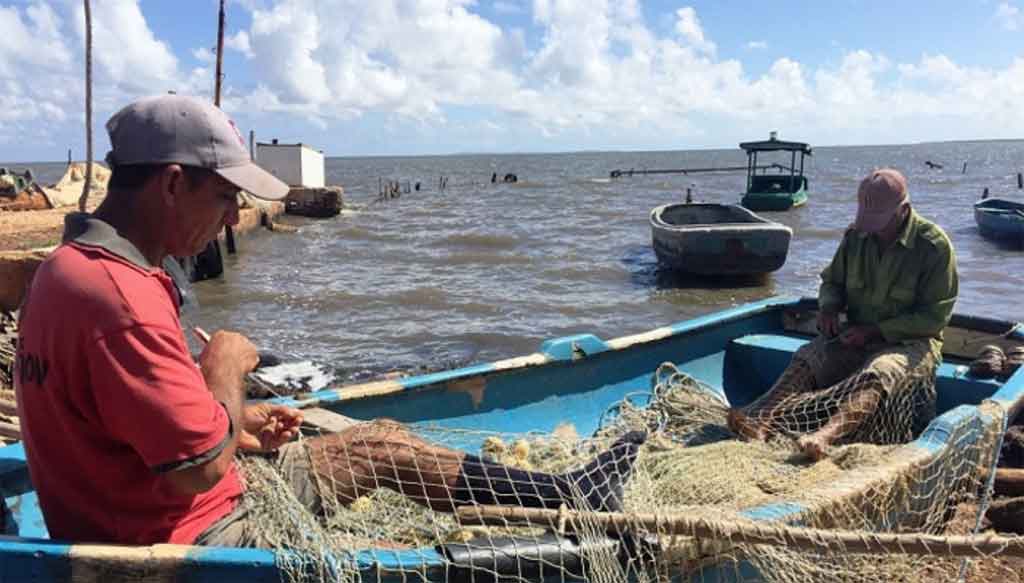
A regenerative approach protects not just the natural environment, but also the traditional knowledge, skills, and cultural practices that are tied to the sea. On islands like Bequia, for example, traditional boatbuilding is a one-of-a-kind cultural heritage that highlights the deep connection between Vincentians and the ocean. Creating opportunities for visitors to learn these traditions directly from craftspeople, while ensuring the artisans benefit financially, helps preserve this important cultural asset for future generations.
At the same time, a regenerative model can tie visitor spending directly to community-led conservation projects. Visitors can contribute to coral restoration, mangrove rehabilitation, marine conservation education, and support sustainable livelihoods for local fishers transitioning to eco-tourism work. The core goal is simple: tourism should leave our marine environments and island communities stronger, not weaker.
### Is This Model Viable for SVG?
Some may question whether modern travelers are willing to embrace this approach, but existing evidence across the Caribbean shows it works. Regenerative tourism does not force travelers to participate in unpaid conservation work; instead, it designs experiences that naturally encourage positive contributions, while attracting travelers whose values already align with responsible travel.
Several Caribbean destinations have already proven this model can succeed. In Negril, Jamaica, Rockhouse Hotel has built robust local supply chains and invested heavily in local education through its charitable foundation, proving that even small accommodations can generate major positive community impact. In Belize, resorts partner with national marine conservation organizations, giving visitors the chance to directly support reef protection while enjoying world-class diving. Closer to SVG, Saint Lucia’s iconic Jade Mountain resort has invested in coral restoration and environmental stewardship for decades, proving luxury tourism and ecological responsibility can reinforce one another. In Tobago, Castara Retreats has built its entire business model around community integration rather than isolating tourists from local life, encouraging visitors to spend directly with local businesses and take part in daily village life.
These examples make one thing clear: regenerative tourism is not an abstract, untested theory. It is already a working model across the Caribbean.
### The Next Natural Step for Global Tourism
This framework does not mean sustainable tourism has failed. On the contrary, sustainability remains an essential foundation for responsible travel. But today’s interconnected environmental, economic, and social challenges demand that we think beyond simply maintaining what we already have. Regenerative tourism is the natural next evolution of the responsible travel movement. Instead of asking tourism to do less harm, it asks tourism to do more good.
For a small destination like SVG, this shift can create a major competitive advantage in the global travel market.
### Looking Ahead
Regenerative tourism aligns perfectly with the core values that have always made SVG special. Our greatest strengths have never been massive chain resorts or manufactured tourist attractions. They have always been our people, our tight-knit communities, our stunning natural landscapes, and our unfiltered authenticity.
By strengthening partnerships between tourism and agriculture on the mainland, and expanding community-led marine conservation across the Grenadines, SVG can build a tourism industry that creates lasting shared value for all residents. Tomorrow’s travelers are increasingly seeking destinations where their visit leaves a positive legacy. They do not just want to visit paradise — they want to help paradise thrive.
If SVG embraces regenerative tourism, it will not only remain one of the Caribbean’s most beautiful destinations. It can also become a regional leader, proving that tourism can strengthen local communities, restore damaged natural ecosystems, and build shared prosperity that lasts for generations.
* Azubah Adams is a hospitality and tourism development professional with a focus on sustainability. The opinions expressed are the author’s own and do not represent the editorial stance of iWitness News.*