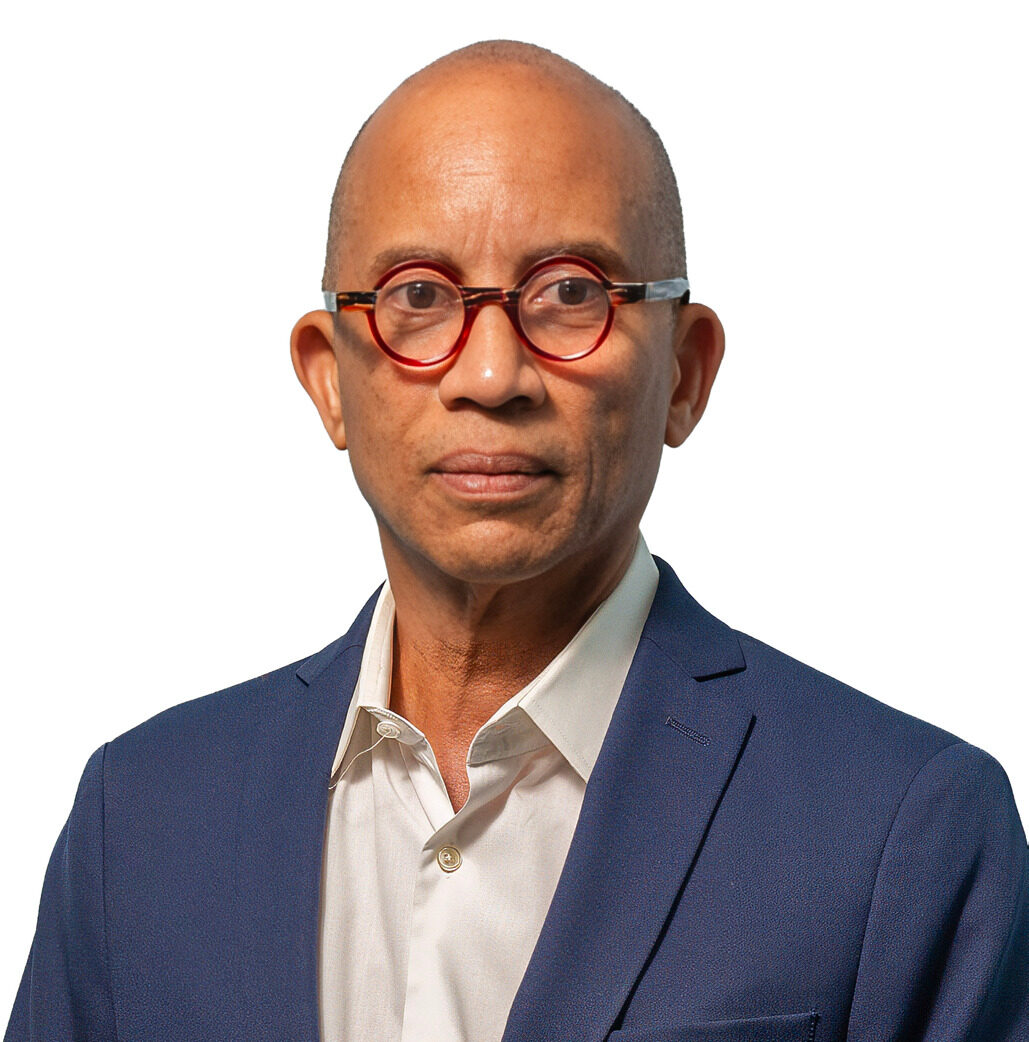
Barbados National Energy Company Limited (BNECL), a key player in Barbados’ energy sector, has announced the appointment of Michael Sargeant, a highly accomplished industry veteran with nearly 40 years of global experience, as its new chief executive officer. Sargeant’s tenure will officially commence on September 15, marking a new chapter for the state-linked energy firm as it navigates a shifting global energy landscape and advances Barbados’ clean energy transition goals.
Sargeant’s decades-long career is a rare blend of deep experience across both traditional fossil fuel and fast-growing renewable energy sectors, spanning a diverse range of international markets including the Caribbean, the United Kingdom, the United States, Canada, and across Asia. He cut his senior leadership teeth at global energy giant Shell, where he held a series of high-impact senior roles, including Vice President for the Americas, Global Operations Manager, and Global Manager for Technology Commercialization. Most recently, Sargeant served as Vice President for Renewables for the Americas at Finnish energy firm Neste, where he oversaw senior executive responsibilities for sales, marketing, commodity trading, and energy storage and distribution across the region.
His core areas of expertise span a wide spectrum of critical energy needs: from energy market analysis and commercial strategy development to clean energy and renewable fuel innovation, strategic cross-sector partnership building, energy market infrastructure expansion, regulatory navigation and stakeholder engagement, and large-scale organizational transformation. These skills position him uniquely to lead BNECL through its current phase of growth and adaptation.
The appointment of Sargeant comes at a pivotal juncture for BNECL, as the company works to streamline its existing operations and expand its footprint in Barbados’ rapidly evolving energy ecosystem. BNECL Chairman Donald Austin expressed strong enthusiasm for the new hire, noting that Sargeant brings an unparalleled combination of global energy expertise, sharp commercial acumen, and proven transformational leadership to the organization.
“His cross-sector experience across both traditional and renewable energy will be invaluable as we strengthen our operations, pursue new market opportunities, and advance our core strategic priorities,” Austin said in a statement. “We are thrilled to welcome him home, and we are confident that under his leadership, BNECL will help build a secure, affordable, and sustainable energy future for Barbados.”
For his part, Sargeant said he is honored to take on the CEO role at BNECL and is eager to collaborate with the company’s employees, board of directors, and key stakeholders to drive progress. “We operate in an exciting, increasingly complex energy environment,” Sargeant commented. “I look forward to building on the BNECL Group’s already impressive track record of accomplishments, and further solidifying its position as Barbados’ leading energy provider.
“By operating with maximum efficiency and embracing diverse, forward-thinking energy solutions, we can improve quality of life for all Barbadians, support national economic growth, and help deliver a more secure, reliable, and affordable energy future for the country.”
BNECL’s board of directors, senior management team, and all staff have extended a warm welcome to Sargeant as he assumes leadership and guides the company into this next phase of development.