作者: admin

  • Overwegend warme dag met bewolking en lokale buien

    Overwegend warme dag met bewolking en lokale buien

    Dated April 7, this official daily weather forecast outlines expected meteorological conditions across nearly all of Suriname, calling for a predominantly warm day with mild variability throughout the hours.

    In the early morning hours, most regions will see mostly sunny to partly cloudy skies. Low-lying fog will develop in isolated pockets across both the coastal plains and inland areas, but this fog is projected to gradually clear as temperatures rise through the morning.

    As the day progresses, cloud cover will steadily increase across the country, pushing up the probability of isolated rain showers. This chance of precipitation is highest during the mid-afternoon and early evening hours. In some cases, these passing showers can be accompanied by thunder and lightning, with the greatest risk of thunderstorms concentrated in inland regions and across the southern and eastern sections of Suriname.

    Temperatures will climb through the afternoon to reach a range between 31 and 33 degrees Celsius, a notably warm reading for the region. Overnight, as the sun sets, temperatures will cool down to a steady 24 degrees Celsius for evening and nighttime hours. The combination of high temperatures and elevated humidity will create sticky, muggy conditions that may feel uncomfortable for many residents.

    Winds will blow from eastern directions at weak to moderate speeds, which will offer a small amount of natural cooling relief, particularly for communities along Suriname’s coastline.

  • National District declares municipal mourning for Jet Set tragedy anniversary

    National District declares municipal mourning for Jet Set tragedy anniversary

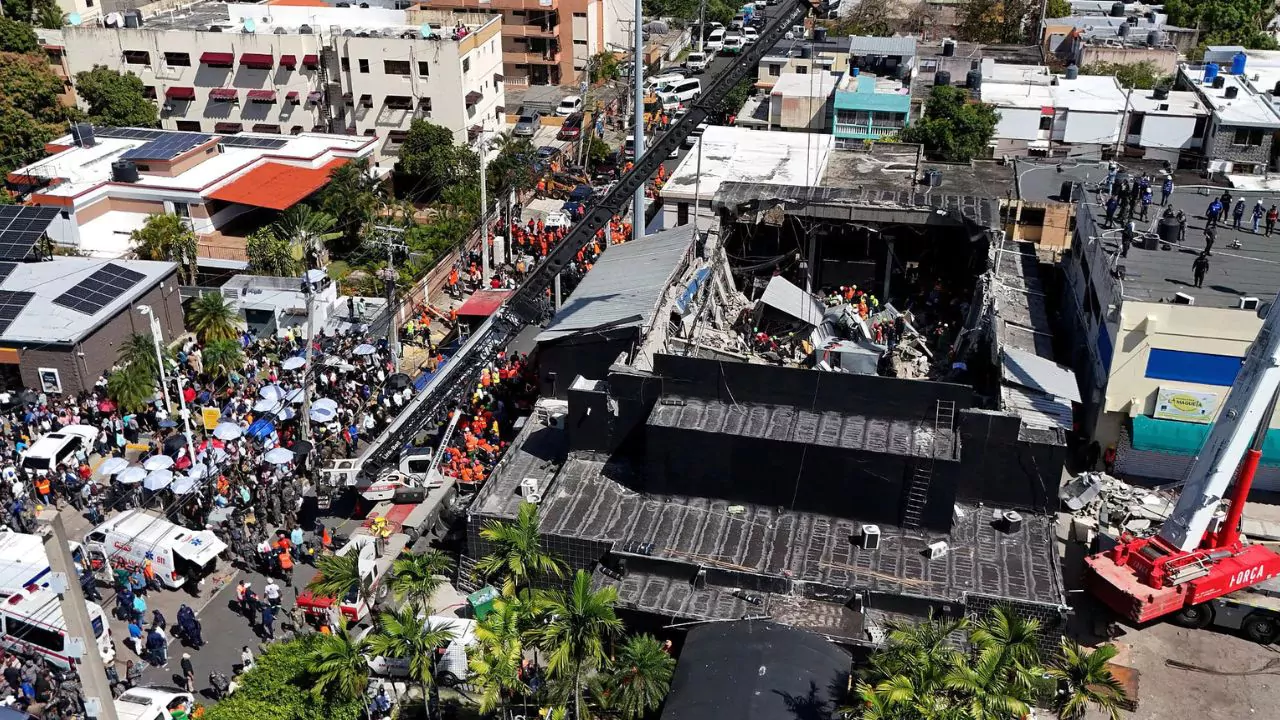
    One year after one of the deadliest structural disasters in the Dominican Republic’s recent history, the capital’s local government is honoring the lives lost as survivors and victims’ families continue to push for accountability.

    The Mayor’s Office of the Dominican Republic’s National District has officially enacted a period of municipal mourning to mark the first anniversary of the Jet Set tragedy, which falls on April 8. The declaration of mourning was formally approved by the local City Council via Ordinance 7-2026, and requires all municipal facilities to fly national and civic flags at half-staff for the duration of the commemoration.

    Official data from the Dominican Public Prosecutor’s Office confirms the disaster claimed 236 lives and left more than 100 people with injuries, a staggering toll that has continued to shape collective grief across the country over the past 12 months.

    To accommodate community-led remembrance events, local authorities have announced a temporary traffic closure on a key stretch of Santo Domingo’s Independencia Avenue. The section running between San Juan Bautista Street and Núñez de Cáceres Avenue will be closed to vehicles and pedestrians from April 6 through April 9, clearing space for private vigils, interfaith religious ceremonies, and other commemorative activities organized by surviving victims and the families of those who died.

    As the nation pauses to grieve, the legal process surrounding the collapse remains ongoing. Presiding Judge Raymundo Mejía recently ordered an independent technical investigation to pinpoint the exact structural and regulatory causes of the disaster, a move aimed at resolving lingering questions about what led to the collapse. At the same time, a large portion of victims and their families have exited the formal legal process after reaching confidential settlement agreements with parties deemed liable for the tragedy.

    In a public official statement released ahead of the anniversary, municipal and national authorities reiterated their solidarity with all communities impacted by the disaster. Twelve months on, the tragedy still leaves deep emotional and social scars on survivors and bereaved relatives, while widespread calls for full transparency and justice remain a prominent demand across Dominican society.

  • UWI Five Islands Campus to host Career Expo on April 8

    UWI Five Islands Campus to host Career Expo on April 8

    Thousands of students at The University of the West Indies Five Islands Campus are preparing for an upcoming professional development opportunity that could shape their future career trajectories, as the institution has formally announced it will host its 2026 Career Expo on Wednesday, April 8.

    Designed to bridge the gap between academic learning and professional employment, the one-day event will run from 9:30 a.m. to 3:30 p.m., hosted on-campus at the UWI Five Islands Campus Gymnasium. Unlike generic career information sessions, this expo is structured to facilitate one-on-one, direct interaction between emerging young talent and experienced hiring decision-makers from across the region.

    Organizers confirmed that more than 20 businesses and organizations spanning local industries and regional markets have already committed to participating in the event. For attending students, this lineup offers a rare chance to meet face-to-face with company recruiters and industry representatives, ask questions about workplace culture and in-demand skills, and learn about immediate openings for both full-time roles and internships that can provide valuable hands-on experience before graduation.

    Campus administration has issued a public call encouraging all enrolled students to take advantage of the opportunity. In a statement shared with the campus community, organizers emphasized that the expo is far more than a simple job fair: it is a pivotal step for students to build professional networks, understand current labor market demands, and lay solid groundwork for their long-term career goals after leaving university.

  • Codopyme urges delay of solid waste law over SME impact

    Codopyme urges delay of solid waste law over SME impact

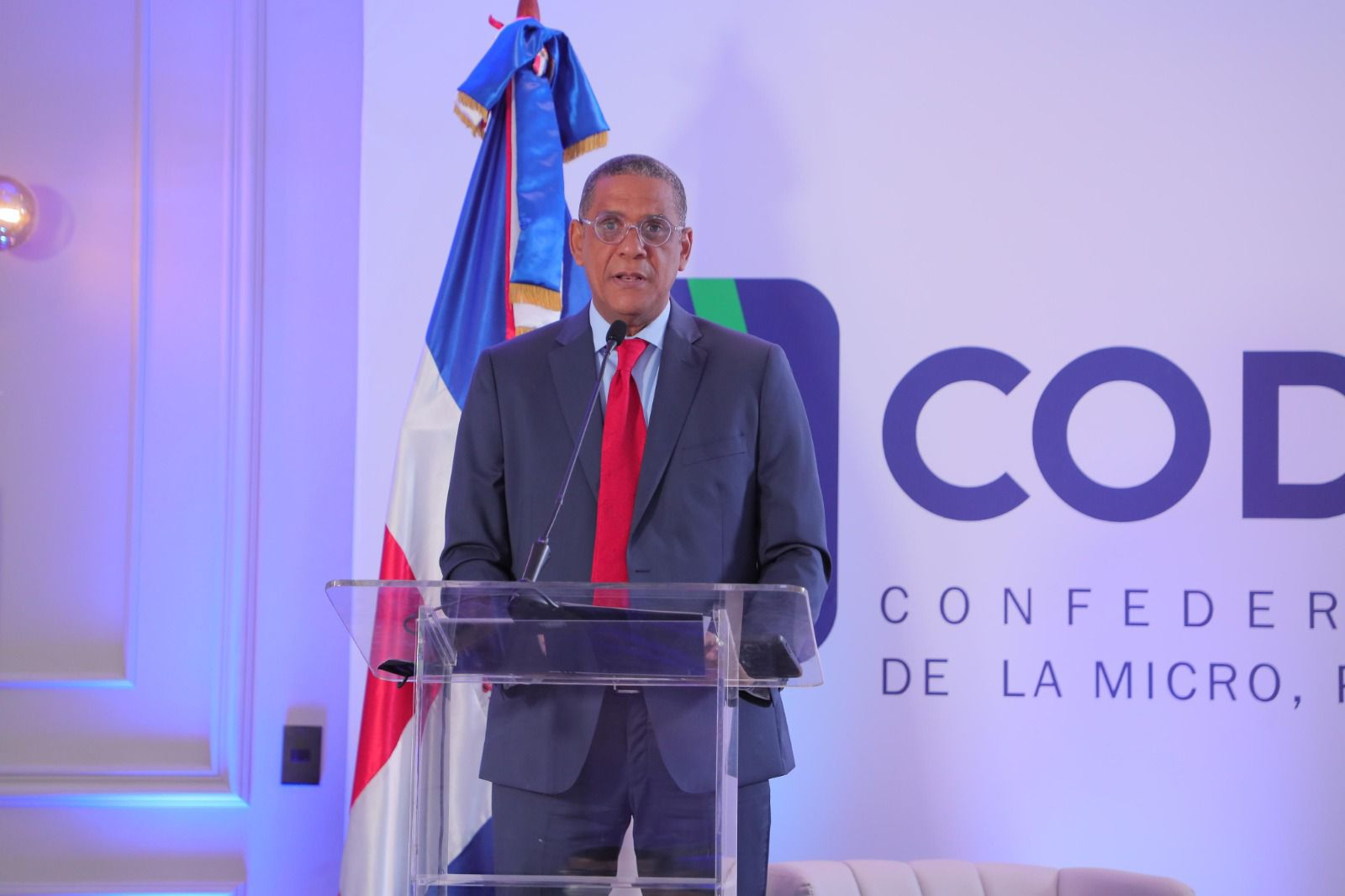
    Leading small business advocates in the Dominican Republic are pushing for major adjustments to a landmark environmental regulation, warning that its current structure threatens the survival of the country’s most vital economic segment. The Dominican Confederation of Micro, Small and Medium Enterprises (Codopyme) has formally called on national authorities to pause the planned rollout of Law 225-20 and launch a broad, inclusive revision process to address the legislation’s outsized impact on small and medium-sized business owners.

    Enacted in 2020, Law 225-20 sets out the Dominican Republic’s first comprehensive regulatory framework for coordinated solid waste management across all sectors of the economy. The law establishes binding rules for waste reduction, mandatory recycling targets, and standardized disposal protocols, alongside the creation of a national financing system that requires all registered companies to contribute monetary funds to support municipal waste collection and broader environmental stewardship initiatives.

    In a formal statement outlining the organization’s position, Codopyme president Fernando Pinales warned that full implementation of the law as currently written would drive a sharp increase in production costs for micro, small and medium enterprises, a group that accounts for more than 98% of all business entities operating in the Dominican Republic. These increased costs, Pinales argued, would almost certainly be passed on to end consumers in the form of higher goods and services prices, running directly counter to ongoing government efforts to curb sky-high national inflation and protect the purchasing power of working-class households.

    The confederation stressed that it does not oppose the law’s core environmental goals: its leaders repeatedly affirmed that Dominican SMEs are fully committed to upholding environmental responsibility and advancing sustainable waste management practices. What small business owners cannot accept, the group says, is a one-size-fits-all framework that imposes disproportionate cost burdens on small operations and creates structural conditions that favor large, multinational corporations with far deeper financial resources.

    Beyond cost concerns, Codopyme has also raised pointed questions about transparency and accountability in the new regulatory system. The organization says it has identified significant risks of potential conflicts of interest in the oversight and management of the new industry-financed waste management fund, calling into question whether current governance mechanisms for the fund meet minimum standards for transparency and public accountability.

    To address these gaps, Codopyme has put forward a clear set of policy demands: a full delay of the law’s enforcement timeline, a collaborative technical review process that includes formal representation from SME sector leaders, sweeping reforms to the law’s oversight and fund management mechanisms, and the redesign of the financing system to create a graduated, fair structure that aligns contribution requirements with a company’s size and operational capacity. The group closed its statement by reaffirming its willingness to engage in constructive, good-faith dialogue with government officials, while emphasizing that it will continue to defend the long-term sustainability and global competitiveness of the Dominican Republic’s SME sector.

  • PM says Antigua and Barbuda Will Invest Heavily in Tyra Fenton

    PM says Antigua and Barbuda Will Invest Heavily in Tyra Fenton

    Fresh off a historic three-medal performance at the regional CARIFTA Games in Grenada, teenage sprint prodigy Tyra Fenton of Antigua and Barbuda is set to receive substantial public investment from the country’s government to nurture her emerging athletic talent, Prime Minister Gaston Browne has announced. Speaking during his weekly public radio address just days after Fenton crossed the finish line first in the Under-17 girls’ 100-meter sprint, the prime minister made clear that his administration is prioritizing long-term support for the young star, emphasizing that the full weight of the government stands behind her burgeoning career. “But we’re going to invest heavily in her,” Browne affirmed, confirming the administration’s full backing for Fenton’s athletic and academic journey.

    At the 2024 CARIFTA Games hosted at Grenada’s Kirani James Athletic Stadium, Fenton emerged as one of the most outstanding competitors across all youth events, turning in dominant displays across three different distance races to secure a spot on the podium every time she competed. After taking home top honors in the 100m, the 14-year-old speedster followed up with a second gold medal in the Under-17 200-meter sprint, before adding a bronze medal in the 400-meter event to round out an unprecedented three-medal haul for Antigua and Barbuda. Her consistent success across sprints and the mid-distance 400m has drawn widespread praise for her rare combination of raw explosive speed and impressive endurance, cementing her status as one of the top young track and field talents in the entire Caribbean region.

    Prime Minister Browne added that Fenton has already been extended a full athletic scholarship to support her development, but the young athlete’s family has made the deliberate choice to keep her completing her secondary education in Antigua and Barbuda, rather than moving abroad for training and schooling immediately. According to Browne, Fenton is still roughly one year away from completing her high school requirements and making the transition to collegiate-level athletic and academic programs overseas. With her breakout performance at the 2024 CARIFTA Games, Fenton has cemented her place as a standard-bearer for the next generation of Antigua and Barbuda track and field athletes, with the government’s new investment package expected to clear the way for her to continue growing and competing at the highest international levels in coming years.

  • Government Opens Doors for Engineers as Road and Infrastructure Works Expand

    Government Opens Doors for Engineers as Road and Infrastructure Works Expand

    Antigua and Barbuda’s Prime Minister Gaston Browne has announced an ambitious national initiative to deliver sweeping upgrades to the country’s aging road network, with a clear timeline of 12 to 18 months for substantial progress. Speaking during an appearance on the *Browne and Browne Show* aired on local outlet Pointe FM, the nation’s leader confirmed that the administration has already locked in more than $100 million in committed funding to advance construction and rehabilitation work across communities island-wide.

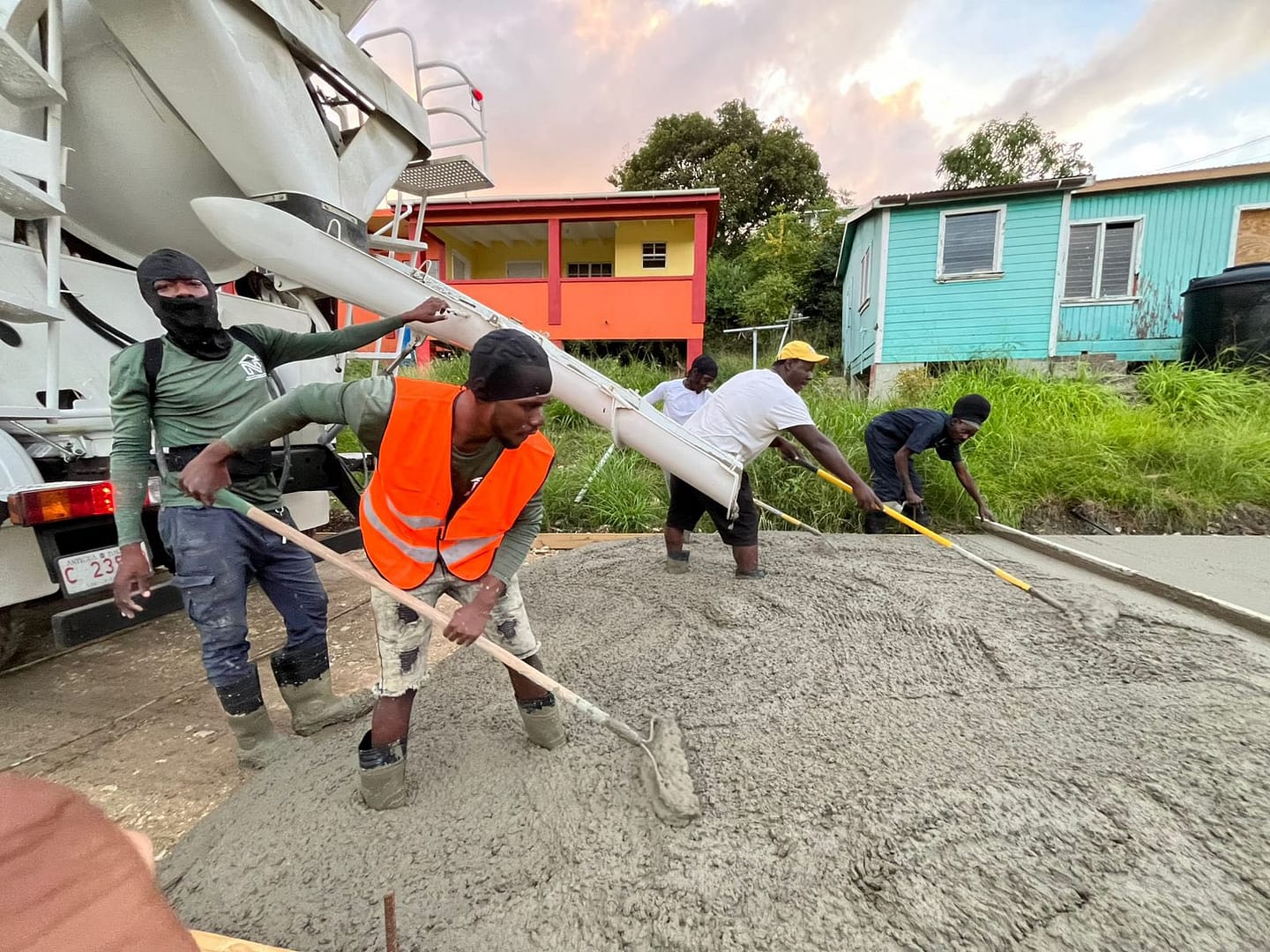
    In a departure from past contracting models, Browne confirmed that the government has made a strategic policy shift to assign major infrastructure projects directly to the country’s Public Works Department (PWD), rather than relying exclusively on external private contractors. The prime minister highlighted that this in-house approach will cut unnecessary administrative and contracting costs, delivering better overall value for public spending on the program. “They’ll be able to do it far cheaper, and I think we’ll get better value for money,” Browne told listeners during the radio interview.

    To equip PWD to take on the expanded workload, the government is implementing a series of structural upgrades to the department, including targeted recruitment of additional professional engineers and skilled construction workers. Browne added that salary adjustments are also being rolled out to make positions more competitive, enabling the department to attract higher-caliber skilled personnel to support the accelerated work schedule.

    Browne expressed strong confidence that the expanded capacity of PWD will allow the government to tackle decades-long road infrastructure challenges that have long impacted communities across the country. “We believe that well-equipped Public Works will be able to resolve the country’s infrastructure [gap] maybe within the next 12 to 18 months,” he said.

    While he acknowledged that the scope of work means it is impossible to rehabilitate every deficient road across the nation at the same time, Browne emphasized that the current pace and scale of the initiative mark a fundamental change from how road projects have been managed in the past. He noted that visible, rapid improvements are already visible across many parts of the island, and asserted that the entire program remains fully under government control. “We can’t fix all the roads at the same time… but we have it under control,” he added.

    Notably, the prime minister made clear that the road improvement program will continue moving forward regardless of the outcome of the country’s upcoming general election. He warned against any actions that could disrupt the current momentum in infrastructure development, framing the project as a national priority that should transcend electoral politics.

    In recent months, the Browne administration has steadily ramped up road construction activity, with active projects underway in multiple communities as part of a broader national push to modernize Antigua and Barbuda’s core public infrastructure.

  • UPP to launch election campaign on April 12

    UPP to launch election campaign on April 12

    A major political party has formally announced that it will officially launch its electoral campaign for the upcoming election cycle on April 12. The United People’s Party (UPP), which has spent weeks behind the scenes preparing policy documents, recruiting candidates, and organizing grassroots outreach across key constituencies, has locked in this date to mark the public start of its push for voter support.

    Political observers note that the announcement of a firm campaign launch date comes as the region enters a critical phase of electoral preparation, with other major parties also expected to unveil their official campaign timelines in the coming weeks. UPP insiders have shared that the launch event will be held at the party’s national headquarters, with additional satellite events organized in major regional hubs to allow local candidates and supporters to participate simultaneously.

    The event is expected to feature the launch of the party’s official election manifesto, which outlines its policy priorities across key voter concerns including economic growth, healthcare access, educational reform, and infrastructure development. Party leaders are also scheduled to deliver keynote addresses laying out their vision for the coming term, should the party win a majority of seats in the upcoming national election.

  • Citizenship of baby born on Caribbean Airlines flight hinges on exact location at time of birth

    Citizenship of baby born on Caribbean Airlines flight hinges on exact location at time of birth

    A remarkable and legally complicated situation has emerged following an unexpected mid-flight birth aboard a Caribbean Airlines commercial flight traveling from Kingston, Jamaica to New York City, with a newborn’s legal citizenship hanging entirely on the aircraft’s exact geographic position at the moment of delivery.

    The unplanned birth took place on flight BW005 this past Saturday, as the plane was on final approach to John F. Kennedy International Airport. As soon as the aircraft touched down, on-ground medical teams were standing by to evaluate both the mother and the newborn, and early reports confirm both are in stable, healthy condition with no immediate complications. Caribbean Airlines has confirmed that the flight crew followed all established internal protocols for in-flight medical events, and no formal emergency declaration was issued during the journey. Company representatives also publicly commended the flight team’s quick, calm response to the unexpected situation.

    Air traffic control recordings confirm that crew alerted ground authorities of the mother’s active labor shortly before landing, and the baby was successfully delivered before the jet reached the gate at JFK’s Terminal 4. To date, no personal identifying information on the mother or child has been released to the public out of privacy concerns.

    While the immediate medical outcome is positive, immigration attorney Brad Bernstein explained that the legal path forward for the child’s citizenship is far from straightforward, with multiple possible outcomes hinging on precise location data. Under the 14th Amendment of the U.S. Constitution, any child born within U.S. airspace automatically qualifies for birthright U.S. citizenship. If delivery occurred just outside that airspace, however, even mere minutes before the plane entered U.S. territory, that automatic right does not apply, regardless of the fact that the child landed and will receive medical care in New York.

    The most complex scenario would arise if the birth took place over international waters, a situation that can open the door to extreme legal uncertainty. If the parents’ home country does not grant automatic citizenship by descent to the child, the newborn could be left temporarily stateless, without official nationality or required travel documentation. Even with these legal ambiguities, officials are expected to officially record the birth in New York, where the plane landed, and issue a U.state-issued birth certificate for the child regardless of citizenship status.

  • Avenida de la Salud opens to traffic amid road closures for Jet Set anniversary events

    Avenida de la Salud opens to traffic amid road closures for Jet Set anniversary events

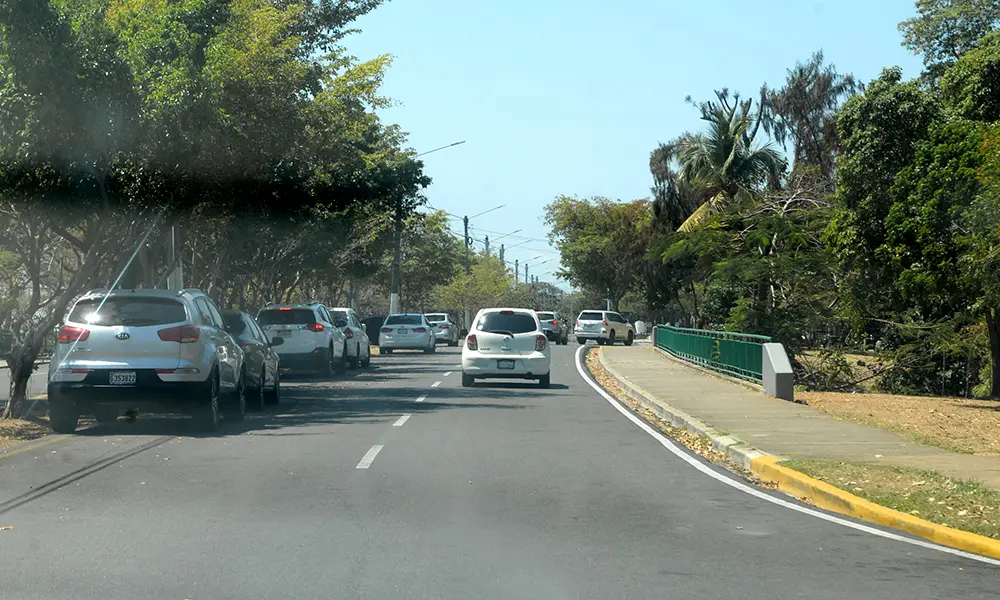
    Santo Domingo – Local transit authorities in the Dominican Republic’s capital have unveiled a temporary traffic adjustment that will reshape daily mobility for residents of the National District through the first half of this week. Three key government bodies – the National District Mayor’s Office, the National Institute of Transit and Land Transportation, and the General Directorate of Traffic Safety and Land Transportation – have confirmed that Avenida de la Salud will be opened exclusively for motor vehicle use from April 6 through April 9.

    This temporary shift is a direct response to a scheduled full closure of a key stretch of Independencia Avenue, which runs between the intersections of José Núñez de Cáceres and San Juan Bautista avenues. The closure of that corridor is being implemented to accommodate a series of official commemorative events marking one year since the deadly Jet Set tragedy, a incident that left a lasting mark on the local community.

    For regular visitors and exercise enthusiasts who rely on Avenida de la Salud’s status as a pedestrian-friendly zone adjacent to Mirador Sur Park, the change will disrupt usual routines. While the road is open to vehicles, the pedestrian zone will be temporarily suspended for the entire four-day period.

    Officials have noted that the re-purposing of Avenida de la Salud is a proactive congestion mitigation measure, designed to prevent crippling gridlock across the district while the commemorative events are underway. The Independencia Avenue closure went into effect at 9:00 p.m. this past Monday, and is scheduled to lift at noon this coming Thursday, allowing normal traffic patterns to resume on both corridors shortly after.

  • Jamaica rejects St Kitts’ claim of first legal recognition of Rastafari

    Jamaica rejects St Kitts’ claim of first legal recognition of Rastafari

    In a dispute over regional policy milestones, the Jamaican government has publicly pushed back against St Kitts and Nevis’ recent claim to be the first Caribbean country to formally enshrine legal recognition for the Rastafarian faith, asserting that Jamaica has embedded protections for the religion in its constitutional and parliamentary frameworks for more than a decade.

    The debate emerged after St Kitts and Nevis Prime Minister Dr. Terrance Drew announced his administration’s historic legislative move to grant official legal status to Rastafari earlier this month. Speaking on the floor of St Kitts and Nevis’ parliament, Drew emphasized that Rastafarianism is deeply woven into the cultural fabric of the federation, noting that most residents have personal connections to members of the Rastafarian community. “When you look around St Kitts and Nevis, everybody knows somebody who is a Rasta. My mother is a Rasta, and I can bet everybody in here almost has some family member, if not close, distant, who is Rastafarian in their family,” Drew said. He added that the new step guarantees the Rastafarian community equal access to all the rights and protections outlined in the country’s constitution, matching those afforded to followers of every other faith.

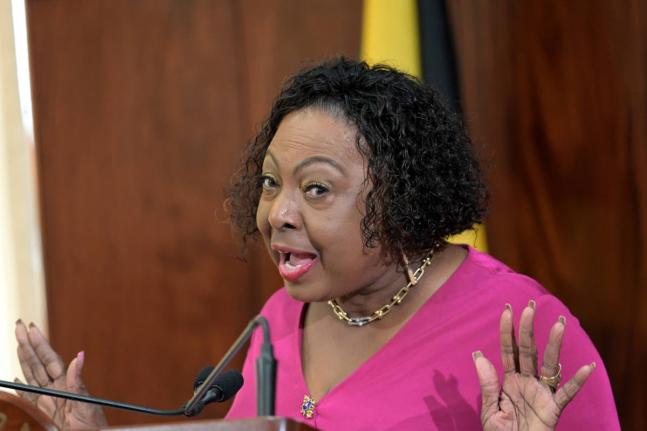
    Jamaica’s Culture Minister Olivia Grange pushed back on the “first-in-the-region” claim during an interview with *The Gleaner*, held on the sidelines of memorial events marking the 63rd anniversary of the 1963 Coral Gardens Incident – a defining historical moment marked by widespread state persecution of Rastafarians in Jamaica. Grange stressed that Jamaica has long held Rastafari as a legitimate religion under its existing legal structure.

    “Jamaica, in our Charter of Fundamental Rights and Freedoms, we recognise all religions, and we have always identified Rastafari as a religion,” Grange stated. Enacted in 2011, Jamaica’s Charter of Fundamental Rights and Freedoms explicitly protects freedom of conscience, religion, and worship for all faiths. While the document does not name specific religions individually, Section 13(3)(b) guarantees equal legal protection to every religious tradition practiced within the country’s borders, including Rastafari, Christianity, Islam, and Judaism.

    Beyond the broad constitutional protections, Jamaica has also put in place targeted legal accommodations unique to Rastafarian practice. 2015 amendments to the country’s Dangerous Drugs Act carved out a legal exception allowing Rastafarians to use cannabis – commonly referred to as ganja – for religious and sacramental purposes, a core ritual for many followers of the faith.

    Grange also pointed to parliamentary and administrative recognition of Rastafarian institutions as further proof of the religion’s longstanding legal status in Jamaica. Multiple Rastafarian church organizations have received formal registration through private members’ parliamentary motions, she explained, while key community groups have been incorporated as official benevolent societies, granting them all the legal benefits and standing of any other registered non-profit or religious organization. A prominent example is the Rastafari Coral Gardens Benevolent Society, founded by survivors of the 1963 Coral Gardens crackdown as a hub for community organizing and advocacy. Today, the organization stands as a symbol of the Rastafarian community’s resilience in the face of historical injustice.

    Jamaica is home to all the major branches of global Rastafarianism, including the Nyabinghi Order, a tradition known for its ceremonial drumming and historic emphasis on African repatriation; the Bobo Ashanti, founded by Prince Emmanuel Charles Edwards and distinguished by its intentional communal living; the Twelve Tribes of Israel; and the Church of Haile Selassie I.

    While Grange emphasized Jamaica’s longstanding leadership in Rastafari recognition and advancing reparatory justice for the community, she welcomed the step taken by St Kitts and Nevis. “I am happy to see what St Kitts has done, … [but] Jamaica has led the way in these areas,” she said.

    The public discussion comes as Jamaica continues ongoing work to address historical injustices against the Rastafarian community, including formal apologies and restitution efforts tied to the 1963 Coral Gardens Incident, where scores of Rastafarians were detained, brutalized, and displaced in a state-led crackdown.