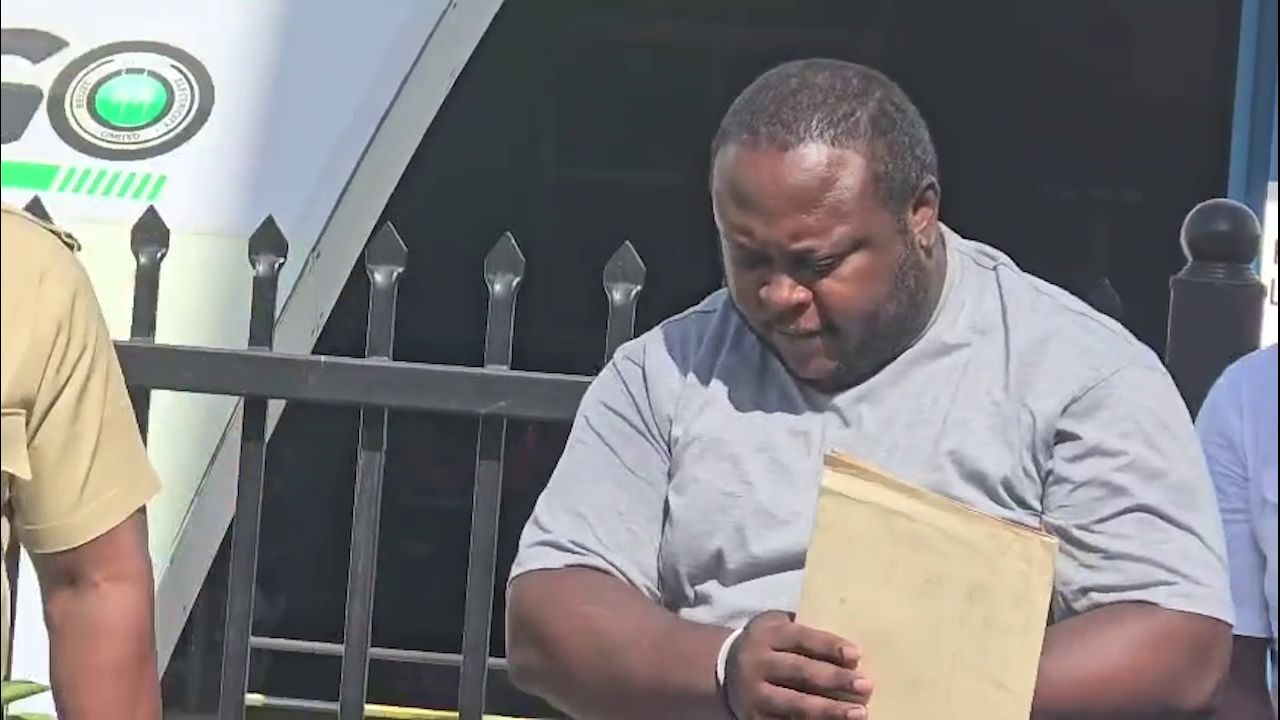
In a dramatic high-profile murder trial that concluded at the High Court, Lyson James Cacho has been sentenced to 30 years in prison for his role in a fatal daytime shooting, after damning surveillance evidence convinced him to change his plea to guilty halfway through proceedings. The sentence was handed down late Monday by Justice Candace Nanton, who built the penalty from a 35-year benchmark before applying targeted reductions. While Cacho’s guilty plea spared him from a potential life sentence, his late decision to admit guilt meant he did not qualify for the full one-third sentence reduction typically granted to defendants who plead guilty at the earliest stage of legal proceedings. The court also granted Cacho credit for 770 days he had already spent in remand detention leading up to the trial. Justice Nanton outlined several mitigating factors that shaped the final sentence, including Cacho’s expression of what the court ruled as genuine remorse, his early admission to carrying out the shooting, positive behavioral records during his pre-sentencing detention, and his completion of four structured rehabilitation programs hosted by the Kolbe Foundation. The pivotal turning point in the case came on April 29, 2026, when prosecutors presented clear surveillance footage capturing the public killing on Barbara Harris Street. The video footage, recorded in broad daylight, documents Cacho riding up behind the unsuspecting victim, who was walking away from the shooter, before firing a single fatal shot to the back of the victim’s head. After the footage was played for the jury and key witnesses delivered their testimony against Cacho, the defendant chose to end the trial following in-depth legal consultations with his defense attorney, Ian Gray. In his final address to the court ahead of sentencing, Cacho reiterated his deep regret for the crime, claiming he had carried out the shooting under external threat. Justice Nanton acknowledged the defendant’s statement but emphasized that the severe gravity of the offense required a substantial fixed-term sentence. Court records also show that Cacho had previously been tried on serious criminal charges, including murder and attempted murder, in 2015. He was ultimately acquitted of all charges in that earlier case. This news comes as part of regular court coverage from a transcribed broadcast of evening television news, with appropriate transcription standards applied for any local Kriol language testimony included in the original reporting.