作者: admin

  • Judicial firmness against sabotage of the Cuban Energy Program

    Judicial firmness against sabotage of the Cuban Energy Program

    Against the backdrop of a steadily intensifying illegal economic, financial and energy blockade imposed by the United States, Cuba’s government and national institutions have poured unprecedented effort into expanding a national energy program designed to secure consistent electricity access for all citizens. As a fundamental public service, reliable power is enshrined as a basic right of the Cuban people, serving as a cornerstone of public well-being and a non-negotiable requirement for the continued functioning of the country’s economy amid external pressure.

    Even as the nation grapples with the crippling effects of this economic war and widespread fuel shortages, however, a troubling wave of criminal activity has emerged: unscrupulous actors have targeted critical energy infrastructure, stealing components, parts, full equipment units, fuel, dielectric oil and other materials from photovoltaic parks, solar panel arrays, power generators and other energy generation facilities. These targeted thefts do not merely disrupt local operations — they undermine the entire Cuban National Electrical System and put at risk the full government strategy crafted to soften the severe social and economic damage caused by the U.S. blockade.

    Under Cuban law, these damaging acts are explicitly classified as the crime of sabotage, as laid out in Article 125 of Law No. 151, the 2022 Cuban Penal Code. The statute outlines that any individual who destroys, alters, damages or compromises critical infrastructure including energy generation facilities, energy transmission systems and related resources — either with the explicit intent to disrupt normal operations, or with full knowledge that their actions will cause such disruption — faces a prison sentence ranging from seven to 15 years. For aggravated circumstances, the penalty increases dramatically: if the act results in serious injury or death, involves explosive, chemical or biological agents, endangers collective public safety, causes severe widespread disruption, or targets reserved strategic material reserves, sentences can range from 10 to 30 years in prison, up to life imprisonment or the death penalty.

    To formalize this legal interpretation and reinforce the severity of these crimes, the Governing Council of Cuba’s Supreme People’s Court issued Opinion No. 475 in May 2025, exercising its constitutional authority granted under Article 148 of the Cuban Constitution and Article 29 of Law No. 140 on the Administration of Justice. The opinion reaffirms that all unlawful acts targeting the country’s critical infrastructure, particularly the national electrical power system, meet the legal definition of sabotage. This classification is designed to protect the function of public assets, preserve the security and stability of Cuban state institutions, maintain domestic public order, and safeguard national priority programs such as the ongoing energy expansion initiative.

    Cuban penal code further outlines additional aggravating factors that can increase penalties for these offenses, per Article 80. These include participation in the criminal act as part of a group of three or more people, involving minors under the age of 18 in the crime, using methods that put the general public at risk, committing the theft under cover of night, acting for personal financial profit, and committing the offense while impaired by alcohol or illicit drugs if the offender intentionally impaired themselves to carry out the crime. Additionally, Article 89, Paragraph 2 of the Penal Code requires that convicted offenders must serve at least two-thirds of their total prison sentence before they become eligible for any parole consideration.

    Cuban provincial courts, which administer justice on behalf of the Cuban people in compliance with all due process guarantees enshrined in Articles 94 and 95 of the national constitution, have already moved to enforce these penalties with the full rigor the offenses demand, given the extreme harm these crimes cause to Cuban society. Data confirms that between January 2025 and the end of the first quarter of 2026, the State Security Crimes Chambers of Cuban Provincial People’s Courts imposed prison sentences of more than 10 years on 100 percent of all defendants convicted of these sabotage offenses. In addition to lengthy prison terms, convicted offenders also face additional penalties including restrictions on movement, property confiscation, travel bans, and court orders to pay full civil damages for the losses their crimes caused.

  • Collaborative Easter Food Drive Serves Over 100 at Our Lady of Perpetual Help

    Collaborative Easter Food Drive Serves Over 100 at Our Lady of Perpetual Help

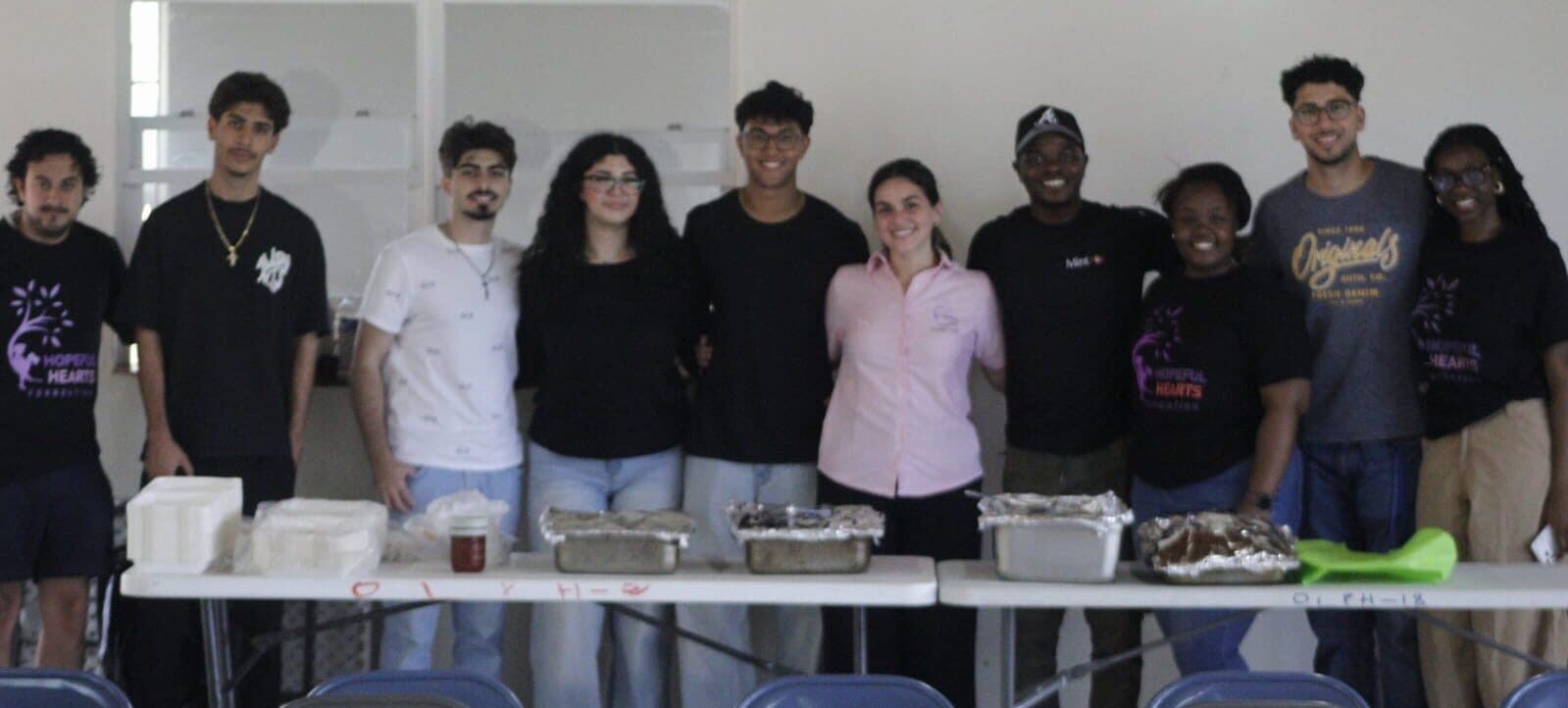
    As the Easter season brought messages of giving and compassion to communities across the Caribbean, three local organizations joined forces to turn those values into tangible support for Antigua’s vulnerable residents. The Hopeful Hearts Foundation, partnered with the Caribbean Students Association (CASA) at the American University of Antigua (AUA) and local food service provider Chef Mint, launched a special community food distribution initiative hosted at the Our Lady of Perpetual Help church facility.

    The one-day outreach program exceeded early expectations, delivering freshly prepared warm meals to more than 100 community members facing food insecurity. What made the event possible was the behind-the-scenes support from Father Sade, whose hospitality and on-the-ground coordination were critical to removing barriers and ensuring the initiative ran smoothly. Without his partnership, organizers noted, the effort would not have been able to reach as many residents as it ultimately did.

    Kristine Louisa, founder of the Hopeful Hearts Foundation, framed the event as a living reflection of Easter’s core meaning, rather than just a seasonal celebration. She emphasized that collective, cross-group action is the only way to address immediate community needs effectively, pointing to the partnership between the non-profit, student organization, and local food business as a model for future outreach. “This effort represents what Easter is truly about: giving, service, and community. We are grateful to our partners and all those who contributed to making this initiative a success,” Louisa shared in remarks following the distribution.

    The successful event underscores a growing trend of productive collaboration between local community non-profits, student associations and small businesses to meet urgent local needs. Beyond just providing meals, the initiative worked to build a stronger sense of collective care and togetherness across Antigua’s communities, connecting university students with local residents to address shared challenges.

    For the Hopeful Hearts Foundation, this Easter food drive is just one step in a long-term commitment to its core mission: lifting up and supporting communities across Antigua and Barbuda through consistent, purpose-driven service and outreach programs. The organization has plans to expand similar collaborative initiatives in the coming months to reach more residents in need across the island nation.

  • Science-based health saves lives

    Science-based health saves lives

    Marking World Health Day on April 7, 2026, global and Cuban health leaders have centered discussions on the critical role of cross-sector scientific collaboration, aligning with the World Health Organization’s 2026 theme “Together for Science.” The annual observance spotlights the urgent need for broad societal support for science-driven innovation to strengthen healthcare systems worldwide, and Cuba used the occasion to showcase its expanding domestic health research ecosystem and outline ongoing collaborative progress with international health bodies.

    Dr. Ileana Morales Suárez, Director of Science and Innovation at Cuba’s Ministry of Public Health, opened the commemoration by emphasizing a foundational truth: evidence-based healthcare is the single most effective framework for reducing preventable deaths and improving population outcomes. Echoing the WHO’s slogan, she noted that inclusive scientific partnership, rather than isolated research, holds the key to tackling the most pressing 21st-century health challenges.

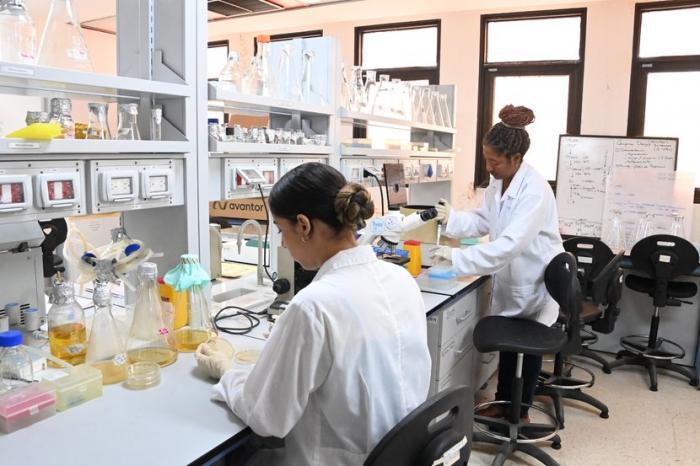
    Morales Suárez shared detailed new data on Cuba’s growing health research sector, revealing that the country currently hosts 46 dedicated Science, Technology, and Innovation entities, more than 1,200 affiliated research institutions, and 2,334 active health-focused research projects. Of Cuba’s total national researcher workforce, 69% work within the health sector, amounting to 6,182 categorized professional researchers engaged in advancing public health outcomes across the island.

    A core priority for Cuban health policy, she highlighted, is advancing the integrated One Health paradigm, a framework that ties the well-being of humans, animals, plants and entire planetary ecosystems into a single interconnected system. “The COVID-19 pandemic delivered an uncomfortable but unavoidable lesson: human, animal and environmental health cannot be separated,” Morales Suárez stated. “A threat to one is a shared threat to all.” In response to this reality, Cuba’s national government has made intersectoral collaboration a top policy priority, targeting key shared challenges including zoonotic disease spread, antimicrobial resistance, and cross-domain public health surveillance.

    Looking ahead, Cuba reaffirmed its longstanding commitment to positioning scientific research as the cornerstone of all national health policies. The country is moving forward with increased public funding for health research and targeted initiatives to strengthen its domestic scientific ecosystem, with Morales Suárez emphasizing, “We will continue to invest in science for action, and build action that advances science.”

    As part of the World Health Day commemoration, Dr. Mario Cruz Peñate, the Pan American Health Organization/World Health Organization Representative to Cuba, presented the results of the organization’s 2025 cooperation program on the island. One of the most impactful achievements highlighted was the national rollout of HPV vaccination for nine-year-old girls, supported by global vaccine alliance GAVI and PAHO. By the end of 2025, the program had administered 41,022 doses, reaching a national coverage rate of 76.6%.

    Beyond routine immunization, the cooperation program enabled Cuba to acquire more than 9,300 kilograms of essential medicines and medical supplies, including life-saving vaccines and treatments for tuberculosis and hepatitis C. For the first time in the country’s history, the Central Emergency Response Fund’s Anticipatory Action Mechanism was activated last year in response to Hurricane Melissa, mobilizing $440,000 in emergency funding to protect core health services and prevent outbreaks of arboviruses in storm-impacted regions. The activation marked a major milestone in Cuba’s ability to leverage global emergency health frameworks to proactively protect vulnerable populations ahead of preventable public health crises.

  • An exercise in listening, evaluation, and correction

    An exercise in listening, evaluation, and correction

    Cuba has officially released its updated 2026 Government Economic and Social Program, a refined policy framework shaped by months of public input from over two million citizens across the country. The new iteration introduces substantial, people-centered adjustments to five core priority areas that directly impact daily household life: macroeconomic governance, foreign revenue generation, domestic food production, the national business system, and energy sovereignty, built around a more pragmatic, integrated approach to national development.

    This 2026 version marks the latest evolution of Cuba’s ongoing economic planning process, launched to guide the country toward sustained, inclusive growth. The initiative traces its roots back to 2024, when the government first unveiled a set of economic projections designed to correct longstanding market distortions and jumpstart post-recession recovery, anchored by eight core foundational objectives. In October 2025, the framework was formalized into a full government program, expanding to 10 general objectives, 106 specific targets, 342 actionable initiatives, and 264 performance metrics. Following the nationwide public consultation period, the 2026 update further expands the framework, now containing 10 general objectives, 111 specific targets, 505 distinct actions, and 309 measurable indicators and benchmarks.

    The program’s 10 overarching general objectives lay out a comprehensive roadmap for national progress: fostering a macroeconomic environment that empowers productive activity and boosts foreign exchange earnings; expanding and diversifying the country’s international revenue streams; growing domestic production with a focused priority on food security; transforming, modernizing, and expanding the Cuban business system while strengthening the role of socialist state-owned enterprises through cross-sector integration; advancing improved strategic management for balanced territorial development; enhancing governance, defense, and national security frameworks; consolidating and expanding equitable social policies that guarantee protection for vulnerable individuals, families, households, and communities; rolling out targeted directives to prevent and reduce crime, corruption, illicit activity, and social indiscipline; accelerating recovery of the national electrical system and advancing long-term energy sovereignty; and leveraging science, innovation, natural resource stewardship, social communication, and digital transformation to drive sustainable development.

    Of these 10 core objectives, five stand out for their direct, immediate impact on the daily lives of Cuban families, and the 2026 update brings meaningful shifts to how each will be implemented. For macroeconomic policy, the program’s framing has shifted from top-down “program implementation” to “enabling favorable conditions”—a deliberate adjustment from 2025’s focus on executing a rigid central plan. The new approach recognizes that macroeconomic stability cannot be mandated by decree; it must be built through systemic, enabling conditions that reduce bureaucratic rigidity and open up more space for productive activity across state, cooperative, and private sectors, aligning trade, investment, and employment growth with real market incentives rather than centralized directives.

    On the front of external revenue, the core goal of expanding and diversifying international earnings remains unchanged, but new concrete actions have been added to reflect policy shifts rolled out in recent months. The update prioritizes eliminating longstanding barriers to exports, and scaling up support for tourism, remittance flows, and foreign direct investment. For the general public, growing external revenue is expected to expand the country’s capacity to import critical daily goods including food, fuel, raw materials, and pharmaceuticals, easing the supply constraints that currently impact household consumption.

    Domestic food production, already a top priority in the 2025 framework, retains its top status but has seen an exponential expansion in associated actionable measures. The 2026 program introduces new policies to expand usufruct land access for producers, cut input costs, enable direct contracting between producers and buyers, and eliminate unnecessary bureaucratic red tape. Most notably, the program for the first time explicitly links food production goals to cross-actor integration, allowing cooperative and small independent farmers to operate on equal footing with state-owned enterprises in the sector.

    For the national business system, the 2026 update marks a philosophical shift from framing non-state actors as “complementary” to state-owned enterprises to pursuing full, equitable productive integration. Where 2025 positioned non-state businesses as secondary contributors, the 2026 approach emphasizes horizontal collaboration, shared production chains, and equal access to critical inputs, financing, and market opportunities across all actor types. State-owned enterprises remain the core of the national business system, but the framework requires them to transform and modernize to compete and collaborate on equal terms with cooperatives, micro, small and medium-sized enterprises (MSMEs), and self-employed workers.

    The program’s ninth core objective, focused on energy, has also undergone a strategic reorientation: shifting from tactical recovery of the national electrical system to advancing long-term energy sovereignty. Where 2025’s approach centered on resolving immediate blackouts and supply shortages, the 2026 vision pursues a long-term goal of building national capacity to generate, distribute, and manage energy without critical dependence on foreign fossil fuel imports. This requires accelerating investment in renewable energy infrastructure, cutting reliance on imported fossil fuels, and delivering a stable, consistent electricity service for all households.

    As Cuban President and First Secretary of the Central Committee of the Party Miguel Díaz-Canel Bermúdez noted, the revised Program serves as “the compass, the roadmap, the guiding thread of all government management.” The updated framework is the product of a months-long process of public listening, expert evaluation, and iterative adjustment, with the changes to the five priority areas reflecting a clear commitment to aligning policy with real-world conditions, moving from centralized mandates to practical outcomes, and advancing from sectoral division to inclusive productive integration. For the Cuban people, who have navigated persistent daily economic challenges, the ultimate test of the program will be delivering tangible improvements to quality of life—a goal the updated framework explicitly centers through its focus on measurable execution and targeted transformation.

  • Column: Na Chan; strijd om de hamer of kracht van de partij?

    Column: Na Chan; strijd om de hamer of kracht van de partij?

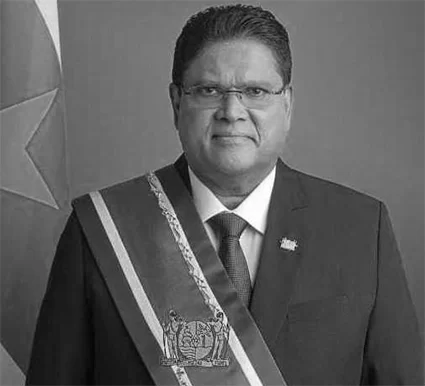
    On April 7, the former president of Suriname, longtime chairman of the Vooruitstrevende Hervormingspartij (VHP) and sitting member of the National Assembly, Chan Santokhi, is cremated following his death on March 30, 2026 at the age of 67. For the VHP, one of Suriname’s most influential political parties, the day marks not only a moment of national farewell to one of its most iconic leaders, but also the official start of a new and uncertain political chapter for the organization. As politics never stops, even to mourn, the vacuum created by Santokhi’s passing has immediately shifted the party’s focus to the question of what comes next.

    Santokhi was far from an ordinary party leader. Like the legendary VHP founder Jagernath Lachmon, he led the party from his election to the chairmanship until his final day. When he first won the top VHP position in July 2011, he secured a landslide victory, leaving his challenger Bholanath Narain far behind in the vote count. Over the 15 years that followed, he grew into the undisputed public face of the VHP, and had been preparing to defend his leadership position in the party’s scheduled leadership elections next year before his unexpected death. For the time being, the party’s gavel has been temporarily passed to deputy chairman Glenn Oehlers, but the arrangement is only an interim measure. The clock is already ticking inside the VHP, and the question of permanent leadership cannot be left unanswered long after the funeral.

    The VHP’s official party structure leaves little room for off-book improvisation. The formal process requires local branch elections first, followed by a vote for the new national executive committee, a predictable, by-the-book sequence on paper. But anyone familiar with the VHP knows that beneath this orderly outward process, a fierce undercurrent of political dynamism is already shifting. To put it plainly: the contest for the vacant chairmanship began long before Santokhi’s passing. Several senior party figures had already begun preparing to challenge his incumbency ahead of next year’s scheduled vote; now that the position is open, that latent tension has erupted into an open leadership race. Political ambition, it turns out, does not get buried with a fallen leader.

    The critical question facing the VHP today is not whether a leadership contest will occur, but how that contest will unfold. Will it devolve into a factional clash that tears the historic party apart? Or will it serve as a catalyst for the VHP to reinvent itself for a new political era? The party’s history offers both a reason for hope and a clear warning. When Jagernath Lachmon died decades ago, the VHP also stood at a breaking point. But as Lachmon himself once noted, the party bent like a reed in the wind rather than snapping. It emerged from the transition with scars, but enough resilience to remain a dominant force in Surinamese politics. That exact same test now sits before the party once again.

    If the VHP can unify its fractured factions and rally around a consensus candidate that bridges internal divides, political analysts say the party could emerge stronger from this transitional period. But if personal ambition overrides collective party interests, fragmentation is a very real risk — a split that would strip the VHP of its long-held political clout. Ultimately, the future of the party does not rest solely with the senior leadership at the top: it depends on the support of the party’s grassroots base. Political parties do not survive on the charisma of individual leaders alone; they survive only if their foundational support holds when the political storm hits. And that storm is already on the horizon.

    The coming months will reveal whether the VHP can once again bend without breaking, or whether the vicious fight for the chairmanship will throw the historic party off balance. One thing, however, is already certain: Chan Santokhi’s legacy will not be defined only by what he achieved during his decades of leadership. It will be defined by what the VHP does with the foundation he left behind. Today, as Santokhi’s body is committed to flame, the coming weeks and months will prove whether his party has the strength and unity to keep Santokhi’s political project alive and thriving.

  • Multi-vehicle accident reported on Duarte Highway

    Multi-vehicle accident reported on Duarte Highway

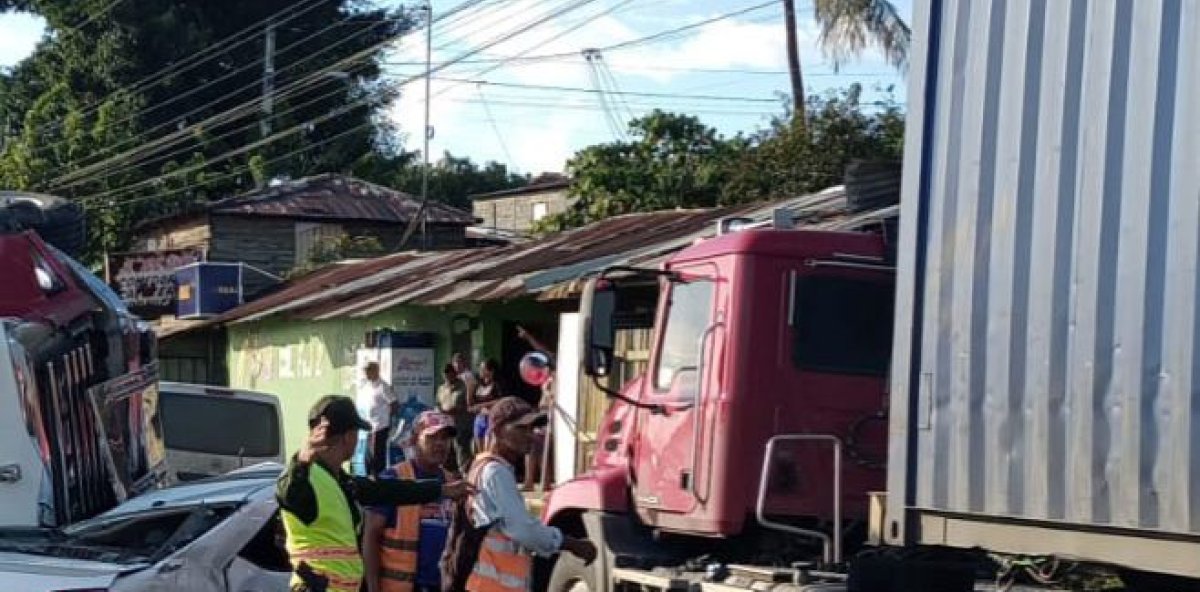
    Early Tuesday morning brought a disruptive highway incident to the Dominican Republic’s key Duarte Highway, where a collision involving multiple vehicles snarled traffic along the busy Santiago-to-Santo Domingo corridor. The General Directorate of Traffic Safety and Land Transportation, known locally as DIGESETT, was the first agency to confirm the accident and quickly moved to address the disruption.

    In the immediate aftermath of the crash, DIGESETT mobilized a team of on-ground units to the collision site. Their dual priority has been clear from the start: untangle the backed-up traffic that has built up along the route and provide any necessary assistance to motorists involved in the incident. Teams are working around the current disruption to clear the roadway and bring the highway’s usual traffic flow back online as rapidly as possible.

    As of the latest official update, regulatory authorities have not released any additional details surrounding the incident. Key information that remains undisclosed includes the number of vehicles involved, any reports of injuries or fatalities tied to the crash, and the preliminary root causes that may have led to the collision. DIGESETT has indicated that more details will be released once initial site assessments are completed.

    In a public advisory issued alongside the confirmation of the crash, traffic officials have urged all motorists planning to travel along that stretch of Duarte Highway to take extra precautions. Drivers already in the area are instructed to reduce their travel speed, stay alert to changing road conditions, and strictly follow all directional guidance from traffic officers on site. These measures are intended to prevent secondary collisions, avoid further unnecessary delays, and keep all road users safe while the crash response is ongoing.

  • Internationale delegaties en prominente toespraken bij staatsuitvaart Santokhi

    Internationale delegaties en prominente toespraken bij staatsuitvaart Santokhi

    On April 7, Suriname holds a solemn, internationally attended state funeral for Chan Santokhi, the nation’s former president and long-serving chair of the Progressive People’s Party (VHP), to honor the legacy of one of the country’s most influential political figures. The ceremony is hosted at De Olifant Foundation, the historic VHP headquarters where the party’s iconic former leader Jagernath Lachmon was also laid to rest, following a period of internal consultation that resolved earlier discussions around the suitability of the venue for a full state funeral.

    After coordinated talks between the President’s Cabinet and Santokhi’s family, the final decision to hold the service at De Olifant was solidified by a key fact: Santokhi remained the sitting VHP party chair at the time of his passing, making the historic party base the most fitting location to pay respects. The structure of the ceremony reflects Santokhi’s far-reaching influence across regional and global political circles, with a diverse guest list that includes high-level diplomatic delegations from multiple countries and addresses from both national and international leaders.

    Suriname’s incumbent President Jennifer Simons is among the ceremony’s keynote speakers. Other prominent figures set to deliver remarks include Organization of American States Secretary-General Albert Ramdin, Chair of the National Assembly of Suriname Ashwin Adhin, Guyana’s President Irfaan Ali, Curaçao’s Prime Minister Gilmar Pisas, St. Kitts and Nevis’ Prime Minister Terrance Drew, and a Dutch Minister of State. In a nod to Suriname’s diverse social and religious fabric, the service also incorporates multifaith elements, with contributions from religious representatives of the Roman Catholic Church, Islamic community, and Hindu community, reflecting Santokhi’s lifetime of work across a pluralistic society.

    Members of Santokhi’s family will also pay their personal tributes, with his widow Mellisa Santokhi set to deliver a formal vote of thanks to attendees and the public for their widespread support following his passing. After the conclusion of the solemn ceremony, Santokhi will be cremated at the Shabier Ishaak Funeral Center in Uitkijk, located in Suriname’s Saramacca district. The event marks a historic moment as Suriname and the broader international community bid farewell to a leader who left an enduring mark on both national politics and regional diplomatic relations.

  • Haiti : Creation of the Commission for Planning and Organization of State Examinations

    Haiti : Creation of the Commission for Planning and Organization of State Examinations

    In an official administrative update dated April 7, 2026, Haiti’s Ministry of National Education and Vocational Training (MENFP) has announced the formation of a dedicated ministerial body tasked with overseeing the full lifecycle of state-held academic examinations.

    The new Commission for Planning and Organization of State Examinations was formalized through Circular No. C-11828, issued by MENFP Minister Vijonet DEMERO. This specialized commission brings together 16 senior education officials and administrative leaders from across the ministry’s different departments and directorates to address gaps in exam administration and ensure consistent, secure delivery of national assessments.

    The commission has been assigned a broad, comprehensive 16-point mandate covering every stage of the examination process. Core responsibilities include verifying that all candidate registrations are correctly entered into the ministry’s centralized SIGE digital registry, conducting needs assessments for all logistics and resources required for exam administration, and drafting a detailed operational budget to support all related activities. The body is also tasked with ensuring all third-party service contracts for examination delivery are fully executed and compliant before testing begins.

    Beyond pre-exam preparation, the commission will oversee the smooth running of all test sessions, and is required to build out a formal security framework to protect the integrity of the entire examination process, from question paper production to grading. It will also serve as a central coordination hub, streamlining communication between the multiple government and local entities involved in exam administration. Additional mandates include the secure transportation and storage of examination papers and answer copies, the rational management of all on-the-ground logistics, and the organization of weekly progress check-in meetings with regional and departmental education directors. The body will provide end-to-end support and monitoring for all state examinations, covering the period before, during, and after test administration.

    To lead the new body, the commission will operate under a co-chairmanship model, with the role shared by Osny JEAN MARIE, Director General of MENFP, and Woodly SIMON, Chief of Staff to the Minister. Commission members will select an internal secretary to handle administrative operations, including meeting minutes tracking and correspondence management. The full 16-member roster includes senior leaders from across the ministry: Ecclesiaste THÉLÉMAQUE, Director of the Minister’s Office; Nadine HENRY, Chief General Inspector; Jean Wilnor PIERRE, Coordinator of the Coordination Unit of Departmental Directorates of Education; Gérald BÉLIZAIRE, Director of BUNEXE; Kendy NICOLAS, Director of the Directorate of Fundamental Education; Miguel FLEURIJEAN, Director of the Department of Secondary Education; Rousseau Dumond LARIONNE, Director of Administrative Affairs; Renan MICHEL, Inspector General; Norton LOUISIUS, Coordinator of the Security Unit; Donnky Nélio EMMANUEL, Coordinator of the Procurement Unit; André Louis Sammuel ESTRIPLET, Inspector General; Etienne Louisseul FRANCE, Departmental Director of Education for the West; Jean Ricot DOCTEUR, Director of Human Resources; and Joseph Job MAURICE, Coordinator at the General Management.

    Under the terms of the founding circular, the commission has a six-month window to complete its assigned mandate and deliver a fully organized, secure framework for state examination administration. The move marks a targeted effort by Haiti’s education leadership to strengthen governance of national academic assessments, a critical component of the country’s education system.

  • End of IMF Mission to Haiti (3rd Review Staff-Monitored Program)

    End of IMF Mission to Haiti (3rd Review Staff-Monitored Program)

    Between March 23 and April 1, 2026, an International Monetary Fund (IMF) team led by Camilo E. Tovar completed a virtual assessment of progress under Haiti’s third review of the Staff-Monitored Program (SMP), holding productive discussions with senior Haitian officials including Minister of Economy and Finance Serge Gabriel Collin and Central Bank of Haiti Governor Ronald Gabriel. The IMF delegation thanked Haitian authorities for their transparent cooperation throughout the mission.

    In his closing statement, Tovar outlined the cascading crises weighing on Haiti’s macroeconomic outlook, noting the country is grappling with a worsening security landscape, overlapping domestic and external shocks, and a fragile political transition that paves the way for the first national elections in a decade later this year. The most acute recent pressure has come from a global oil price shock tied to Middle East conflict, which has sharply inflated Haiti’s fuel import costs and implicit subsidy burdens, further eroding an already precarious fiscal position. This shock compounds the damage from Hurricane Melissa, which struck in October 2025, disrupting economic output and worsening already critical humanitarian needs.

    Economic data confirms the depth of Haiti’s ongoing contraction: real GDP shrank for the seventh consecutive year in fiscal year 2025. While headline inflation has pulled back rapidly from its 32% peak at the end of FY2025 to 22.1% year-on-year in recent months, price growth is expected to remain elevated through the coming year. Amid weak economic activity and widespread policy uncertainty, financial intermediation has continued to contract. While this pullback in bank lending has driven a modest improvement in non-performing loan ratios, and capital adequacy levels remain comfortably above regulatory minimums, the contraction has restricted access to credit for households and businesses across the country.

    Against a deteriorating global backdrop, Haiti’s external reserve position has held up better than expected. Spiking oil prices have placed heavy pressure on the country’s external balance, but strong remittance inflows have partially offset these pressures, even amid uncertainty over the future of Haiti’s Temporary Protected Status (TPS) in the United States. The current account is projected to remain near balance in FY2026, while gross international reserves are expected to hit $3.4 billion by the end of the fiscal year – enough to cover more than seven months of projected goods and service imports. The nominal exchange rate has also stayed broadly stable, though high inflation has driven an appreciation of the real exchange rate.

    Fiscal policy remains severely constrained by persistent insecurity, long-standing institutional weaknesses, and limited policy space. Revenue collection in FY2026 has underperformed, reflecting security-related disruptions to economic activity, administrative fragility, and institutional paralysis triggered by the expiration of the Transitional Presidential Council’s mandate. Rising global oil prices are expected to add further pressure via growing implicit subsidy costs, while budget implementation has been uneven due to capacity constraints and pervasive uncertainty. These challenges have sharpened trade-offs for policymakers, underscoring the urgent need to prioritize spending while protecting support for low-income and vulnerable households.

    Overall, risks to Haiti’s economic outlook are firmly tilted to the downside, Tovar emphasized. A further deterioration in security, combined with sustained high global oil prices, could suppress economic activity, push up food prices to worsen humanitarian conditions, and intensify fiscal strain. A shift in U.S. immigration policy that cuts remittance inflows would also weaken Haiti’s external position. That said, there are limited upside risks: the planned deployment of a UN-backed Gang Suppression Force could restore security, boost business confidence, and support a nascent economic recovery.

    Encouragingly, all quantitative and structural program targets set for the end of December 2025 were met. Net international reserve accumulation hit $1.76 billion by the end of 2025, while targets for revenue collection, the primary fiscal balance, and social spending all remained on track. The monetary financing target was also achieved despite shrinking fiscal space, and the broader reform agenda covering governance, public financial management, and data transparency continues to advance, albeit with delays in some priority areas.

    Moving forward, the SMP will prioritize six core policy pillars to support macroeconomic stability and institutional rebuilding. First, the program will focus on strengthening governance to address systemic fragility and rebuild public trust in state institutions. Reforms centered on the IMF’s Governance Diagnostic Report aim to improve public financial management transparency, strengthen revenue administration safeguards, and expand anti-corruption and anti-organized crime frameworks. Critical progress on anti-money laundering and counter-terrorism financing (AML/CFT) rules, including publication of a new national risk assessment, will also support Haiti’s efforts to exit the Financial Action Task Force (FATF) grey list.

    Second, the program will step up support for revenue mobilization to address Haiti’s chronically low revenue base and growing security and development needs. Spiking oil prices have squeezed fiscal space, making accelerated tax and customs reforms – including full implementation of the new tax code, expanded digital infrastructure, and improved tax compliance among large taxpayers – all the more urgent. The IMF welcomed Haitian authorities’ recent decision to raise domestic fuel pump prices, which will reduce revenue lost to implicit subsidies, alongside a new decree establishing a more predictable fuel price adjustment framework. The IMF also stressed the need for a robust public communication strategy to build broad support for the reform, and reiterated the importance of protecting vulnerable households through remaining resources from the 2023 IMF Food Shock Window.

    Third, reforms will prioritize improving budget execution to ensure limited public resources are directed to high-priority social, humanitarian, and security spending. Following recent IMF technical assistance recommendations, this will require stronger cash management, tighter spending commitment controls, and improved project prioritization for public investment. These changes will enable more timely delivery of public assistance, strengthen social spending implementation, and improve overall spending efficiency to support reconstruction amid constrained resources.

    Fourth, the program will support efforts to consolidate the Central Bank of Haiti (BRH)’s policy framework and strengthen its institutional credibility. The BRH remains committed to preserving price and exchange rate stability, a commitment that has anchored macroeconomic performance under the SMP. Stable exchange rates have provided a critical nominal anchor for the economy, supported by sustained prudent reserve accumulation. Governance at the central bank has already improved via adoption of a new reserve management framework, updated investment policies aligned with core safety and liquidity objectives.

    Fifth, the program will advance reforms to strengthen financial system regulation and supervision. Haitian authorities are making progress rolling out risk-based banking supervision, expanding on-site inspections and upgrading off-site monitoring of bank risk profiles. Work is ongoing to operationalize the new supervisory framework, integrate modern risk assessment tools into the BRH’s governance structure, and finalize a standardized chart of accounts for all financial institutions. These changes will boost financial stability and strengthen banking sector resilience amid a challenging operating environment.

    Sixth, the program will continue efforts to improve the quality and timeliness of economic data. Following the successful audit and publication of the BRH’s FY2023 financial statements, work is now underway to audit FY2024 statements. Continued implementation of IMF safeguards assessment recommendations will further strengthen central bank governance and risk management, while progress is also being made to align data reporting with international standards, including the IMF’s International Reserves and Foreign Currency Liquidity template and external sector statistics frameworks. Further alignment of government finance and financial soundness indicator reporting with international standards will improve fiscal transparency and financial oversight.

    Finally, the IMF will continue to collaborate closely with international development partners to help Haiti manage fiscal risks and preserve macroeconomic stability. Amid rising oil price pressures, growing financing gaps could lead to unsustainable domestic debt accumulation that damages public sector balance sheets. The IMF recommends that external support be provided primarily as grants rather than non-concessional borrowing to preserve debt sustainability, paired with rigorous appraisal and transparency requirements for donor-funded projects. Aligned with the IMF’s strategy for fragile and conflict-affected states, the Fund will continue working alongside partners to support governance building and institutional capacity development in Haiti.

    For context, a Staff-Monitored Program is an informal agreement between national authorities and the IMF that allows the Fund to monitor the implementation of the country’s home-grown economic reform agenda. Successful implementation under an SMP helps authorities build a track record of policy delivery that can open the door to future IMF financial assistance through upper credit tranche arrangements.

  • Border patrol units engaging civilians do not diminish army role – Ali

    Border patrol units engaging civilians do not diminish army role – Ali

    On Monday, April 6, 2026, Guyanese President Irfaan Ali addressed public speculation surrounding the newly launched Border Patrol Unit (BPU), emphasizing that the community-centered initiative is designed to complement—not undercut—the Guyana Defence Force (GDF), the country’s primary military body tasked with defending national borders and airspace against external threats.

    Ali, who also serves as Guyana’s Minister of Defence and Commander-in-Chief of the Armed Forces, made clear that core national defence and security responsibilities will remain firmly with the GDF, which continues to receive sustained investment and capability upgrades. “This is not an either-or situation,” the President told Demerara Waves Online News in an interview. “The BPU works in support of the GDF, drawing on local knowledge and existing community infrastructure that the military cannot easily replicate.”

    The core advantage of the new unit, Ali explained, is its reliance on hyper-local human intelligence gathered from residents living directly along Guyana’s lengthy border regions. By centering community participation in border protection, the administration aims to create a more responsive, visible security presence that leverages indigenous residents’ intimate knowledge of remote terrain.

    Leading the new BPU is Daniel Seeram, a retired GDF captain with prior experience as Chairman of the Region Four (Demerara-Mahaica) Council. Ali first publicly announced Seeram’s appointment as BPU Coordinator during a community gathering in Kurutuka, Rupununi last week, noting that Seeram’s professional security background made him the ideal candidate for the role. Seeram will report directly to the President in his new position.

    The rollout of the BPU will begin in three priority border communities, which will each receive an all-terrain vehicle to support patrol operations. The administration is building the initiative on the existing foundation of Guyana’s Community Policing Groups, particularly in remote Indigenous communities that make up much of the country’s borderlands. Over time, the unit will be expanded to additional high-priority border regions.

    Integrated fully into Guyana’s broader national security architecture, the BPU will work in close coordination with local police, GDF personnel, and the National Intelligence Security Agency (NISA) to collect and share intelligence. Ali noted that the new structure will speed up information flow, increase on-the-ground presence, and expand situational awareness across both Guyana’s land borders and its Exclusive Economic Zone, with planned investments in surveillance technology to boost these capabilities.

    When asked whether BPU members would be armed, Ali declined to comment, but confirmed that all personnel will receive training in technology use and standardized reporting protocols, and the unit will be fully outfitted with necessary transportation assets.

    The appointment of Seeram has drawn quiet attention due to his recent political trajectory: he was elected to the Region Four chairmanship on a ticket from the opposition A Partnership for National Unity+Alliance For Change (APNU) coalition, backed by coalition lead the People’s National Congress Reform, before later aligning with the incumbent People’s Progressive Party Civic (PPPC) administration while refusing to step down from his regional post. Ali pushed back against any implicit criticism of the pick, reiterating that the appointment was based solely on Seeram’s relevant security training and professional skill set, not political affiliation.